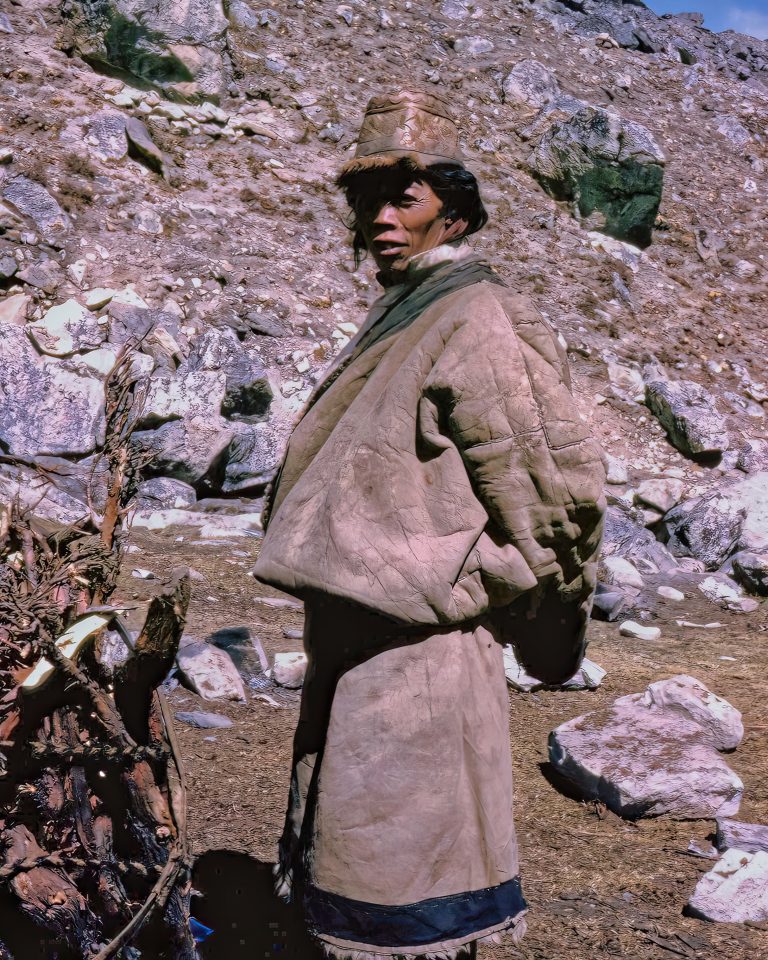
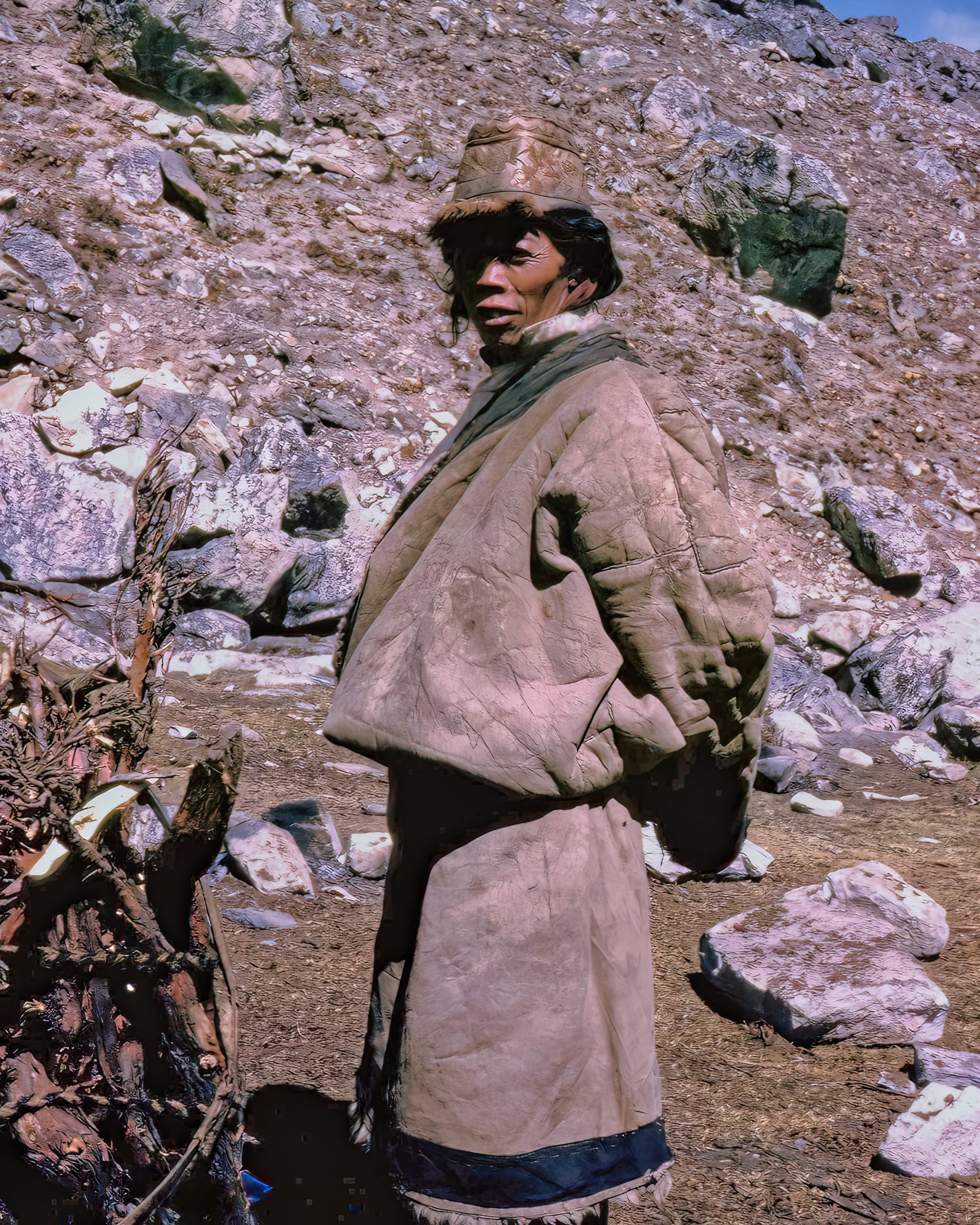
On a three-week trek to the Everest base camp in 1969 our young, modern Sherpa guide (and cook) hired this traditional Sherpa to carry wood up to the Kumbu glacier (16,000 foot elevation) where nothing grew and where we camped for two nights (eating only fried potatoes). Boy, they were good! 27.933, 86.810
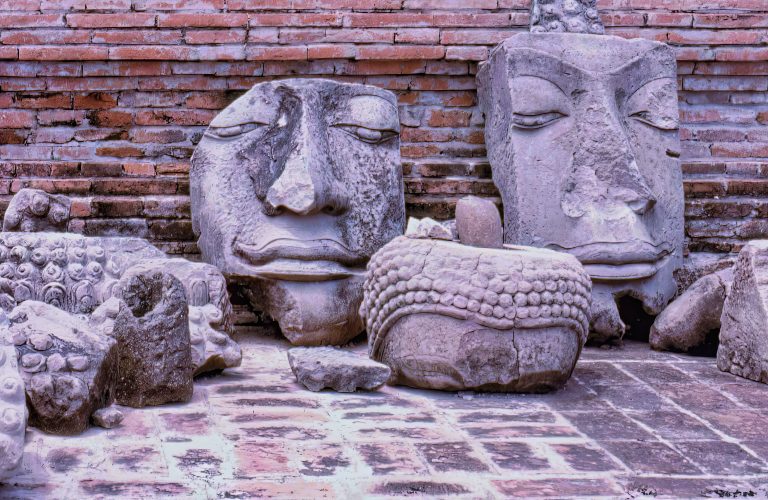
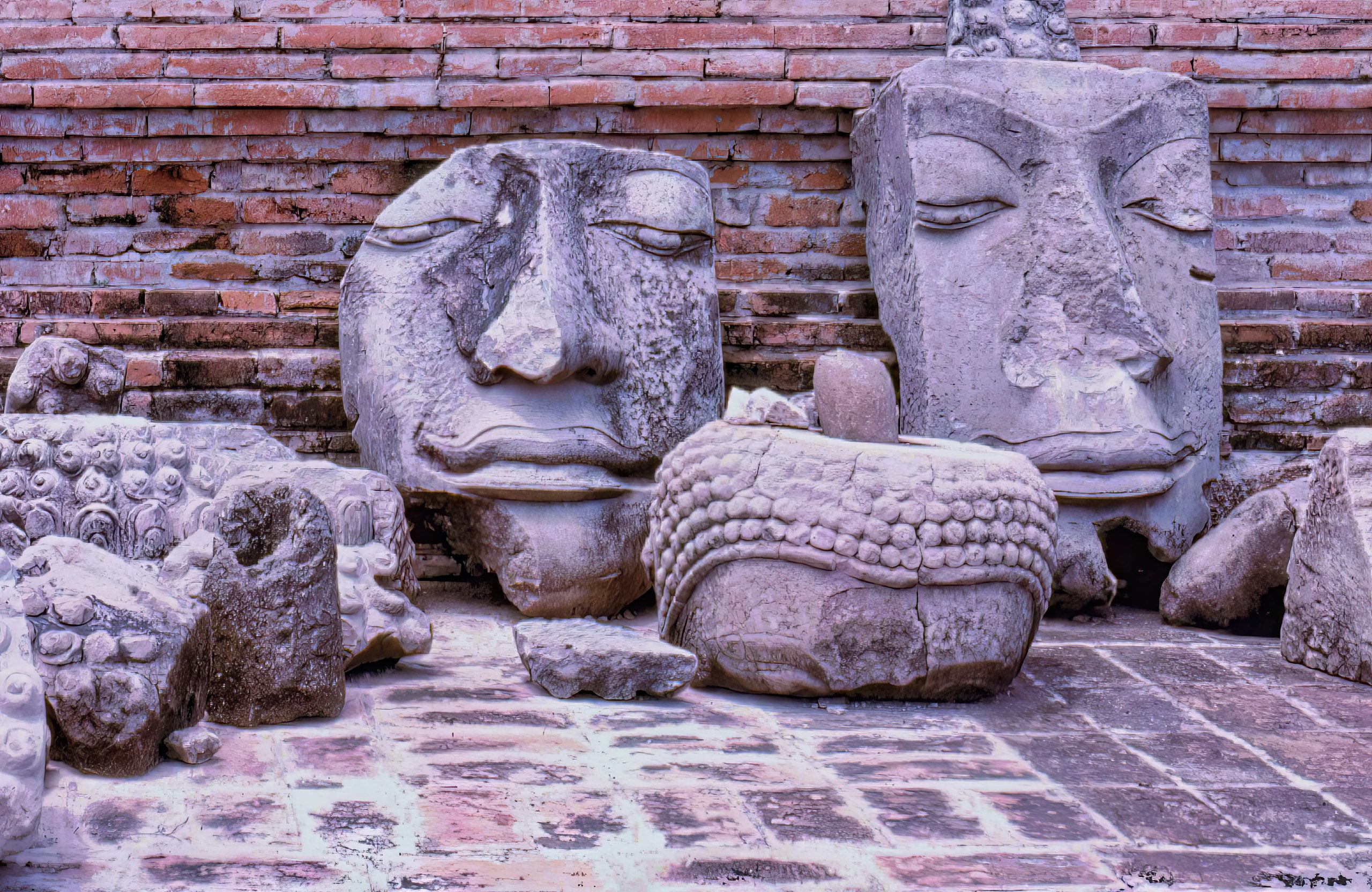
Wat (temple) sculpture fragments in Ayutthaya, Thailand. Ayutthaya (founded in 1350) was the major Thai capital after the decline of Sukhothai and until the Burmese sacked it in 1767, after which the Thais moved their capital to Bangkok. Considerable renovations when I visited in 1974. 14.3543, 100.5719
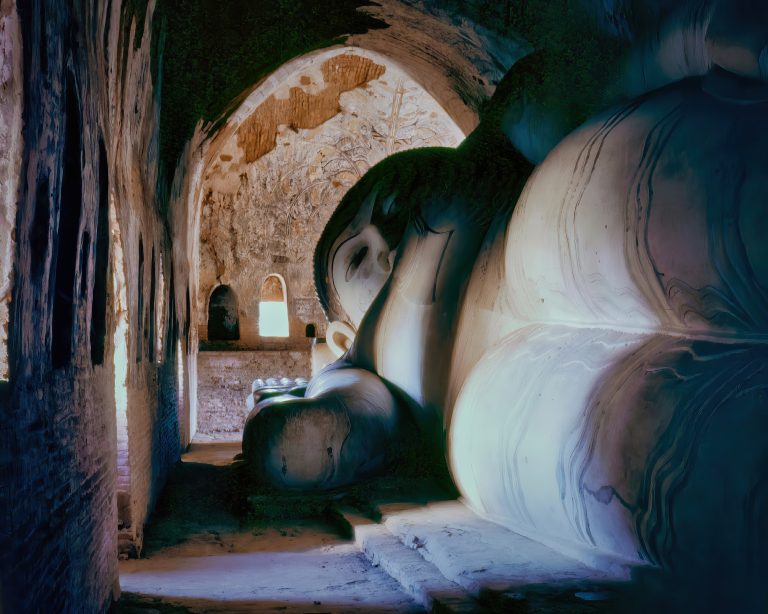
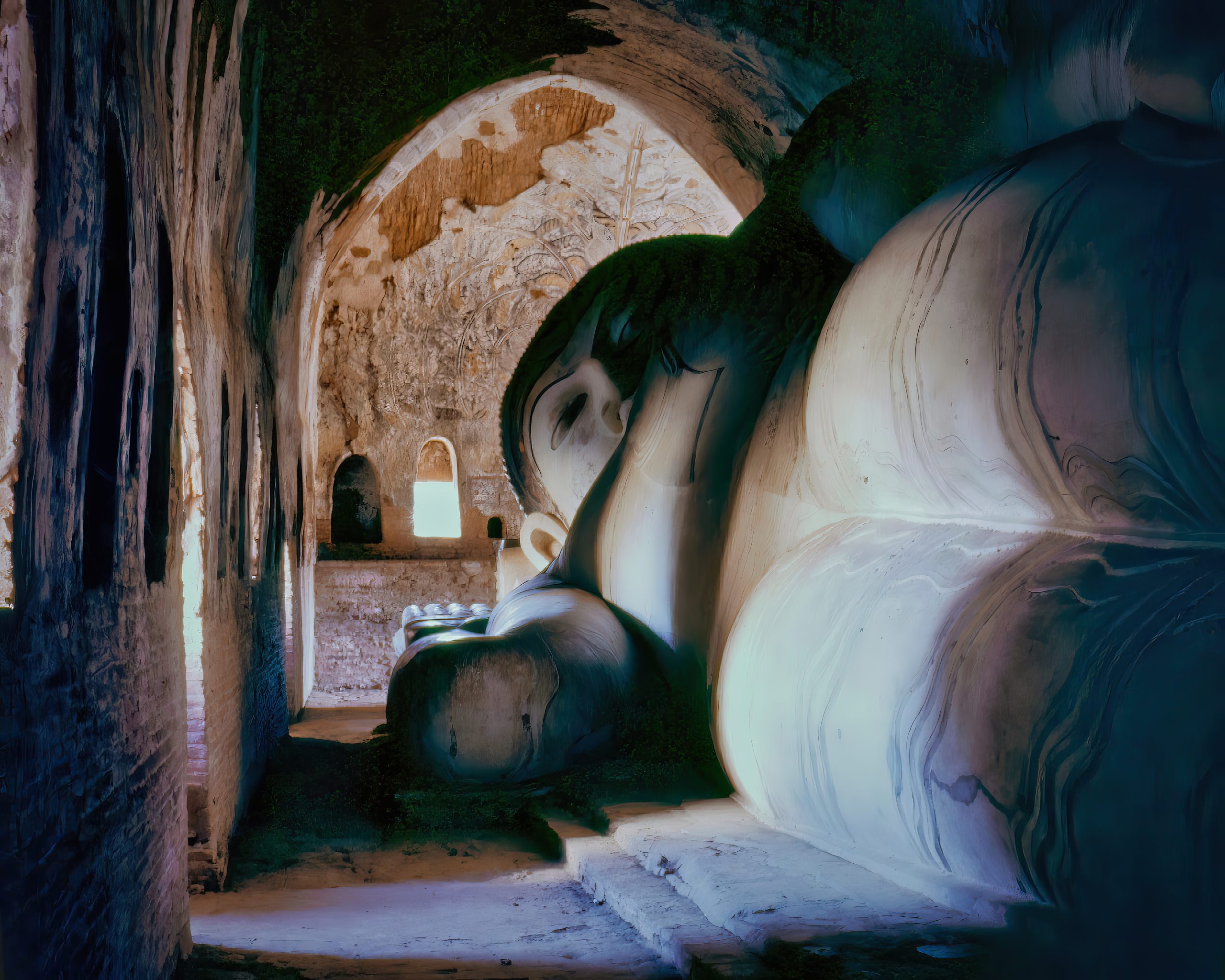
Shwesandaw Pagoda, Bagan (Pagan), Myanmar (Burma), 1974. This image, assigned to the 11th century, is 60 feet long and, I
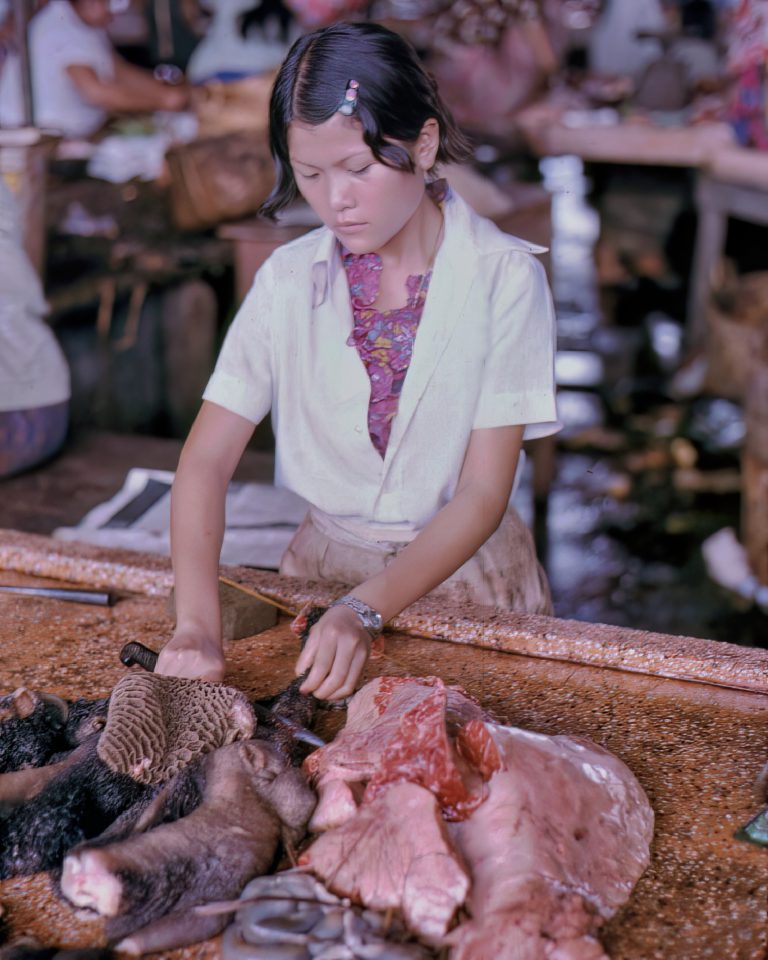
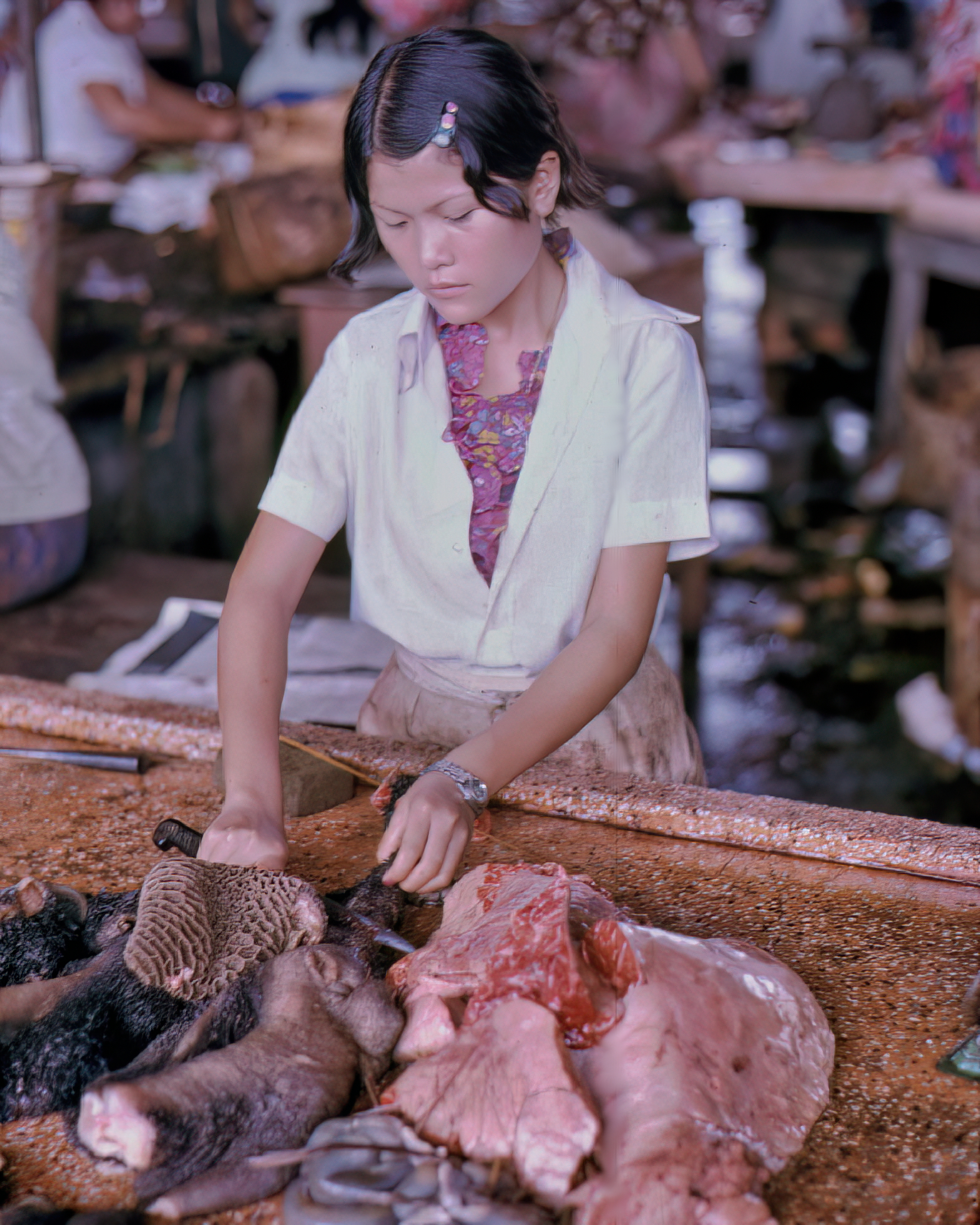
Central Market, Vientiane, Laos (1974), was a festival for "street" photographers (maybe still)! 17.9689, 102.6195
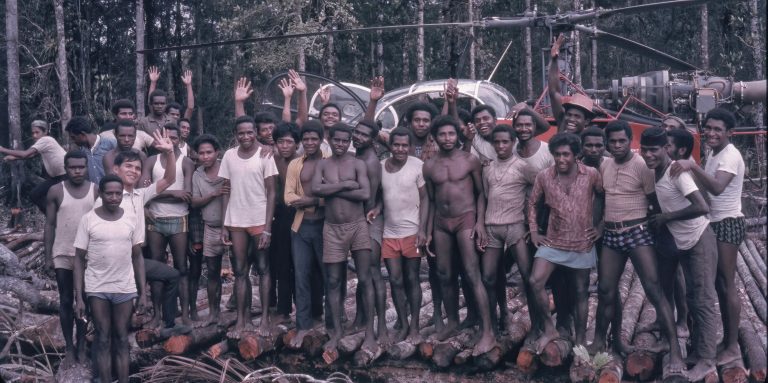
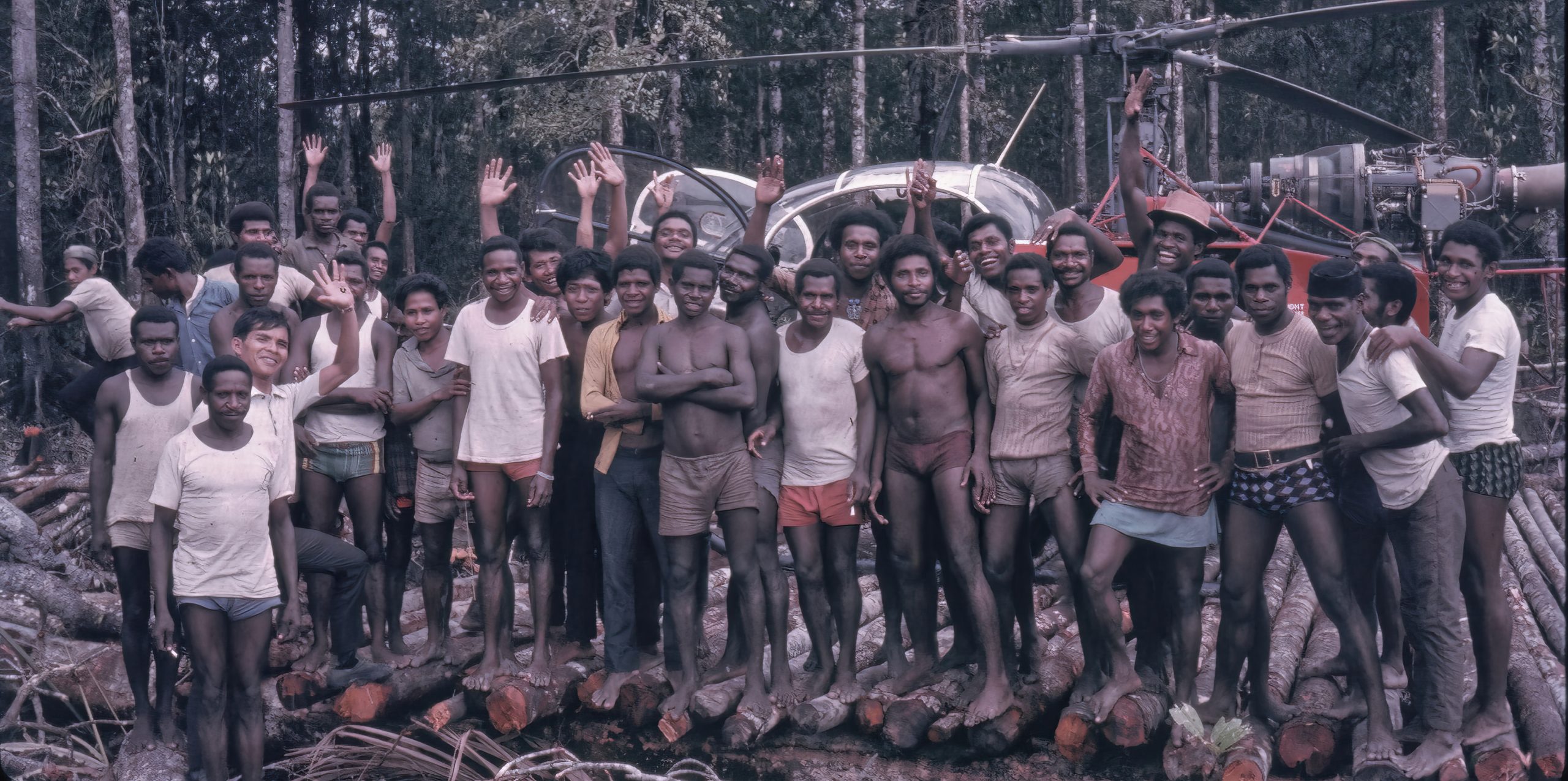
Papua Barat is the Indonesian (western) half of the island of New Guinea, called Irian Jaya when this photograph was taken in 1971 at the beginning of my career in the oil industry, about which I have second, third and fourth thoughts nowadays in retirement confronting the reality of climate change. The helicopter was a French Alouette piloted by American Vietnam vets. The helipad was cut from the jungle by the crew of Papua Barat locals seen here. We expats flew into the jungle to conduct geophysical surveys in search of oil. Life was different then! BTW, please excuse these ancient, archived photos, but the processing tools are so good nowadays it’s hard not to have another look at the past!
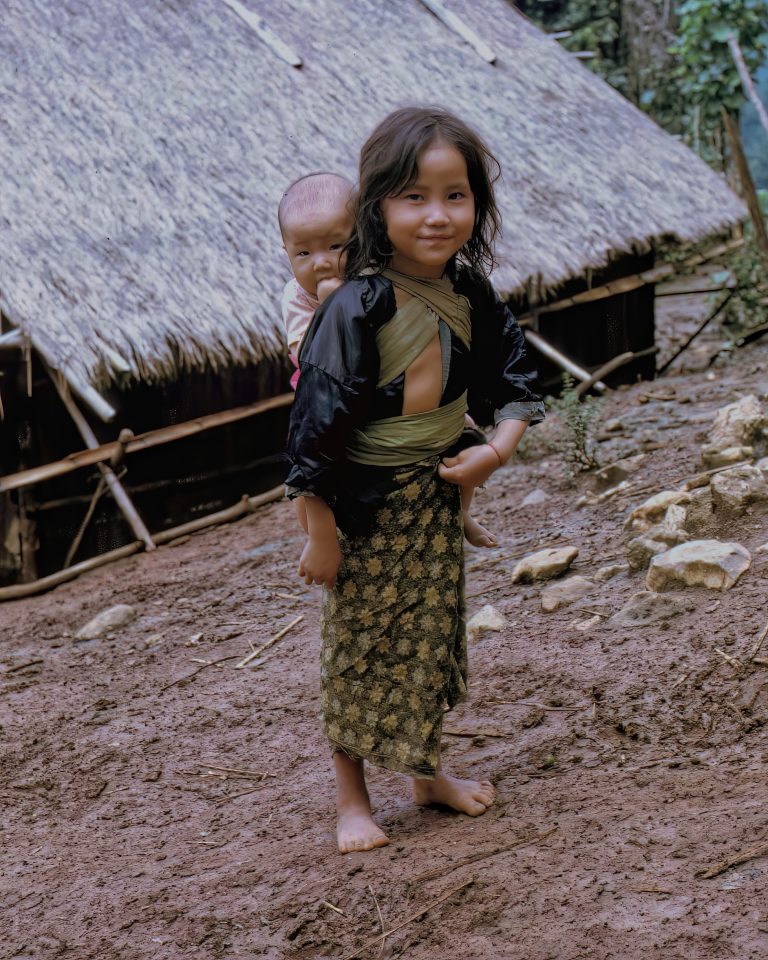
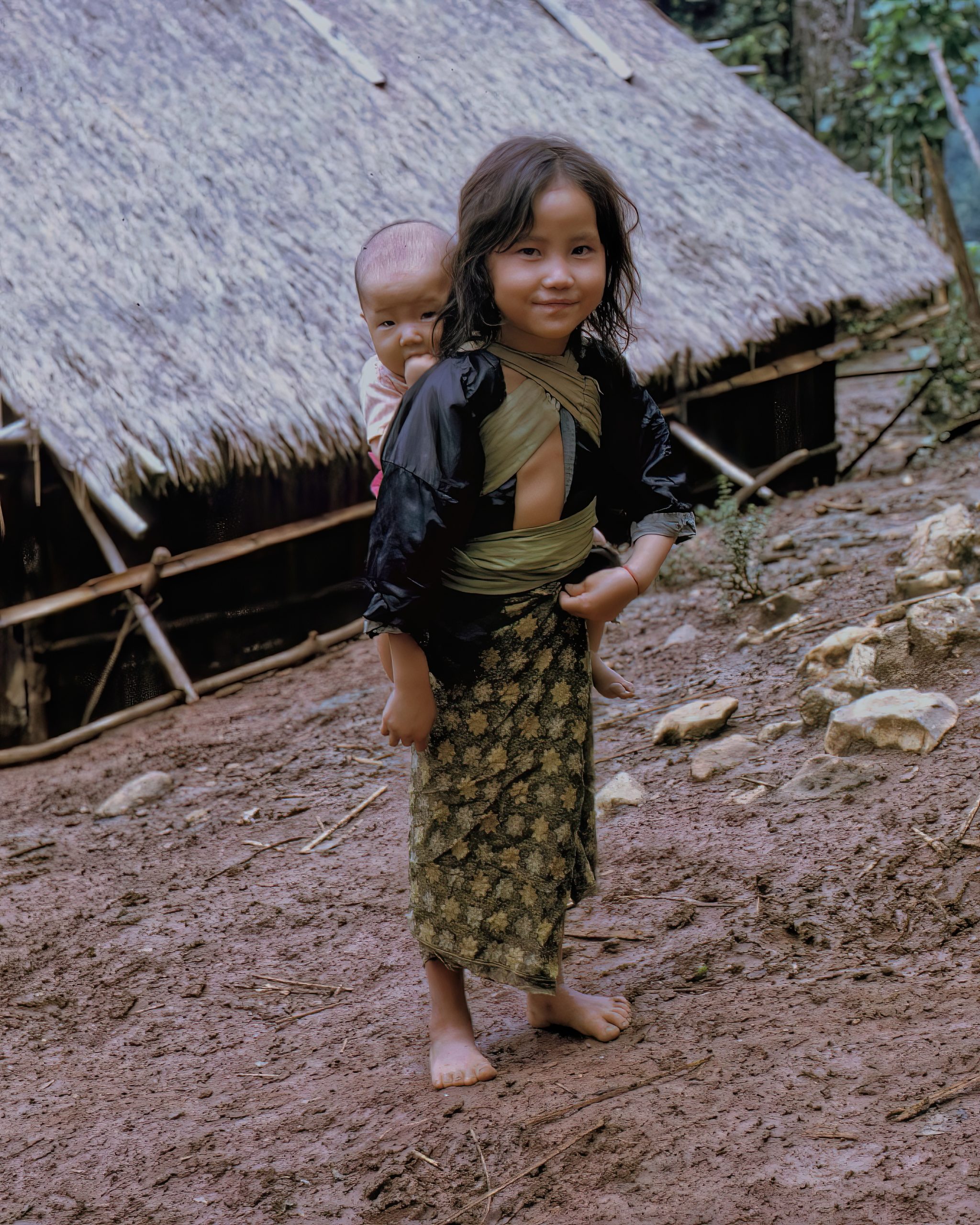
In the hills outside of Luang Prabang, the former royal capitol of Laos, in the north of the country, 1974. This was on a walking tour organized by some industrious young Laotians in Luang Prabang. Since I have no way of reconstructing the location of the village, I’ve given the coordinates of Luang Prabang. 19.8894, 102.1408
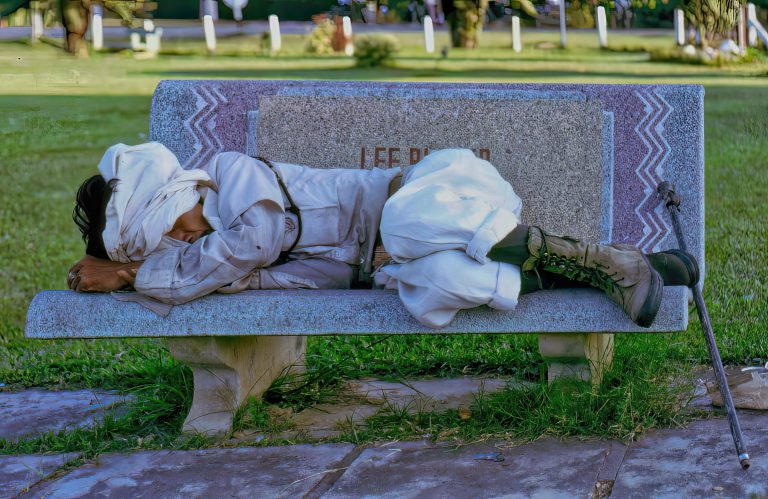
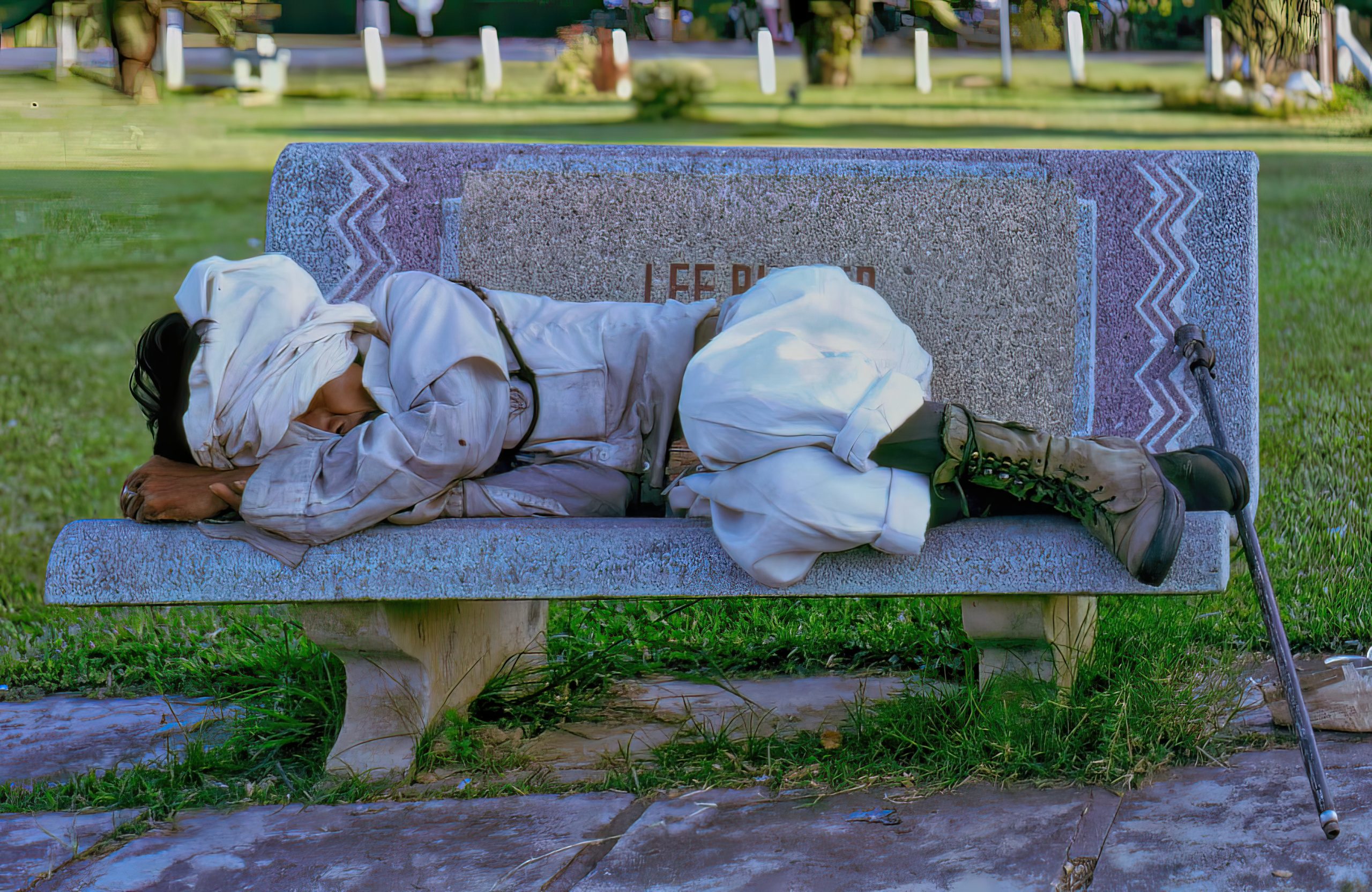
Kota Bharu (New Town), Malaysia 1974. Kota Bharu is the last stop on the train traveling north through Malaysia before entering peninsular Thailand. Had I been born in Malaysia and not the States, this traveler could have been me. We both respond to the same wanderlust. 6.1267, 102.2612
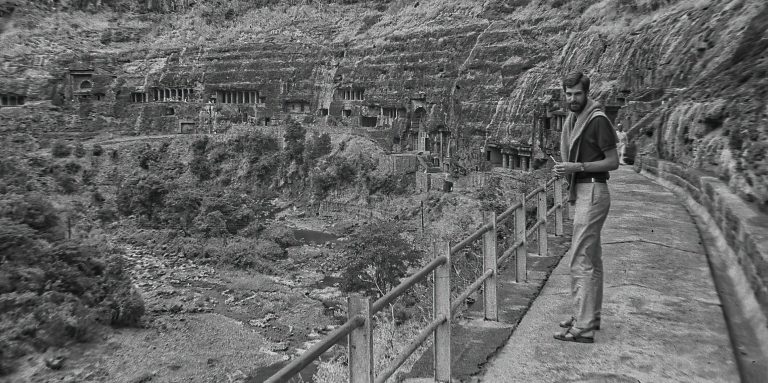
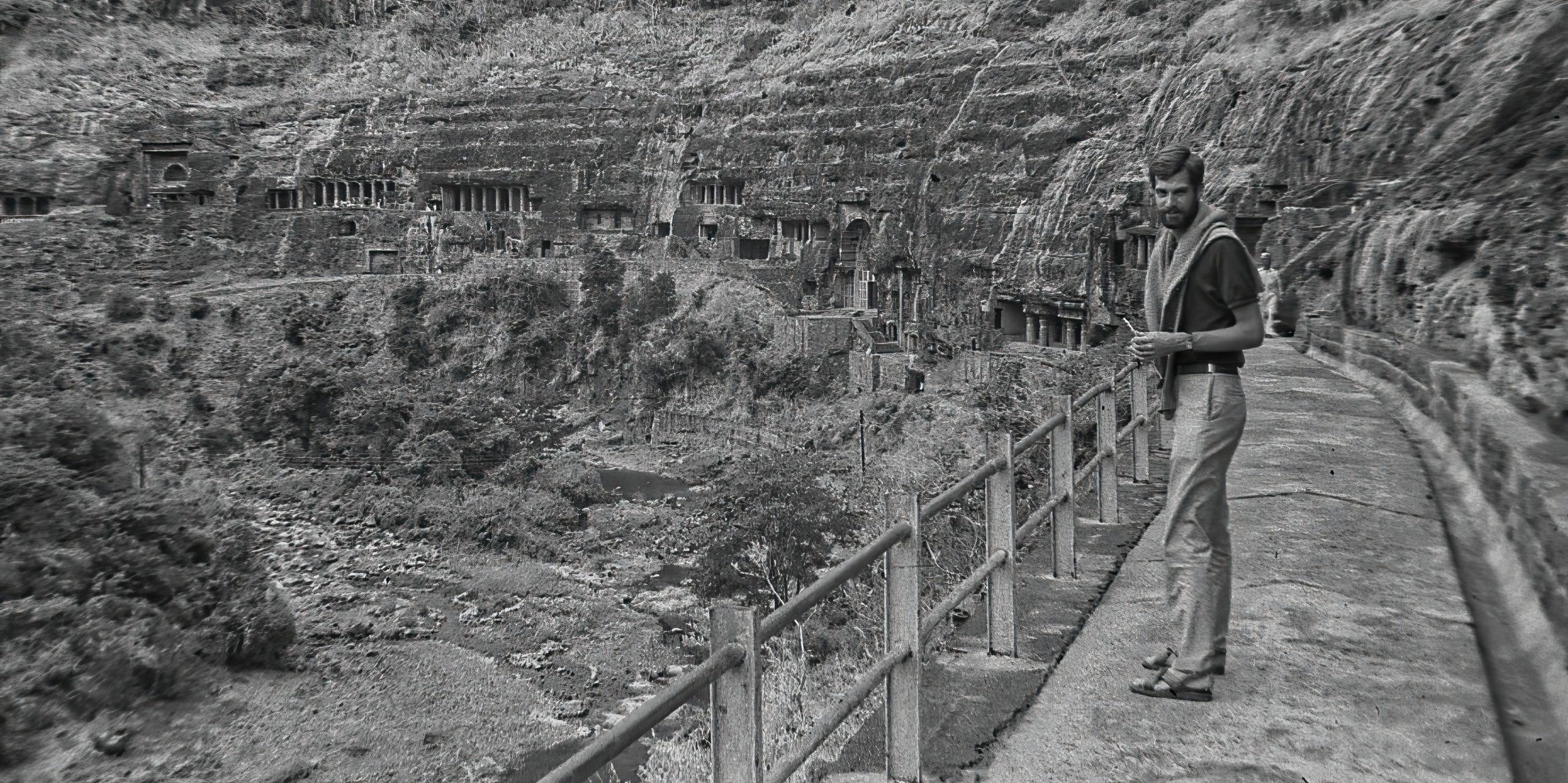
The Ajanta Caves are 29 rock-cut Buddhist cave monuments dating from the second century BCE in the state of Maharashtra, India. The caves include paintings and rock-cut sculptures described as the finest examples of ancient Indian art. I toured the caves in 1969 after two years as a Peace Corps volunteer in the south of India. By then I had exhausted all my Ektachrome and Kodachrome, and my budget, too, and necessarily resorted to locally-purchased B&W film. The handsome guy in the photo is not I, but a model from Central Casting with whom I traveled for a few days! 20.5517, 75.7034
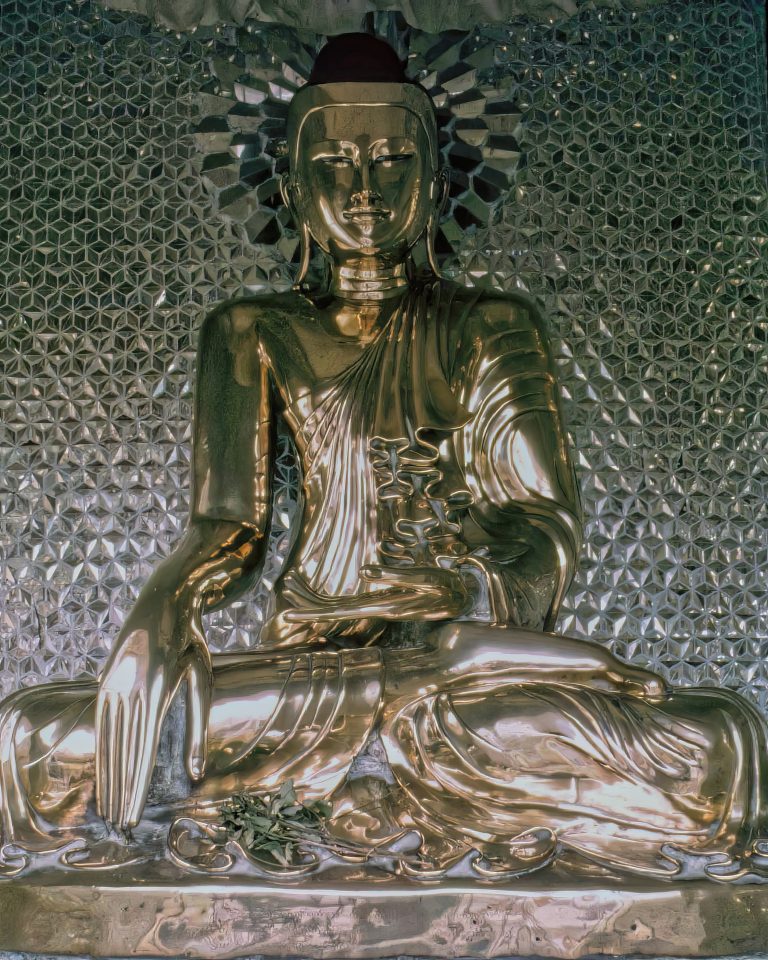
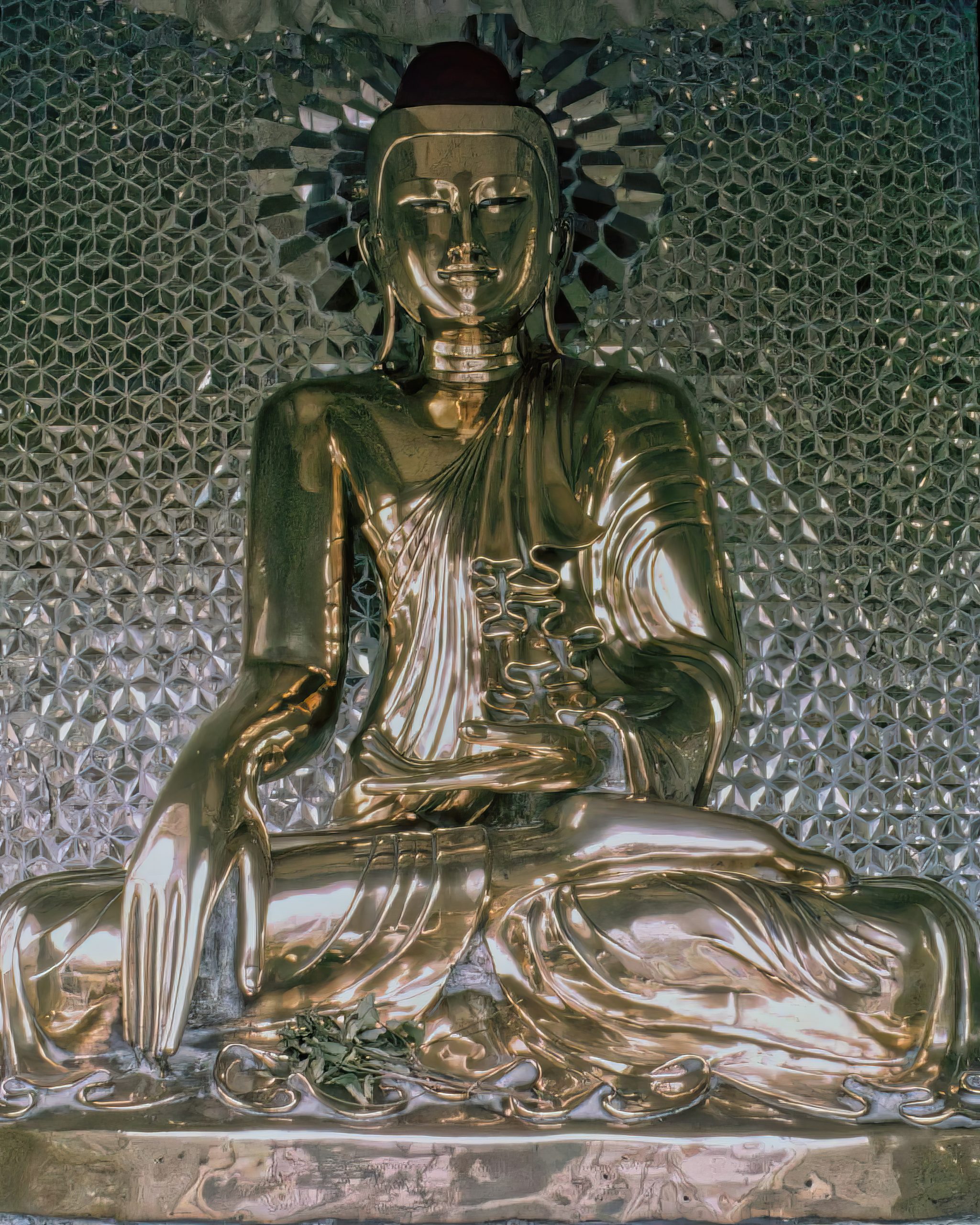
Sule Pagoda, Yangon (Rangoon), Myanmar (Burma) 1974. According to legend the pagoda is 2,600 years old, making my photo relatively recent! Soon after achieving enlightenment, Buddha refuses the temptations of the goddess Mara (the personification of lust, hesitation and fear) by touching Earth as his witness, one of the five classic stances of Buddhist sculpture.
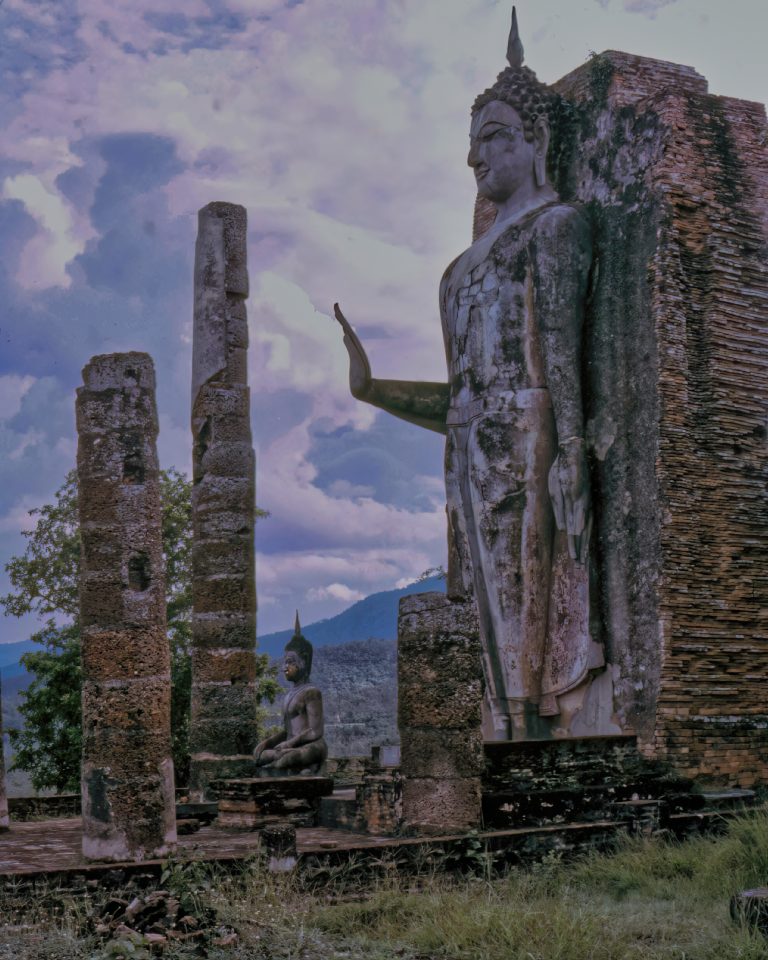
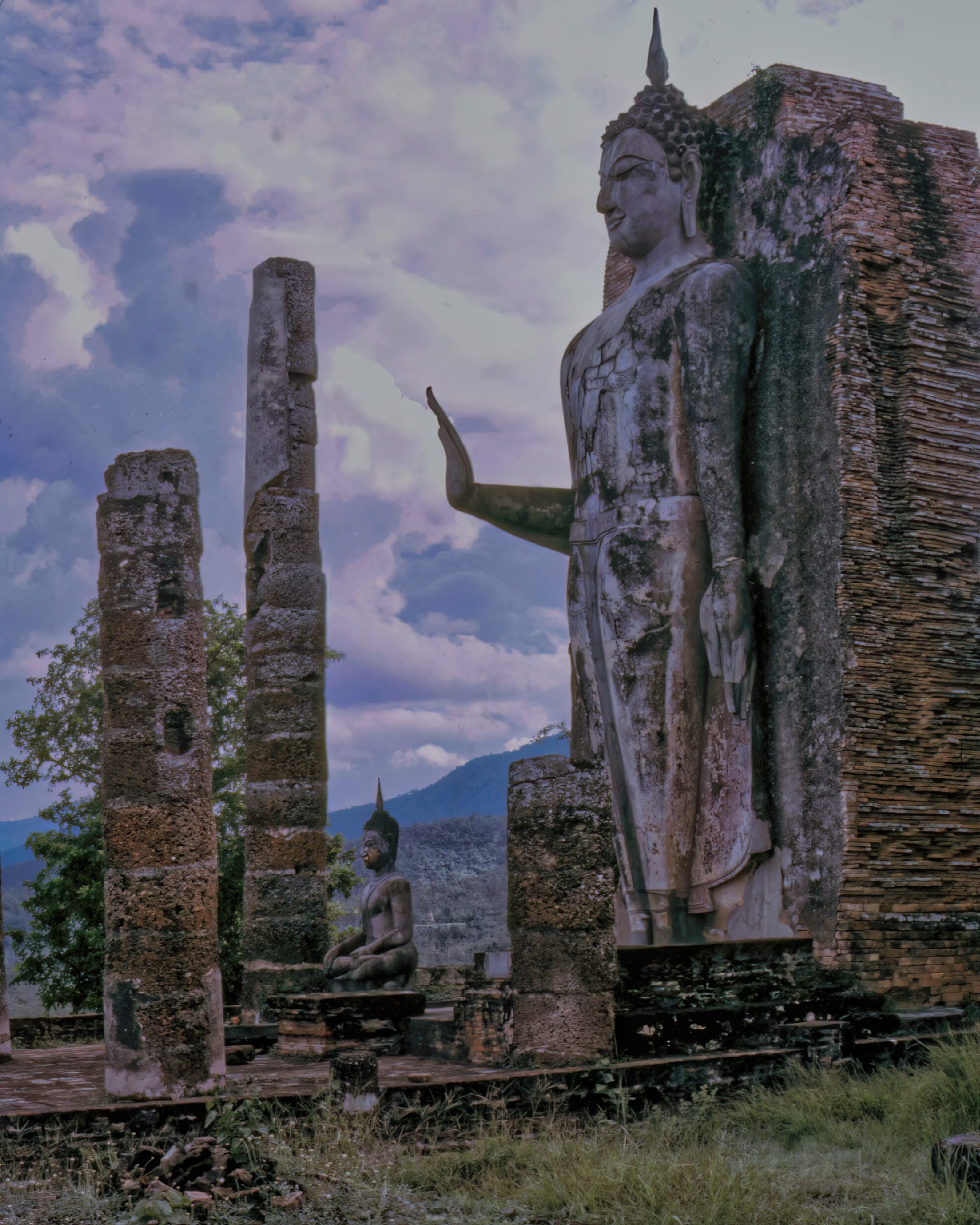
Wat Saphan Hin, Sukhothai, (central) Thailand (1974). Sukhothai flourished in the 13th and 14th centuries after the Thai cultural center shifted south from Chiang Rai and Chiang Mai. This giant statue is in one of the classic postures of the Buddha. 17.254, 99.738
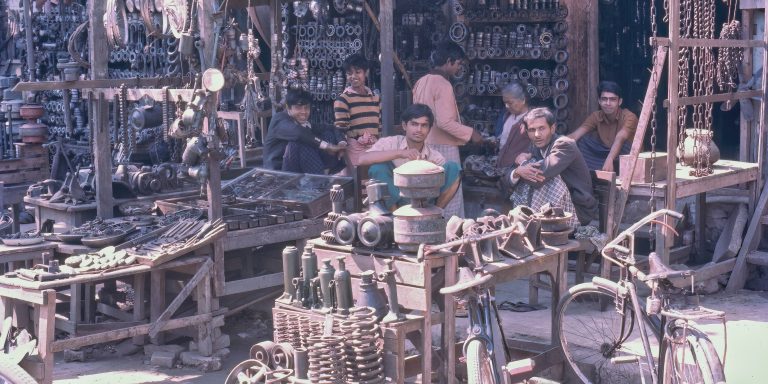
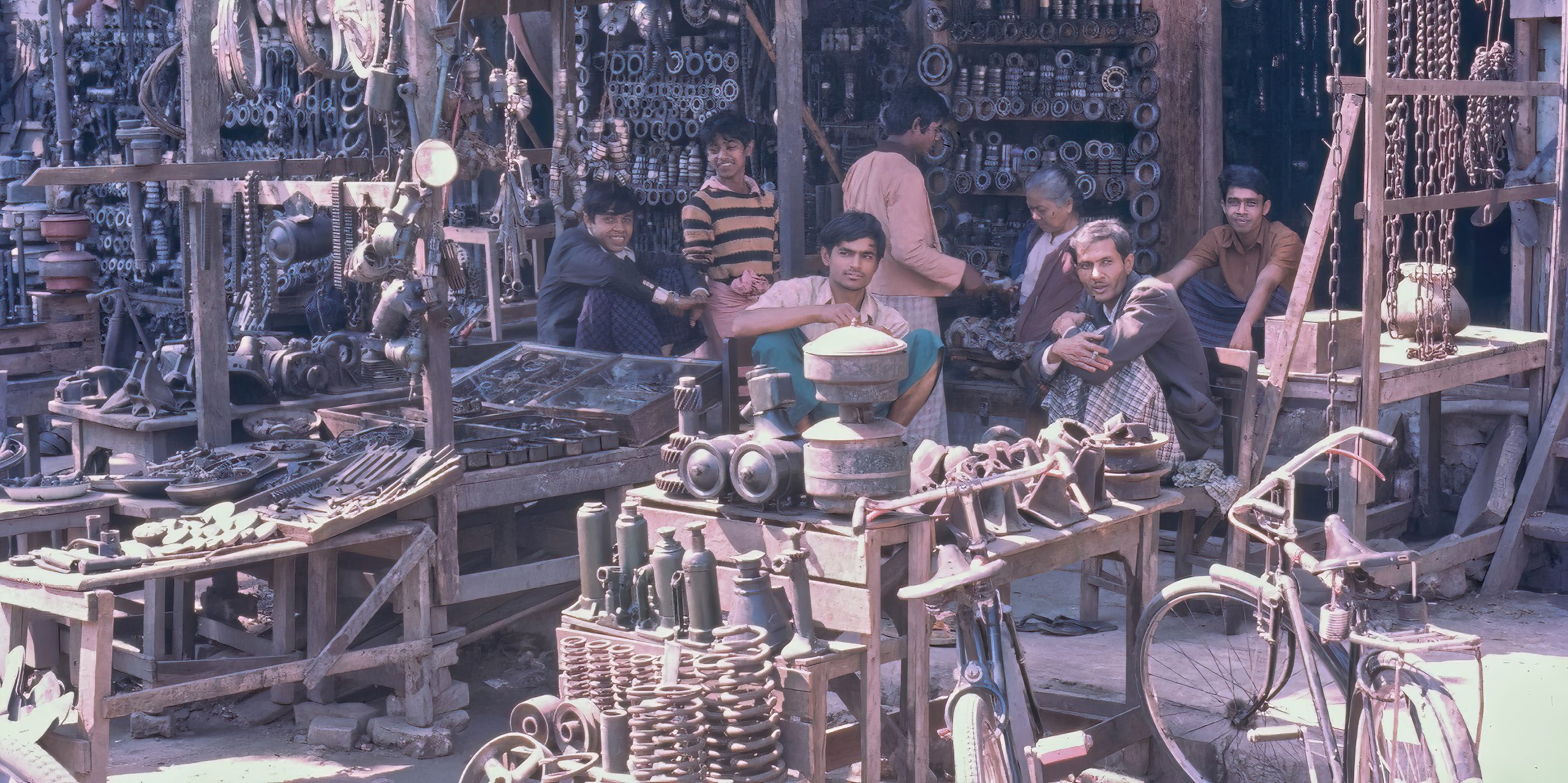
Auto Parts shop on the road to Mandalay, the former royal capital in northern Myanmar (formerly Burma) on the Irrawaddy River. Seems the several hangers-on arrived by bicycle and there’s just one customer in the shop. Lots of Myanmar history between then and now! This is a scanned transparency resuscitated in Luminar 4 and Topaz (maybe too much), but, hey, it’s fun! 21.994, 96.094
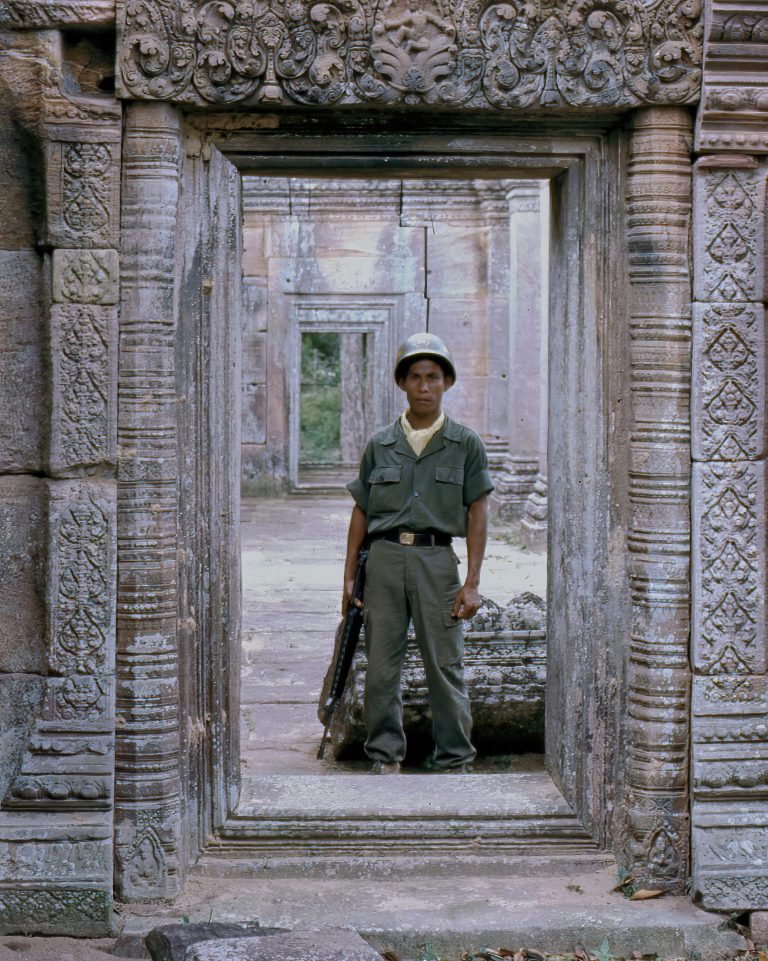
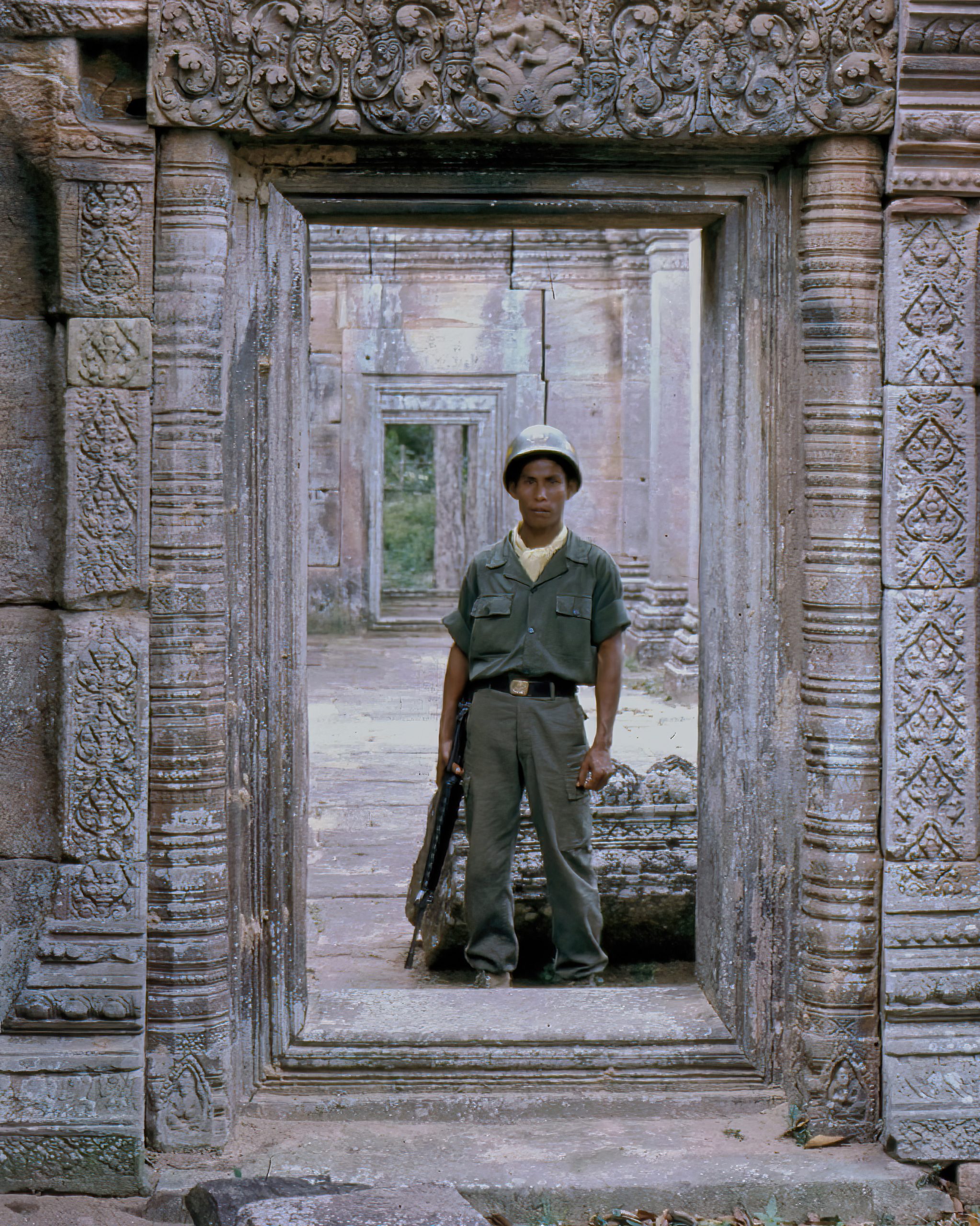
Khao Phra Viharn, Khmer (Cambodia). An excellent example of ancient Khmer (Hindu) architecture (and the reason for my visit), this viharn (temple), approached from Thailand and located atop a 1600-foot escarpment overlooking the Cambodian plain (and the sound of gunfire), was in the possession of Lon Nol’s troops (if you remember your history). Lon Nol overthrew Prince Norodom Sihanouk and lost a civil war to the Khmer Rouge. A genocide followed. 14.3930, 104.6858
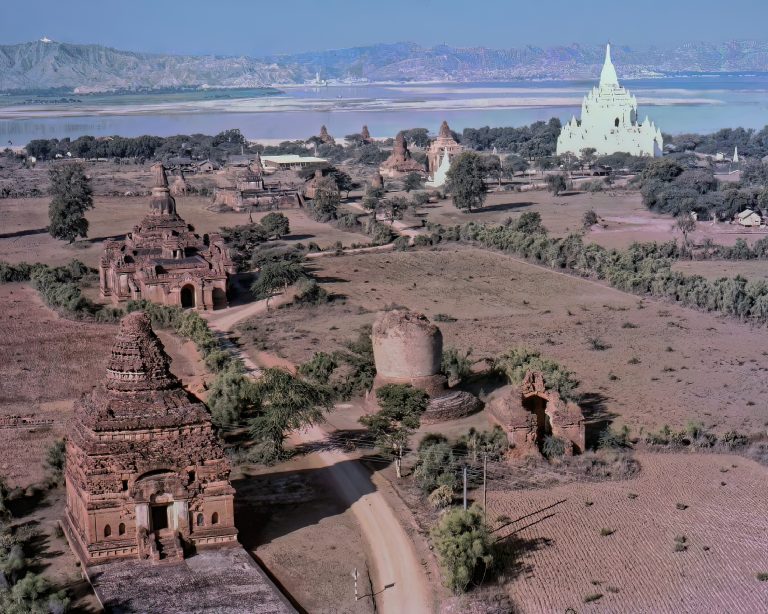
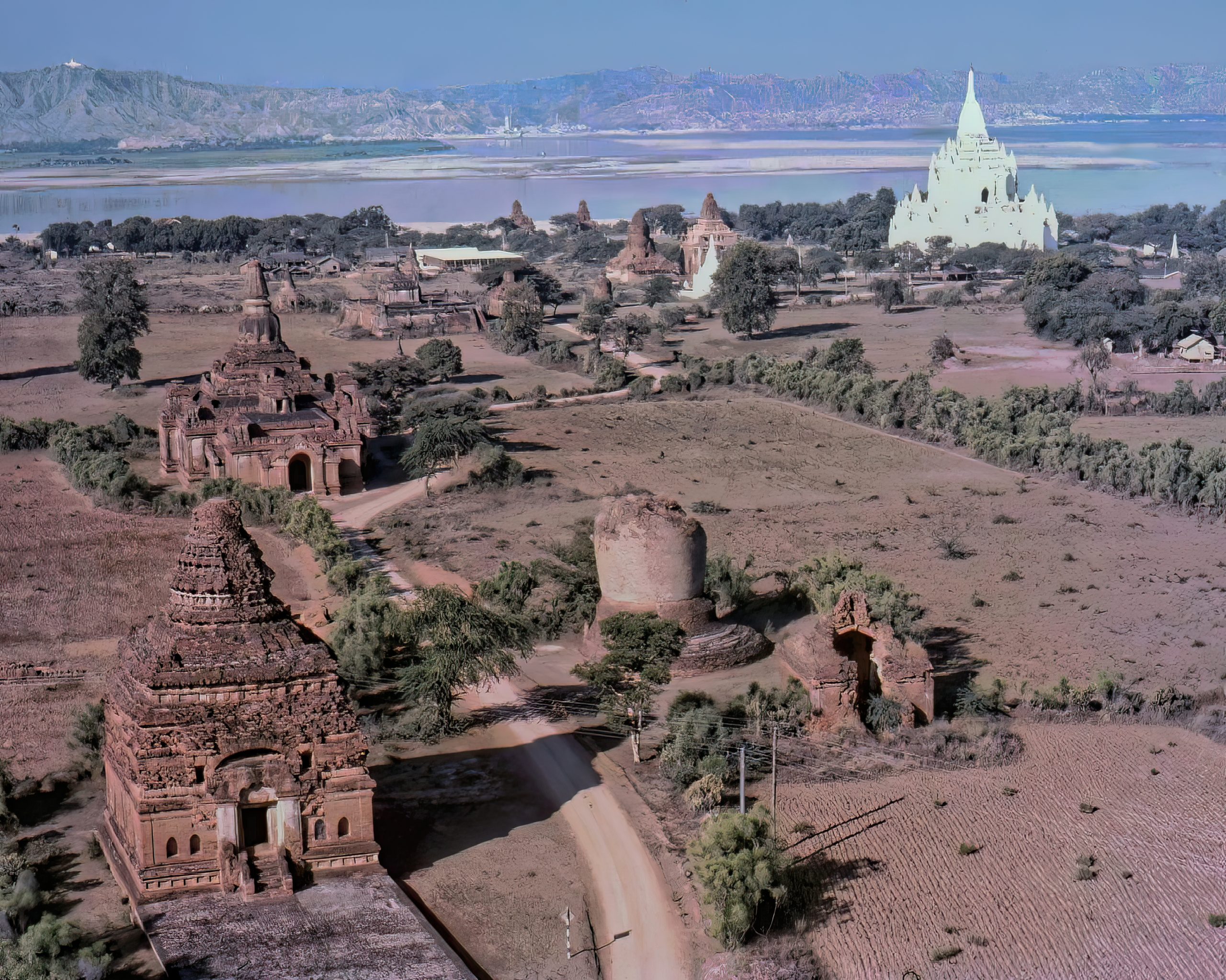
Pagan flourished between the 11th and 13th centuries as the capital of Burma, so this is a relatively recent photo. Today it contains the ruins of 5,000 pagodas and monasteries. This view goes on almost endlessly in all quadrants. Utterly extraordinary. The Irrawaddy River is in the background. 21.1581, 94.8888
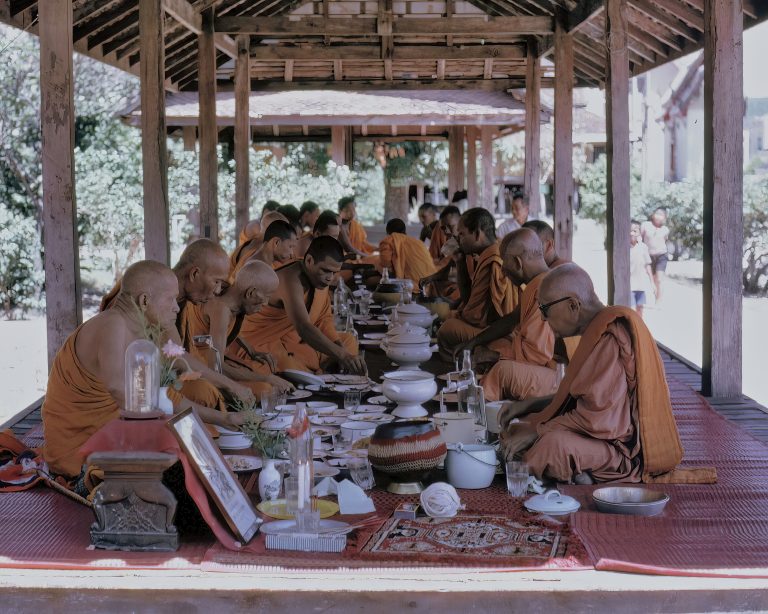
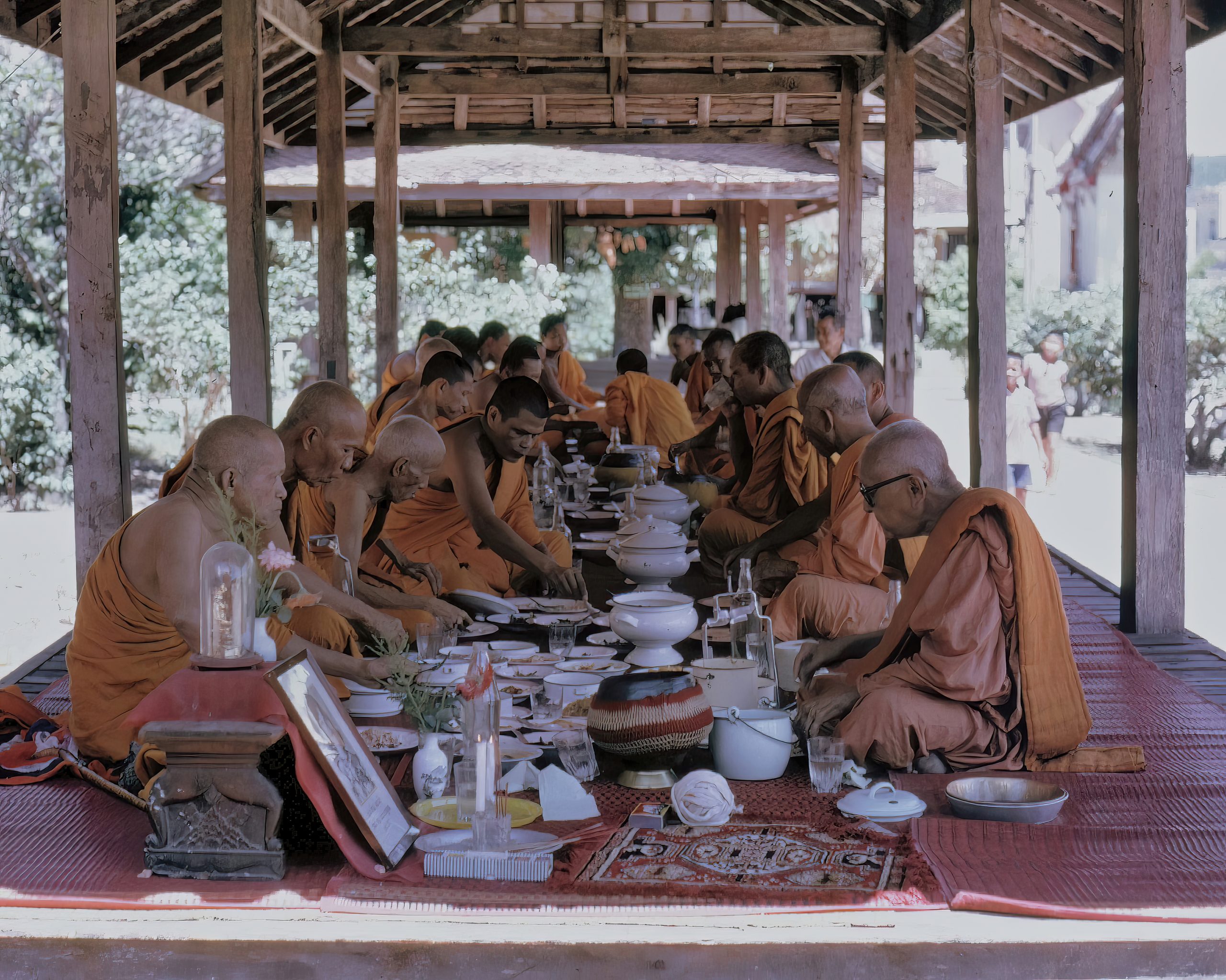
The "Three Jewels" of Theravada Buddhism are (1) the Buddha, (2) the Dhamma (the four noble truths, including the eight-fold path), and (3) the Sangha (the order of monks). Here we see the Sangha at lunch (maybe their only meal of the day after begging in the morning) at Wat (temple) Matchimawat in Songkhla, Thailand.
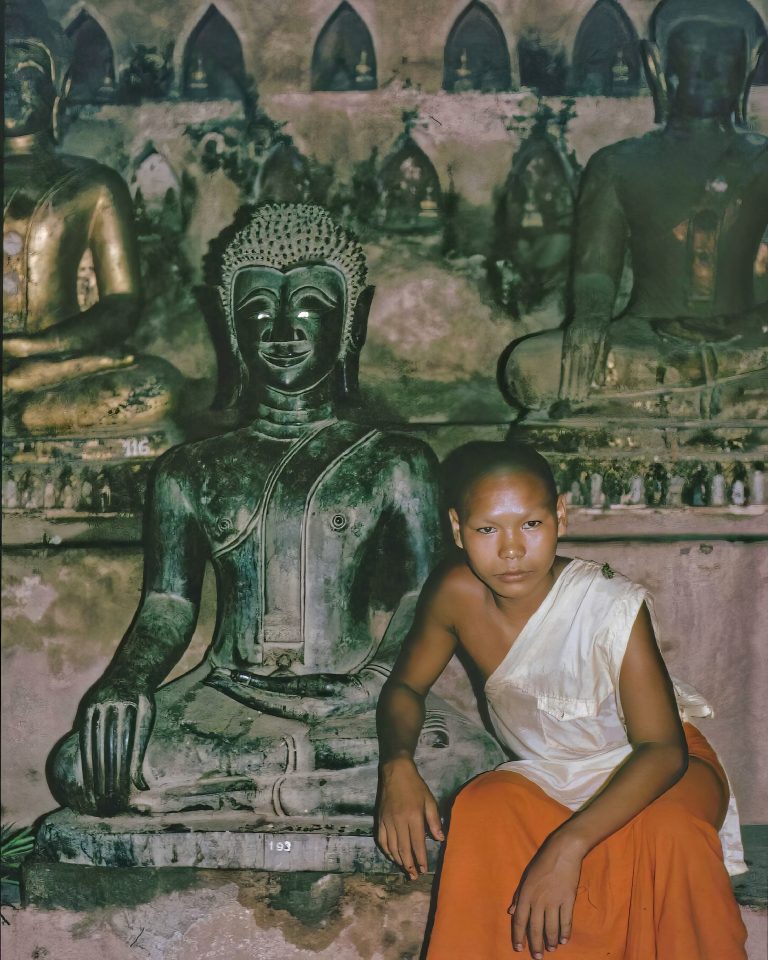
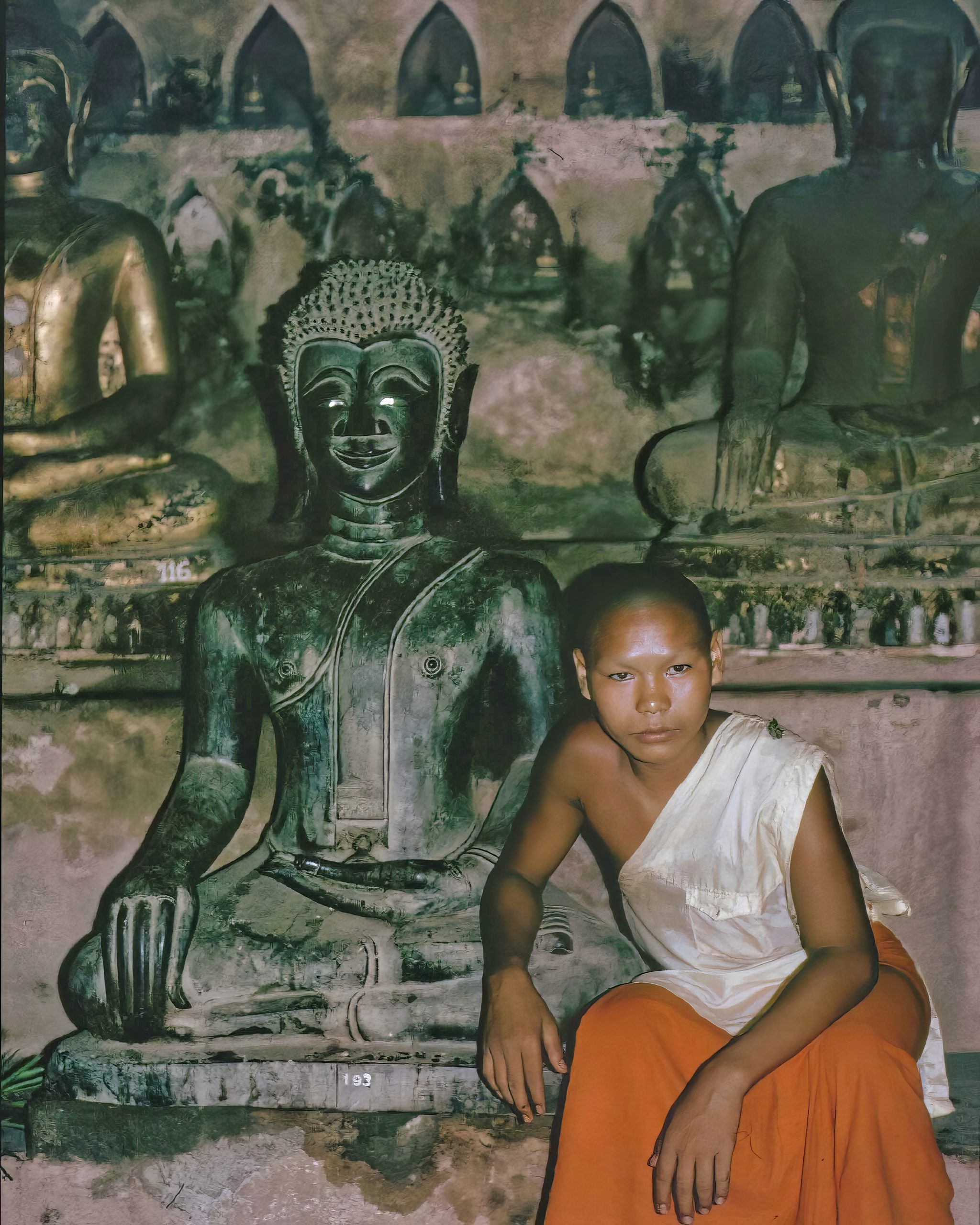
Wat Sisaket (a Buddhist temple) is of recent origin, built in 1824. This Buddha, in the distinctly Laotian style, is in the posture of subduing Mara. The young monk posing with Buddha has adopted the same posture. The eyes of the Buddha are illuminated by the flash of my camera. This is a scanned transparency resuscitated in Luminar 4 and Topaz.
On a three-week trek to the Everest base camp in 1969 our young, modern Sherpa guide (and cook) hired this traditional Sherpa to carry wood up to the Kumbu glacier (16,000 foot elevation) where nothing grew and where we camped for two nights (eating only fried potatoes). Boy, they were good! 27.933, 86.810
Wat (temple) sculpture fragments in Ayutthaya, Thailand. Ayutthaya (founded in 1350) was the major Thai capital after the decline of Sukhothai and until the Burmese sacked it in 1767, after which the Thais moved their capital to Bangkok. Considerable renovations when I visited in 1974. 14.3543, 100.5719
Papua Barat is the Indonesian (western) half of the island of New Guinea, called Irian Jaya when this photograph was taken in 1971 at the beginning of my career in the oil industry, about which I have second, third and fourth thoughts nowadays in retirement confronting the reality of climate change. The helicopter was a French Alouette piloted by American Vietnam vets. The helipad was cut from the jungle by the crew of Papua Barat locals seen here. We expats flew into the jungle to conduct geophysical surveys in search of oil. Life was different then! BTW, please excuse these ancient, archived photos, but the processing tools are so good nowadays it’s hard not to have another look at the past!
In the hills outside of Luang Prabang, the former royal capitol of Laos, in the north of the country, 1974. This was on a walking tour organized by some industrious young Laotians in Luang Prabang. Since I have no way of reconstructing the location of the village, I’ve given the coordinates of Luang Prabang. 19.8894, 102.1408
Kota Bharu (New Town), Malaysia 1974. Kota Bharu is the last stop on the train traveling north through Malaysia before entering peninsular Thailand. Had I been born in Malaysia and not the States, this traveler could have been me. We both respond to the same wanderlust. 6.1267, 102.2612
The Ajanta Caves are 29 rock-cut Buddhist cave monuments dating from the second century BCE in the state of Maharashtra, India. The caves include paintings and rock-cut sculptures described as the finest examples of ancient Indian art. I toured the caves in 1969 after two years as a Peace Corps volunteer in the south of India. By then I had exhausted all my Ektachrome and Kodachrome, and my budget, too, and necessarily resorted to locally-purchased B&W film. The handsome guy in the photo is not I, but a model from Central Casting with whom I traveled for a few days! 20.5517, 75.7034
Sule Pagoda, Yangon (Rangoon), Myanmar (Burma) 1974. According to legend the pagoda is 2,600 years old, making my photo relatively recent! Soon after achieving enlightenment, Buddha refuses the temptations of the goddess Mara (the personification of lust, hesitation and fear) by touching Earth as his witness, one of the five classic stances of Buddhist sculpture.
Wat Saphan Hin, Sukhothai, (central) Thailand (1974). Sukhothai flourished in the 13th and 14th centuries after the Thai cultural center shifted south from Chiang Rai and Chiang Mai. This giant statue is in one of the classic postures of the Buddha. 17.254, 99.738
Auto Parts shop on the road to Mandalay, the former royal capital in northern Myanmar (formerly Burma) on the Irrawaddy River. Seems the several hangers-on arrived by bicycle and there’s just one customer in the shop. Lots of Myanmar history between then and now! This is a scanned transparency resuscitated in Luminar 4 and Topaz (maybe too much), but, hey, it’s fun! 21.994, 96.094
Khao Phra Viharn, Khmer (Cambodia). An excellent example of ancient Khmer (Hindu) architecture (and the reason for my visit), this viharn (temple), approached from Thailand and located atop a 1600-foot escarpment overlooking the Cambodian plain (and the sound of gunfire), was in the possession of Lon Nol’s troops (if you remember your history). Lon Nol overthrew Prince Norodom Sihanouk and lost a civil war to the Khmer Rouge. A genocide followed. 14.3930, 104.6858
Pagan flourished between the 11th and 13th centuries as the capital of Burma, so this is a relatively recent photo. Today it contains the ruins of 5,000 pagodas and monasteries. This view goes on almost endlessly in all quadrants. Utterly extraordinary. The Irrawaddy River is in the background. 21.1581, 94.8888
The "Three Jewels" of Theravada Buddhism are (1) the Buddha, (2) the Dhamma (the four noble truths, including the eight-fold path), and (3) the Sangha (the order of monks). Here we see the Sangha at lunch (maybe their only meal of the day after begging in the morning) at Wat (temple) Matchimawat in Songkhla, Thailand.
Wat Sisaket (a Buddhist temple) is of recent origin, built in 1824. This Buddha, in the distinctly Laotian style, is in the posture of subduing Mara. The young monk posing with Buddha has adopted the same posture. The eyes of the Buddha are illuminated by the flash of my camera. This is a scanned transparency resuscitated in Luminar 4 and Topaz.