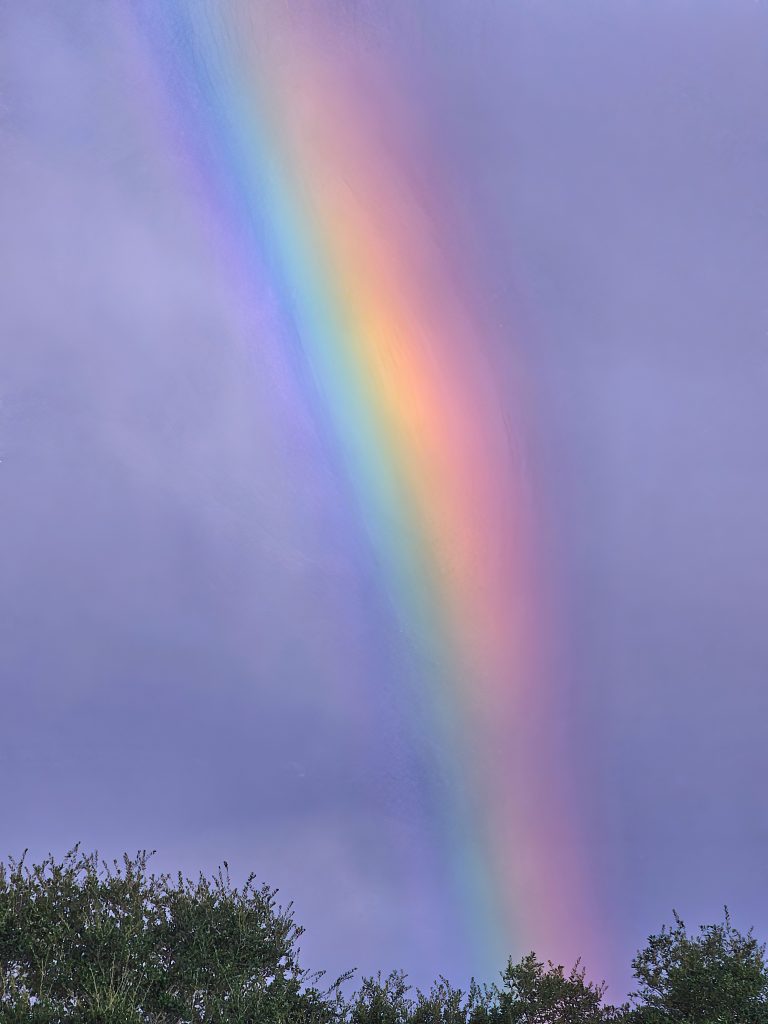
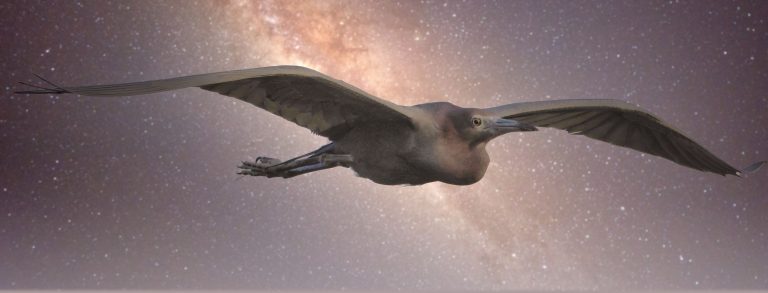
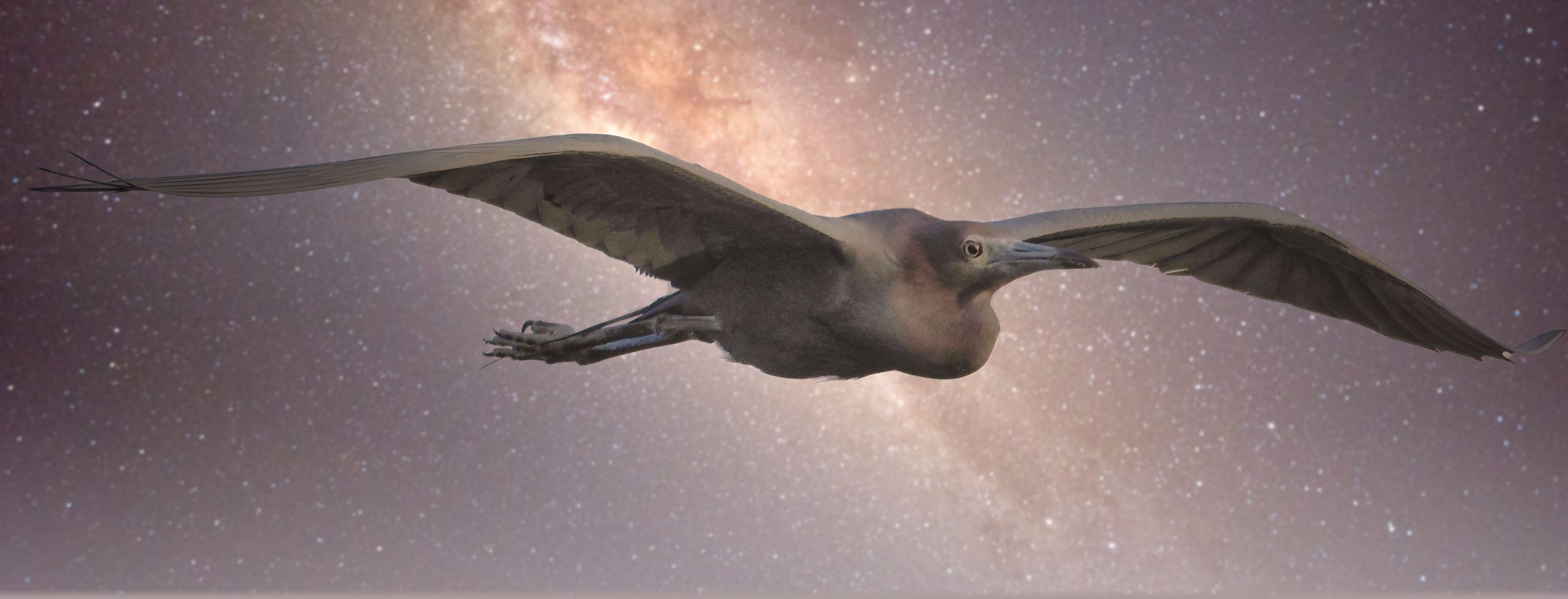
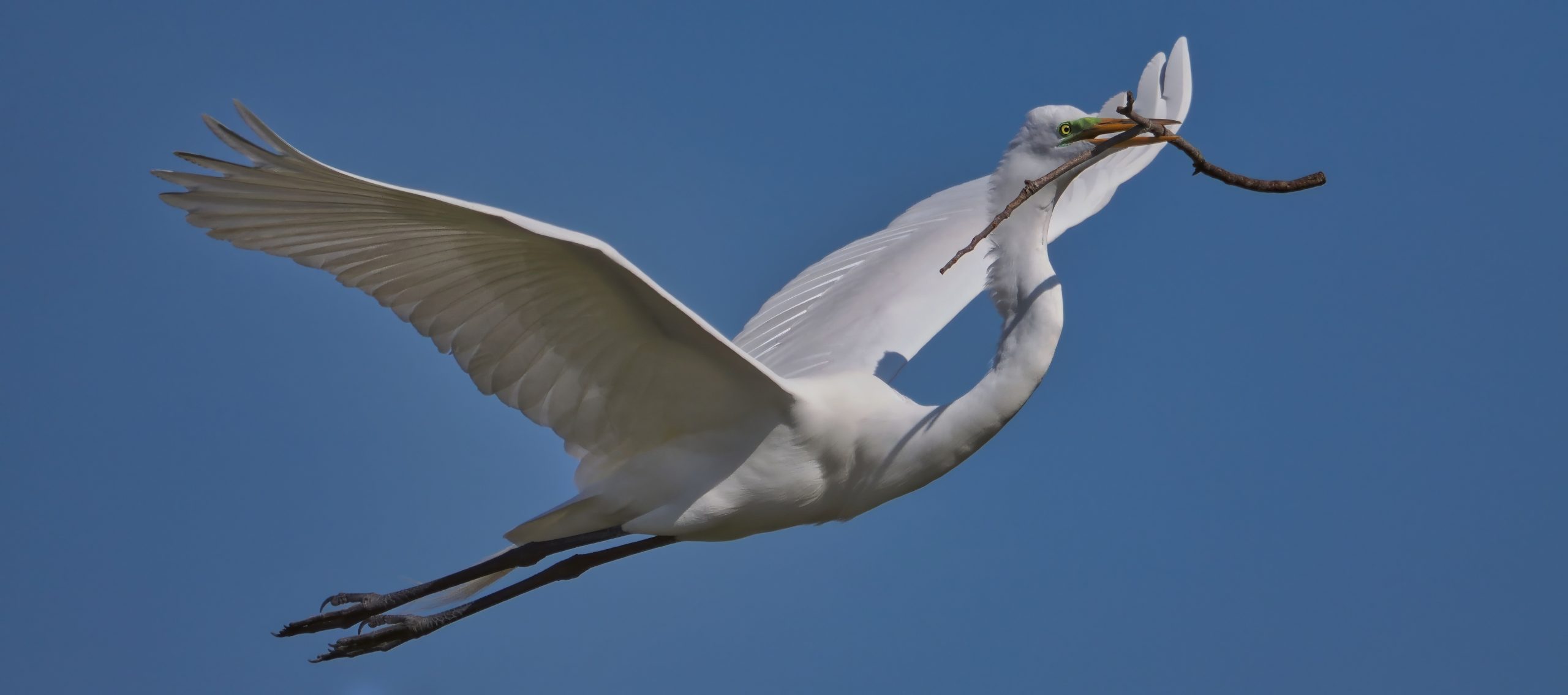
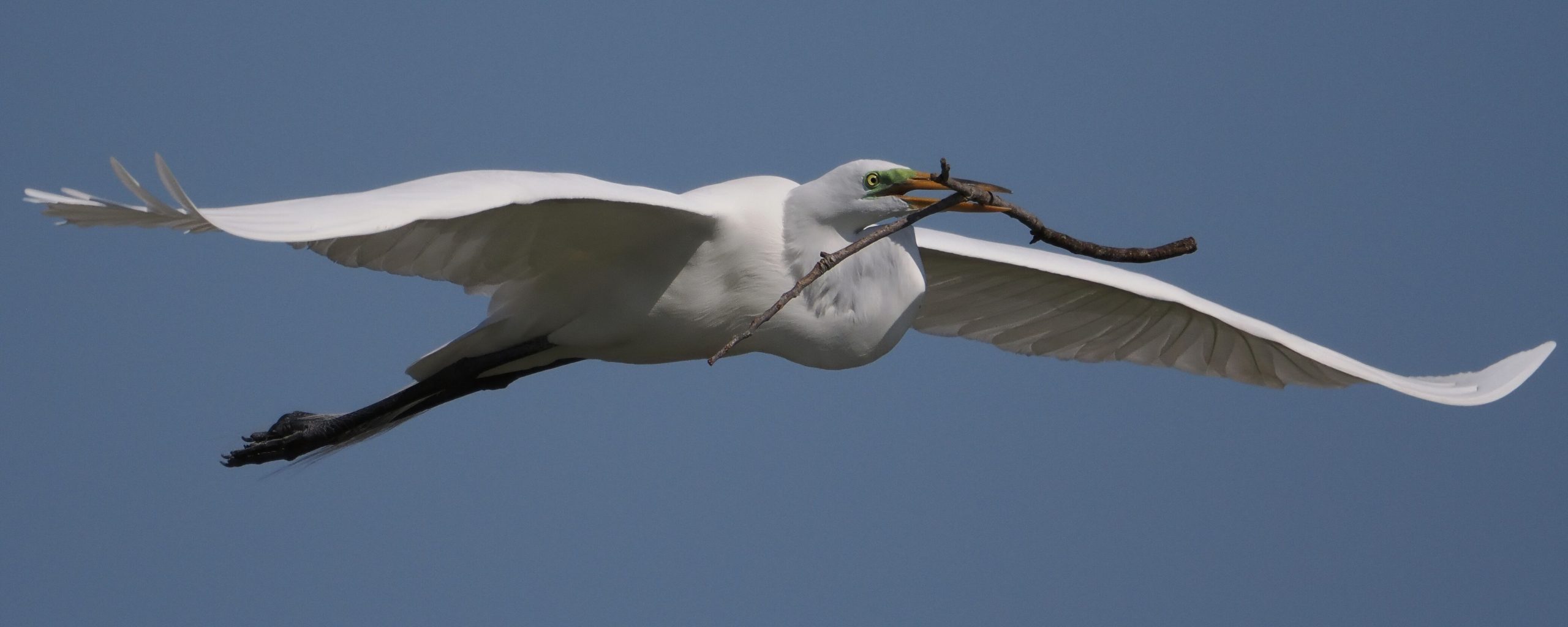
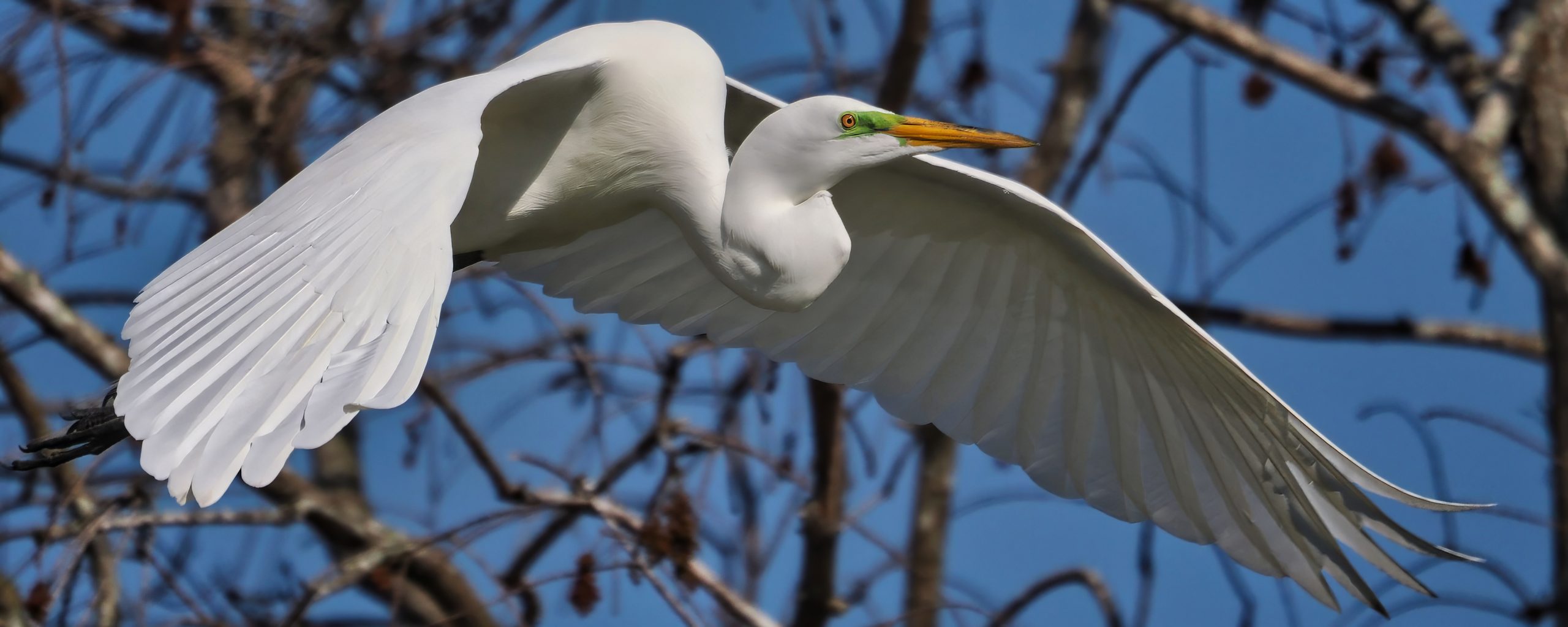
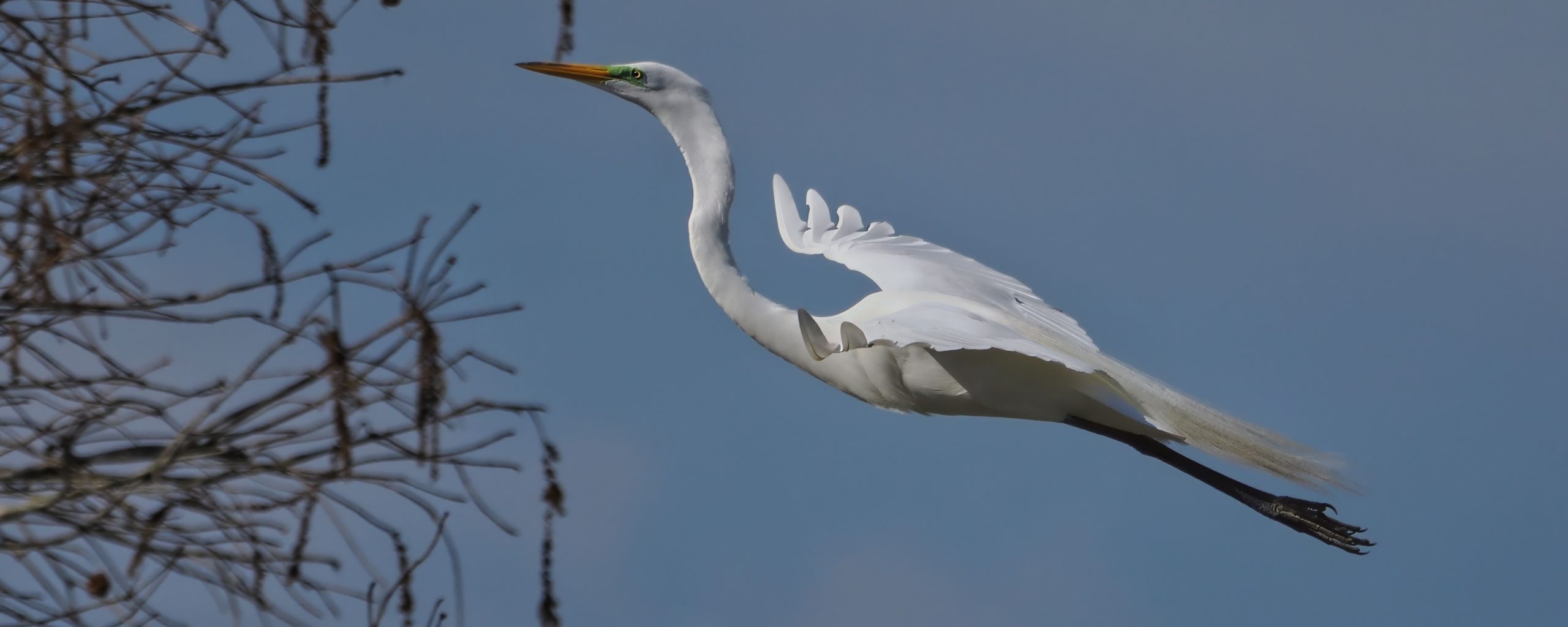
With a little help from Luminar!
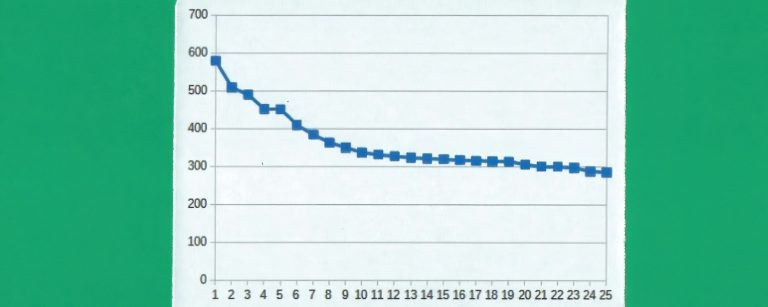
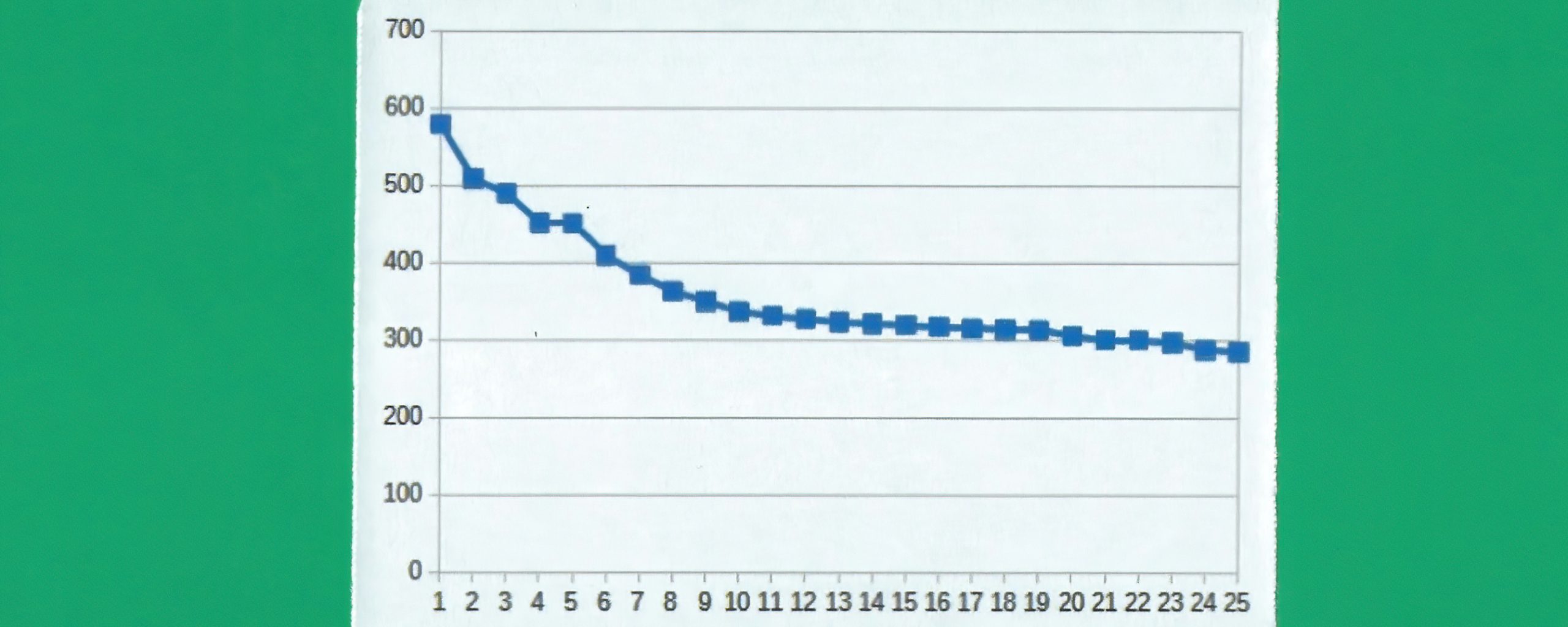
Follow the link below for a 4-page exposition of the QPS (Quality, Popularity, Strategy) score for flickr with which to evaluate your performance (whatever that means), or that of anyone else. Warning: some math involved. Enjoy and comment below whether this is fun, irrelevant to your objectives on flickr, or just plain stupid. Cheers: <a href=http://www.hydrometronics.com/downloads/Keeping_score.pdf rel=noreferrer
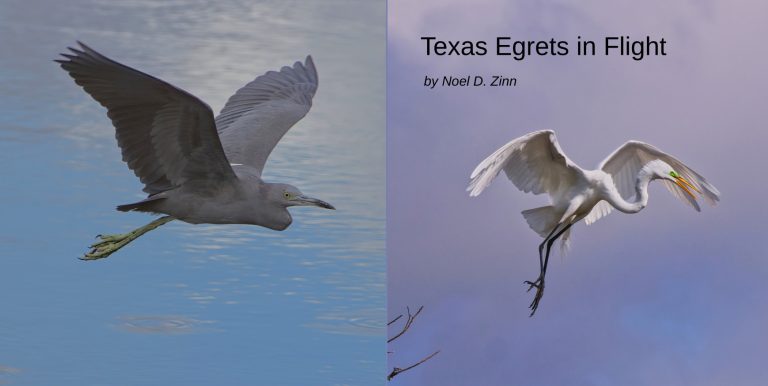
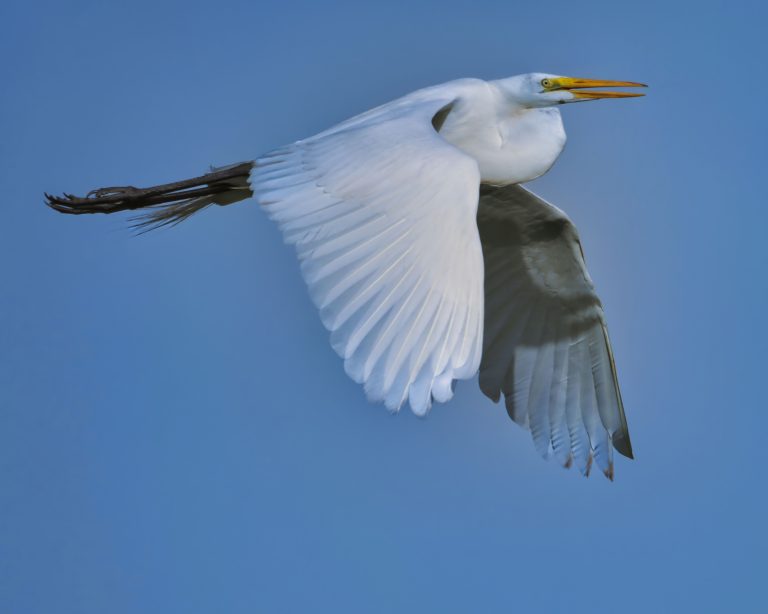
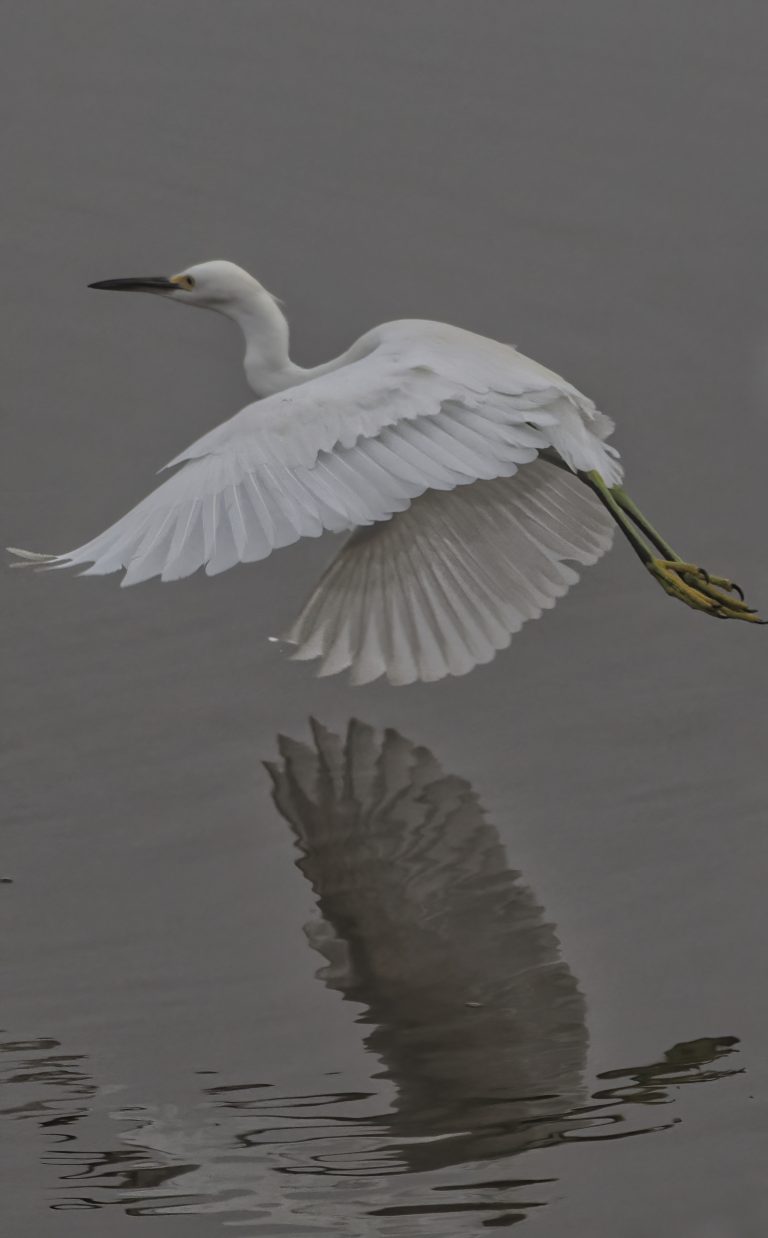
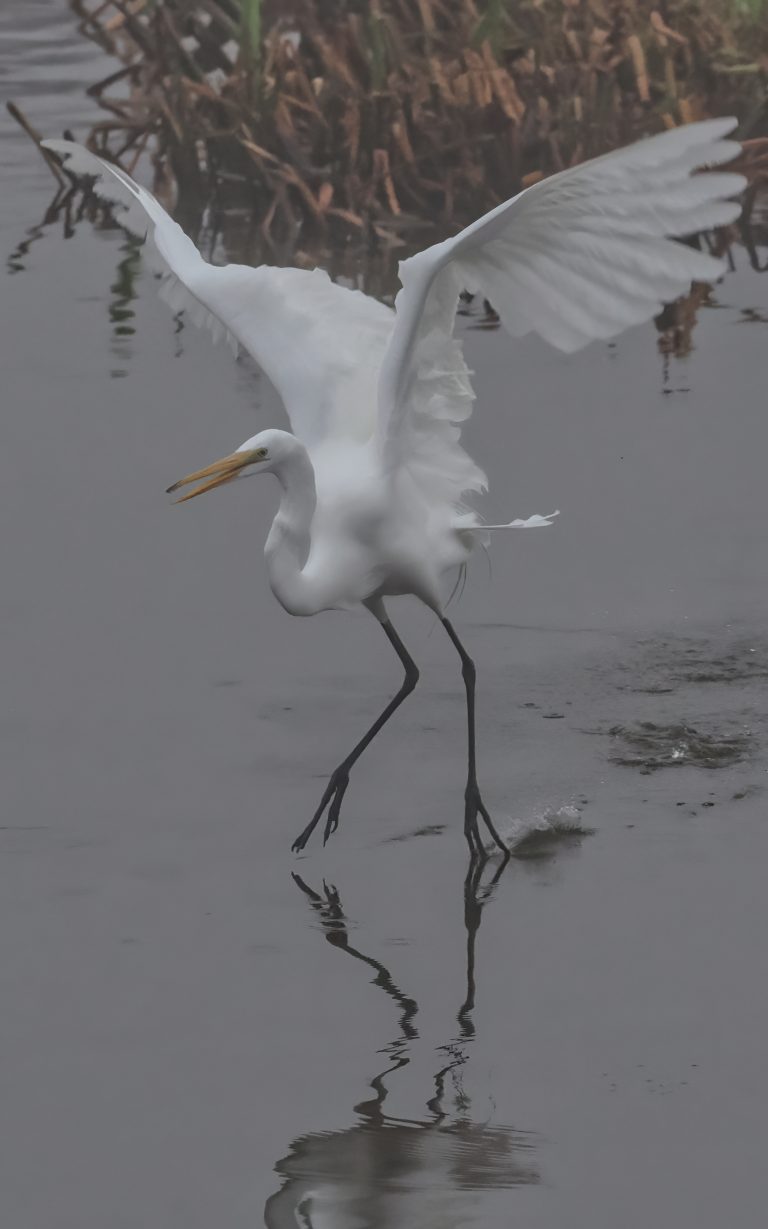
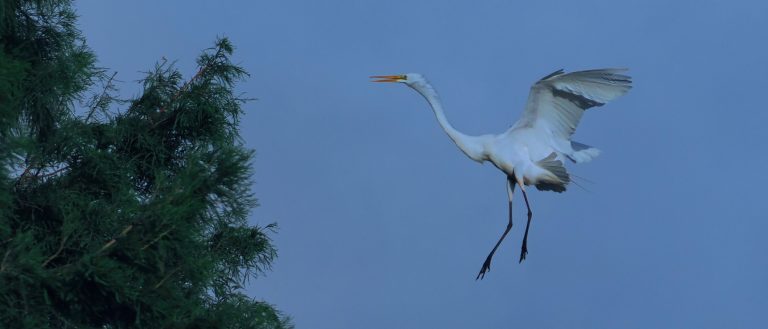
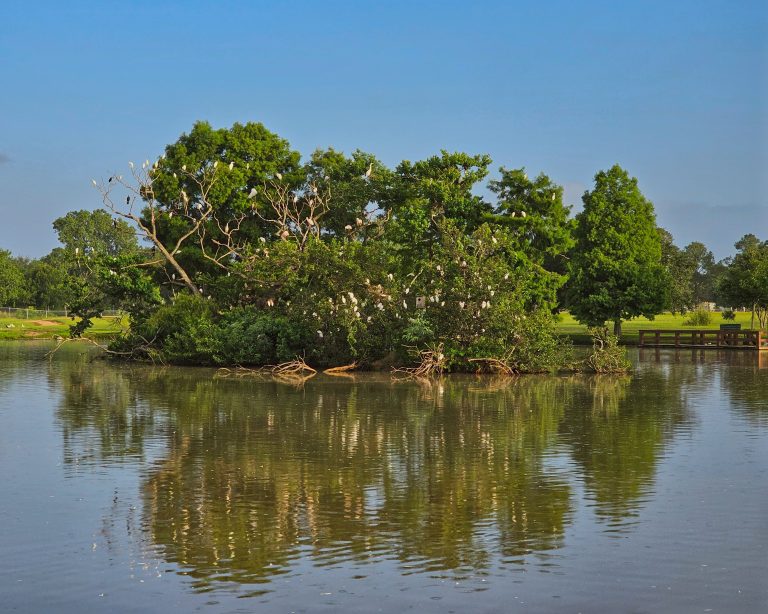
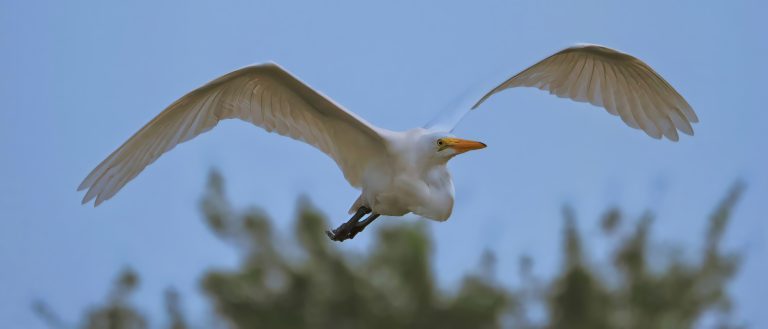
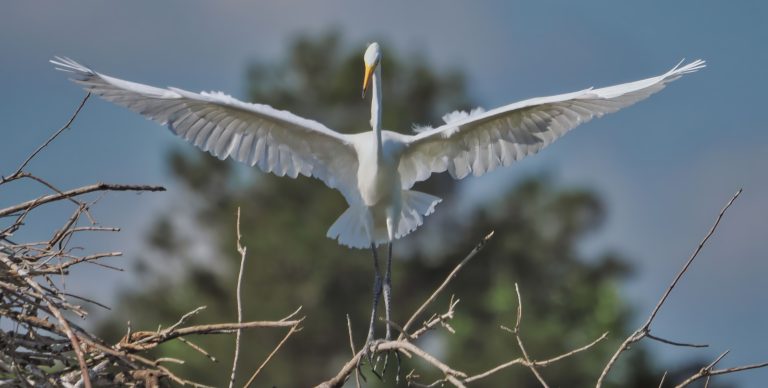
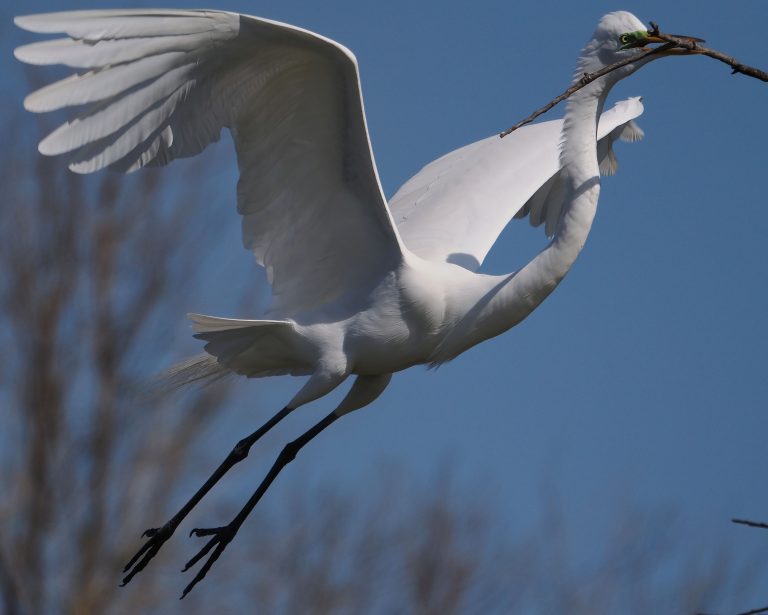
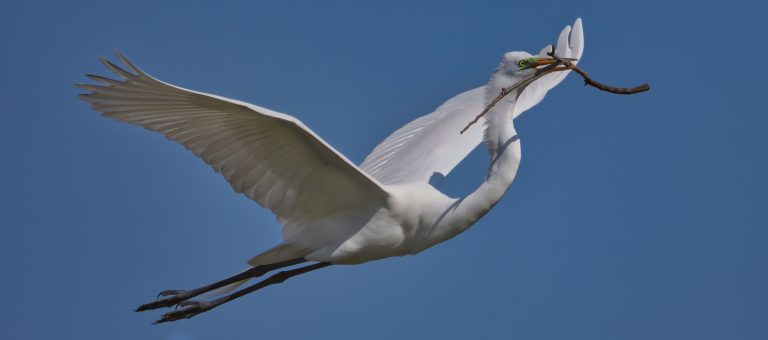
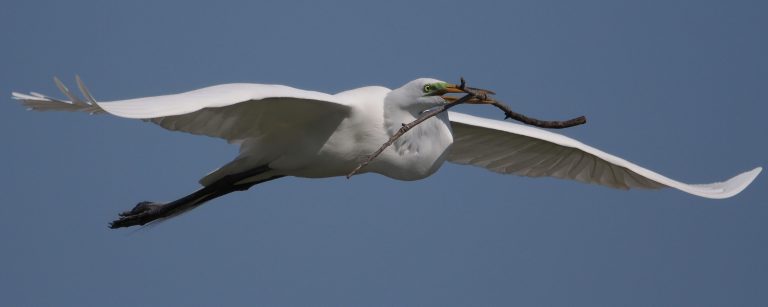
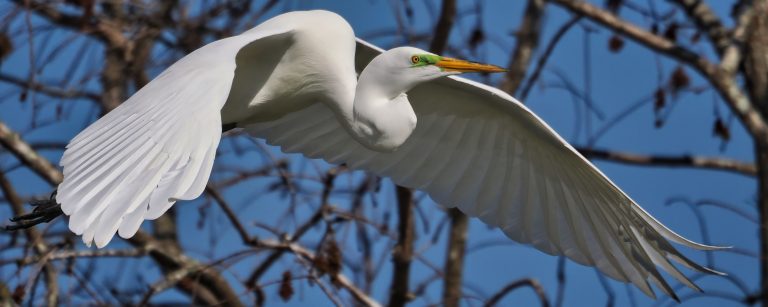
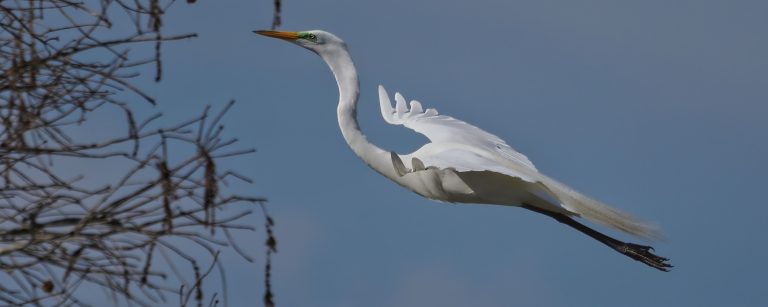
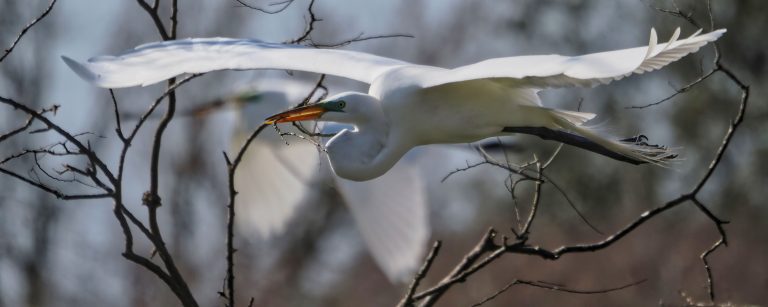
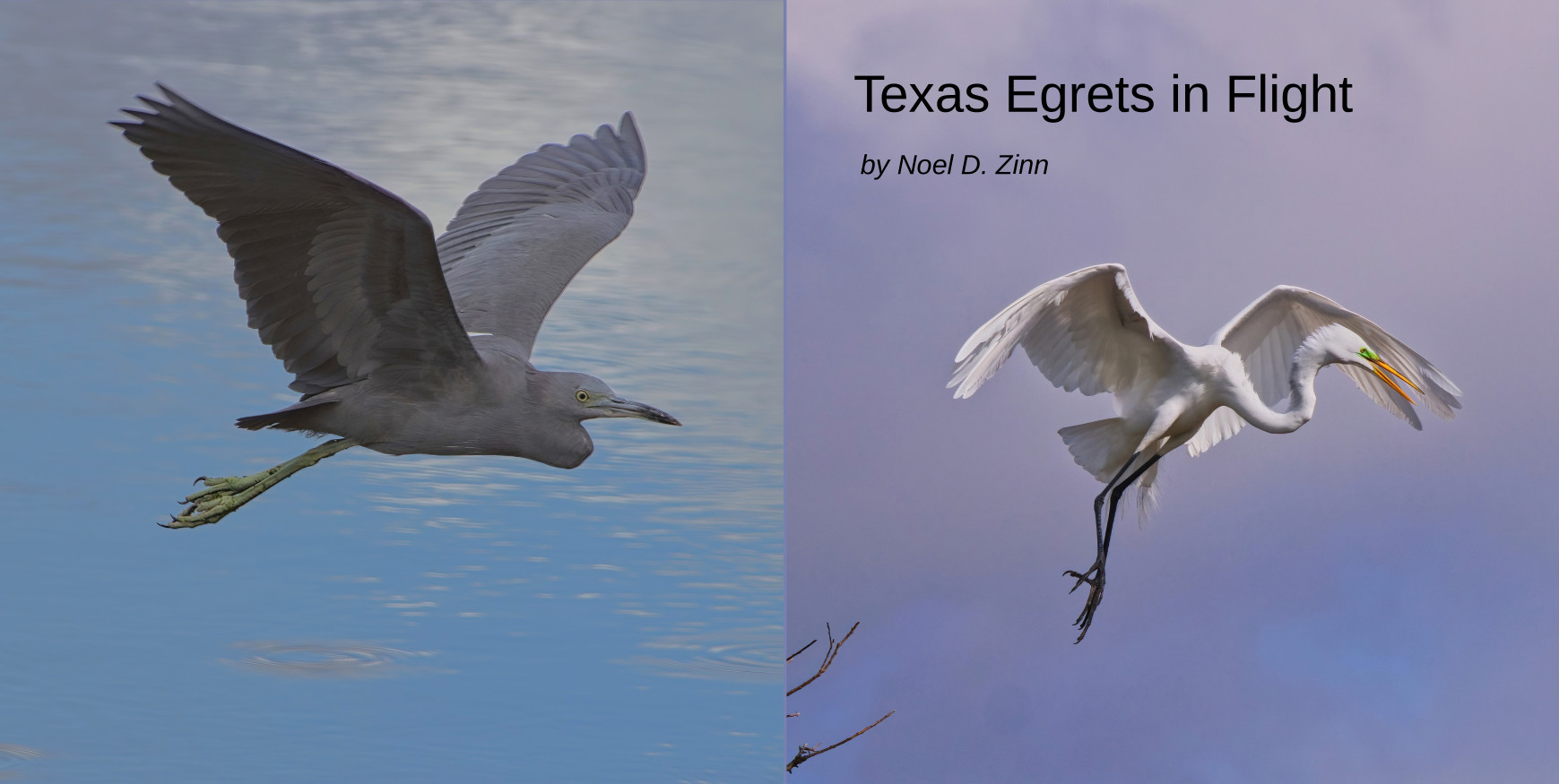
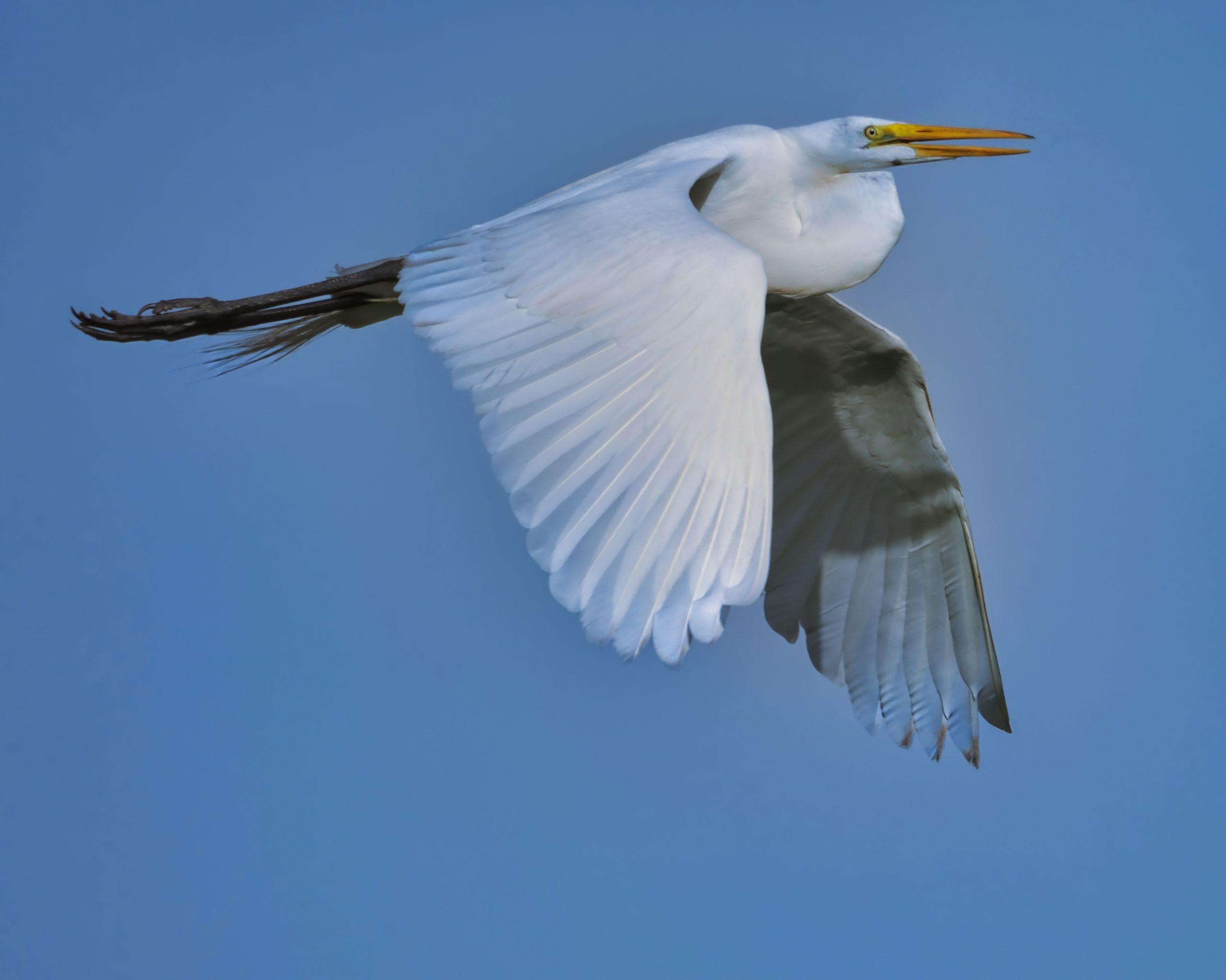
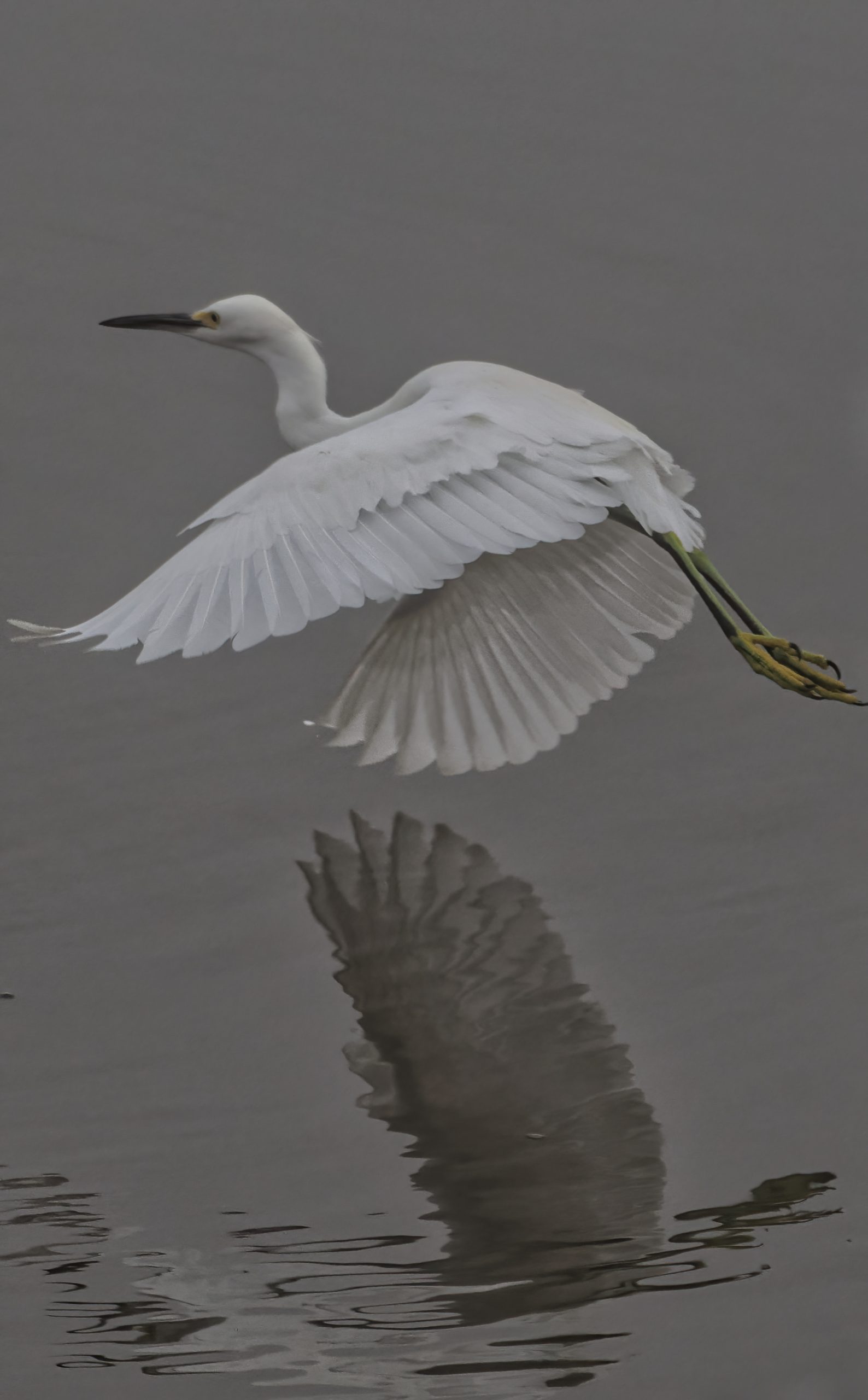
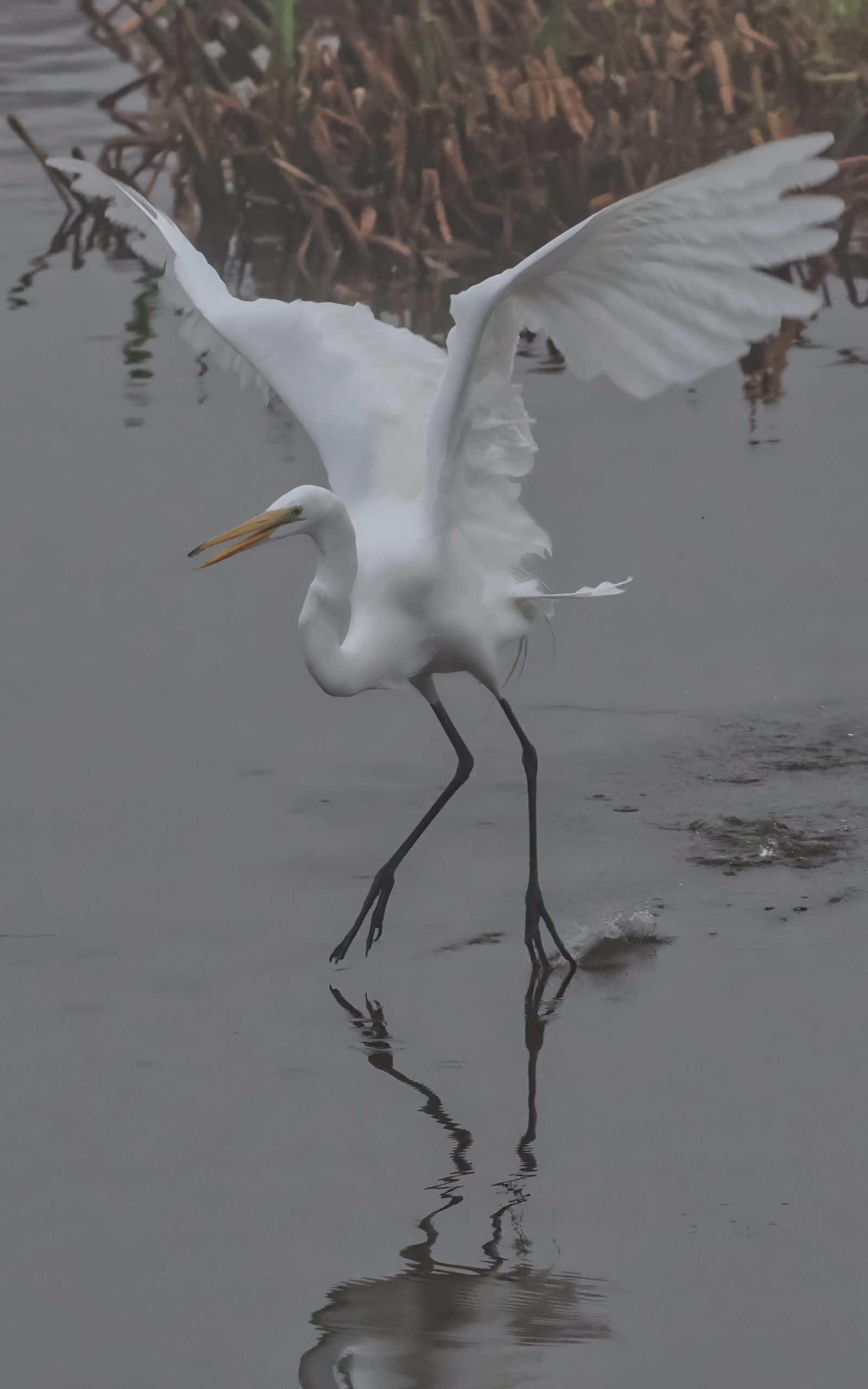
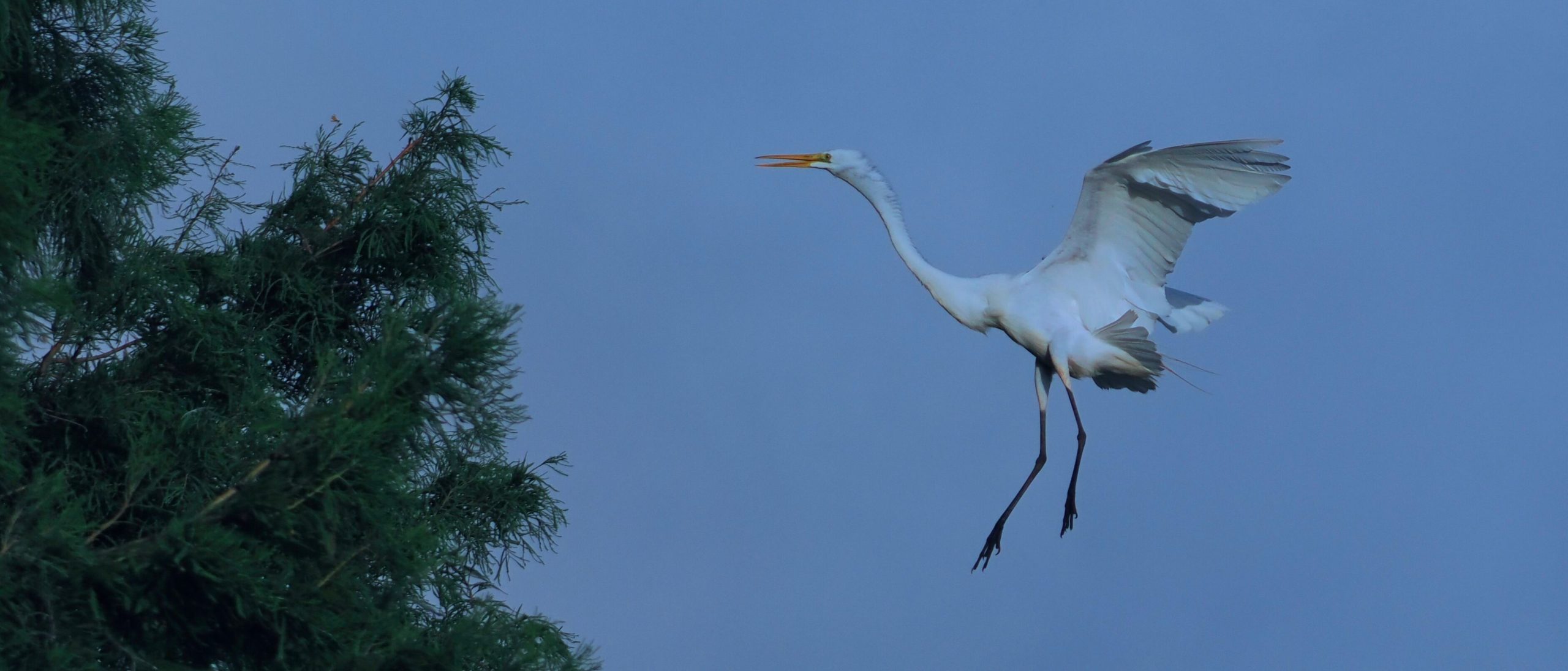
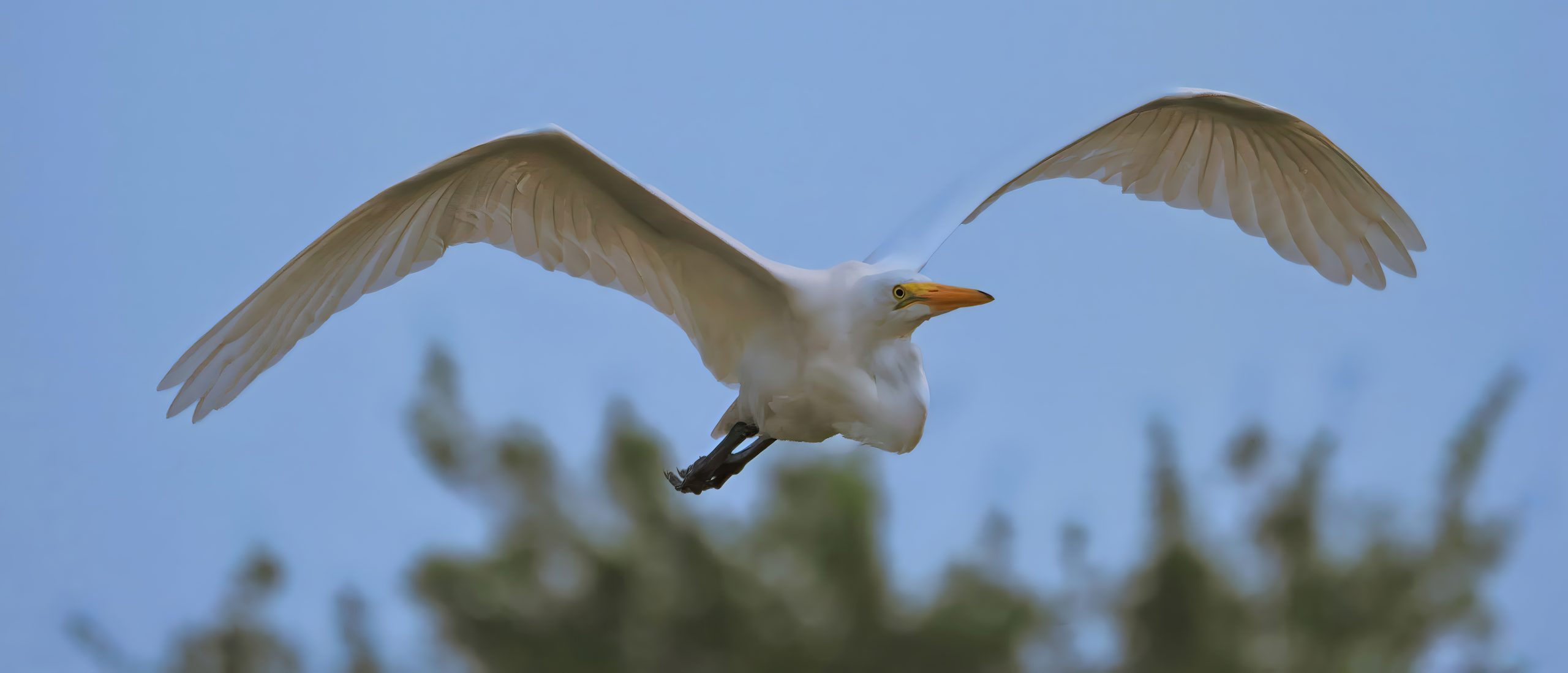
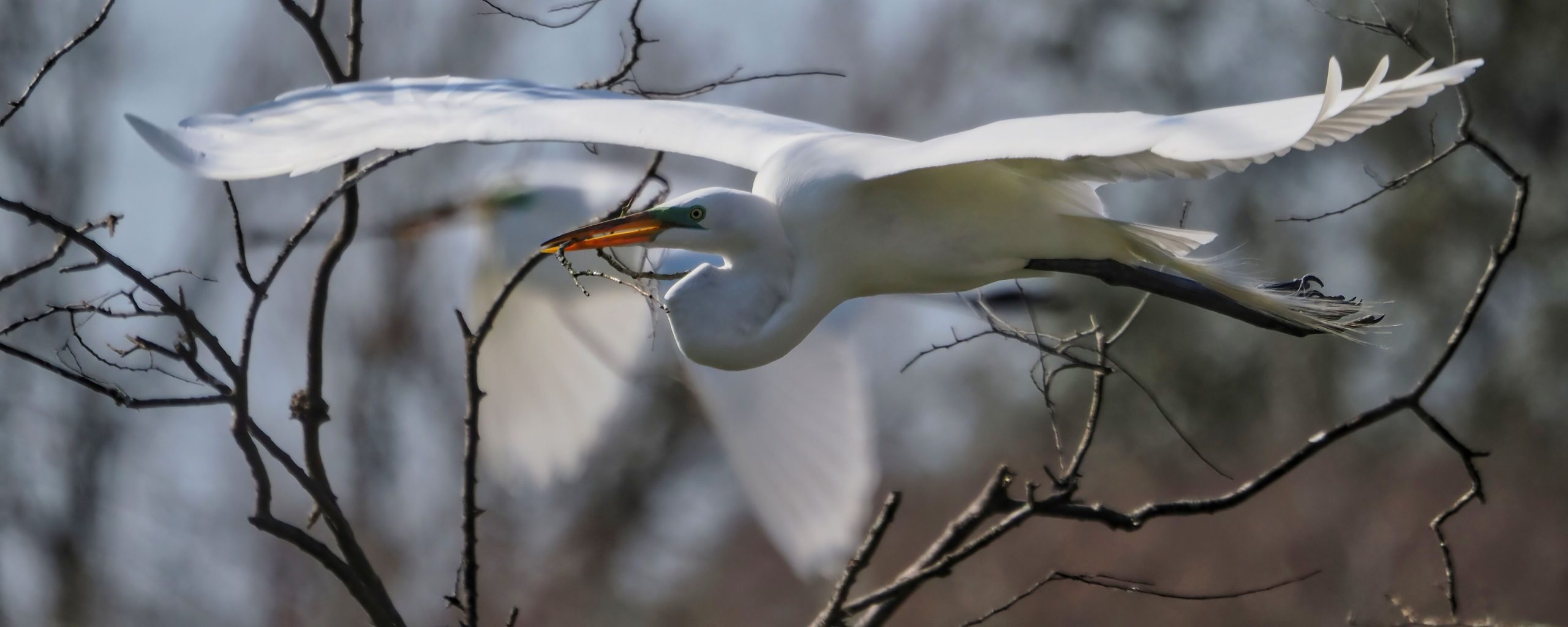
There are birders who use binoculars and can recognize innumerable species. Then there are bird photographers who may or may not be great birders. I am the latter, more photographer than birder. So, I often find myself photographing the large white egrets and the large blue herons that bless the many wetlands of SE Texas. Easier targets, for sure, but no less resplendent. The purpose of this book is to present these magnificent birds in their most characteristic activity, that is, in flight.
Now available on Amazon: <a href=https://www.amazon.com/Texas-Egrets-Flight-Noel-Zinn/dp/B0CLJZZ41K/ref=sr_1_1?crid=3H90TT8IILMT2&keywords=noel+Zinn&qid=1698350554&s=books&sprefix=noel+zinn,stripbooks,110&sr=1-1 rel=noreferrer
Posting only occasionally (if at all). Back in late June 2023. Enjoy!
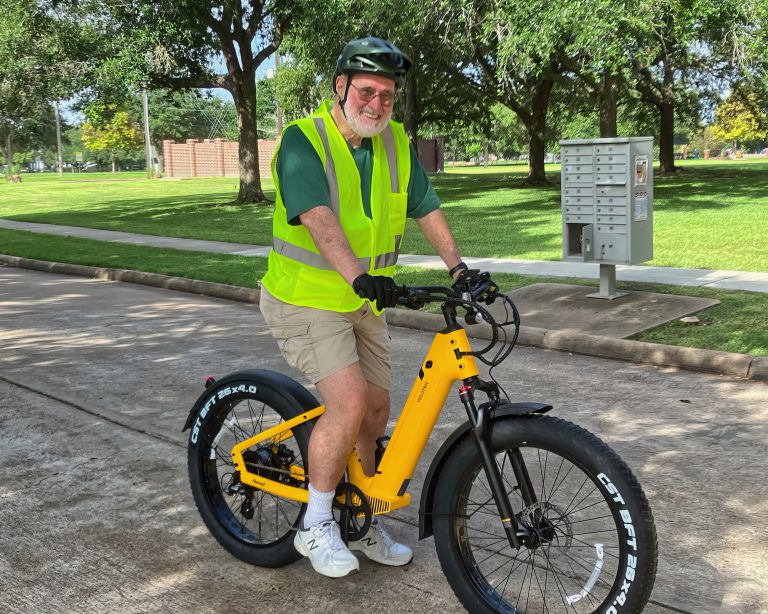
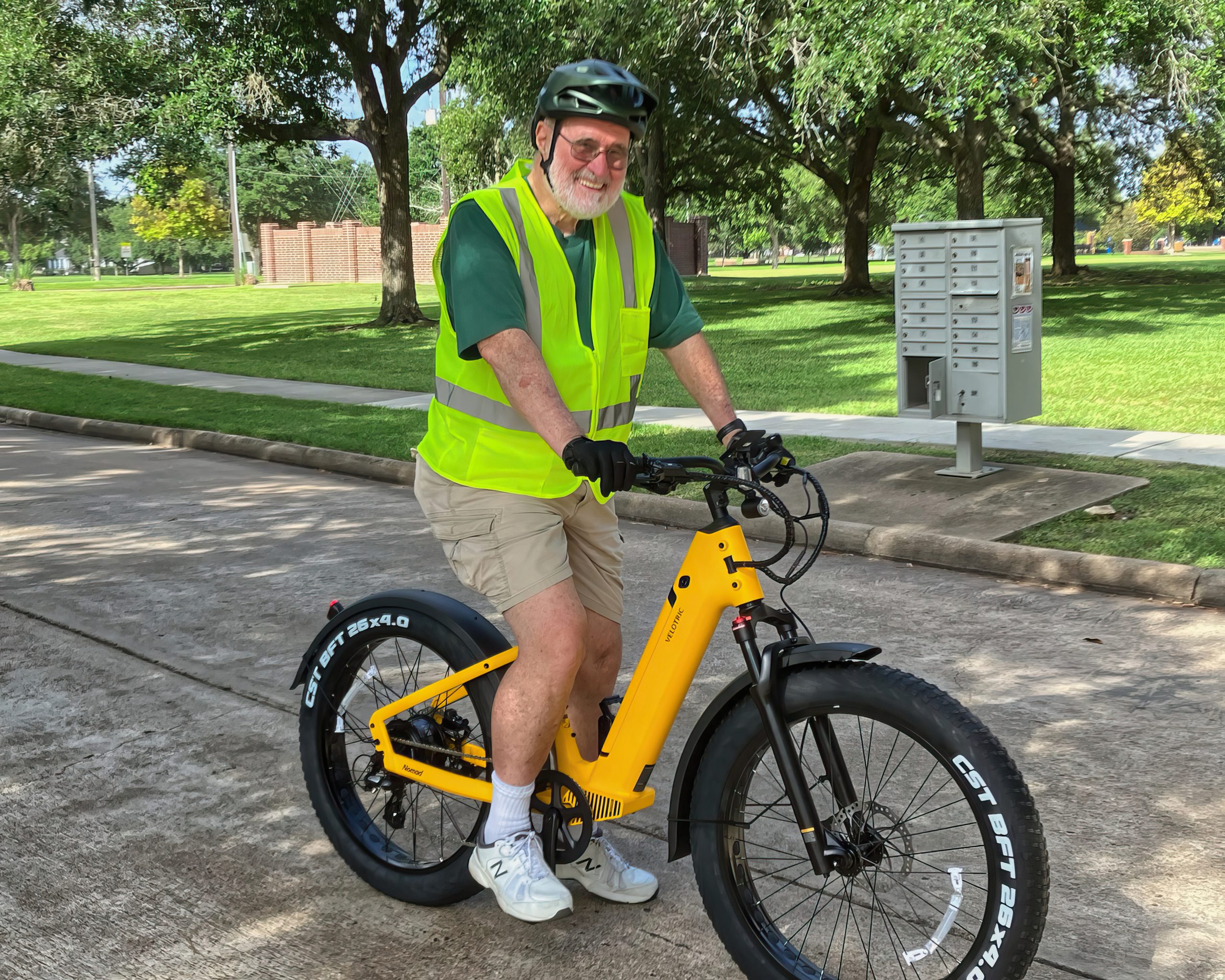
In Texas we’re weeks into triple digit temperatures (that is, over 100F, or 38C). Really wanted a Vespa motor scooter to feel a cooling breeze on a summer’s afternoon, but my Nederlander wife (Pauline) thought an electric bike would be more appropriate, of course, and she was right. This Velotric Nomad 1 is cool in more ways than one, and clearly in the direction we all need to travel to deal with environmental realities. Healthy, too. Photo by Pauline.
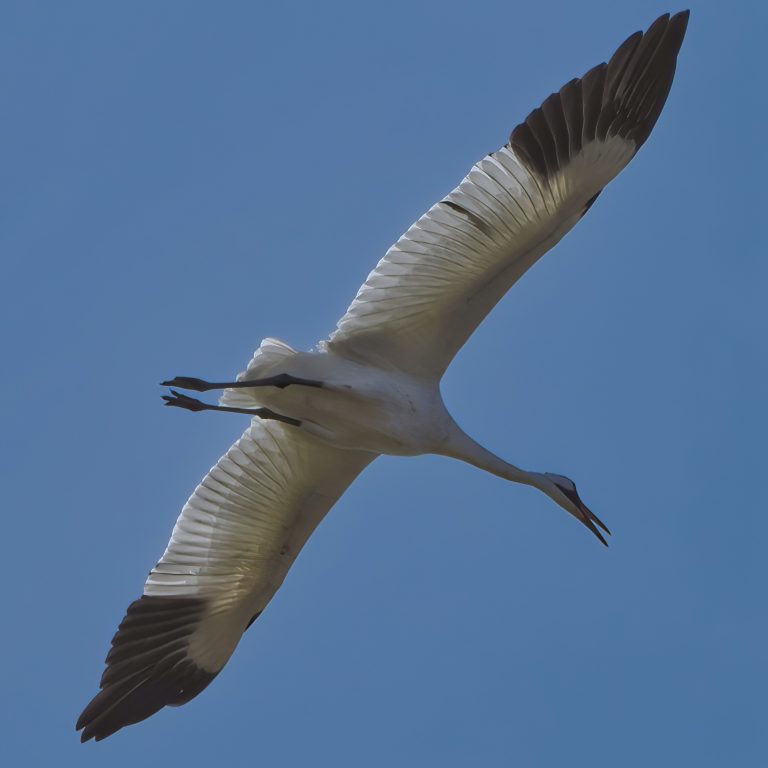
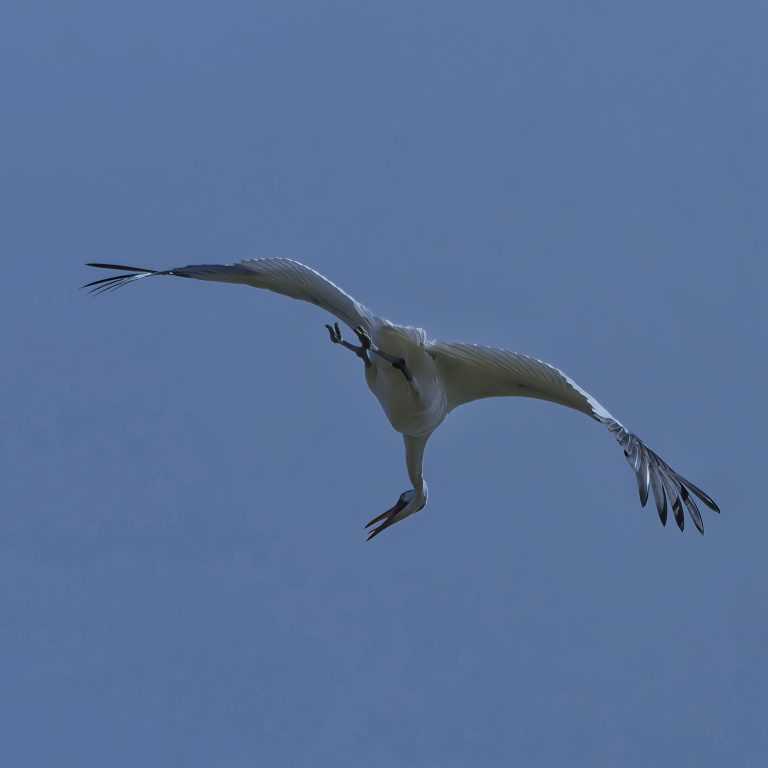
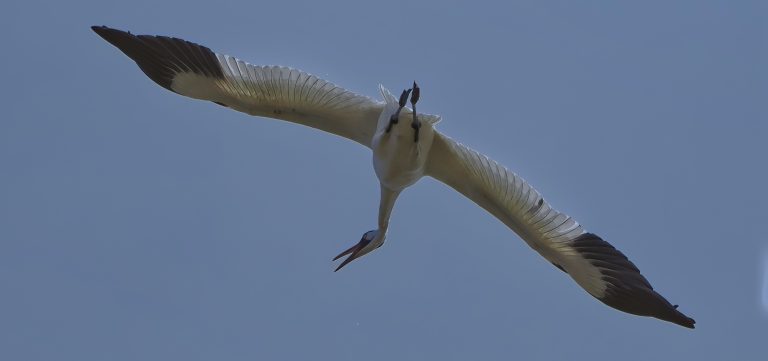
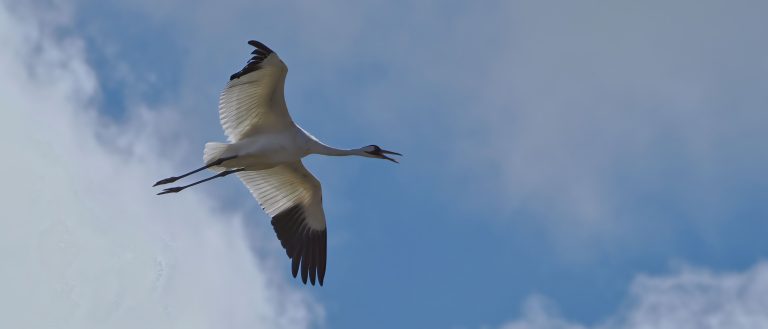
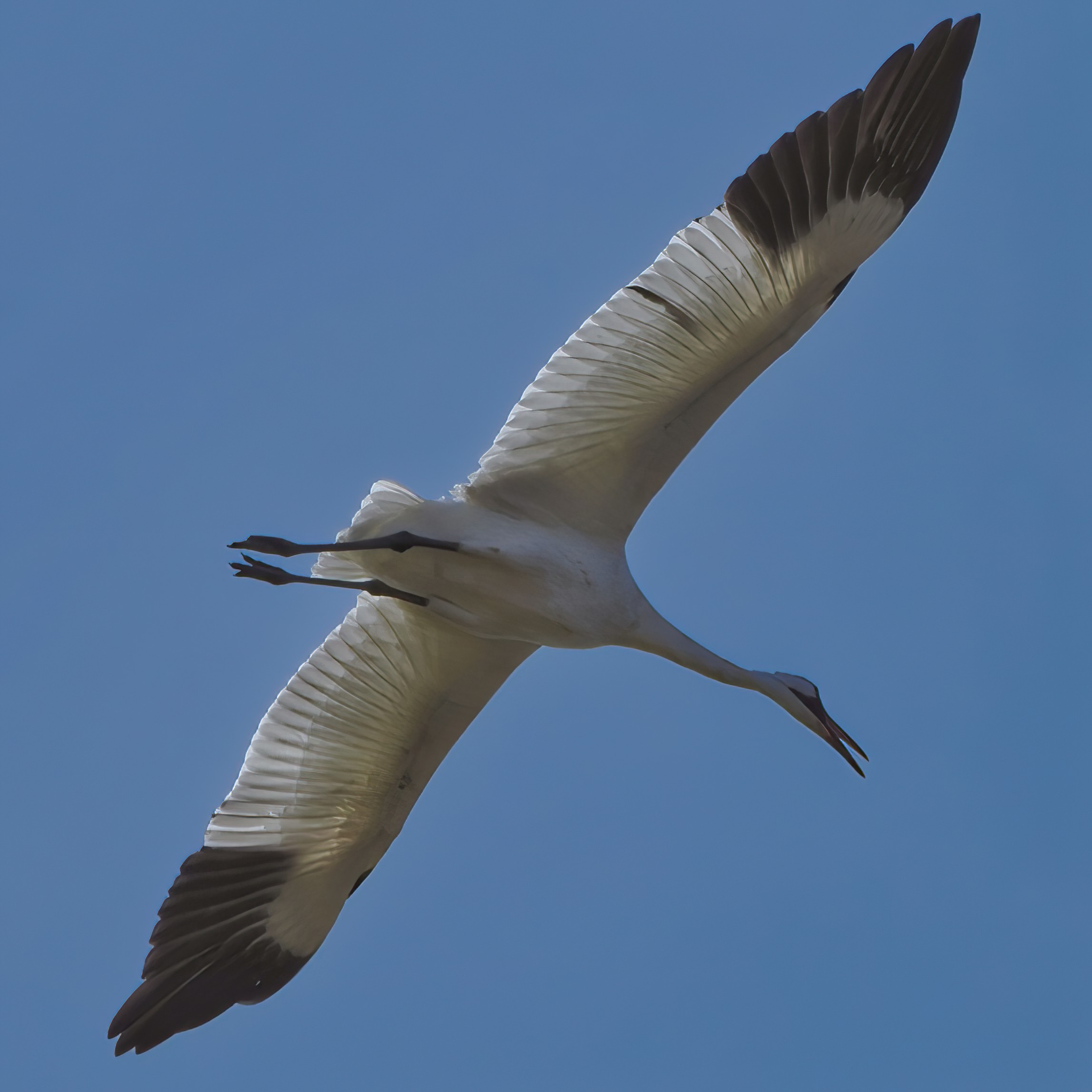
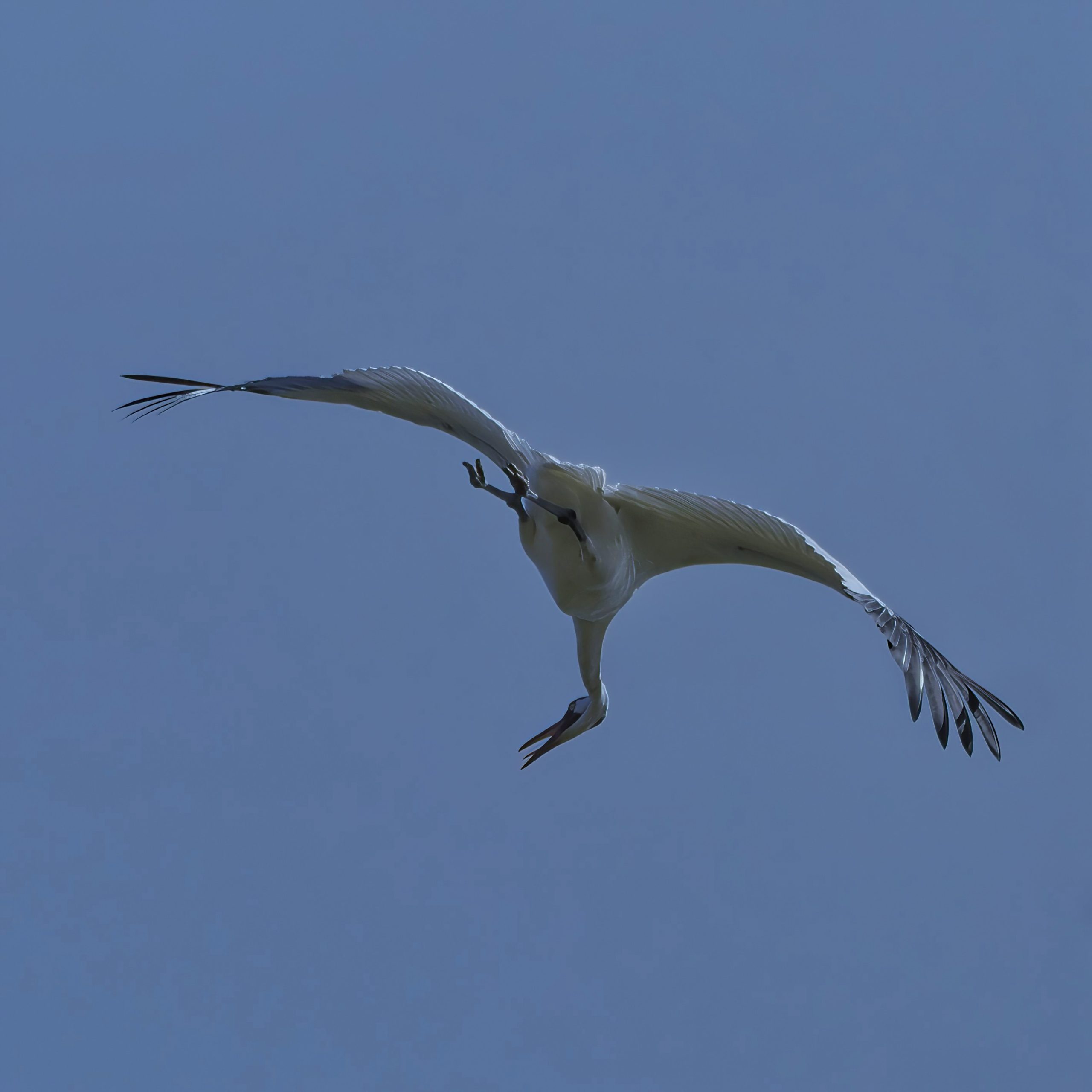
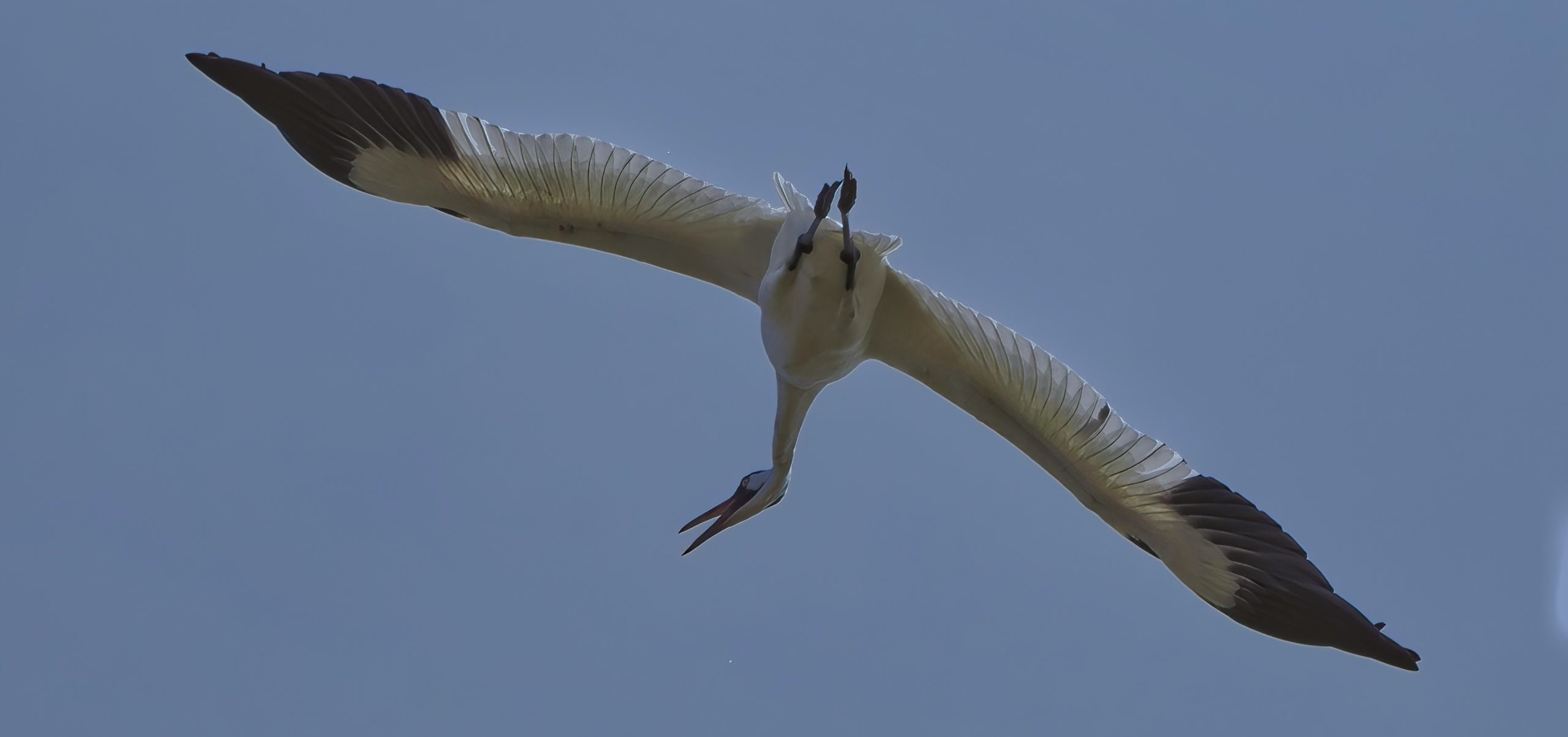
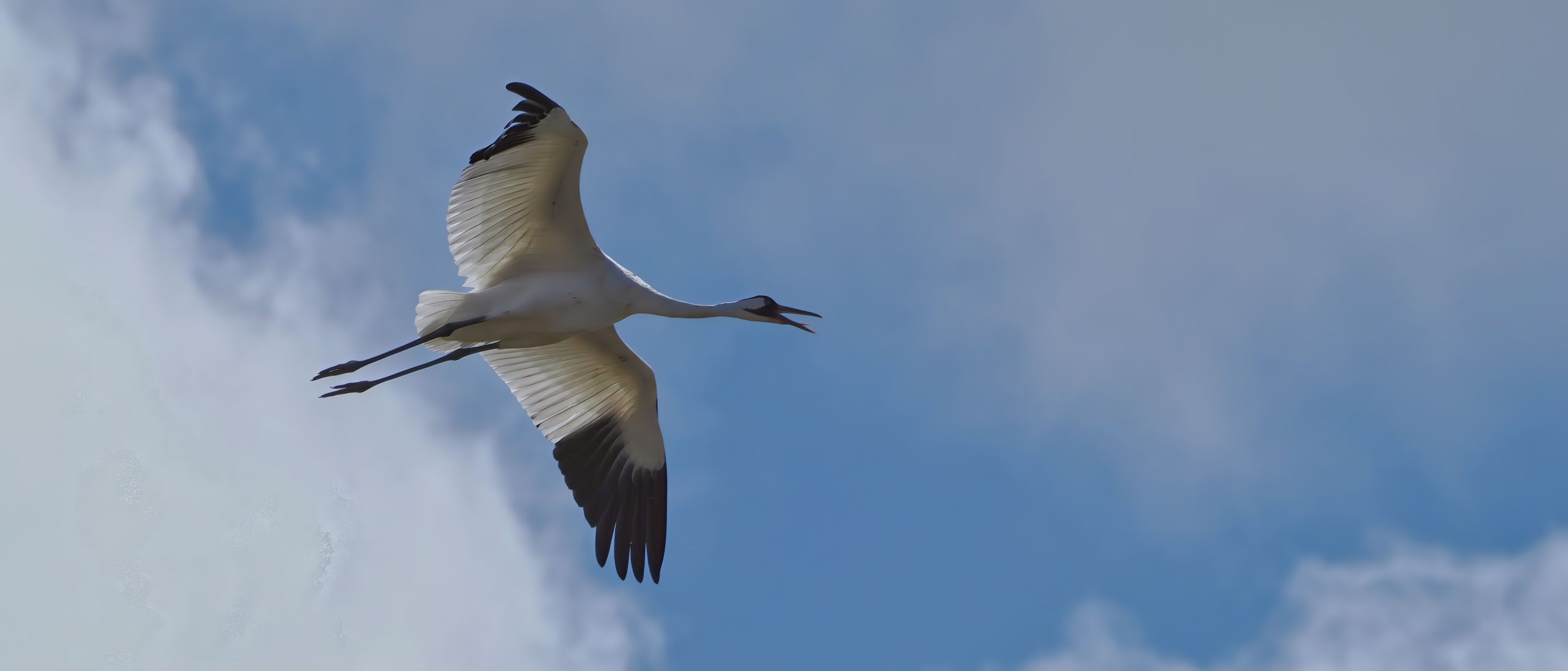
Grus Americana. Whooping-Crane. Taken at Goose Island, Texas opposite The Big Tree. Grus americana. Goose Island Texas opposite The Big Tree. Grus americana. Goose Island Texas opposite The Big Tree. Grus americana. Goose Island Texas opposite The Big Tree. There are fewer than 600 individuals in the States mostly wintering in the Aransas NWR, fewer than 900 in the world including those in captivity (mostly for breeding to thwart extinction).
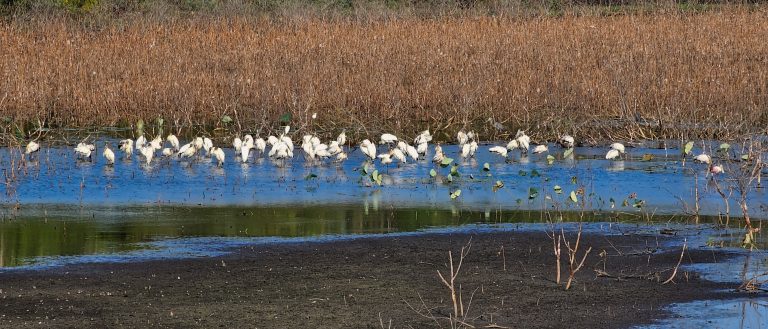
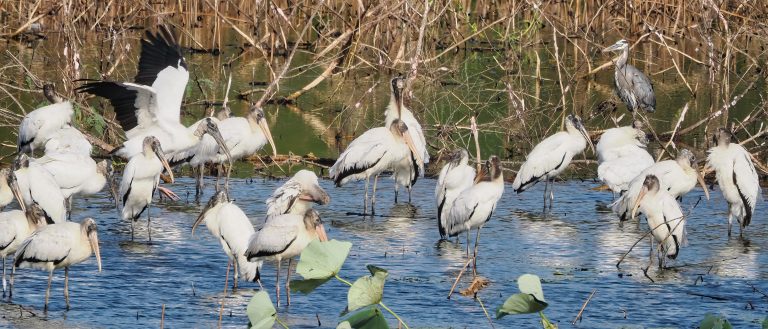
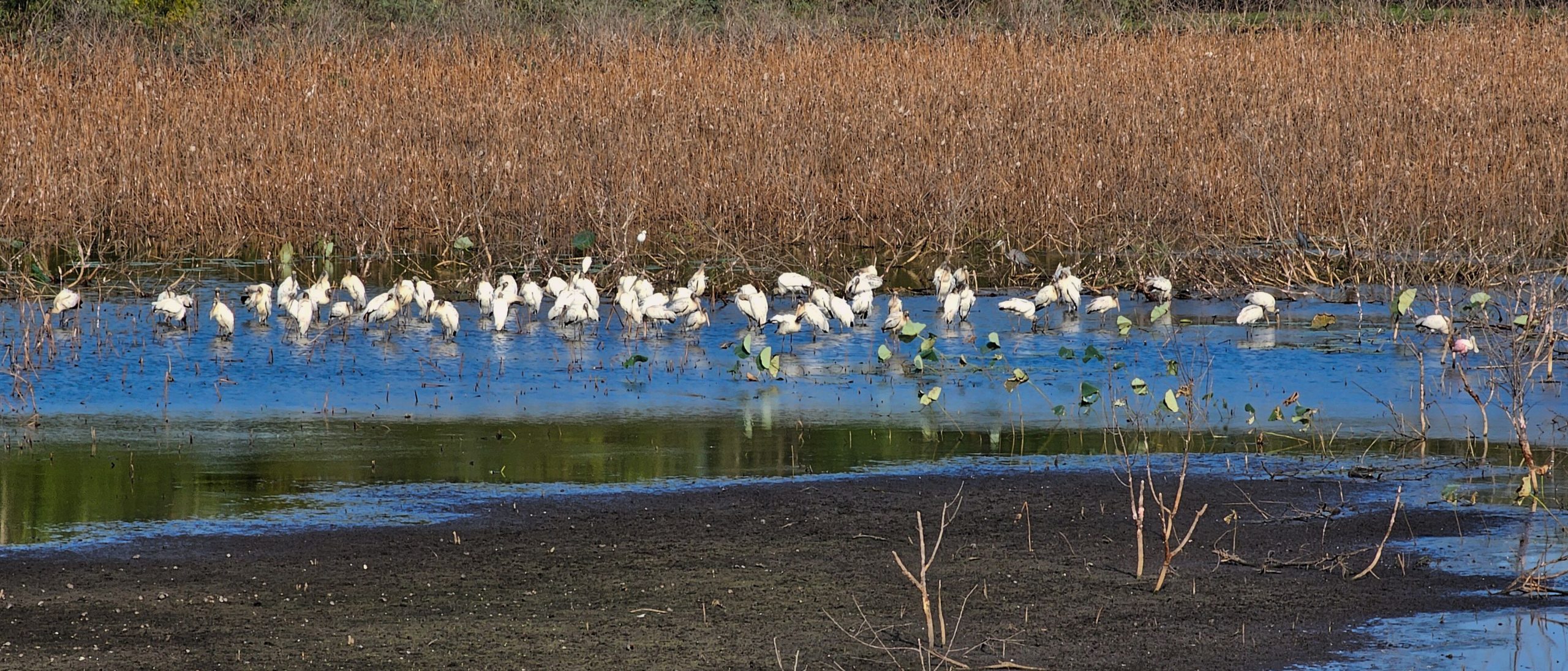
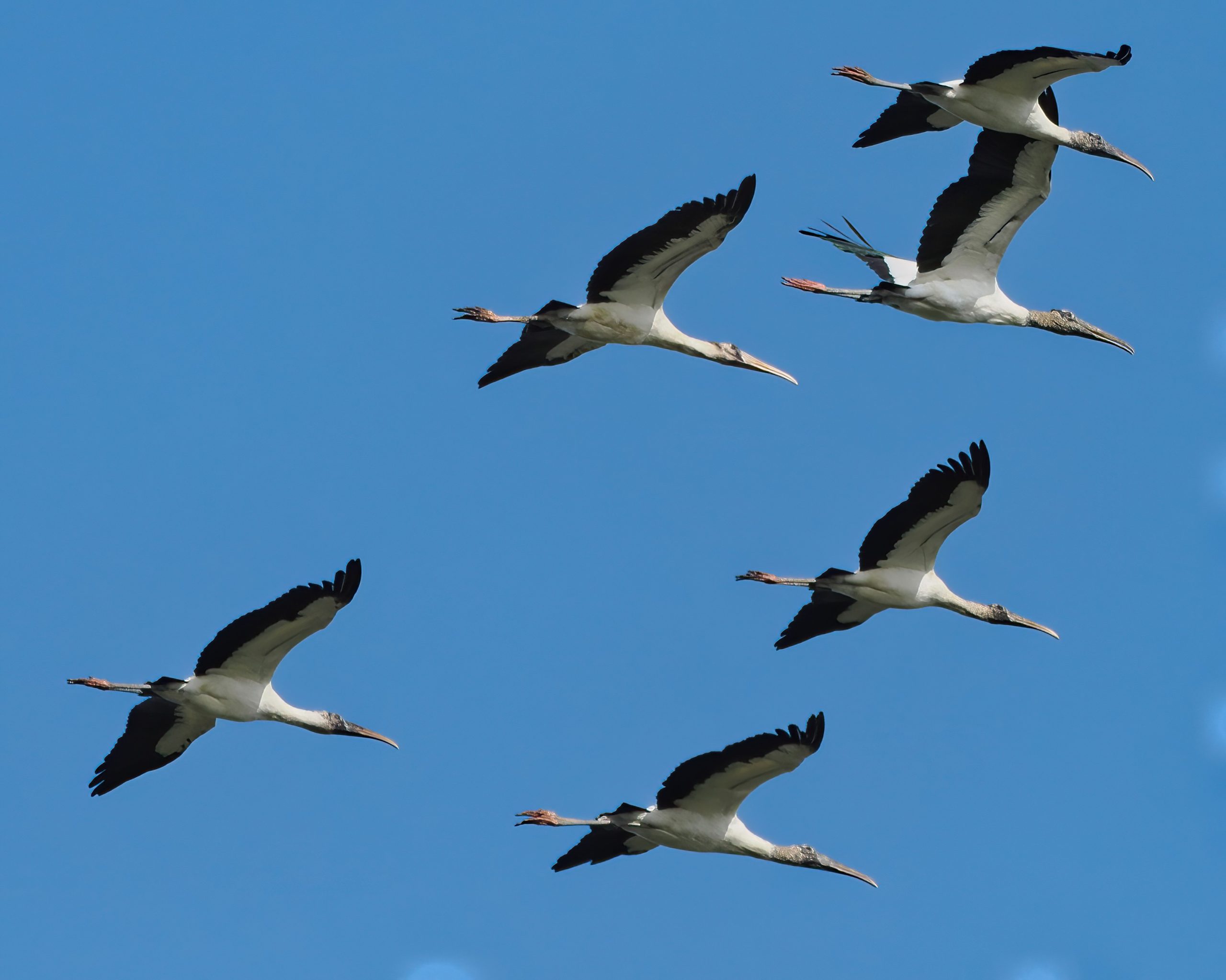
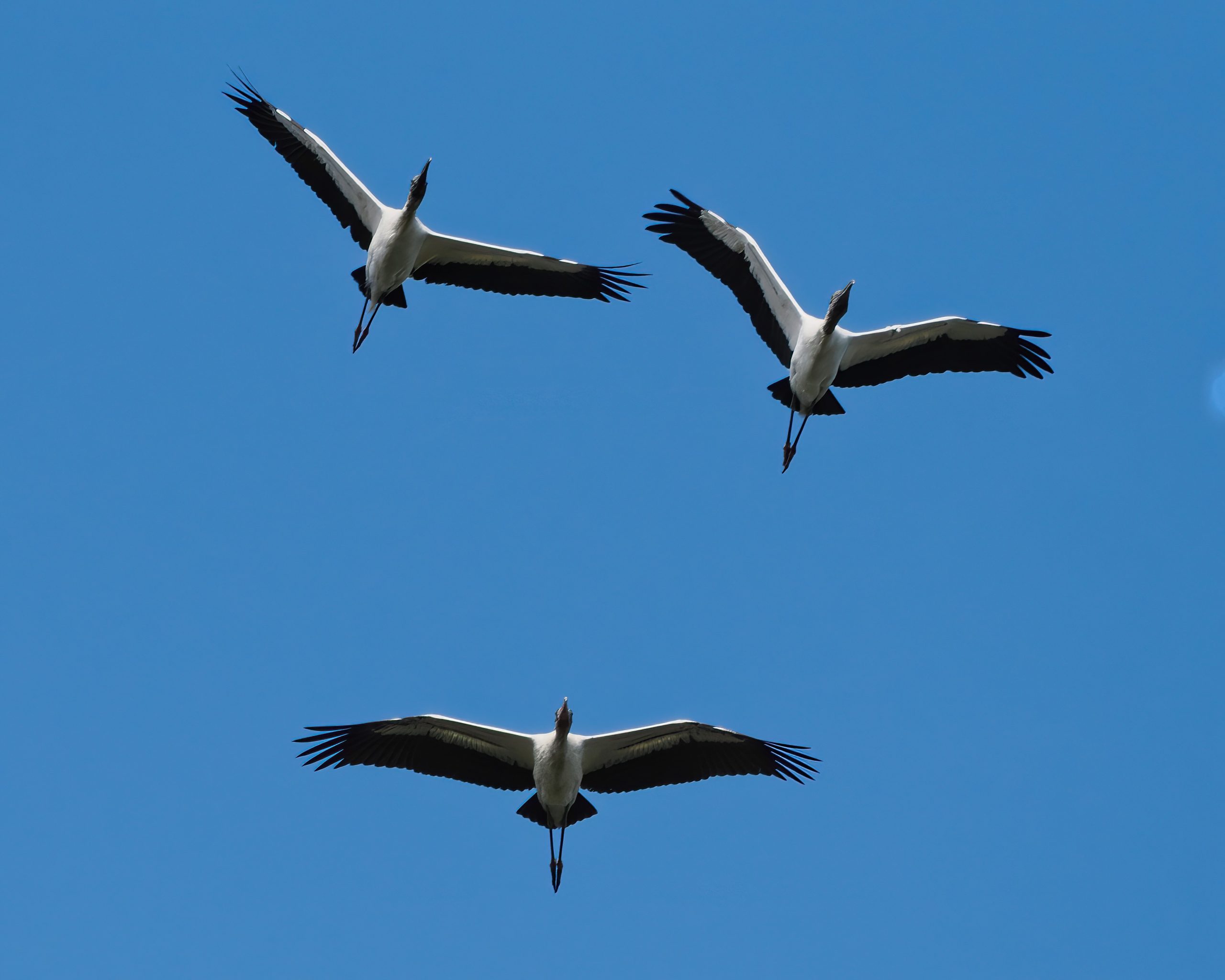
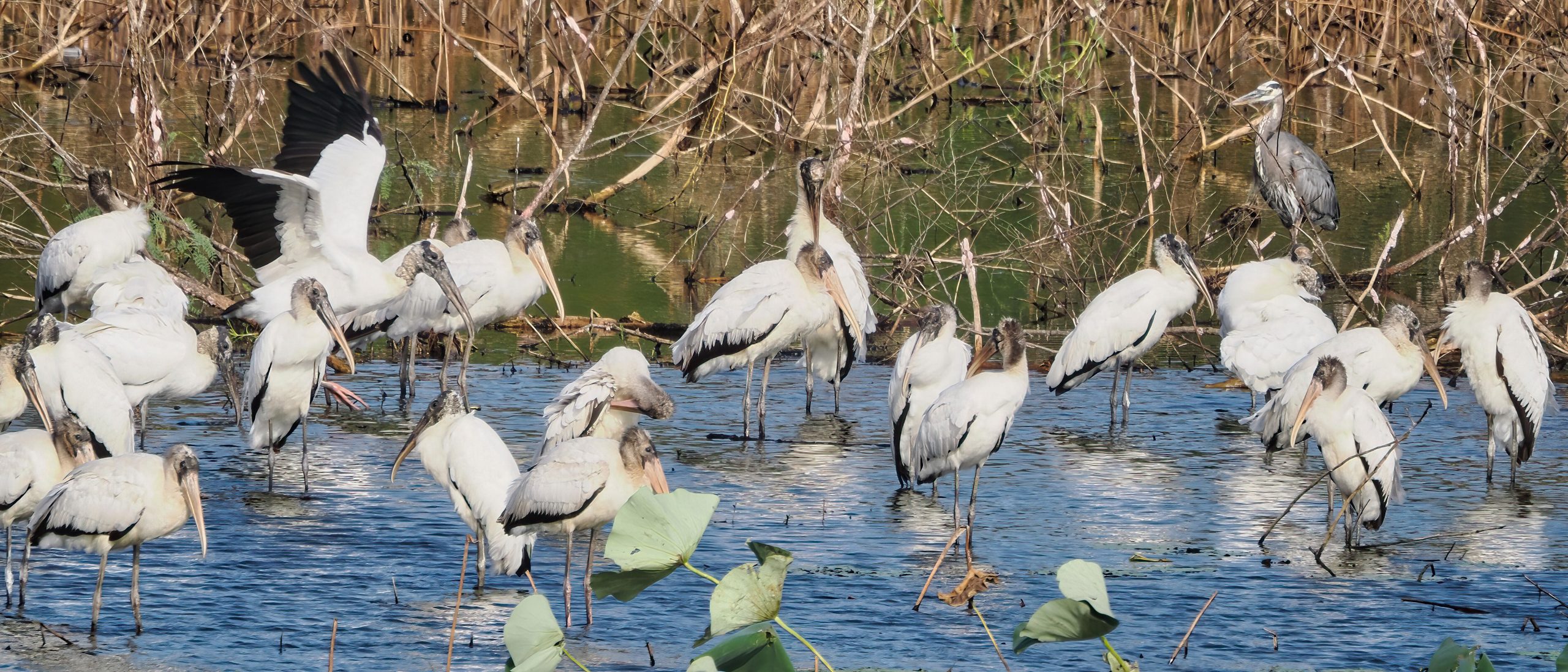
[Mycteria americana]. A drying White Lake protected about 30-40 Wood Storks over night. The weather warmed up by 10:30am to flying temperature (I guess) and the birds resumed their migration. Only seen Wood Storks one previous time (in BBSP) in 8 years of Texas birding. Cullinan Park, Sugar Land, Texas.
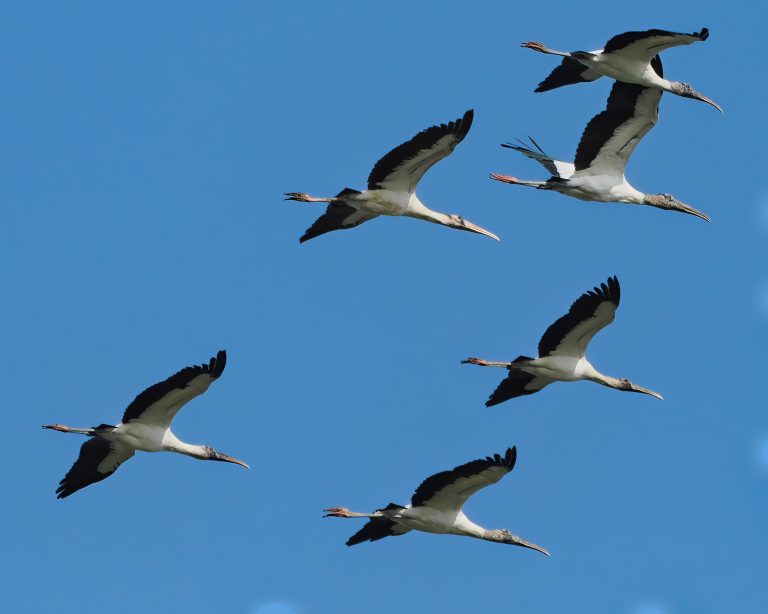
[Mycteria americana]. Apparently about 30-40 Wood Storks over-nighted in Cullinan in the colder temperatures. The weather warmed up by 10:30am and the birds resumed their migration in the thinner air. Very rare sight in Texas. Cullinan Park, Sugar Land, Texas.
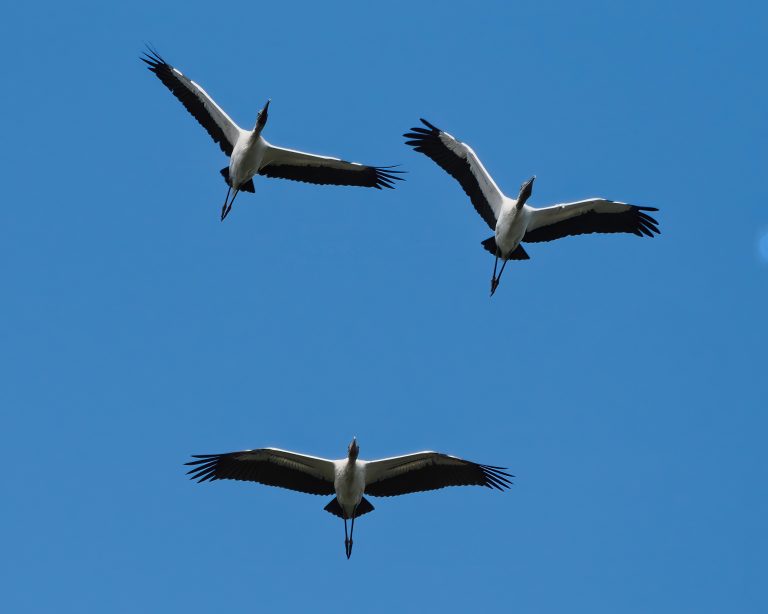
[Mycteria americana]. Apparently about 30-40 Wood Storks over-nighted in Cullinan in the colder temperatures. The weather warmed up by 10:30am and the birds resumed their migration in the thinner air. Very rare sight in Texas. Cullinan Park, Sugar Land, Texas. Aix sponsa. Resoft County Park, Alvin, Texas.
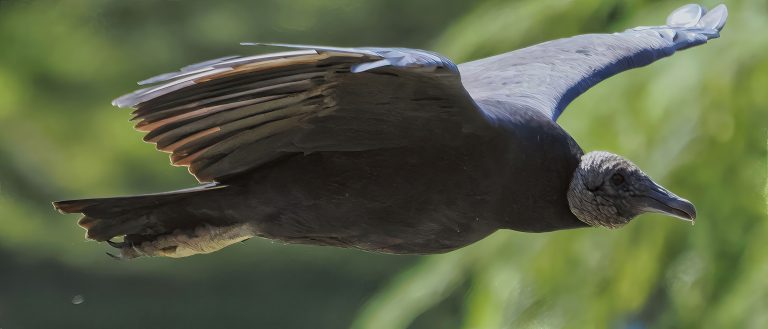
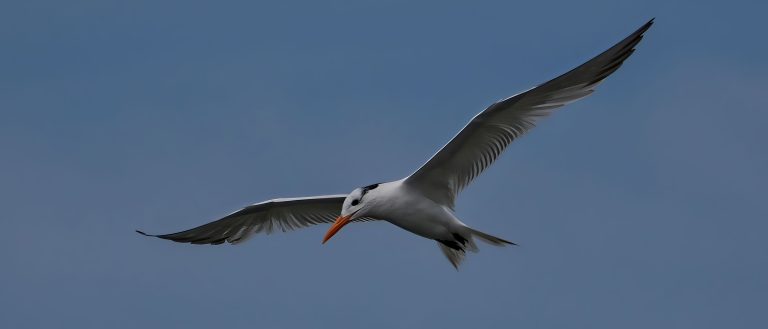
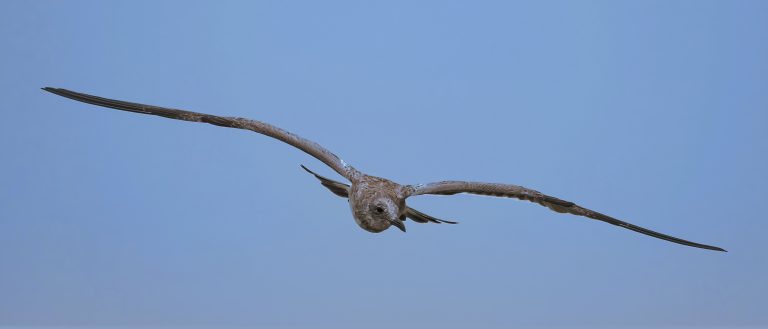
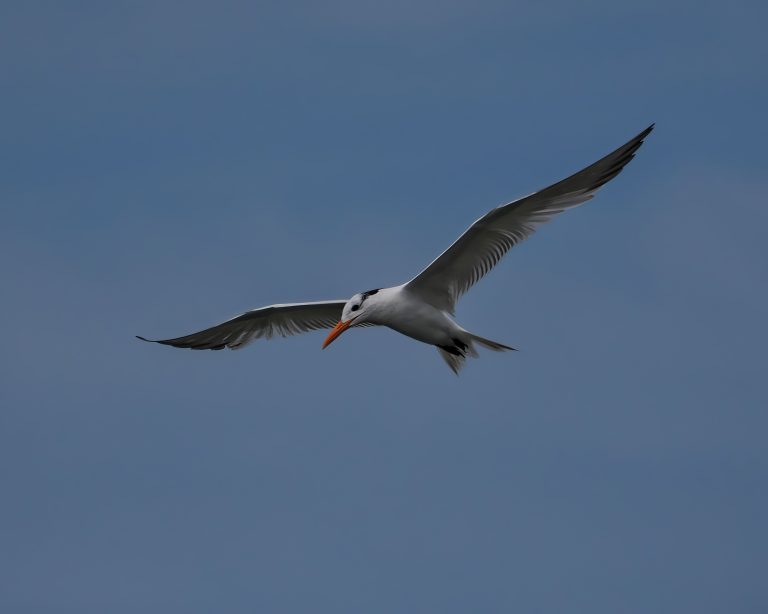
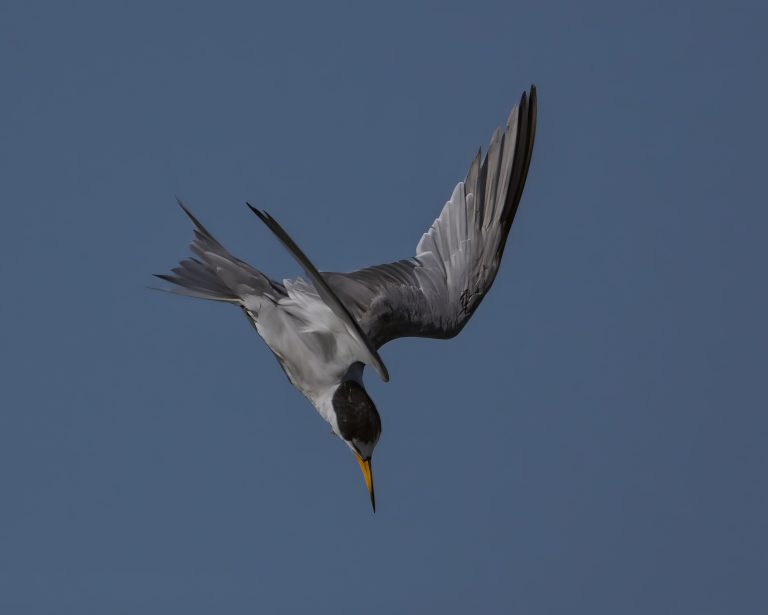
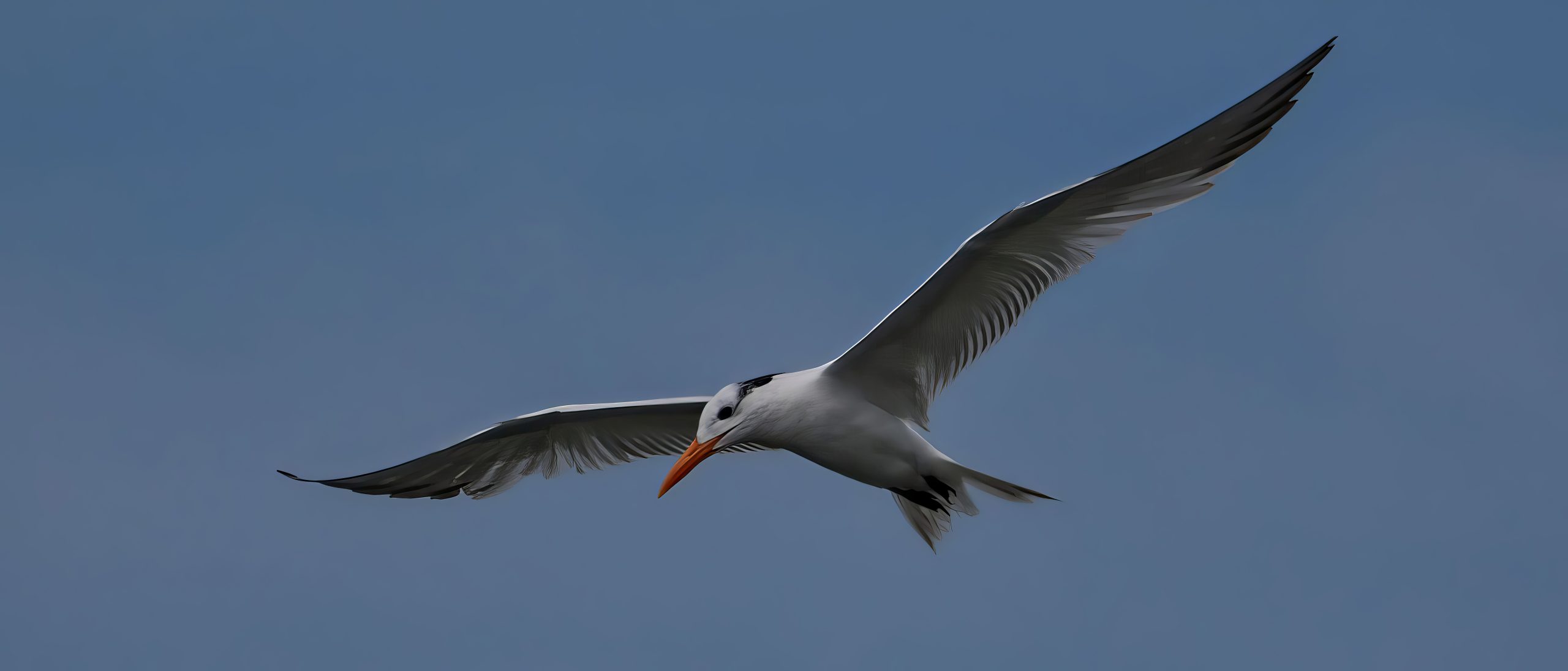
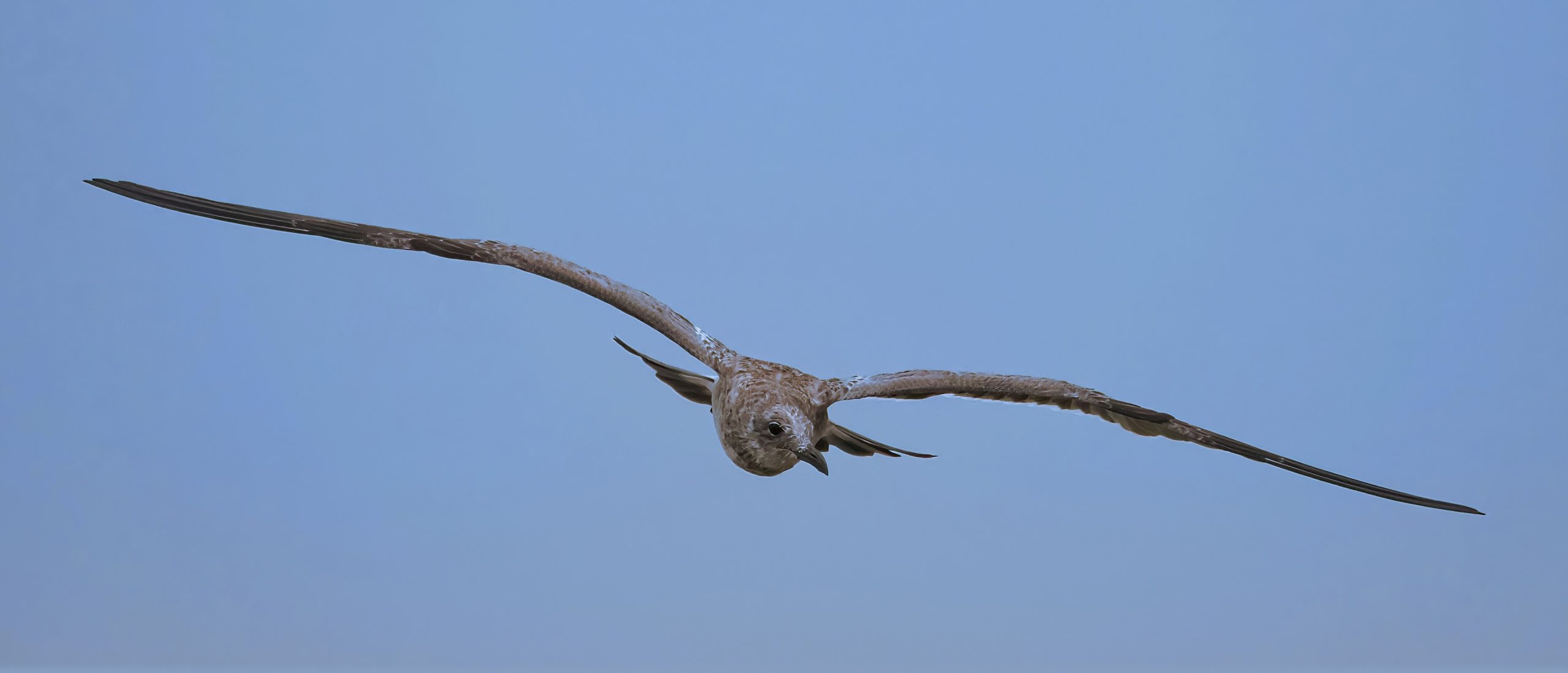
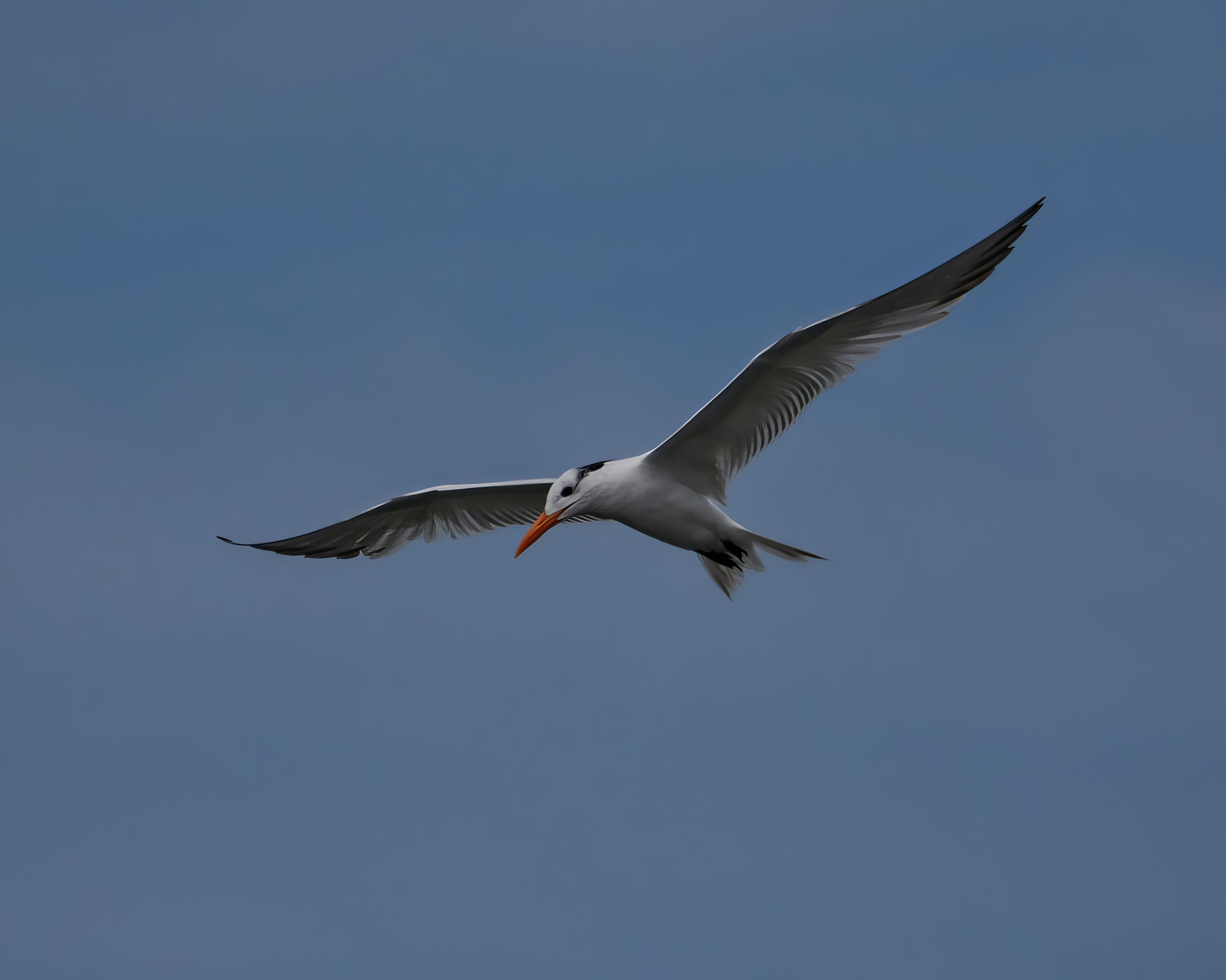
Black Vulture (Coragyps atratus). Edgewater Lake, Sugar Land, Texas. Thalasseus maximus. Over The Packery Channel between the southern tip of Matagorda Island and the northern tip of Padre Island, near Corpus Christi, Texas.
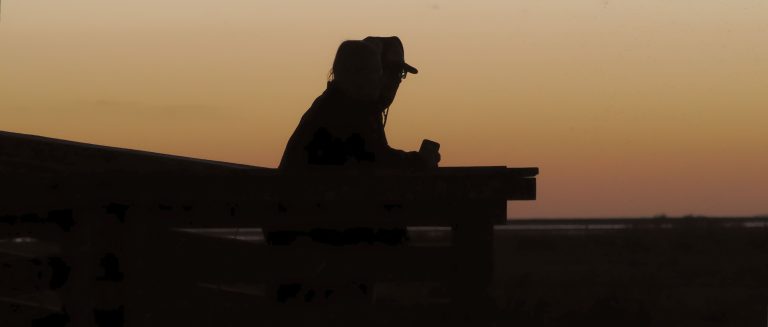
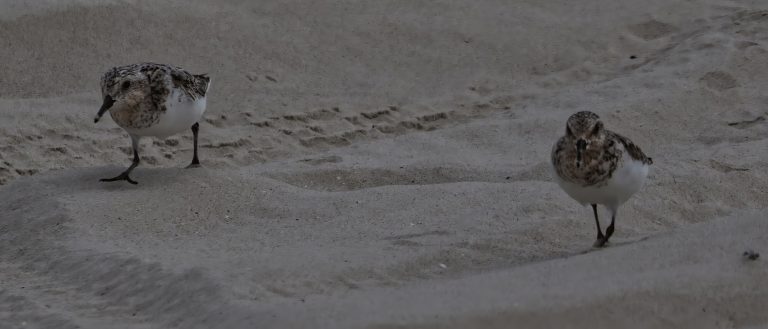
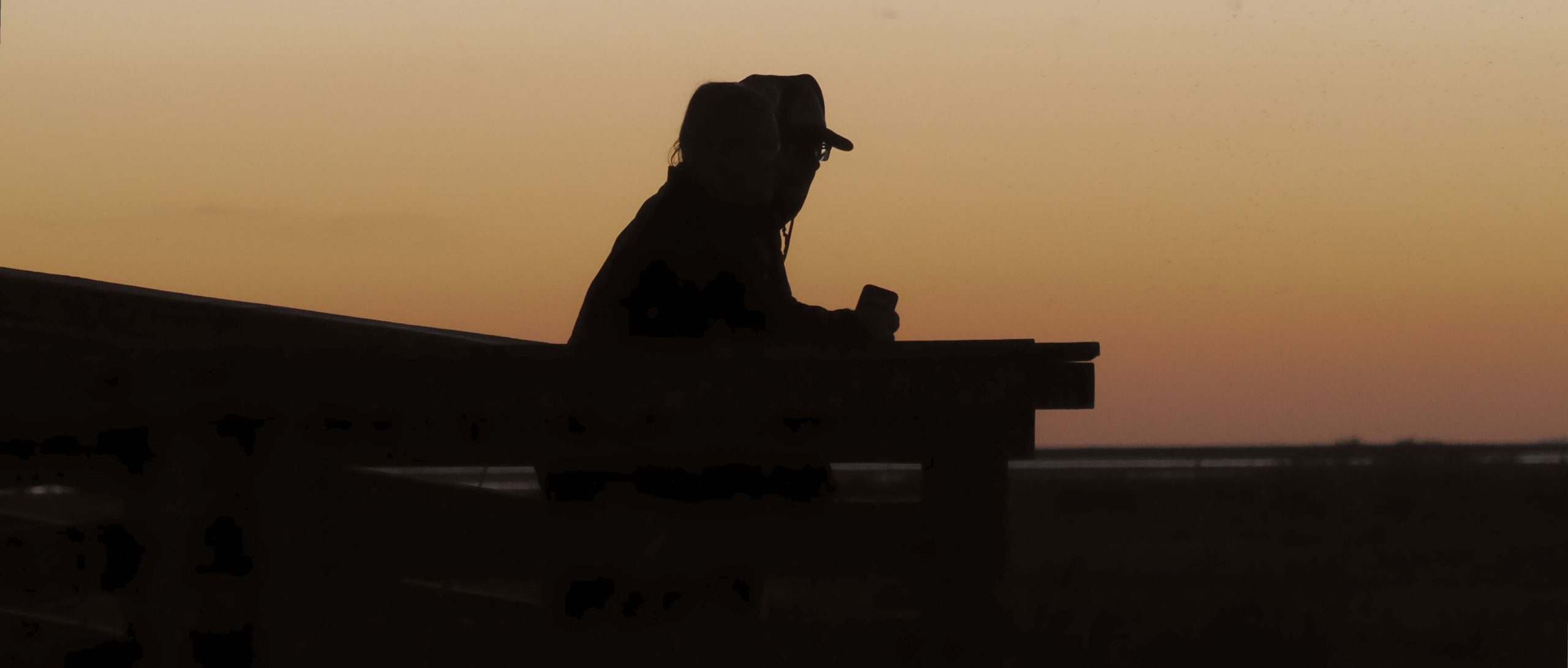
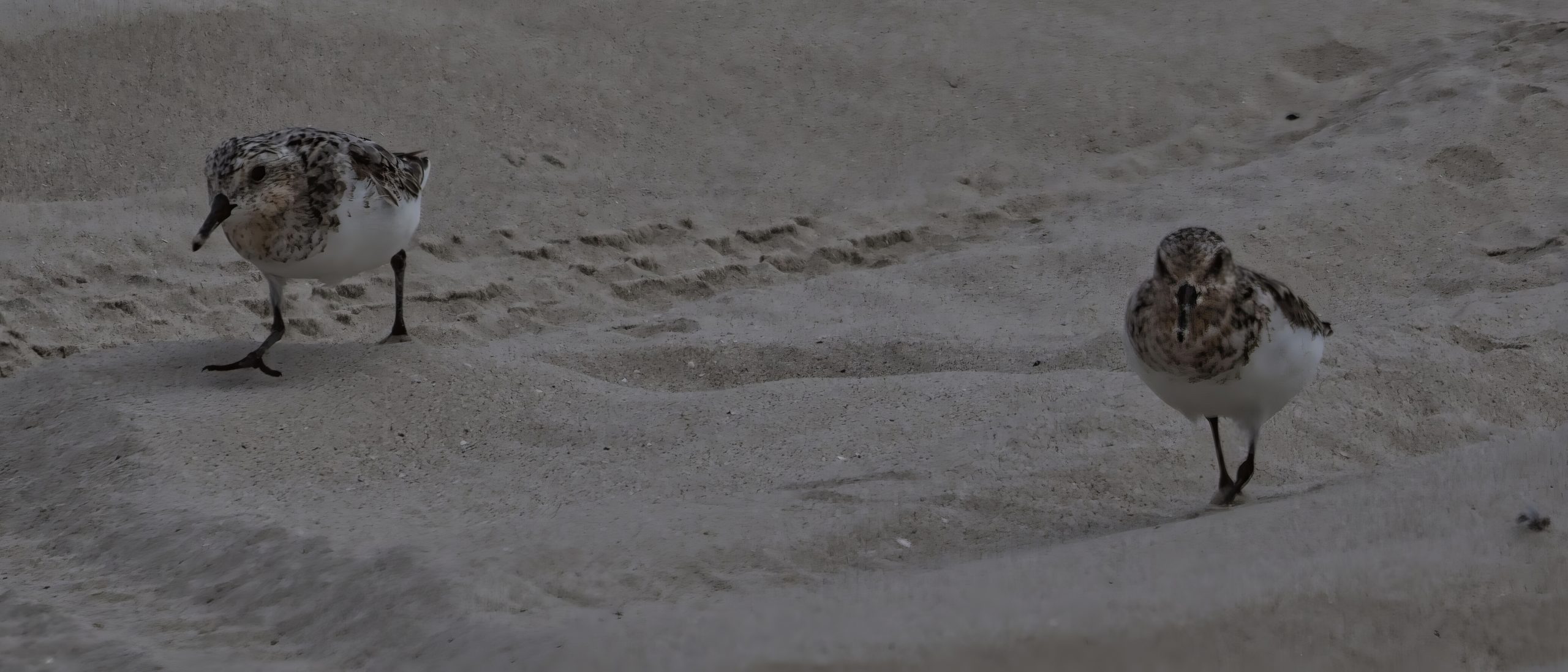
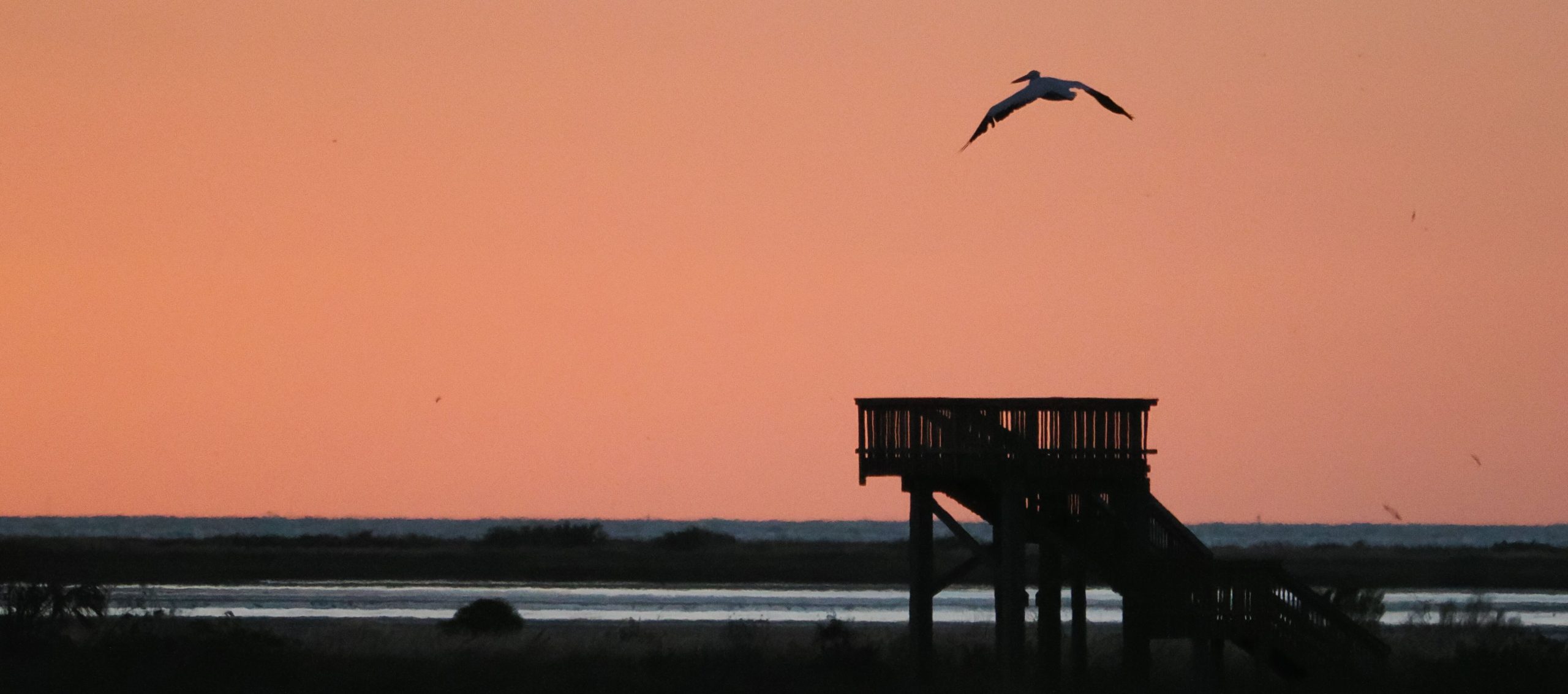
Overlooking Leonabelle Turnbull Birding Center in Port Aransas, Texas. Calidris alba. Packery Channel jetty beach at the south end of Mustang Island near Corpus Christi, Texas.
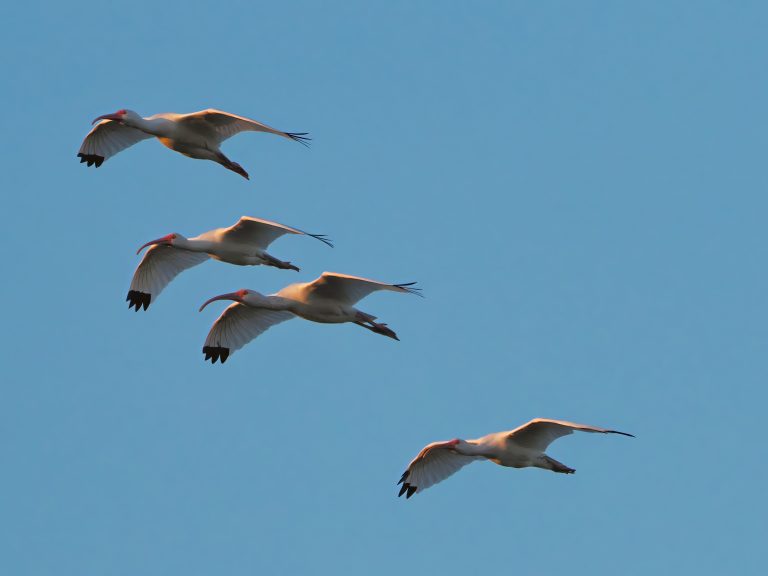
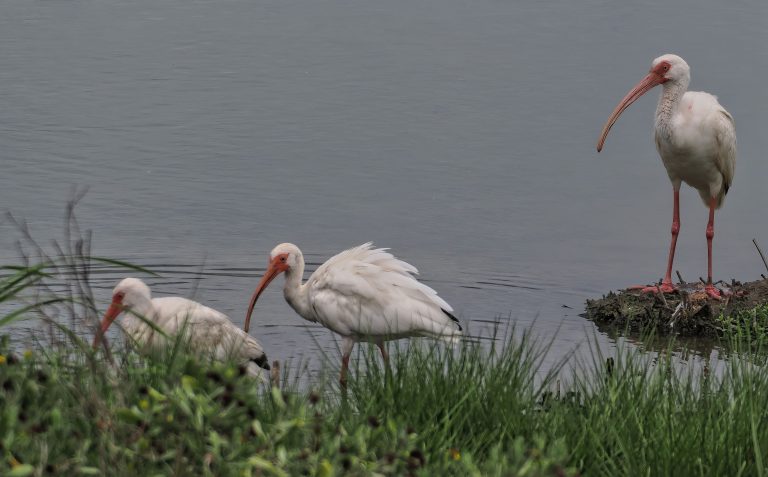
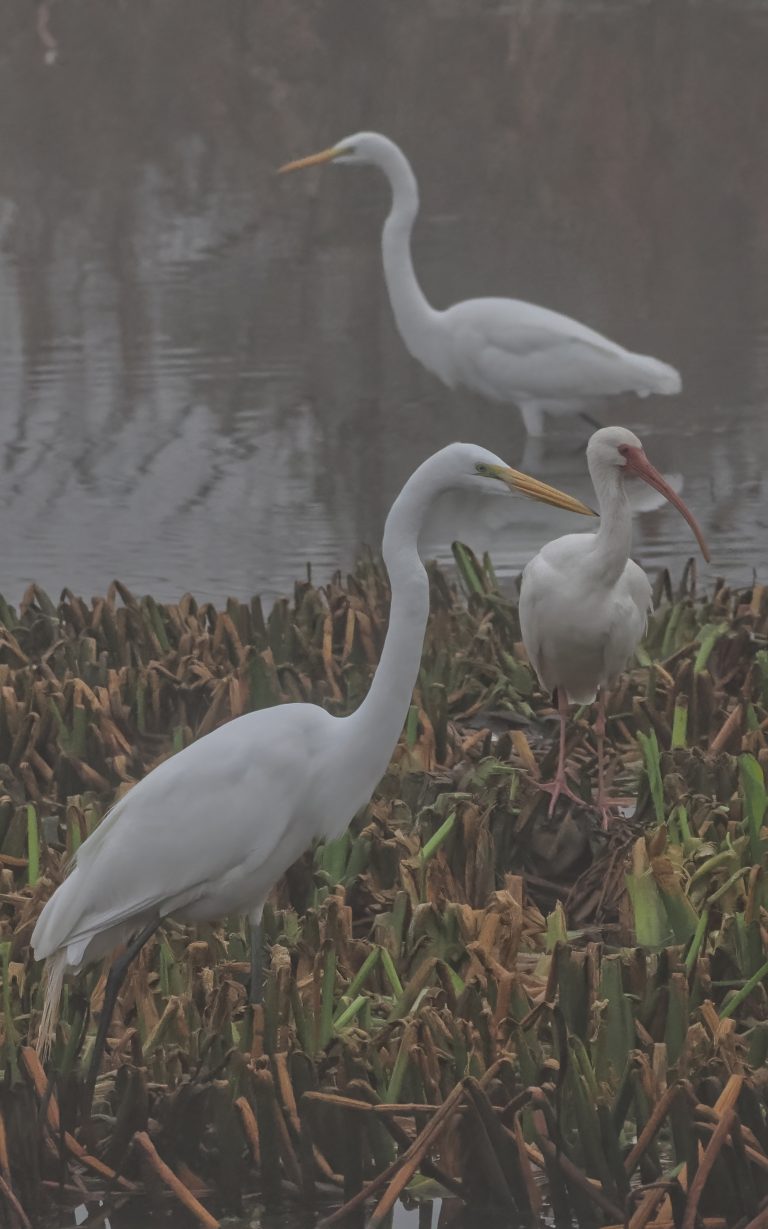
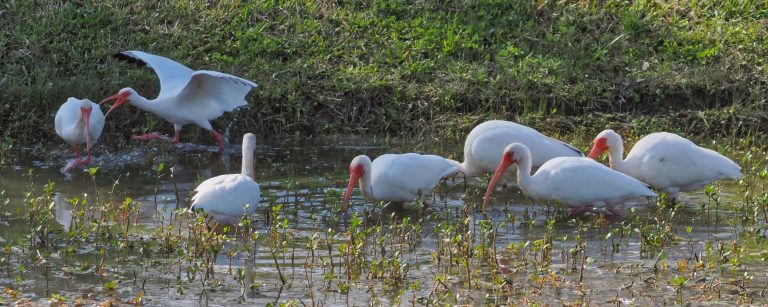
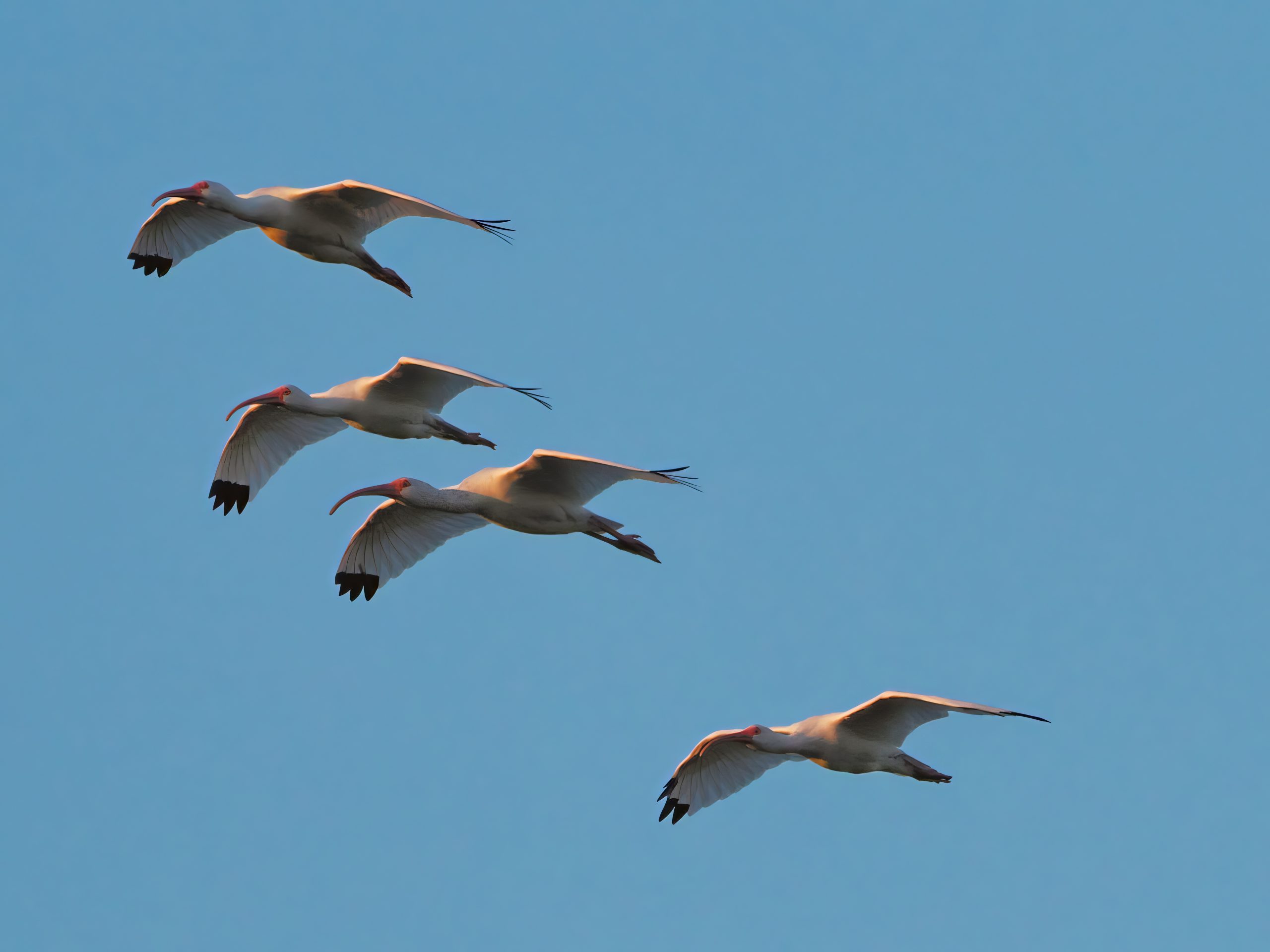
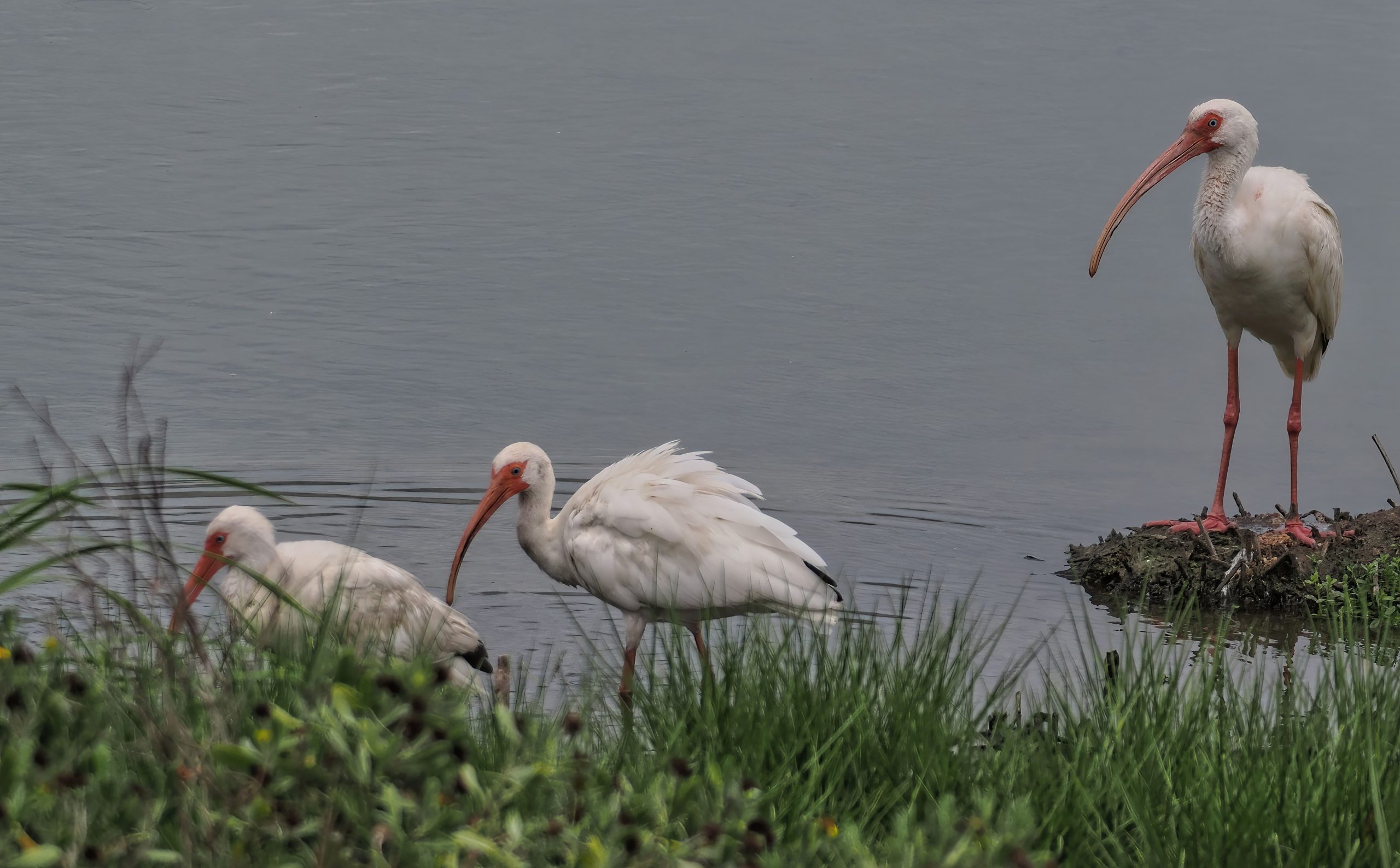
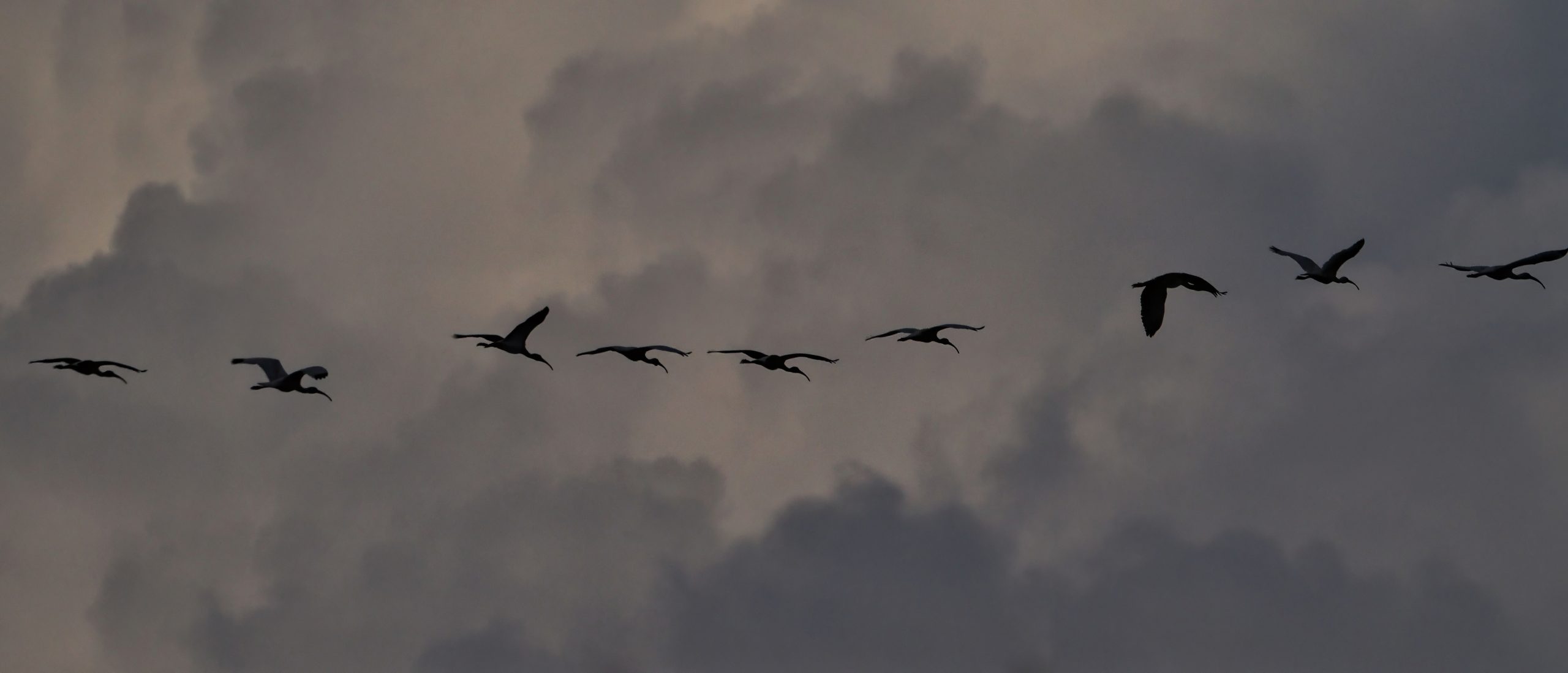
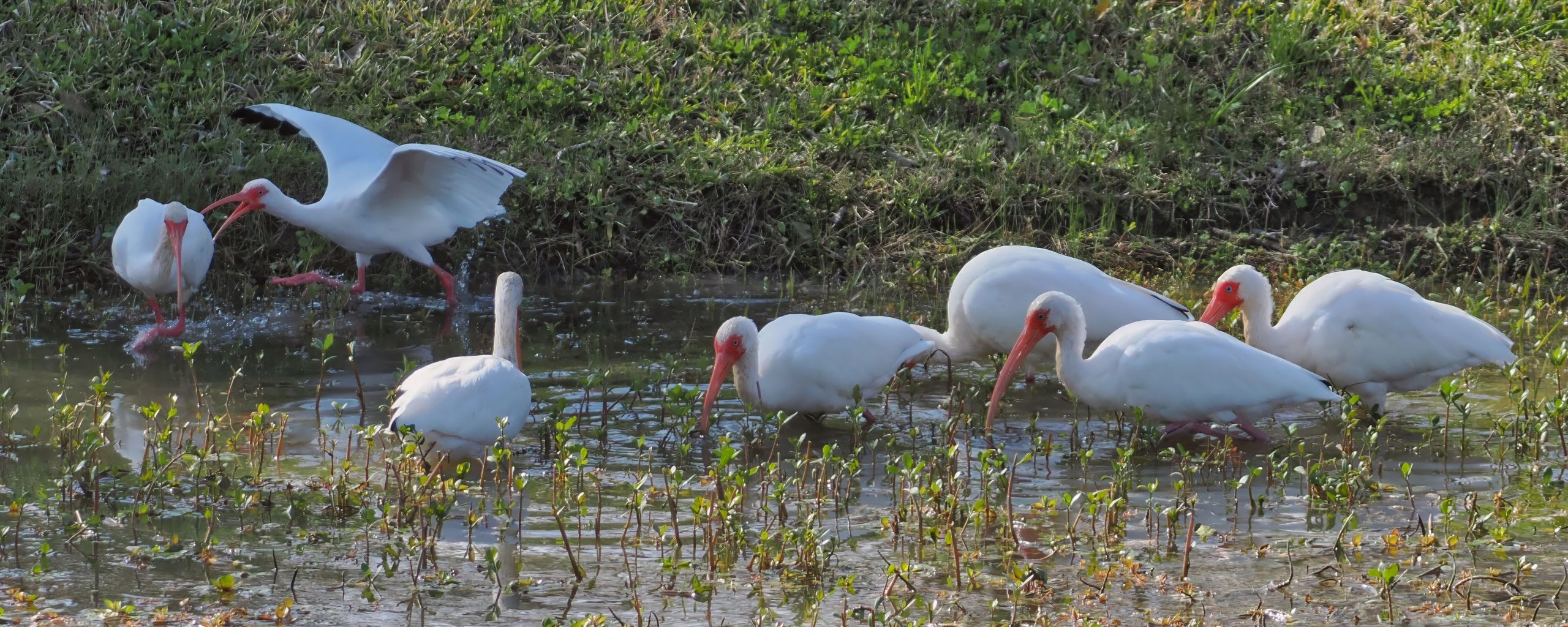
White Ibis Eudocimus albus. Resoft County Park, Alvin, Texas.
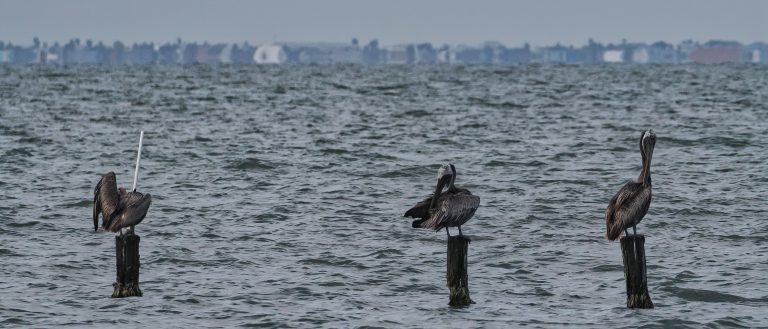
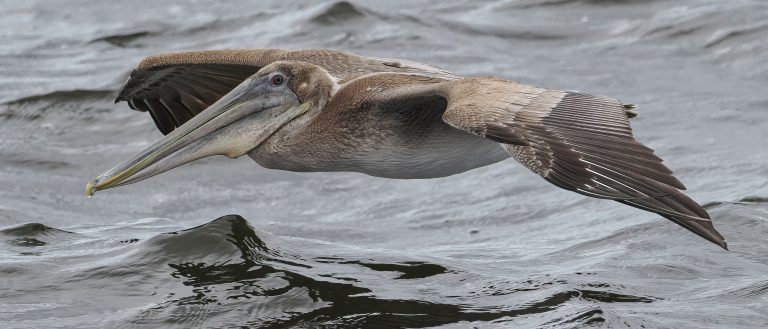
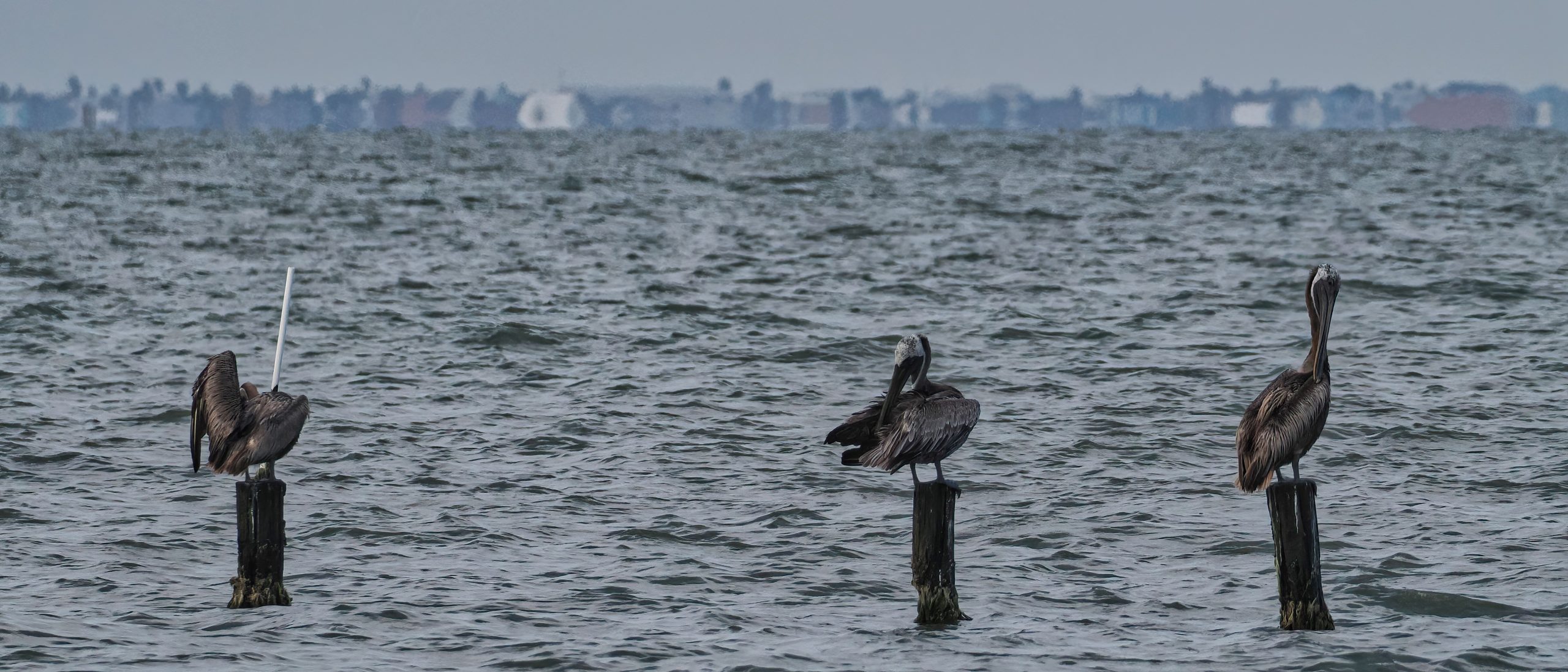
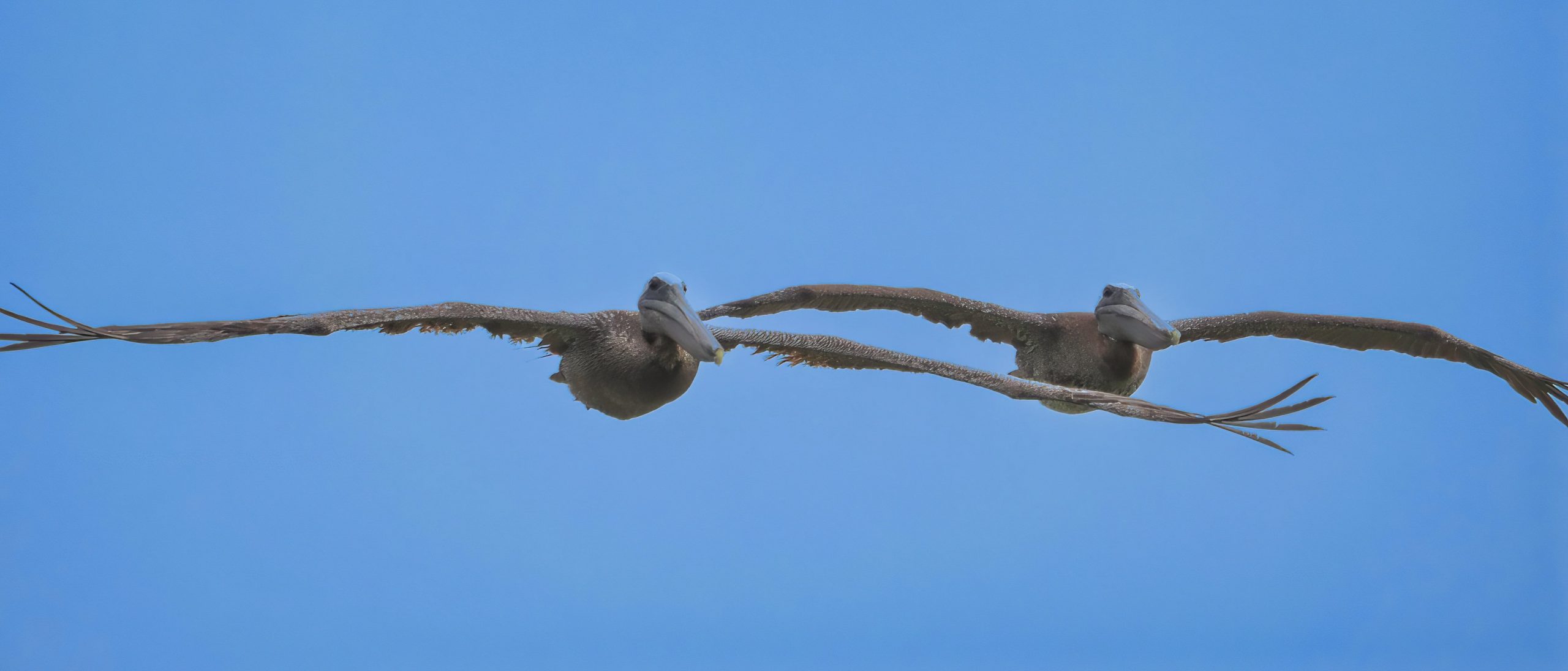
Brown Pelicans (Pelecanus occidentalis). Southern tip of Lamar Peninsula amid the bays and estuaries of the Texas Gulf Coastal Bend.
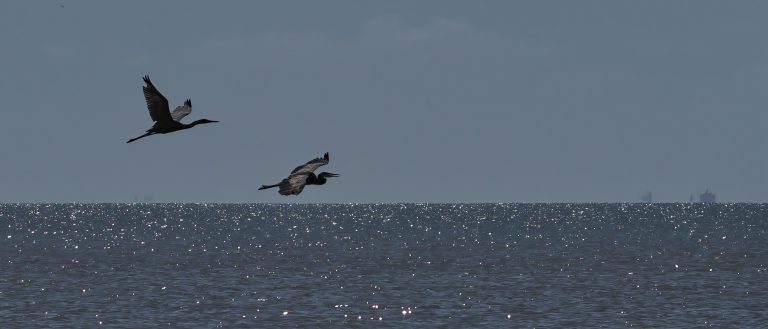
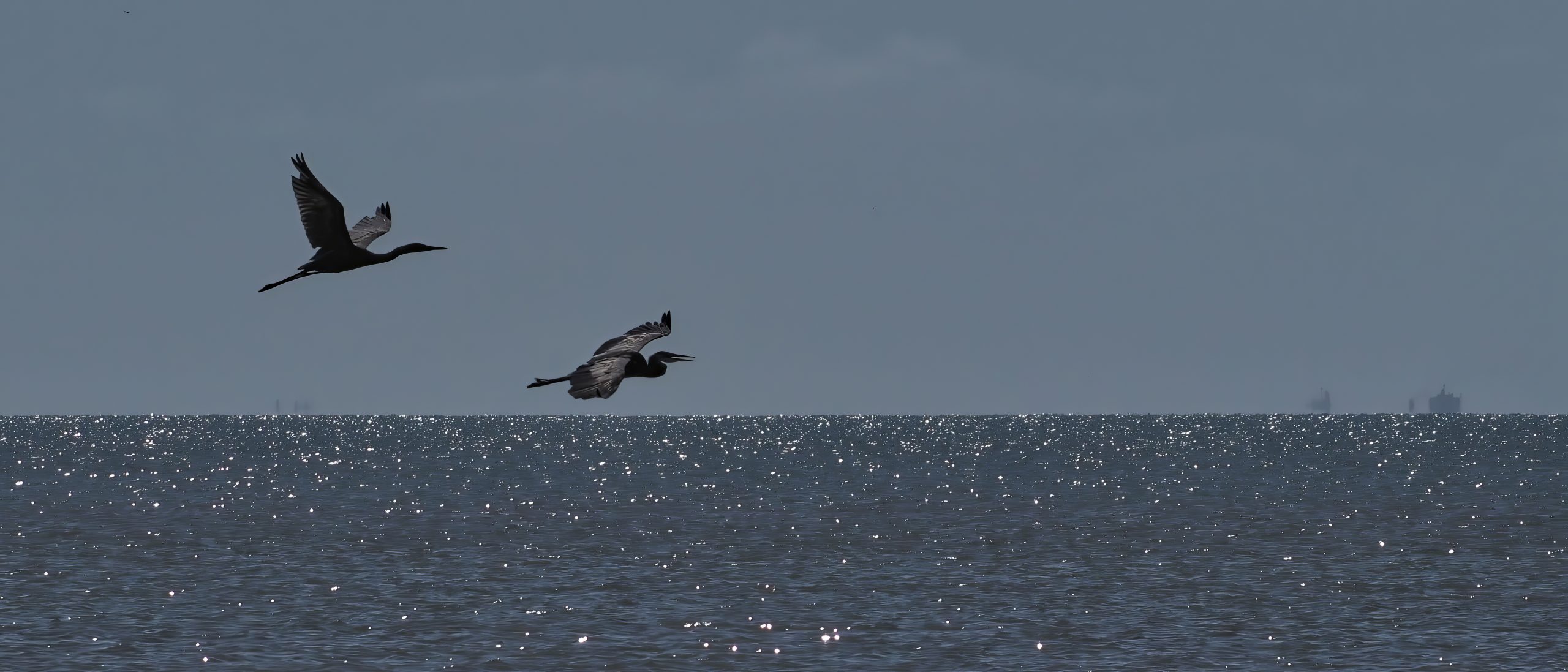
I love this photo. iNaturalist tells me the birds are either Reddish Egrets or Little Blue Herons, or both maybe. But does it matter? Let me know what you think. Photographed from Bolivar Flats, an extraordinary Texas resource.
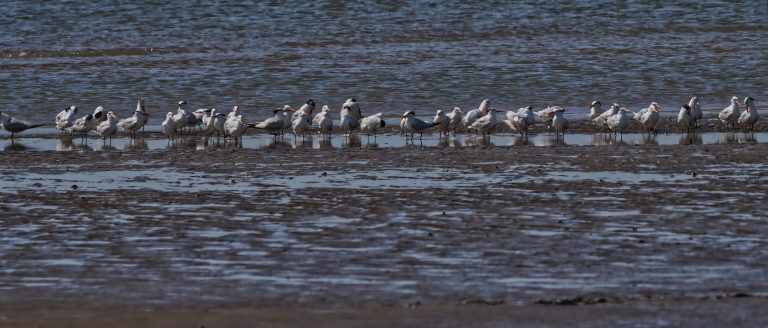
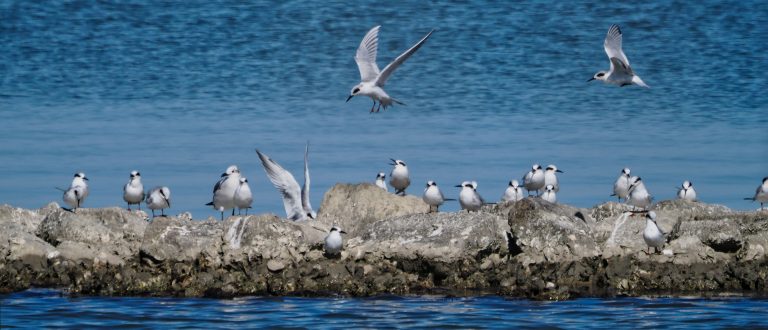
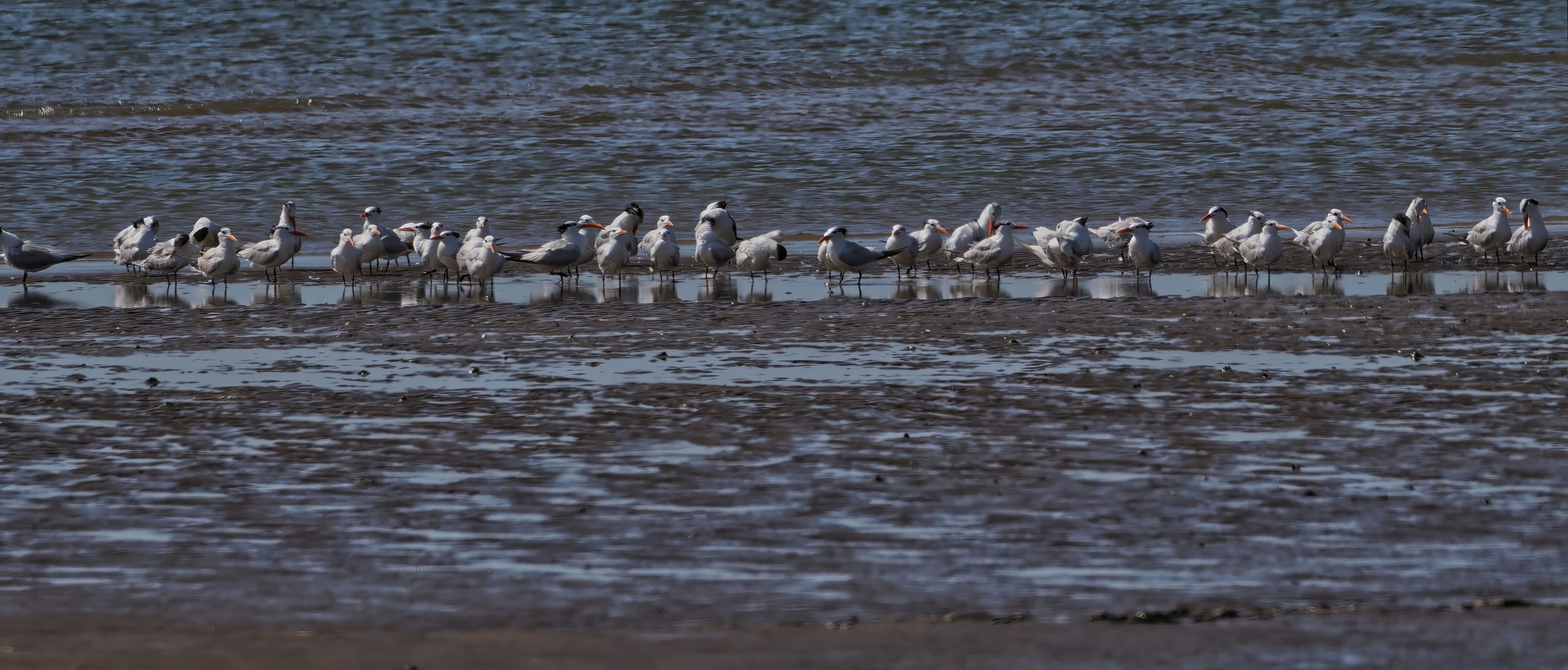
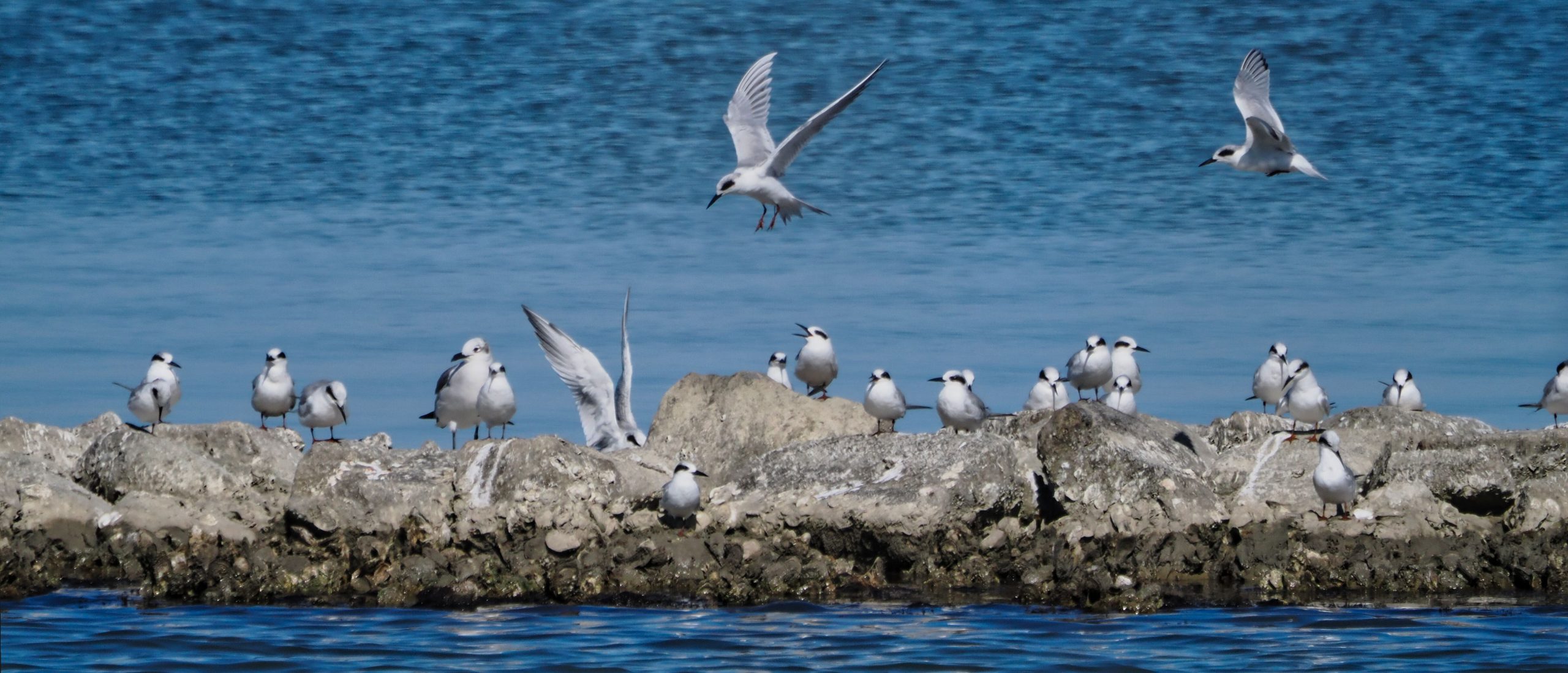
A long row of Terns of mixed variety, maybe some Gulls, on a sandbar offshore Bolivar Flats Audubon Sanctuary, Bolivar, Texas.
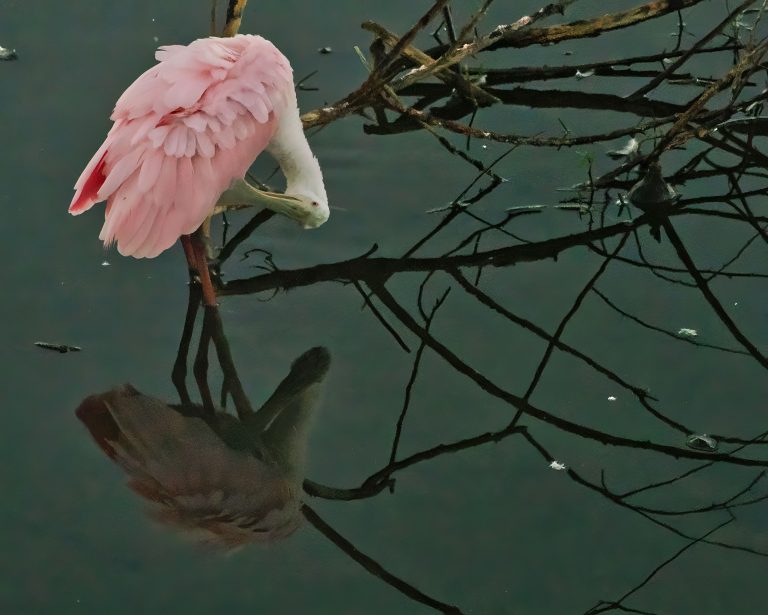
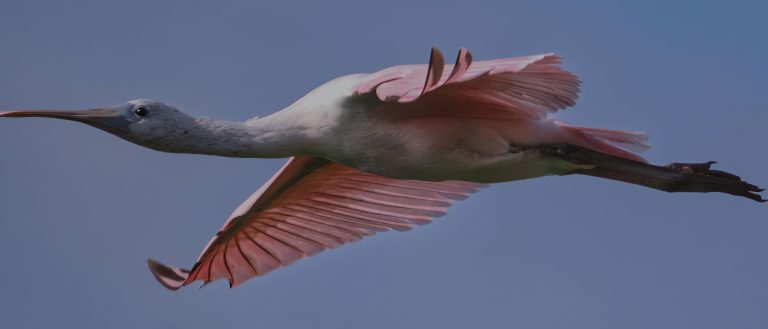
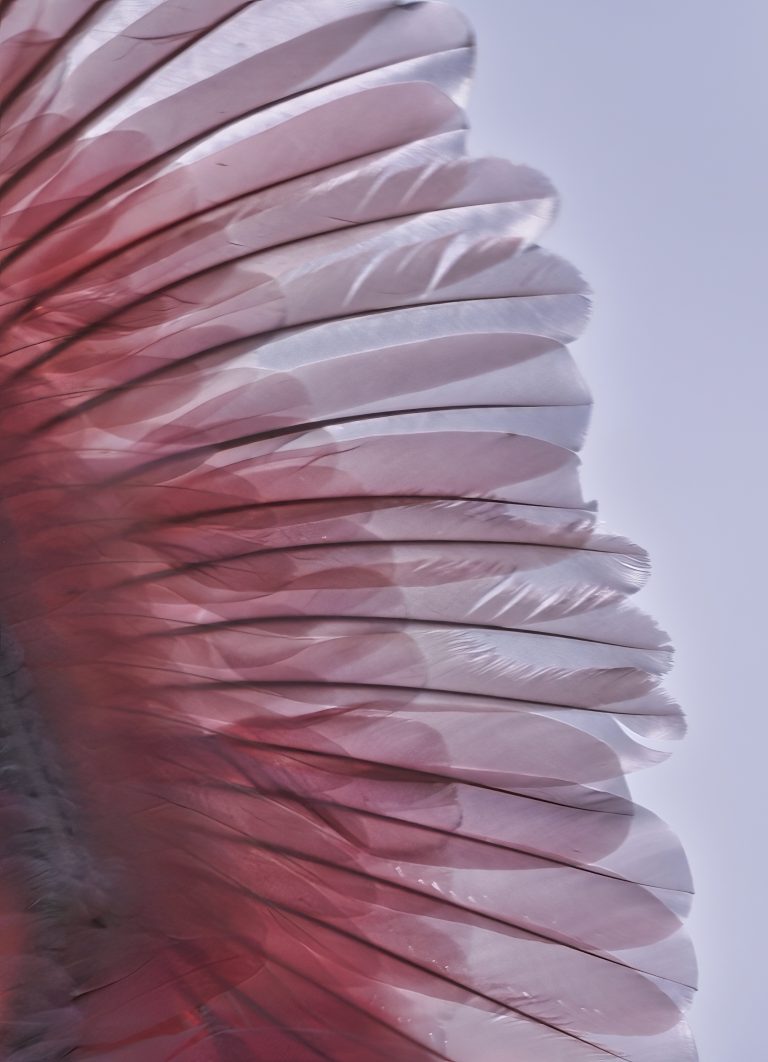
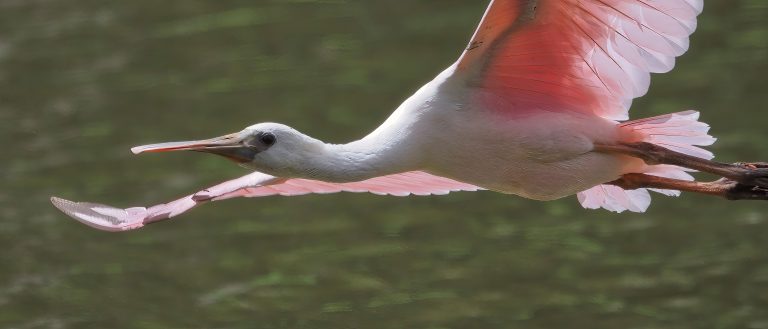
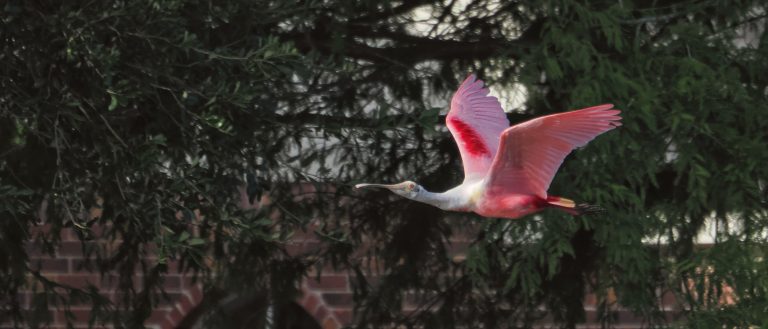
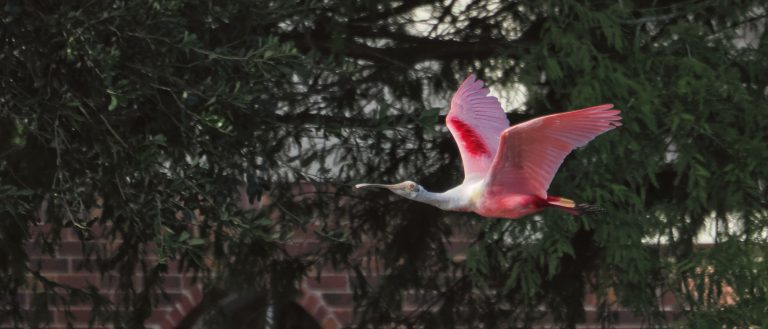
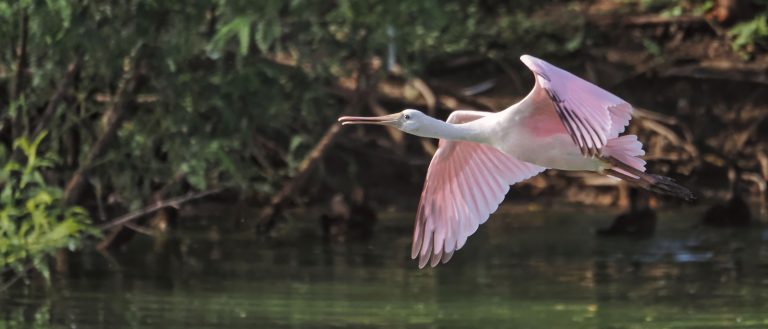
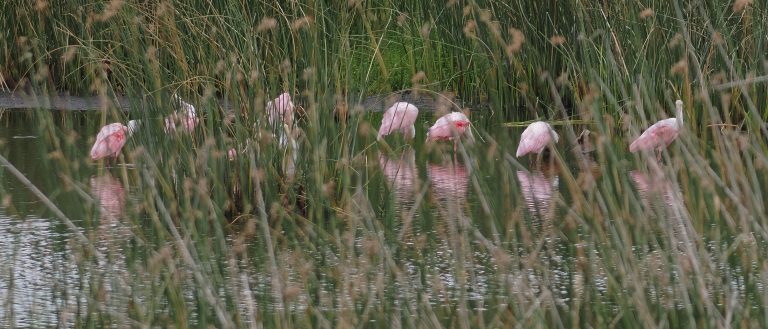
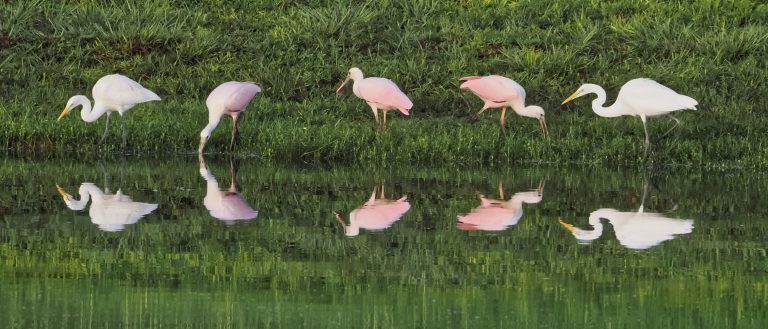
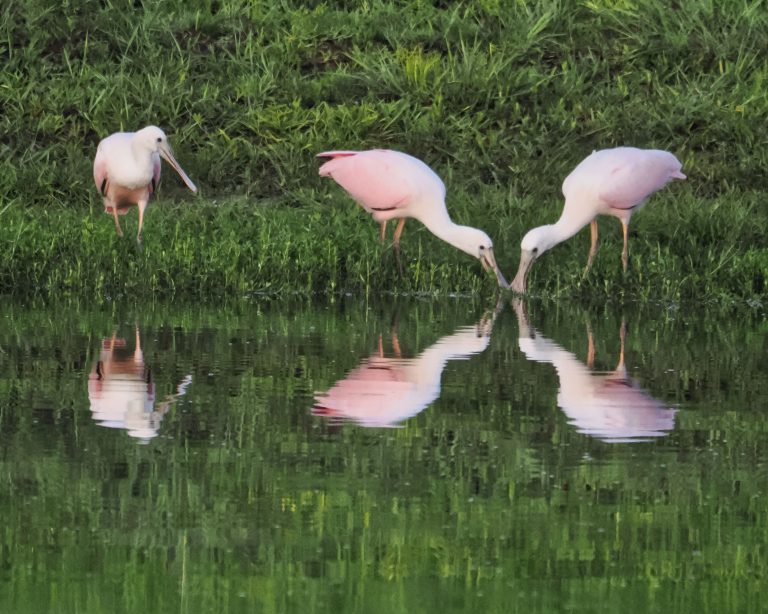
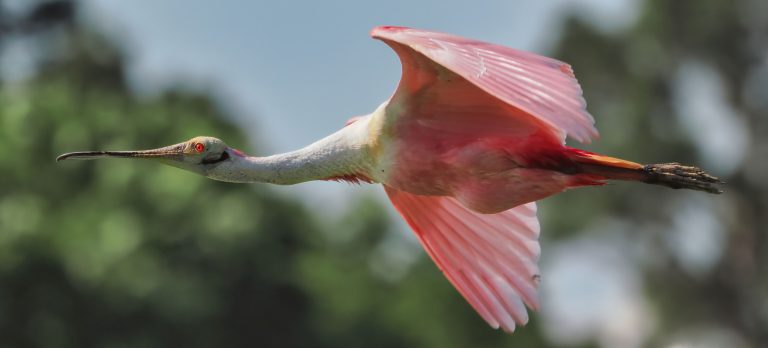
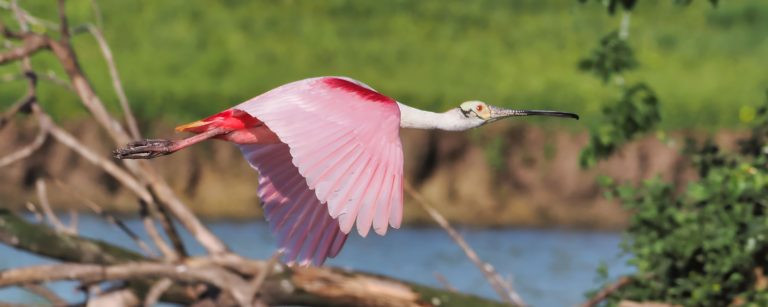
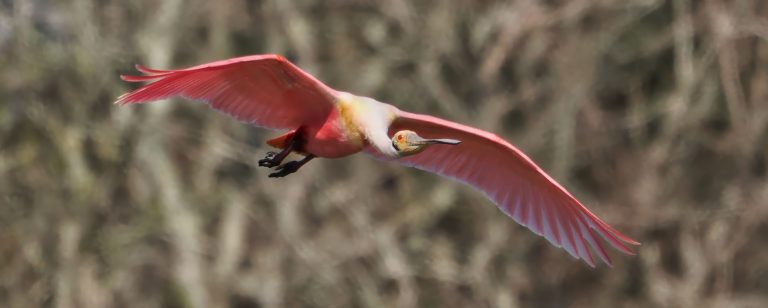
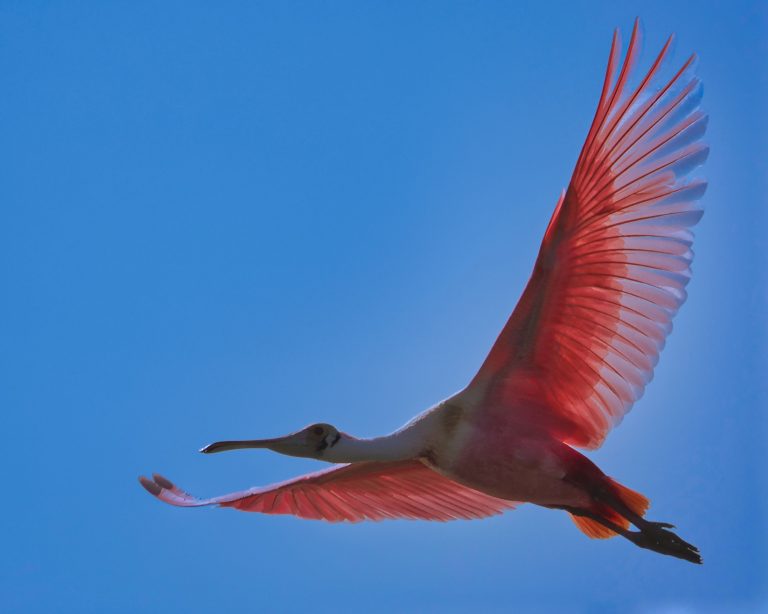
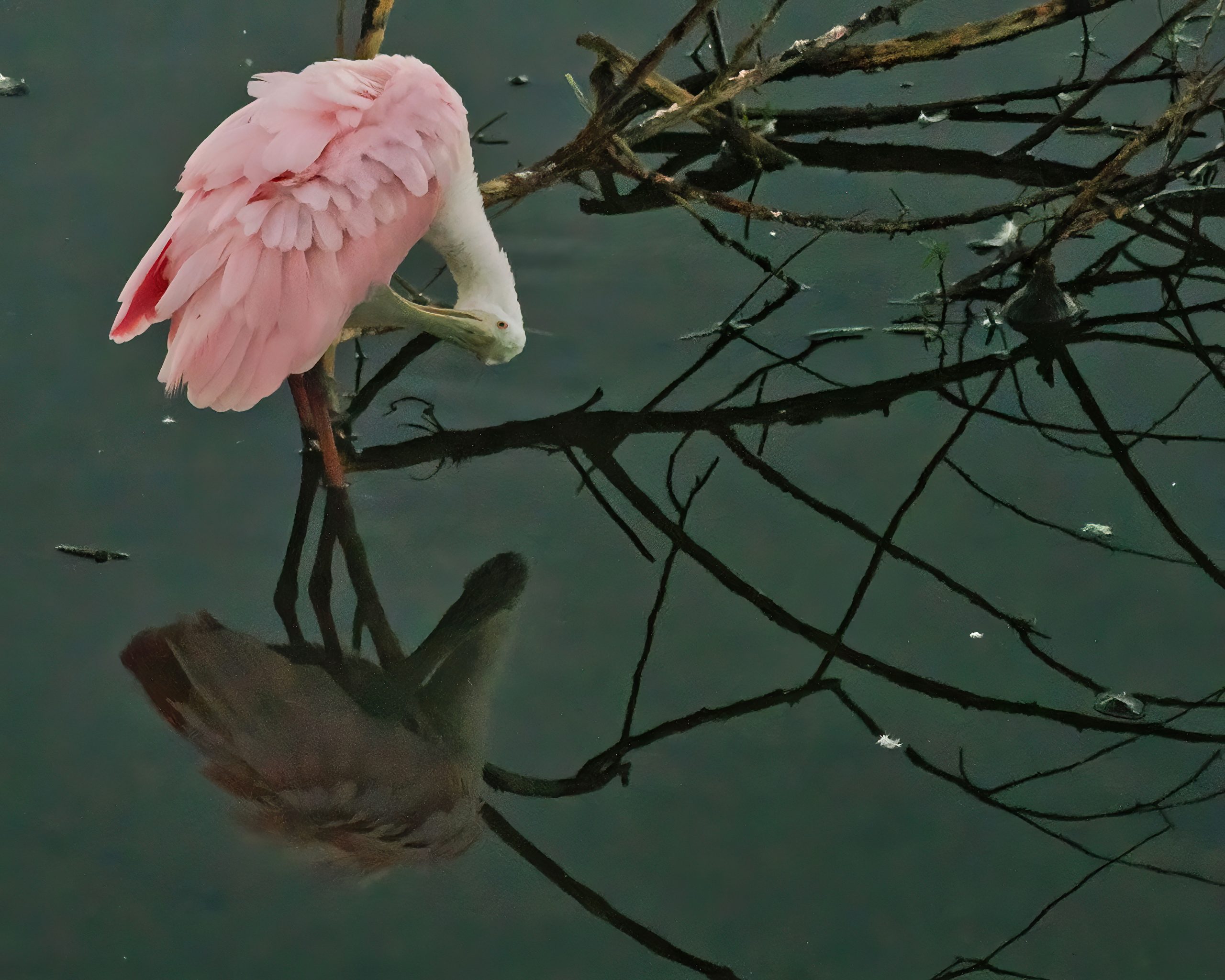
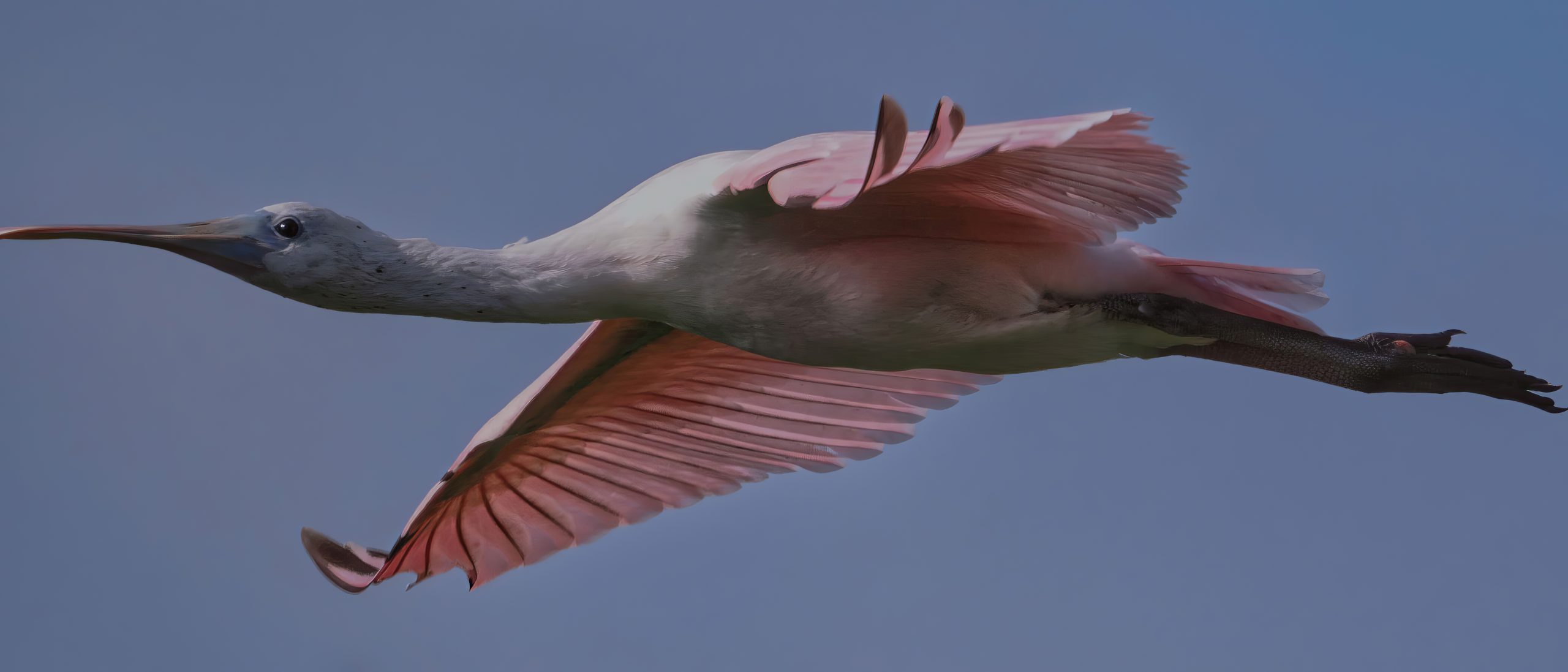
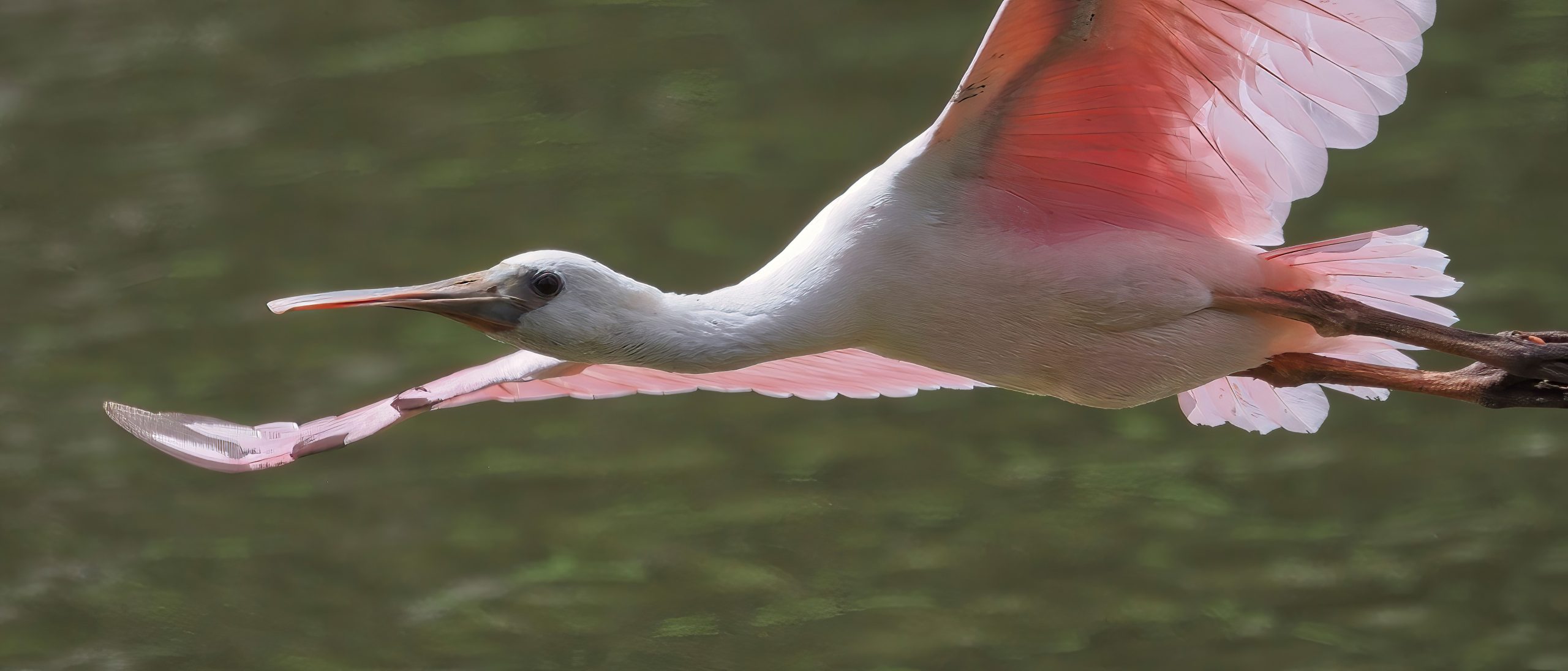
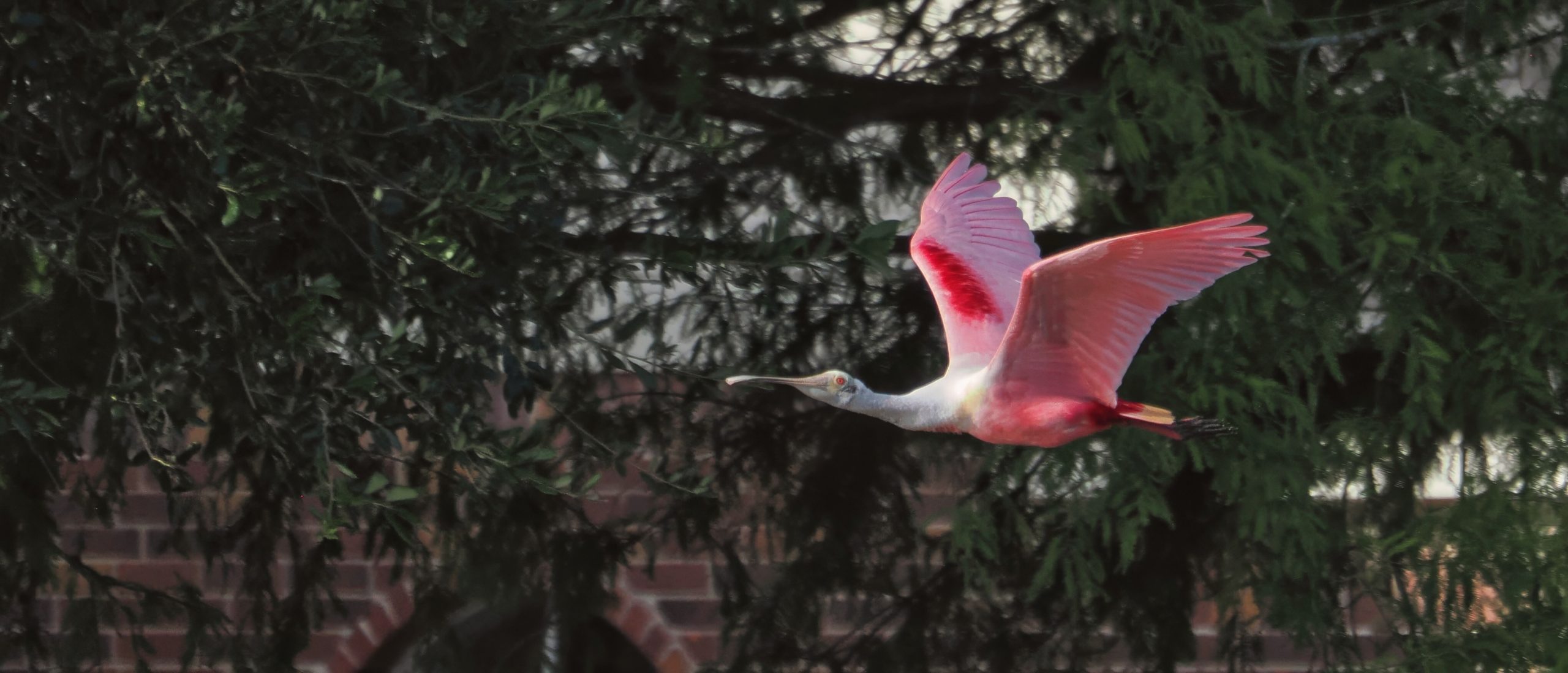
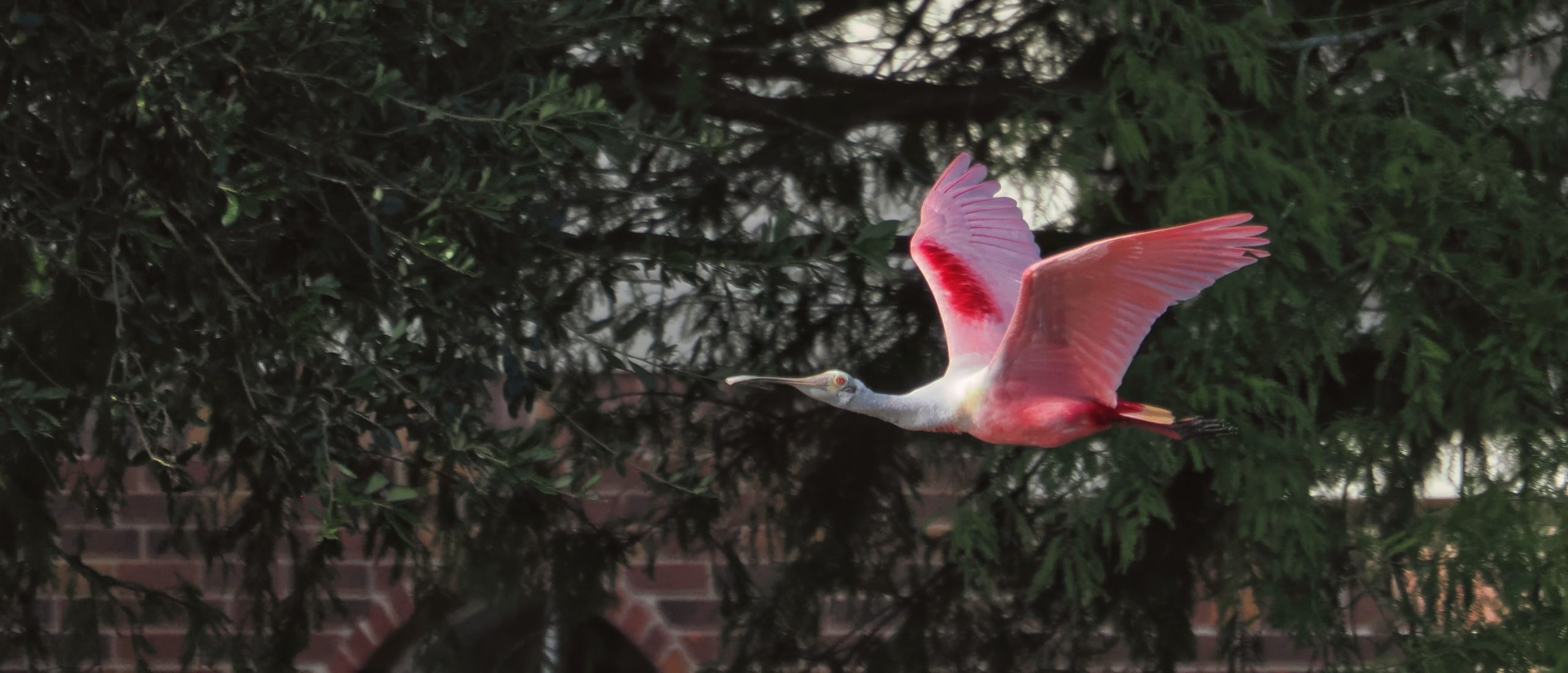
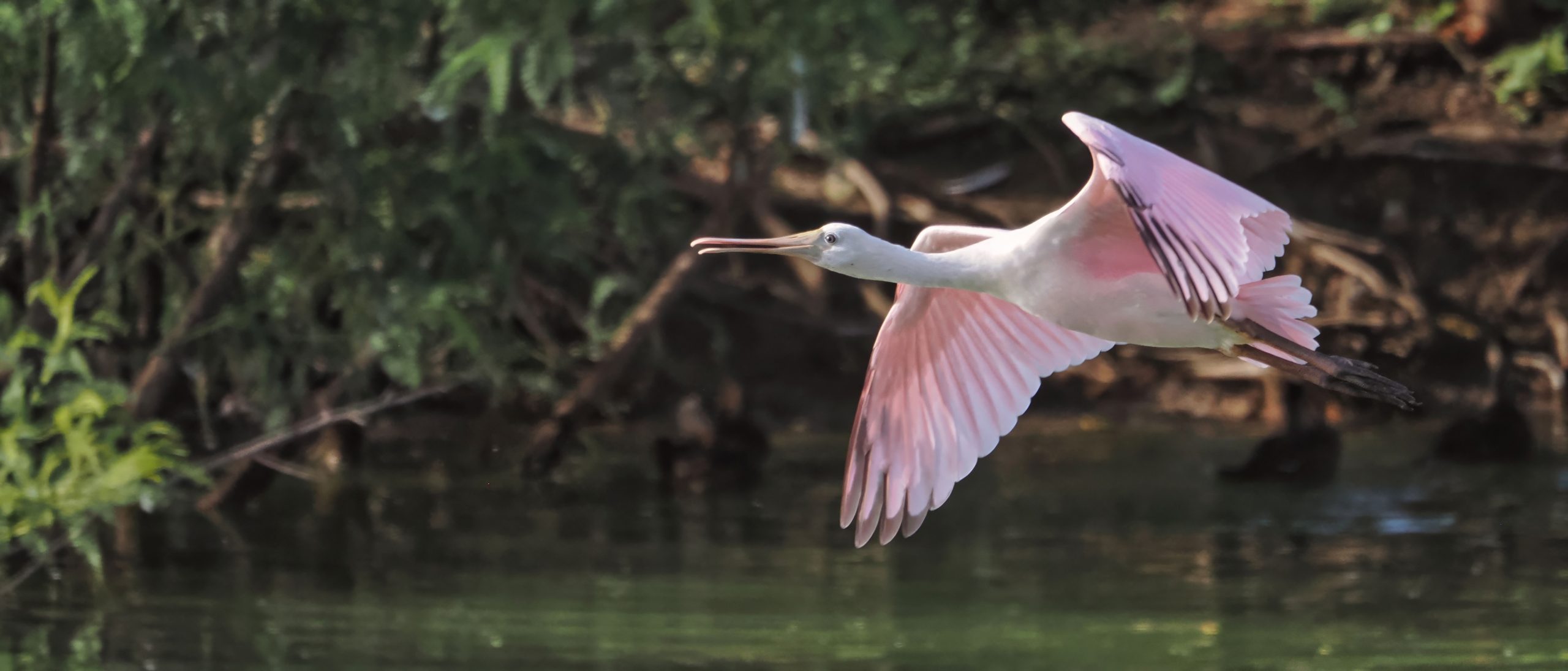
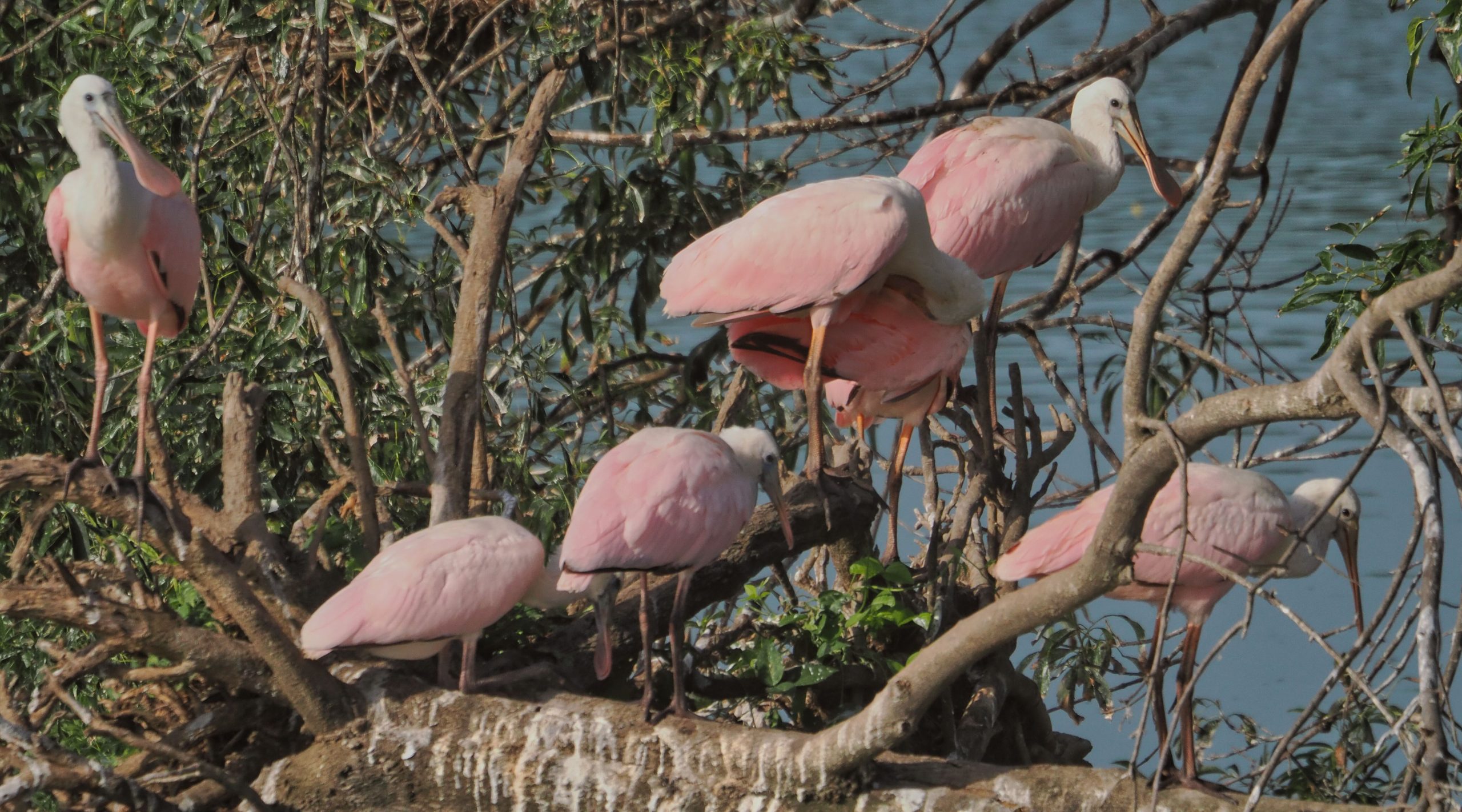
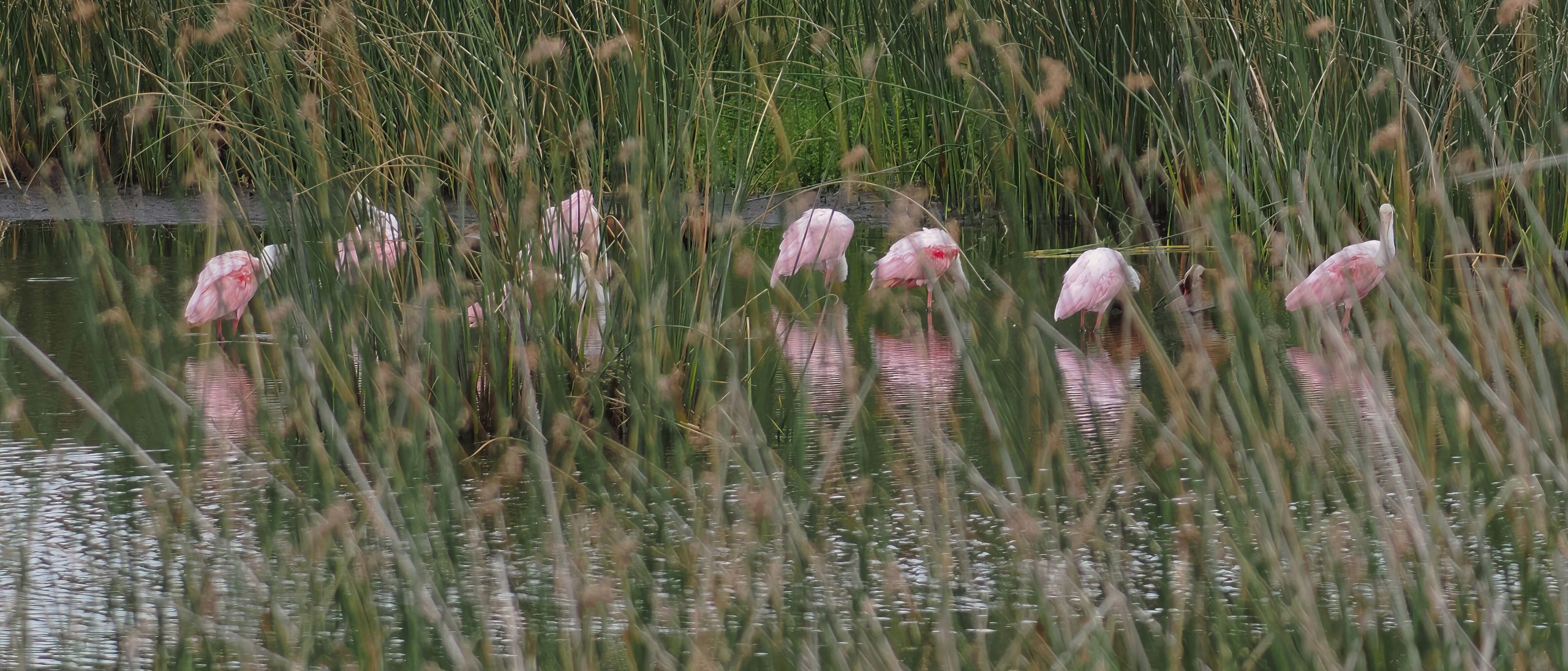
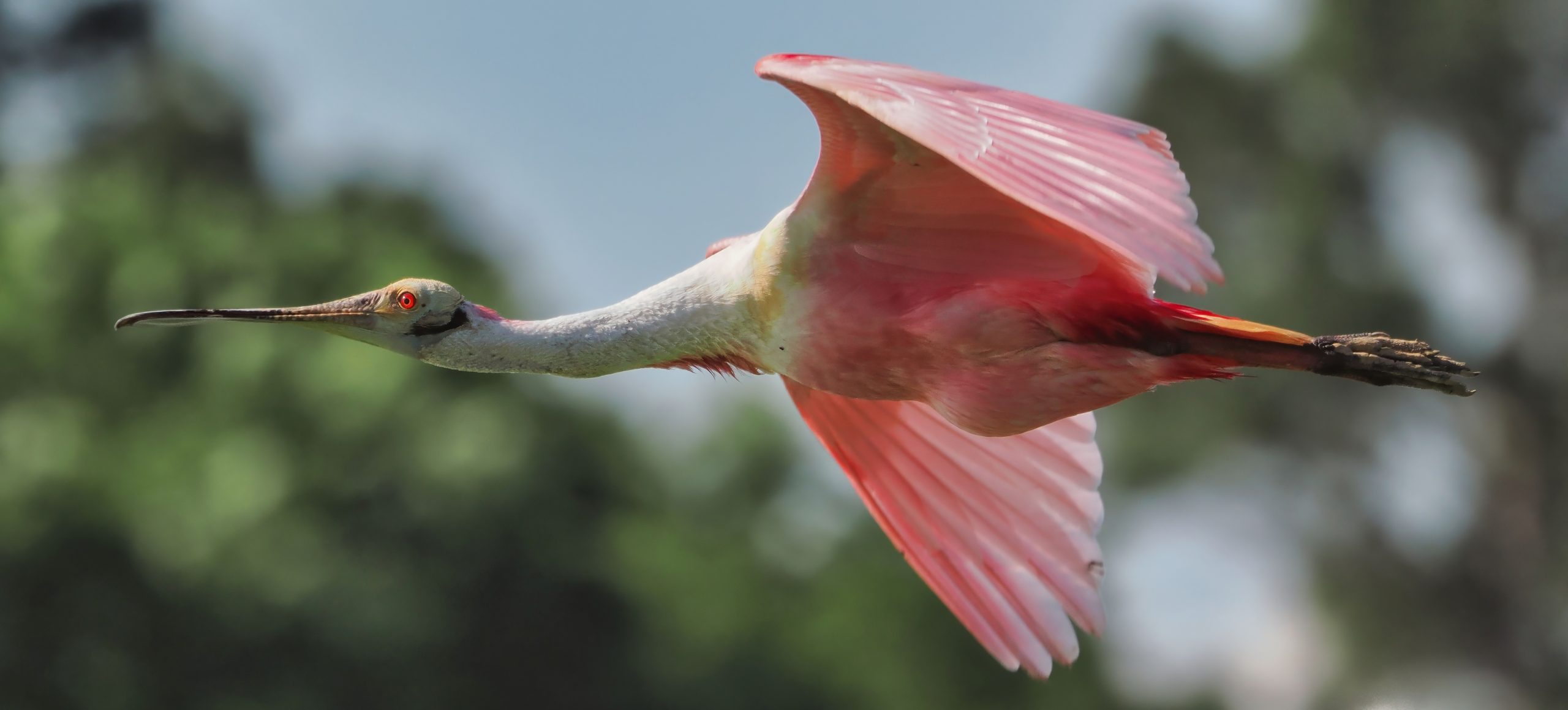
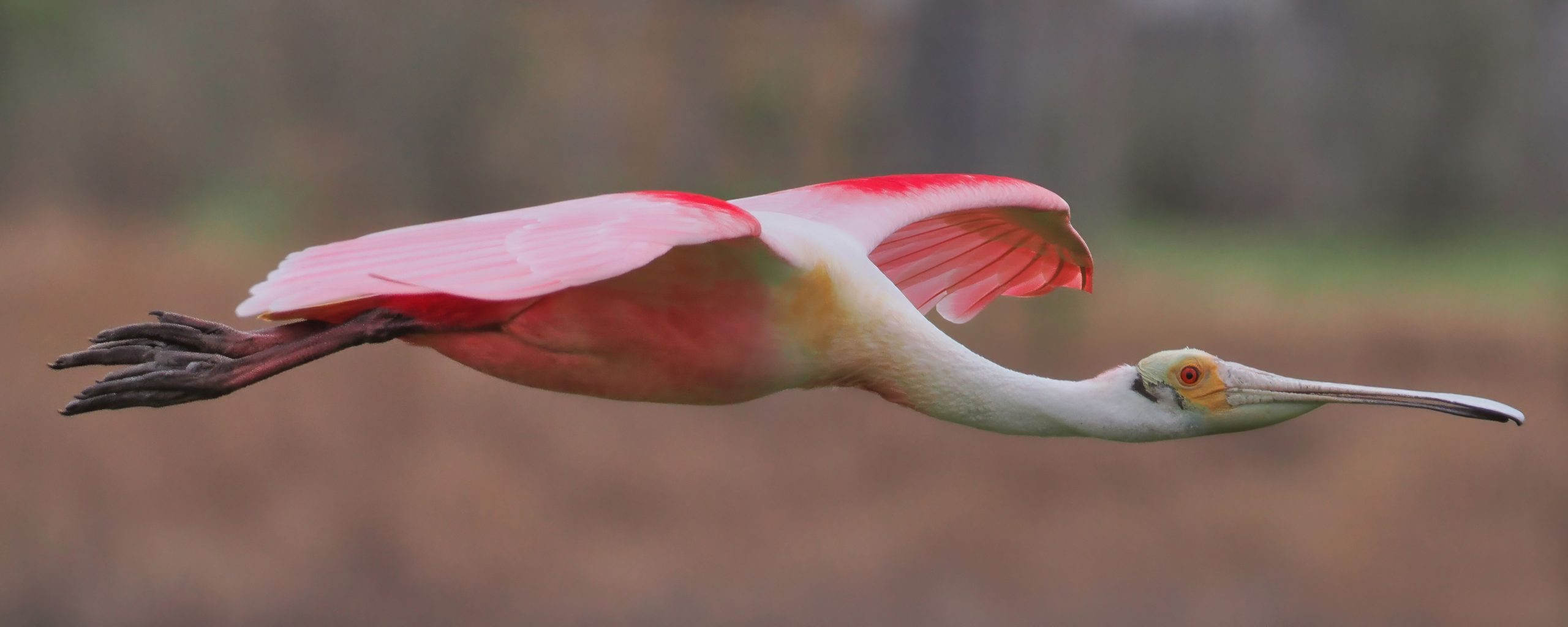
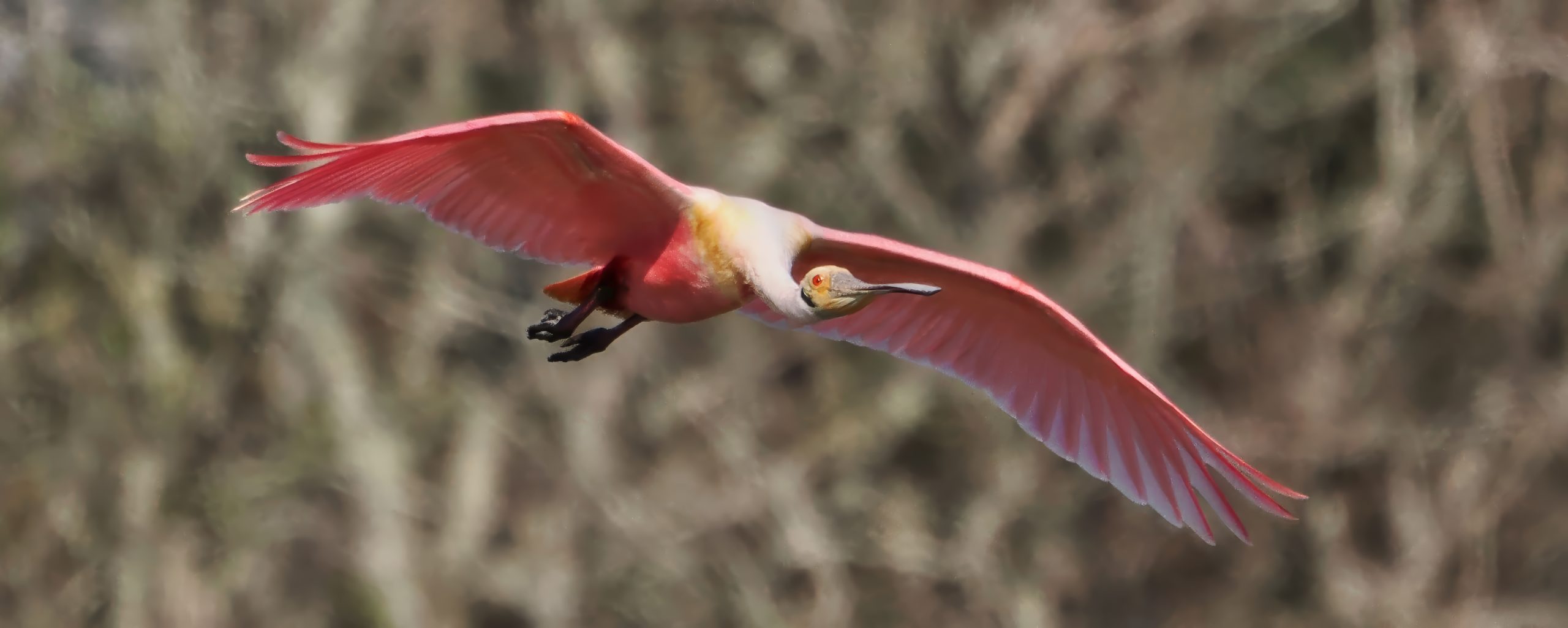
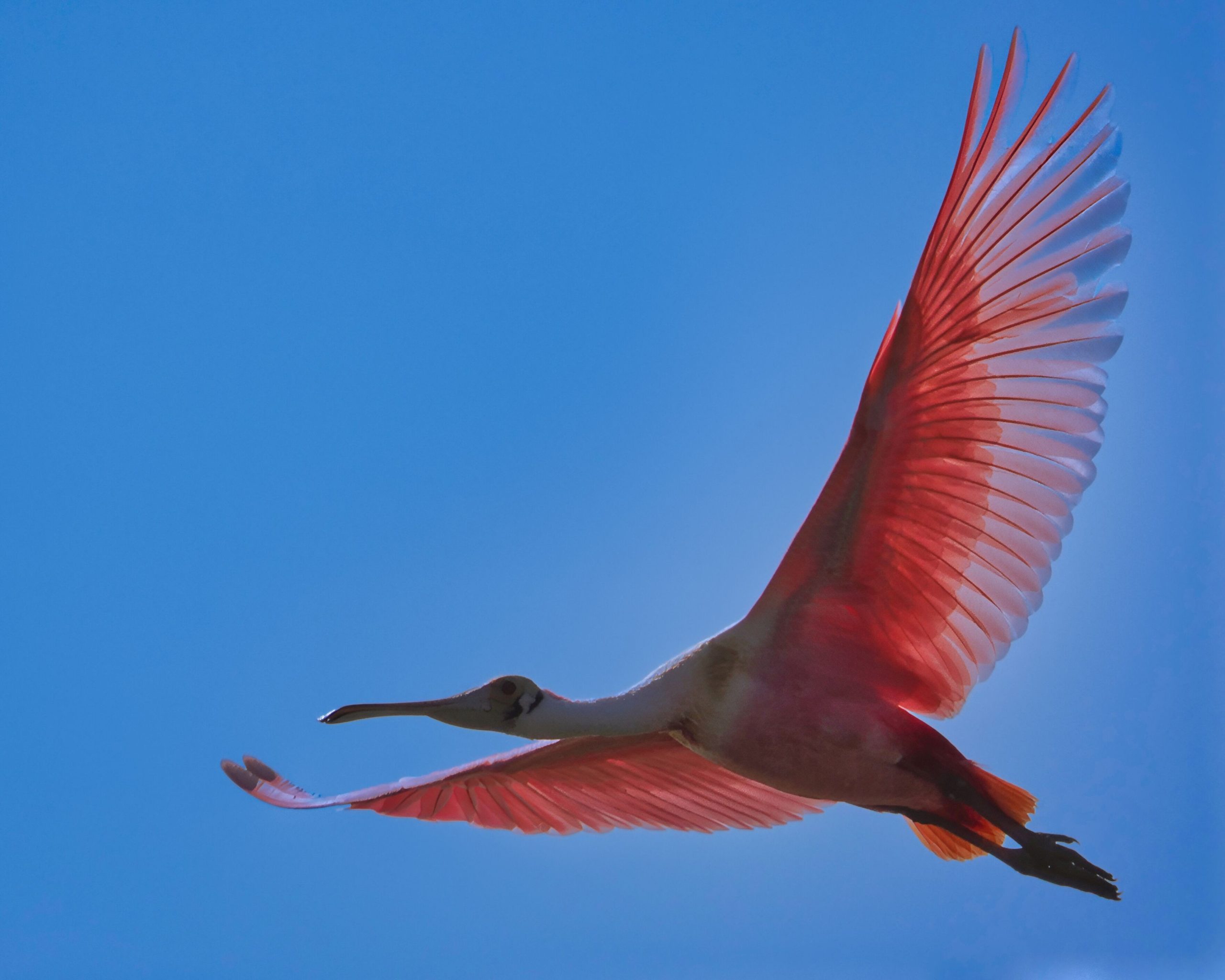
Roseate Spoonbill, White Lake, Cullinan, Sugar Land, Texas.
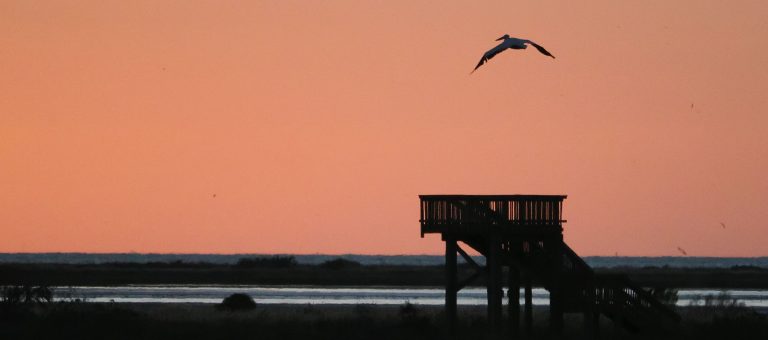
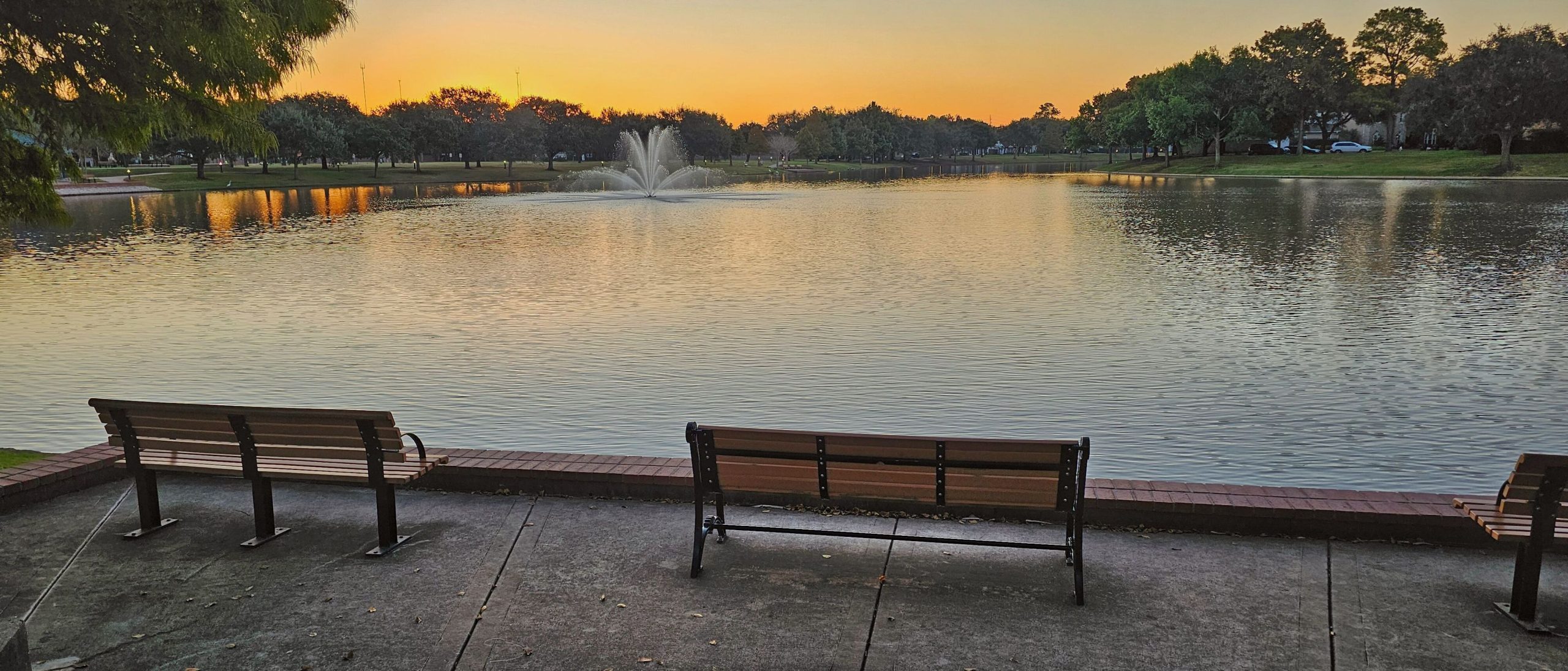
Dusk becomes dark at Leonabelle Turnbull Birding Center in Port Aransas, Texas.
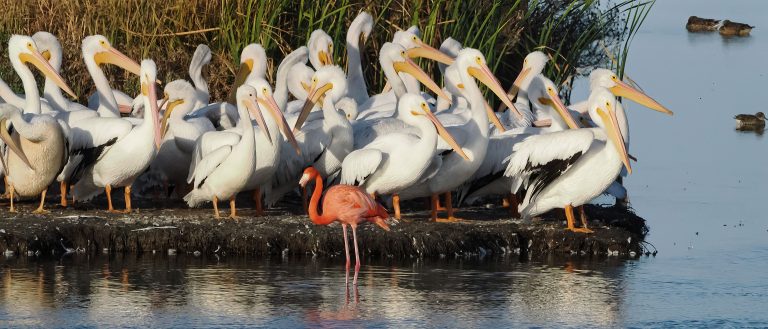
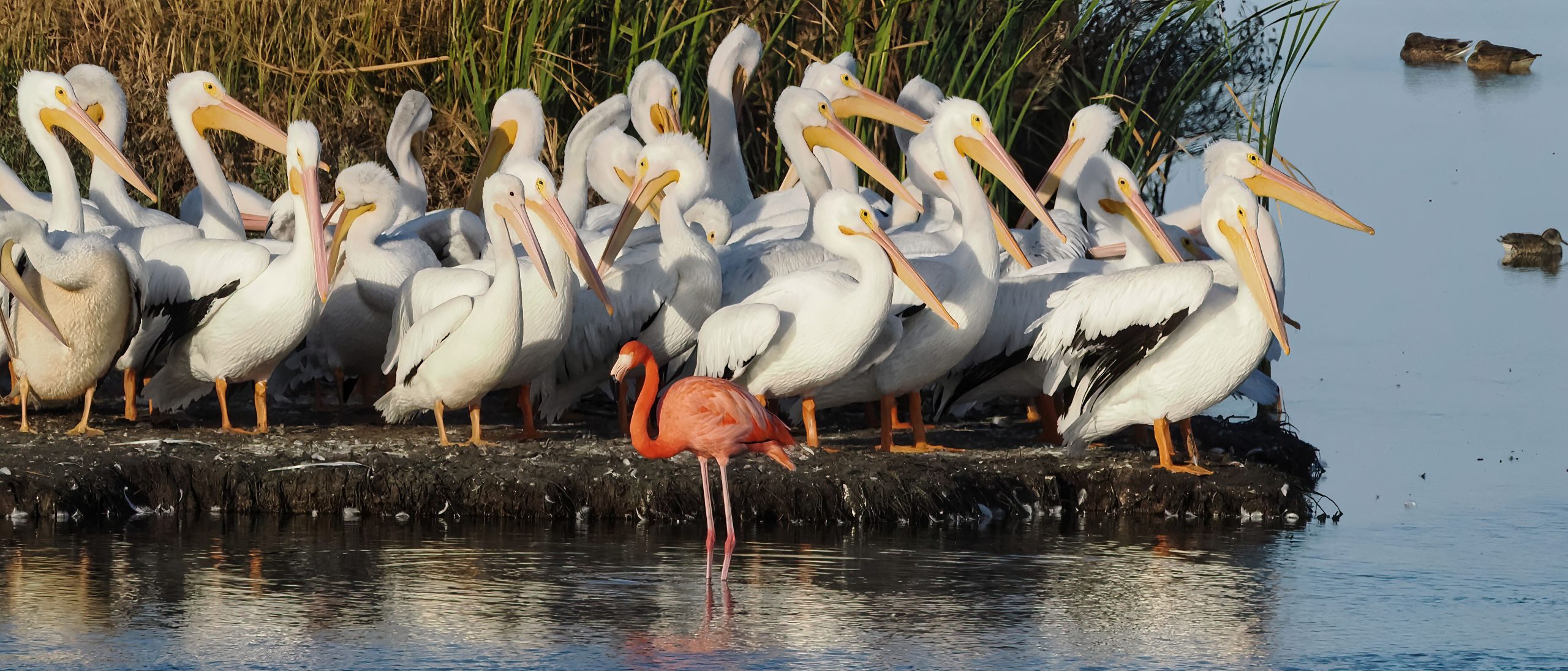
American Flamingo (Phoenicopterus ruber). Sightings of Flamingos in Texas are very rare. Birding colleagues suggested that the recent winds and cold front carried this Flamingo off course and brought it to the Leonabelle Turnbull Birding Center in Port Aransas, Texas, where it
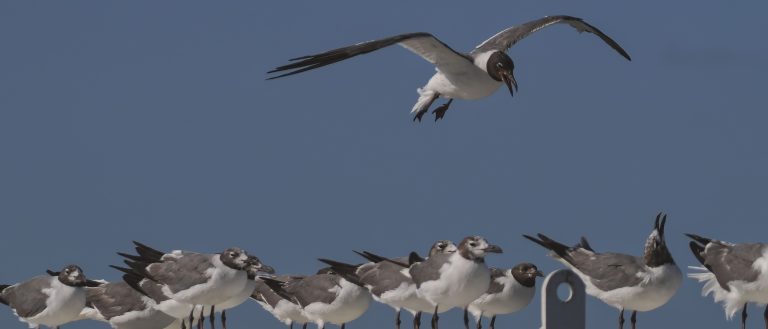
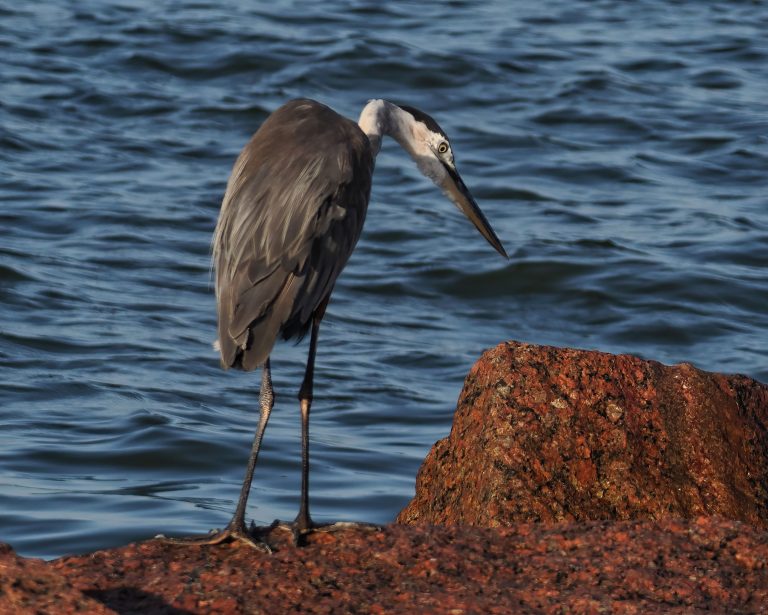
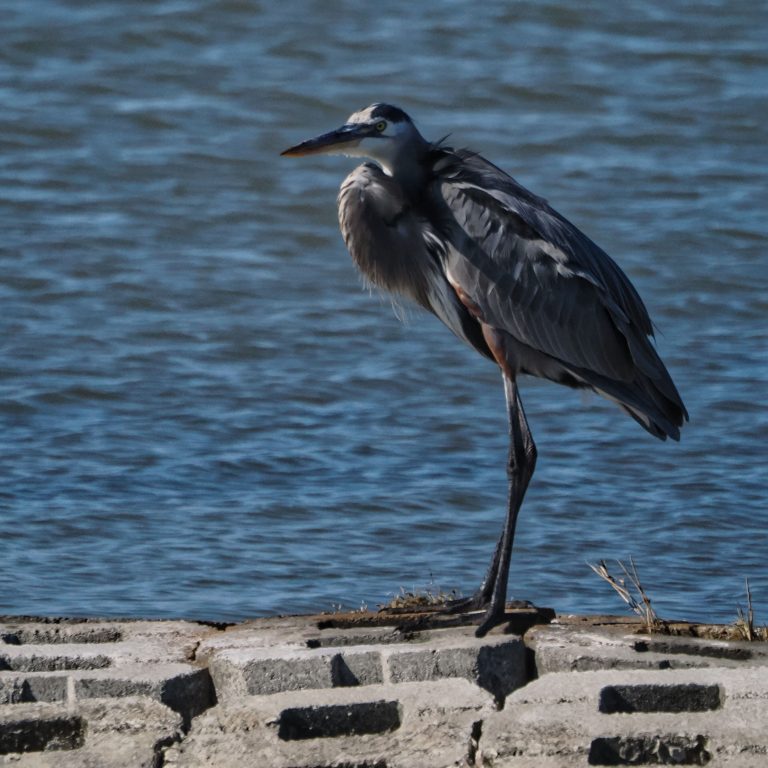
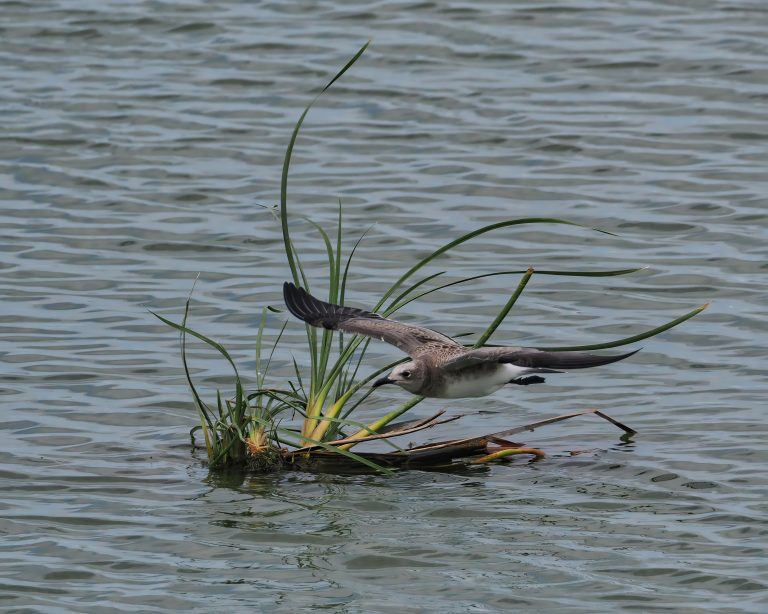
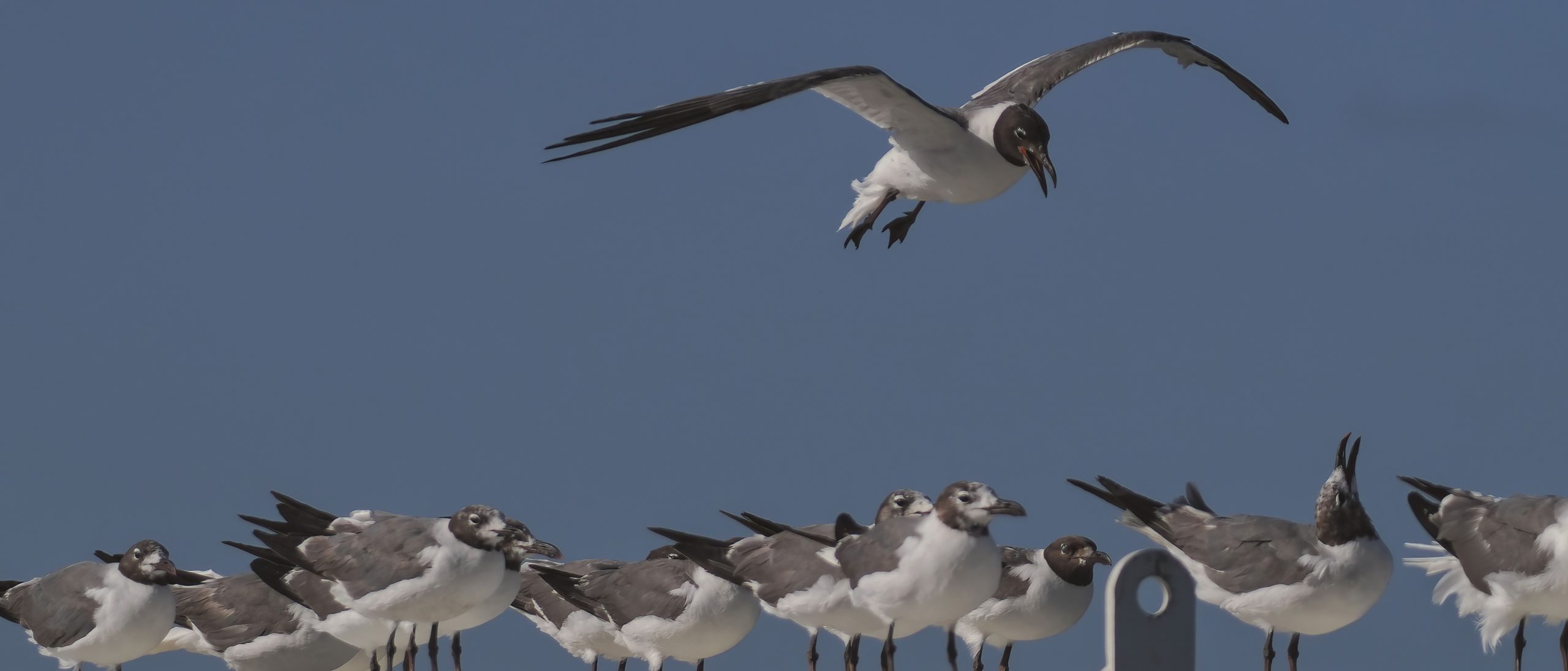
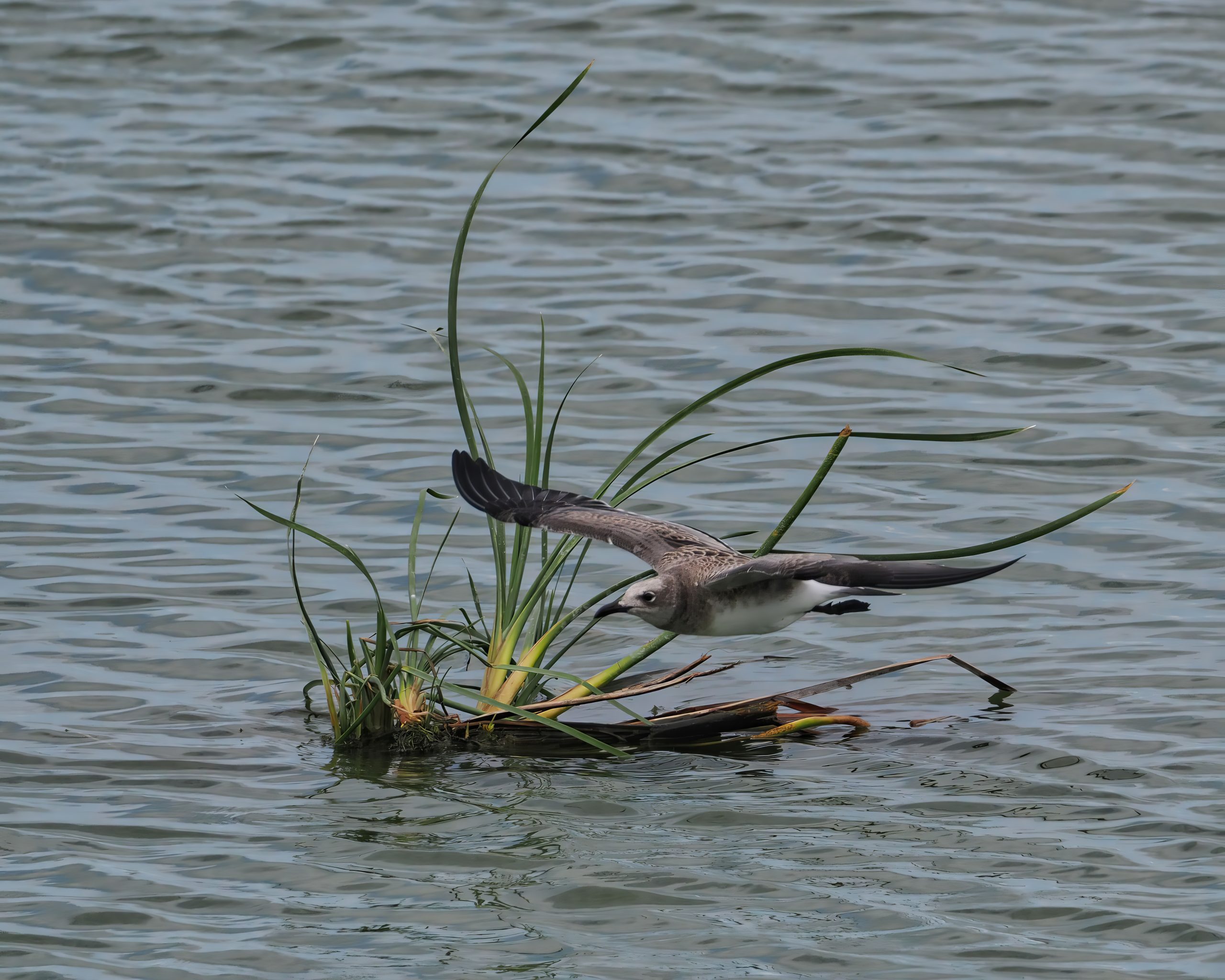
Laughing Gulls (Leucophaeus atricilla) hitching a ride on the Galveston-Bolivar ferry. Texas. Ardea herodias. Texas City Dike.
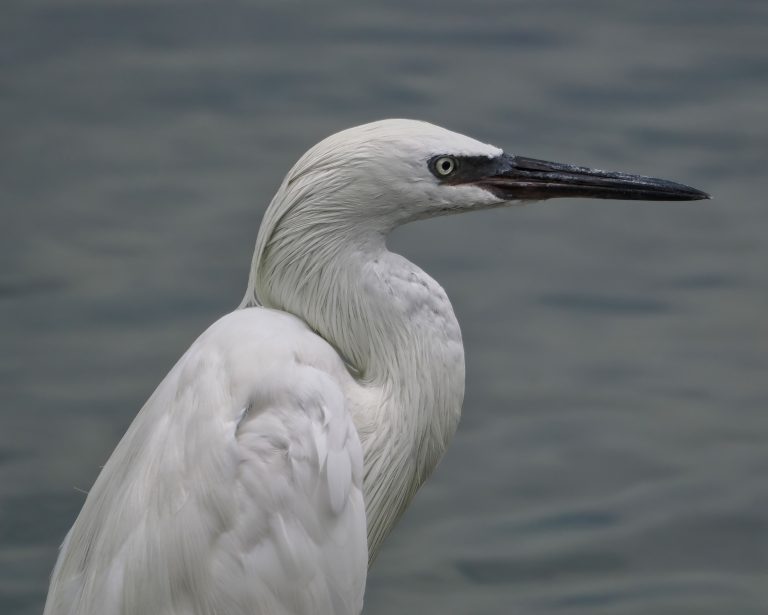
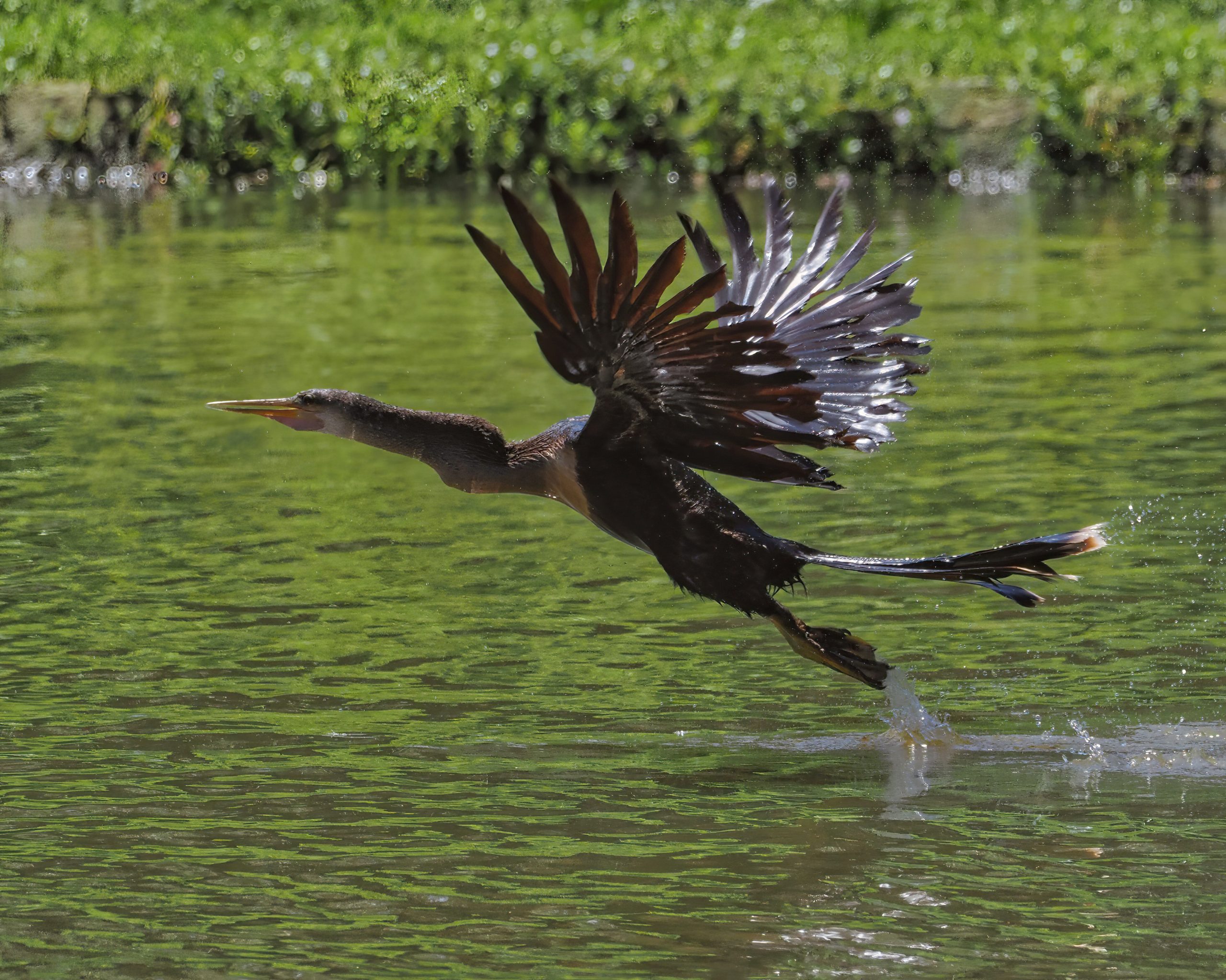
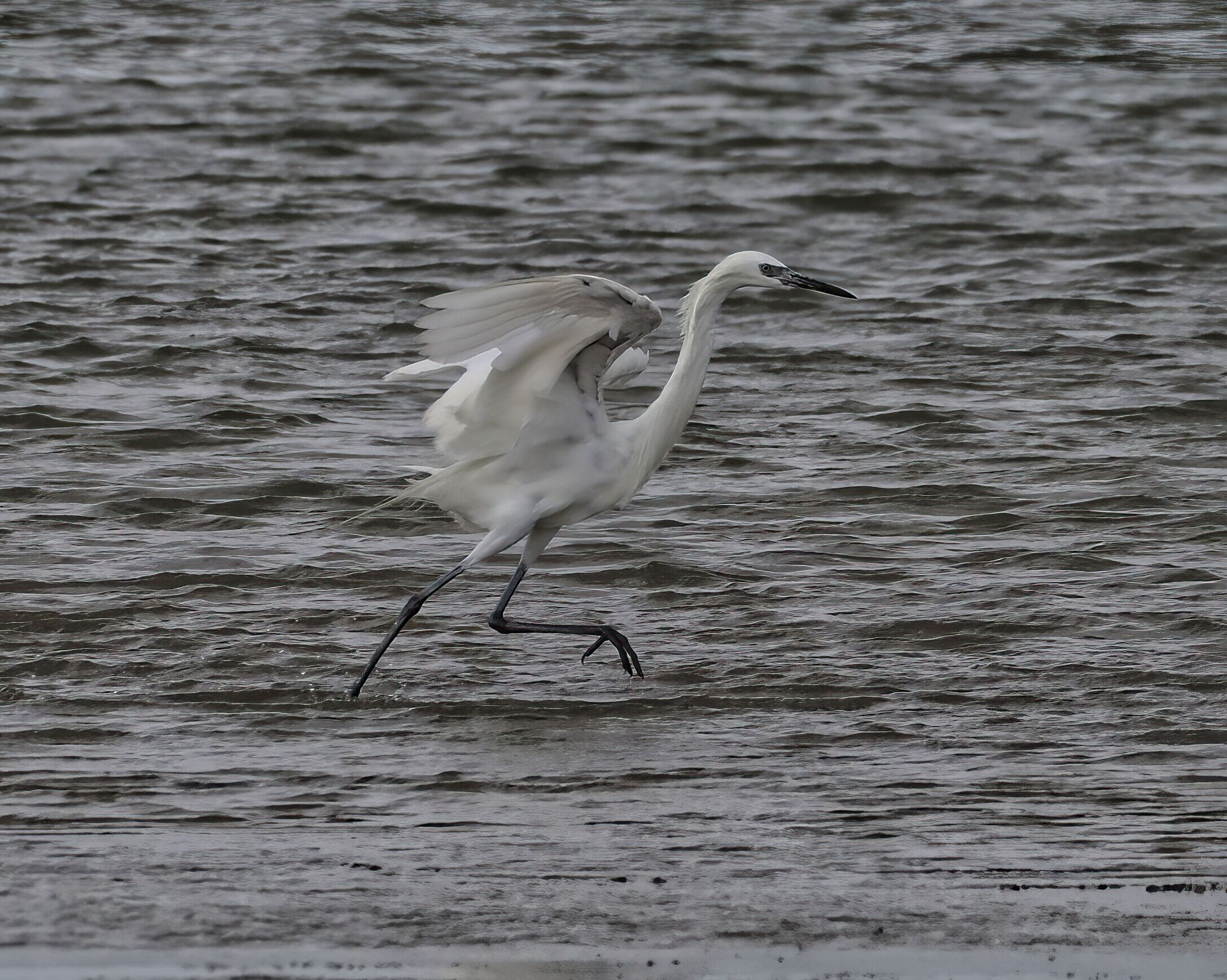
Female Anhinga Anhinga anhinga. Edgewater Lake, Sugar Land, Texas. Egretta rufescens. Adult Reddish Egrets have two color morphs, a rare all-white morph and a darker bluish and reddish morph. When pairing up, males and females don’t seem to pay attention to which morph their mate is. A single nest can have chicks of both color morphs in it. San Luis Pass, Galveston, Texas
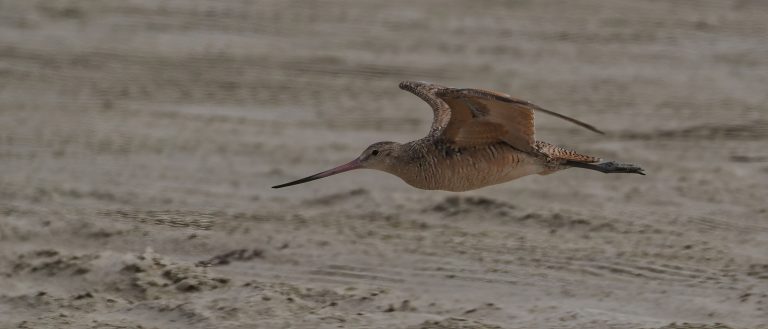
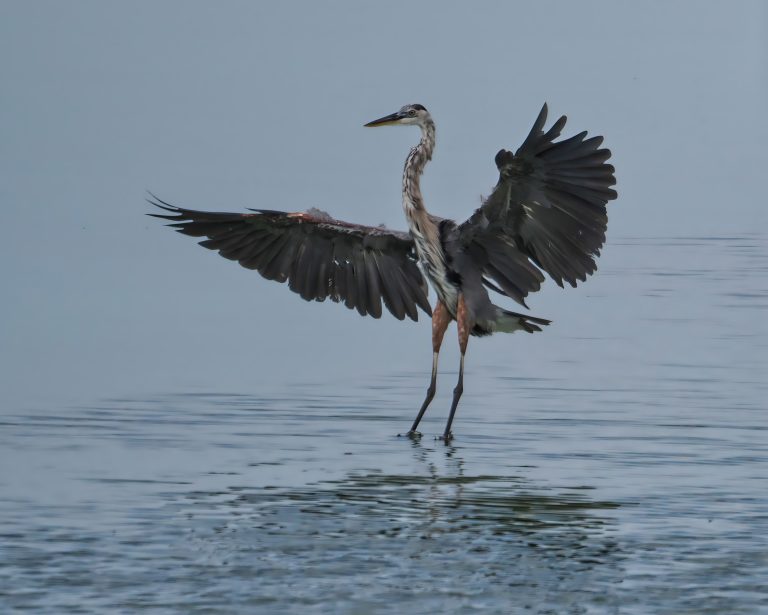
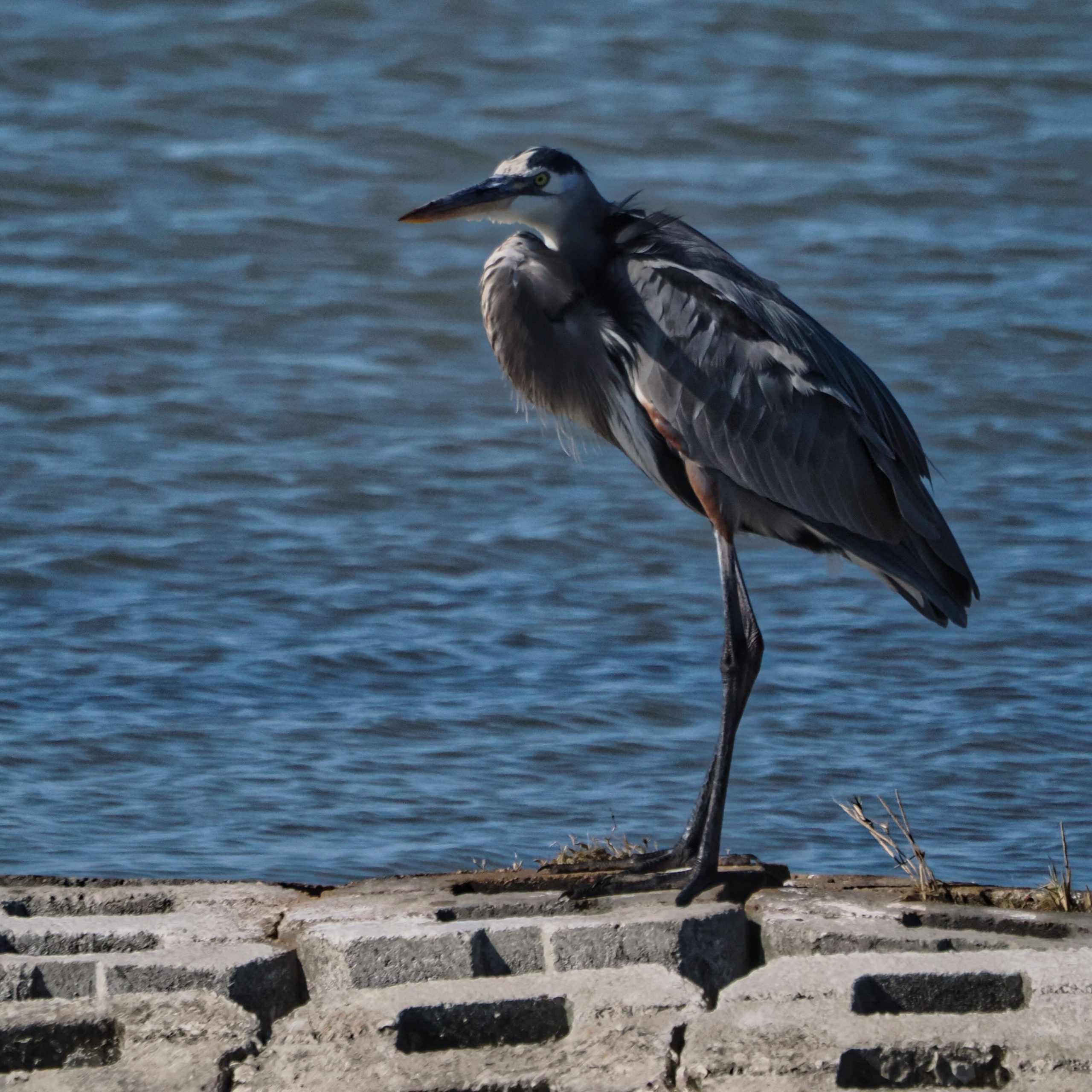
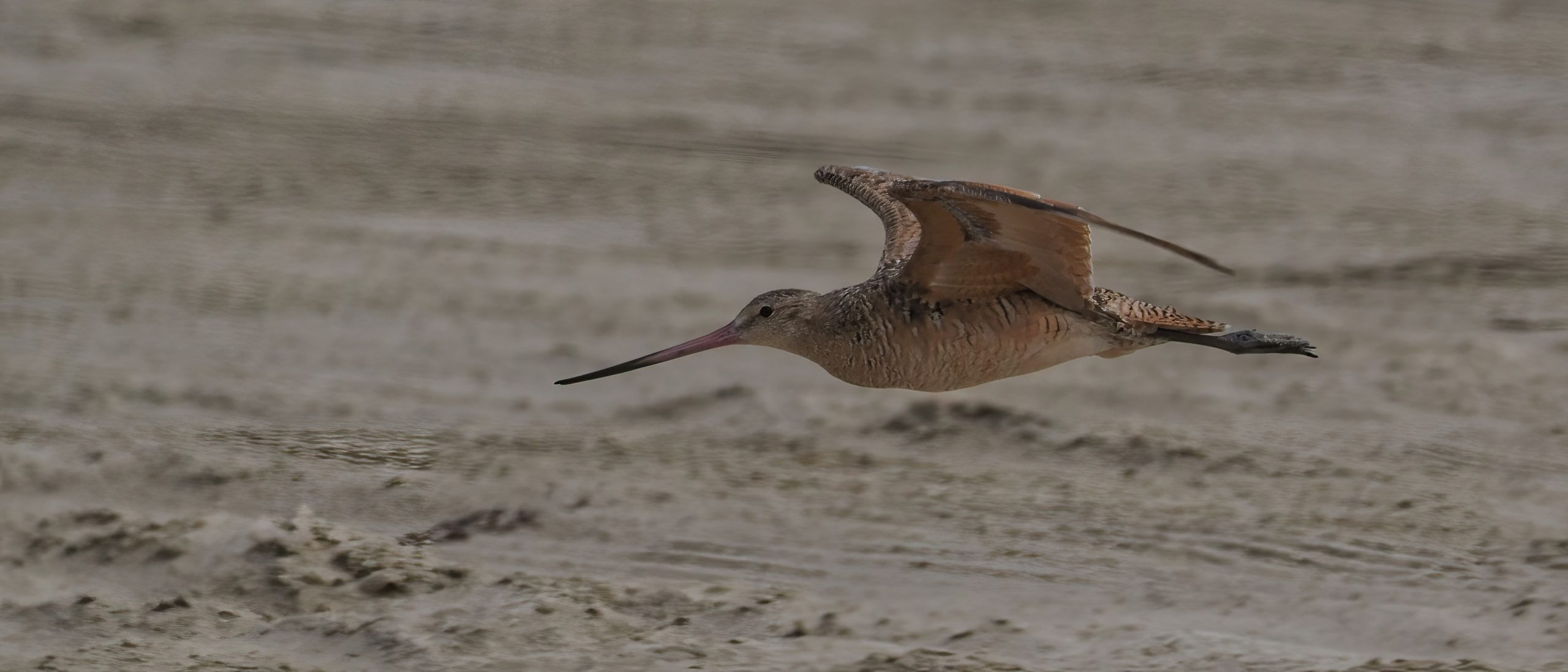
Aransas NWR (National Wildlife Refuge), Refugio County, Texas. Ardea herodias. Aransas NWR, Refugio County, Texas. Limosa fedoa. San Luis Pass, Galveston, Texas.
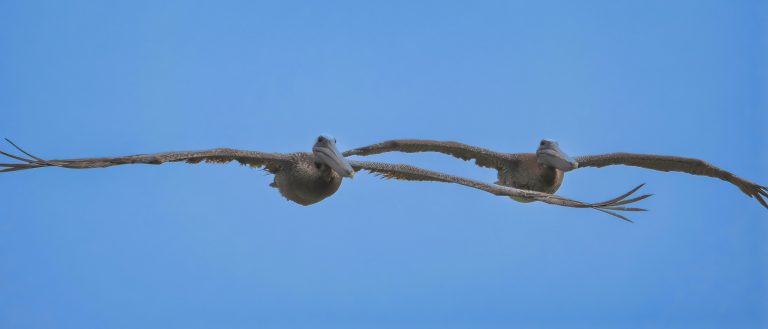
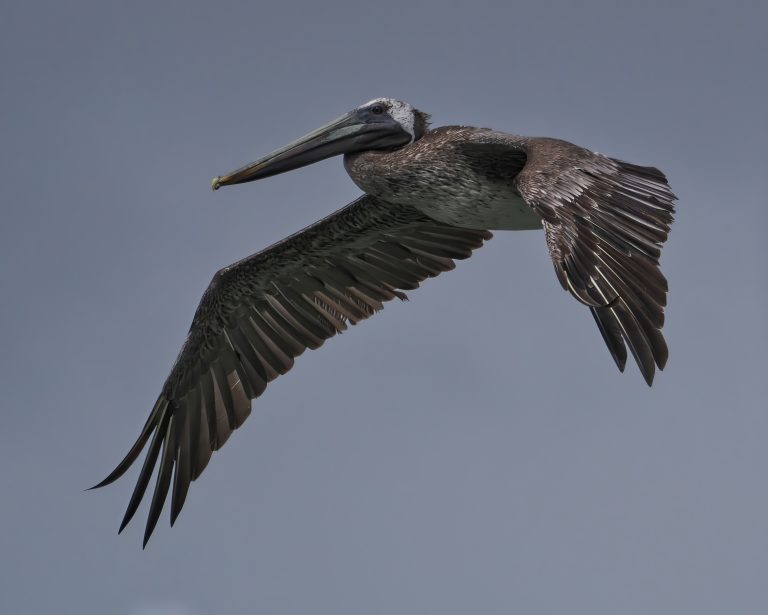
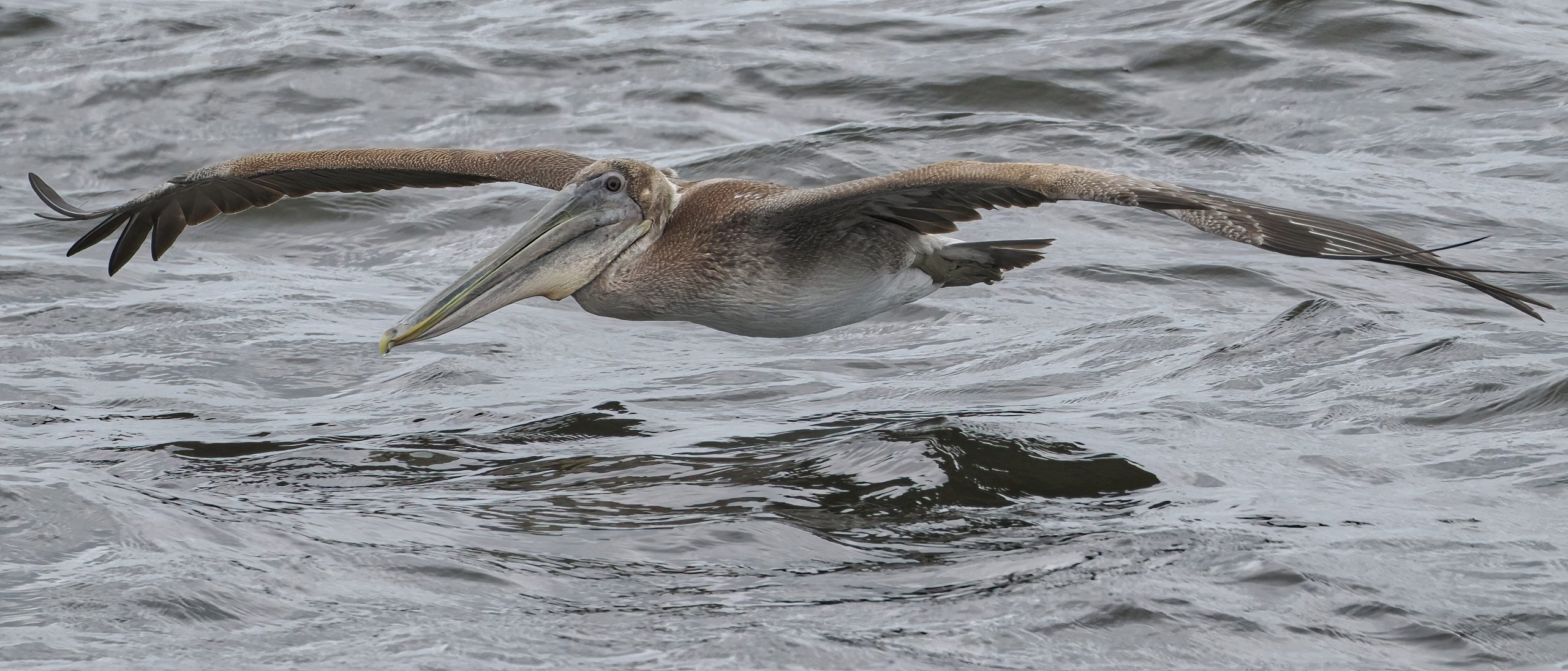
Brown Pelican (Pelecanus occidentalis). Surfside jetty, Texas.
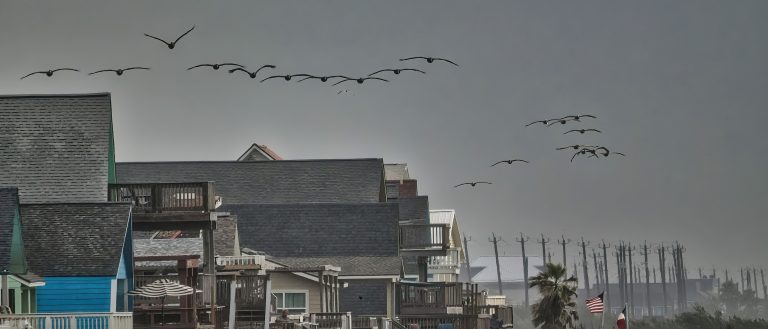
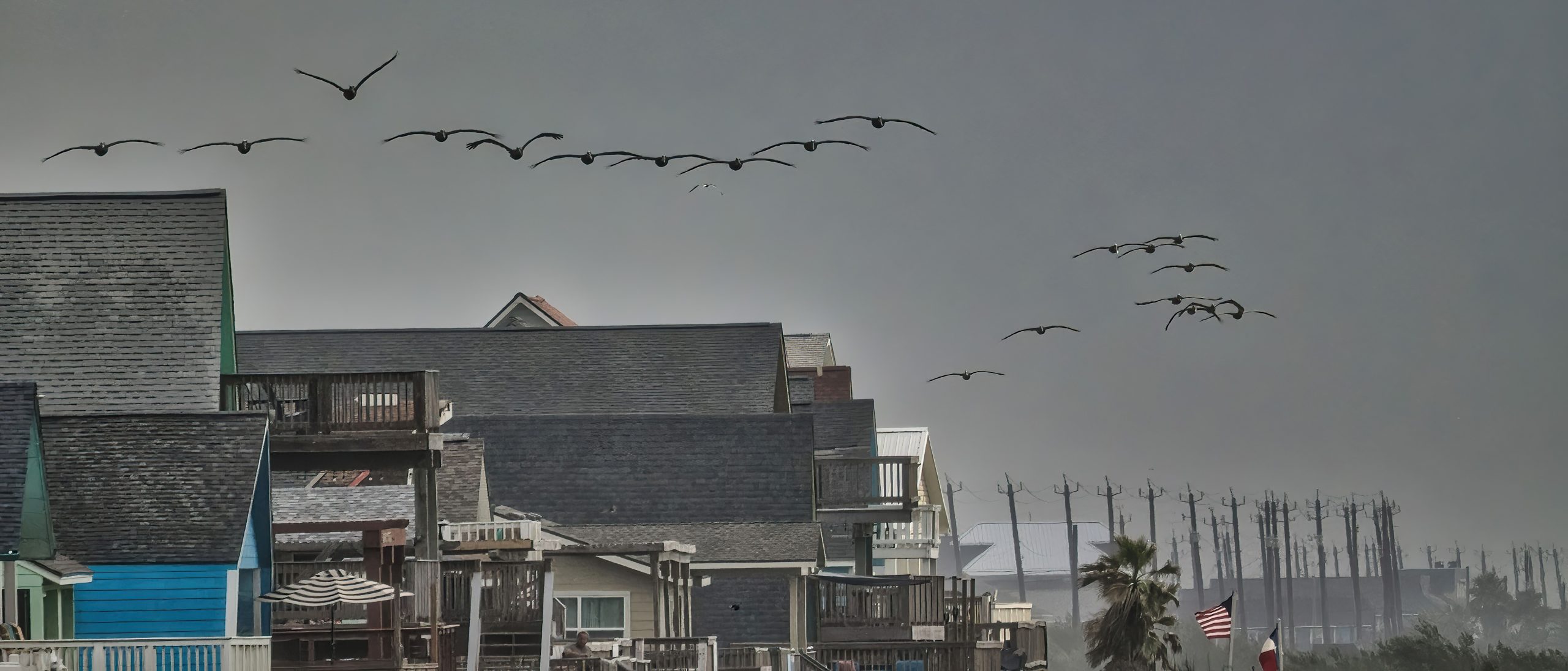
Every 5 minutes or so another wave of brown pelicans pass over the town and move up (or down) the beach (depending on the winds). Dreary day. Some rain. Photographer
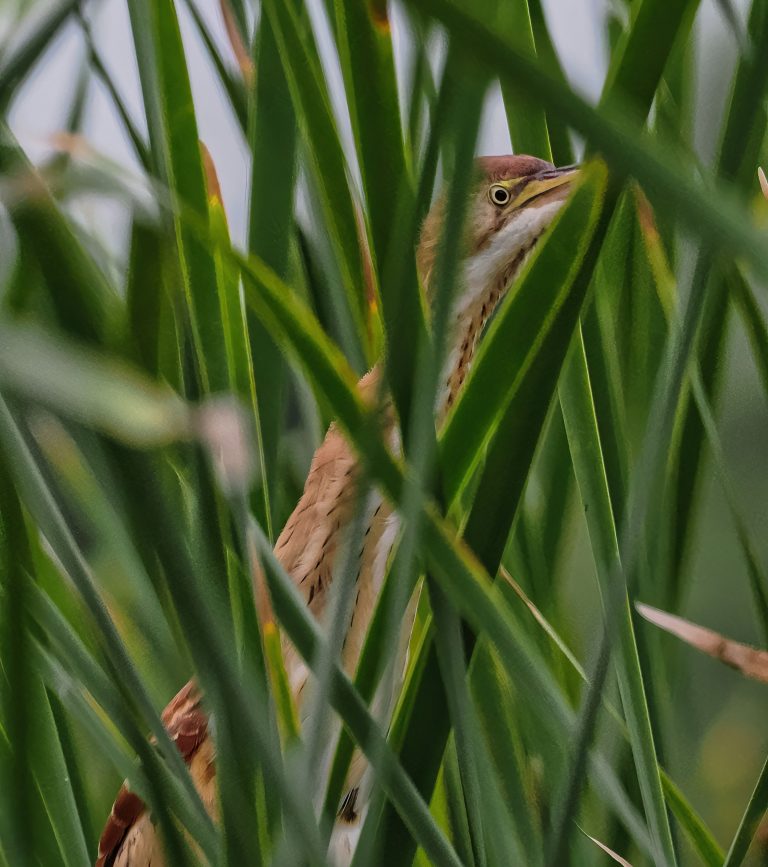
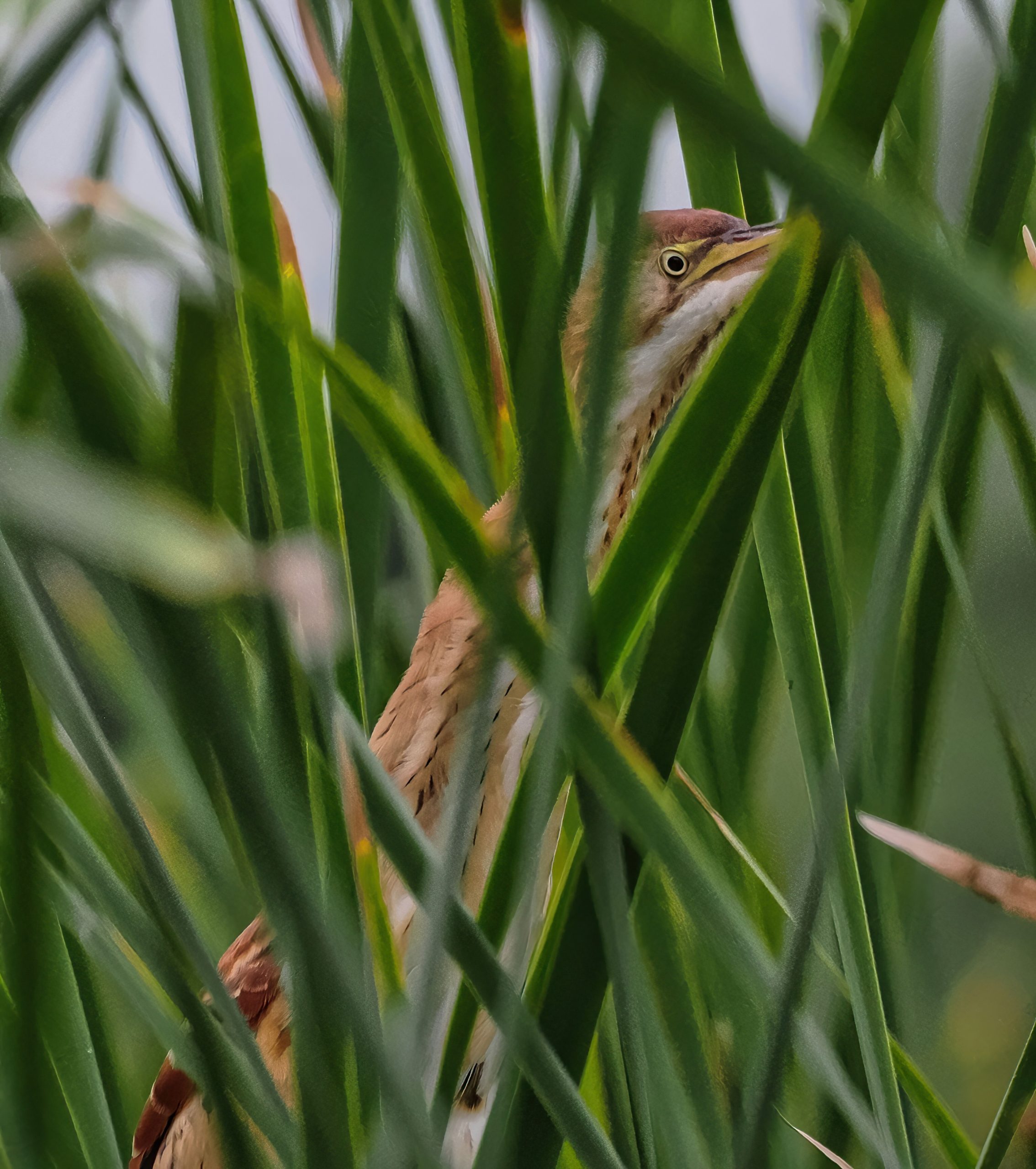
Seen on the Surfside (Texas) jetty extending into the Gulf of Mexico (well south of Houston) in an area populated by many gulls and pelicans. I Botaurus exilis. The least bittern is a small heron, the smallest member of the family Ardeidae found in the Americas. This species was formerly placed in the genus Ixobrychus. The least bittern is an elusive bird. They spend much time straddling reeds. Polishing Pond in Fulshear, Texas.
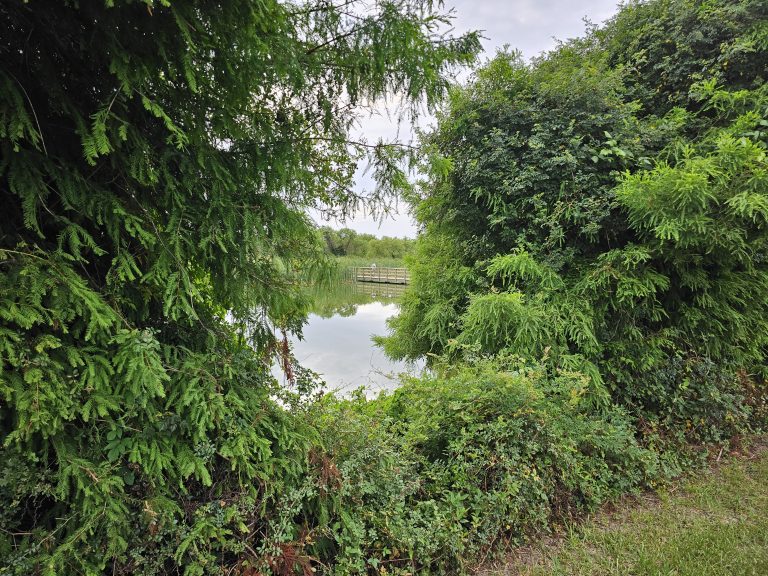
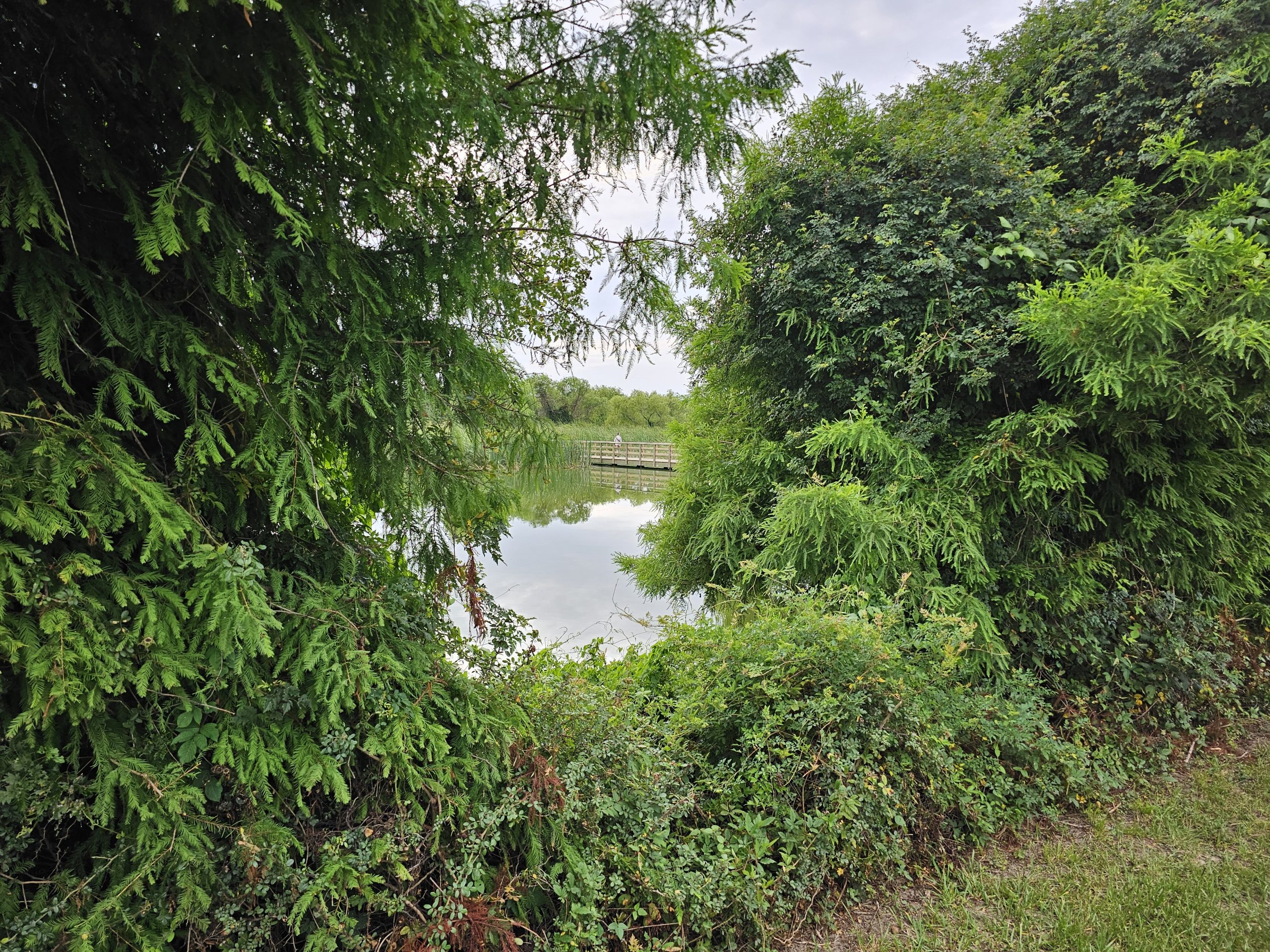
Polishing Pond in Fulshear, Texas. Pauline on the boardwalk.
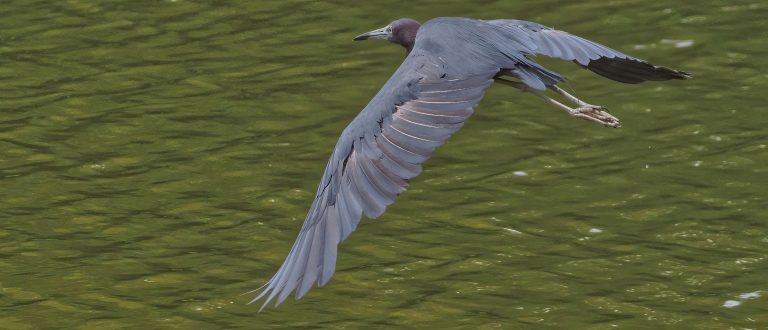
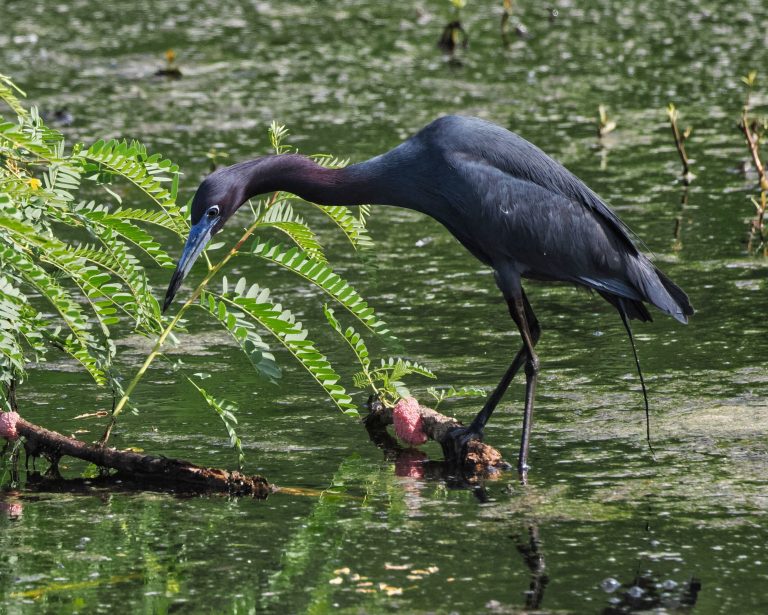
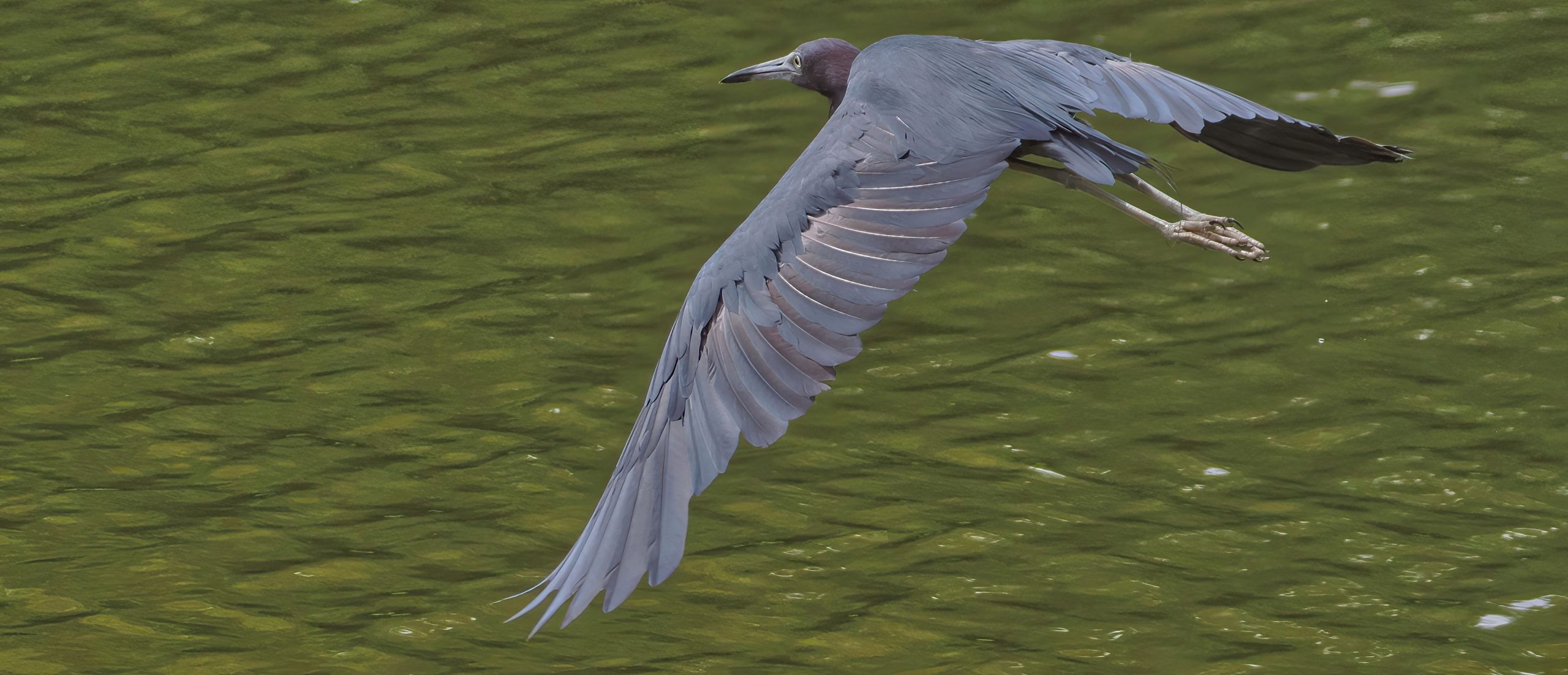
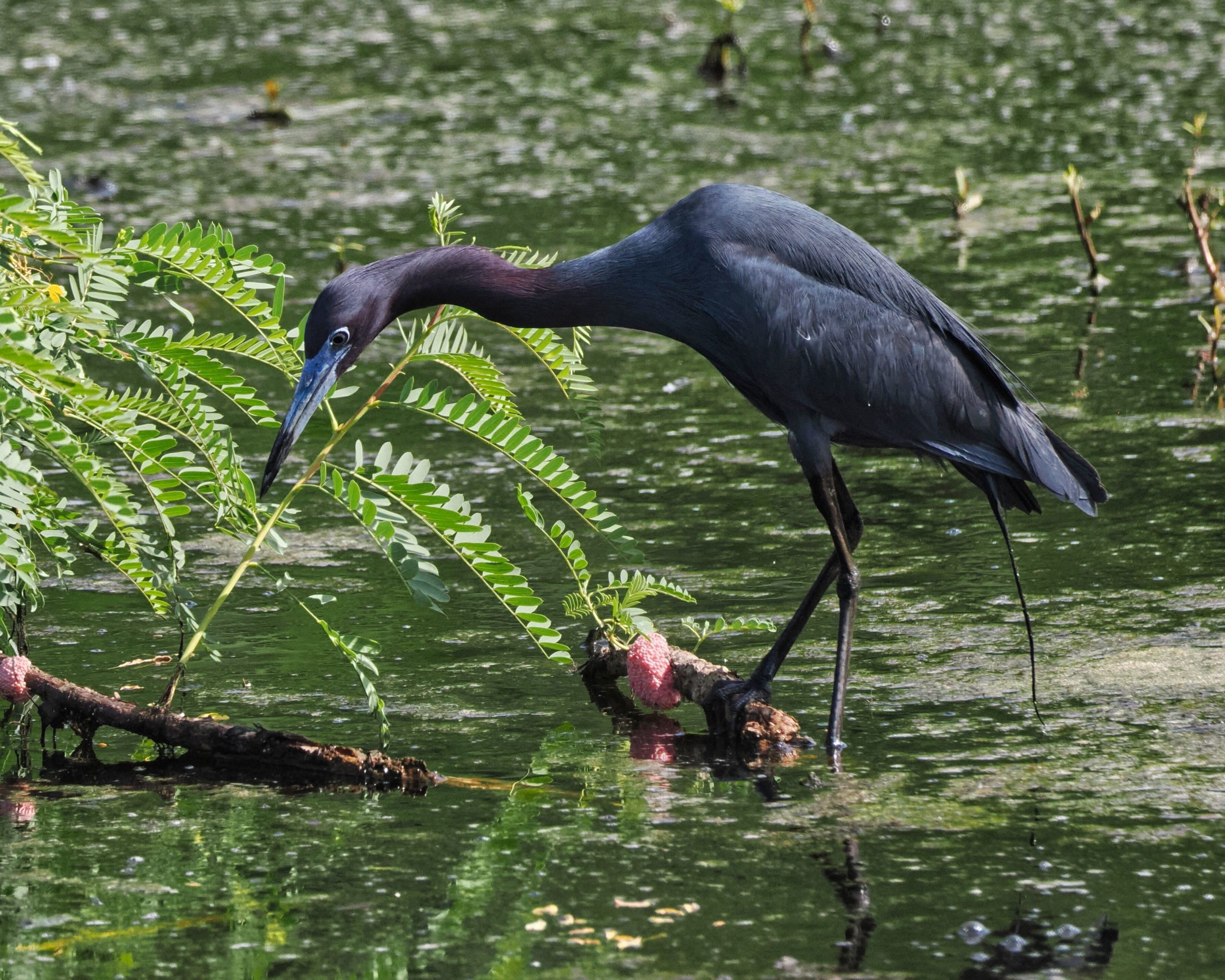
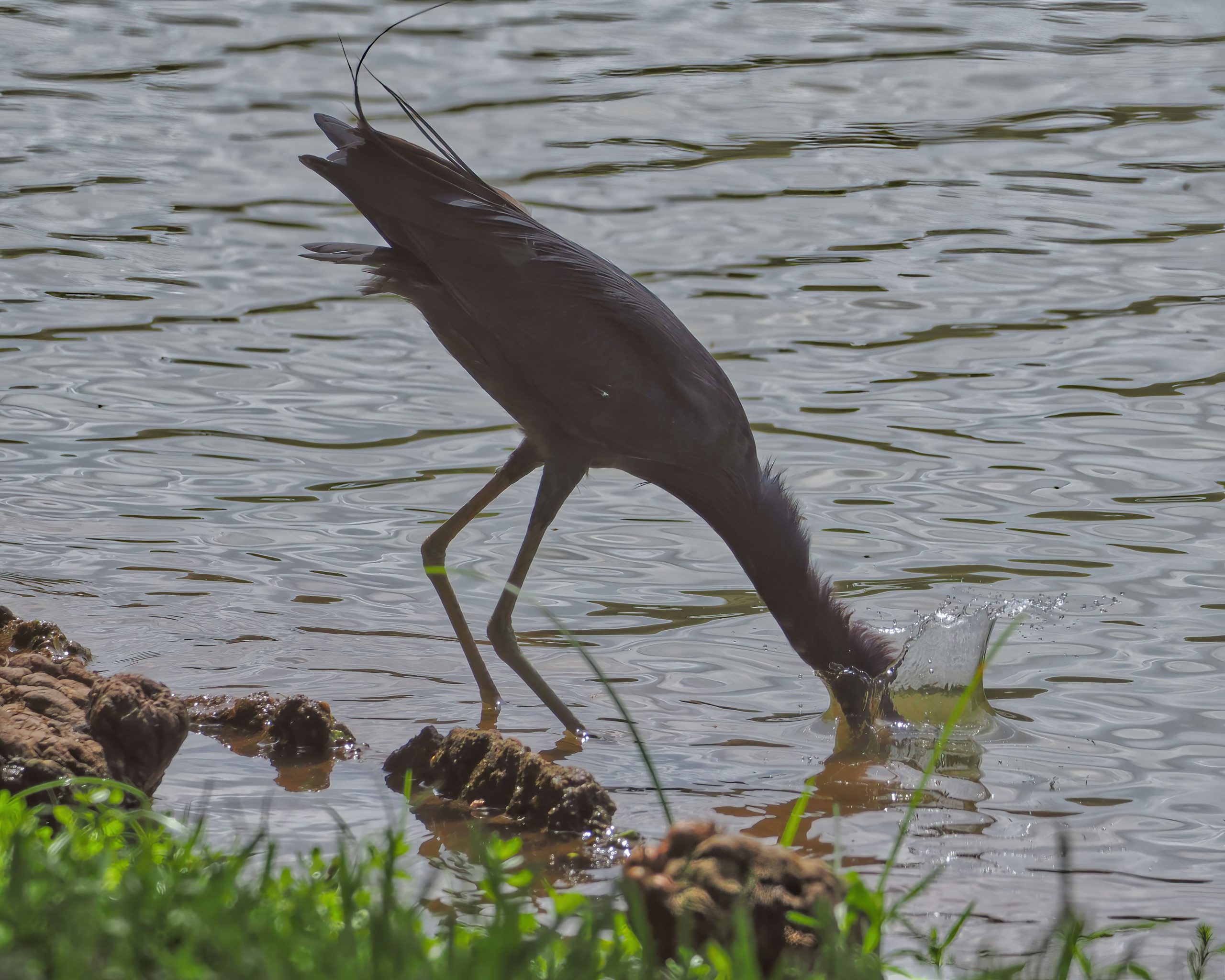
Little Blue Heron (Egretta caerulea. Suburban Edgewater Lake, Sugar Land, Texas.
Planning the day. Double Lake, Sugar Land, Texas
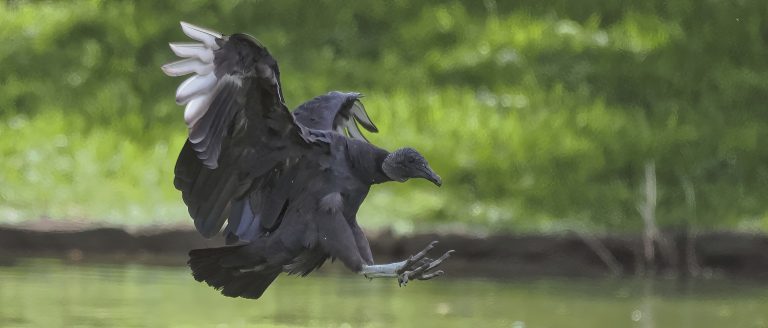
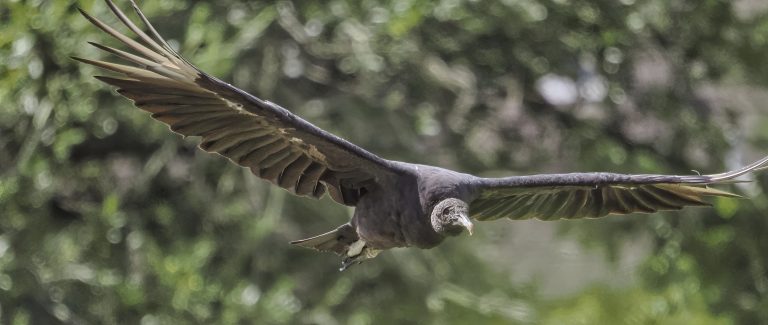
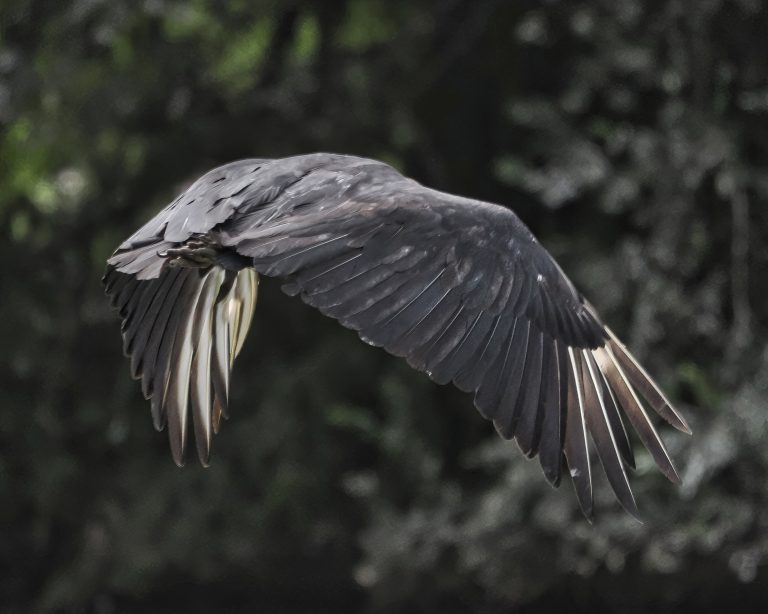
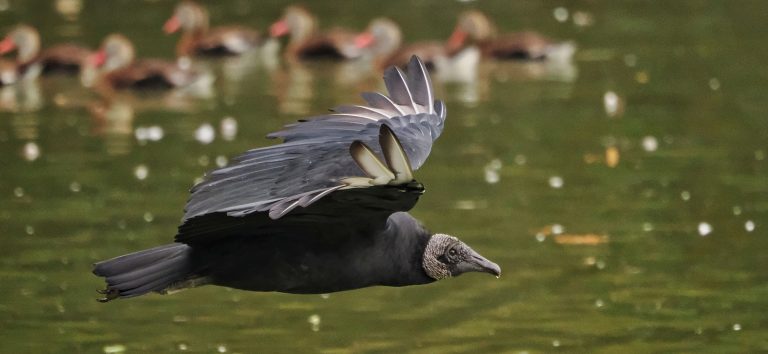
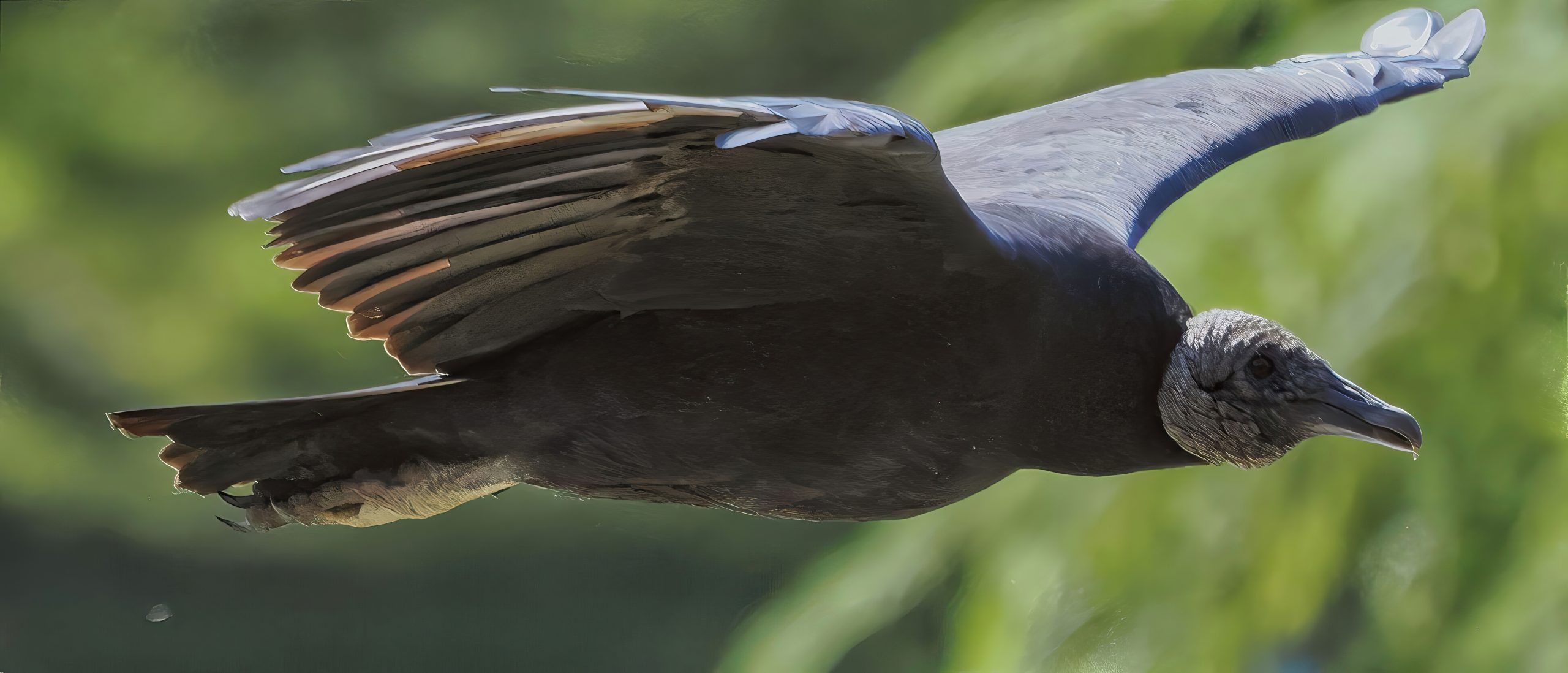
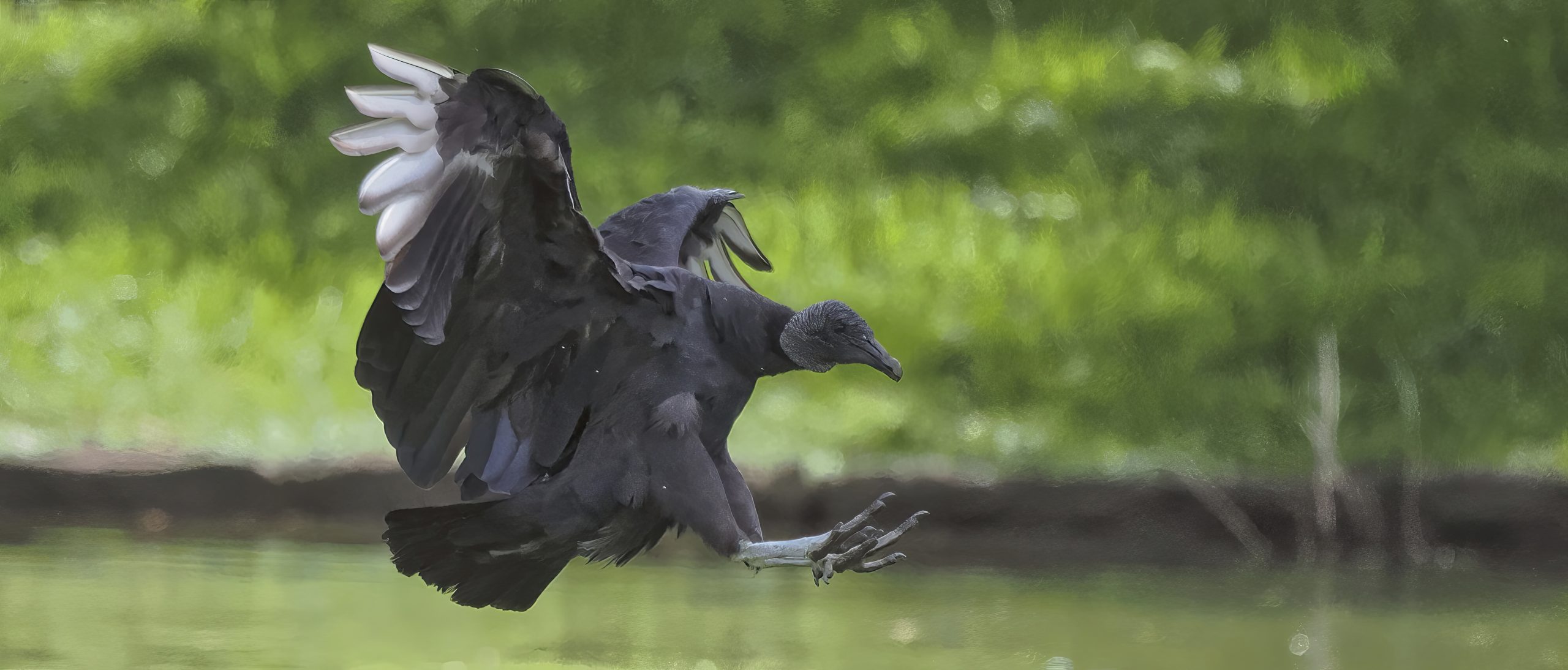
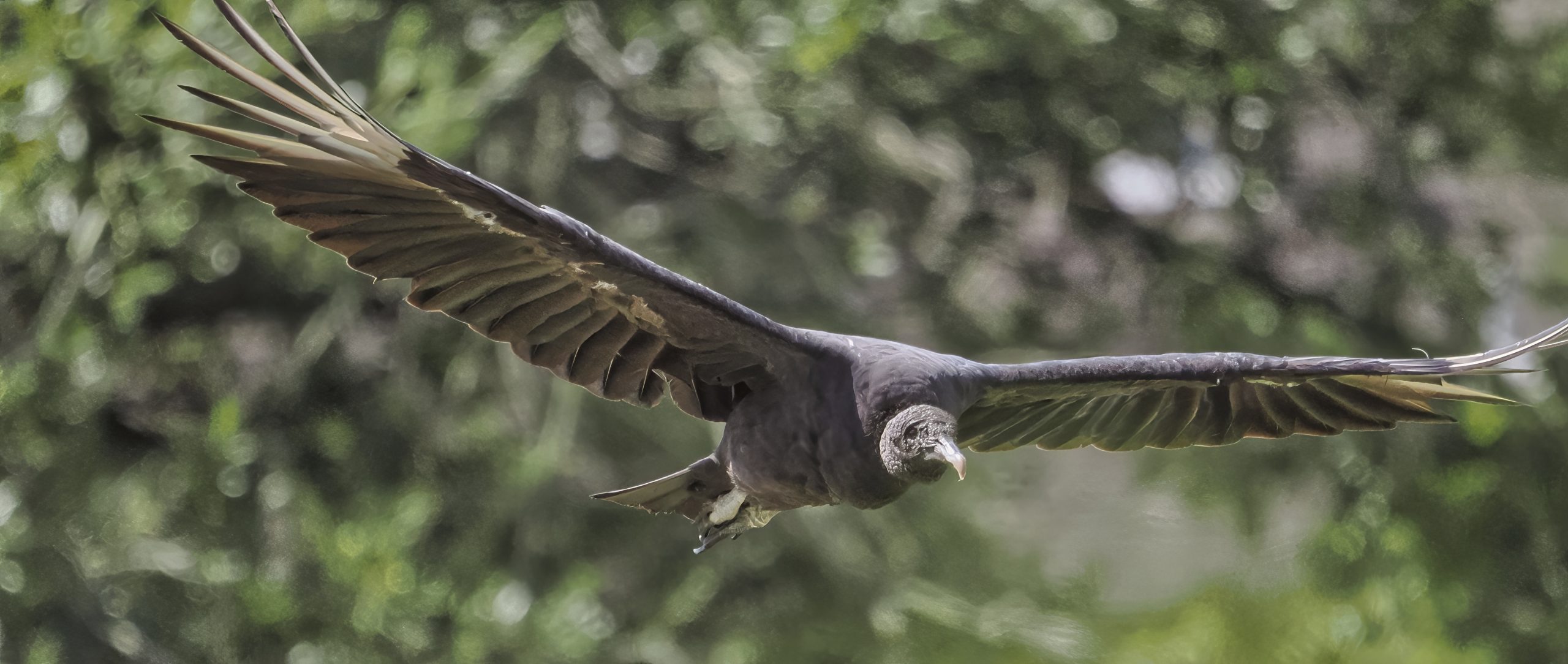
Black Vulture Coragyps atratus. Edgewater Lake, Sugar Land, Texas.
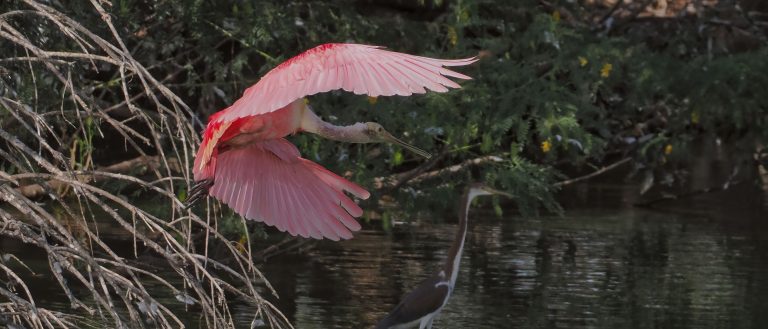
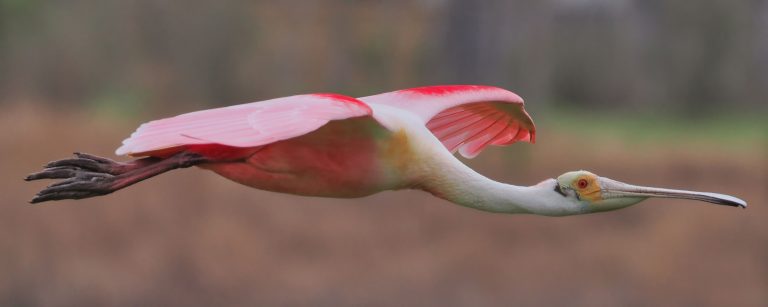
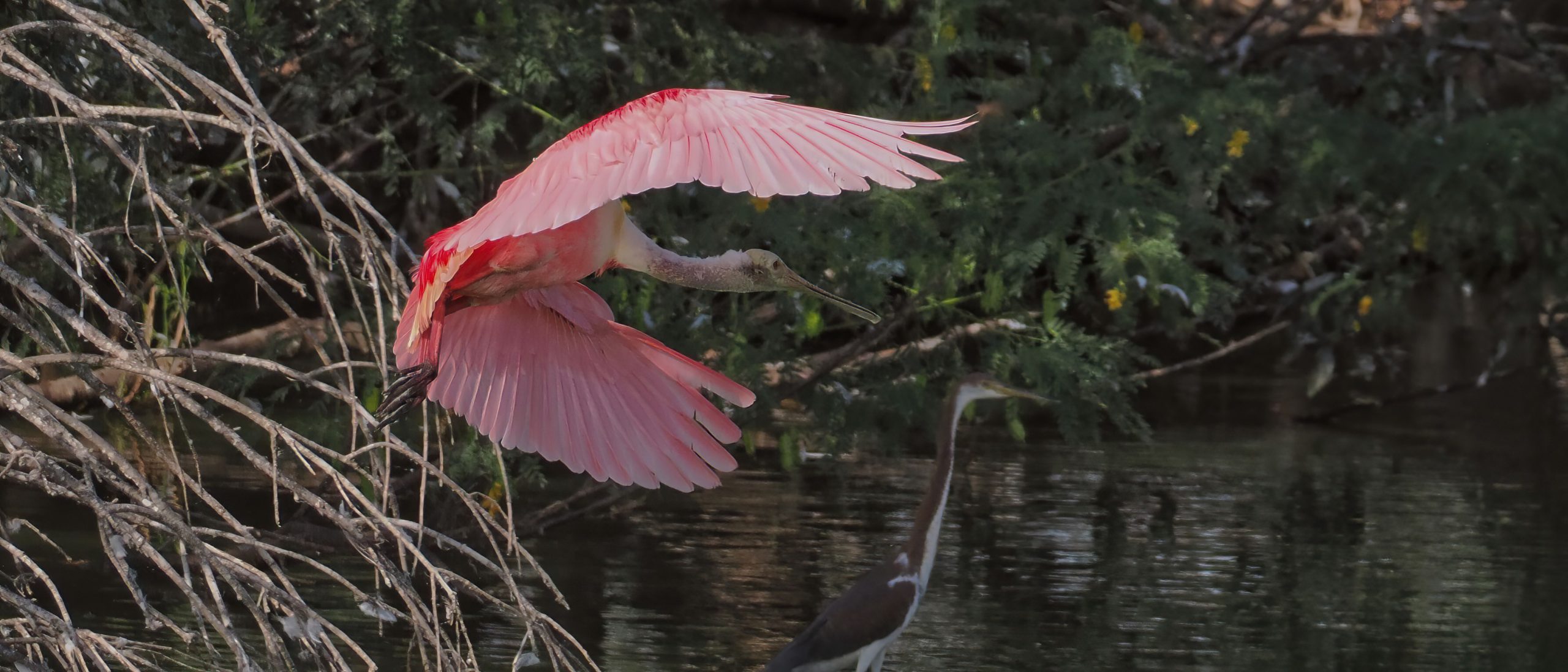
Roseate Spoonbill (Platalea ajaja) circling in for a shallow water landing. Tricolored Heron in the shadows. John Hargrove Environmental Complex (AKA Delores Fenwick Nature Center), Pearland, Texas.
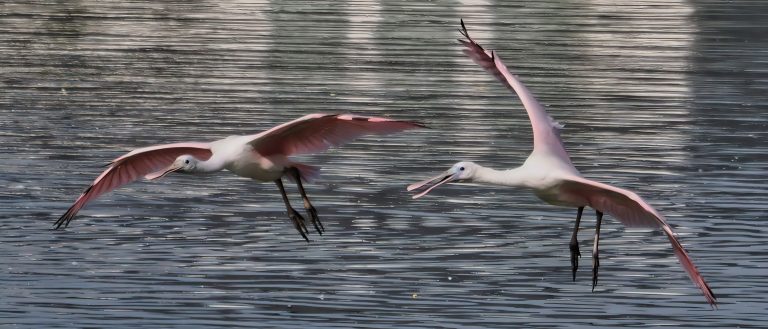
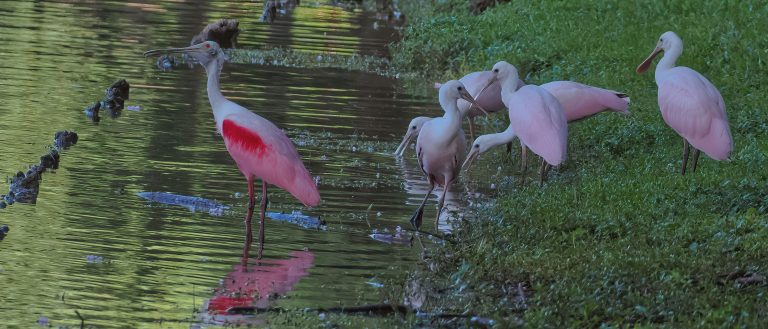
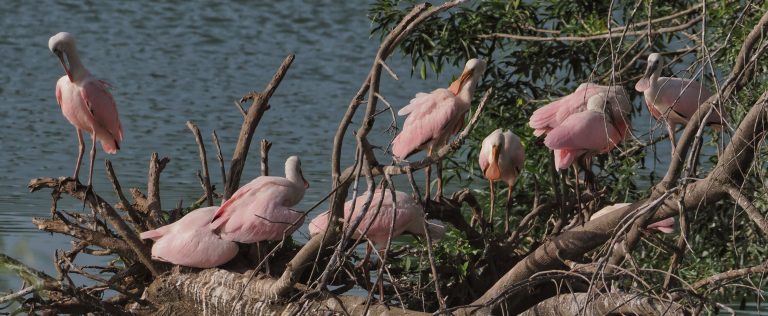
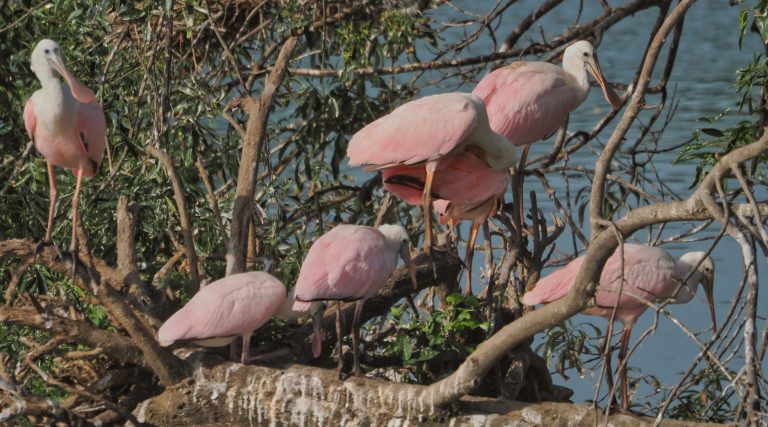
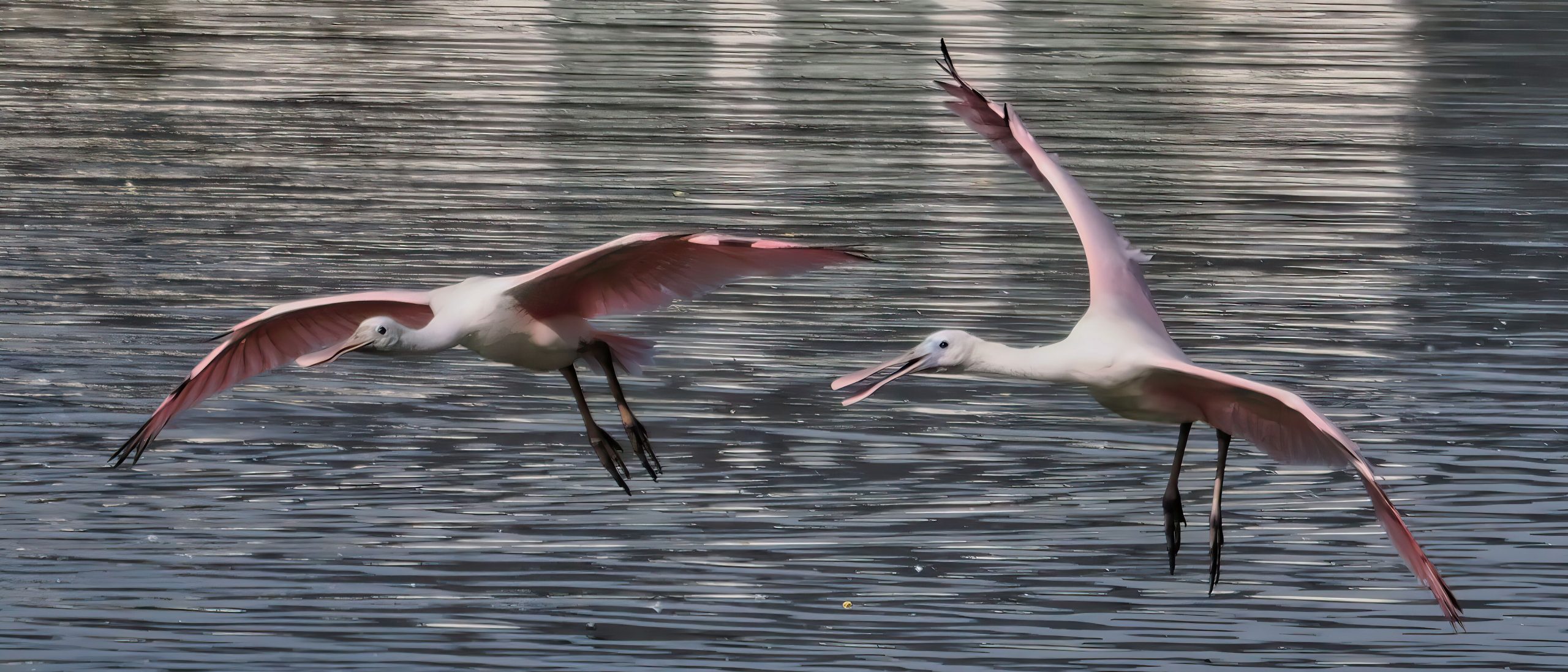
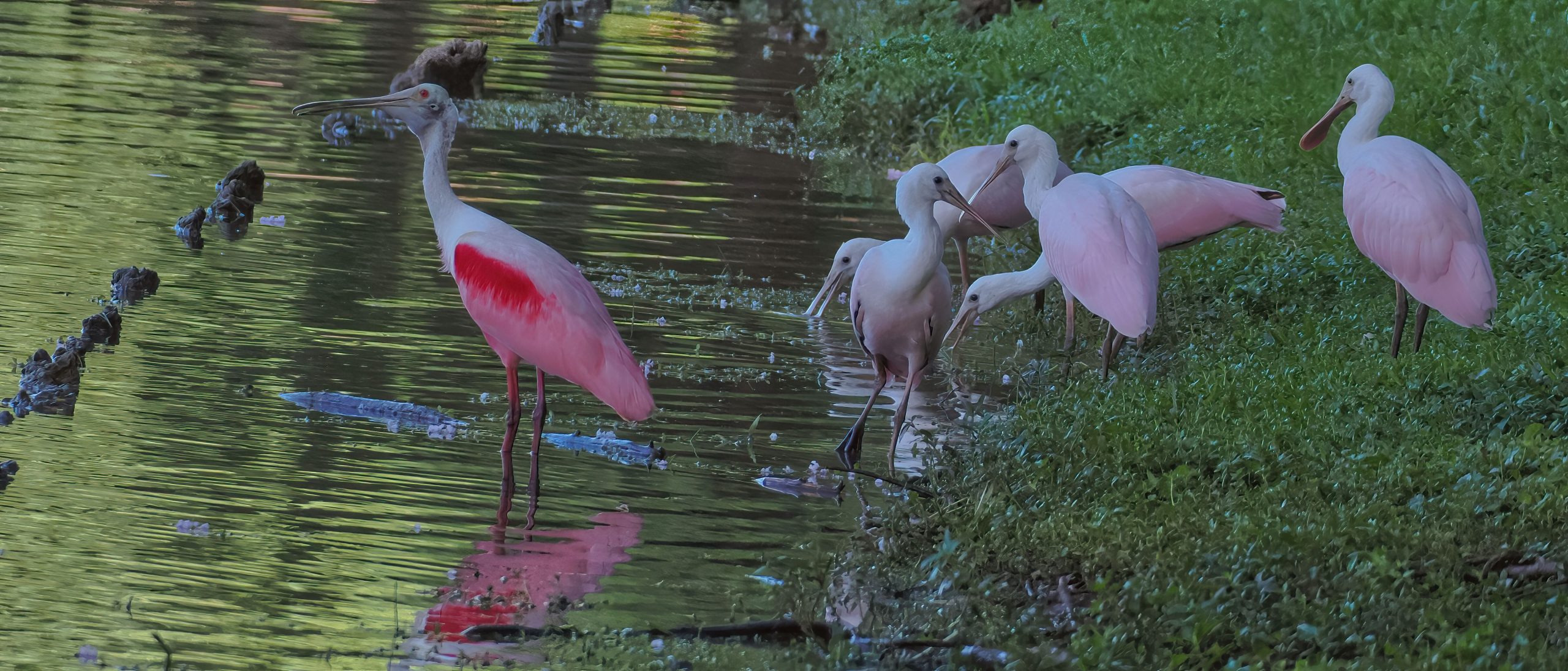
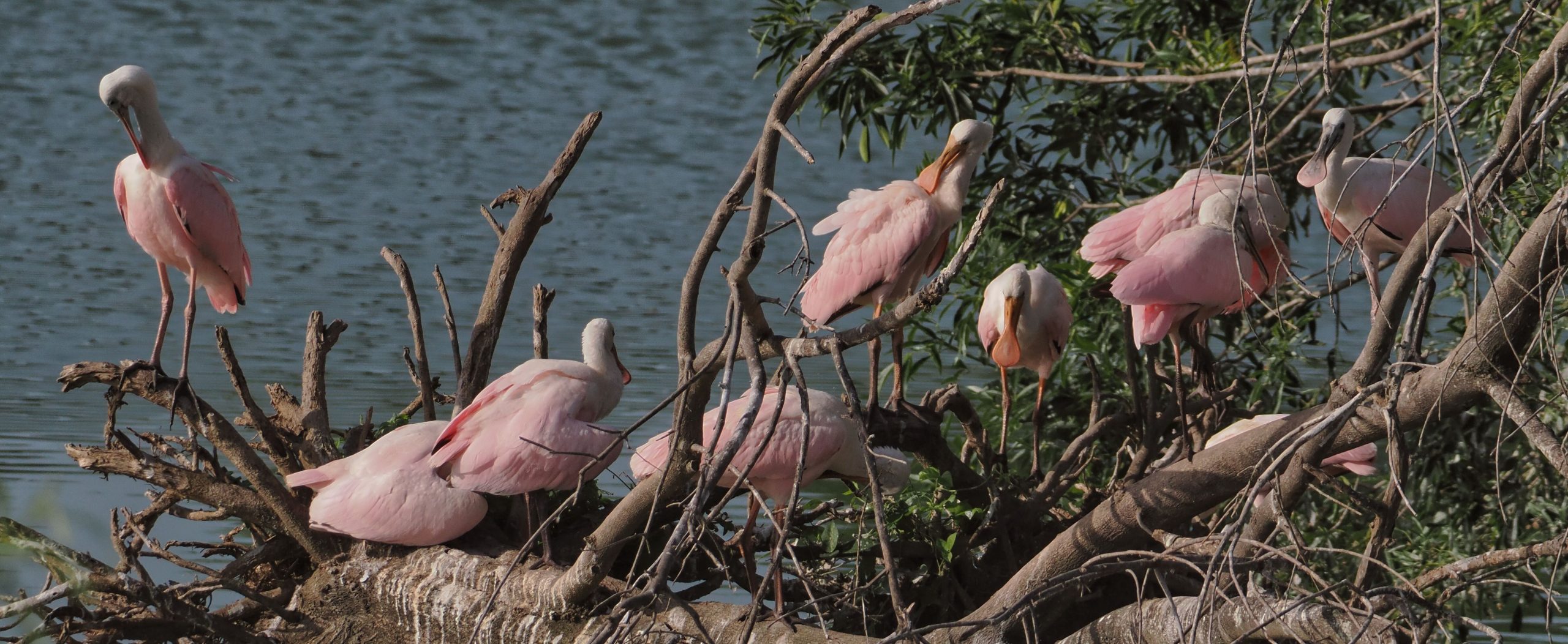
Roseate Spoonbills (Platalea ajaja). John Hargrove Environmental Complex (AKA Delores Fenwick Nature Center), Pearland, Texas.
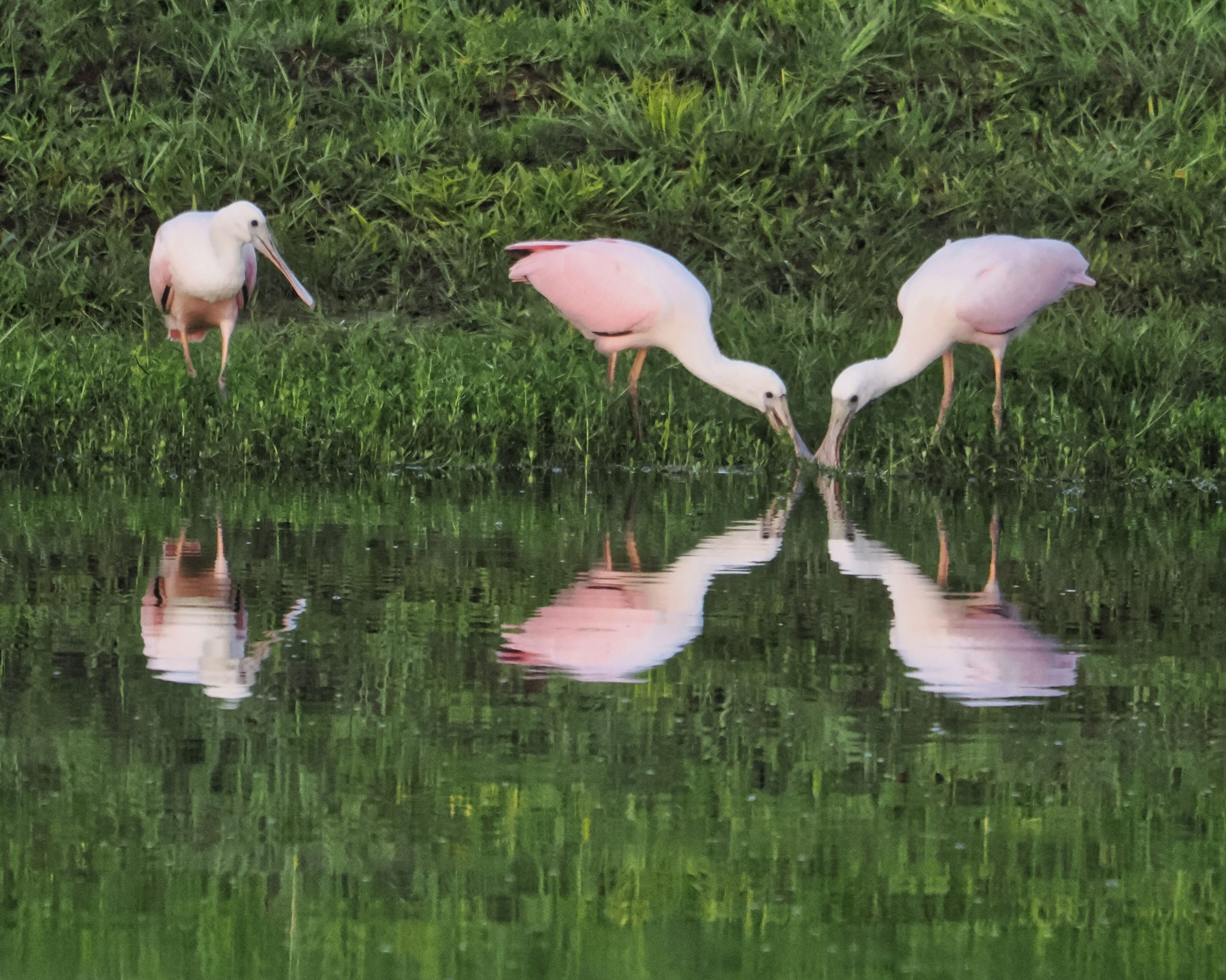
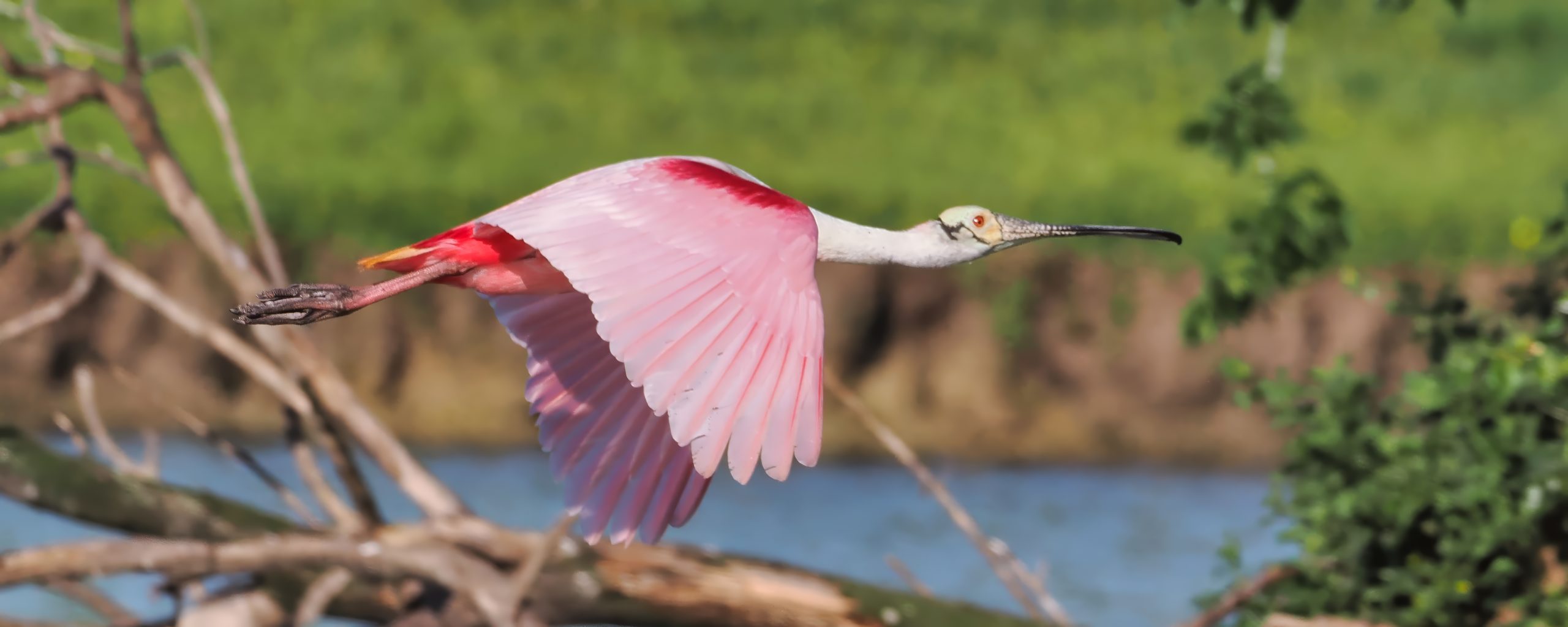
Roseate Spoonbill (Platalea ajaja). Resoft County Park, Alvin, Texas.
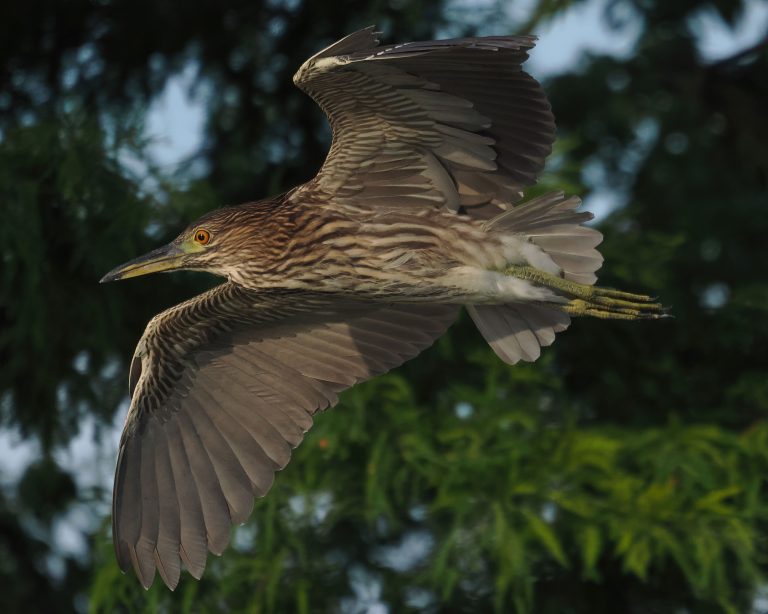
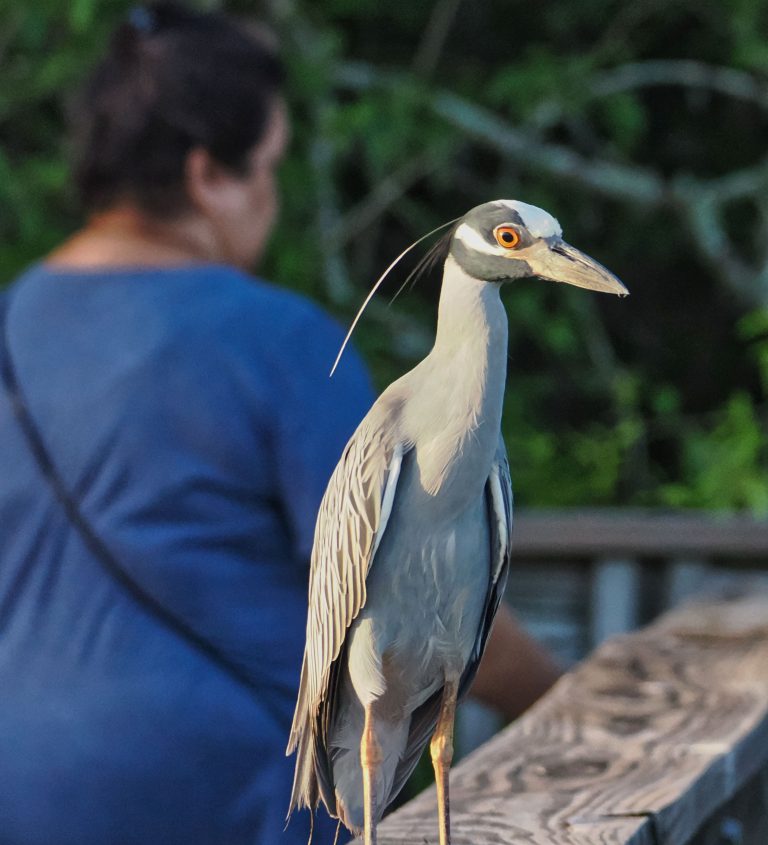
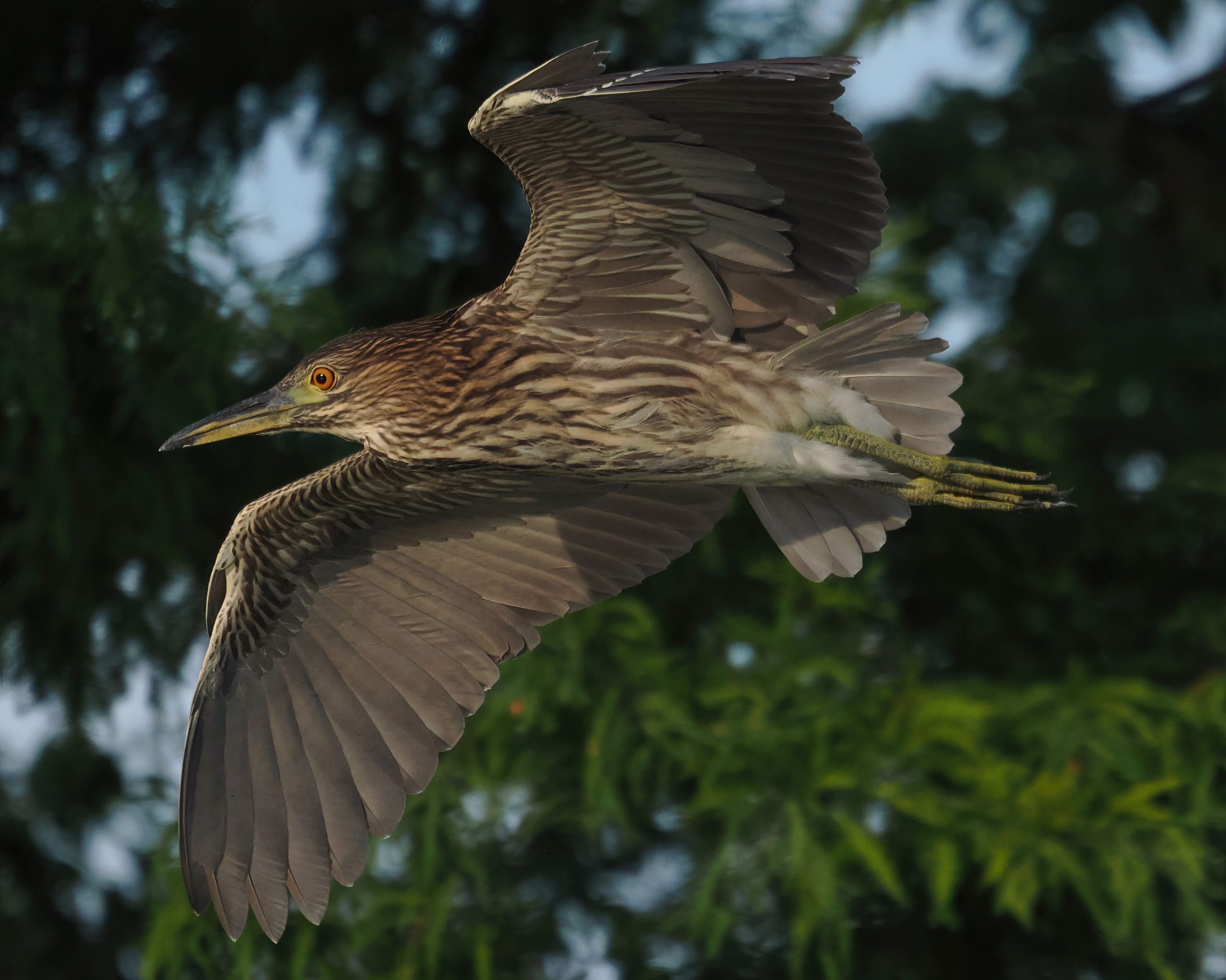
Not sure if this is a Yellow-crowned or Black-crowned. Hard to tell at this age. Resoft County Park, Alvin, Texas.
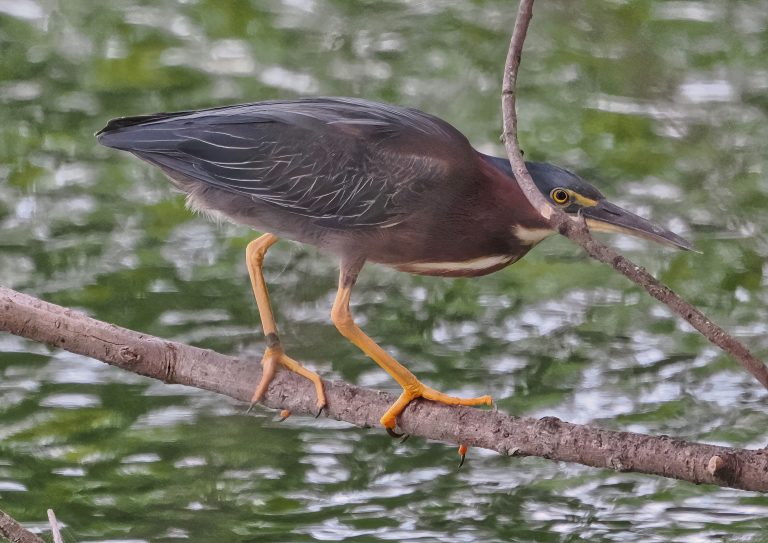
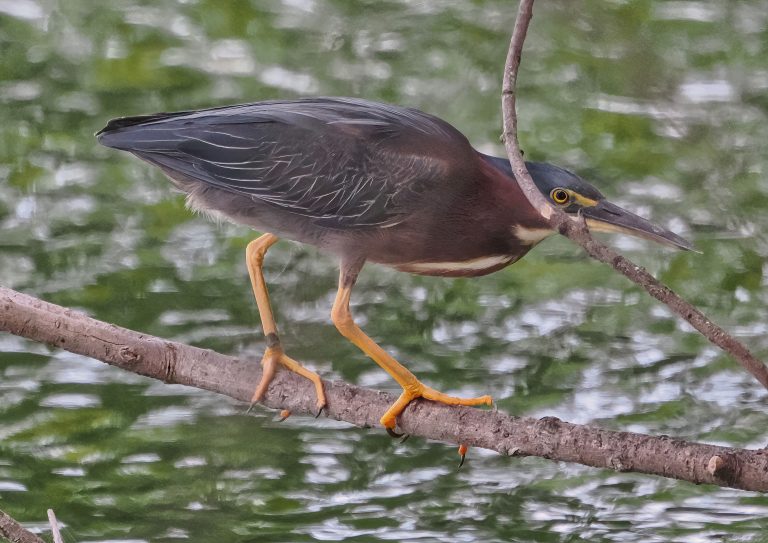
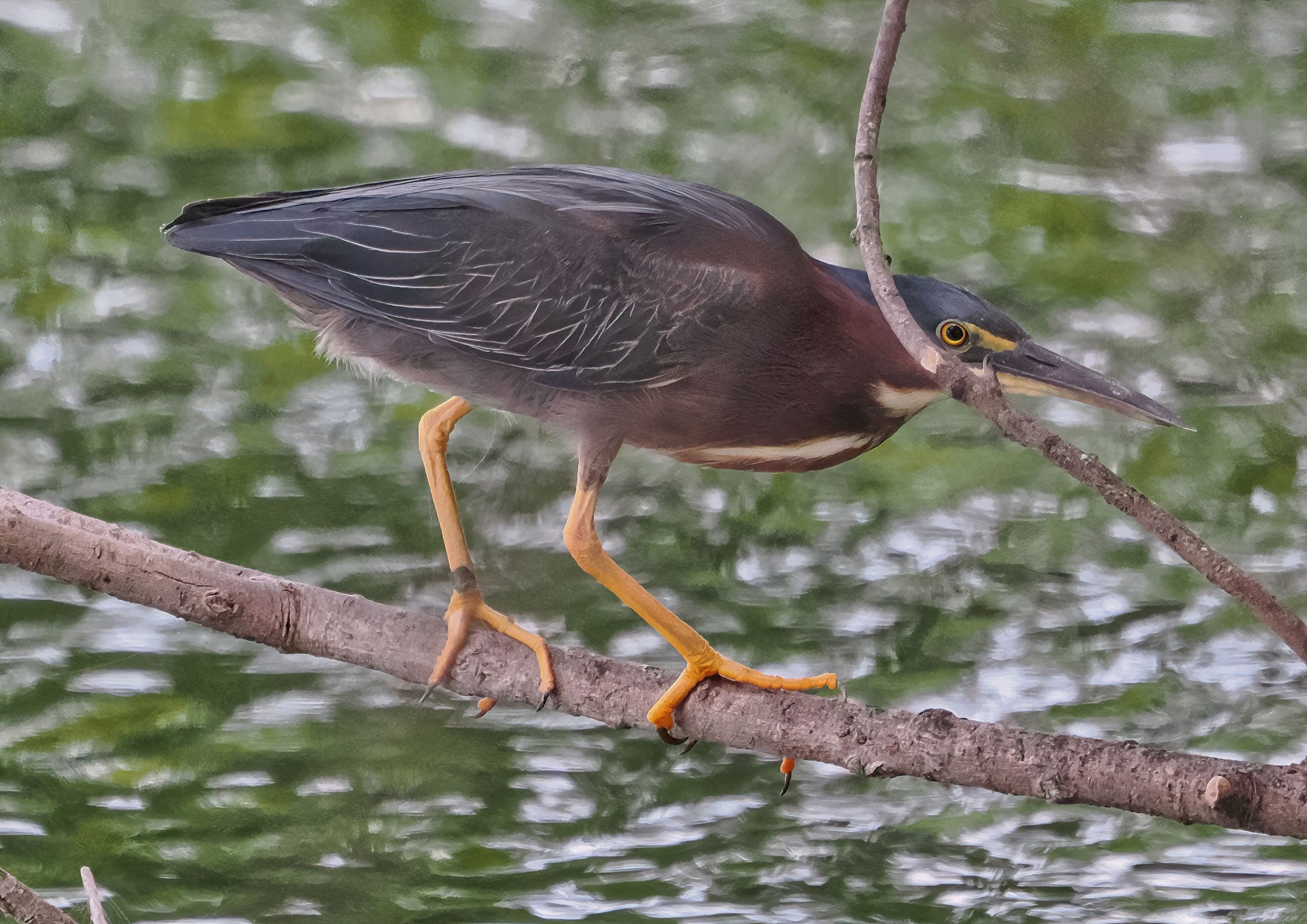
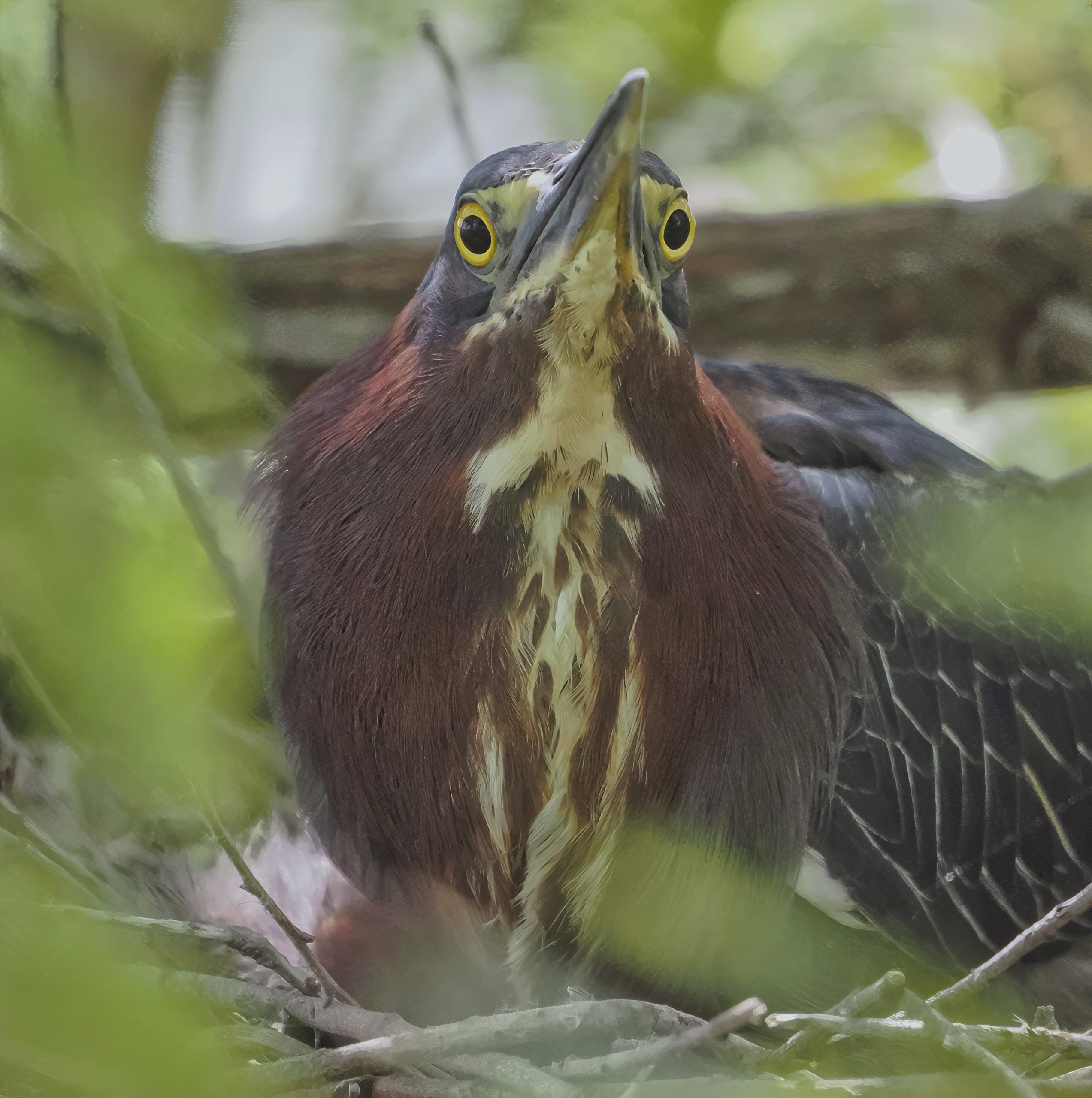
Green Heron (Butorides virescens). Polishing Pond, Fulshear, Texas.
Green Heron (Butorides virescens). Polishing Pond, Fulshear, Texas.
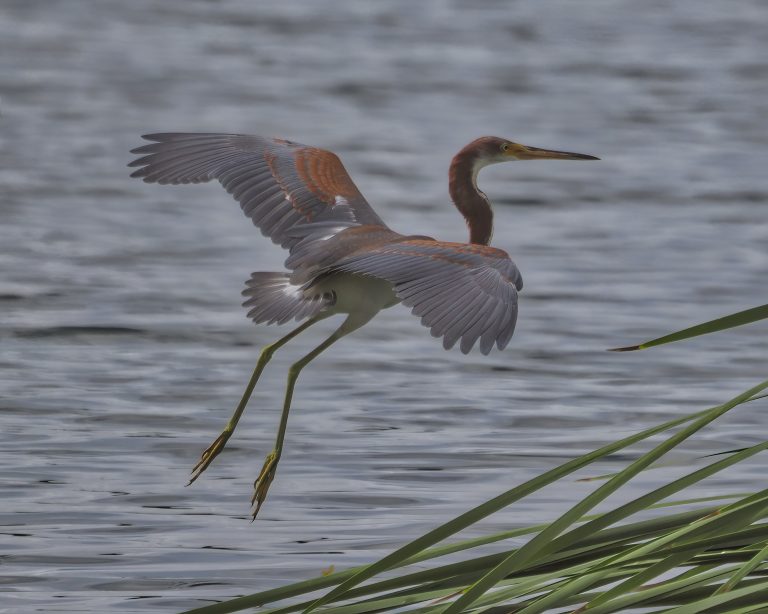
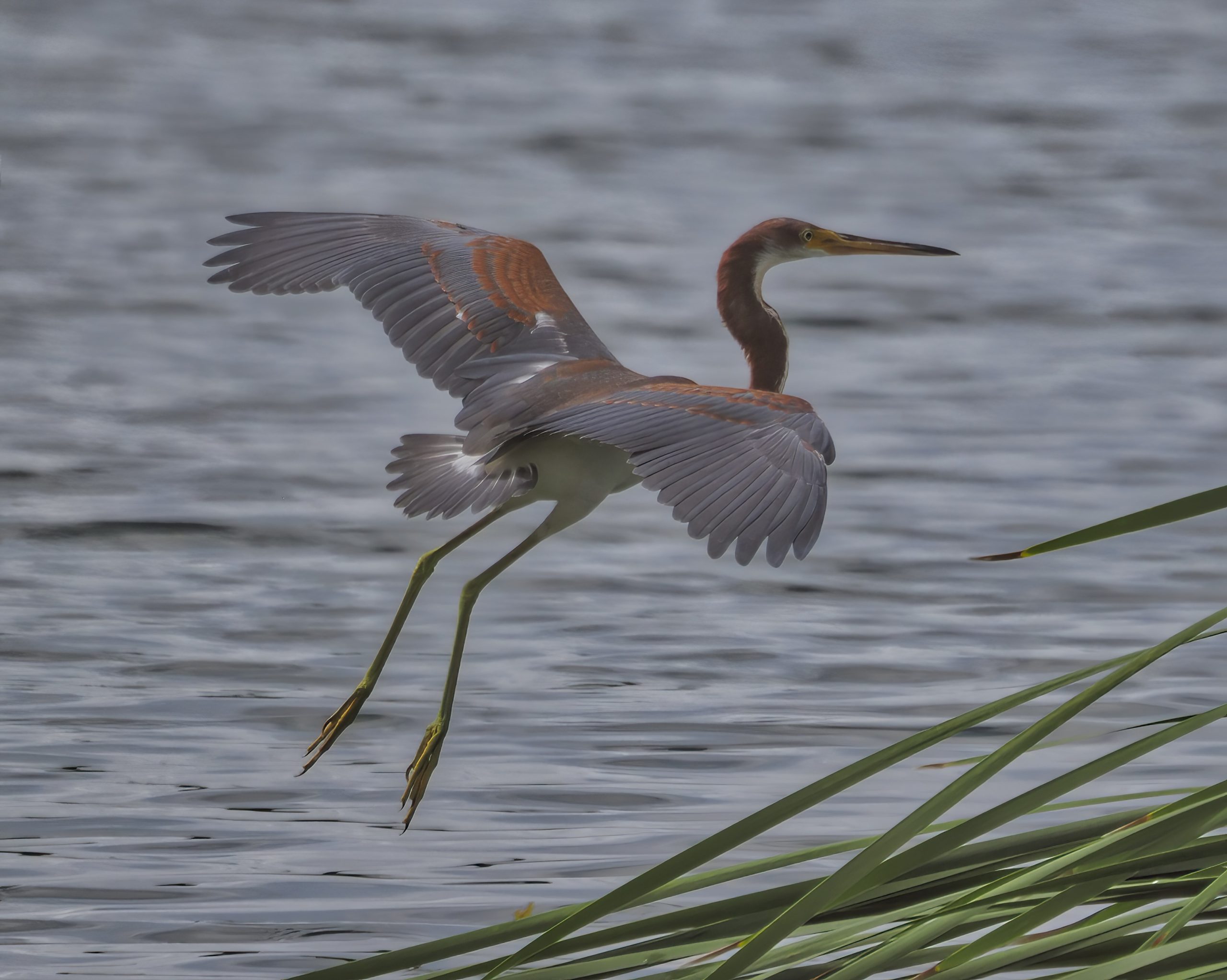
Tricolored Heron (Egretta tricolor). Polishing Pond, Fulshear, Texas.
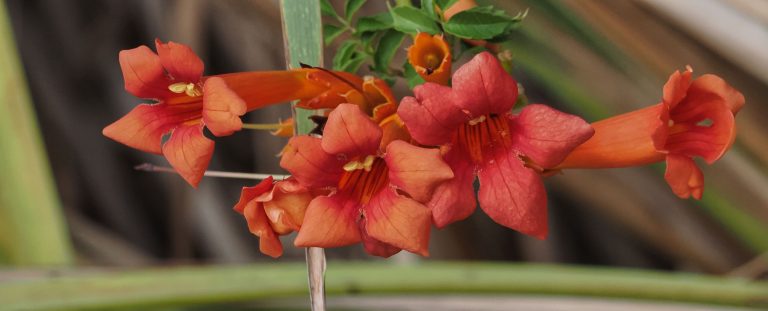
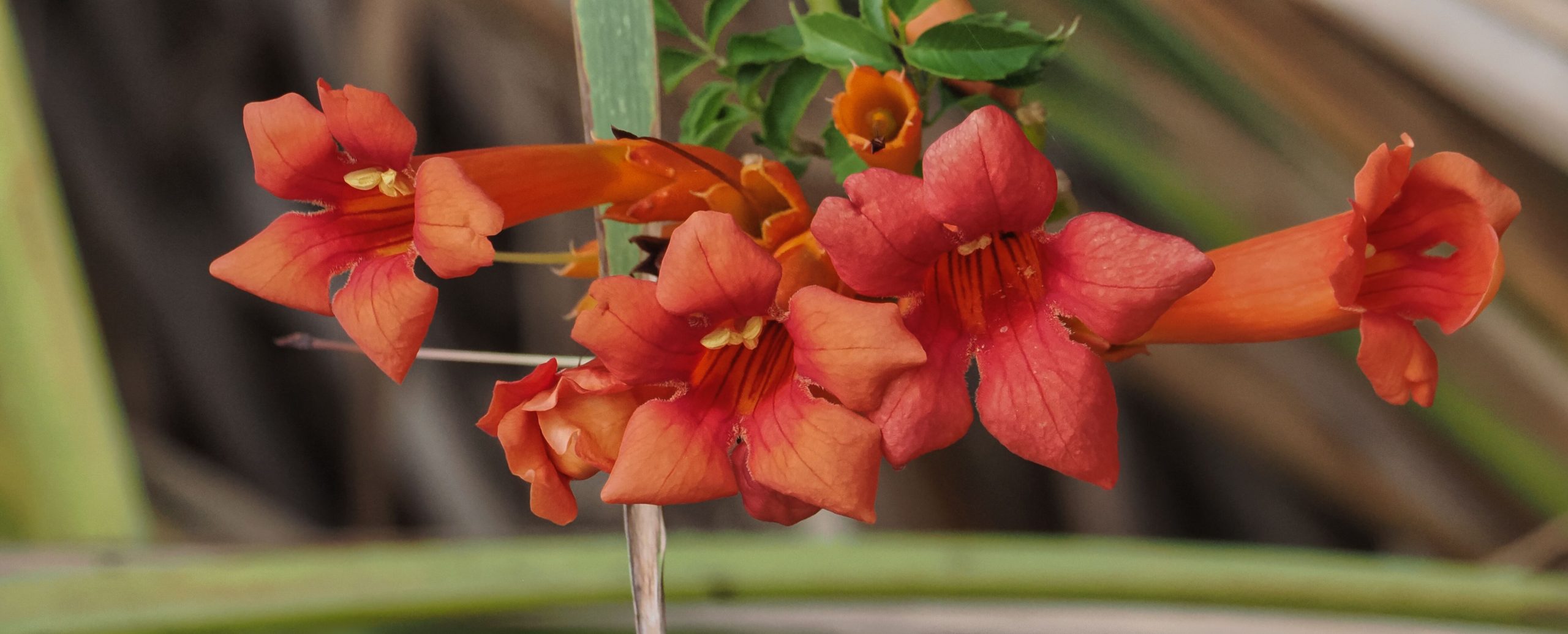
American Trumpet Vine Campsis radicans. Polishing Pond, Fulshear, Texas.
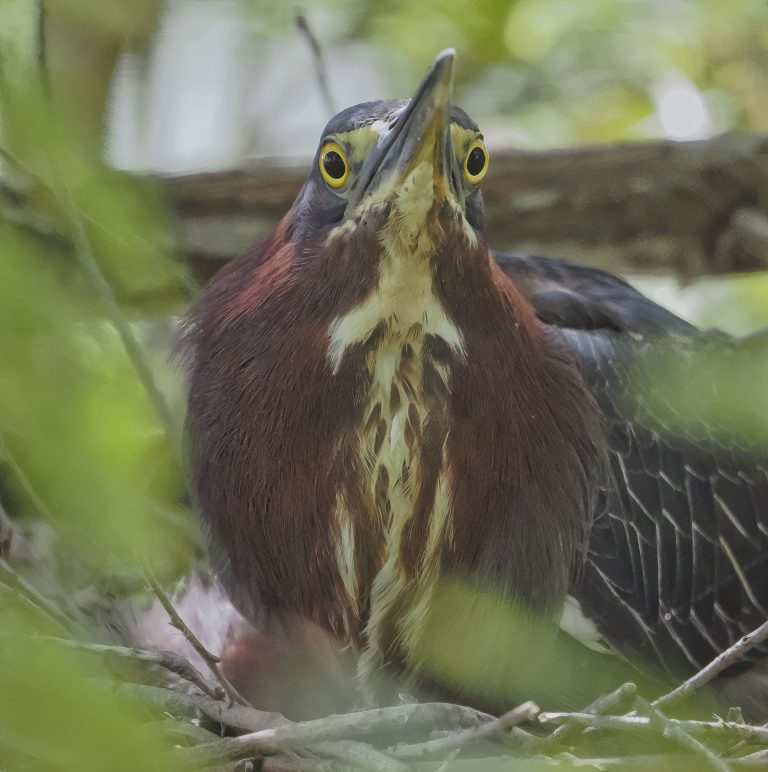
Green Heron Butorides virescens. Polishing Pond, Fulshear, Texas, is bouncing back after a couple years of nearby construction.
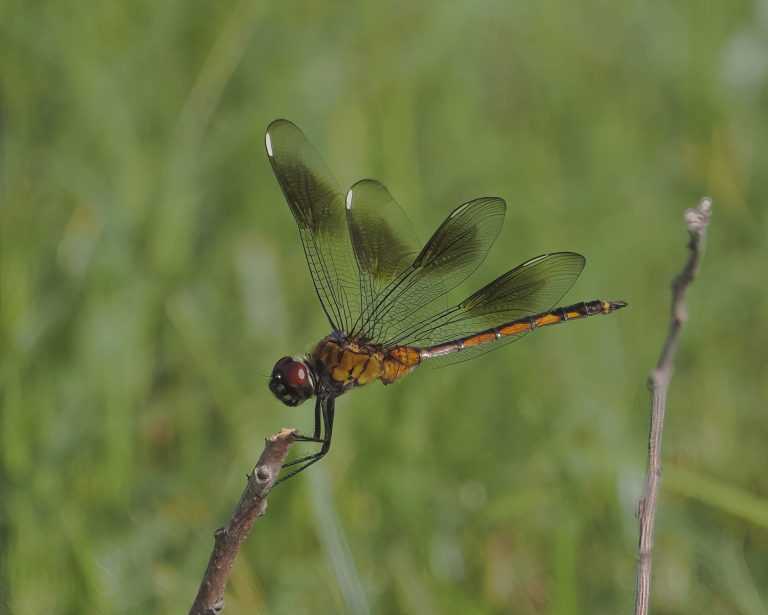
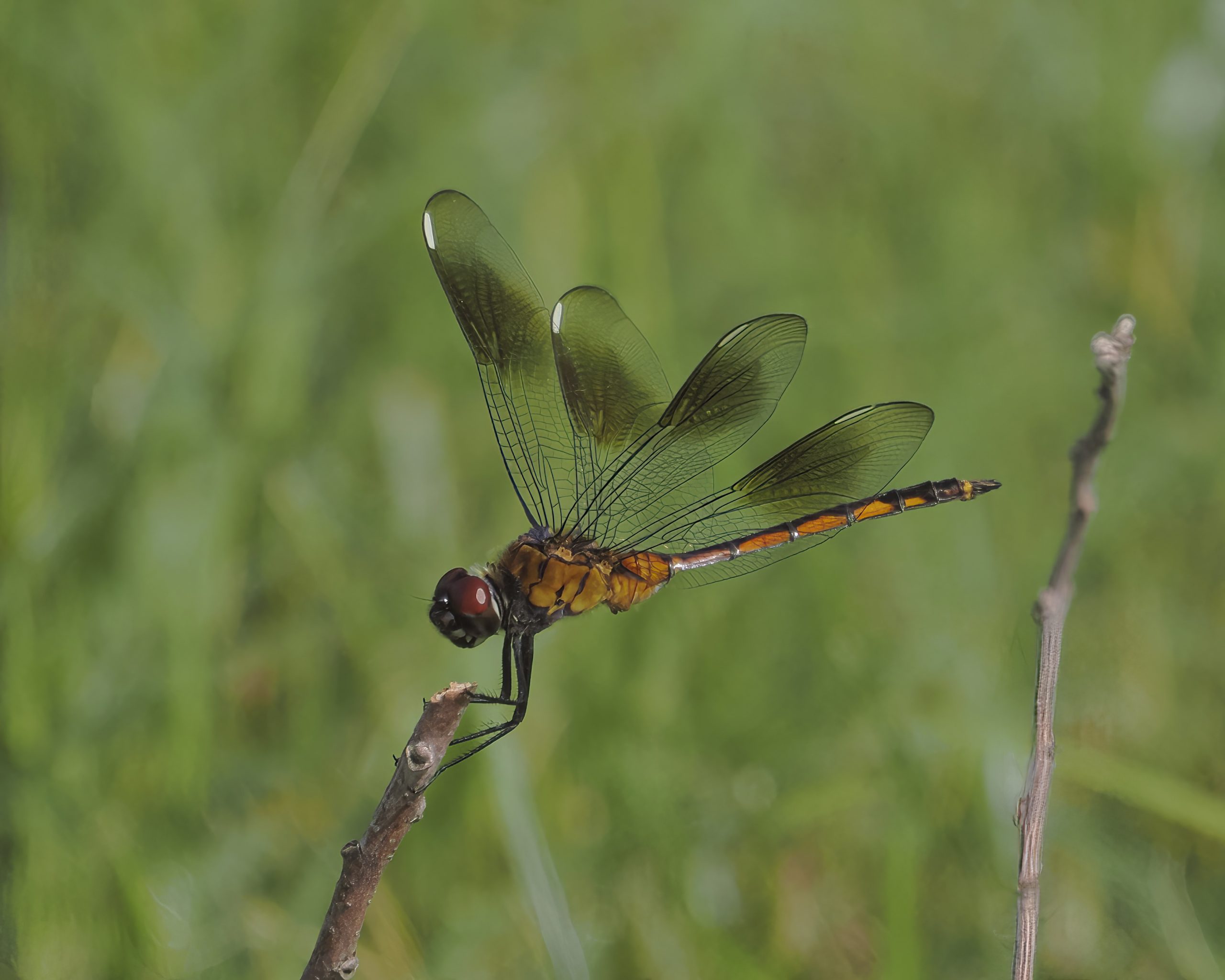
Four-spotted Pennant Brachymesia gravida. Polishing Pond, Fulshear, Texas.
Roseate Spoonbill (Platalea ajaja). Suburban Edgewater Lake, Sugar Land, Texas. Coragyps atratus. Graceful in the air, scavenger on the ground, not cruelty, just nature. Edgewater Lake, Sugar Land, Texas.
Black Vulture Coragyps atratus traveling incognito. Edgewater Lake, Sugar Land, Texas.
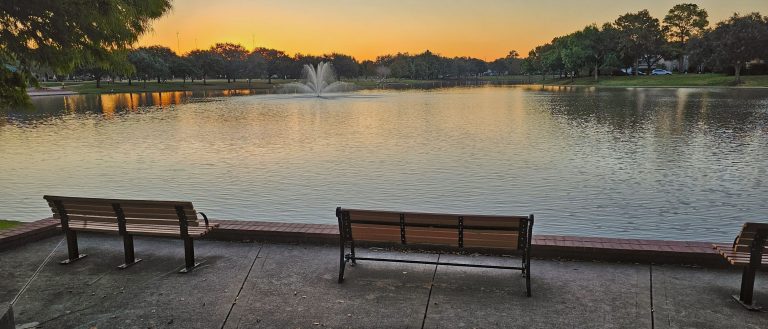
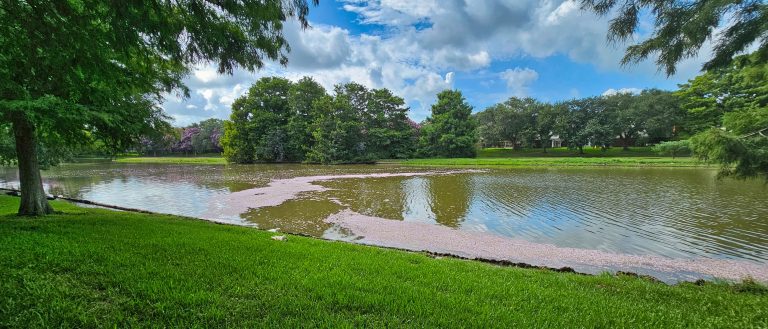
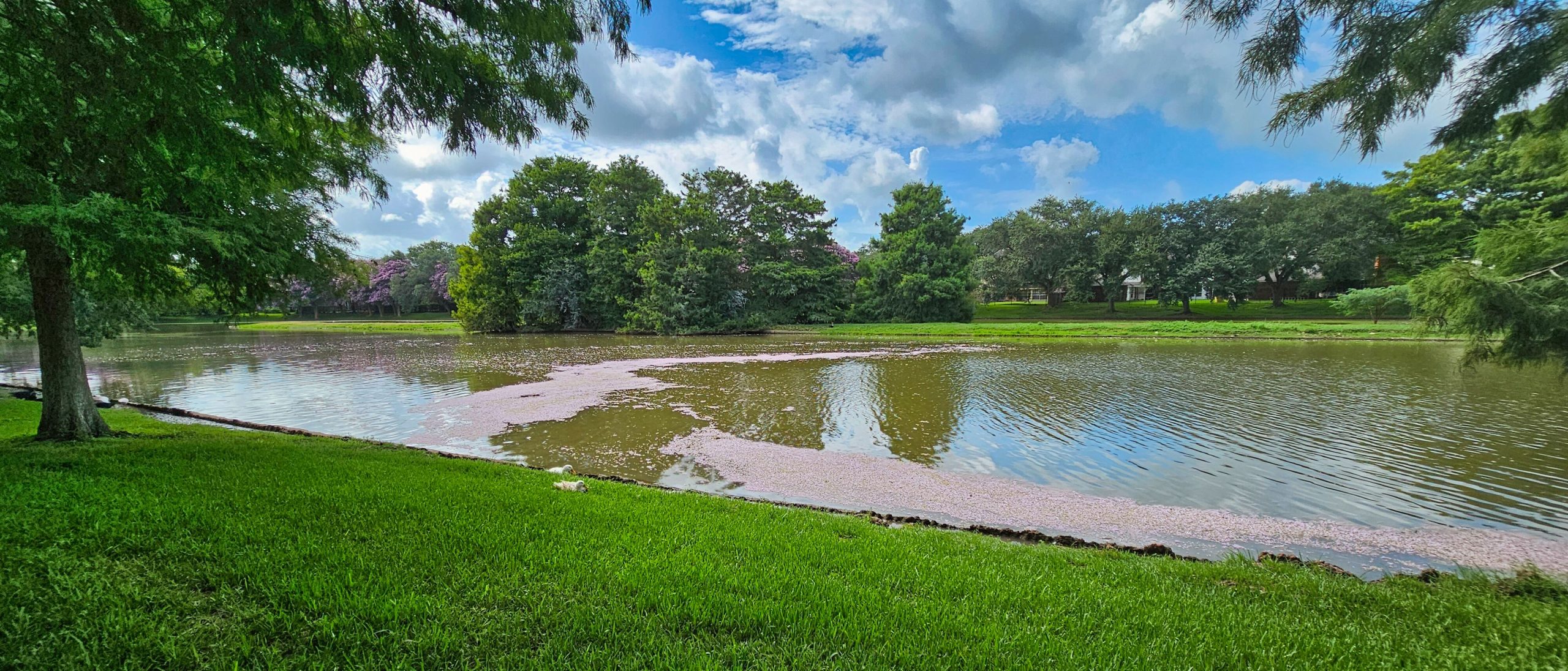
Hot suburban birding spot in Sugar Land, Texas
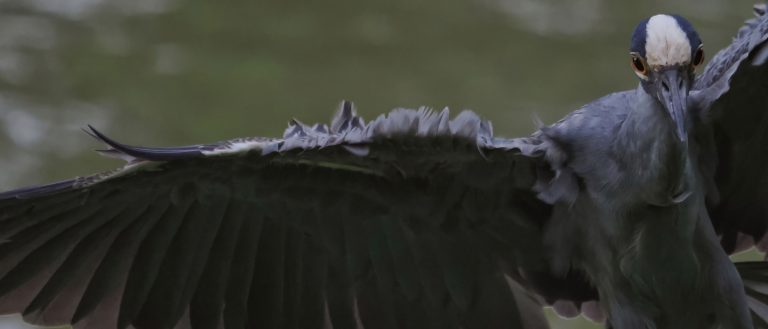
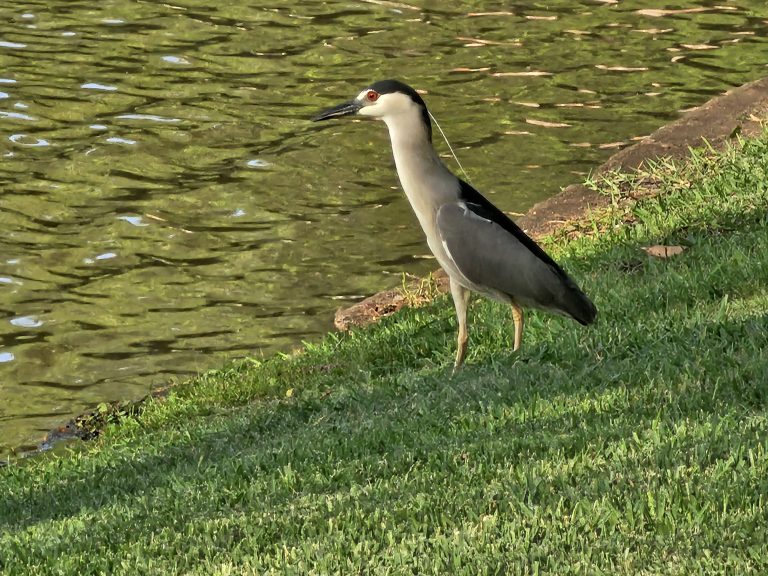
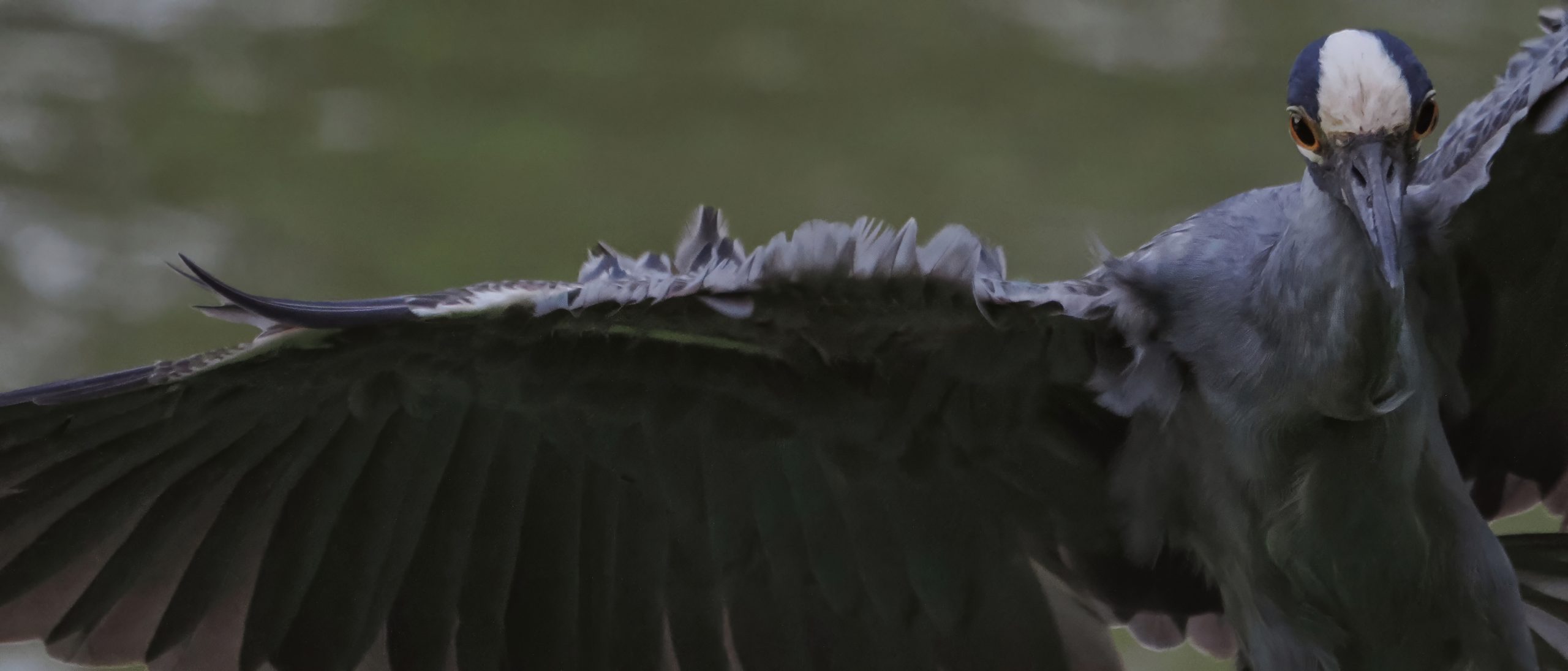
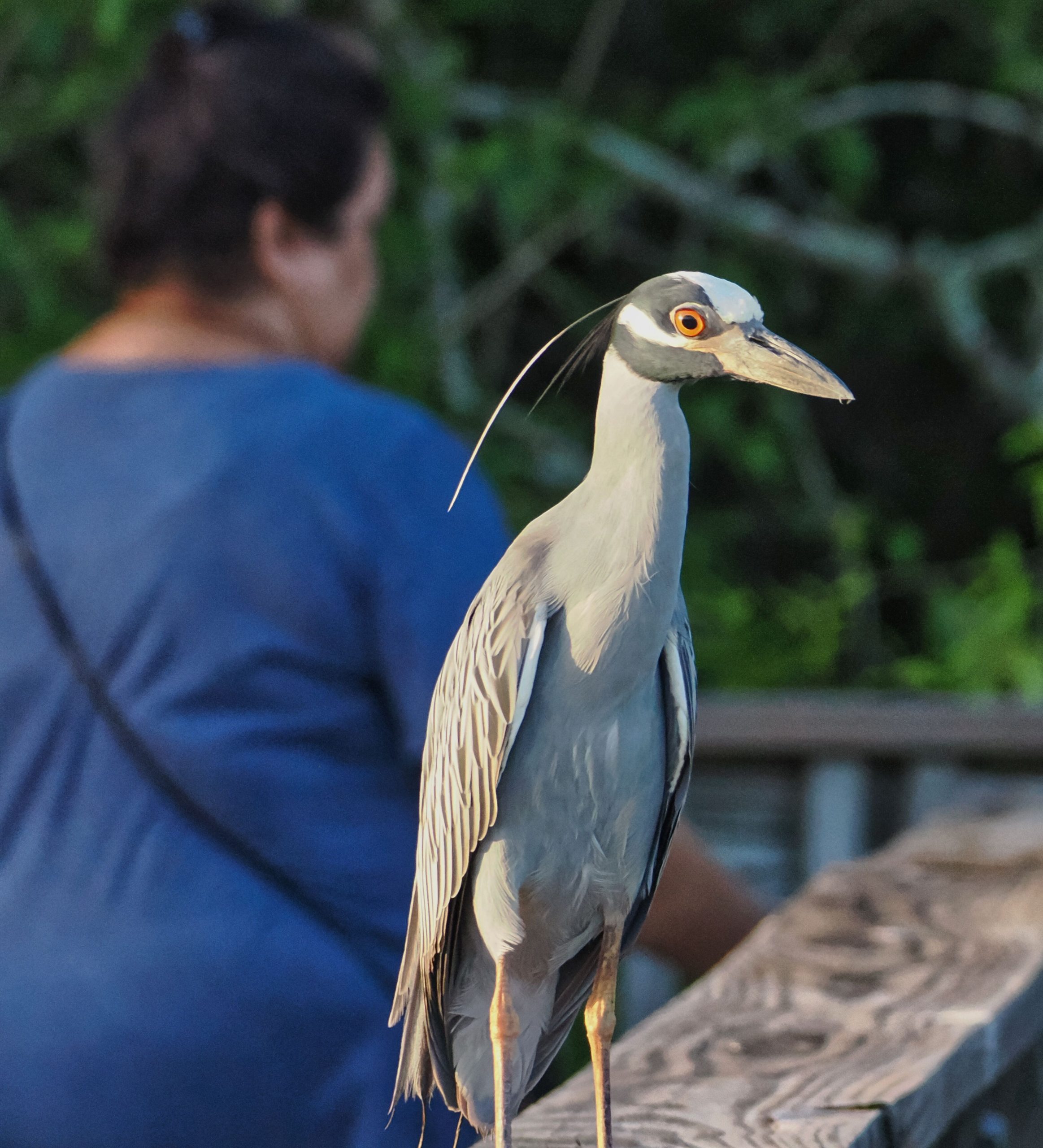
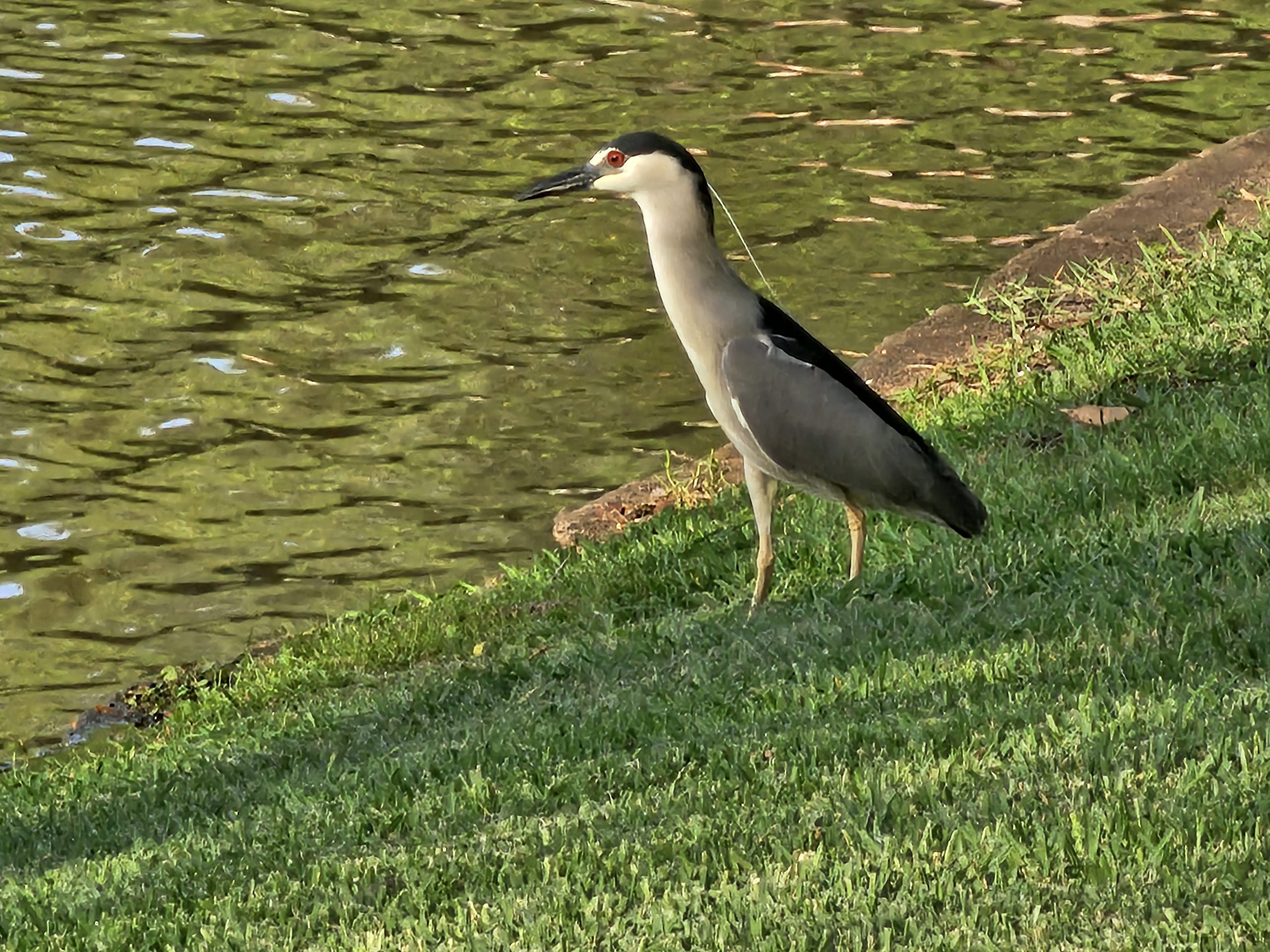
Yellow-crowned Night Heron Nyctanassa violacea approaching. Edgewater Lake, Sugar Land, Texas.
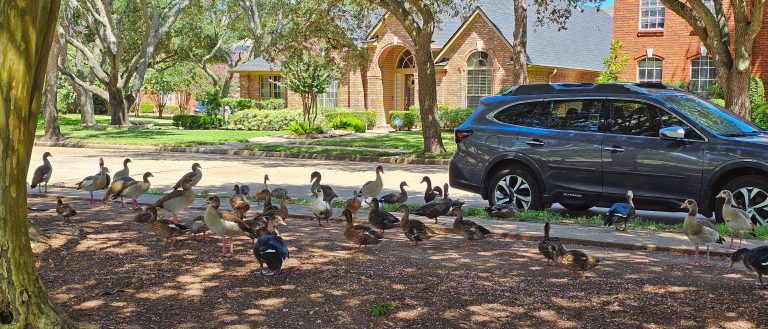
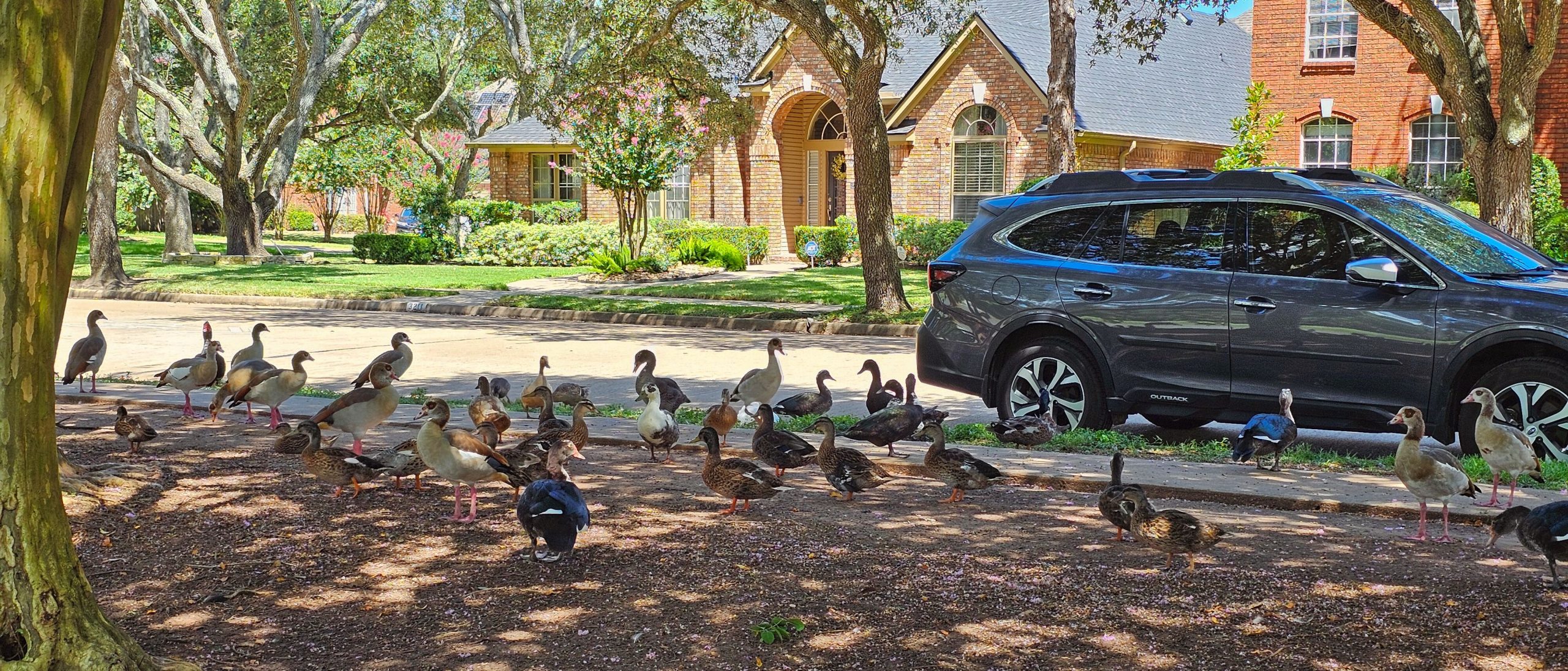
Avian inhabitants on the verge of Edgewater Lake. Neighbors do drive up and feed them, bread unfortunately. Sugar Land, Texas.
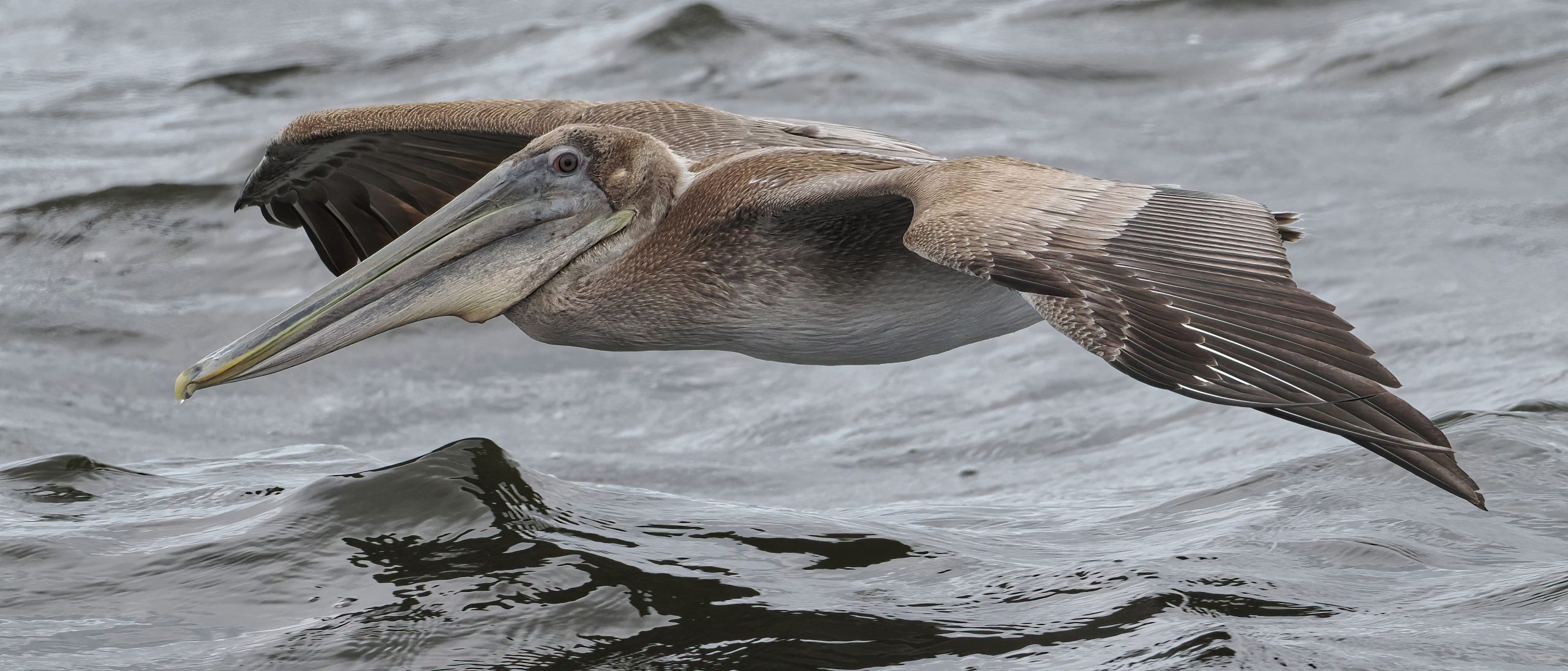
The brown pelican (Pelecanus occidentalis) is one of three pelican species found in the Americas and one of two that feed by diving into water. Photographed in Joe Jamail Park in Galveston, Texas.
White Lake, Cullinan Park, Sugar Land, Texas.
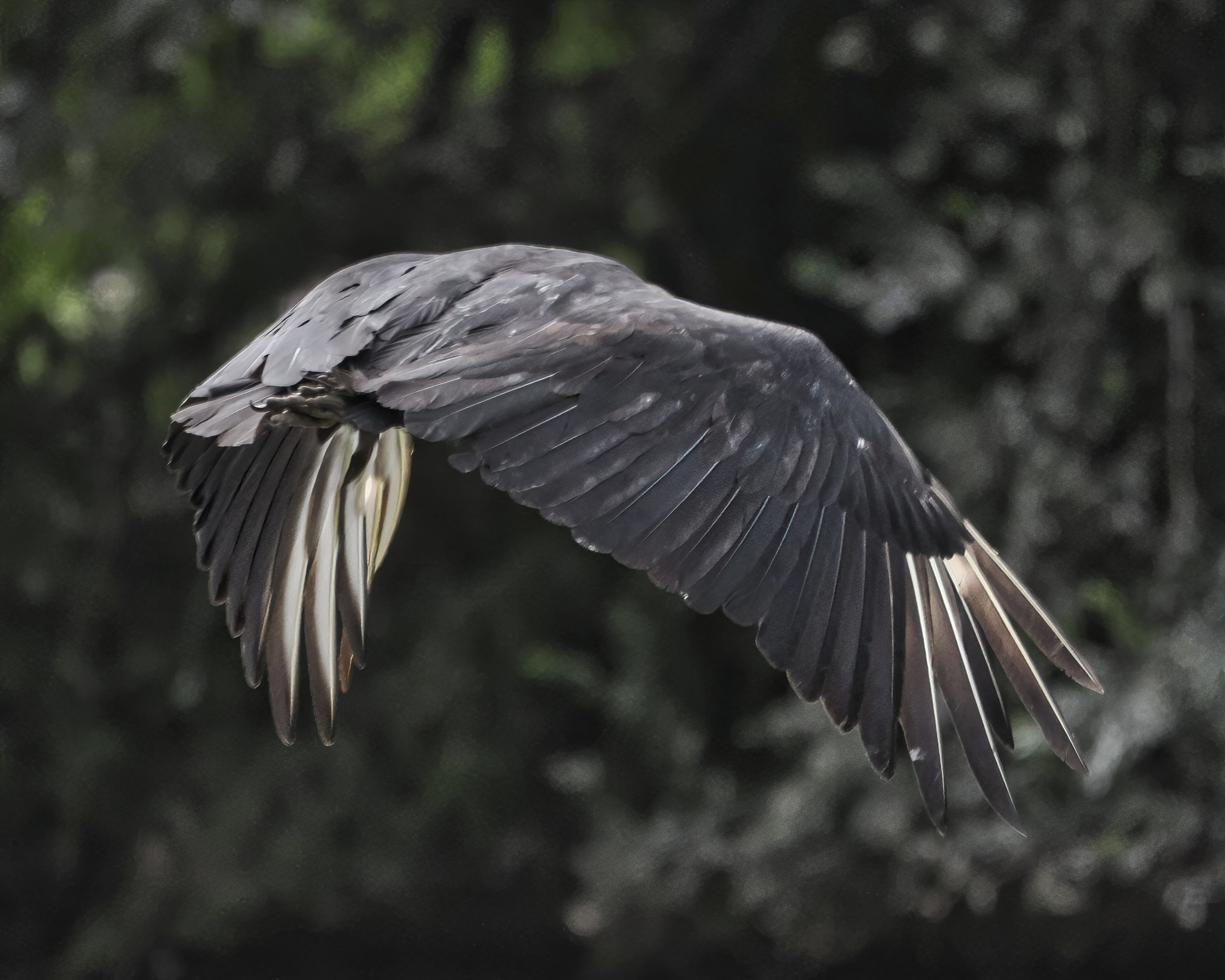
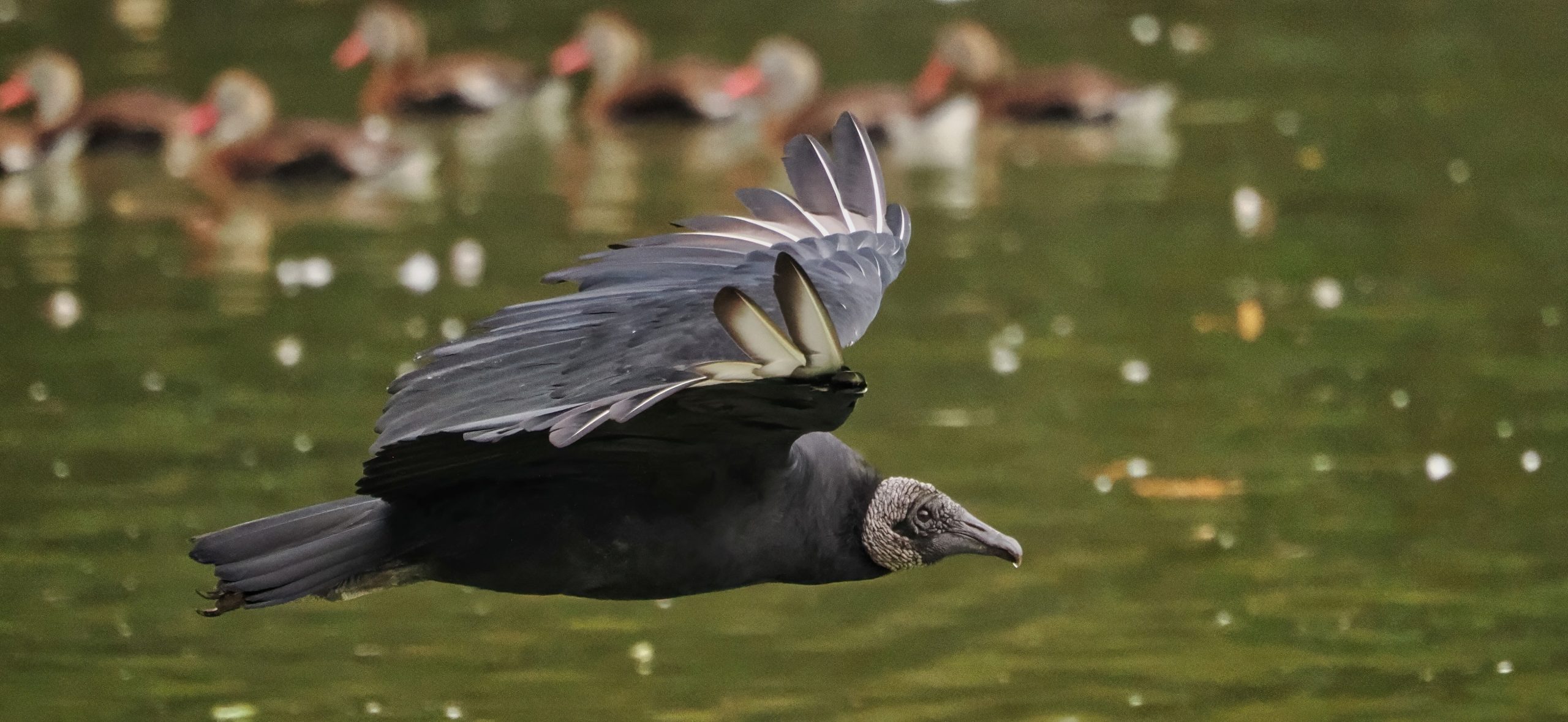
Black Vulture (Coragyps atratus) in flight. Yes, You gotta shoot what you see!. Edgewater Lake, Sugar Land, Texas.
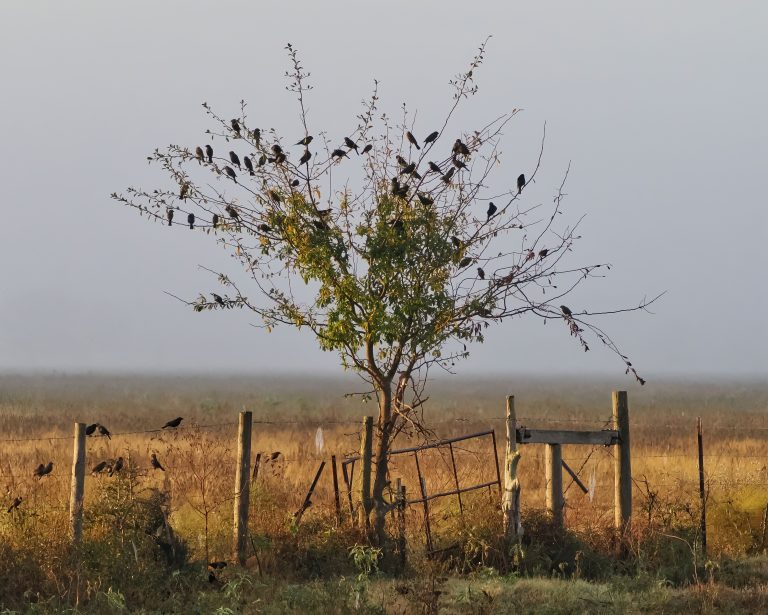
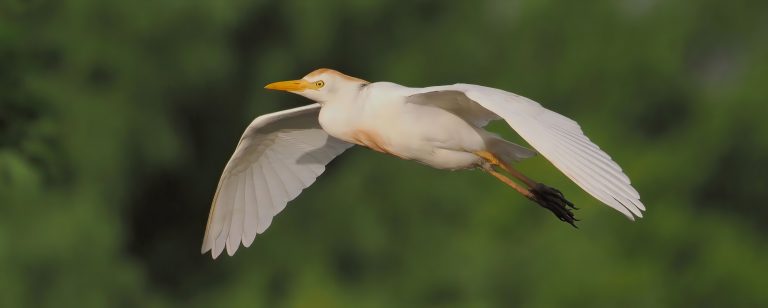
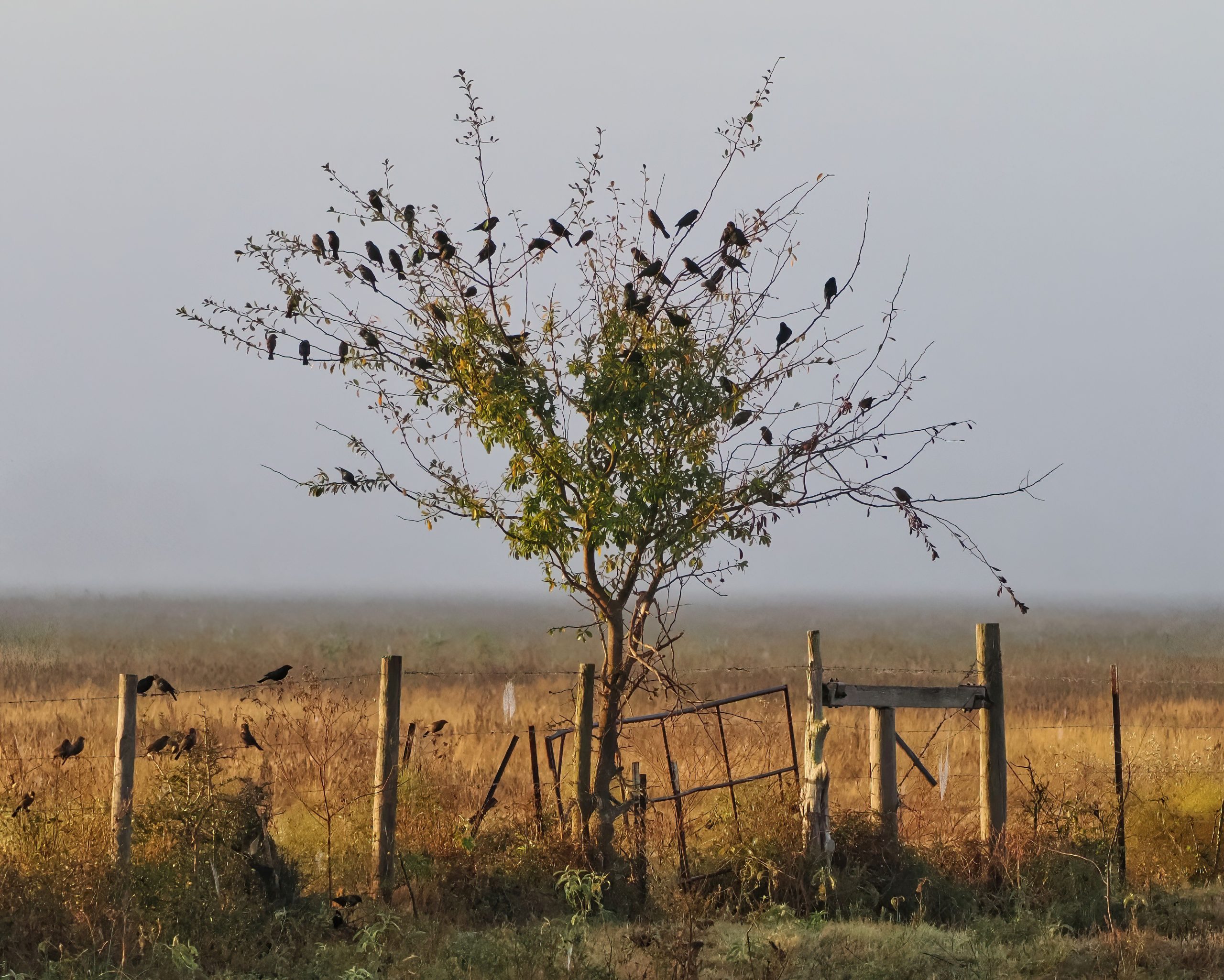
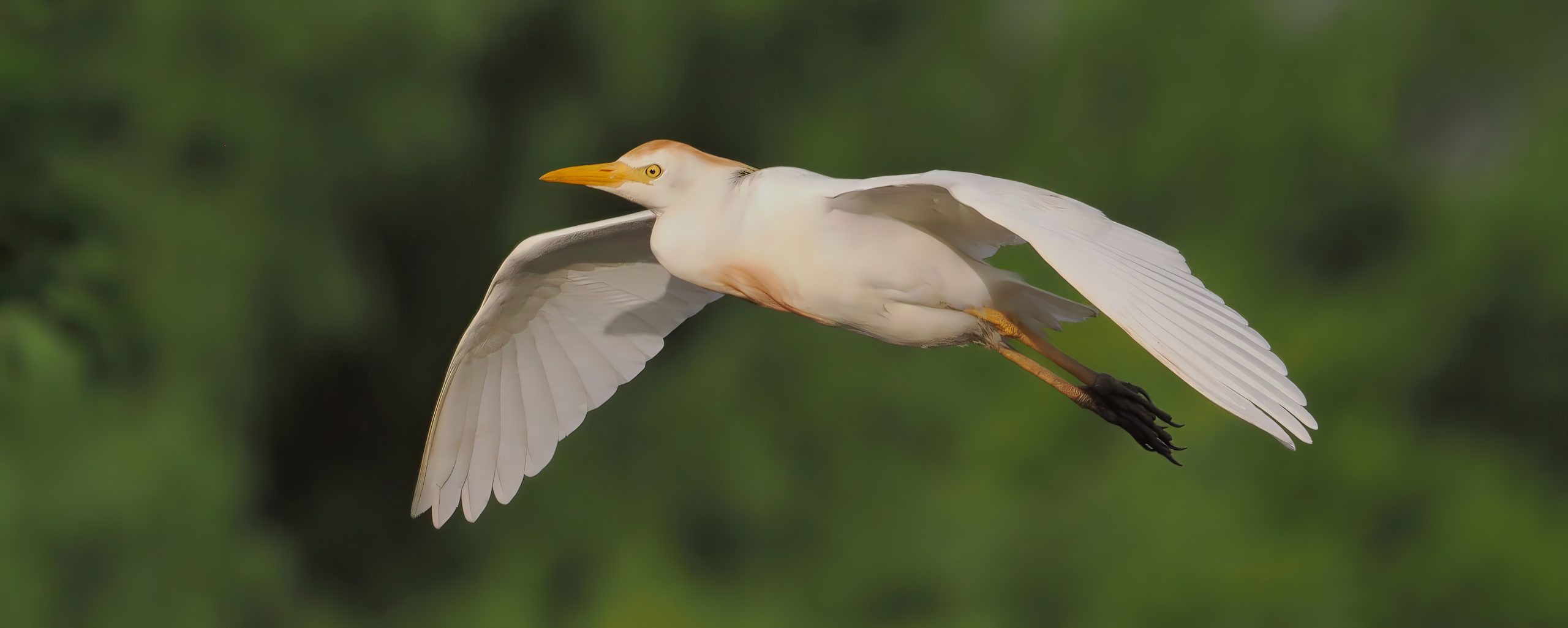
Cow birds are all over the place. Darst Road, Beasley, Texas.
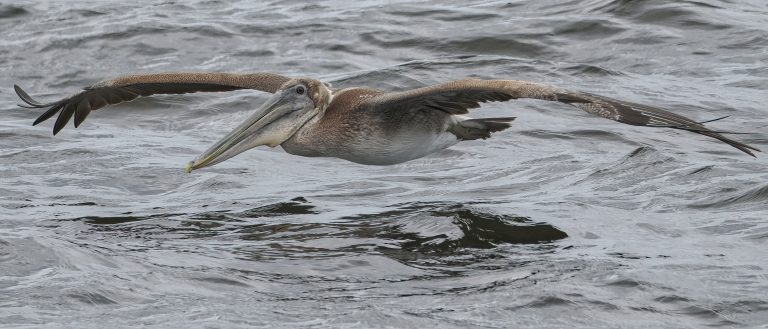
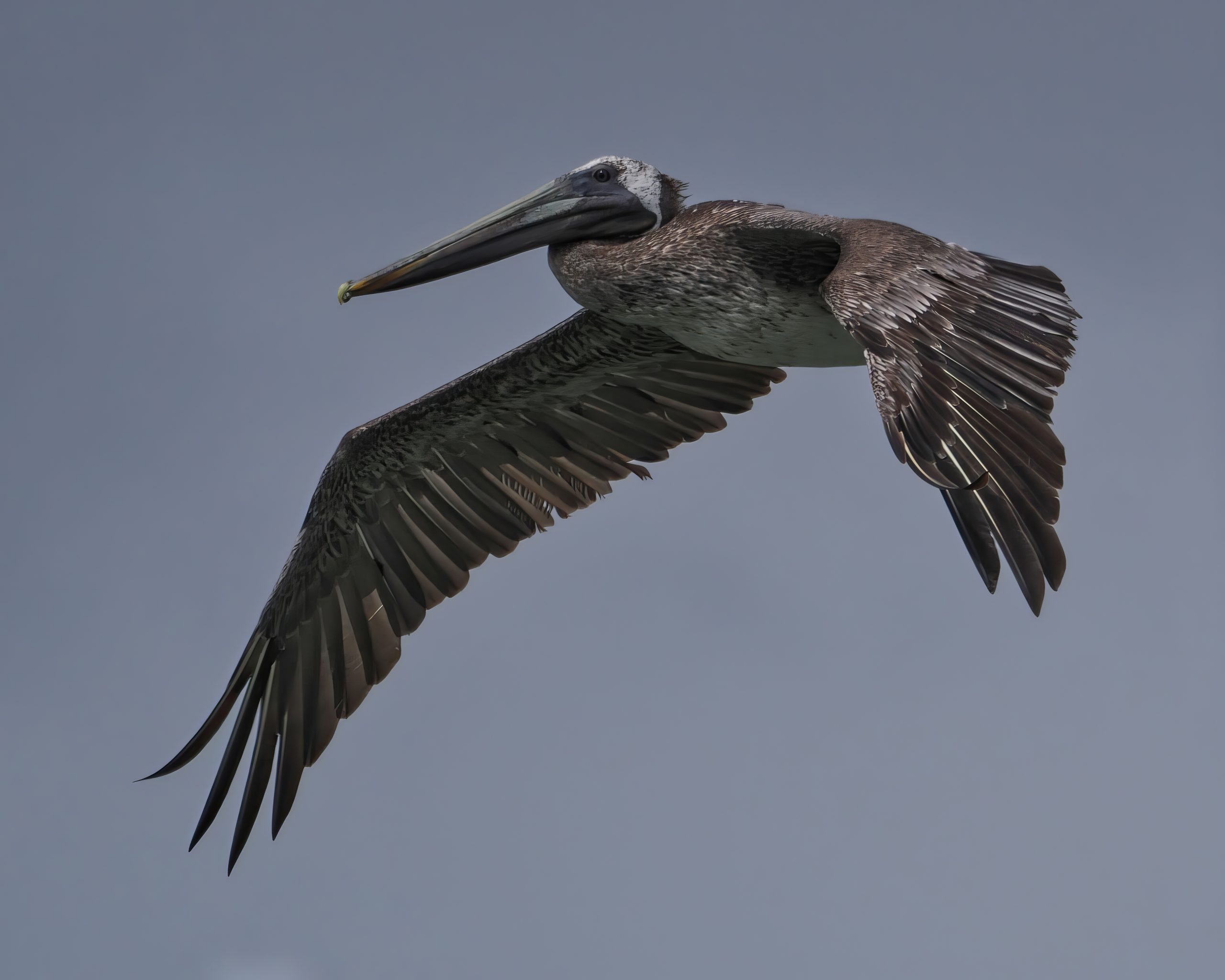
Brown Pelican (Pelecanus occidentalis) over The Packery Channel between the southern tip of Matagorda Island and the northern tip of Padre Island, near Corpus Christi, Texas.
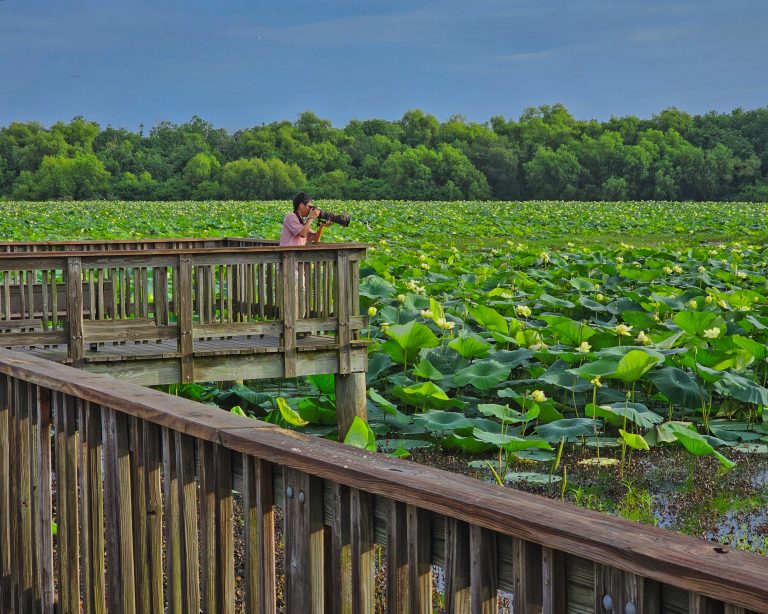
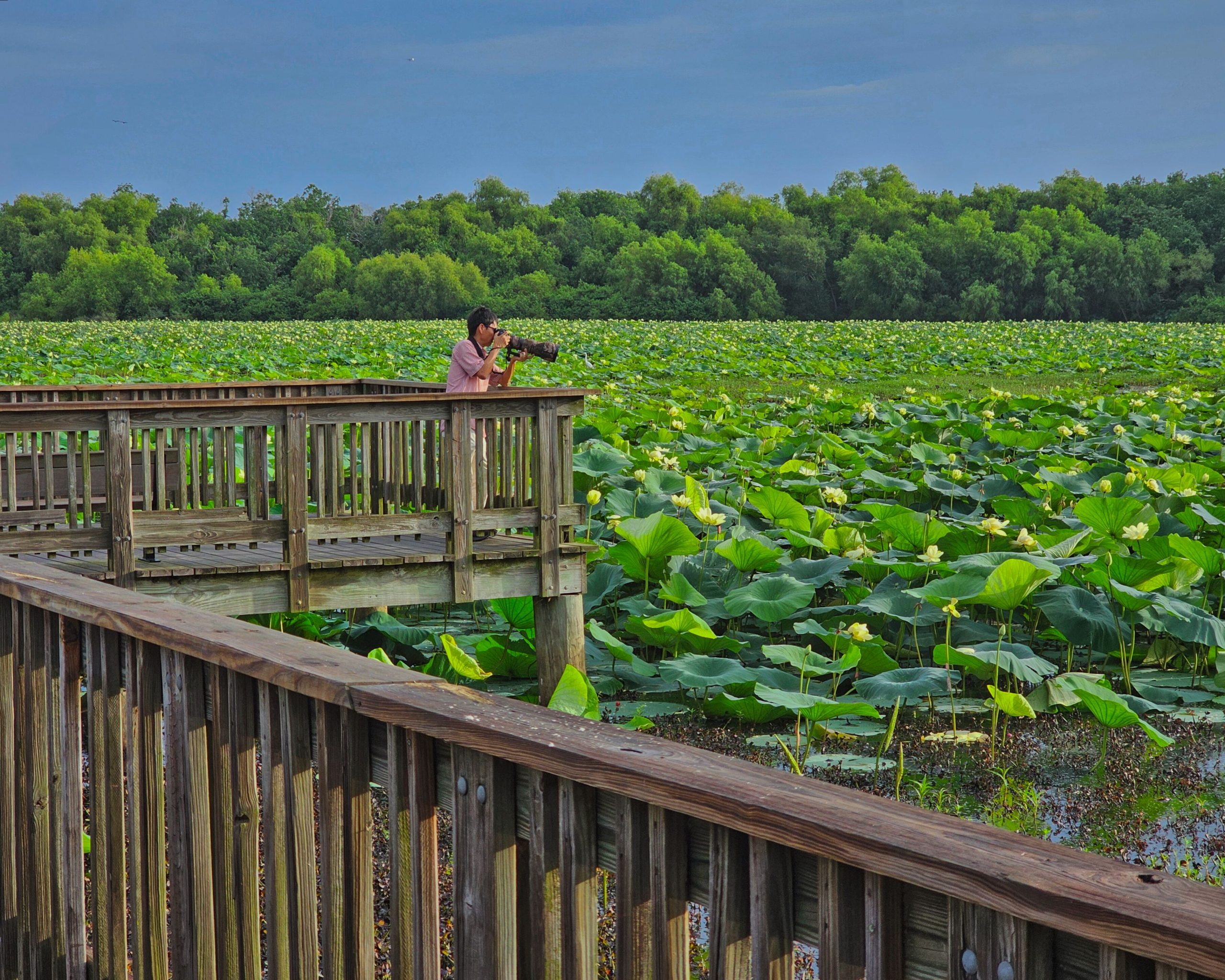
White Lake is a field of Lotus flowers. Still there
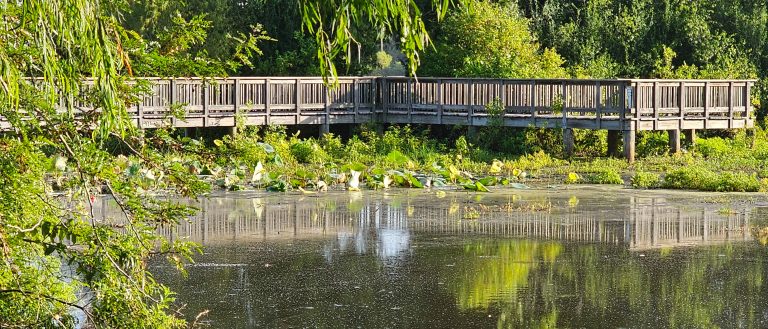
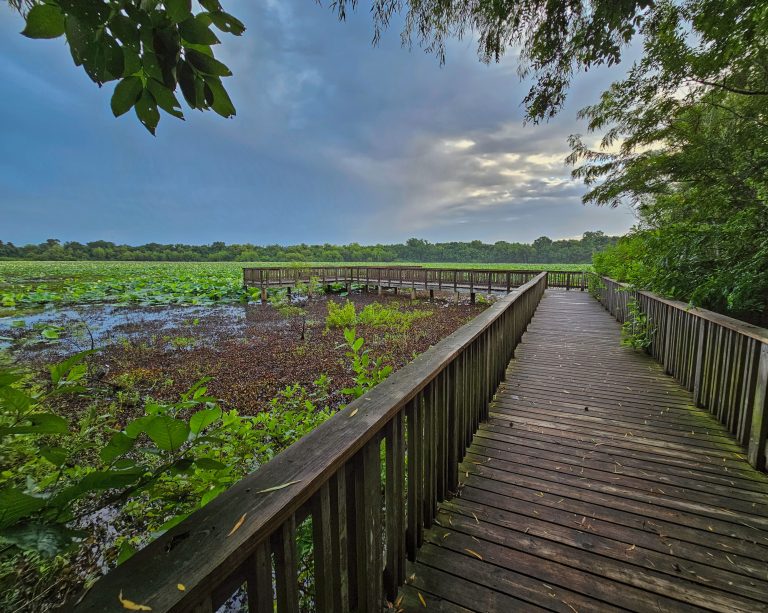
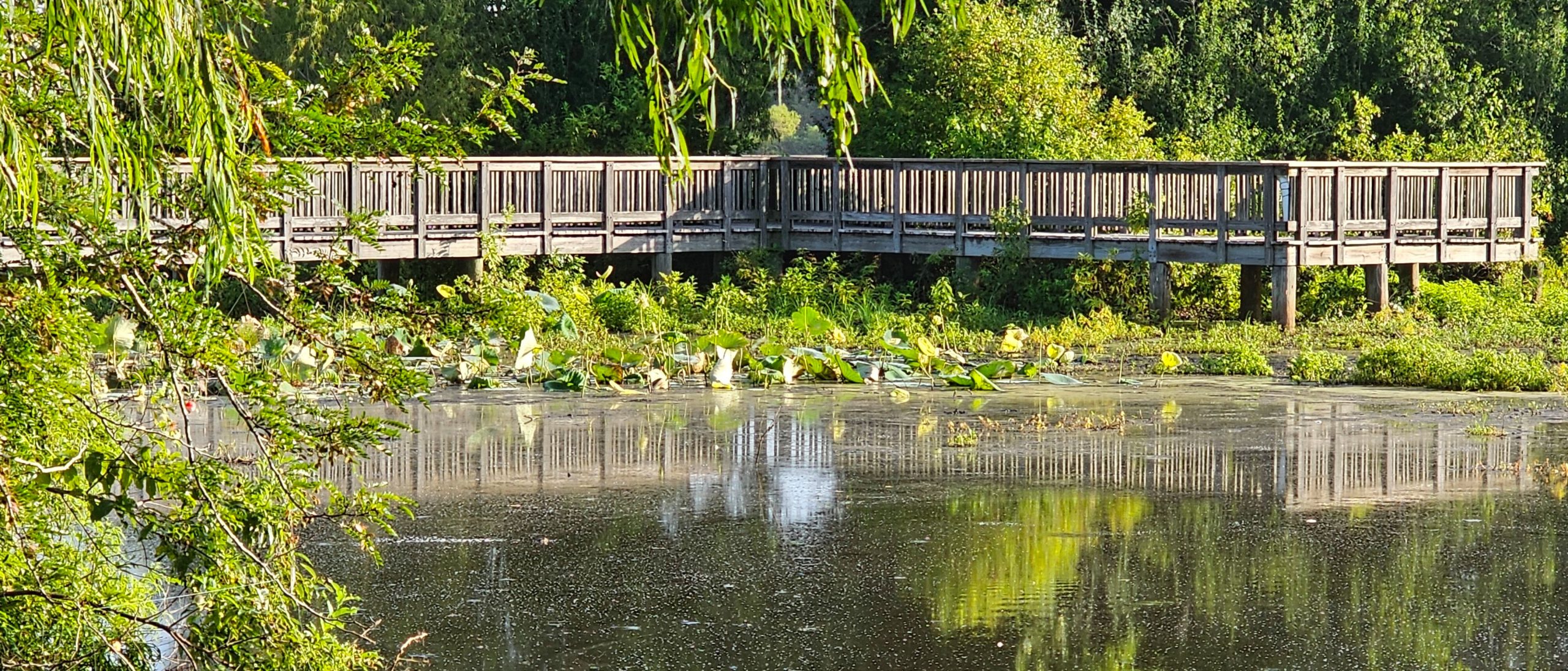
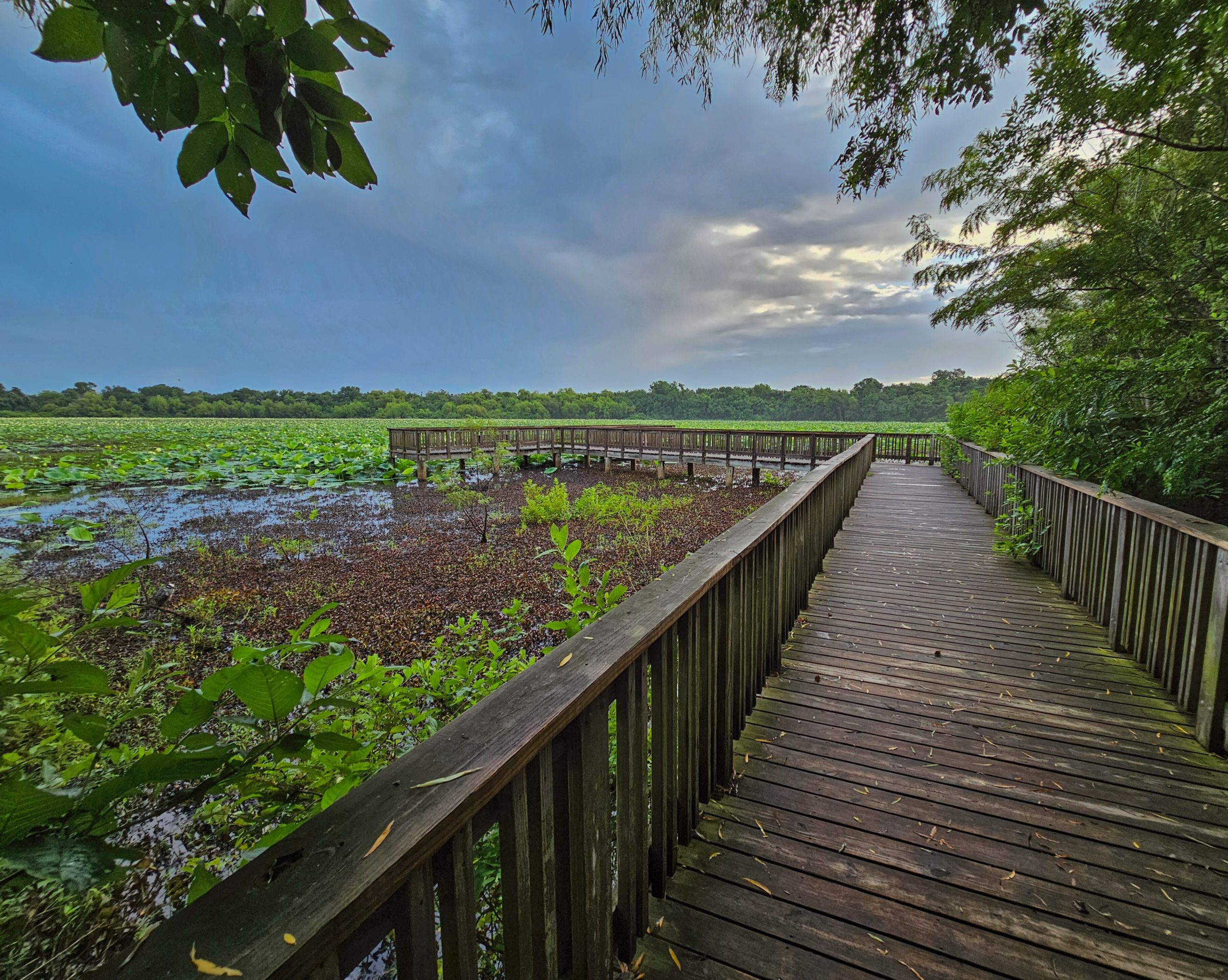
Boardwalk over White Lake, Cullinan Park, Sugar Land, Texas.
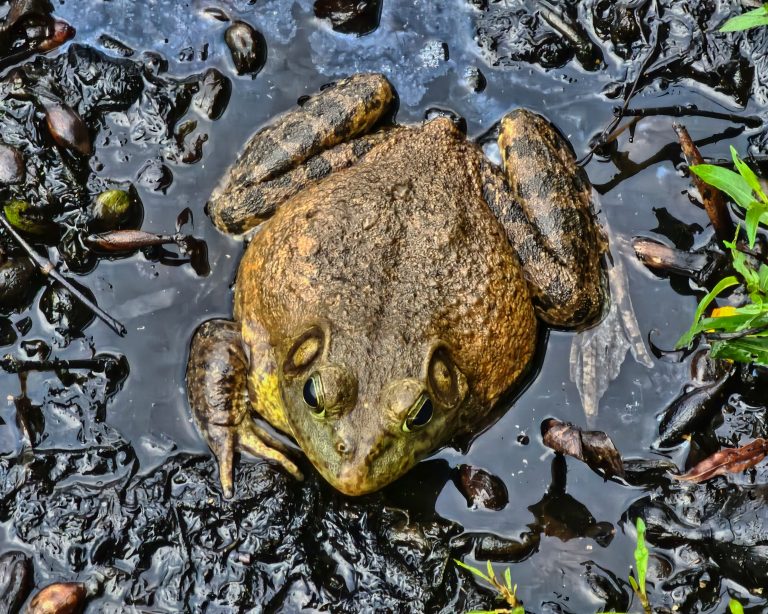
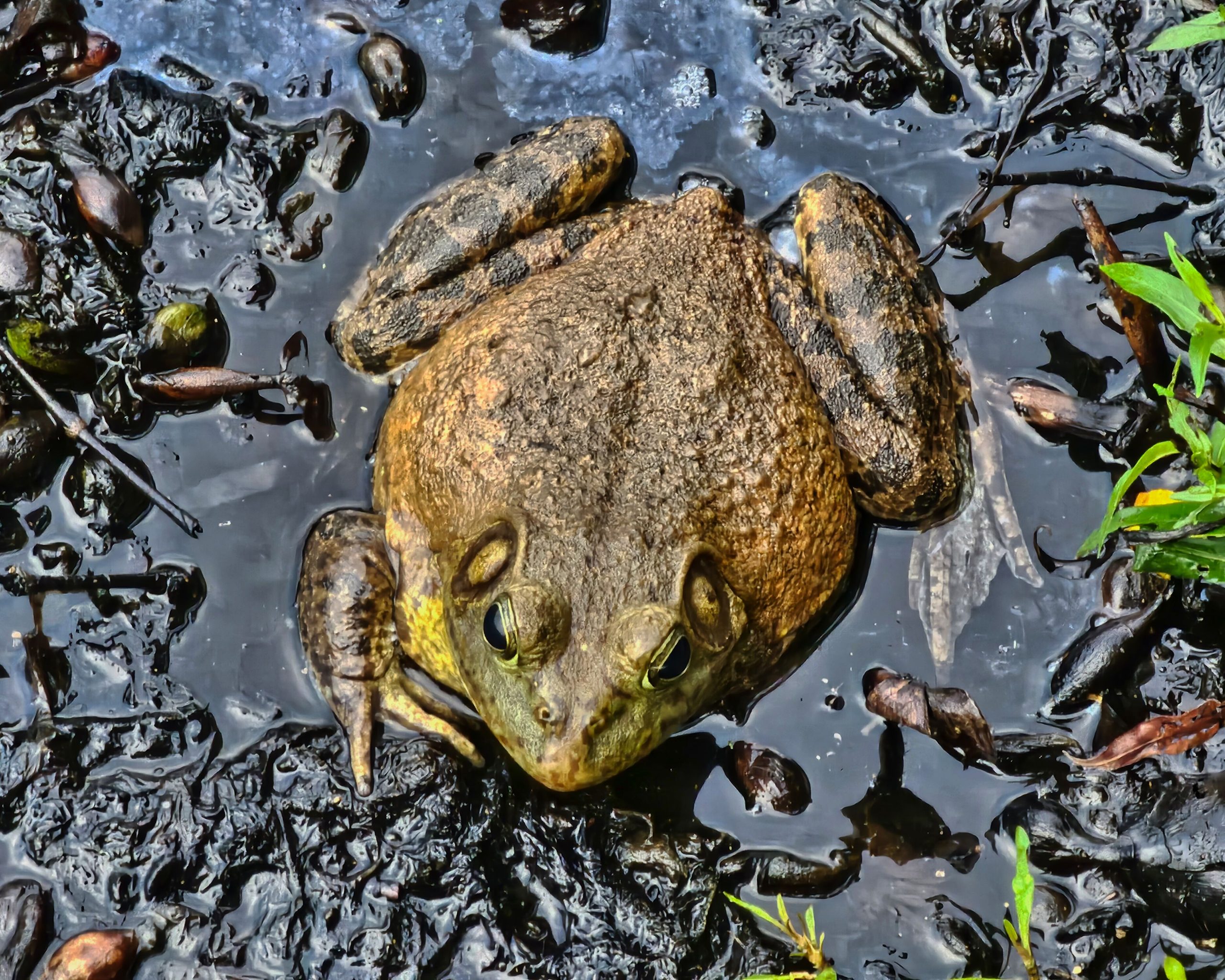
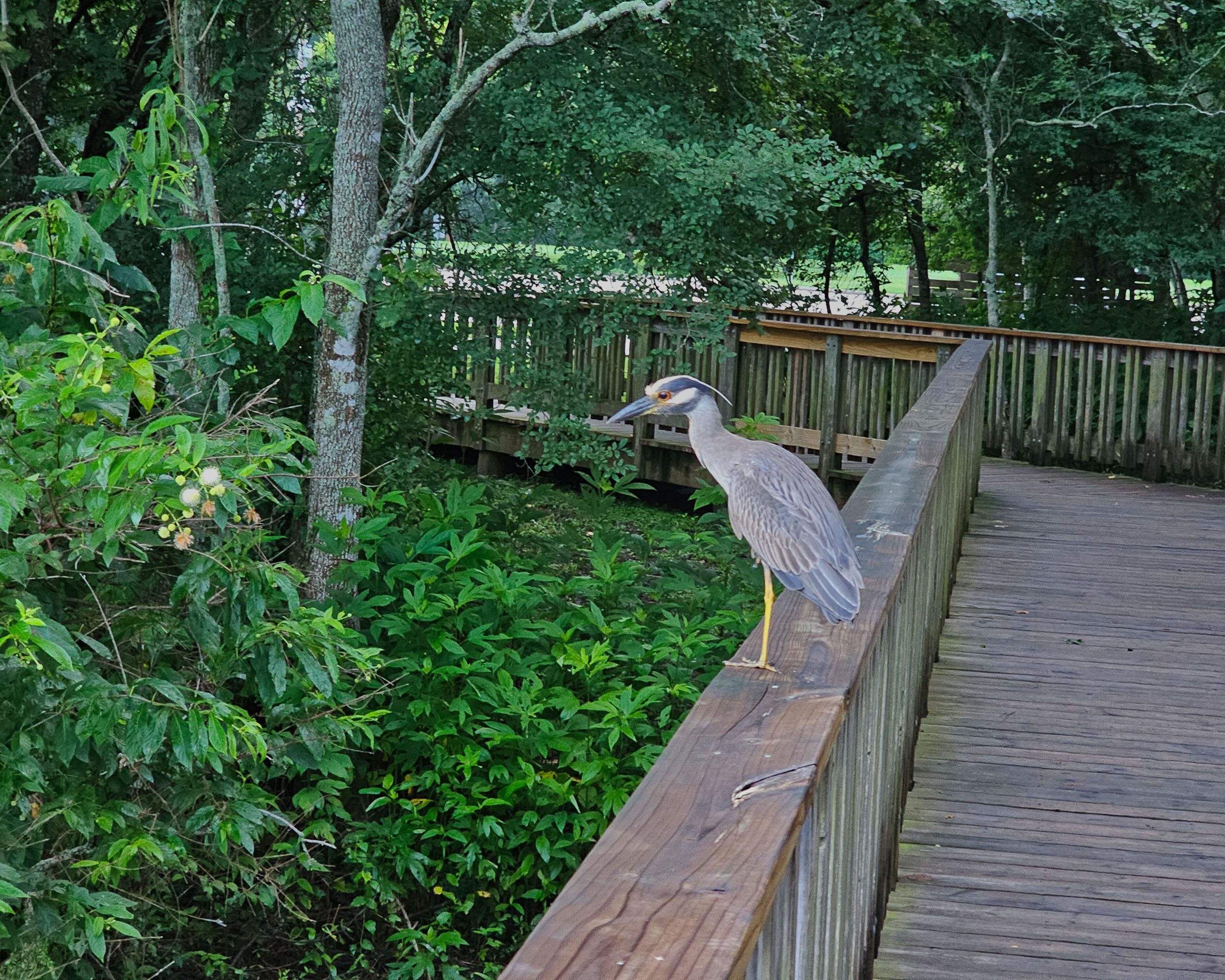
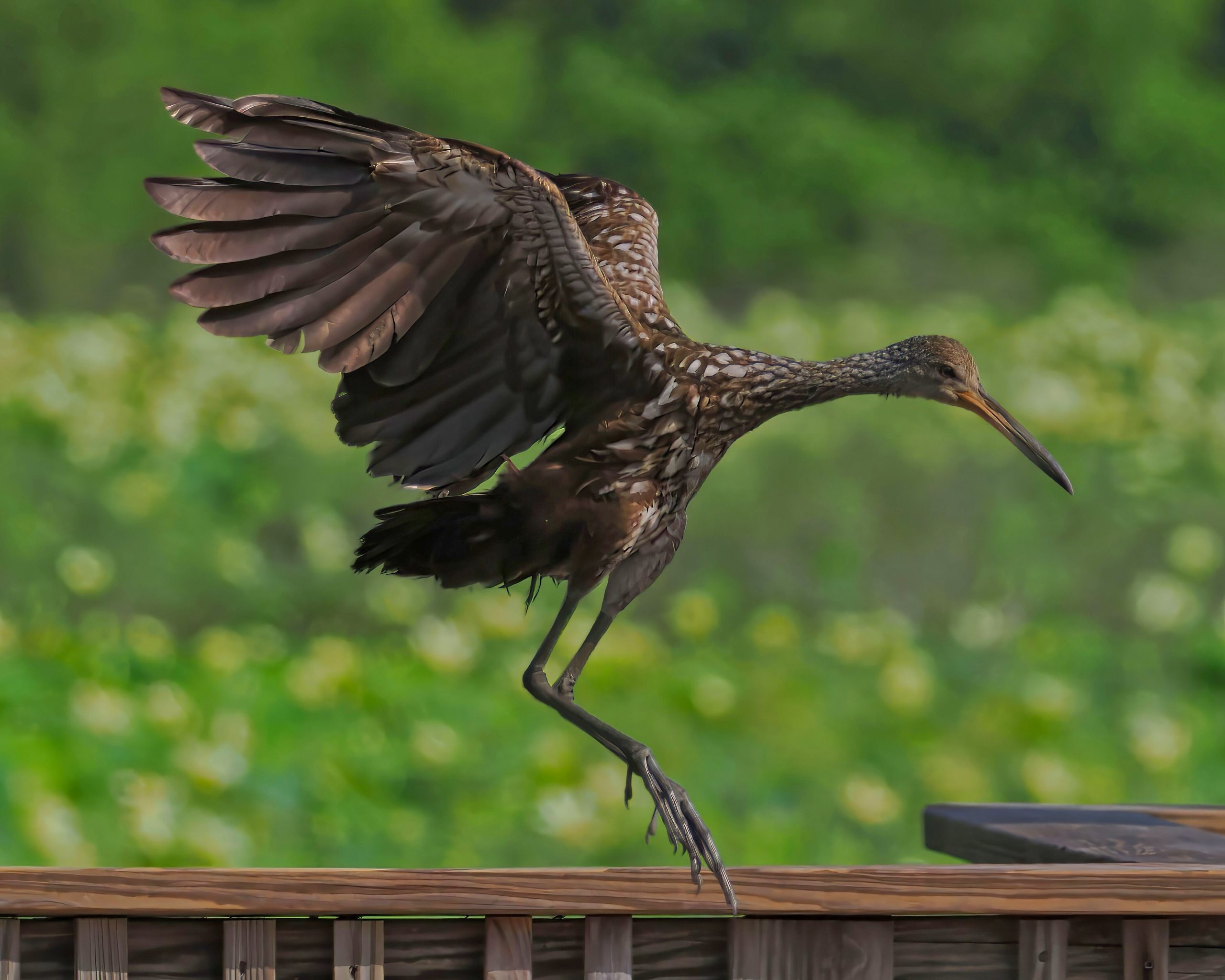
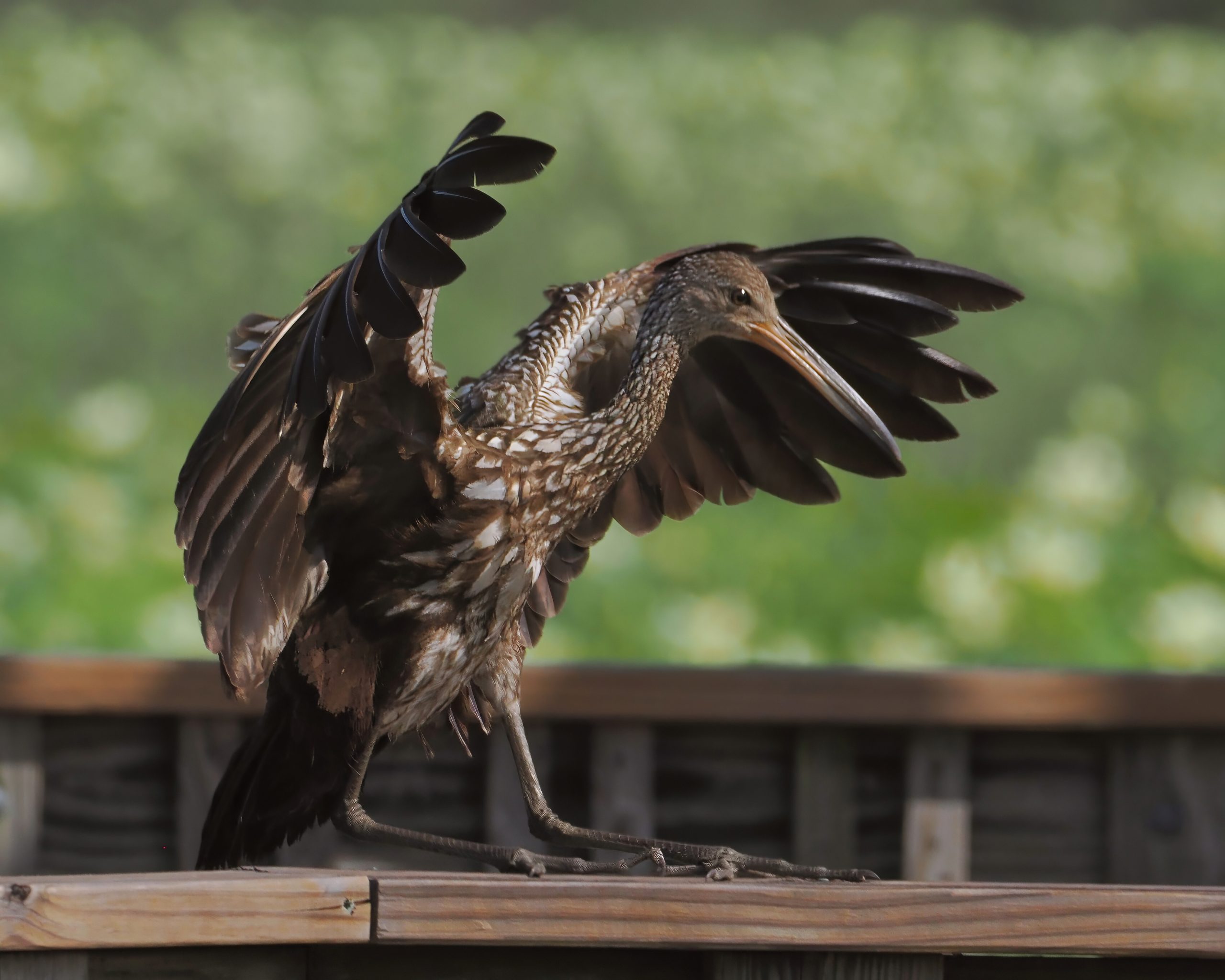
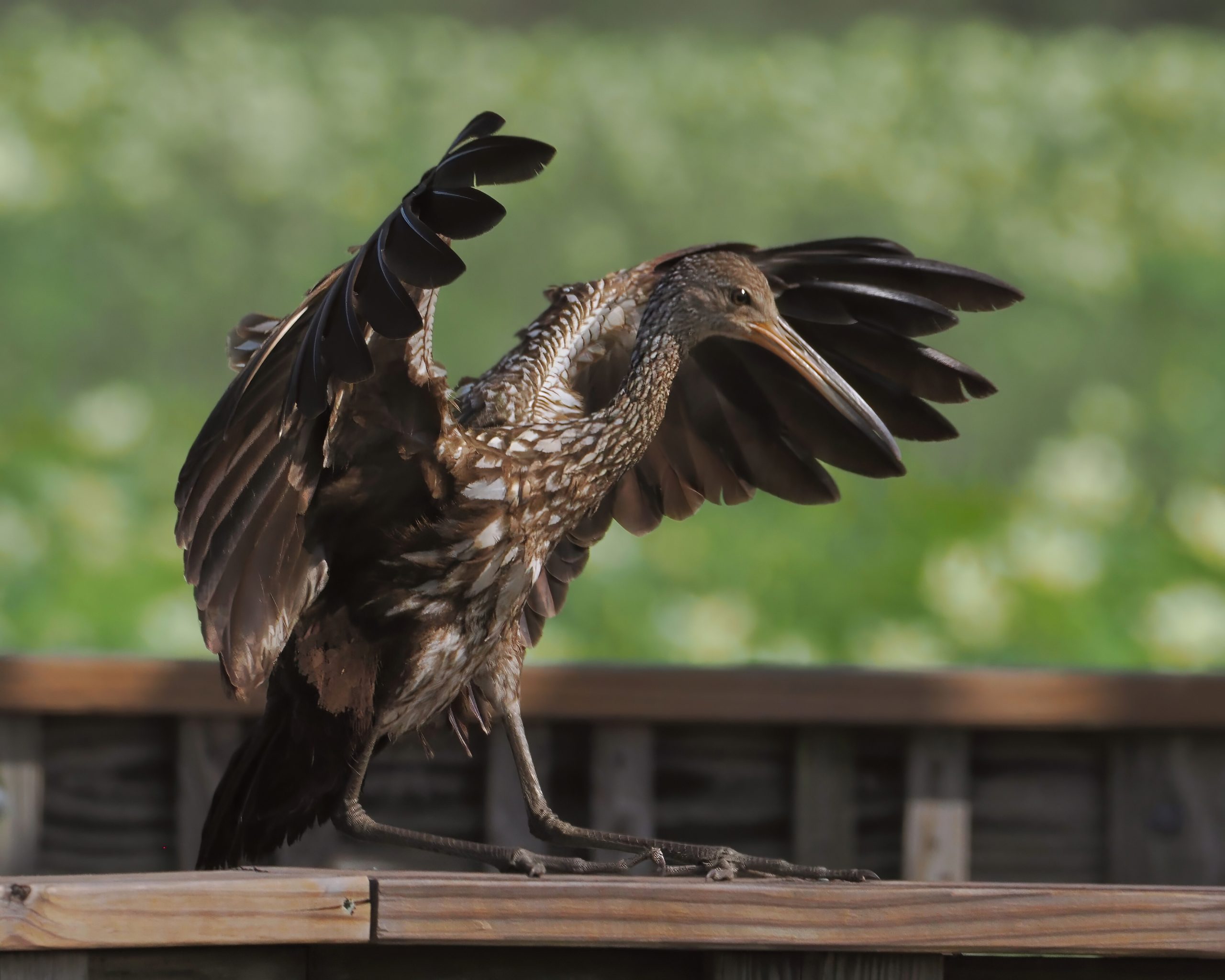
American Bullfrog Lithobates catesbeianus. White Lake, Cullinan Park, Sugar Land, Texas. Nyctanassa violacea. Boardwalk over White Lake, Cullinan Park, Sugar Land, Texas. Aramus guarauna. Cullinan Park, Sugar Land, Texas.
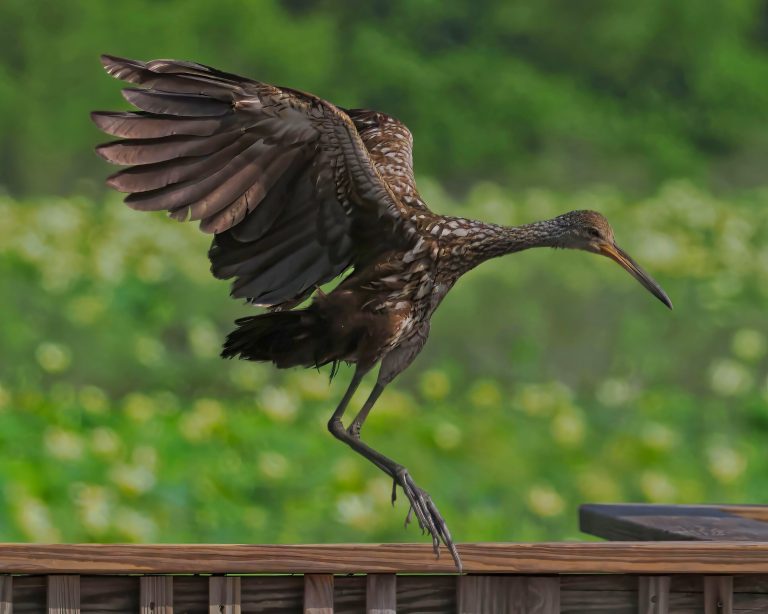
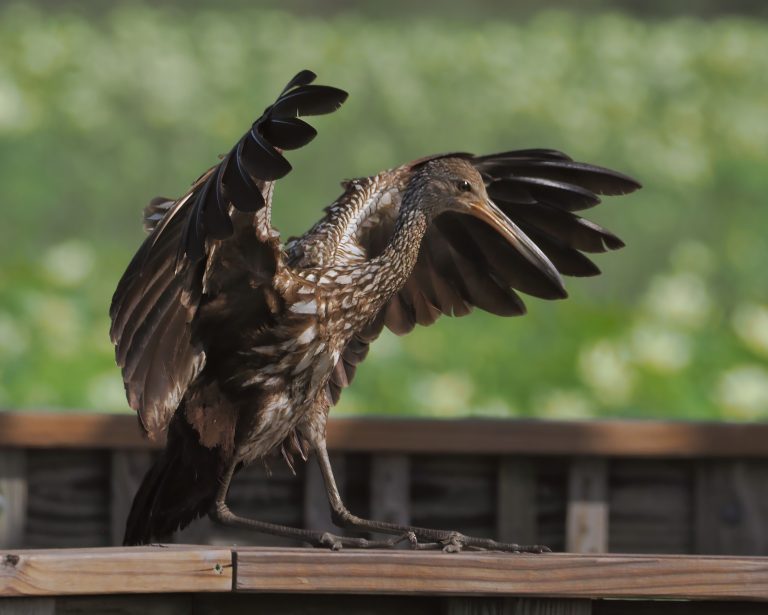
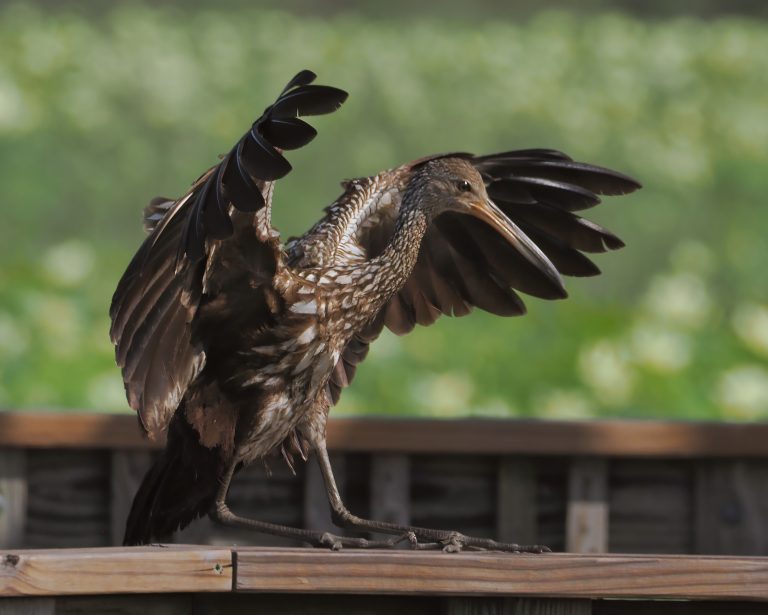
Limpkin Aramus guarauna. Cullinan Park, Sugar Land, Texas.
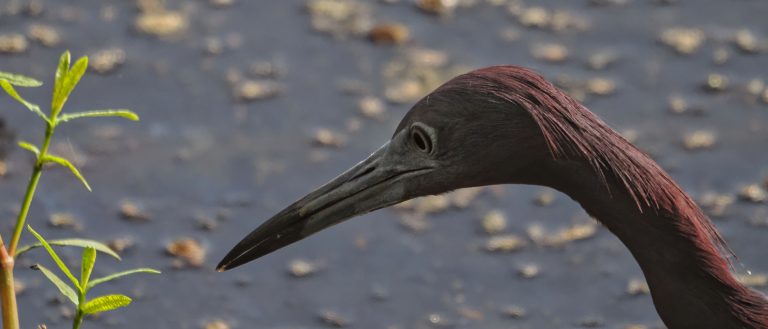
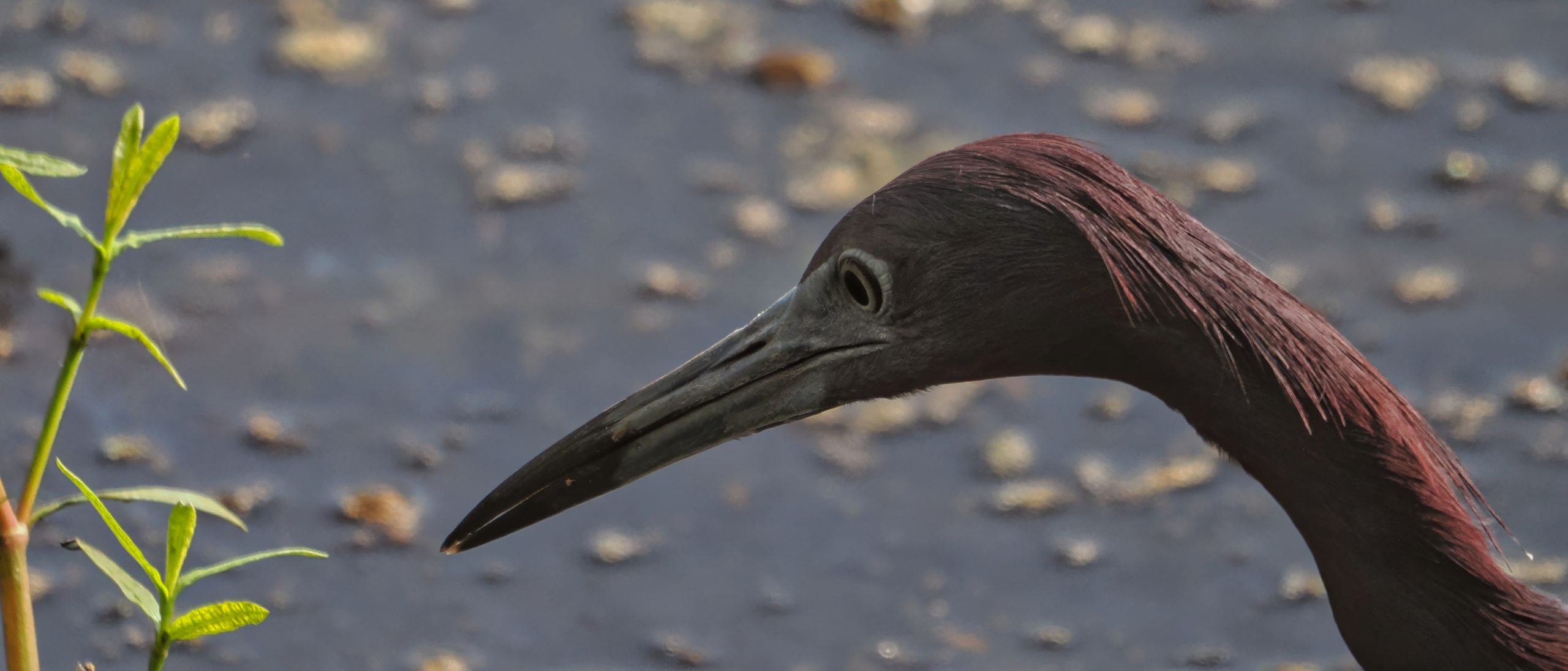
Limpkin Aramus guarauna. Cullinan Park, Sugar Land, Texas. Egretta caerulea. Cullinan Park, Sugar Land, Texas.
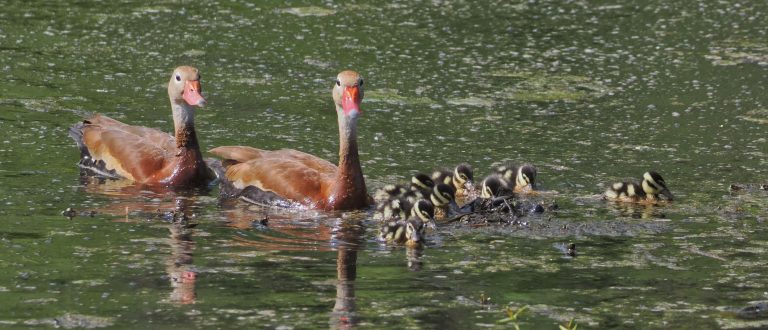
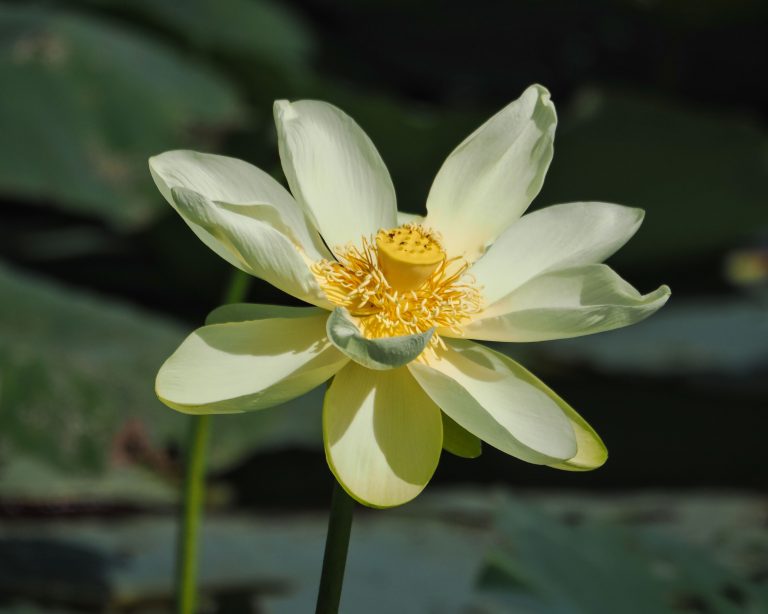
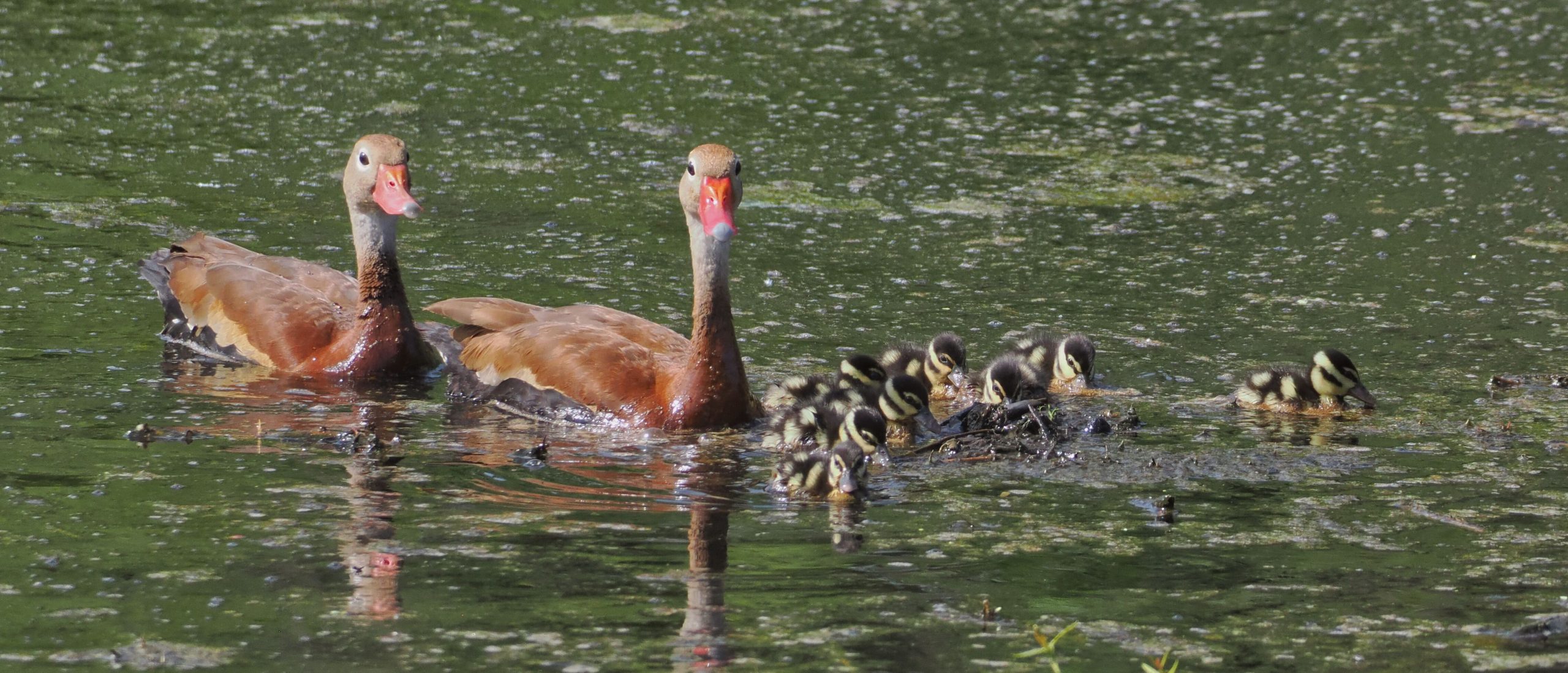
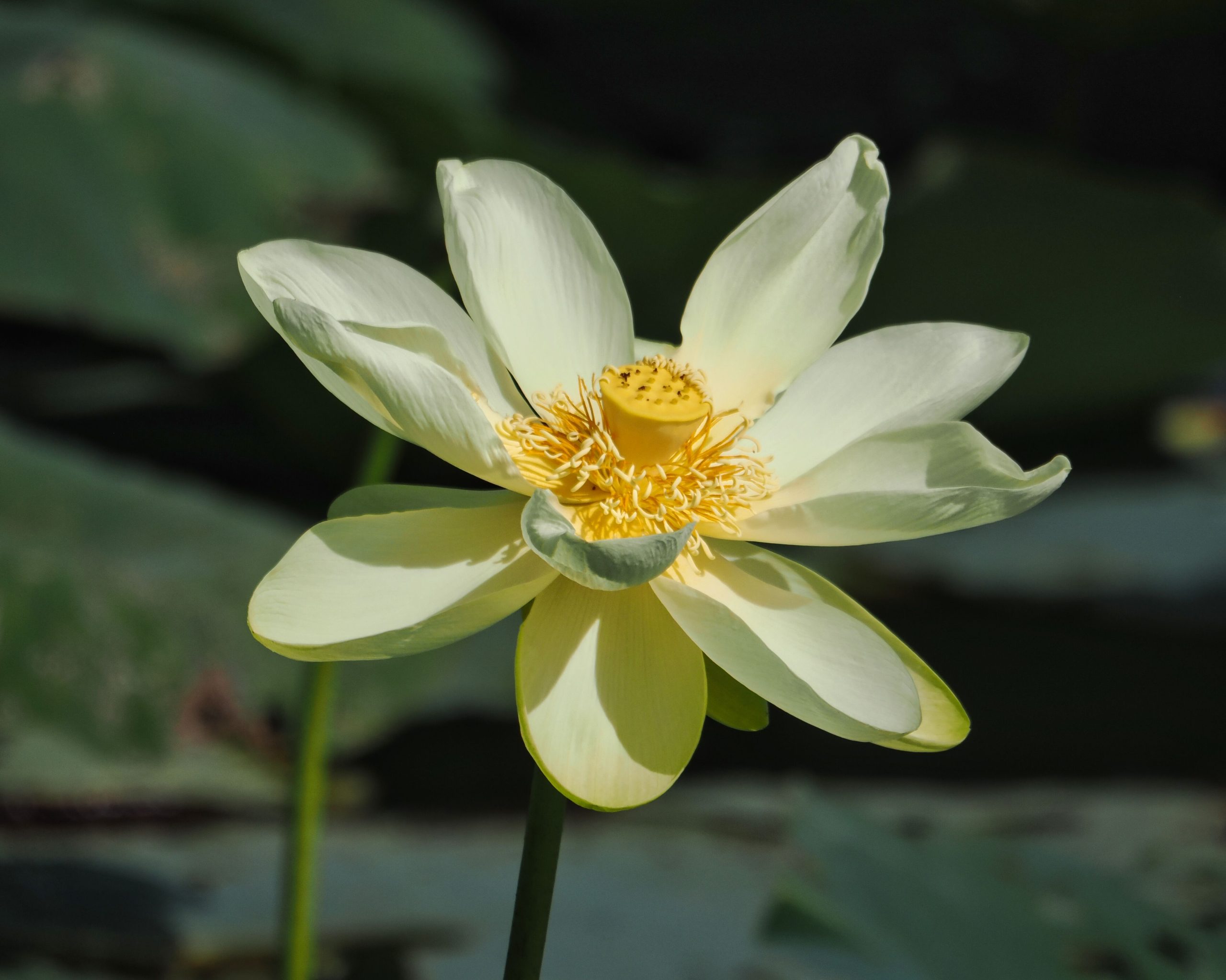
Black-bellied Whistling Ducks Dendrocygna autumnalis with chicks. Cullinan Park, Sugar Land, Texas. Nelumbo lutea. Cullinan Park, Sugar Land, Texas. Egretta caerulea. Cullinan Park, Sugar Land, Texas.
Roseate Spoonbill. Platalea ajaja. Suburban Edgewater Lake, Sugar Land, Texas.
Roseate Spoonbill. Platalea ajaja. Suburban Edgewater Lake, Sugar Land, Texas.
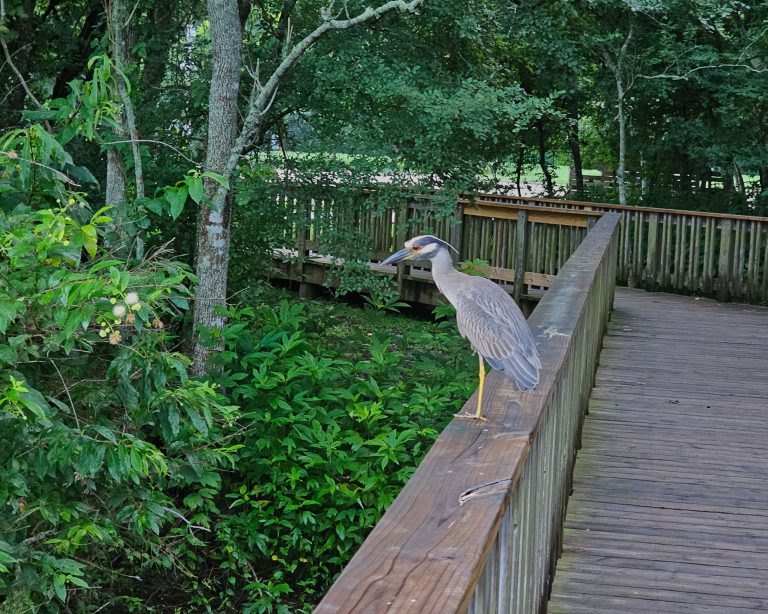
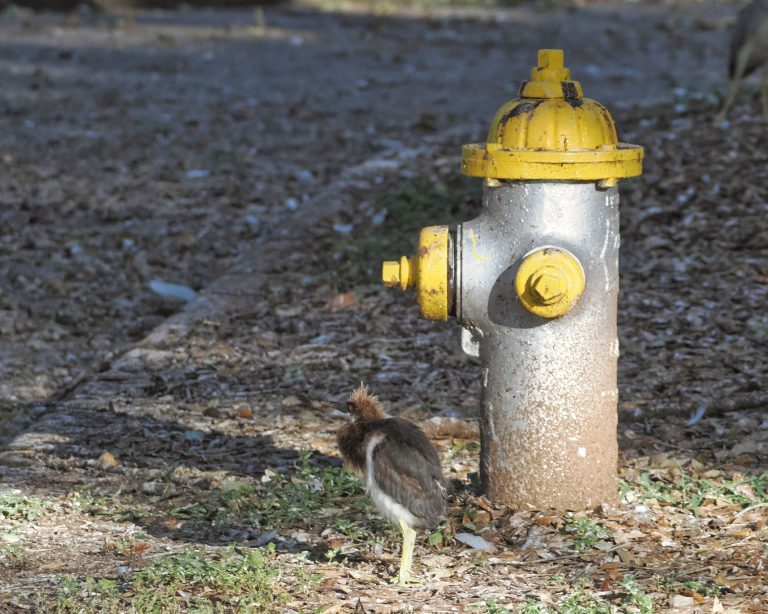
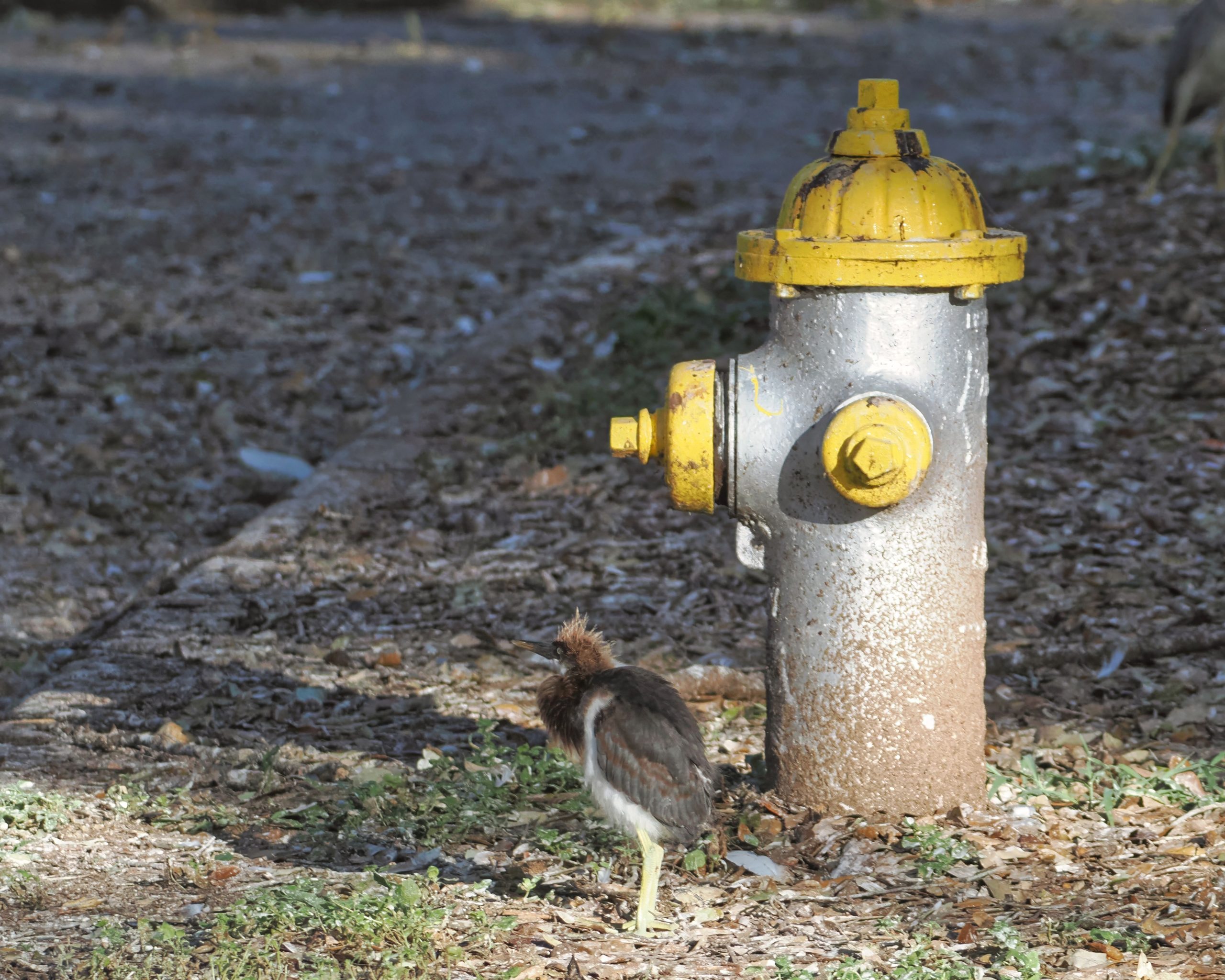
Roseate Spoonbill family. Edgewater Lake, Sugar Land, Texas. Egretta tricolor. Chick. Perhaps fallen from the rookery in tree above. Near Edgewater Lake, Sugar Land Texas. Nyctanassa violacea. Much observed. Cullinan Park, Sugar Land, Texas.
John Hargrove Environmental Complex (AKA Delores Fenwick Nature Center), Pearland, Texas.
Roseate Spoonbill Platalea ajaja. John Hargrove Environmental Complex (AKA Delores Fenwick Nature Center), Pearland, Texas.
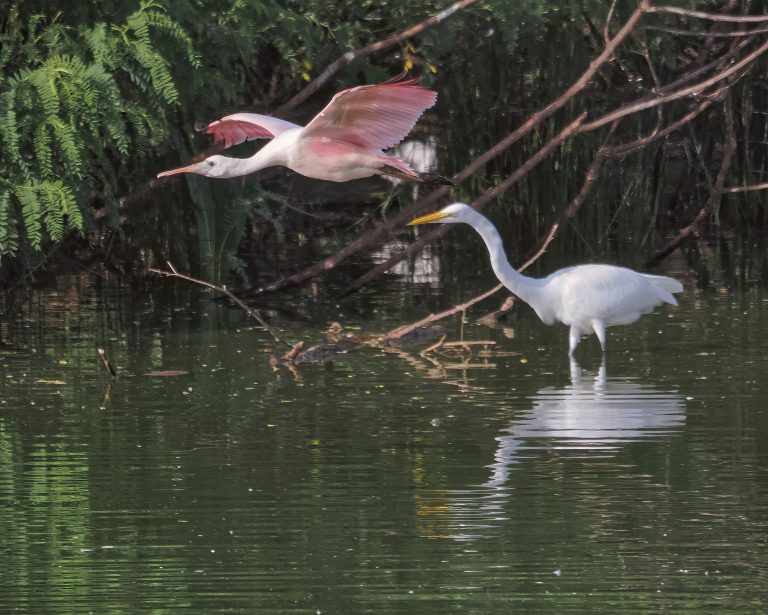
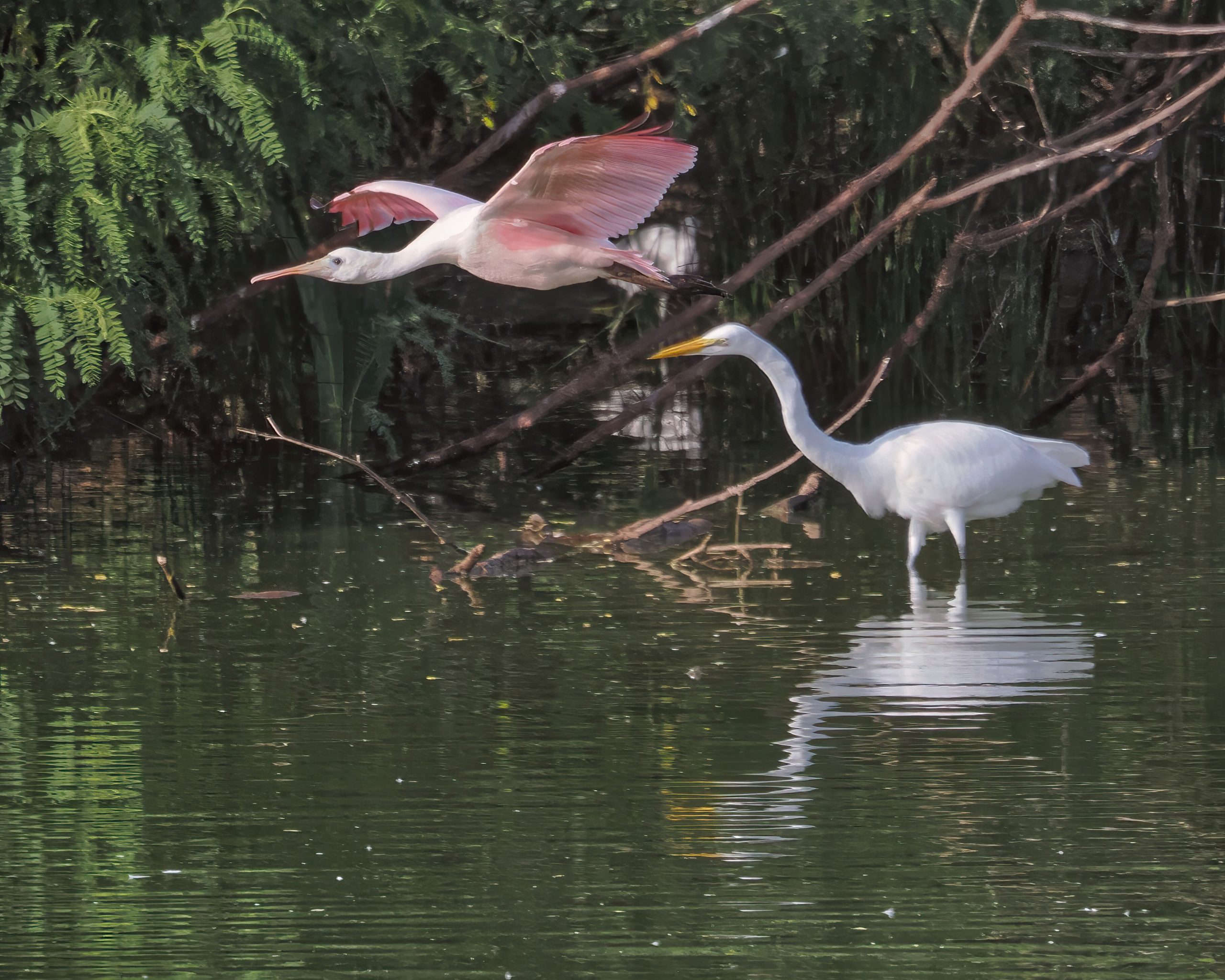
Roseate Spoonbill passing by a Great Egret. John Hargrove Environmental Complex (AKA Delores Fenwick Nature Center), Pearland, Texas.
Roseate Spoonbills. Platalea ajaja. John Hargrove Environmental Complex (AKA Delores Fenwick Nature Center), Pearland, Texas. Platalea ajaja. John Hargrove Environmental Complex (AKA Delores Fenwick Nature Center), Pearland, Texas.
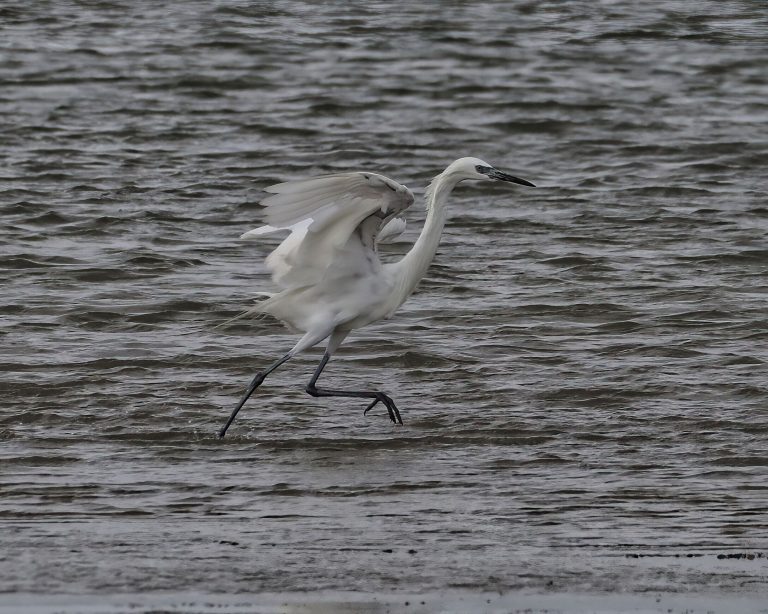
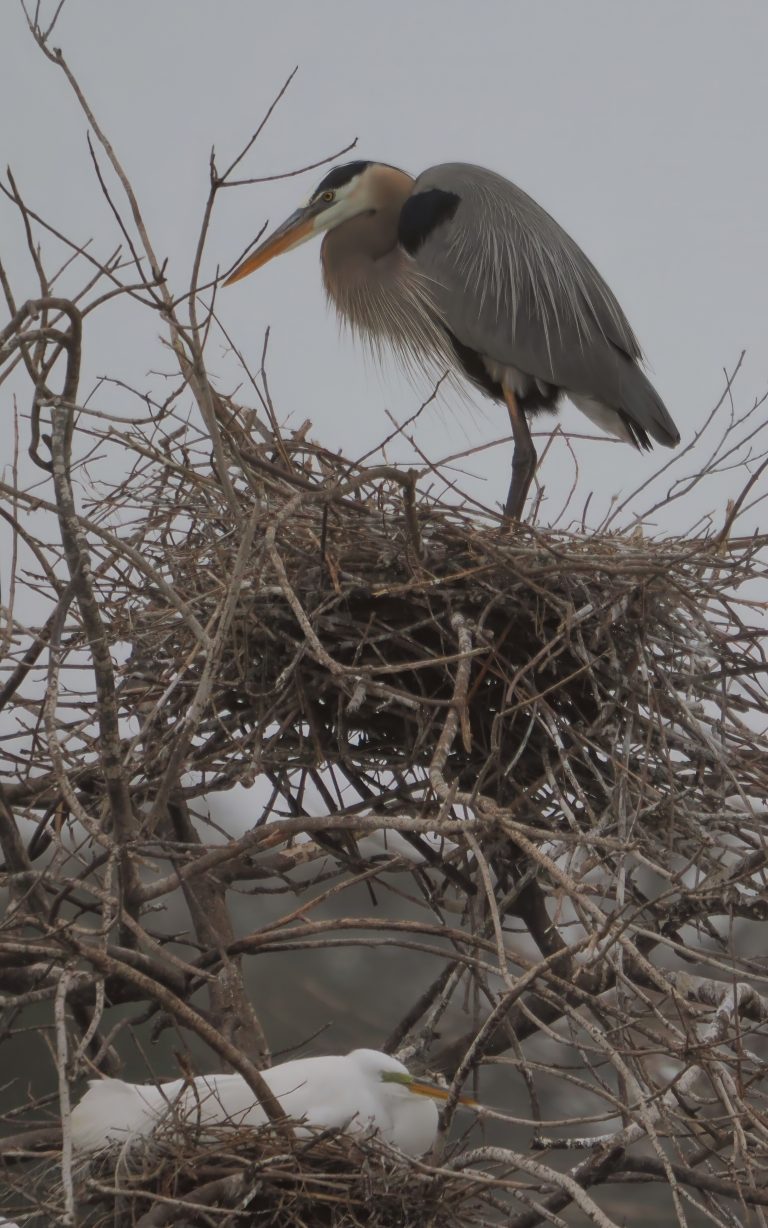
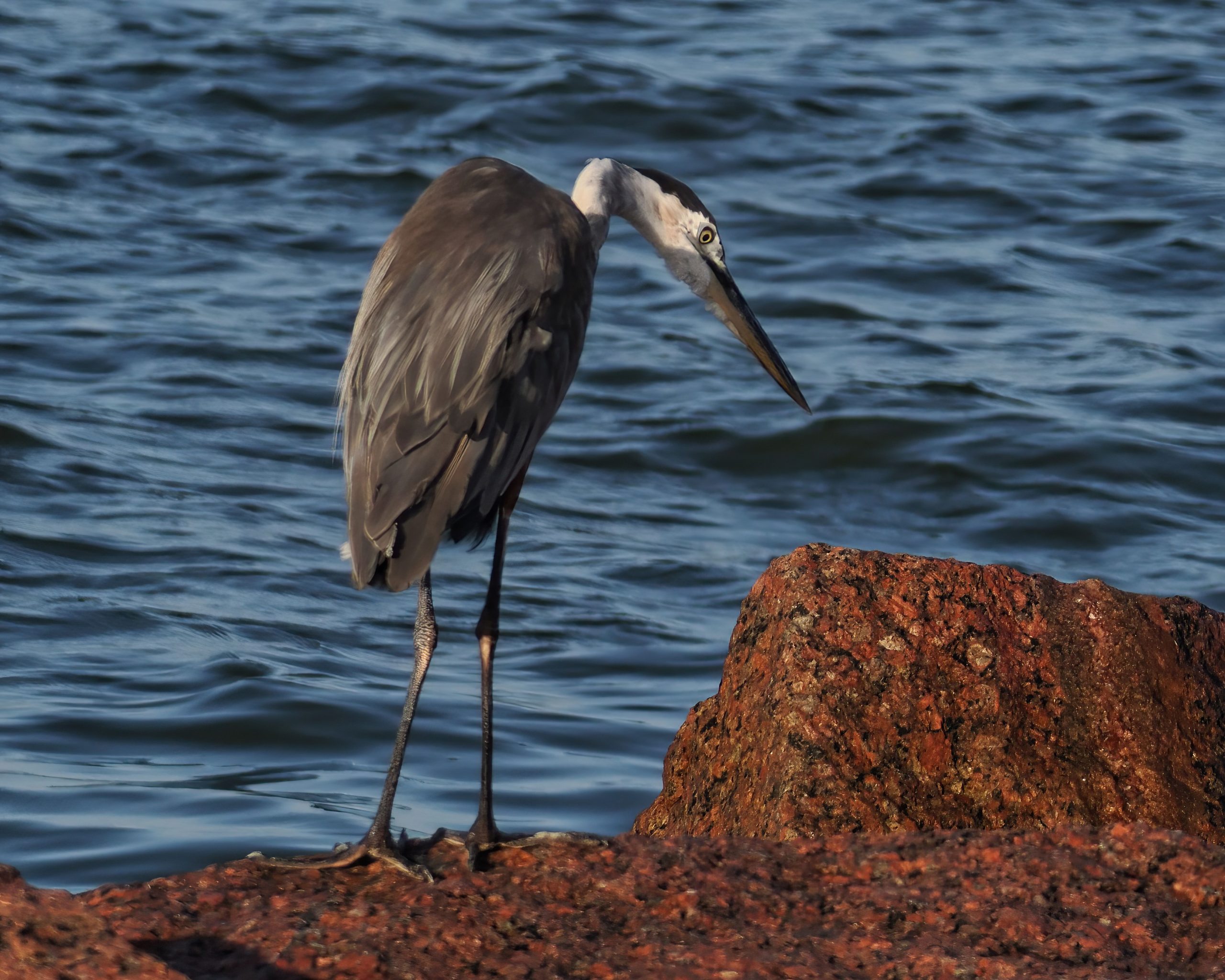
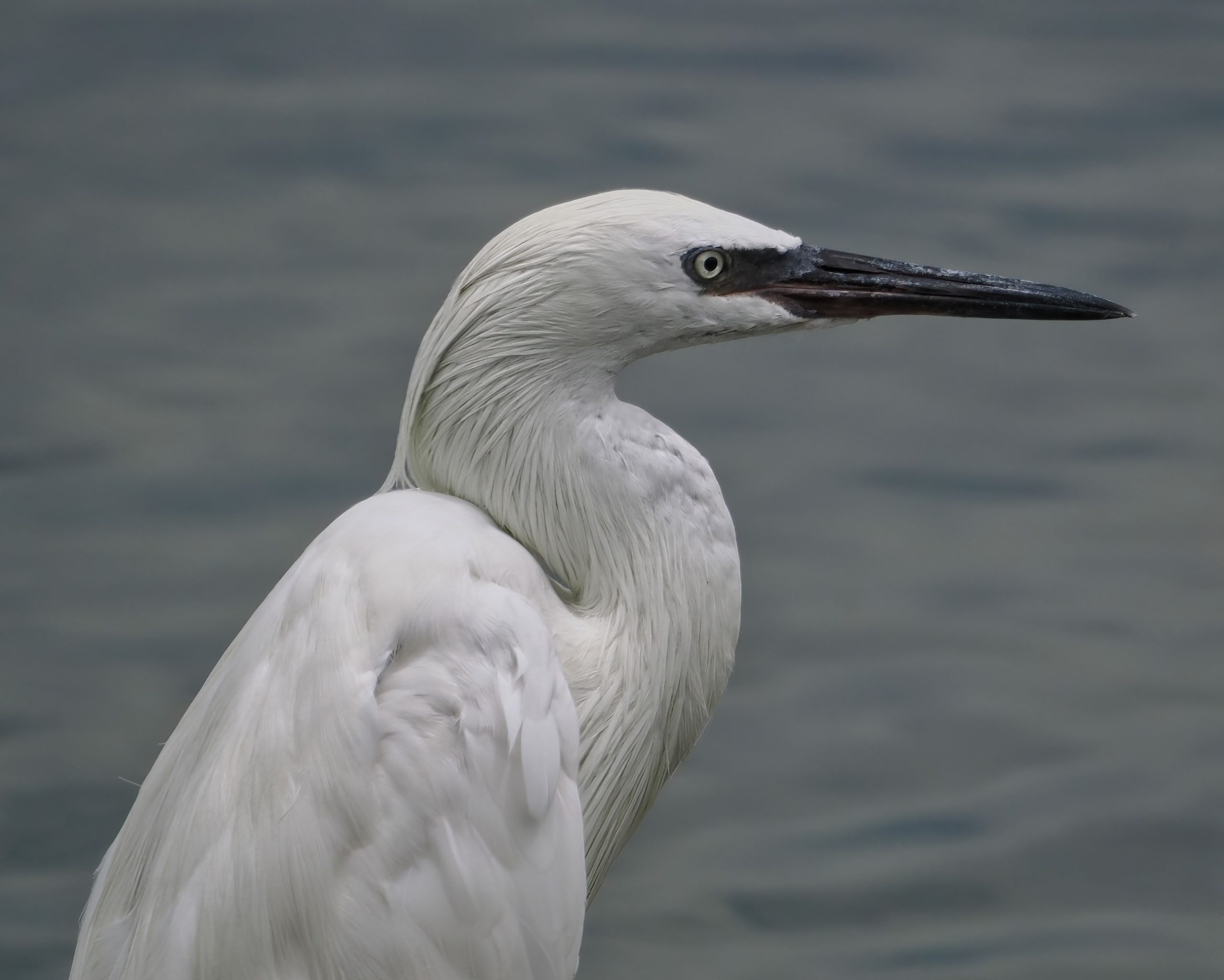
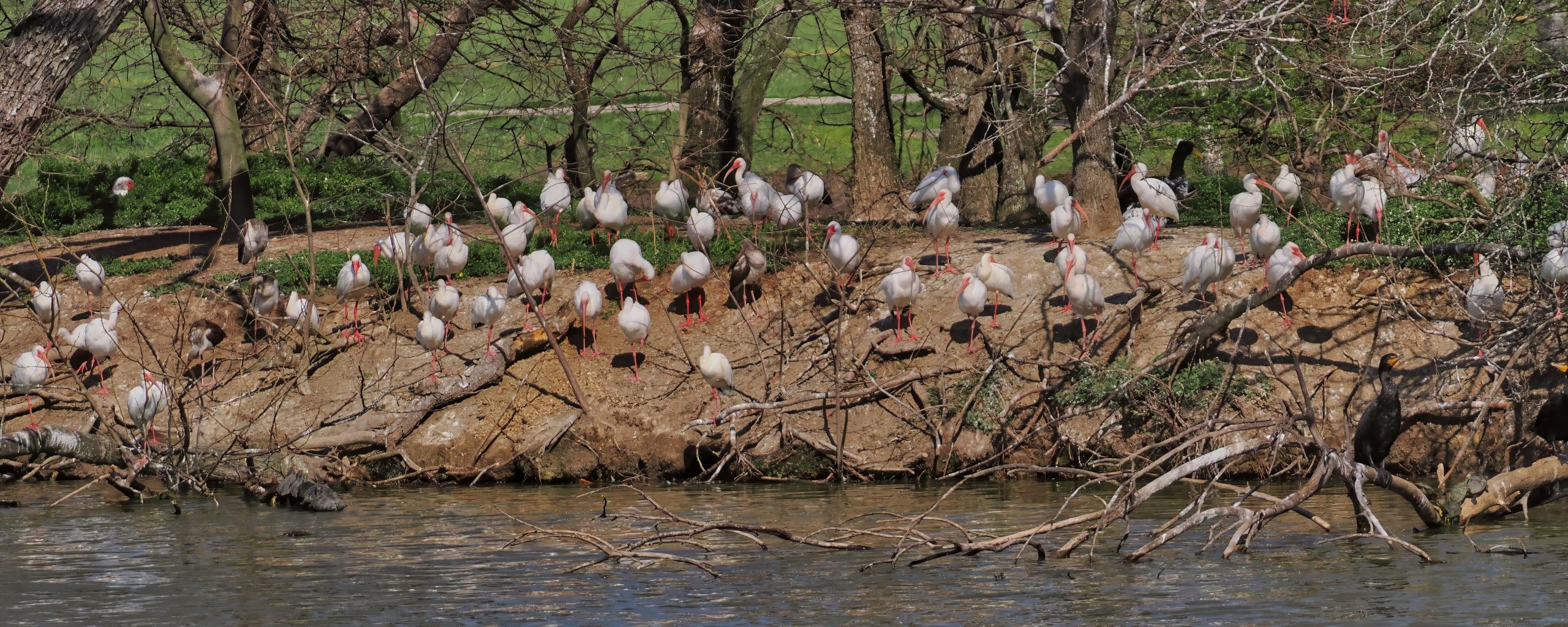
Ibis at Leonabelle Turnbull Birding Center, Port Aransas, Texas. Thalasseus maximus. Packery Channel jetty beach at the south end of Mustang Island, Texas. Egretta rufescens. Adult Reddish Egrets have two color morphs, a rare all-white morph, which this is, and a darker bluish and reddish morph, which is more common, but not THAT common. Photographed at the Leonabelle Turnbull Birding Center, Port Aransas, Texas. Leucophaeus atricilla. Leonabelle Turnbull Birding Center, Port Aransas, Texas. Ardea herodias. Mature, probably aging, Great Blue, but what a great place to spend your later years! Photographed at the Leonabelle Turnbull Birding Center, Port Aransas, Texas.
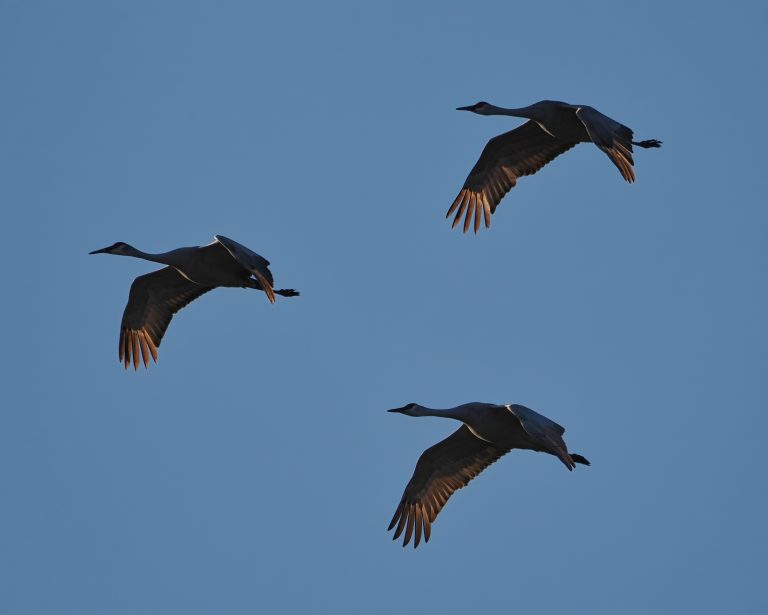
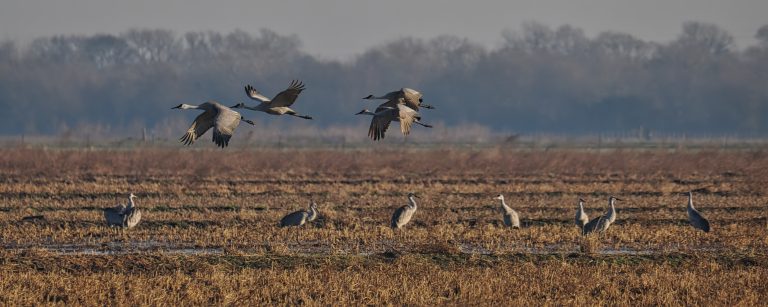
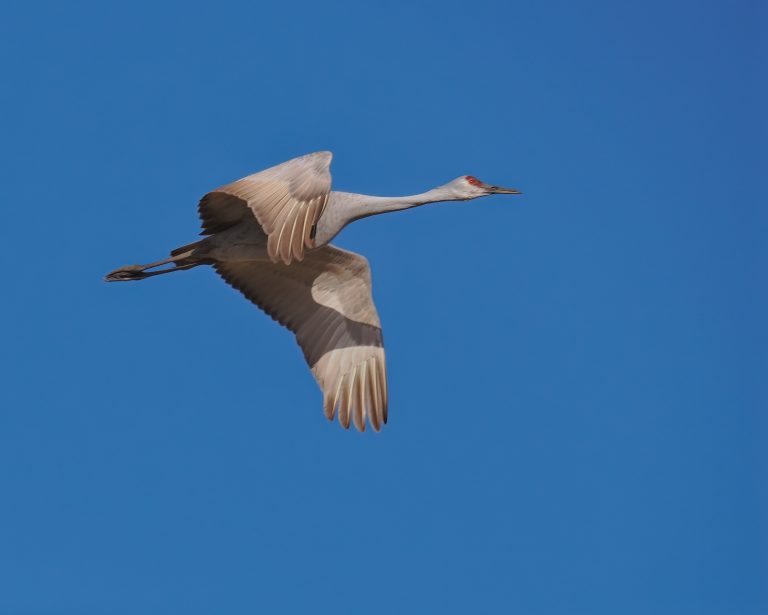
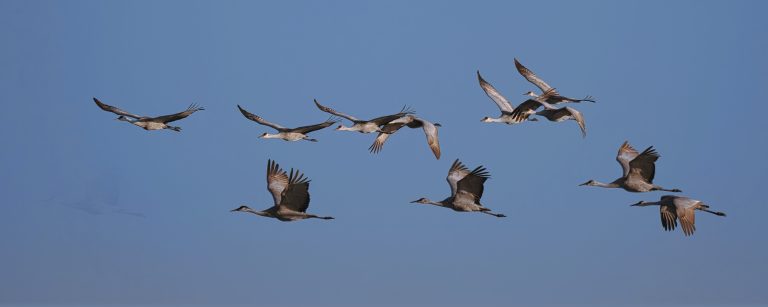
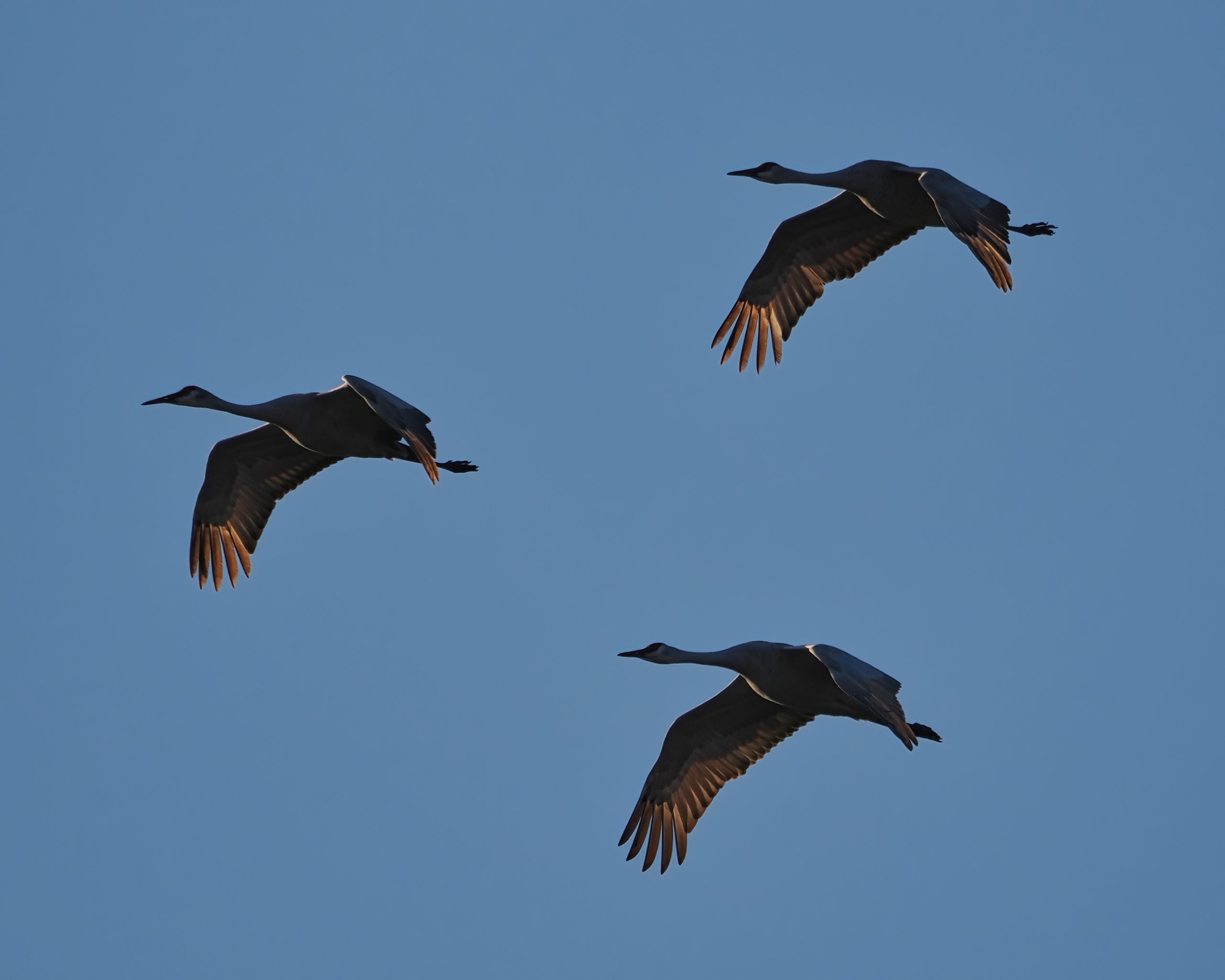
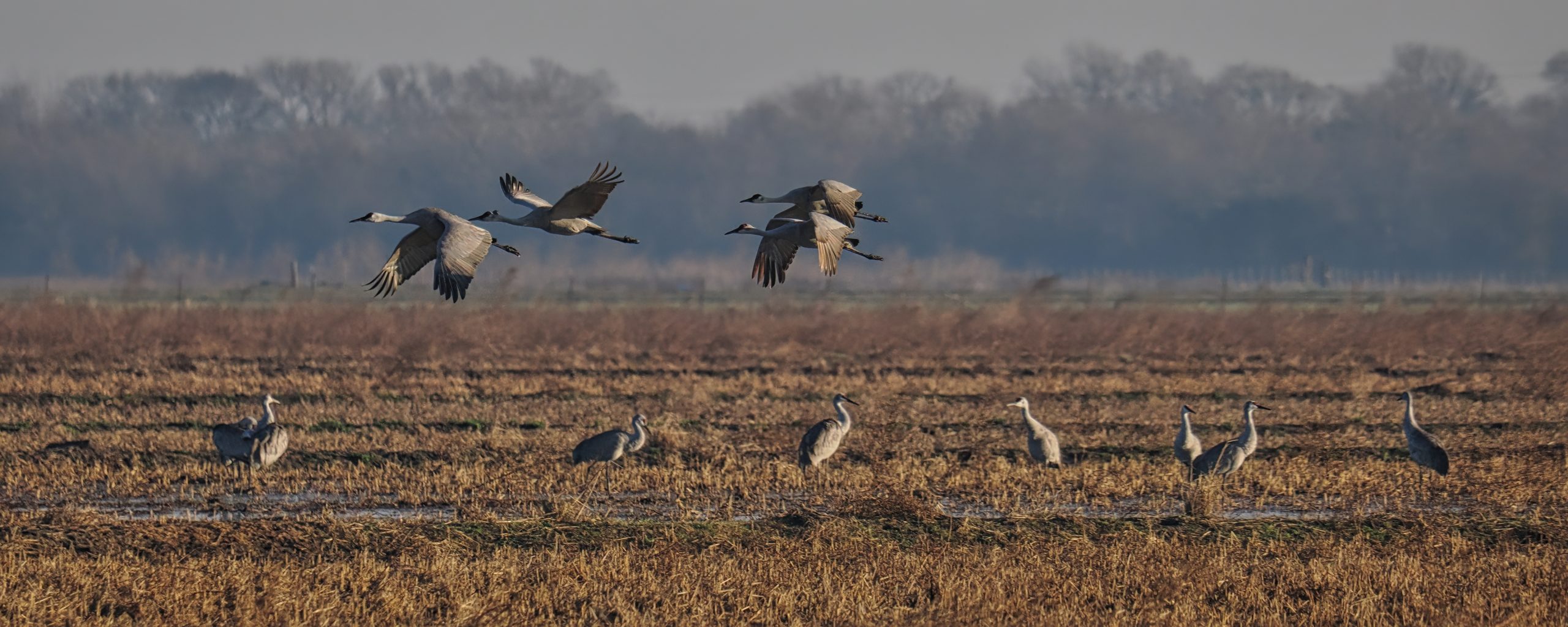
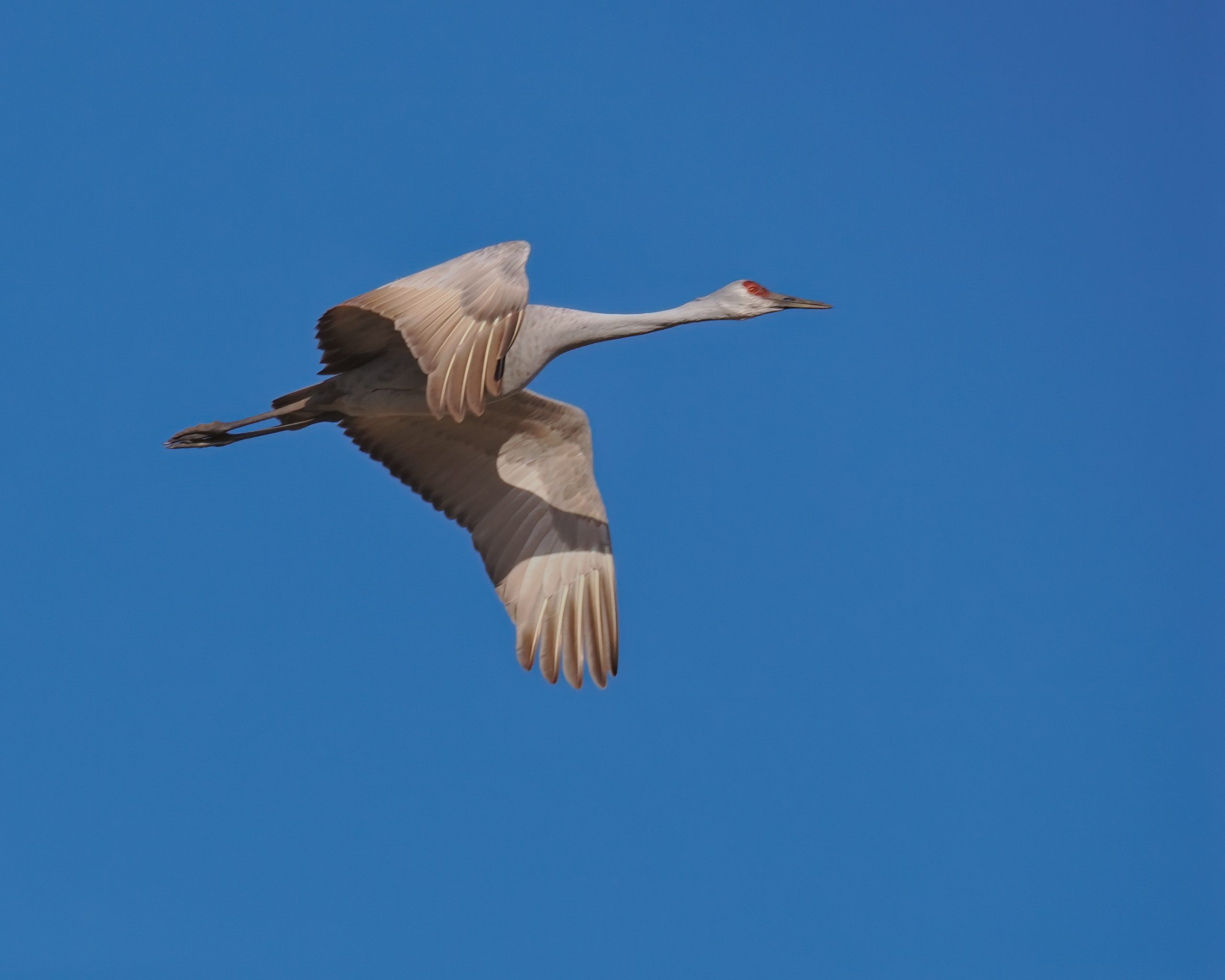
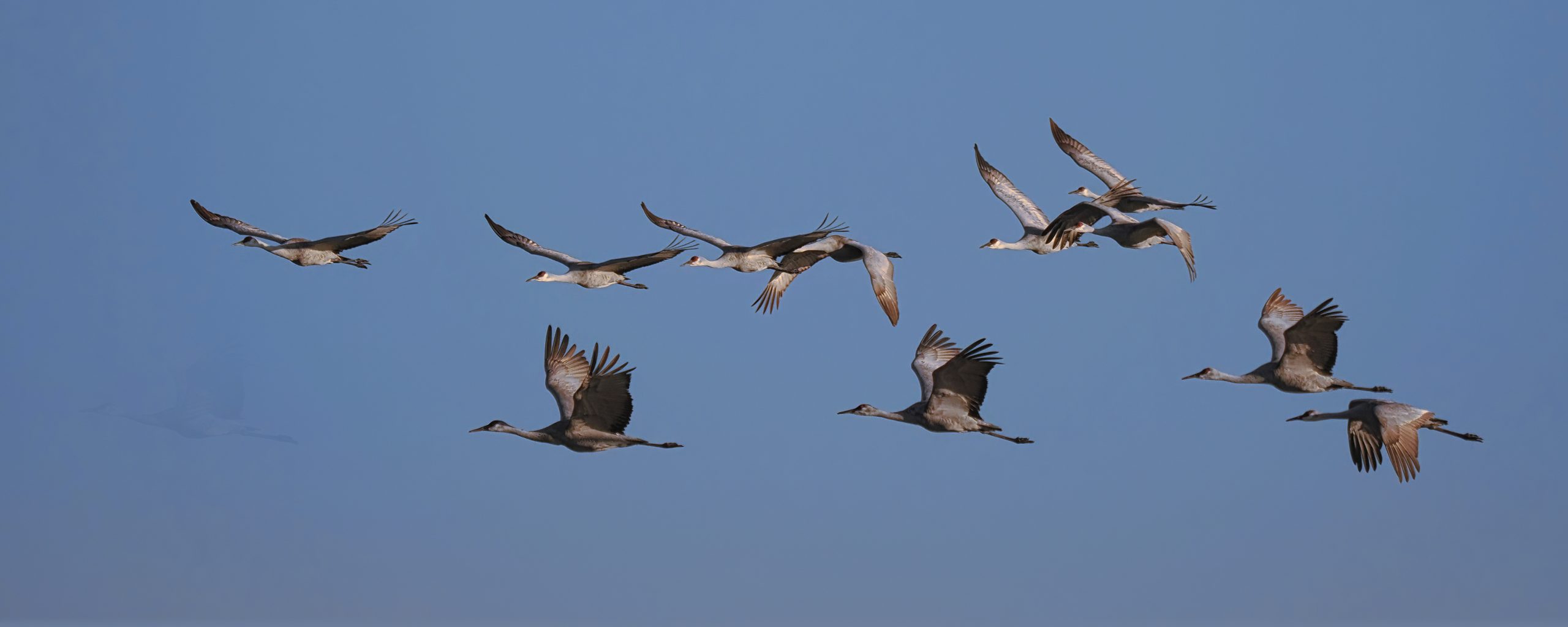
Sandhill Cranes (Antigone canadensis) winter in Texas (and elsewhere, notably Bosque del Apache National Wildlife Refuge in New Mexico). In Texas they commonly feed in harvested rice fields during the day such as those found near Darst Road in Beasley (see #1 of 4). In the morning they fly to rice fields from their roosts (in places unknown to me). During the day they occasionally fly from field to field. In the evening they return to roost. The season is commonly from November through March.
Sandhill Cranes (Antigone canadensis) winter in Texas (and elsewhere, notably Bosque del Apache National Wildlife Refuge in New Mexico). In Texas they commonly feed in harvested rice fields during the day such as those found near Darst Road in Beasley (see #1 of 4). In the morning they fly to rice fields from their roosts (in places unknown to me). During the day they occasionally fly from field to field. In the evening they return to roost. The season is commonly from November through March. Bubulcus ibis. Resoft County Park, Alvin, Texas.
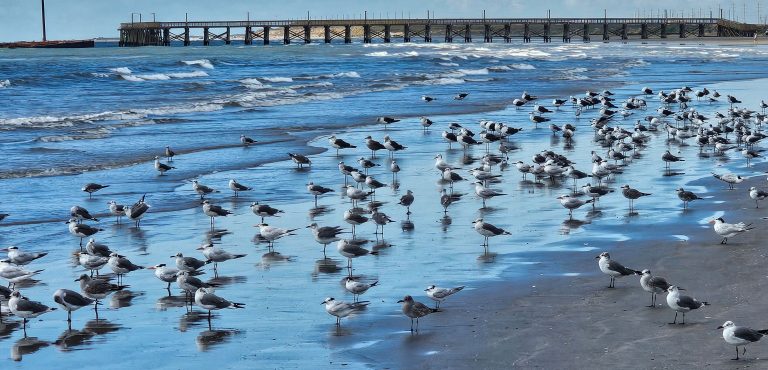
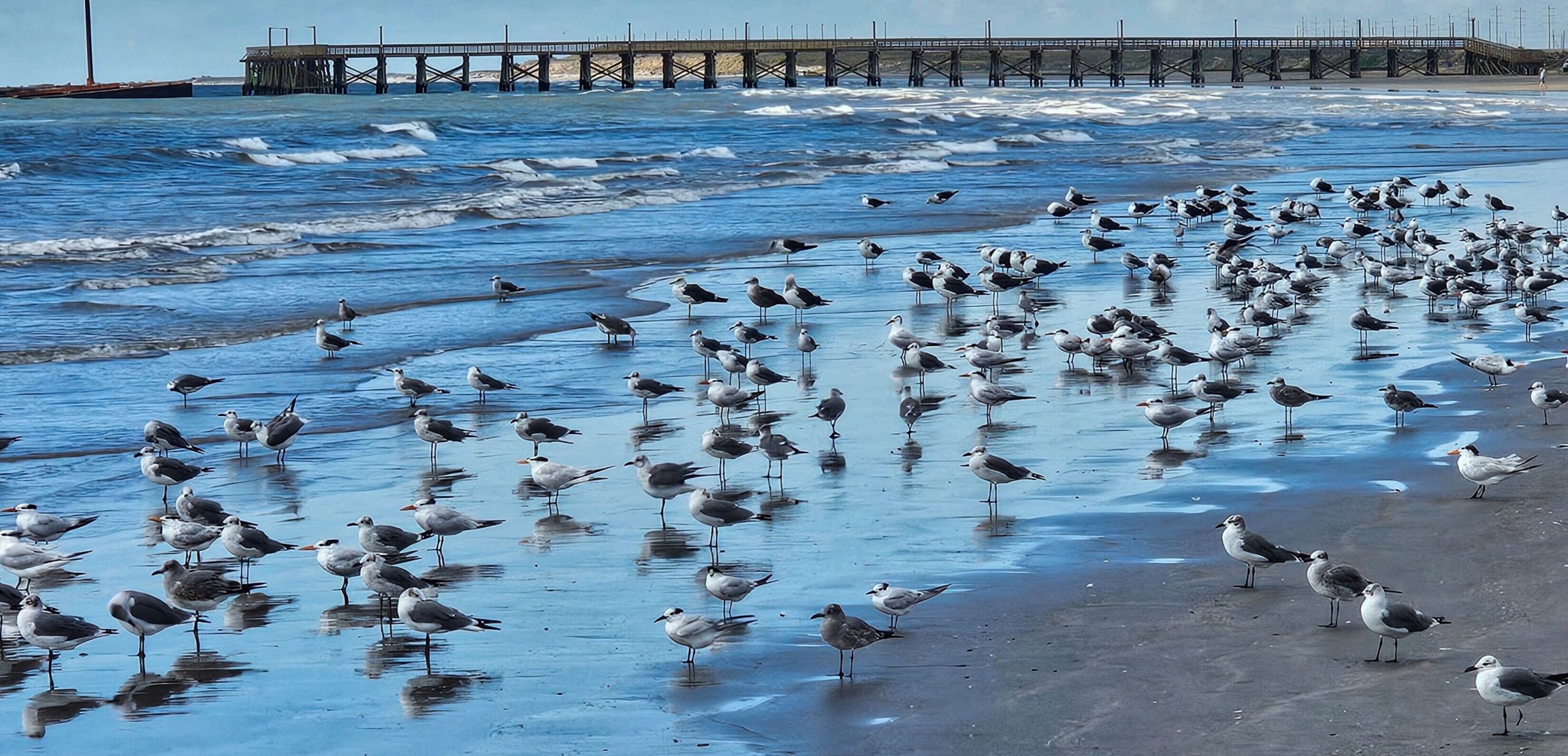
Gulls, Terns and one Sanderling. Can you find it? Quintana Beach, Texas.
Roseate Spoonbills (Platalea ajaja). Long story about the name of this nature preserve, but it always satisfies. Galveston Island, Texas.
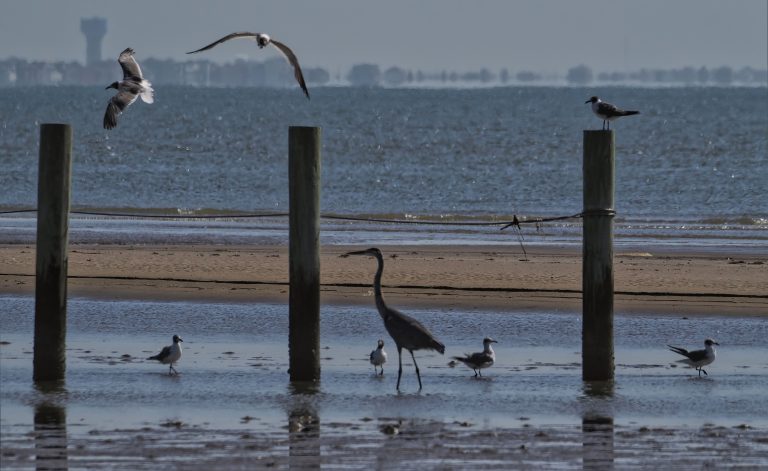
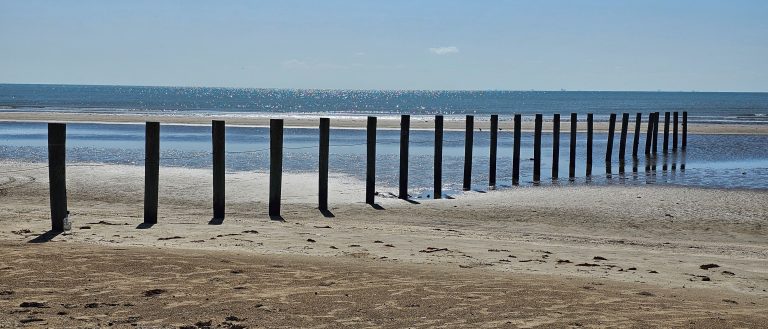
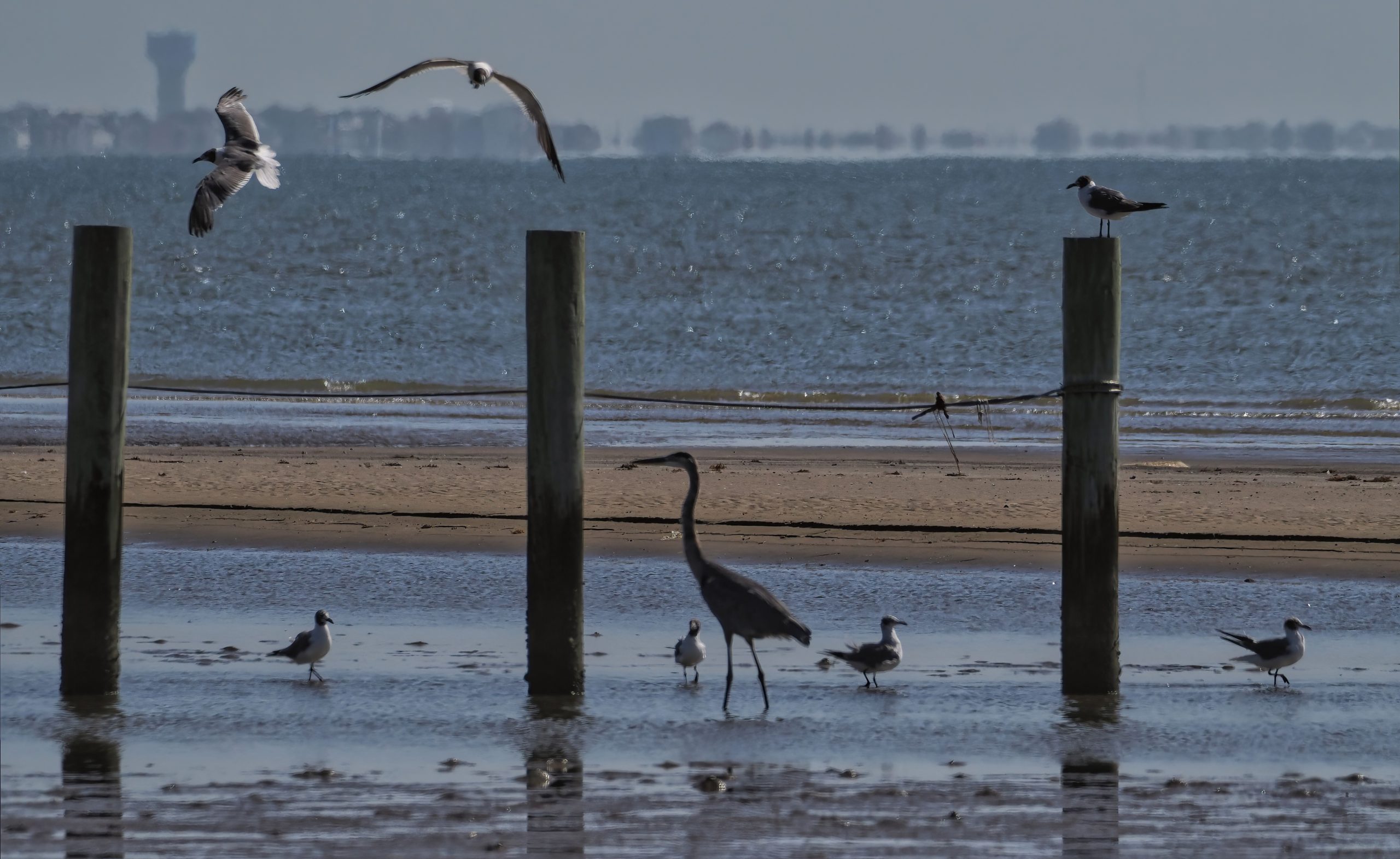
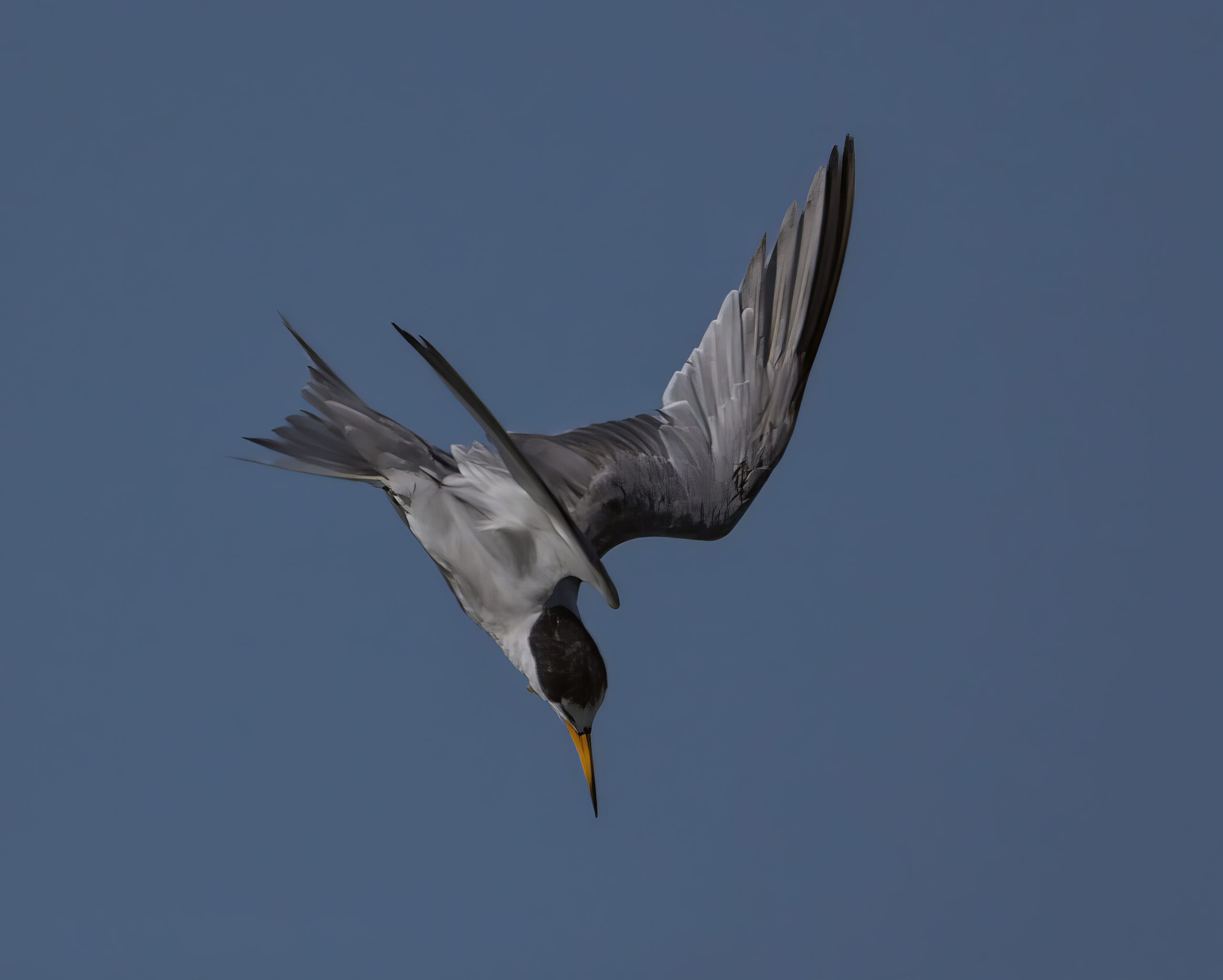
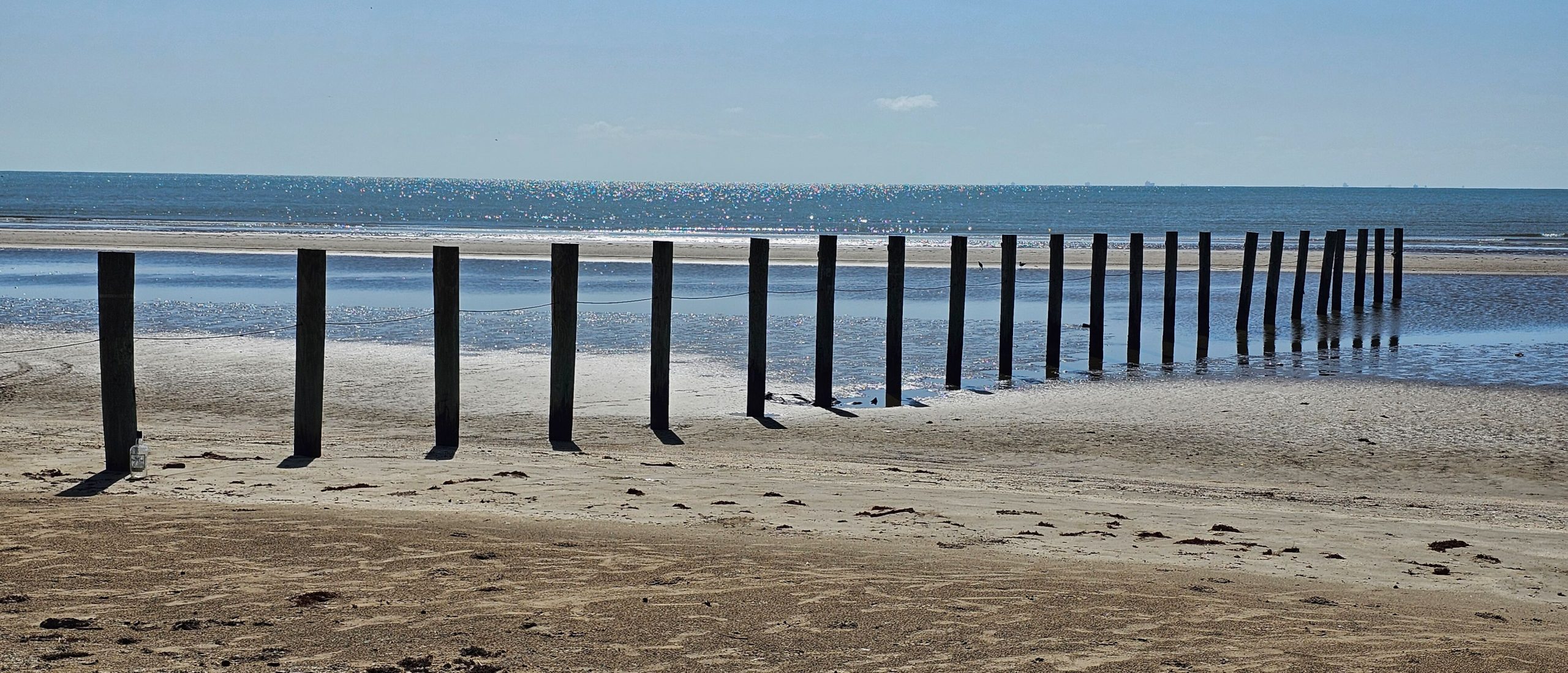
Birds between the poles of the barricade separating Audubon Sterna forsteri breeds inland in North America in the northern United States and southern Canada, and migrates south to the southern United States. The Forster’s tern feeds by plunge-diving for fish, but will also hawk for insects in its breeding marshes. It usually dives directly, and not from the "stepped-hover" favored by the Arctic tern. The offering of fish by the male to the female is part of the courtship display. Photographed in Bolivar Flats.
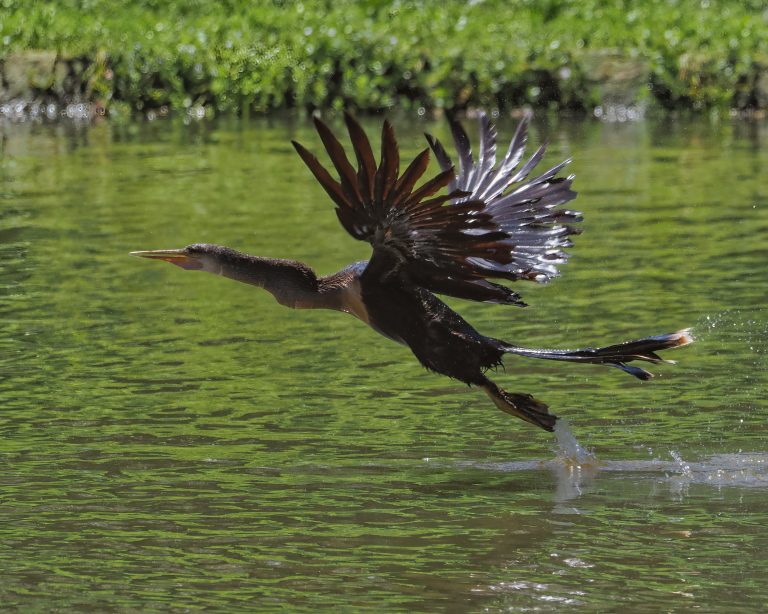
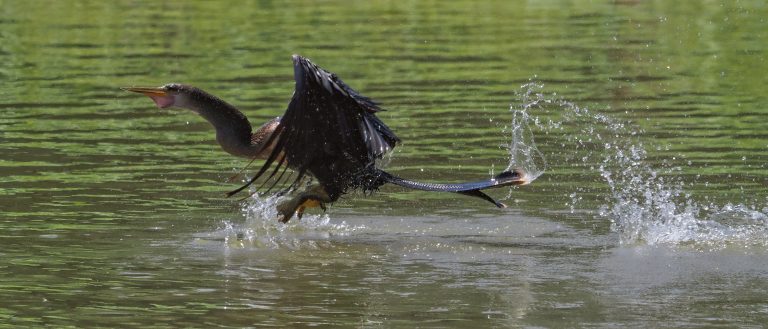
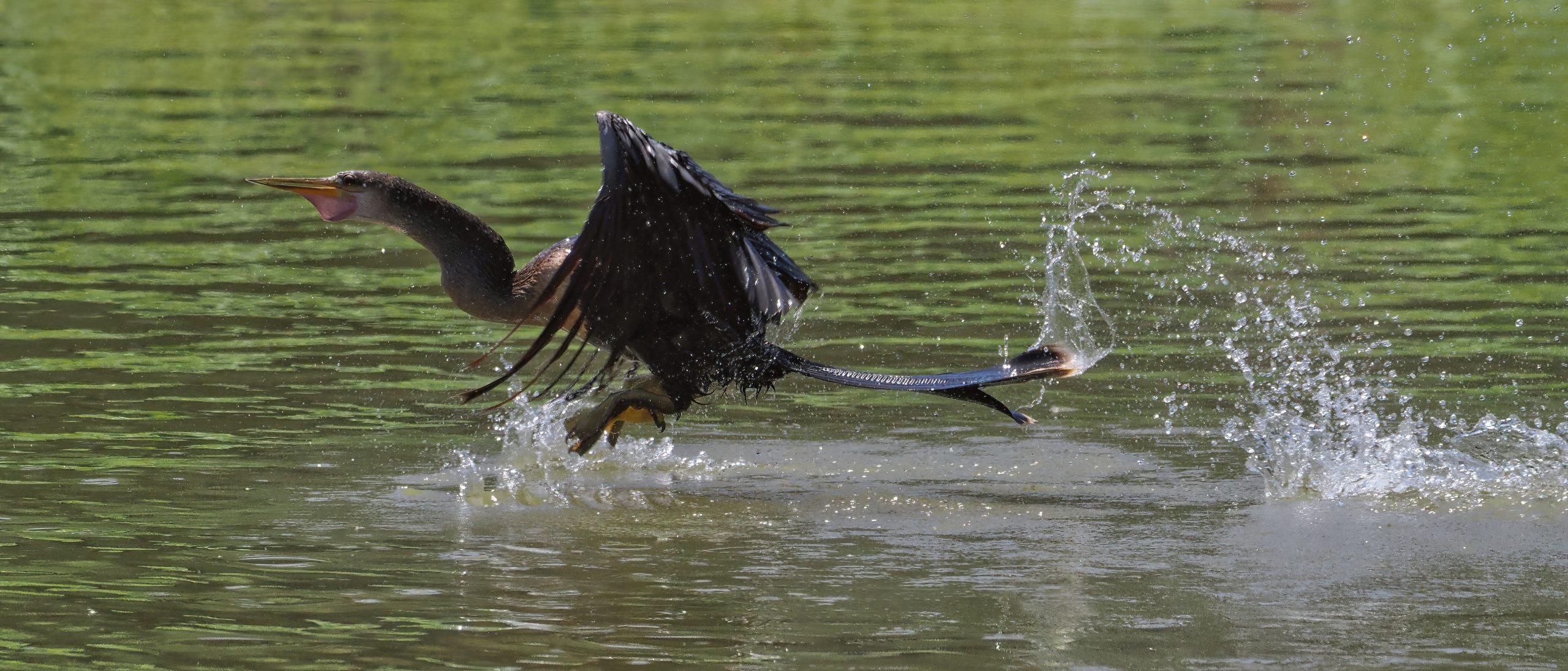
Brown Pelican (Pelecanus occidentalis) over Offatts Bayau. Photographed from Joe Jamail Park on 61st Street in Galveston, Texas. Anhinga anhinga. Departing Edgewater Lake after some fishing. Sugar Land, Texas.
New Year
New Year
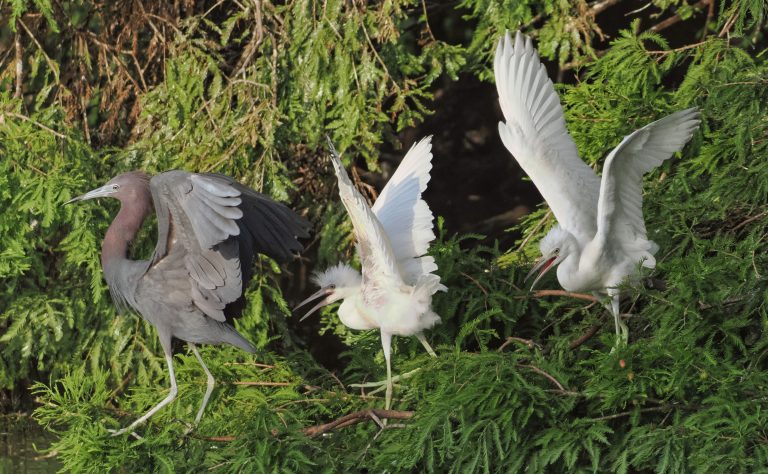
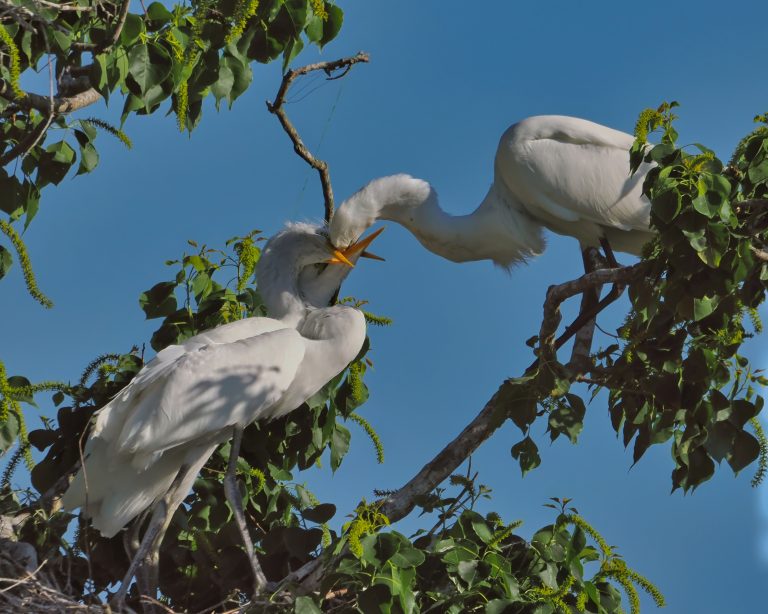
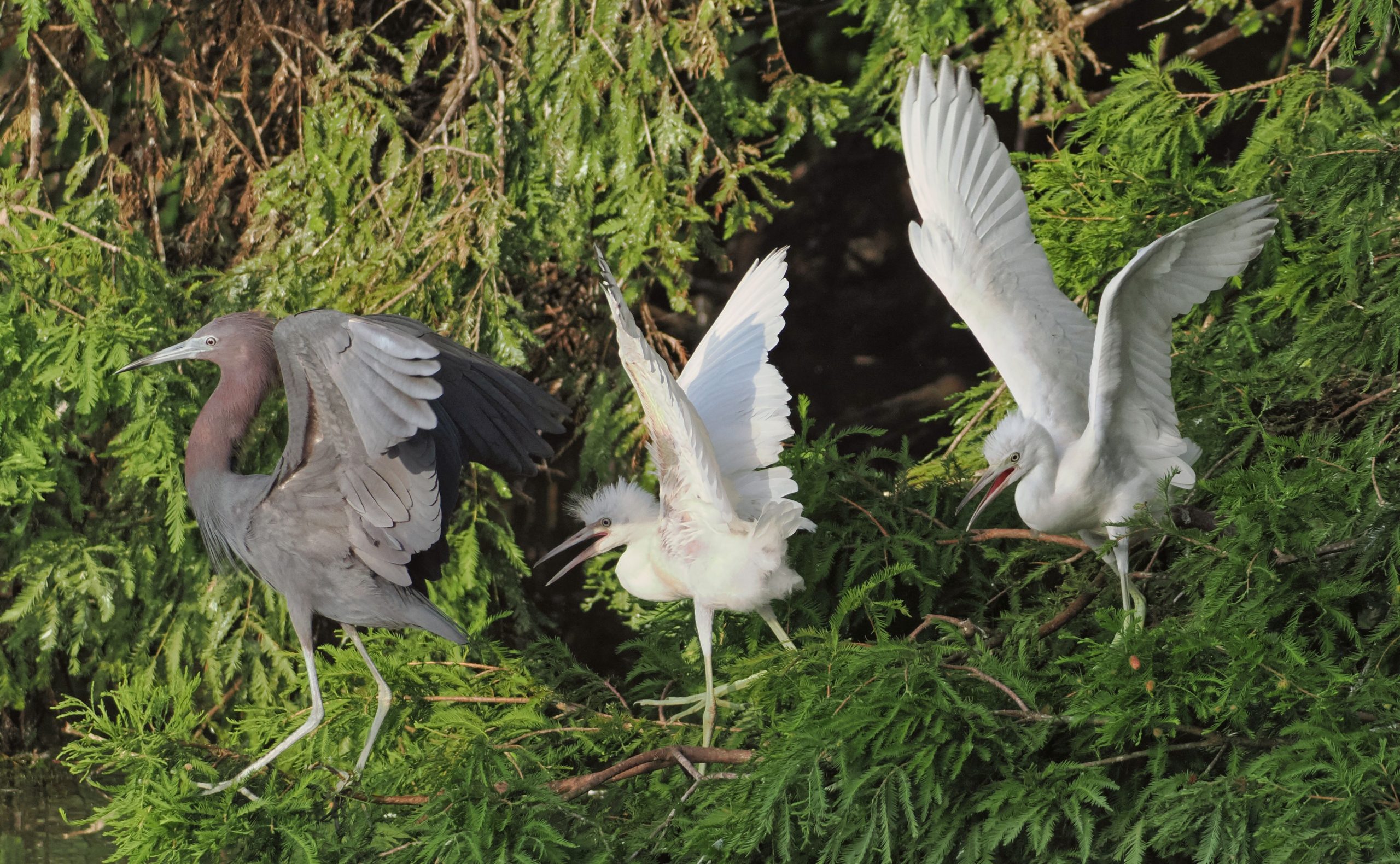
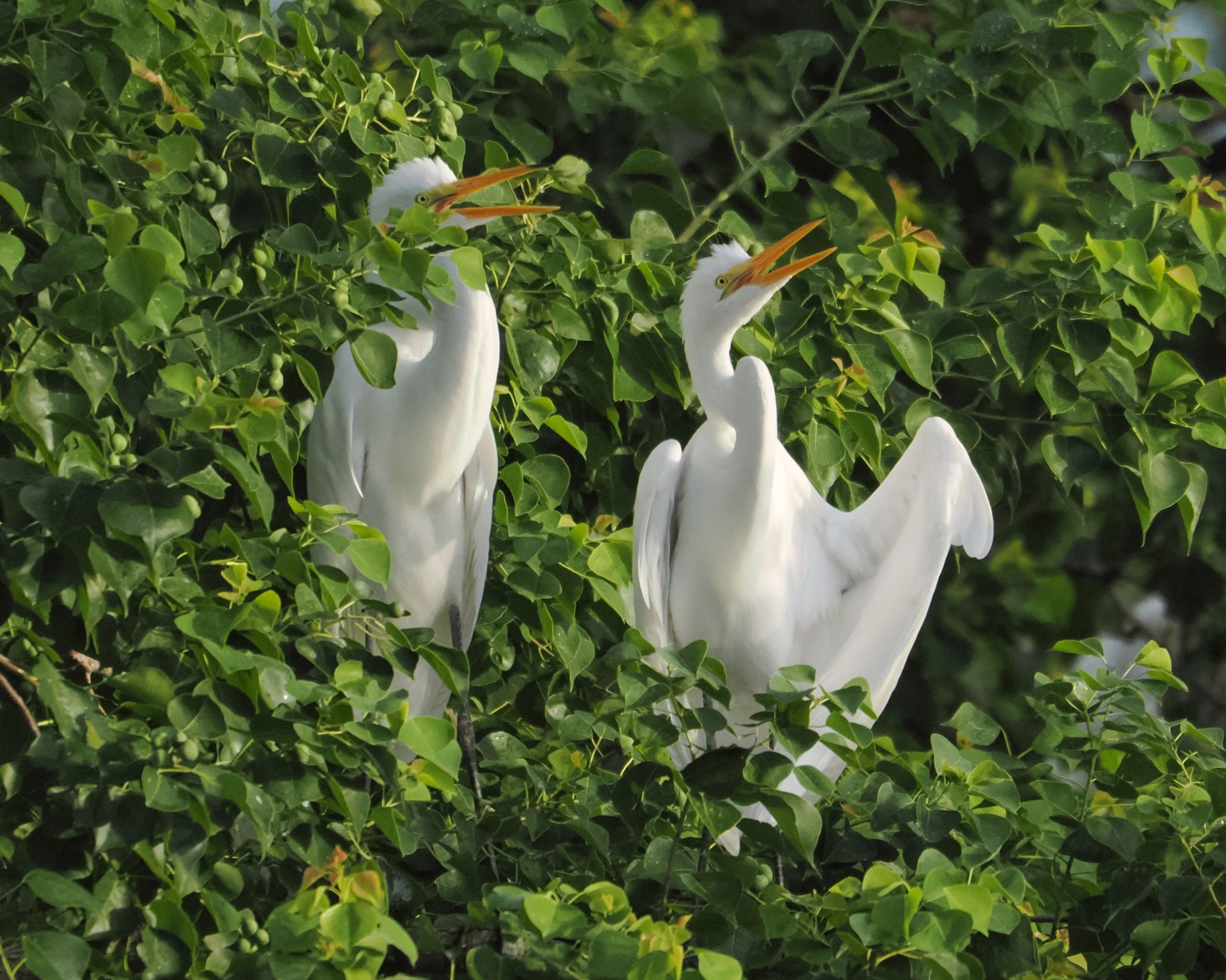
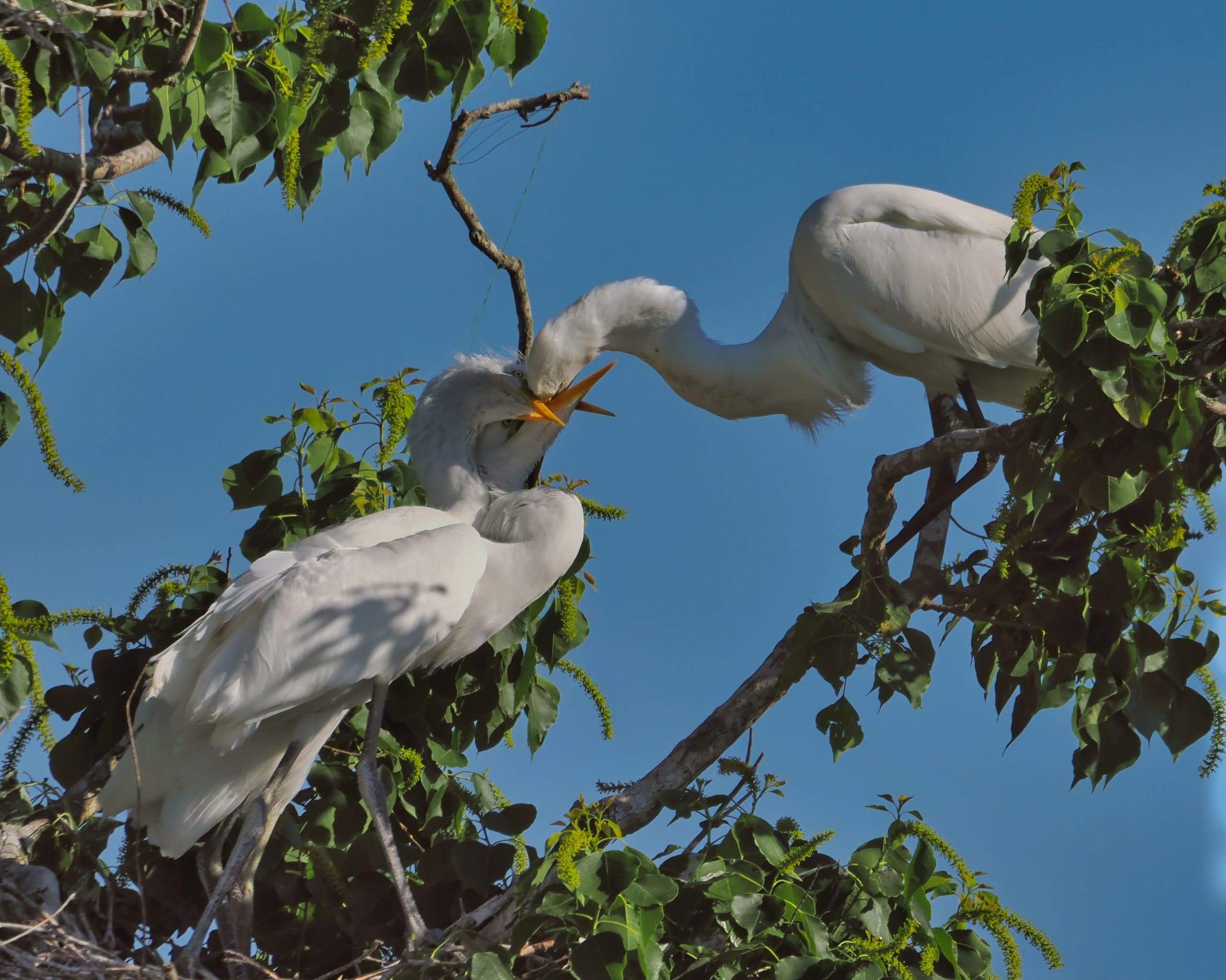
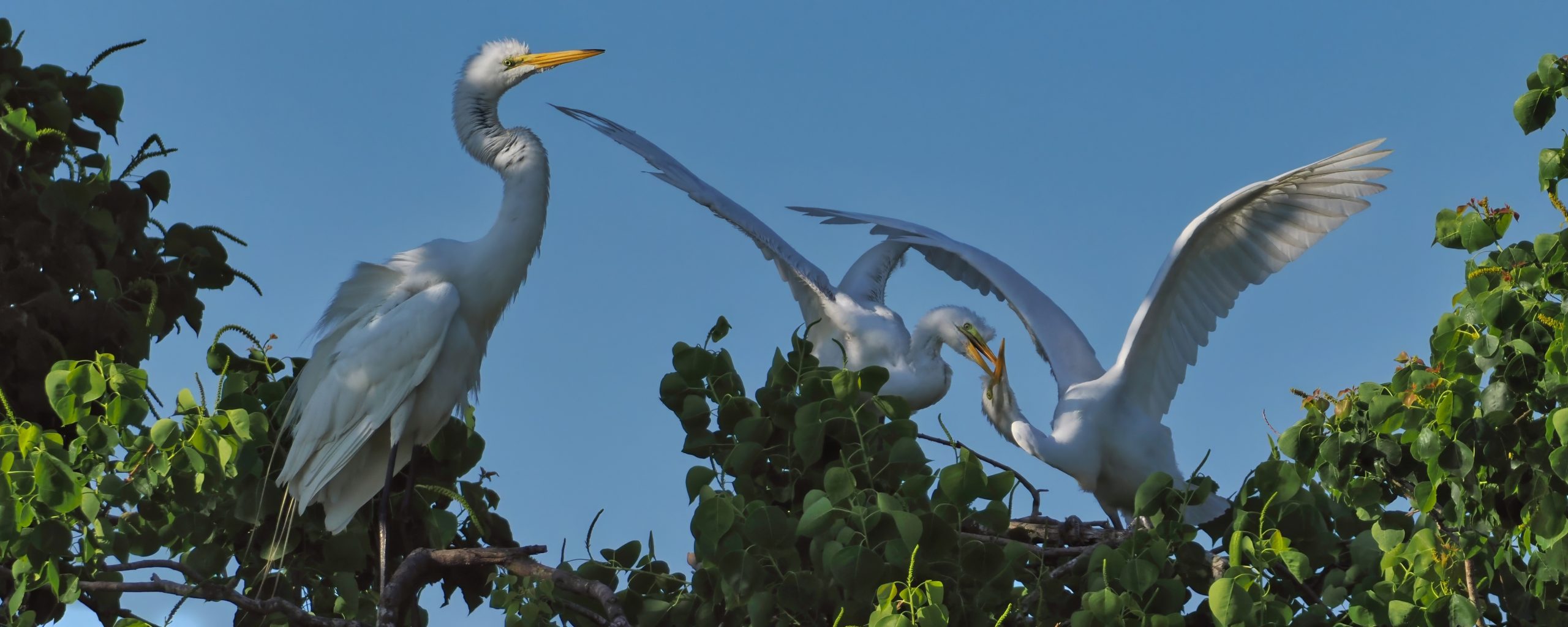
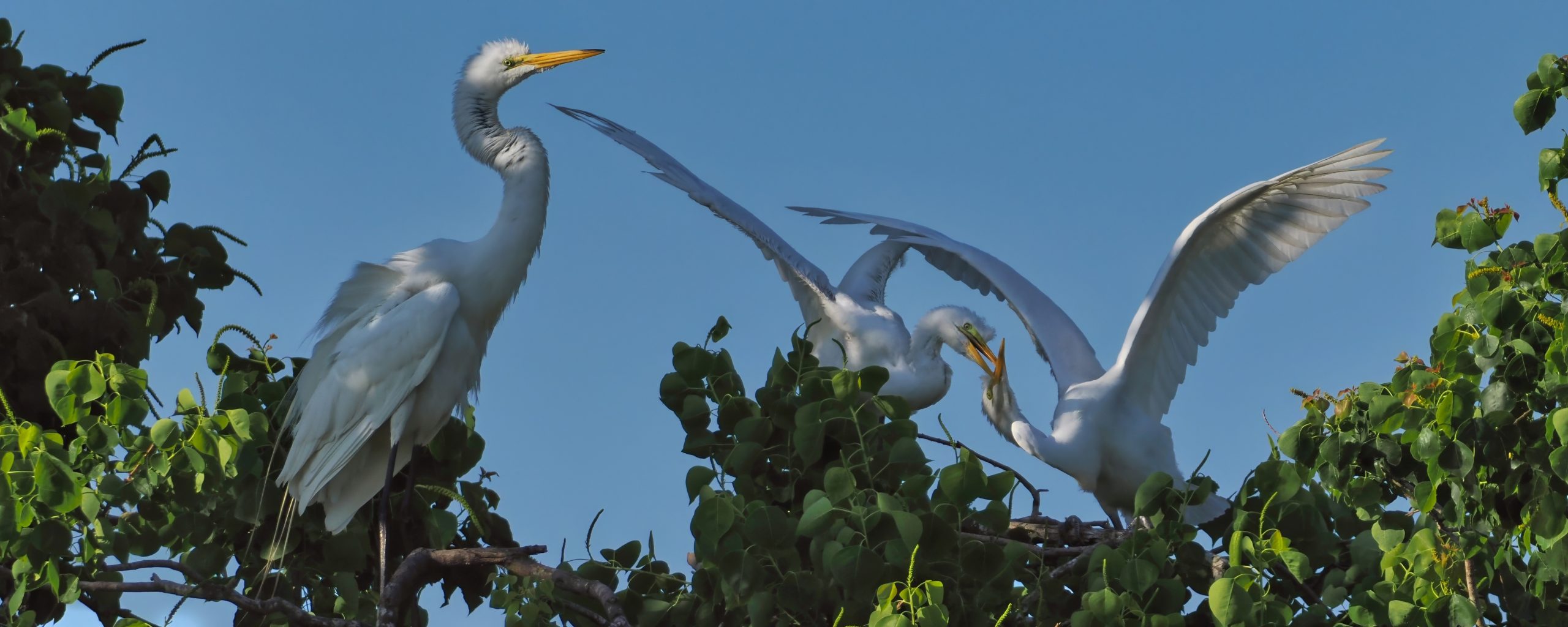
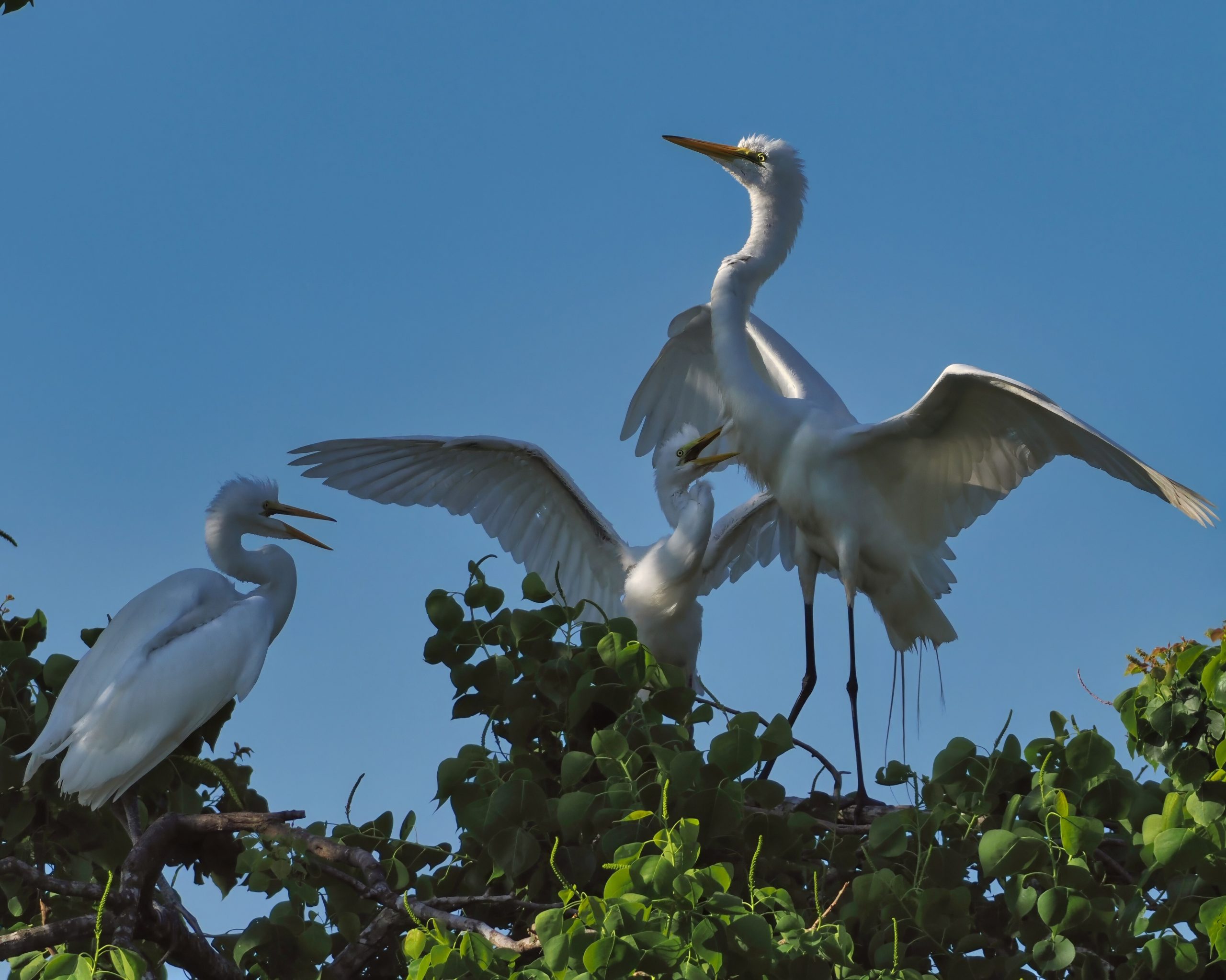
Two Great Egret fledglings chasing a Little Blue Heron away from their perch. Resoft County Park, Alvin, Texas.
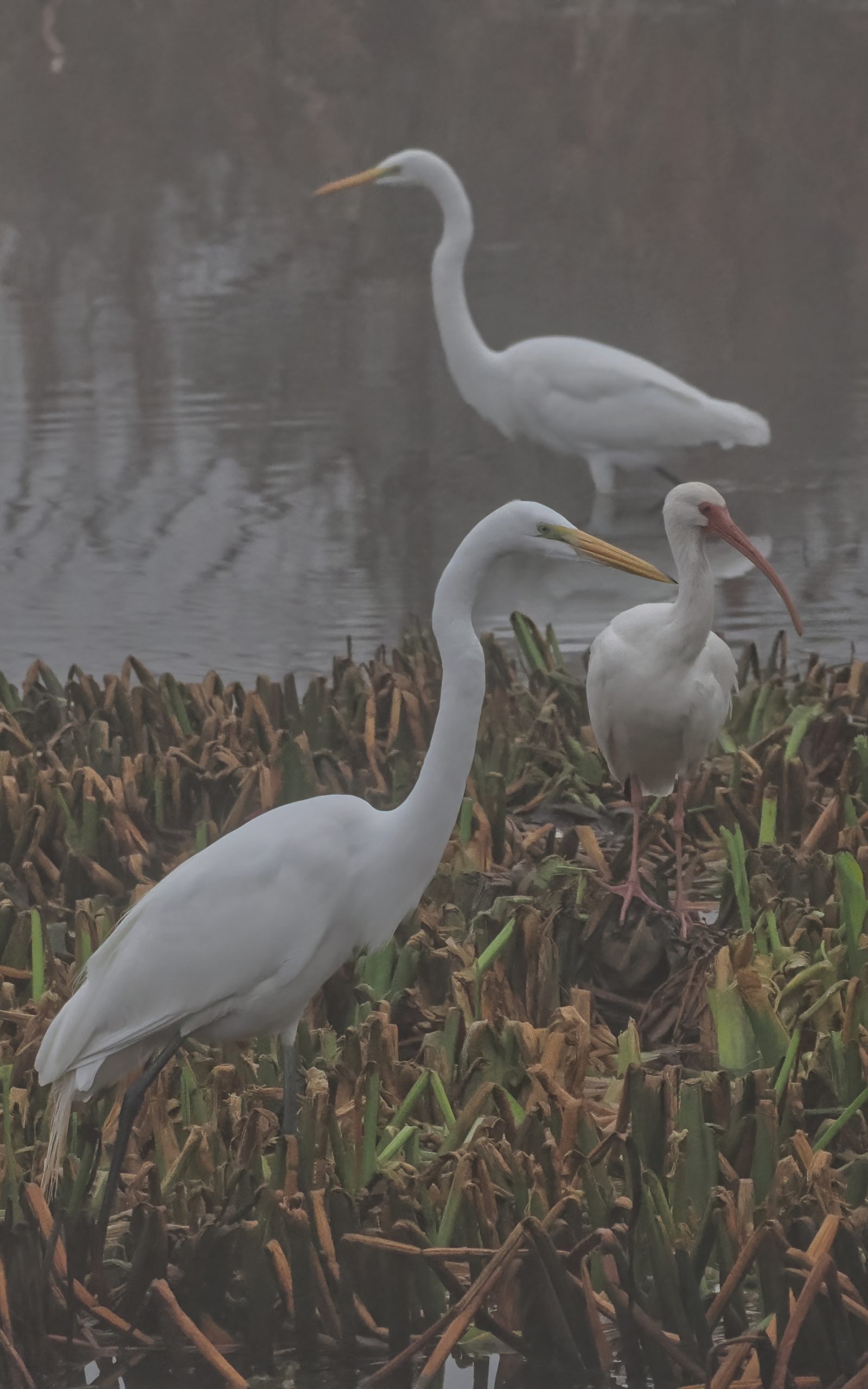
Great Egret Ardea alba. Resoft County Park, Alvin, Texas.
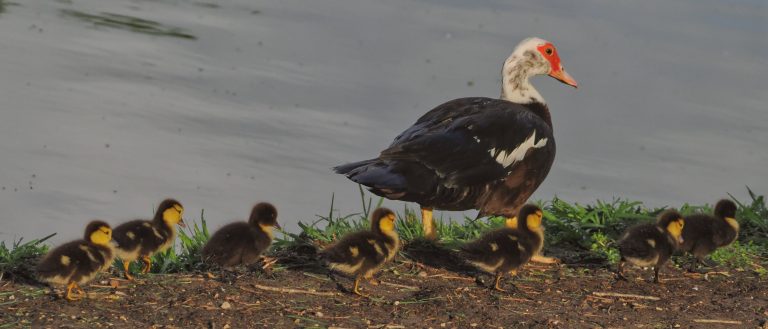
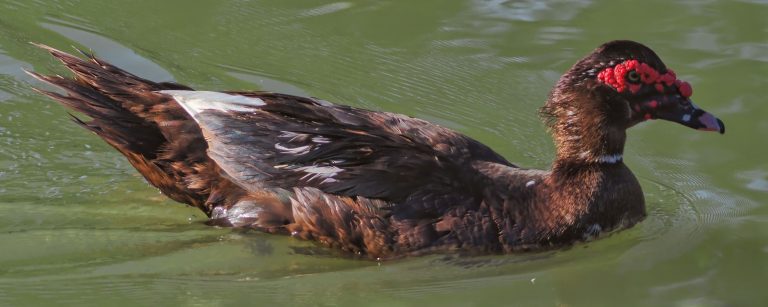
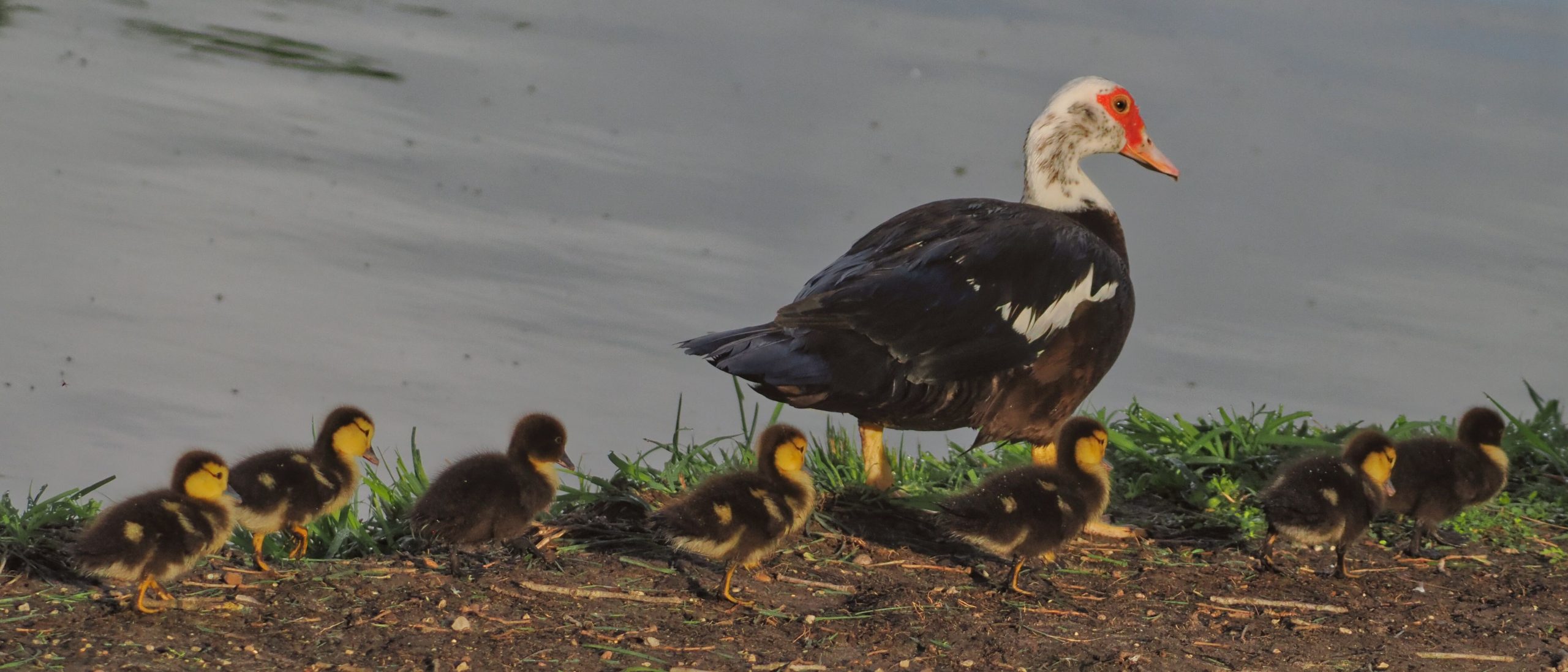
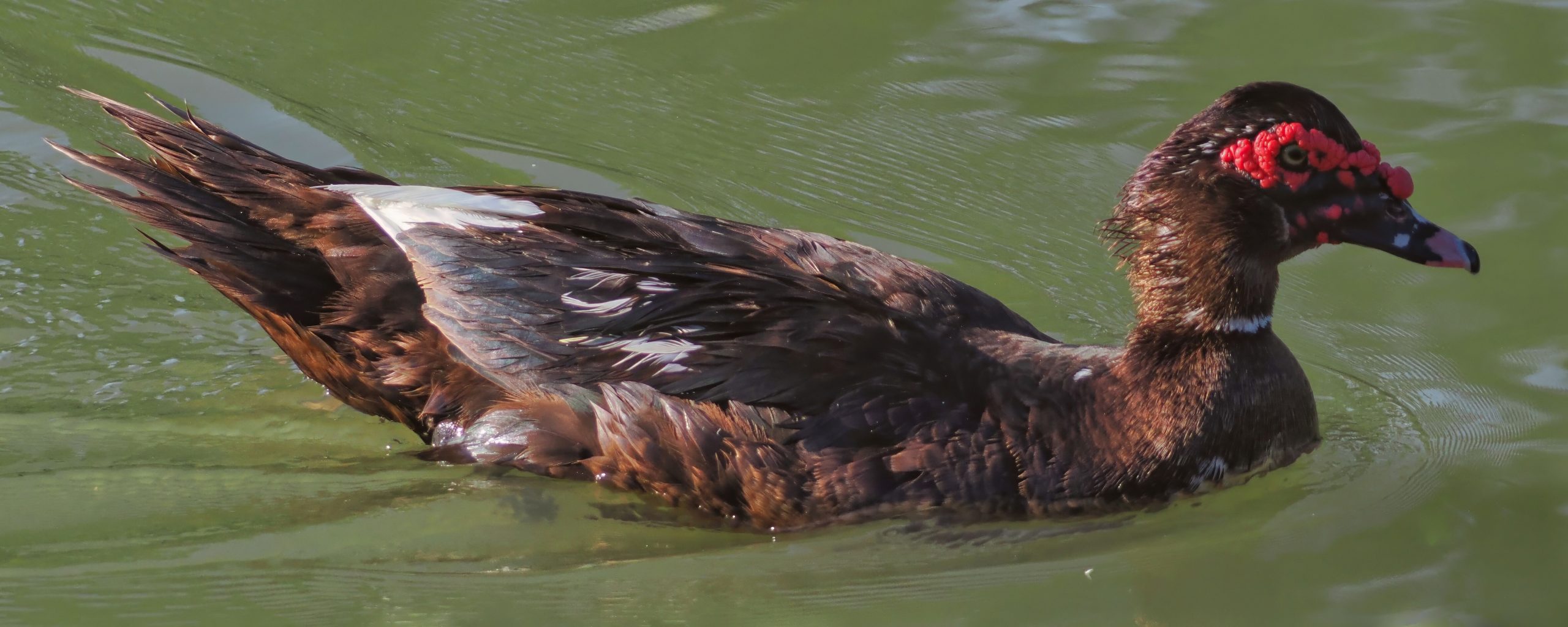
Muscovy Ducks specialize in population explosion. Resoft County Park, Alvin, Texas. Factoid: Muscovy ducks are the only domesticated duck not descended from the mallard.
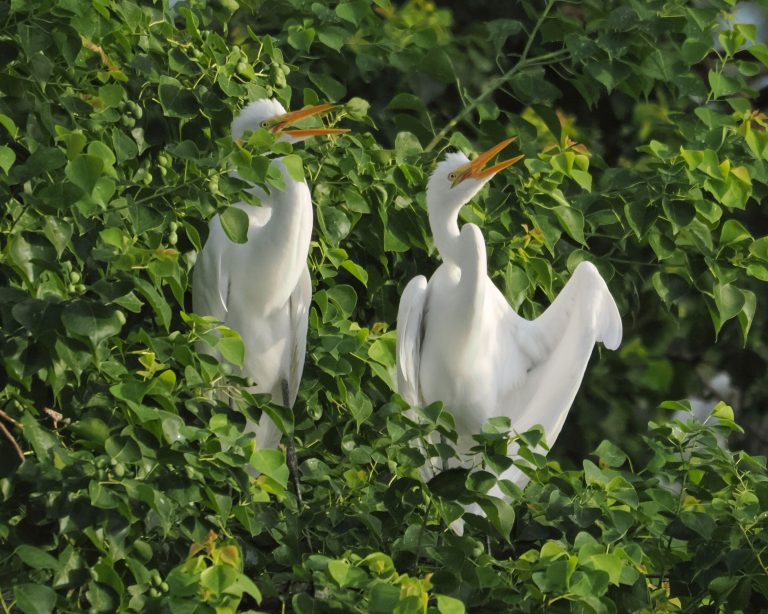
Immature Great Egrets Ardea alba. Resoft County Park, Alvin, Texas.
(Ardea alba). Resoft County Park, Alvin, Texas.
Little Blue Heron (Egretta caerulea). Somewhere Outta Texas
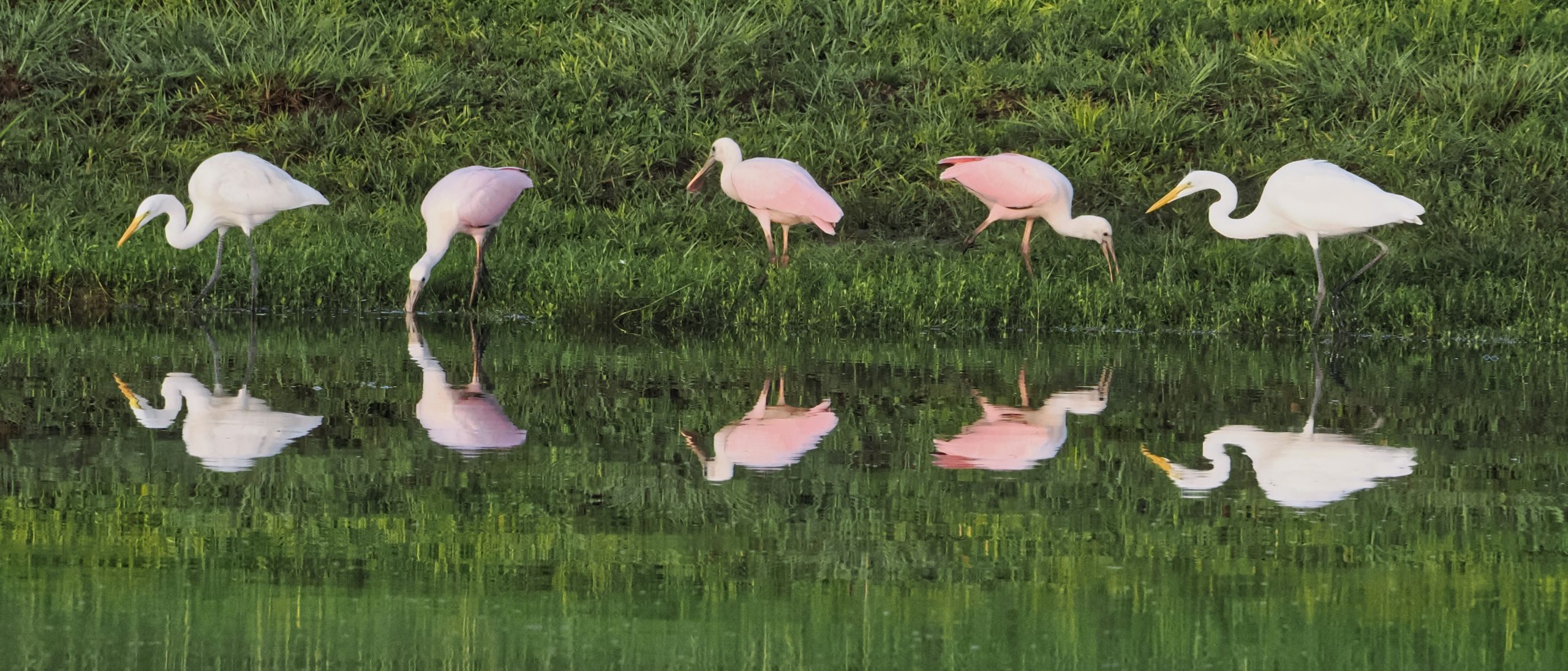
Juvenile Great White Egrets (Ardea alba) and Roseate Spoonbills (Platalea ajaja). Resoft County Park, Alvin, Texas.
Roseate Spoonbills (Platalea ajaja). Resoft County Park, Alvin, Texas. Eudocimus albus. Resoft County Park, Alvin, Texas.
Black-crowned Night Heron (Nycticorax nycticorax) at Double Lake, Sugar Land, Texas. They
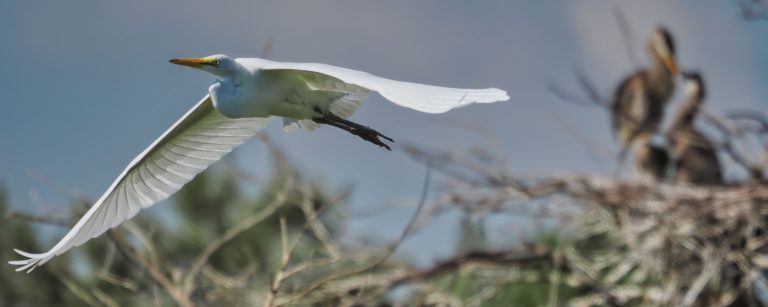
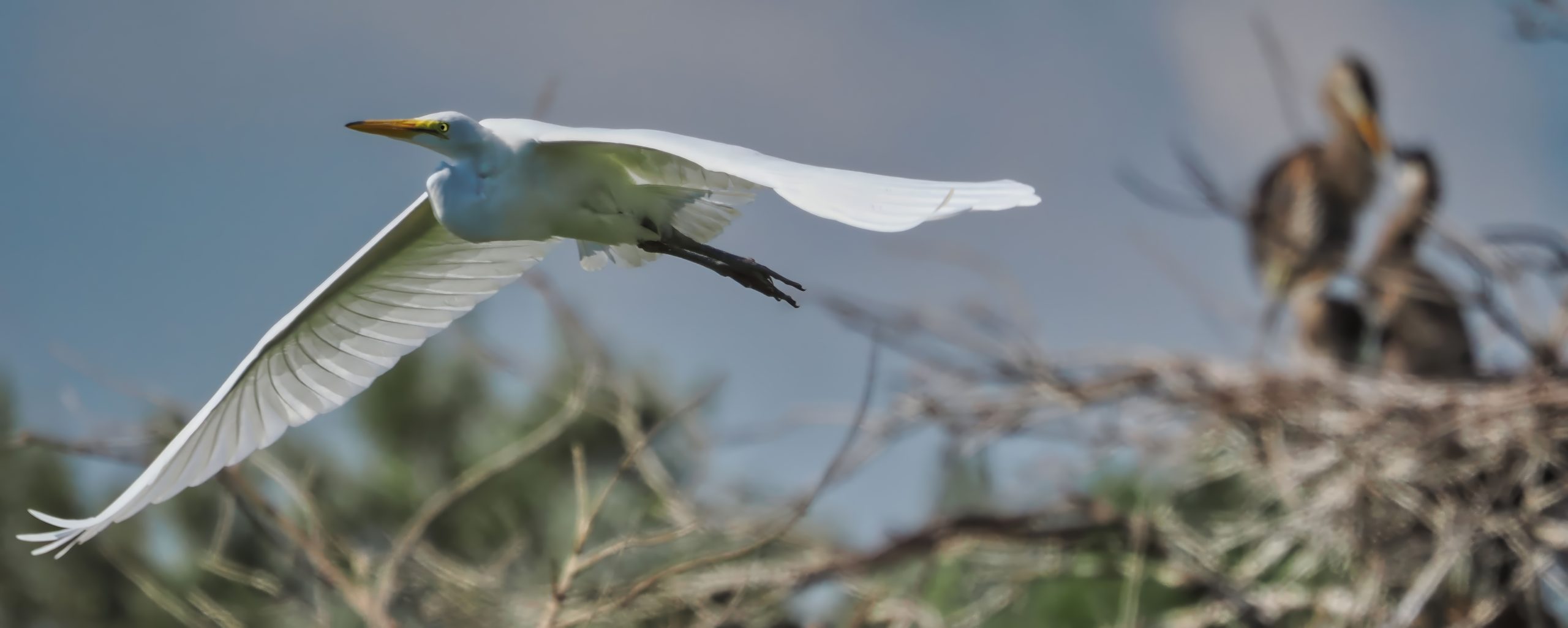
Great Egret flying by nesting Herons. Resoft County Park, Alvin, Texas.
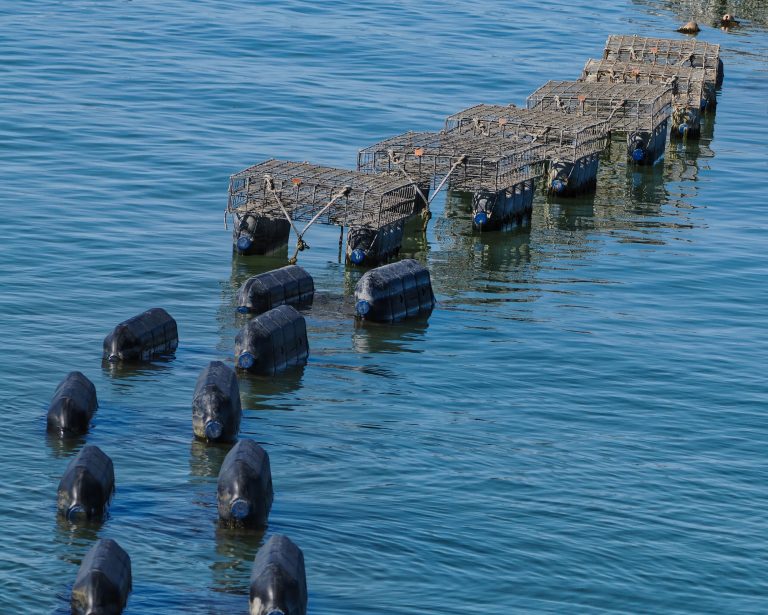
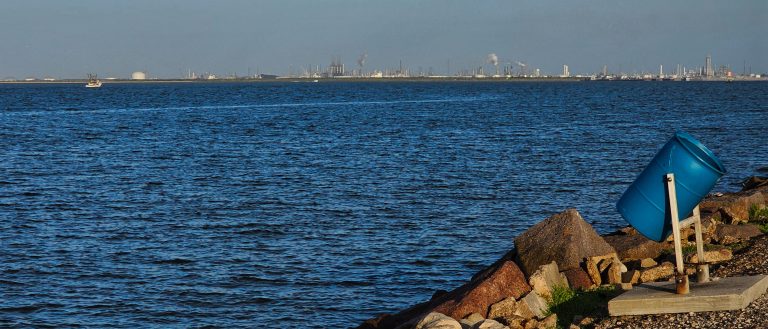
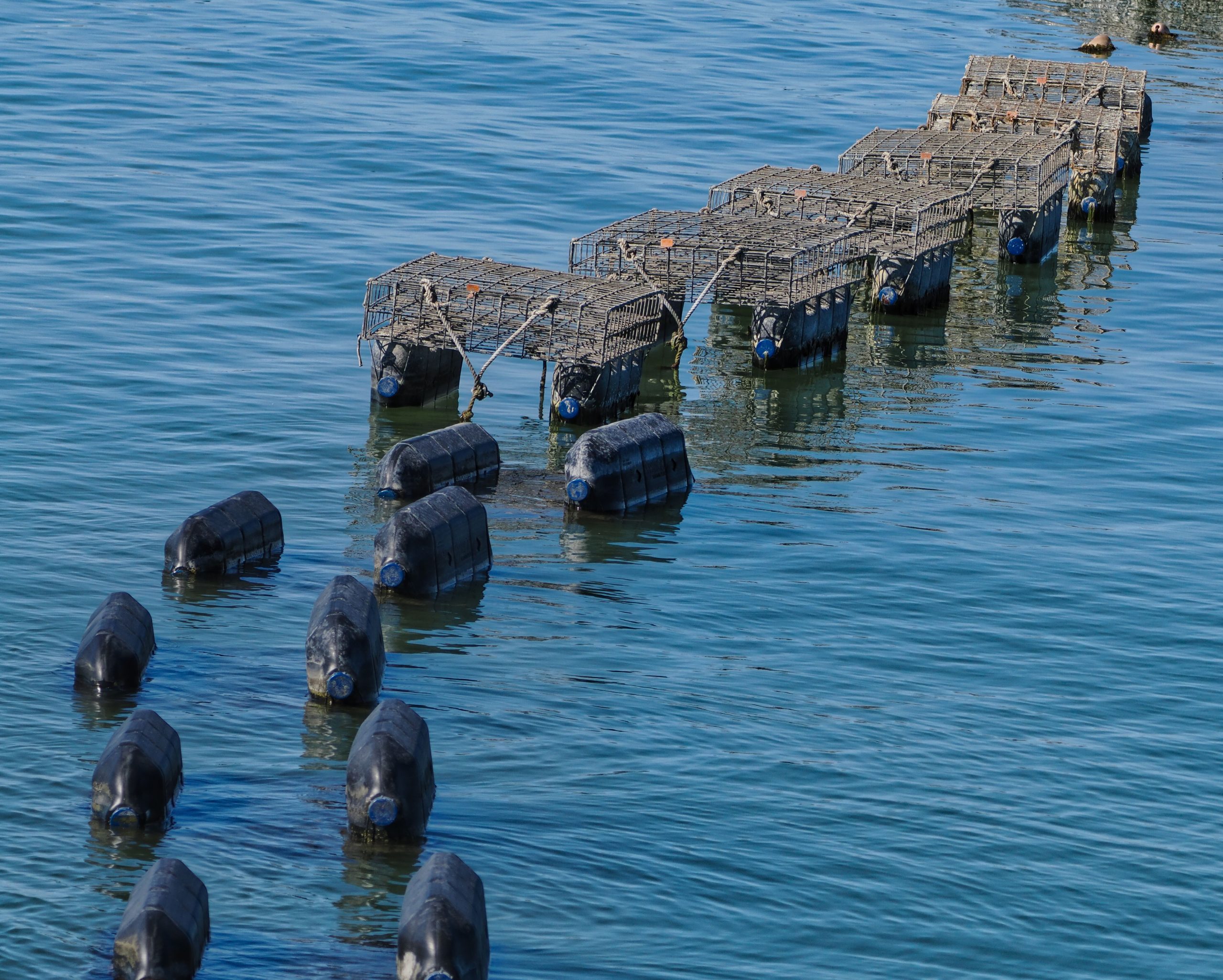
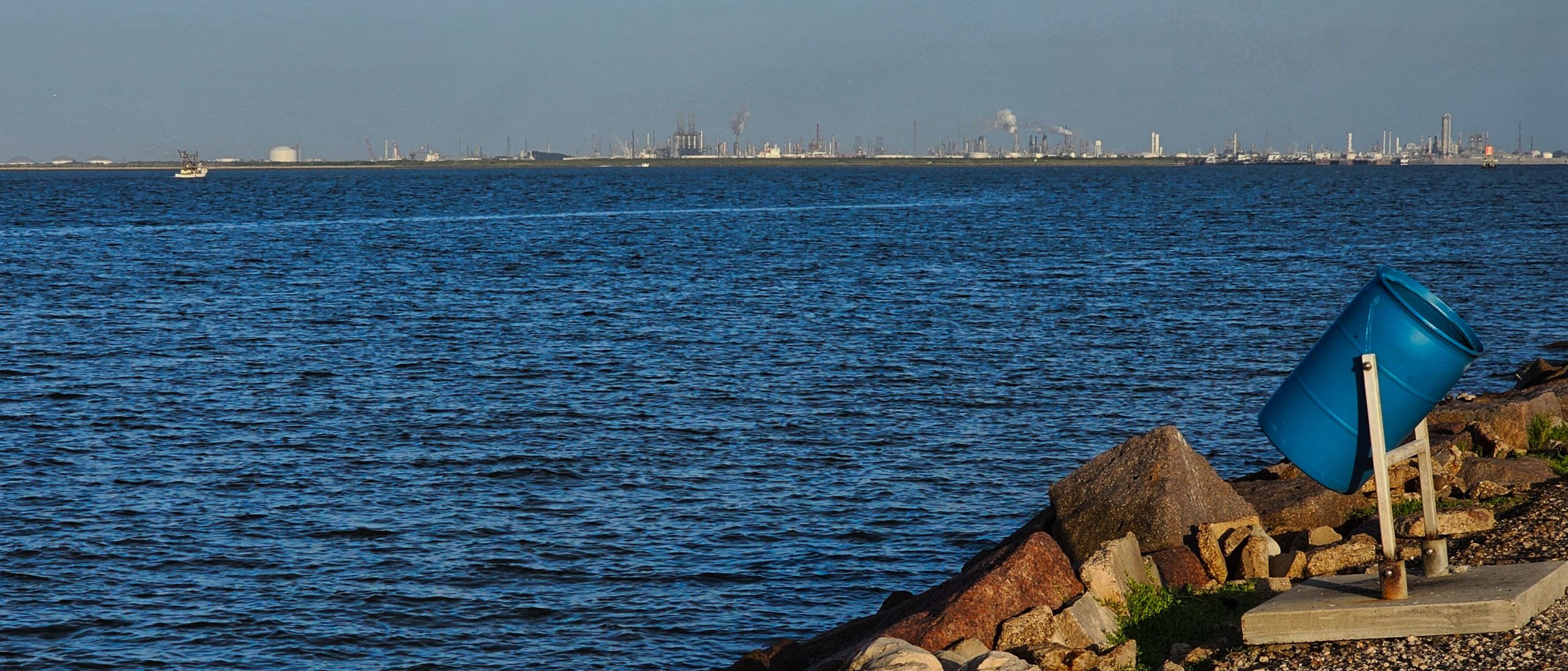
In the background. The blue barrel
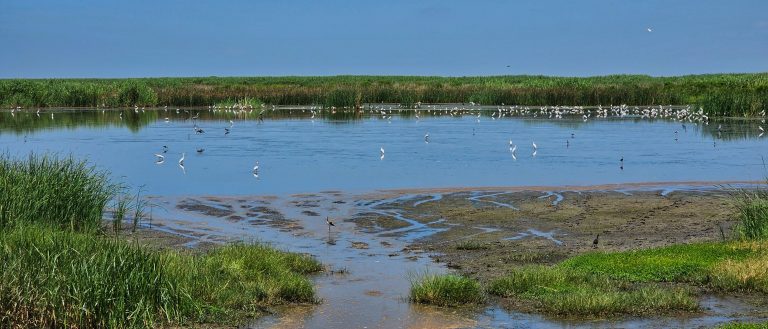
Inhabited by Snowy-crowned Terns, Sterna trudeaui. Aransas NWR, Refugio Coounty, Texas.
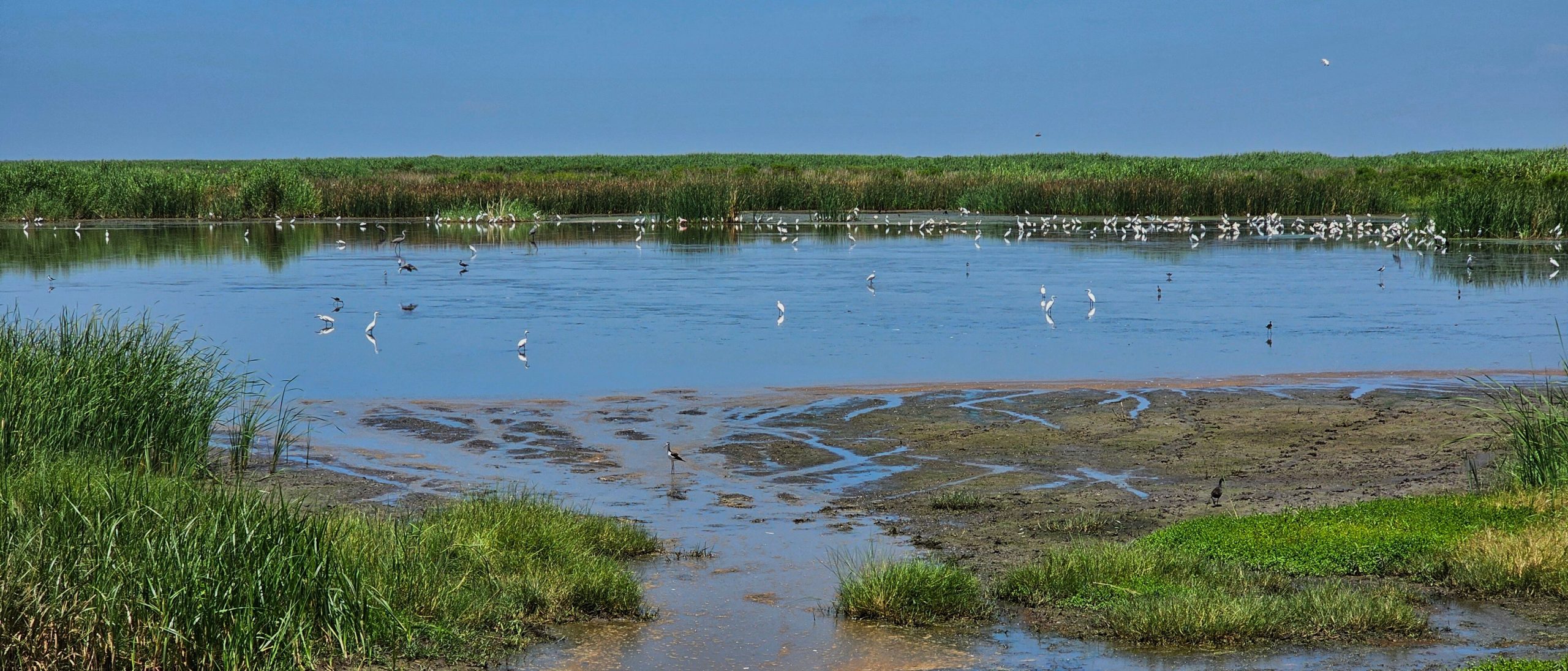
POTUS Trump renamed the Anahuac NWR after a 12-year-old Houston girl brutally murdered by immigrants, whose death Trump cynically blamed on his political opponent. Wonderful place by any name. Chambers County, Texas.
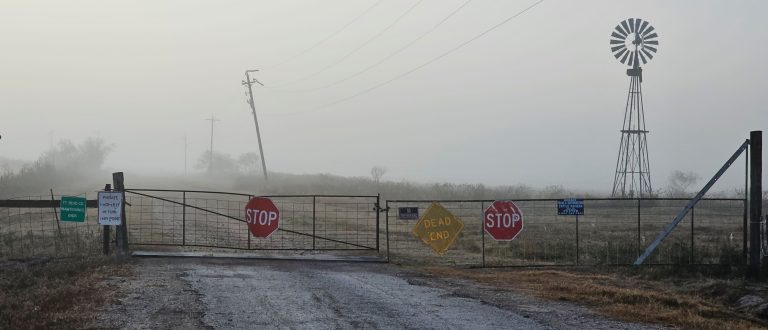
Automobile barricade between Audubon
Ibis, too. New Year
Sandhill Cranes (Antigone canadensis) winter in Texas (and elsewhere, notably Bosque del Apache National Wildlife Refuge in New Mexico). In Texas they commonly feed in harvested rice fields during the day such as those found near Darst Road in Beasley (see #1 of 4). In the morning they fly to rice fields from their roosts (in places unknown to me). During the day they occasionally fly from field to field. In the evening they return to roost. The season is commonly from November through March.
Sandhill Cranes (Antigone canadensis) winter in Texas (and elsewhere, notably Bosque del Apache National Wildlife Refuge in New Mexico). In Texas they commonly feed in harvested rice fields during the day such as those found near Darst Road in Beasley (see #1 of 4). In the morning they fly to rice fields from their roosts (in places unknown to me). During the day they occasionally fly from field to field. In the evening they return to roost. The season is commonly from November through March.
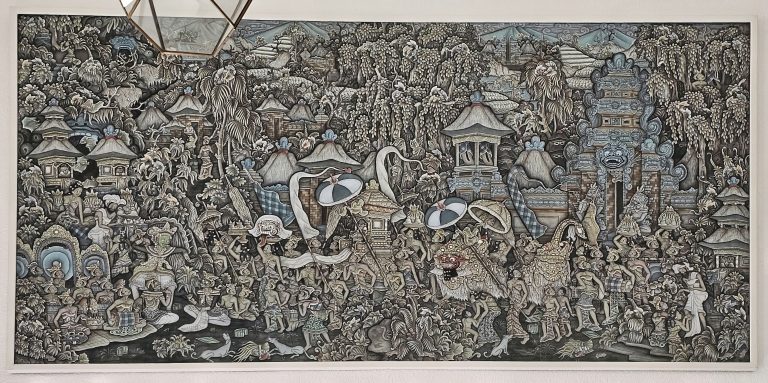
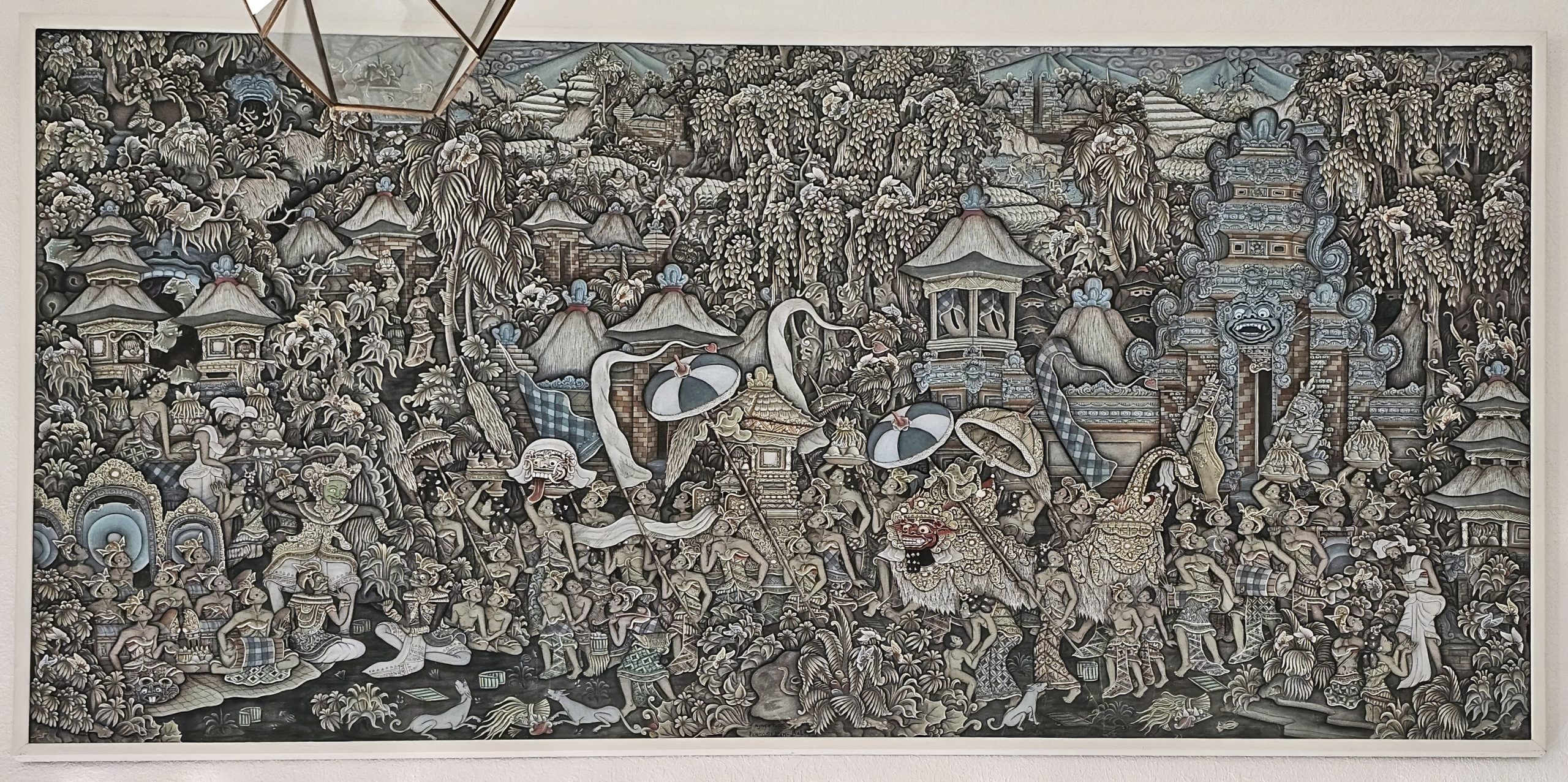
Bali village on a festive day (most days of the year). I traded my first 35mm camera (a Minolta) for this painting! It
Great White Egret (Ardea alba). Resoft County Park, Alvin, Texas. Platalea ajaja. John Hargrove Environmental Complex (AKA Delores Fenwick Nature Center), Pearland, Texas.
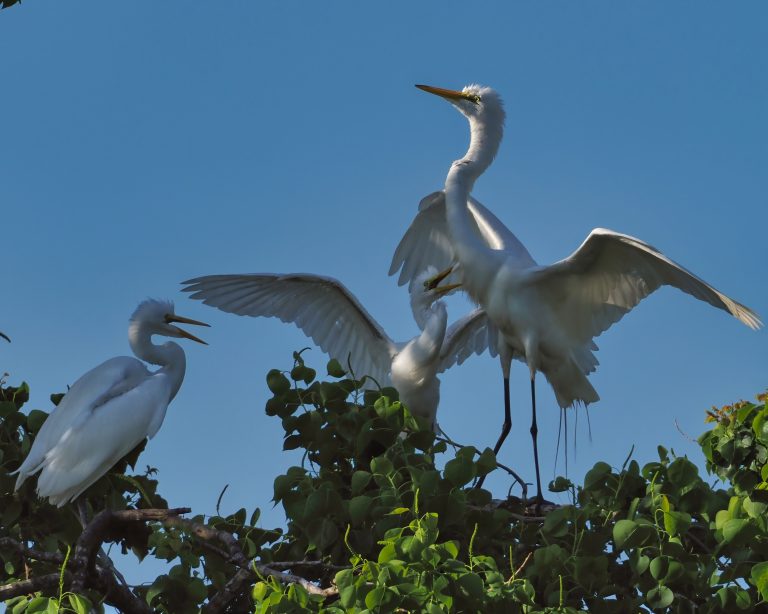
Three Great Egrets (Ardea alba), two fledglings and one parent. Resoft County Park, Alvin, Texas.
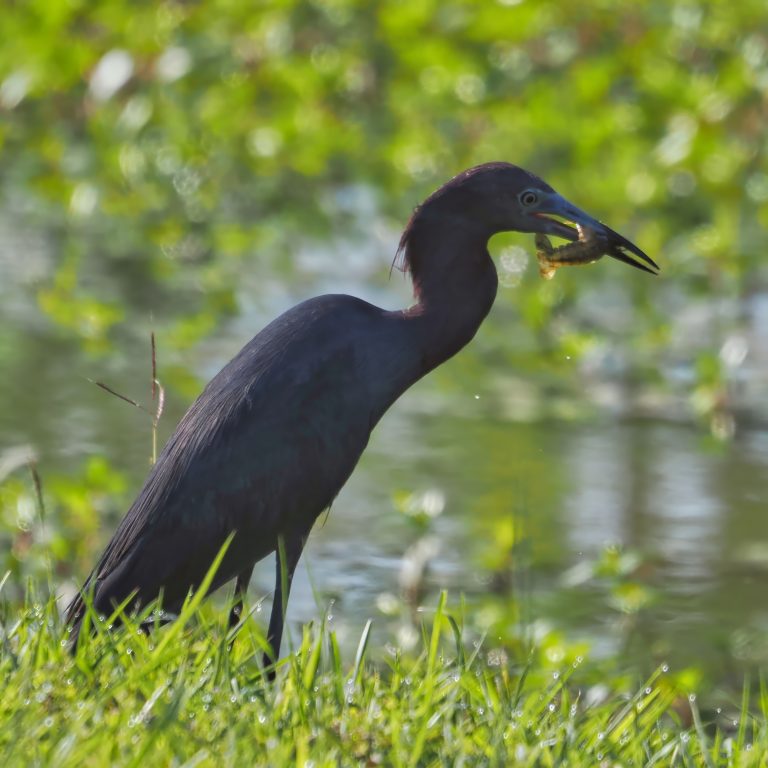
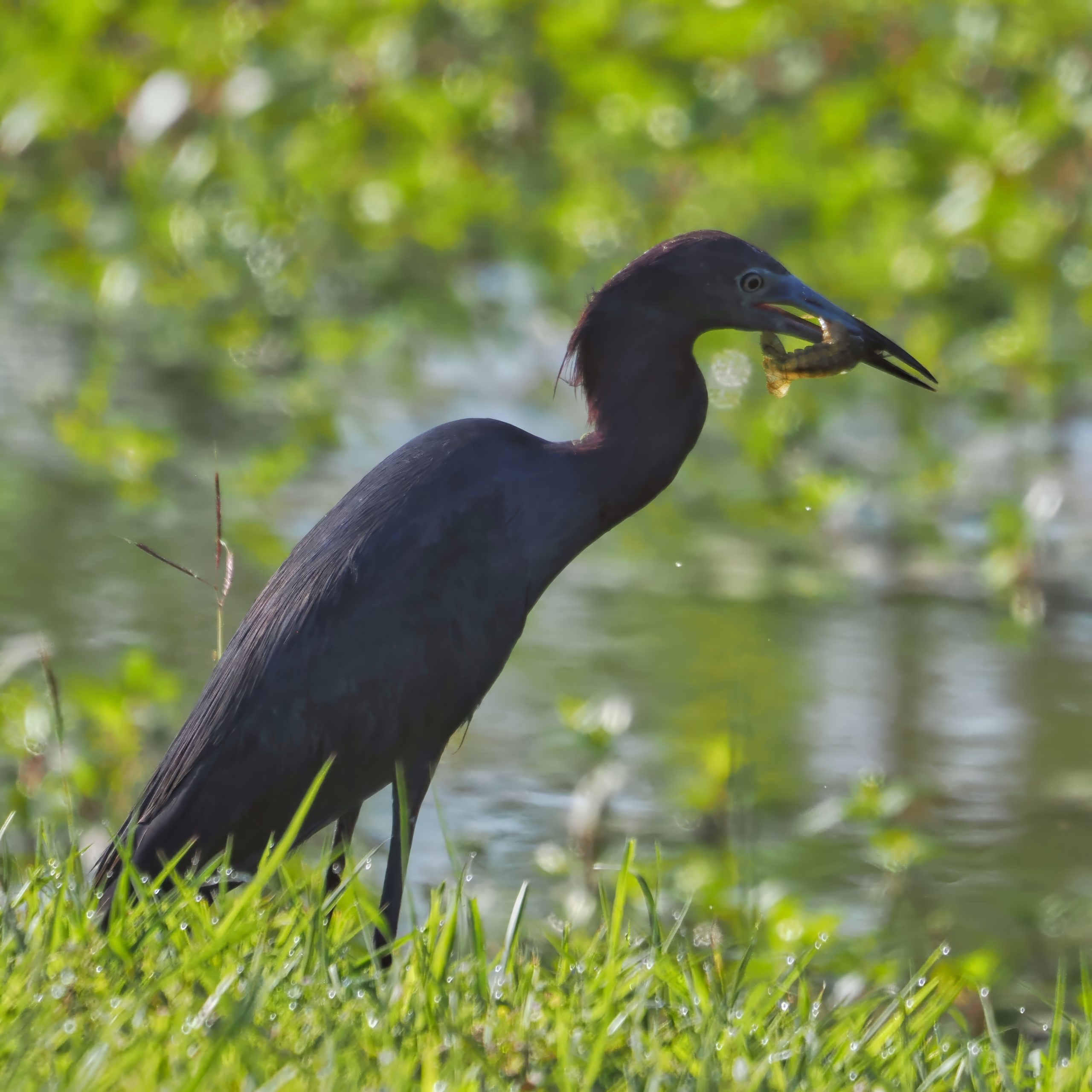
Little Blue Heron (Egretta caerulea) eating a crayfish. Resoft County Park, Alvin, Texas.
Roseate Spoonbill Platalea ajaja. Resoft County Park, Alvin, Texas.
Who knows? anas misceri. Resoft County Park, Alvin, Texas.
Sandhill Cranes have usually foraged about Darst and Ricefield Roads in the past. This season they
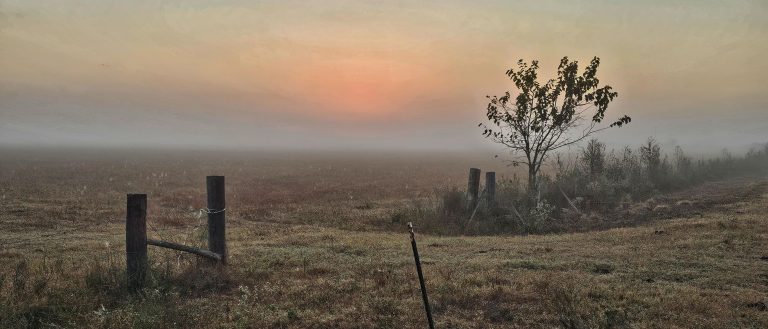
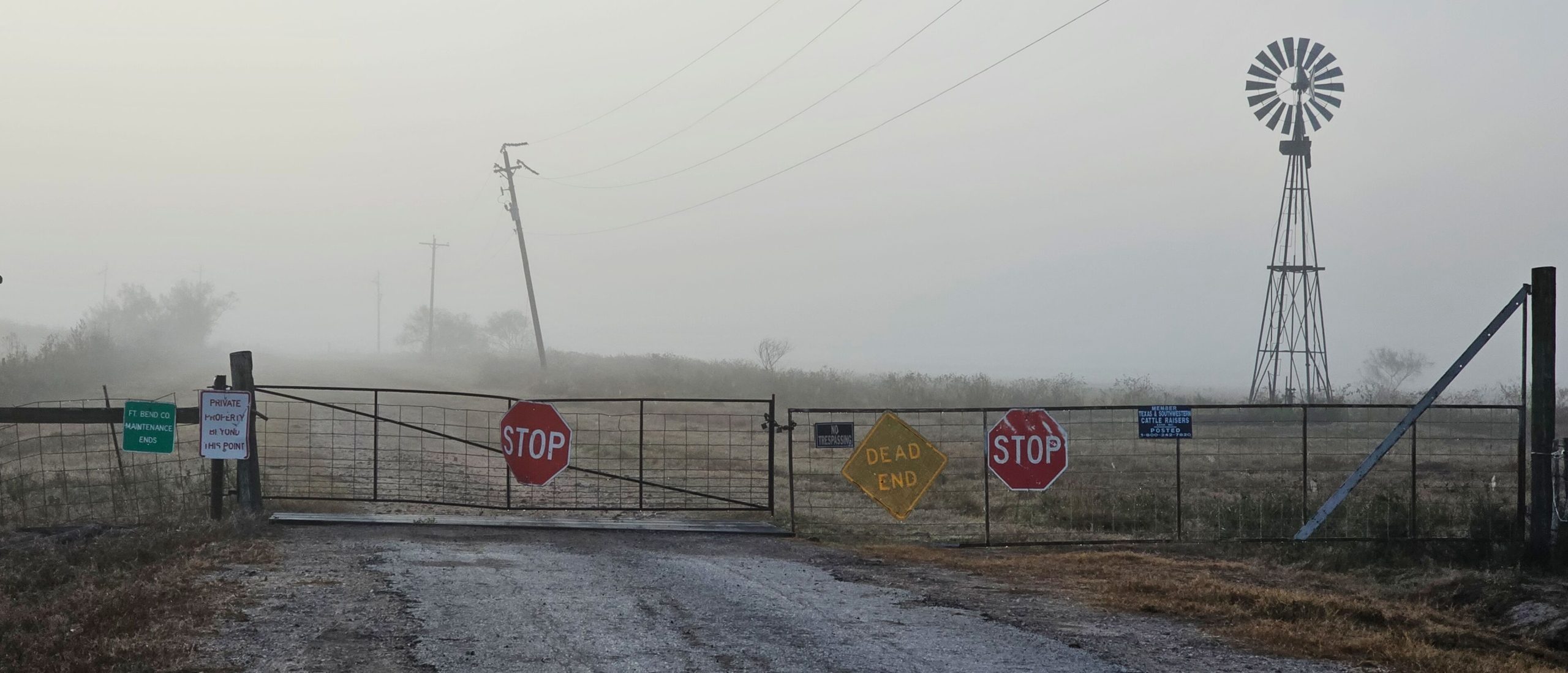
End of Darst Road. The cranes move after dawn from their roost (somewhere YTBD) to forage in the harvested rice fields.
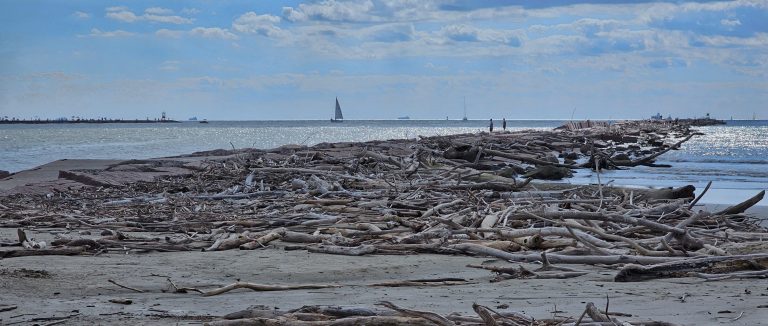
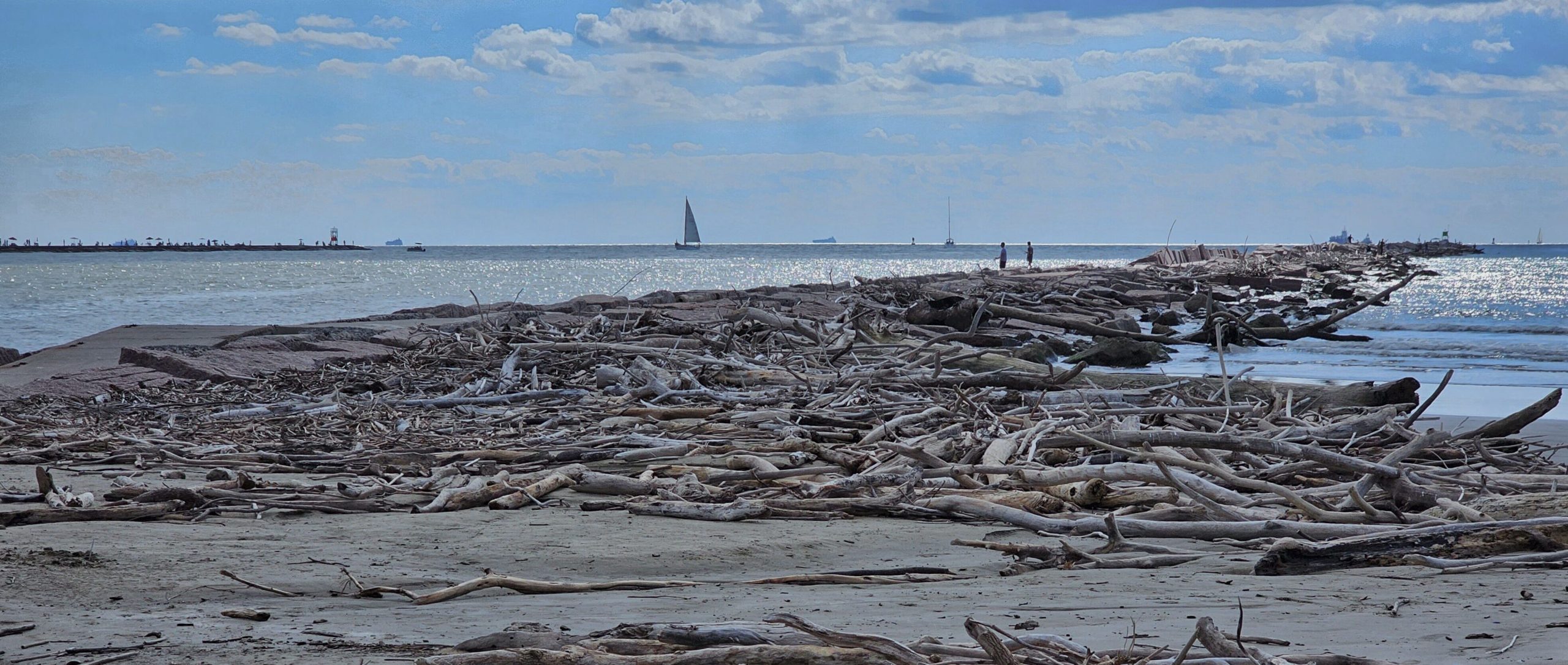
Watch your step! Accumulating driftwood. Surfside Jetty in the distance. The entrance to Freeport Harbor between them, a runway for pelicans, occasionally frigate birds. Quintana, Texas.
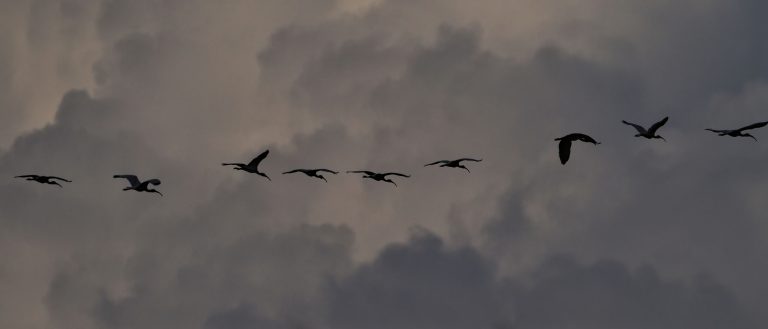
Wood Storks Mycteria americana. Cullinan Park, Sugar Land, Texas.
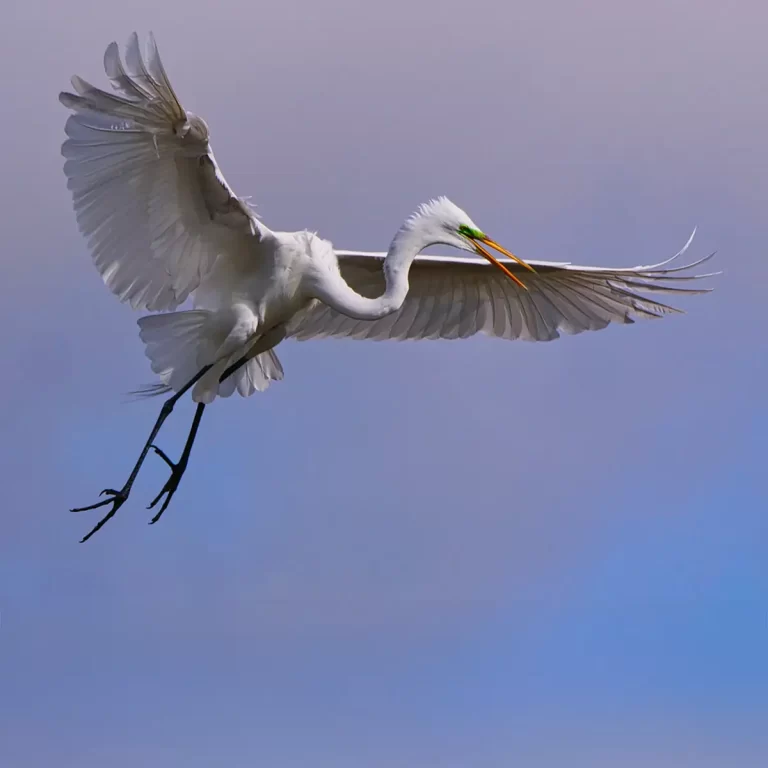
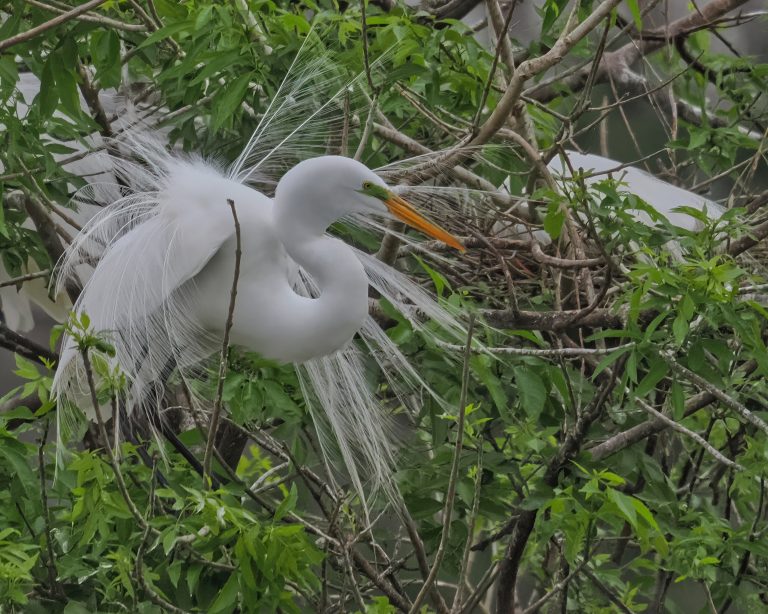
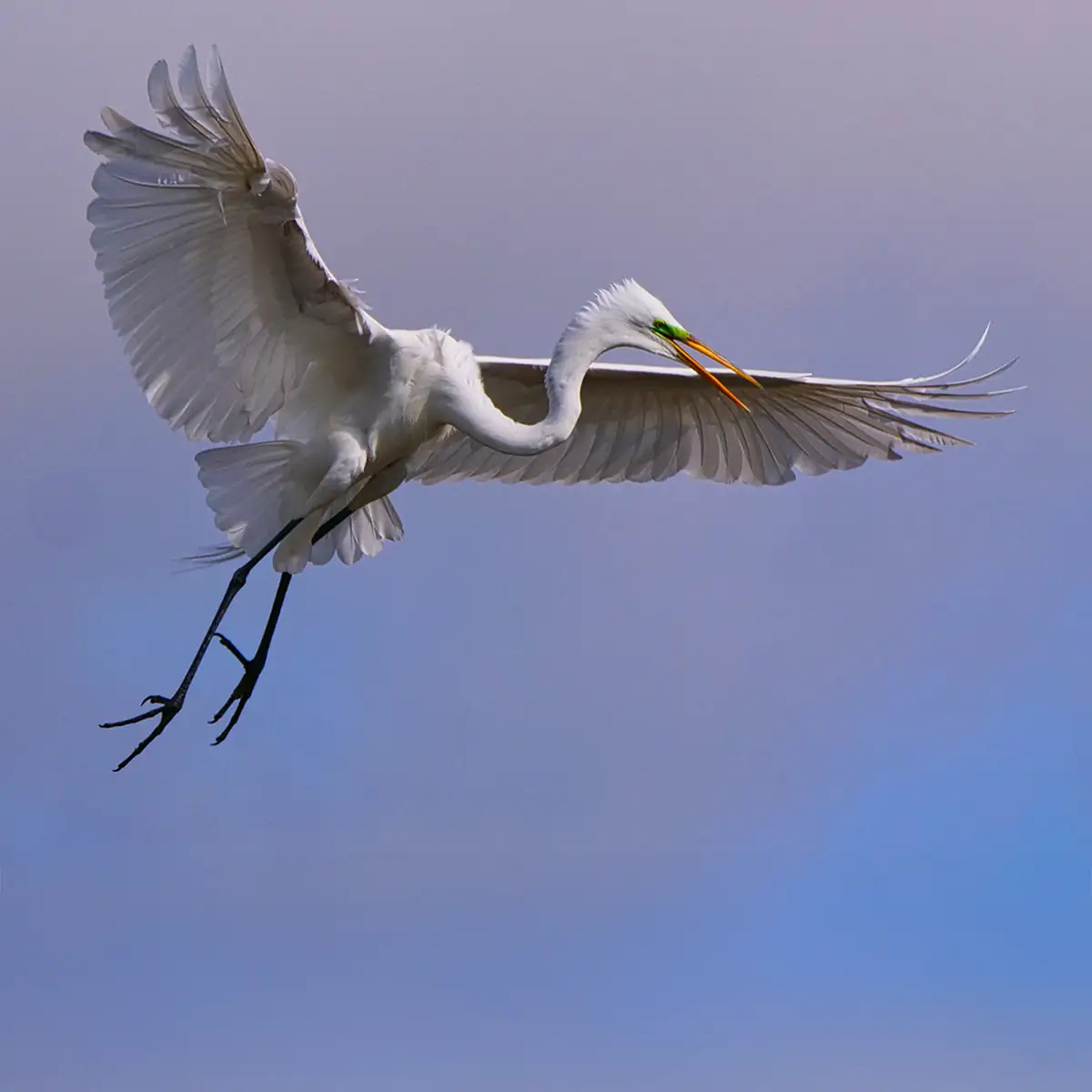
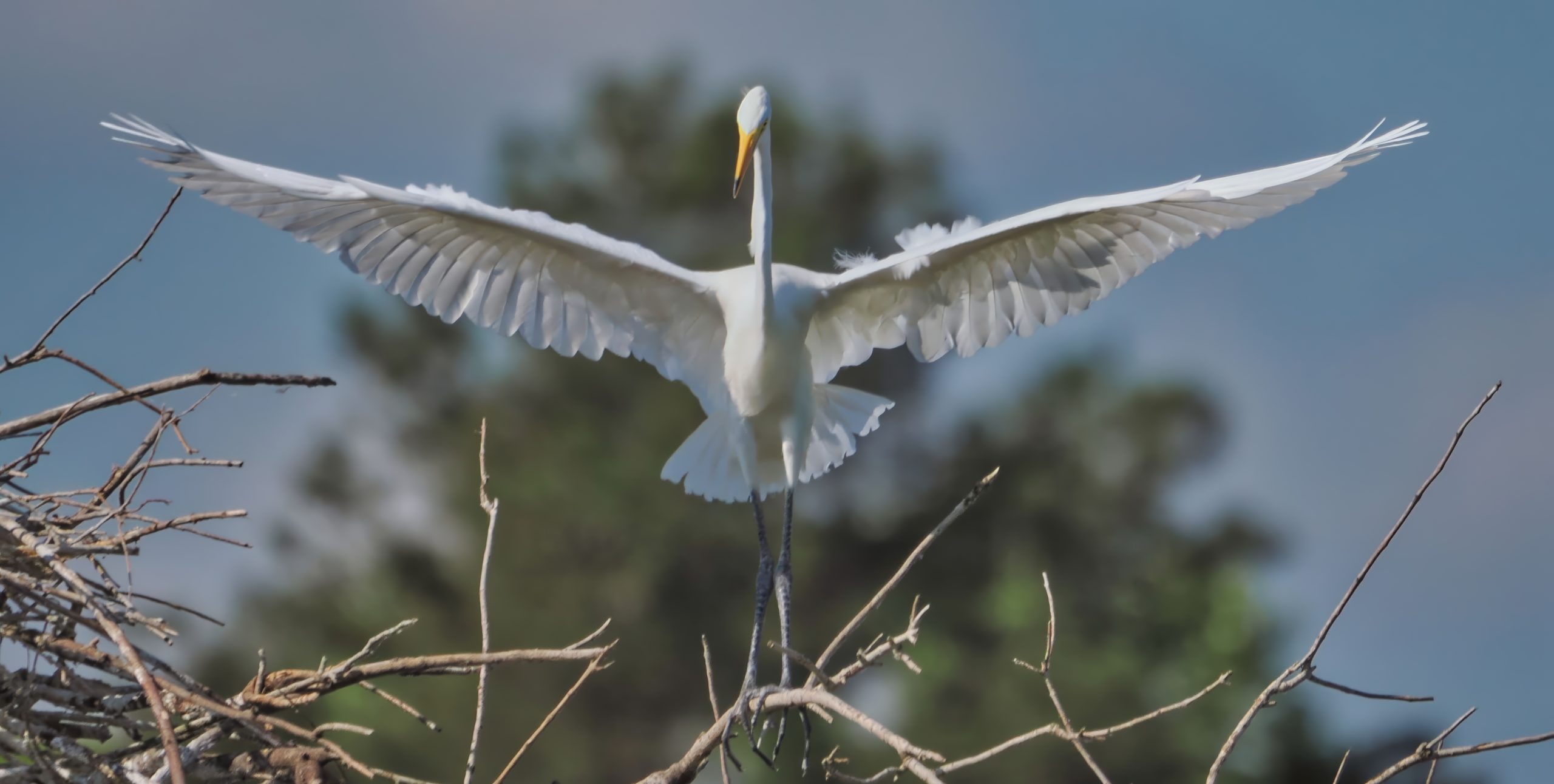
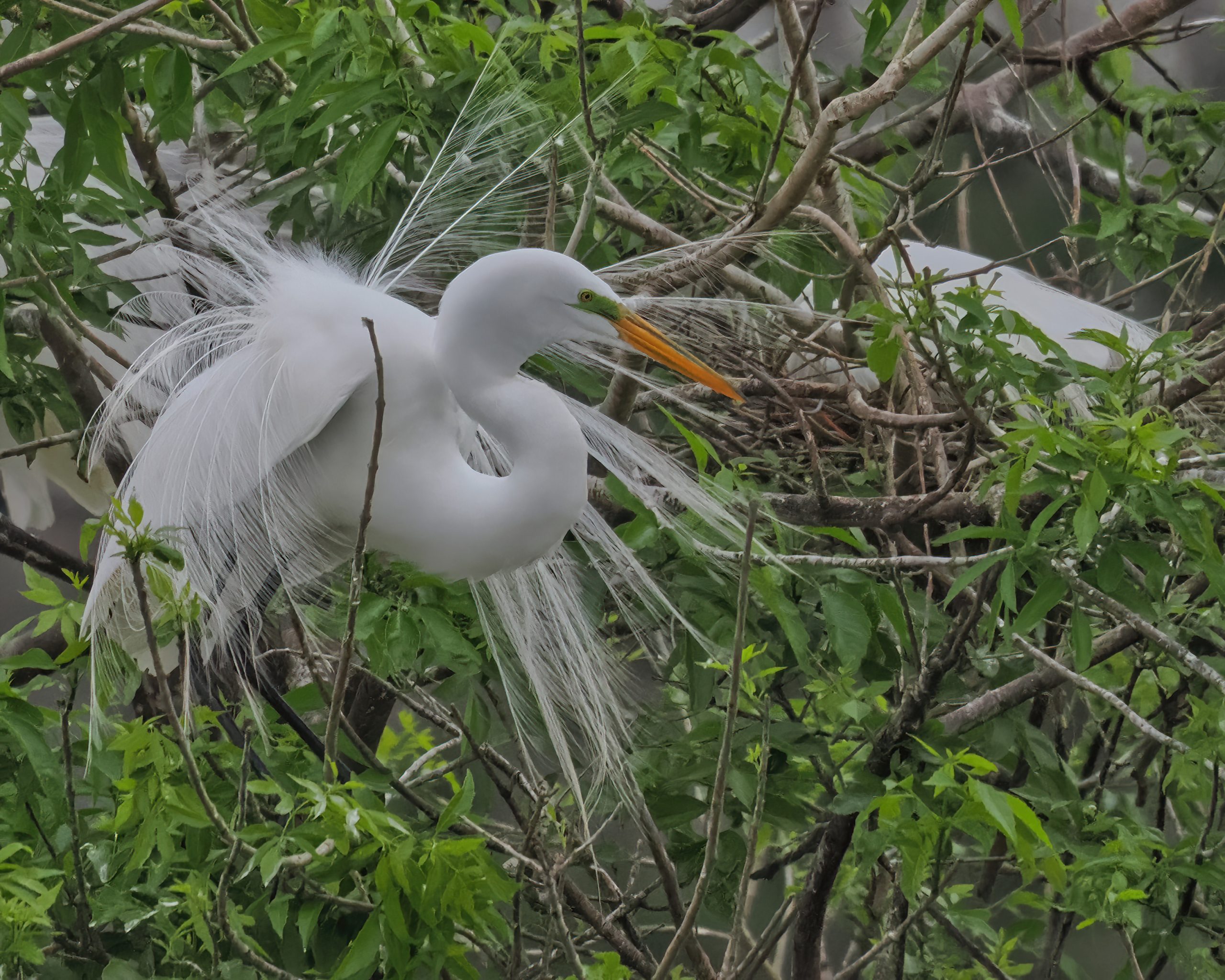
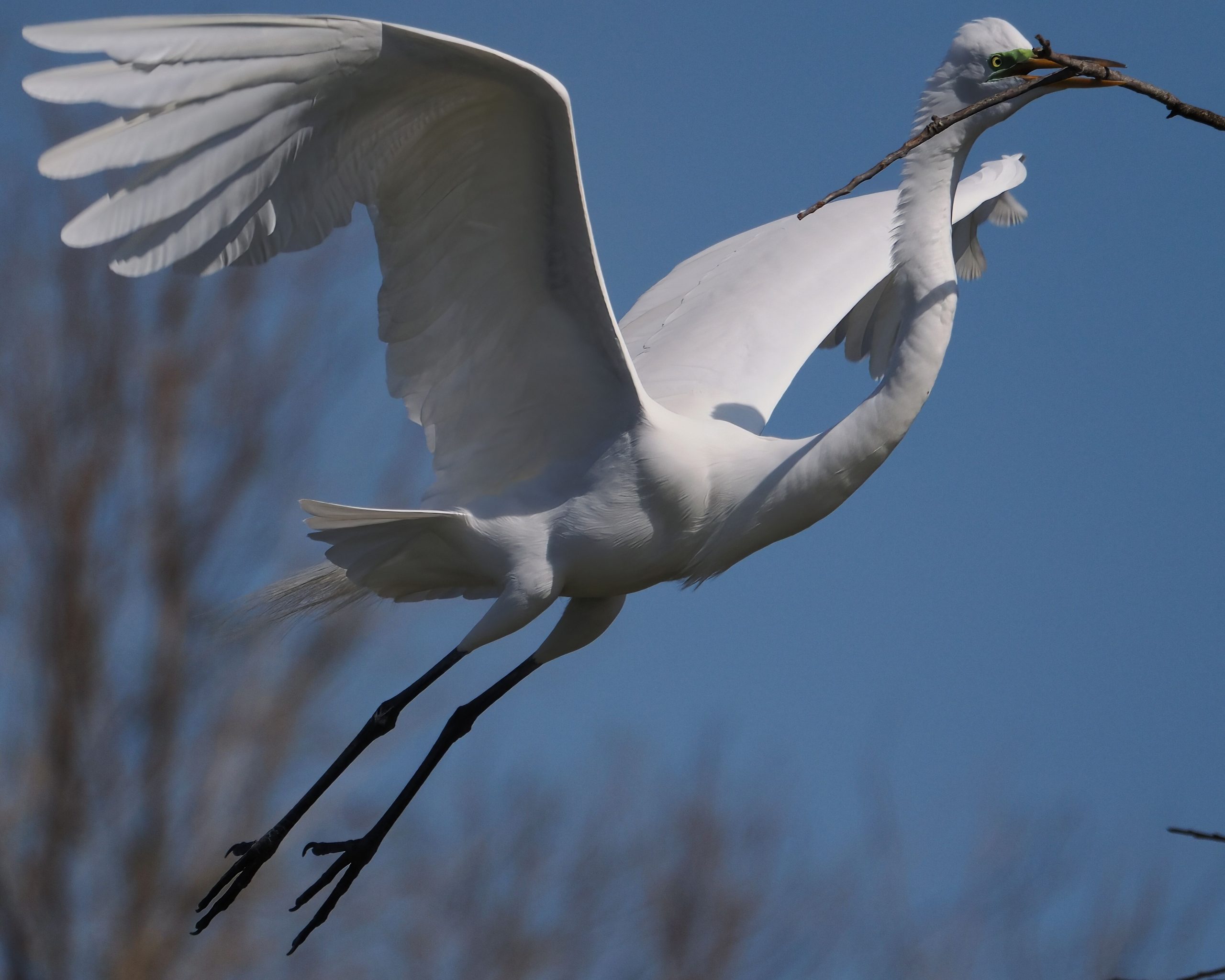
Male Great Egret in breeding attire, green lore about the eyes and plumes in all directions, intended to attract a mate. Delores Fenwick Nature Center, Pearland, Texas.
Little Blue Heron (Egretta caerulea). Double Lake, Sugar Land, Texas.
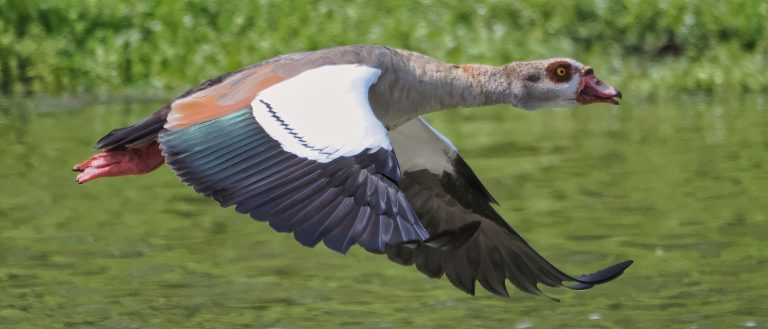
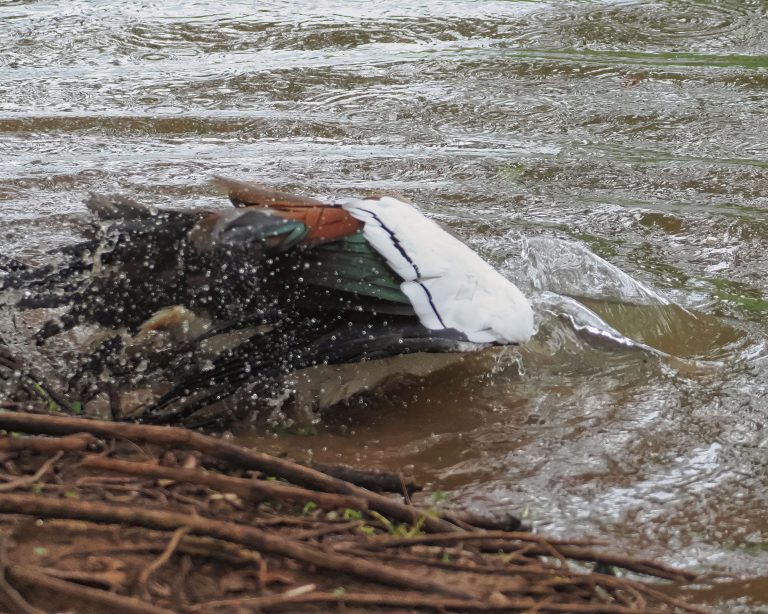
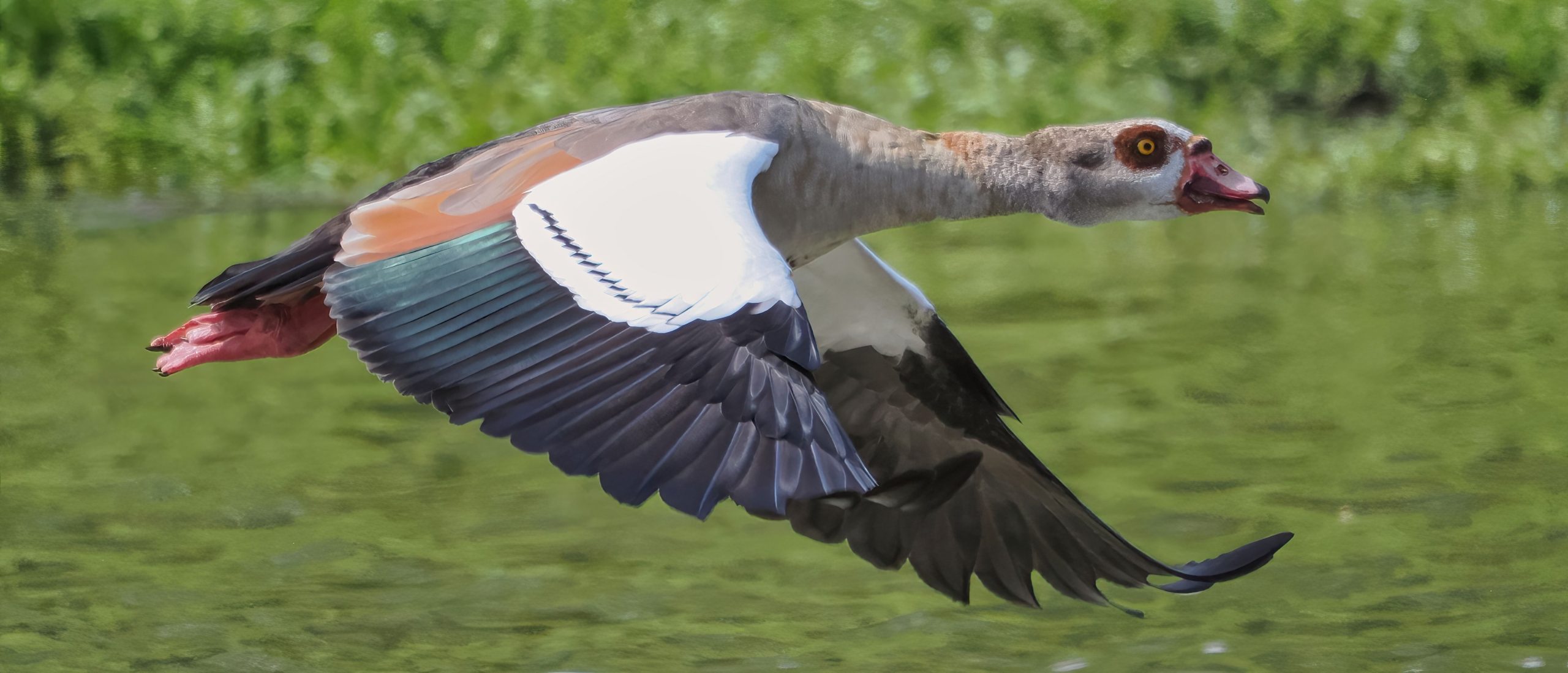
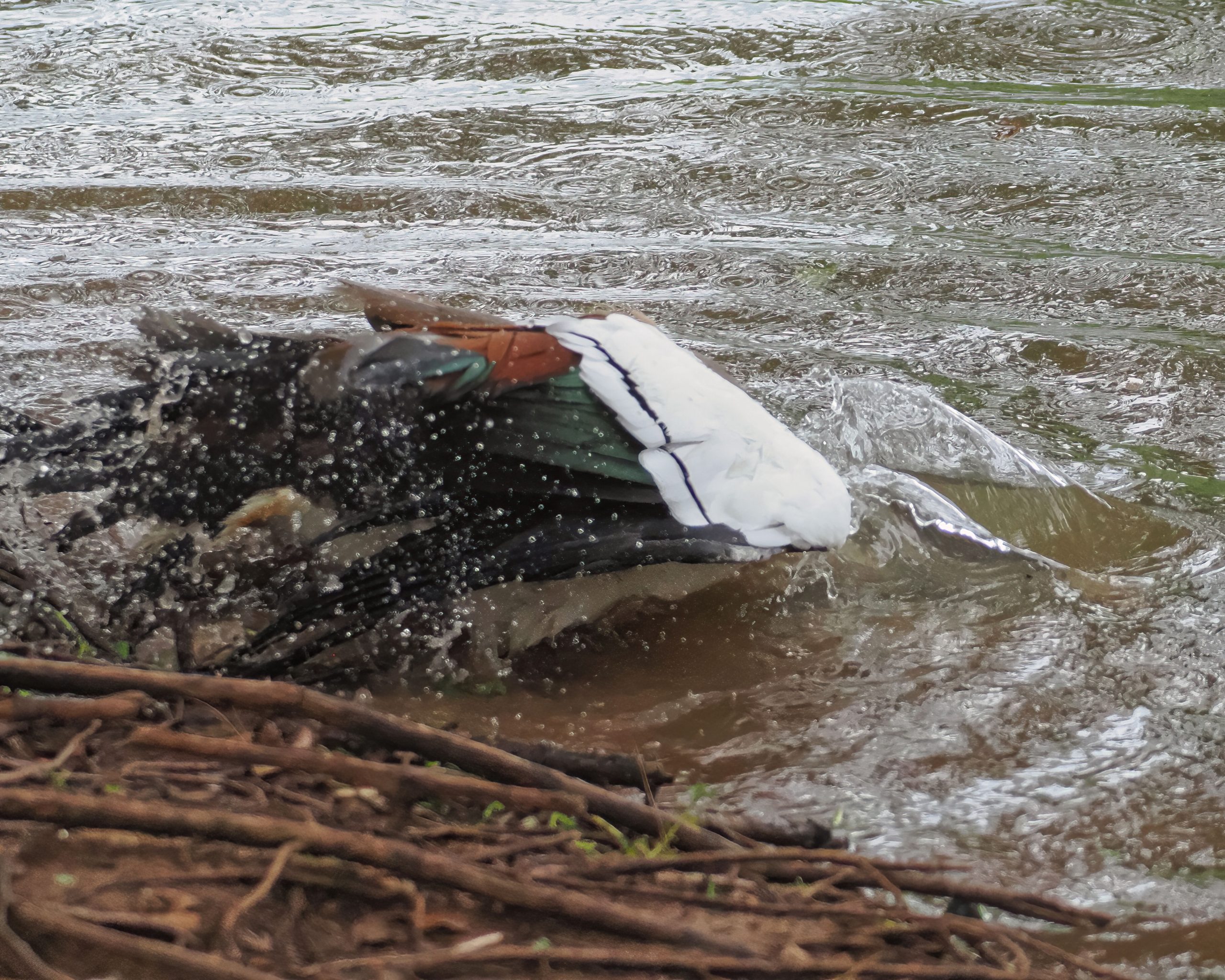
Egyptian goose (Alopochen aegyptiaca). Edgewater Lake, Sugar Land, Texas.
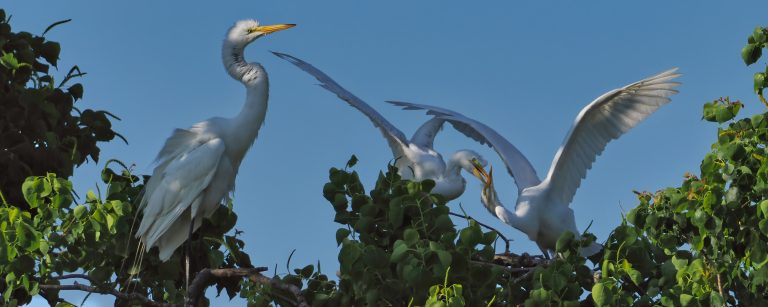
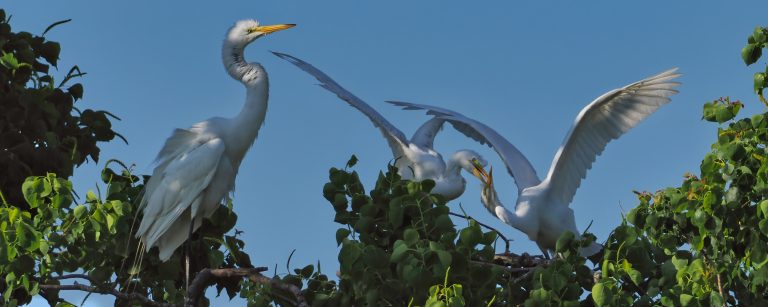
Mom training her fledglings to fly. Great Egrets Ardea alba. Resoft County Park, Alvin, Texas.
Mom training her fledglings to fly. Great Egrets Ardea alba. Resoft County Park, Alvin, Texas.
Great Egret family Ardea alba. Resoft County Park, Alvin, Texas. Platalea ajaja. John Hargrove Environmental Complex (AKA Delores Fenwick Nature Center), Pearland, Texas.
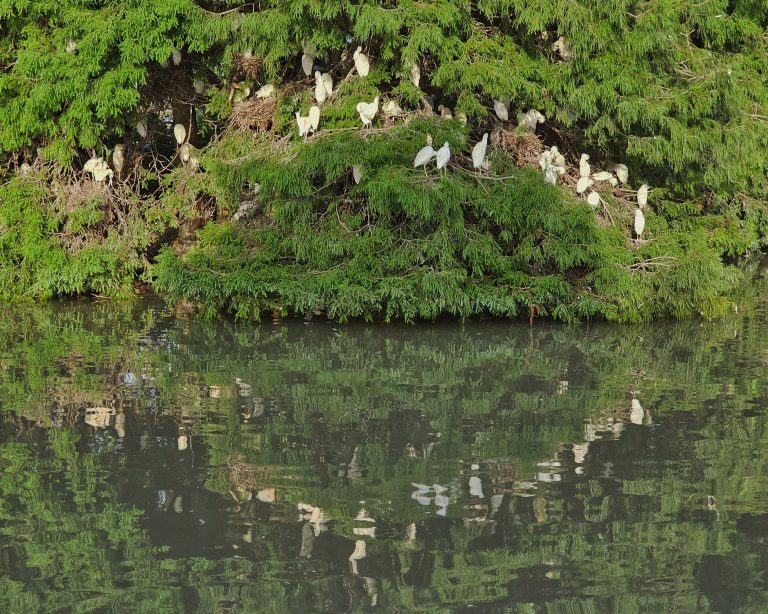
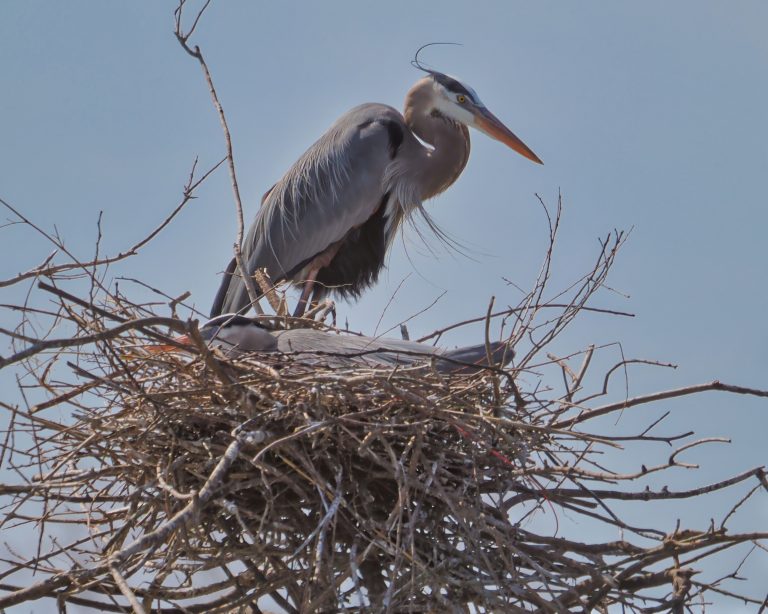
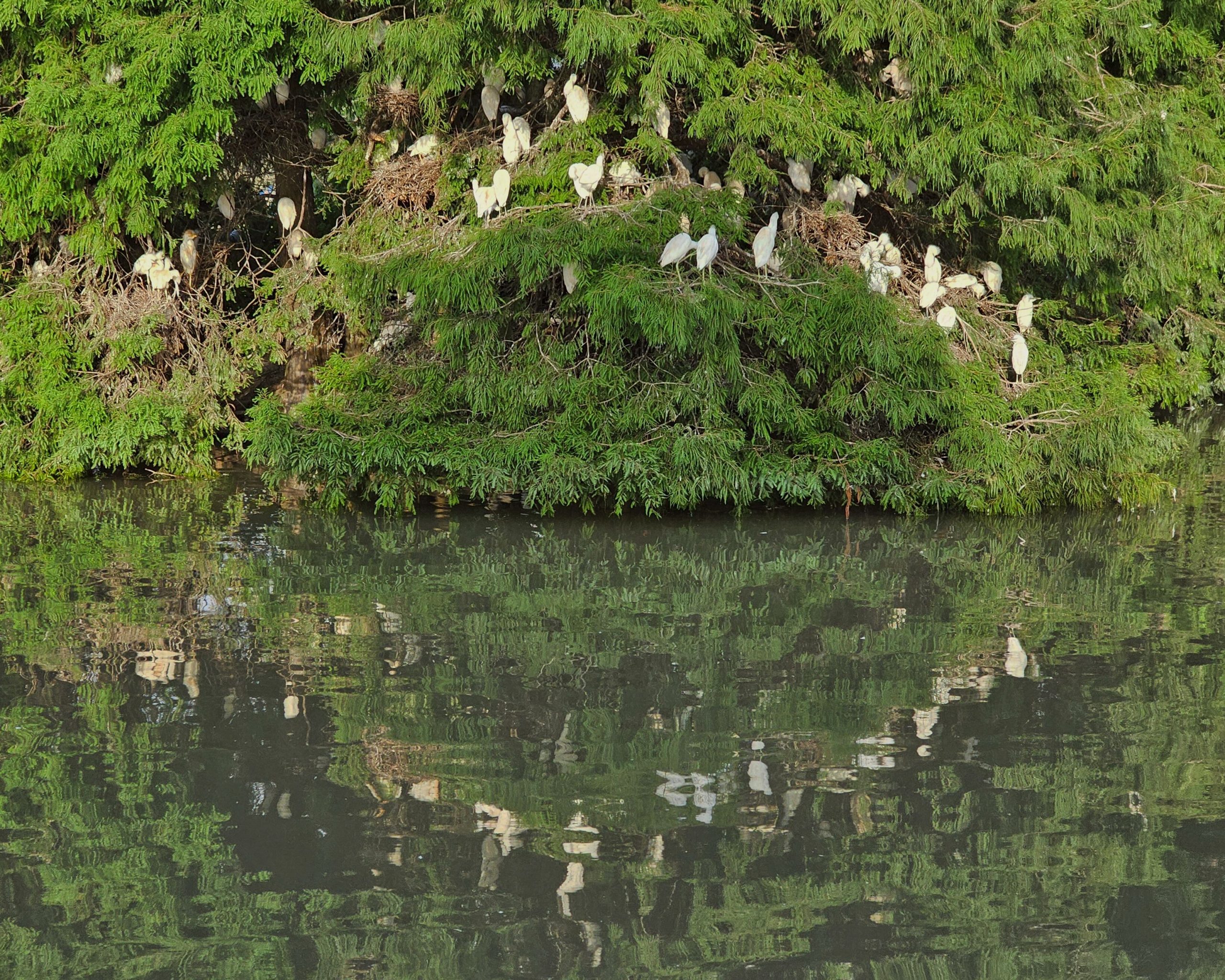
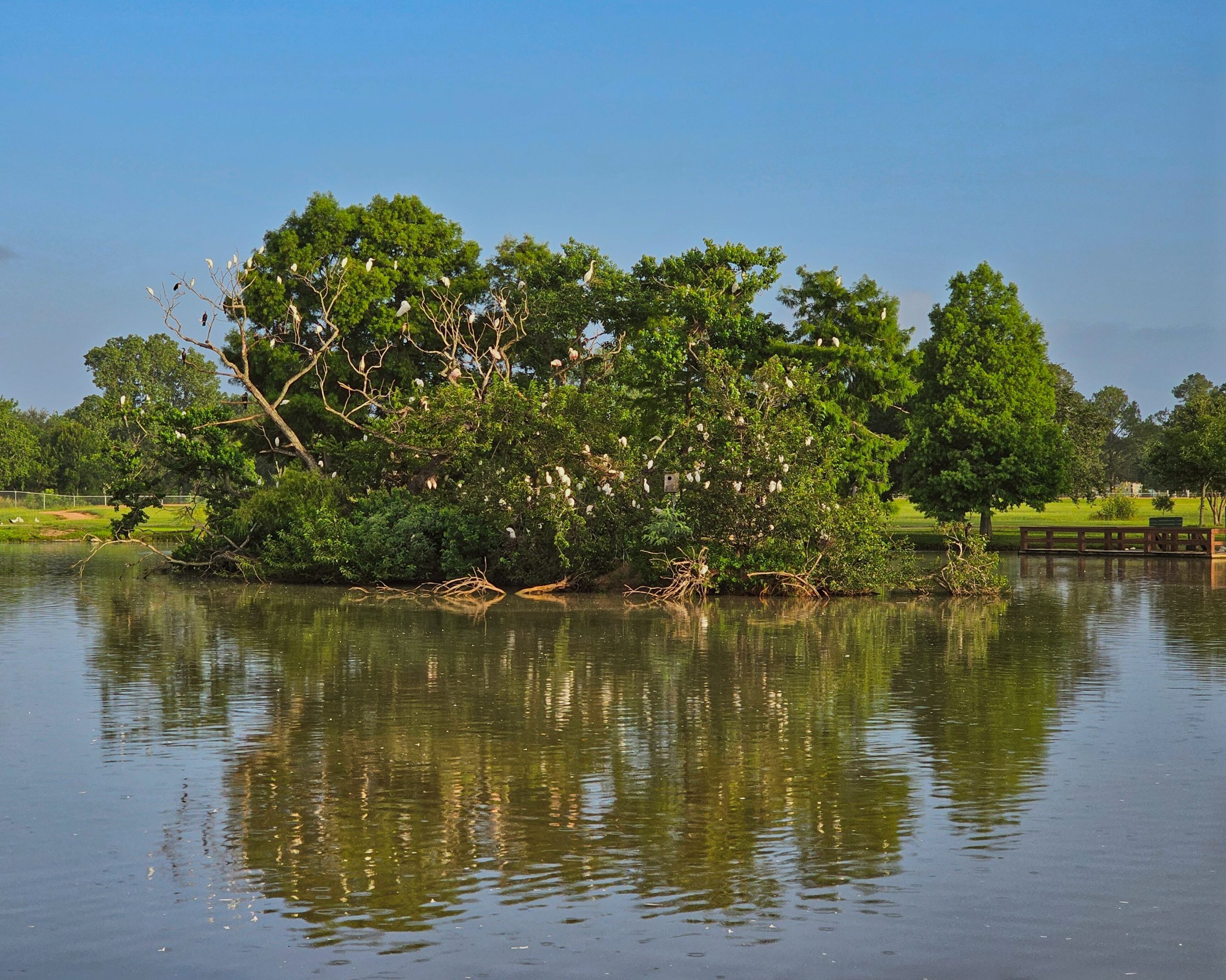
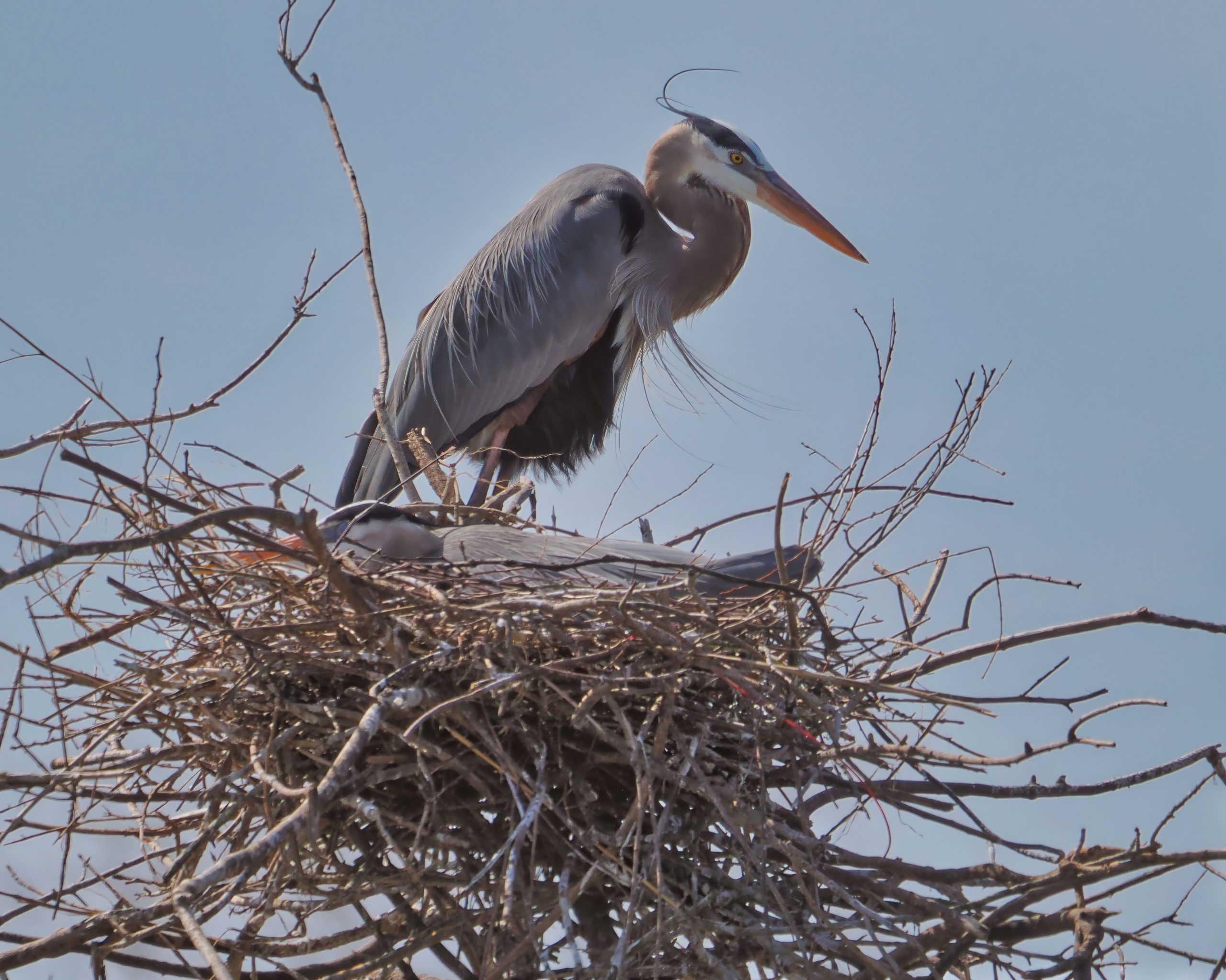
Nested nesting at John Hargrove Environmental Complex (AKA Delores Fenwick Nature Center), Pearland, Texas.
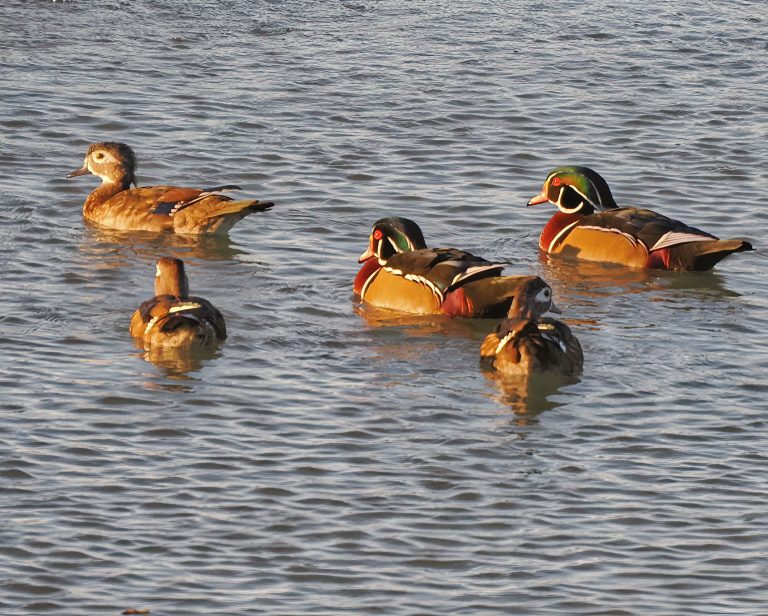
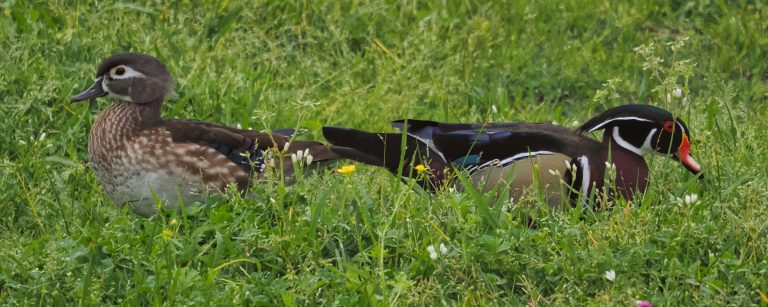
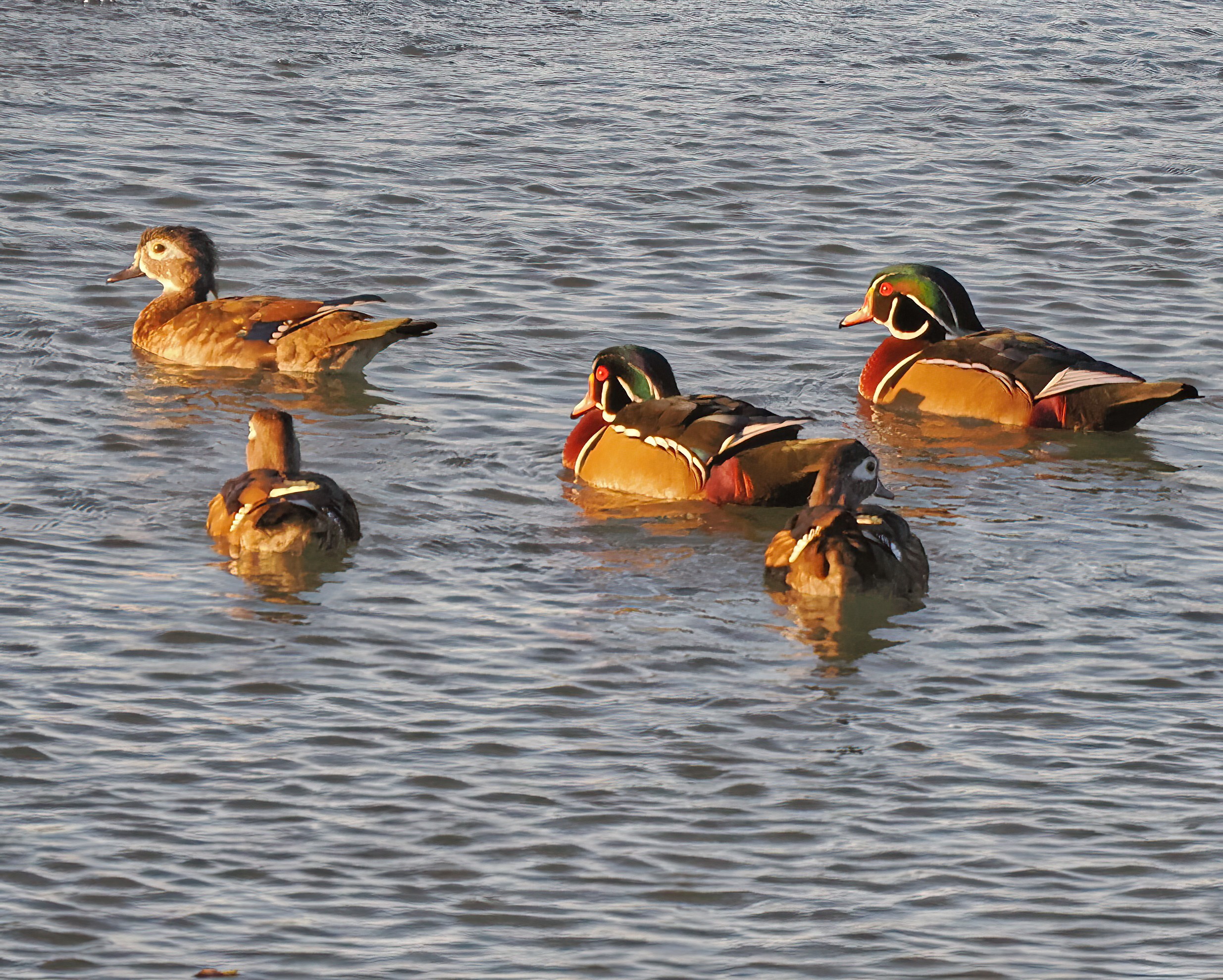
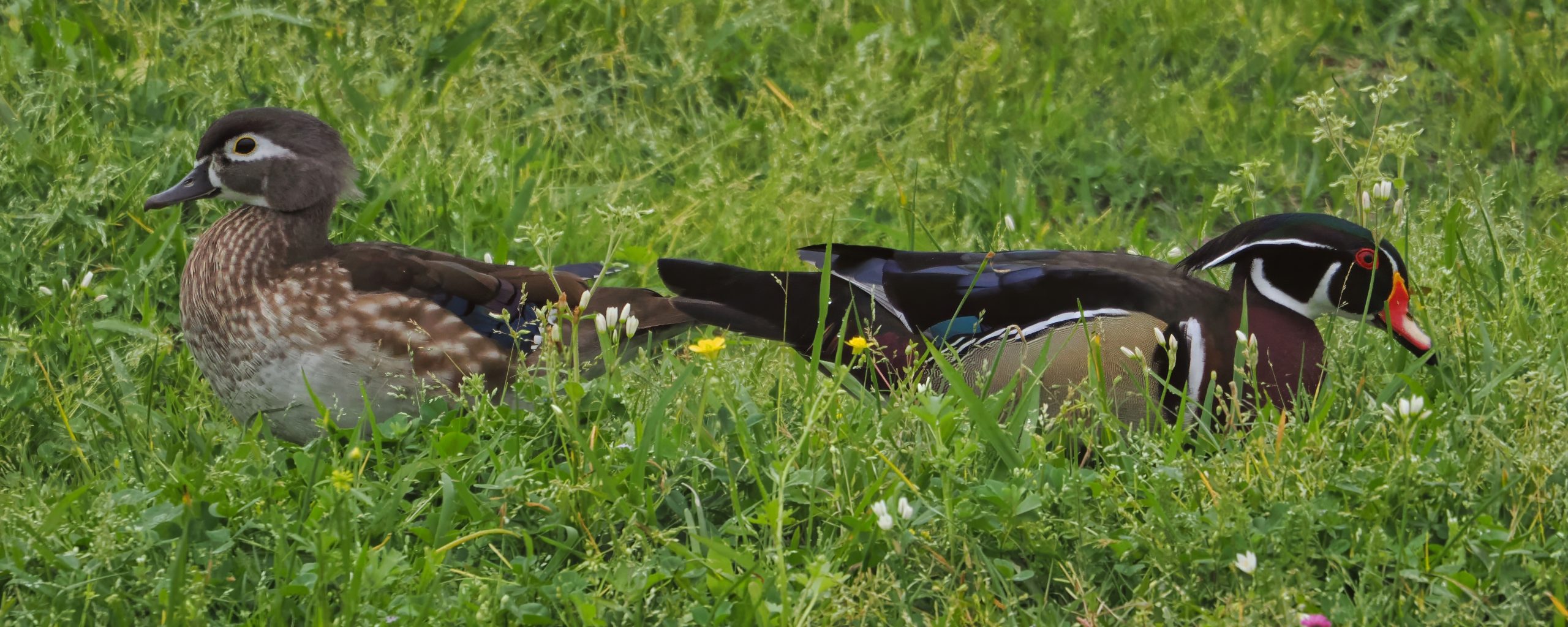
Female and male. Aix sponsa. Resoft County Park, Alvin, Texas.
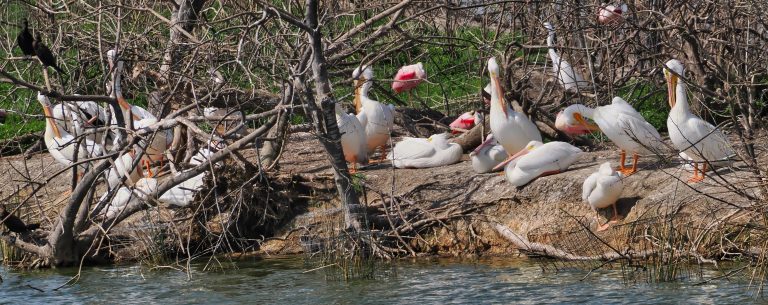
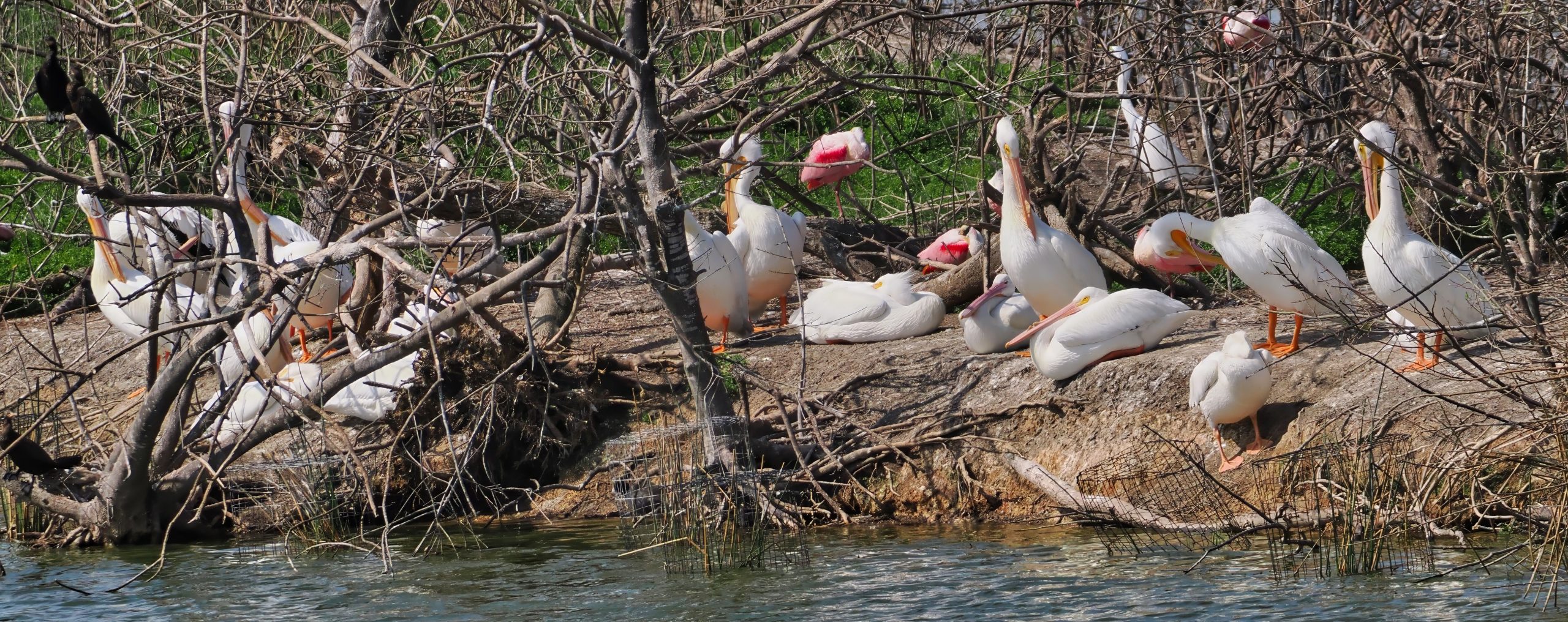
White Pelicans Pelecanus erythrorhynchos. John Hargrove Environmental Complex (AKA Delores Fenwick Nature Center), Pearland, Texas.
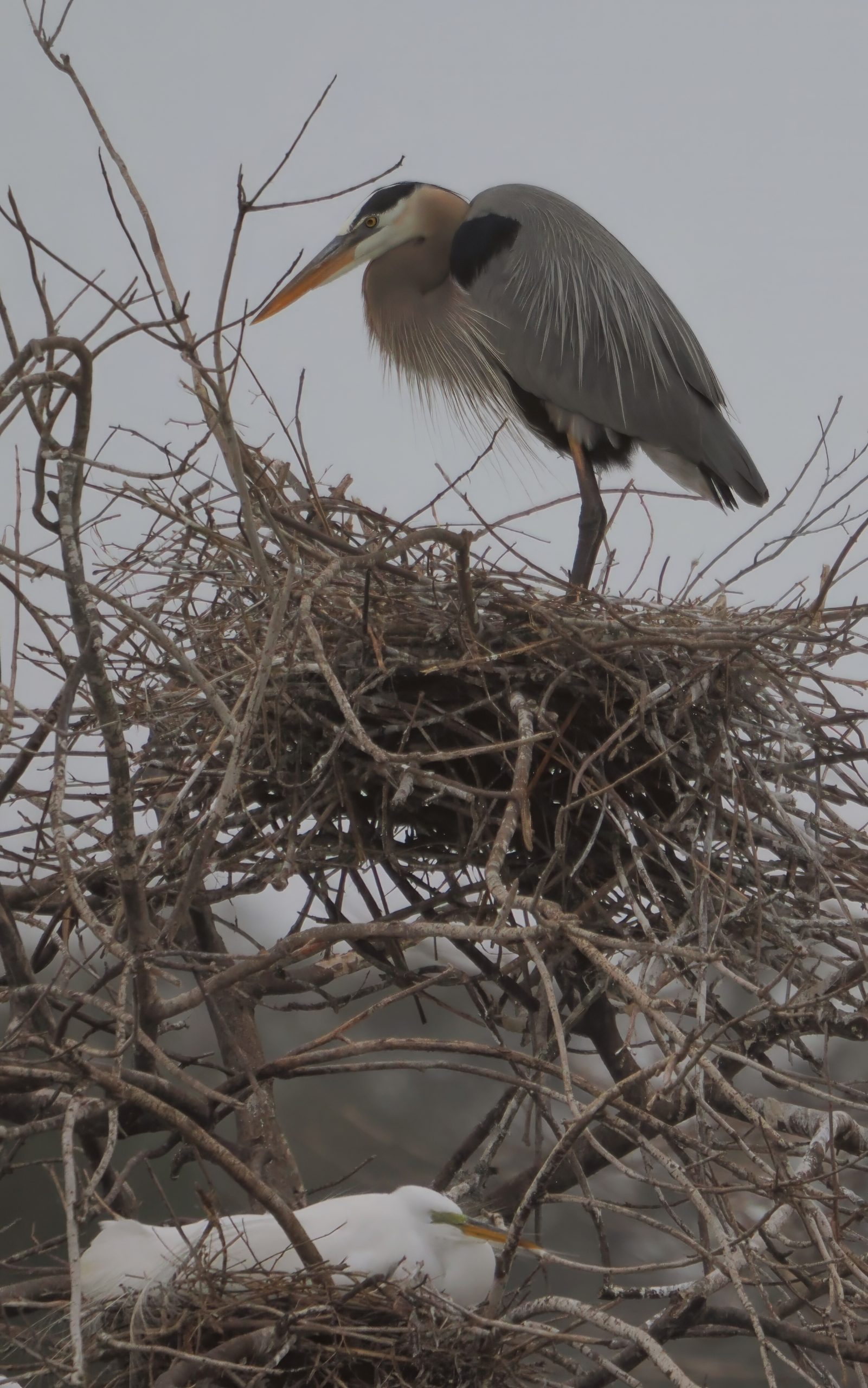
Great Blue Herons Ardea herodias. John Hargrove Environmental Complex (AKA Delores Fenwick Nature Center), Pearland, Texas.
Roseate Spoonbill. Resoft County Park, Alvin, Texas.
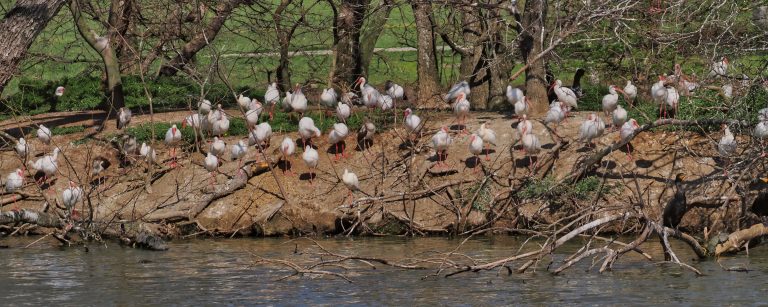
Ibis at Resoft County Park, Alvin, Texas.
John Hargrove Environmental Complex (AKA Delores Fenwick Nature Center), Pearland, Texas. Ardea alba. Great Egret. Resoft County Park, Alvin, Texas.
The nests are built. The young have fledged. Still a great photo of a Great White Egret (Ardea alba). Resoft County Park, Alvin, Texas Ardea alba. Great Egret. Resoft County Park, Alvin, Texas.
Great White Egret Ardea alba. Resoft County Park, Alvin, Texas. Ardea alba. Great Egret returning. Resoft County Park, Alvin, Texas. Platalea ajaja. Resoft County Park, Alvin, Texas. Ardea alba. Great Egret building a nest at Resoft County Park, Alvin, Texas.
Follow the link below for a 4-page exposition of the QPS (Quality, Popularity, Strategy) score for flickr with which to evaluate your performance (whatever that means), or that of anyone else. Warning: some math involved. Enjoy and comment below whether this is fun, irrelevant to your objectives on flickr, or just plain stupid. Cheers: <a href=http://www.hydrometronics.com/downloads/Keeping_score.pdf rel=noreferrer
There are birders who use binoculars and can recognize innumerable species. Then there are bird photographers who may or may not be great birders. I am the latter, more photographer than birder. So, I often find myself photographing the large white egrets and the large blue herons that bless the many wetlands of SE Texas. Easier targets, for sure, but no less resplendent. The purpose of this book is to present these magnificent birds in their most characteristic activity, that is, in flight.
Now available on Amazon: <a href=https://www.amazon.com/Texas-Egrets-Flight-Noel-Zinn/dp/B0CLJZZ41K/ref=sr_1_1?crid=3H90TT8IILMT2&keywords=noel+Zinn&qid=1698350554&s=books&sprefix=noel+zinn,stripbooks,110&sr=1-1 rel=noreferrer
In Texas we’re weeks into triple digit temperatures (that is, over 100F, or 38C). Really wanted a Vespa motor scooter to feel a cooling breeze on a summer’s afternoon, but my Nederlander wife (Pauline) thought an electric bike would be more appropriate, of course, and she was right. This Velotric Nomad 1 is cool in more ways than one, and clearly in the direction we all need to travel to deal with environmental realities. Healthy, too. Photo by Pauline.
Grus americana. Goose Island Texas opposite The Big Tree. There are fewer than 600 individuals in the States mostly wintering in the Aransas NWR, fewer than 900 in the world including those in captivity (mostly for breeding to thwart extinction).
[Mycteria americana]. A drying White Lake protected about 30-40 Wood Storks over night. The weather warmed up by 10:30am to flying temperature (I guess) and the birds resumed their migration. Only seen Wood Storks one previous time (in BBSP) in 8 years of Texas birding. Cullinan Park, Sugar Land, Texas.
[Mycteria americana]. Apparently about 30-40 Wood Storks over-nighted in Cullinan in the colder temperatures. The weather warmed up by 10:30am and the birds resumed their migration in the thinner air. Very rare sight in Texas. Cullinan Park, Sugar Land, Texas.
[Mycteria americana]. Apparently about 30-40 Wood Storks over-nighted in Cullinan in the colder temperatures. The weather warmed up by 10:30am and the birds resumed their migration in the thinner air. Very rare sight in Texas. Cullinan Park, Sugar Land, Texas.
Thalasseus maximus. Over The Packery Channel between the southern tip of Matagorda Island and the northern tip of Padre Island, near Corpus Christi, Texas.
I love this photo. iNaturalist tells me the birds are either Reddish Egrets or Little Blue Herons, or both maybe. But does it matter? Let me know what you think. Photographed from Bolivar Flats, an extraordinary Texas resource.
American Flamingo (Phoenicopterus ruber). Sightings of Flamingos in Texas are very rare. Birding colleagues suggested that the recent winds and cold front carried this Flamingo off course and brought it to the Leonabelle Turnbull Birding Center in Port Aransas, Texas, where it
Egretta rufescens. Adult Reddish Egrets have two color morphs, a rare all-white morph and a darker bluish and reddish morph. When pairing up, males and females don’t seem to pay attention to which morph their mate is. A single nest can have chicks of both color morphs in it. San Luis Pass, Galveston, Texas
Every 5 minutes or so another wave of brown pelicans pass over the town and move up (or down) the beach (depending on the winds). Dreary day. Some rain. Photographer
Botaurus exilis. The least bittern is a small heron, the smallest member of the family Ardeidae found in the Americas. This species was formerly placed in the genus Ixobrychus. The least bittern is an elusive bird. They spend much time straddling reeds. Polishing Pond in Fulshear, Texas.
Roseate Spoonbill (Platalea ajaja) circling in for a shallow water landing. Tricolored Heron in the shadows. John Hargrove Environmental Complex (AKA Delores Fenwick Nature Center), Pearland, Texas.
The brown pelican (Pelecanus occidentalis) is one of three pelican species found in the Americas and one of two that feed by diving into water. Photographed in Joe Jamail Park in Galveston, Texas.
Brown Pelican (Pelecanus occidentalis) over The Packery Channel between the southern tip of Matagorda Island and the northern tip of Padre Island, near Corpus Christi, Texas.
Egretta rufescens. Adult Reddish Egrets have two color morphs, a rare all-white morph, which this is, and a darker bluish and reddish morph, which is more common, but not THAT common. Photographed at the Leonabelle Turnbull Birding Center, Port Aransas, Texas.
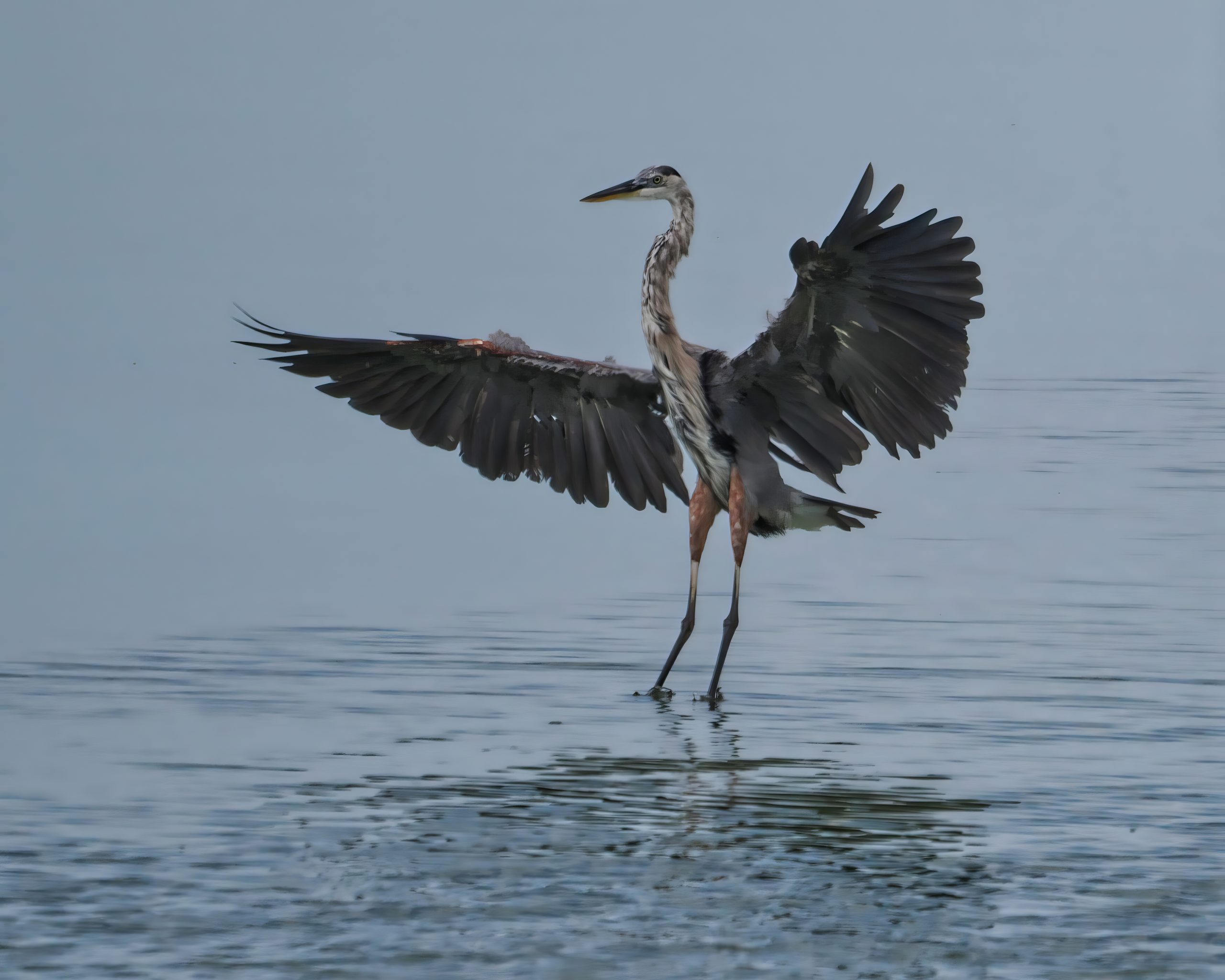
Ardea herodias. Mature, probably aging, Great Blue, but what a great place to spend your later years! Photographed at the Leonabelle Turnbull Birding Center, Port Aransas, Texas.
Sandhill Cranes (Antigone canadensis) winter in Texas (and elsewhere, notably Bosque del Apache National Wildlife Refuge in New Mexico). In Texas they commonly feed in harvested rice fields during the day such as those found near Darst Road in Beasley (see #1 of 4). In the morning they fly to rice fields from their roosts (in places unknown to me). During the day they occasionally fly from field to field. In the evening they return to roost. The season is commonly from November through March.
Sandhill Cranes (Antigone canadensis) winter in Texas (and elsewhere, notably Bosque del Apache National Wildlife Refuge in New Mexico). In Texas they commonly feed in harvested rice fields during the day such as those found near Darst Road in Beasley (see #1 of 4). In the morning they fly to rice fields from their roosts (in places unknown to me). During the day they occasionally fly from field to field. In the evening they return to roost. The season is commonly from November through March.
Sterna forsteri breeds inland in North America in the northern United States and southern Canada, and migrates south to the southern United States. The Forster’s tern feeds by plunge-diving for fish, but will also hawk for insects in its breeding marshes. It usually dives directly, and not from the "stepped-hover" favored by the Arctic tern. The offering of fish by the male to the female is part of the courtship display. Photographed in Bolivar Flats.
Muscovy Ducks specialize in population explosion. Resoft County Park, Alvin, Texas. Factoid: Muscovy ducks are the only domesticated duck not descended from the mallard.
POTUS Trump renamed the Anahuac NWR after a 12-year-old Houston girl brutally murdered by immigrants, whose death Trump cynically blamed on his political opponent. Wonderful place by any name. Chambers County, Texas.
Sandhill Cranes (Antigone canadensis) winter in Texas (and elsewhere, notably Bosque del Apache National Wildlife Refuge in New Mexico). In Texas they commonly feed in harvested rice fields during the day such as those found near Darst Road in Beasley (see #1 of 4). In the morning they fly to rice fields from their roosts (in places unknown to me). During the day they occasionally fly from field to field. In the evening they return to roost. The season is commonly from November through March.
Sandhill Cranes (Antigone canadensis) winter in Texas (and elsewhere, notably Bosque del Apache National Wildlife Refuge in New Mexico). In Texas they commonly feed in harvested rice fields during the day such as those found near Darst Road in Beasley (see #1 of 4). In the morning they fly to rice fields from their roosts (in places unknown to me). During the day they occasionally fly from field to field. In the evening they return to roost. The season is commonly from November through March.
Watch your step! Accumulating driftwood. Surfside Jetty in the distance. The entrance to Freeport Harbor between them, a runway for pelicans, occasionally frigate birds. Quintana, Texas.
Male Great Egret in breeding attire, green lore about the eyes and plumes in all directions, intended to attract a mate. Delores Fenwick Nature Center, Pearland, Texas.