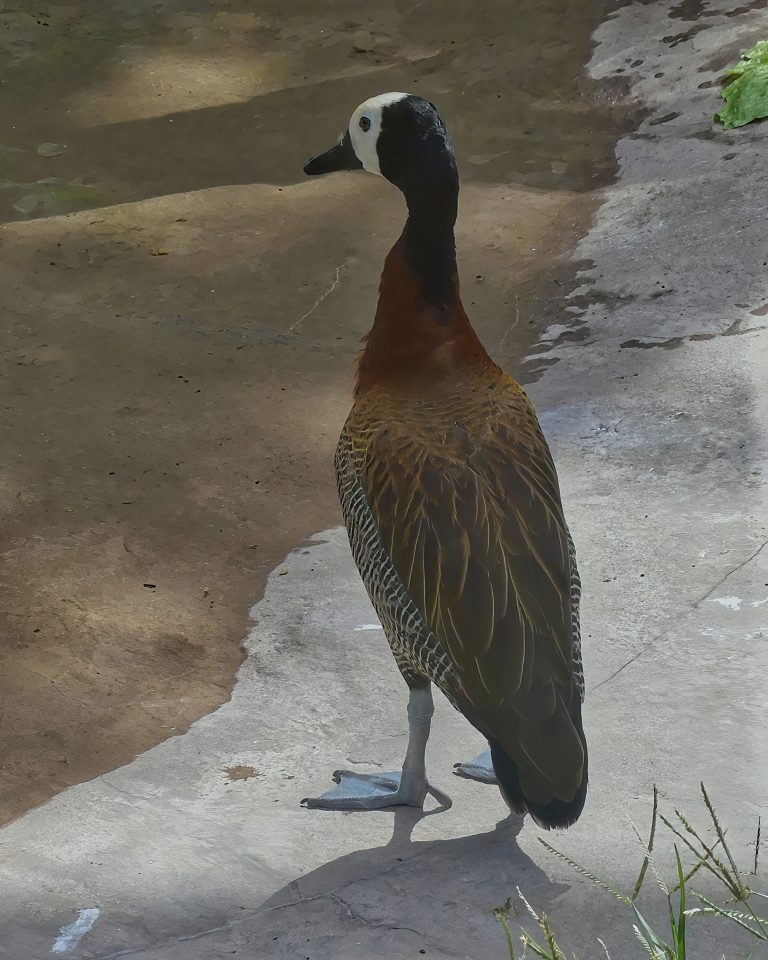
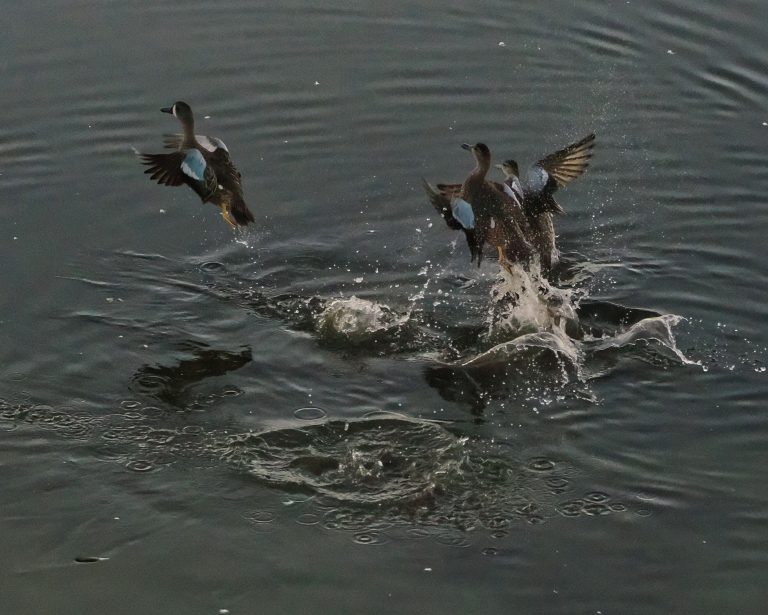
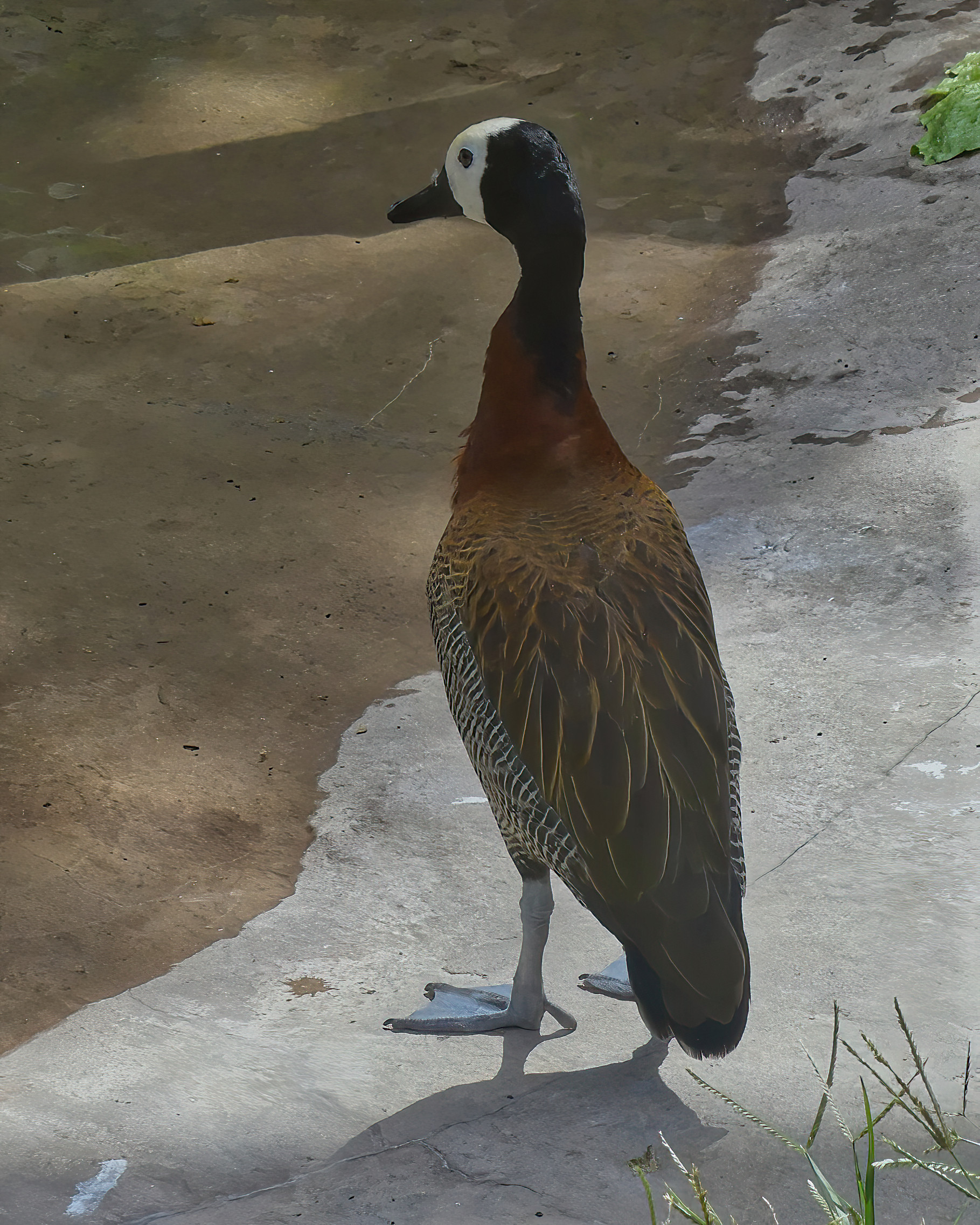
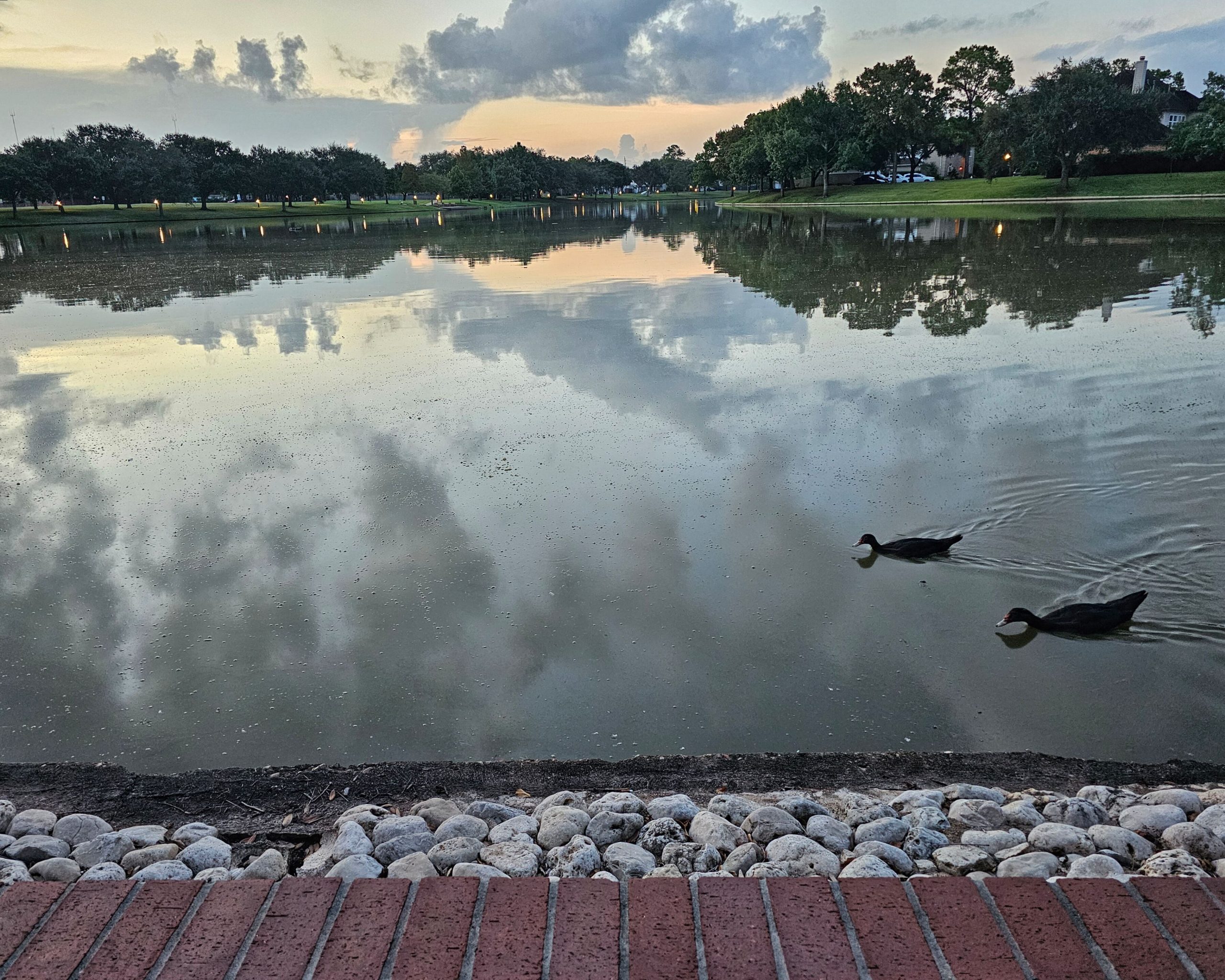
Dendrocygna viduata. Native to South America and Sub-Saharan Africa. Houston Zoo, Texas.
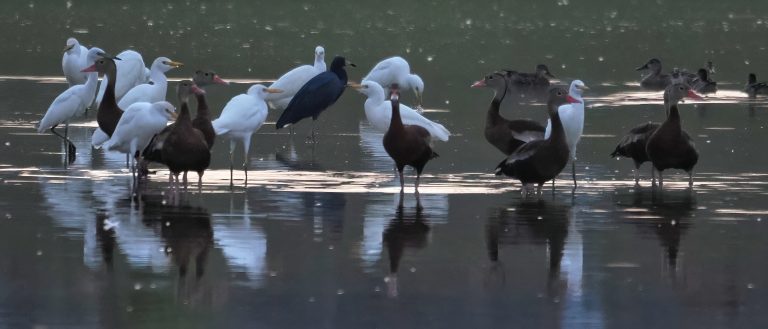
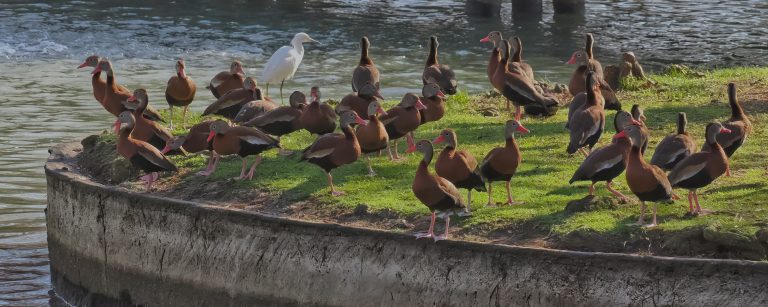
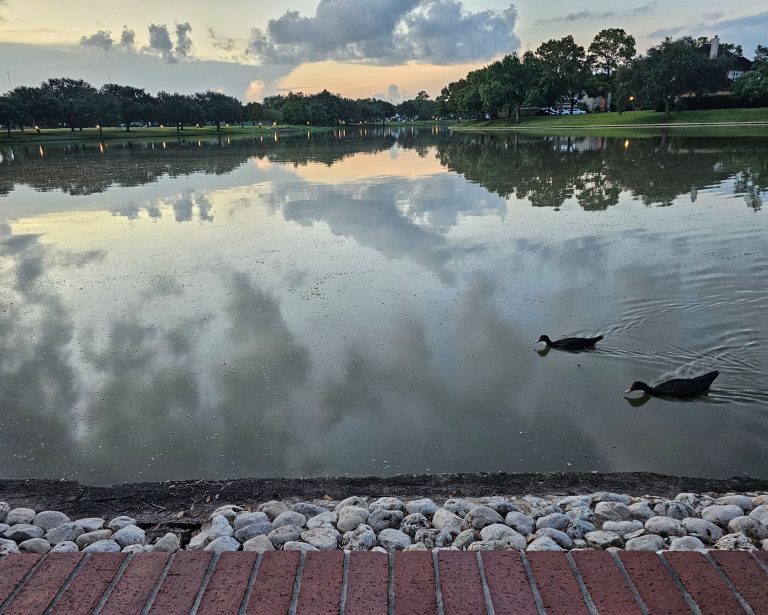
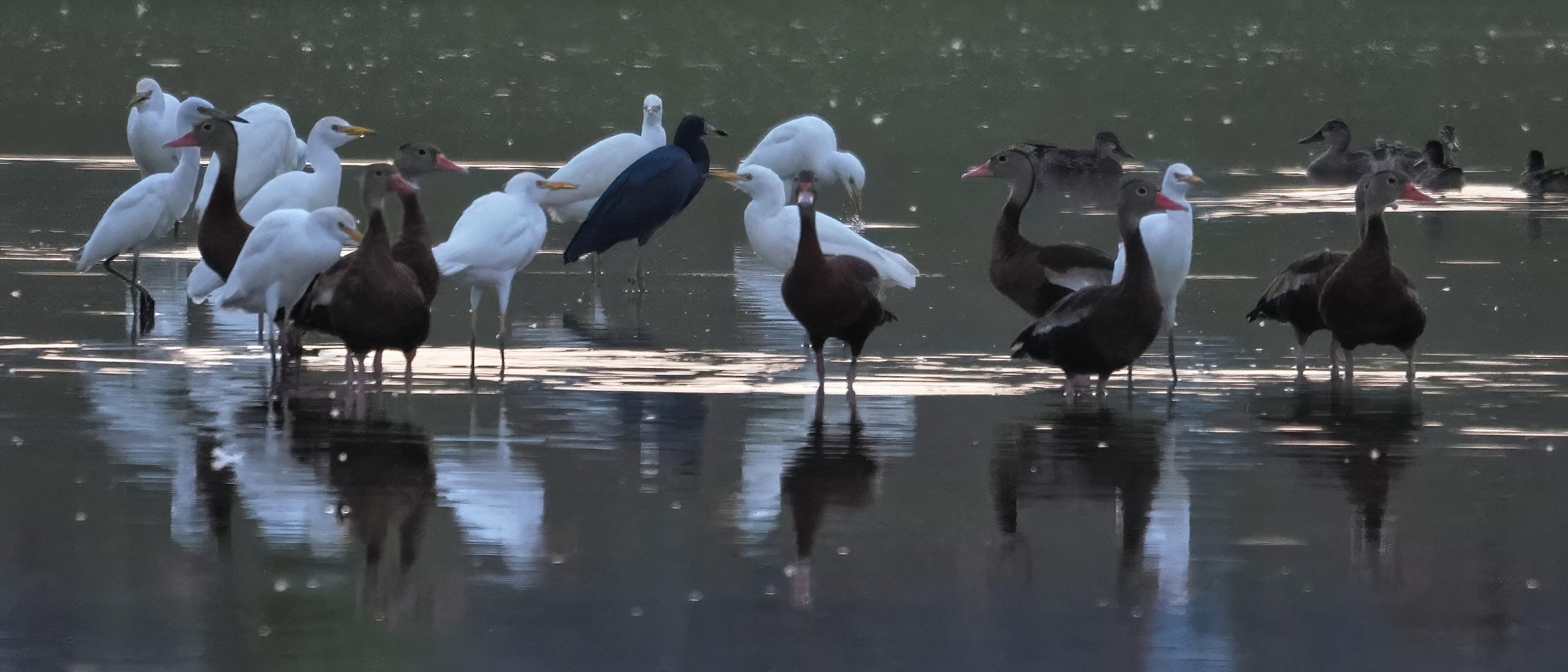
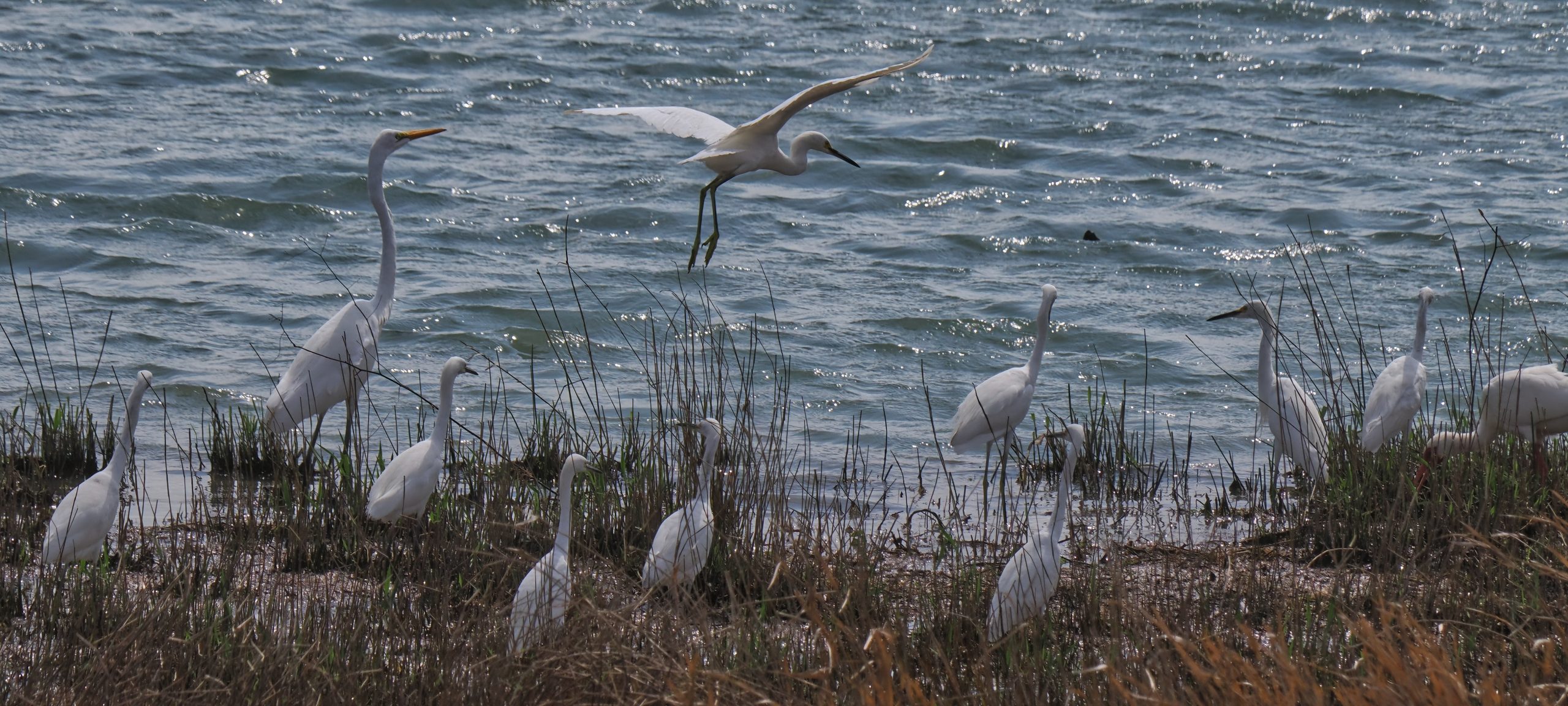
Cattle Egrets, Little Blue Herons, Black-bellied Whistling Ducks. Delores Fenwick Nature Center, Pearland, Texas.
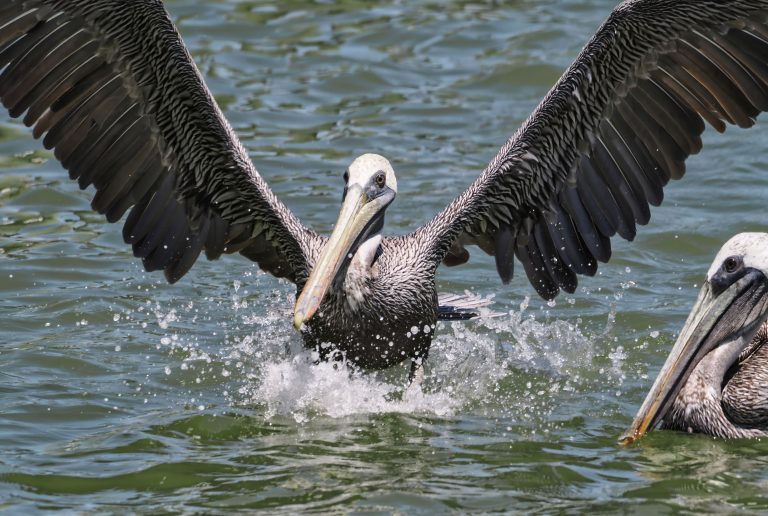
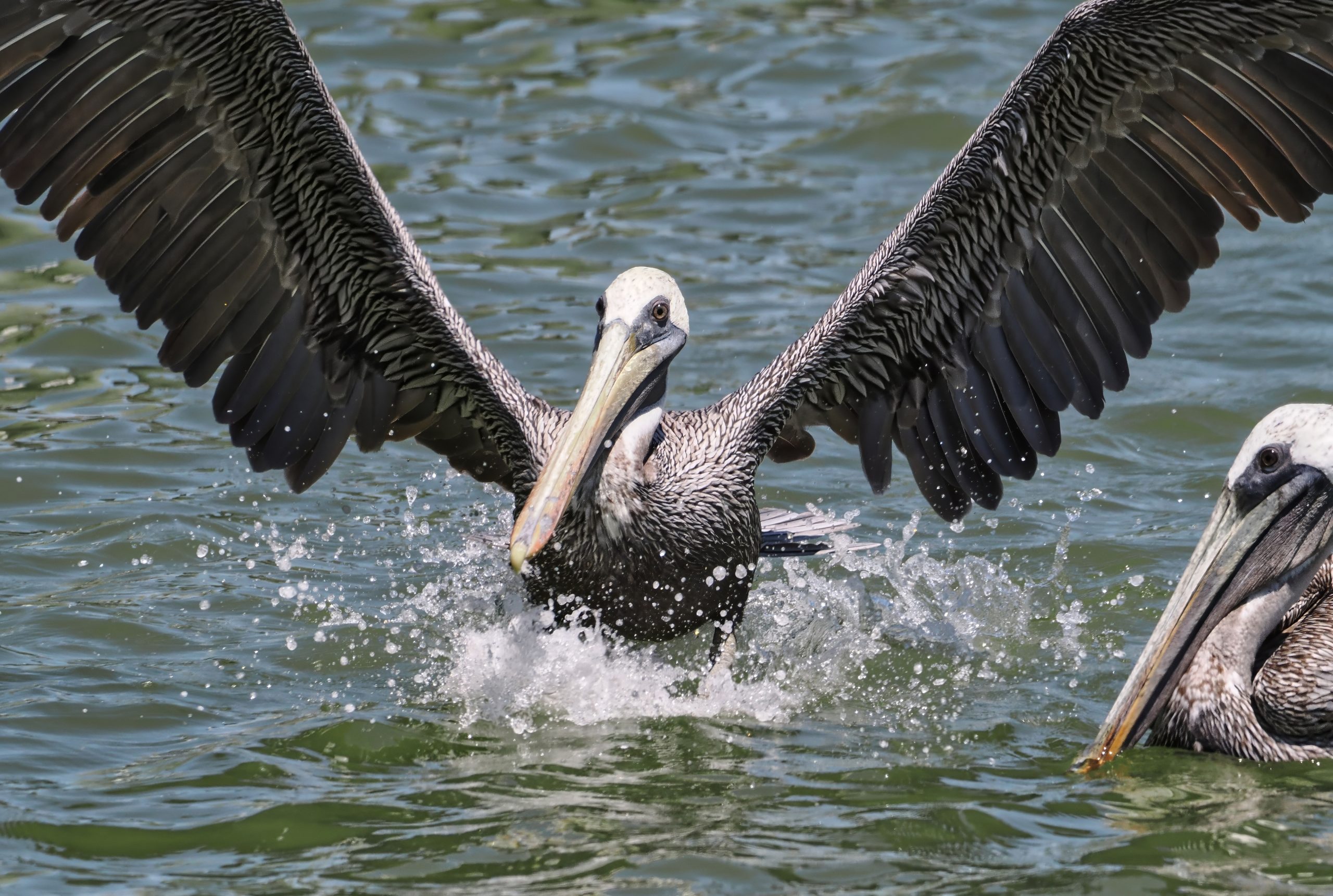
Brown Pelicans Pelecanus occidentalis. Fiorenza Park, west Houston, Texas.
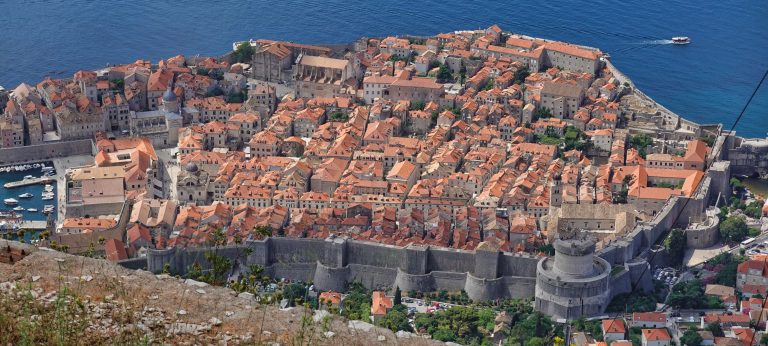
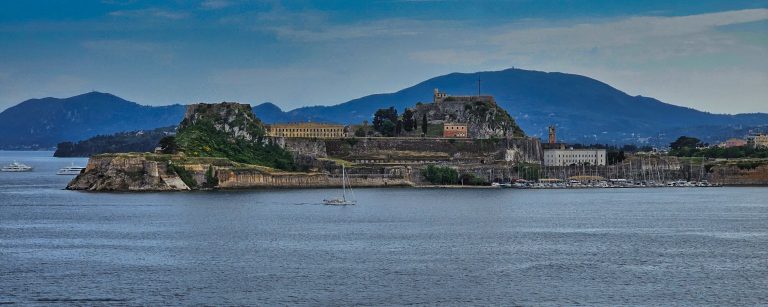
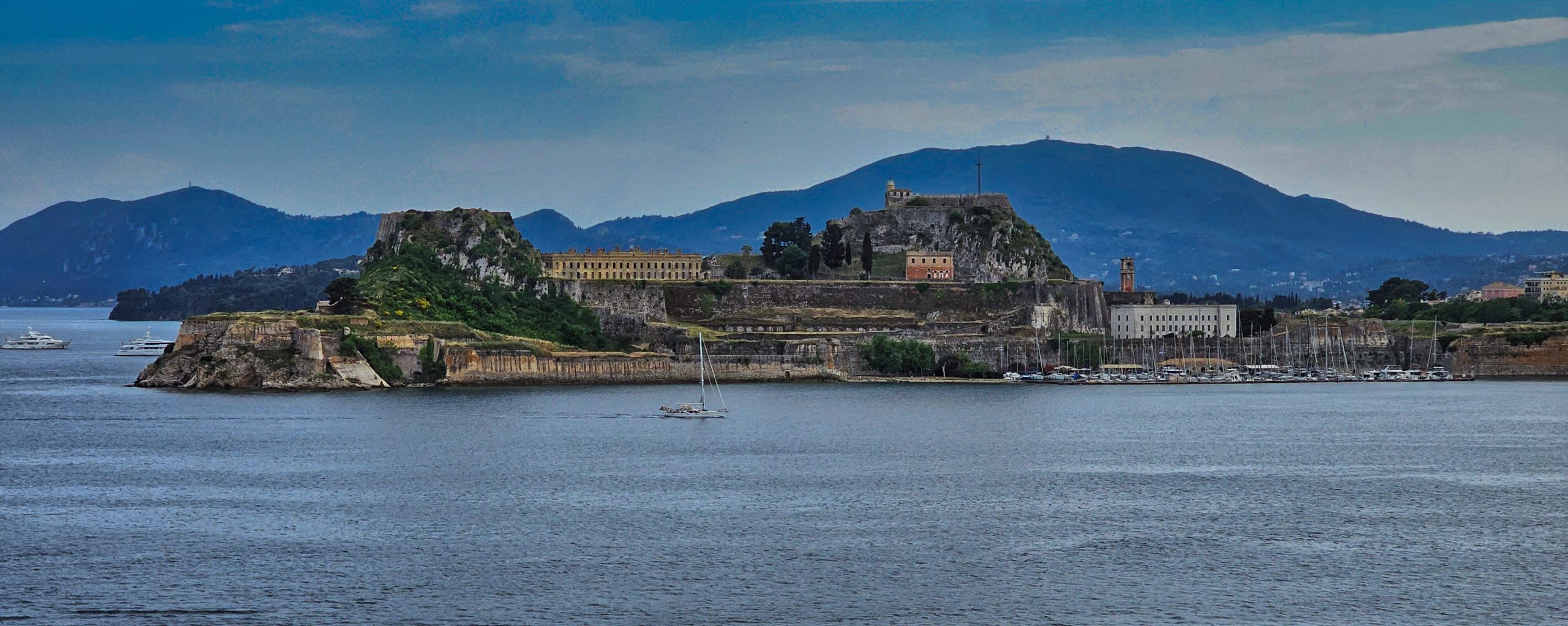
The Old Fortress of Corfu is a Venetian fortress in the city of Corfu. The fortress covers the promontory which initially contained the old town of Corfu that had emerged during Byzantine times. [Wikipedia]. Currently in Venice on this cruise after having visited three ports on the eastern Adriatic, I am amazed at the geographical influence of the Venetians several centuries ago.
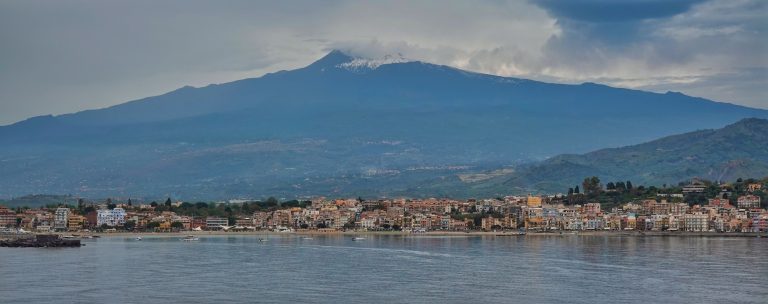
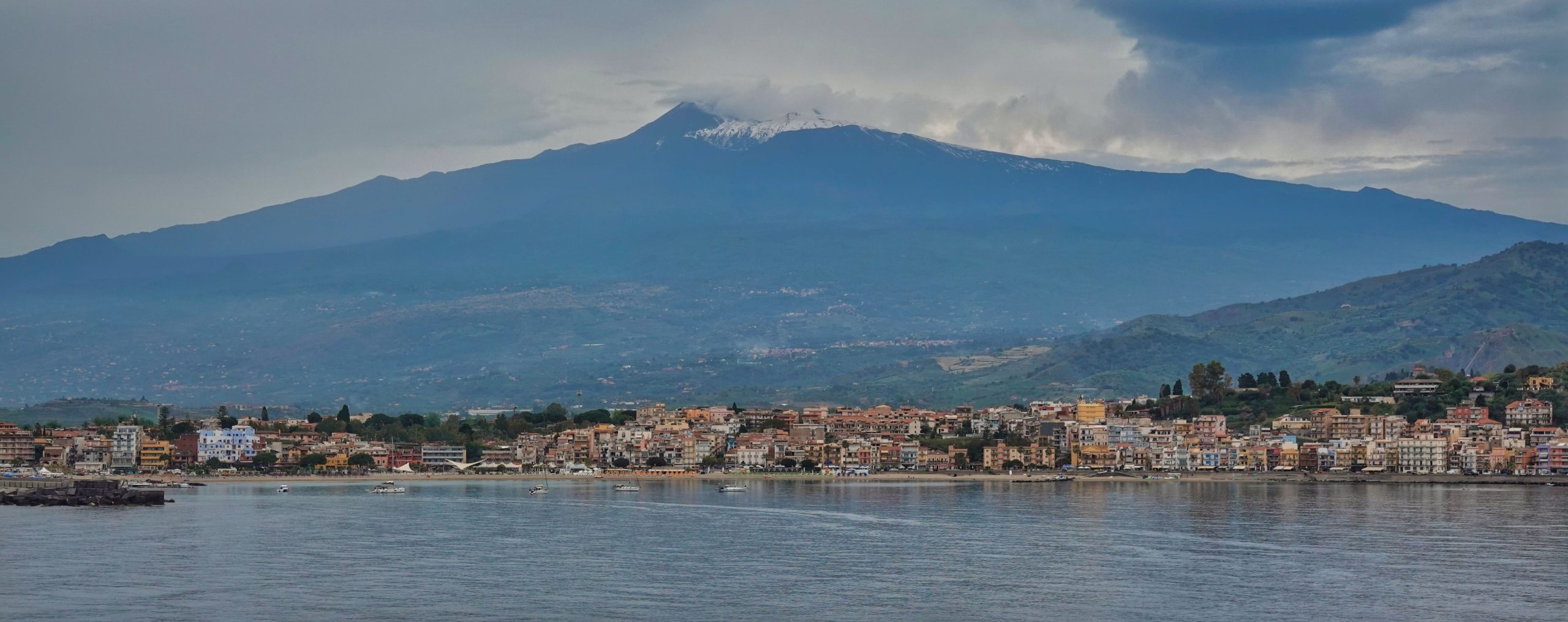
Notice the snow on the peak high in the clouds. Mount Etna is one of the world’s most active volcanoes. It has been designated a Decade Volcano by the United Nations and a World Heritage Site by UNESCO. The peak is 3,357m. We drove up over 2,000m to view some secondary craters (along with many other tourists). Mount Etna most recently erupted on May 22, 2023, two weeks before our arrival. The town of Giardini Naxos (in Sicily) is in the foreground.
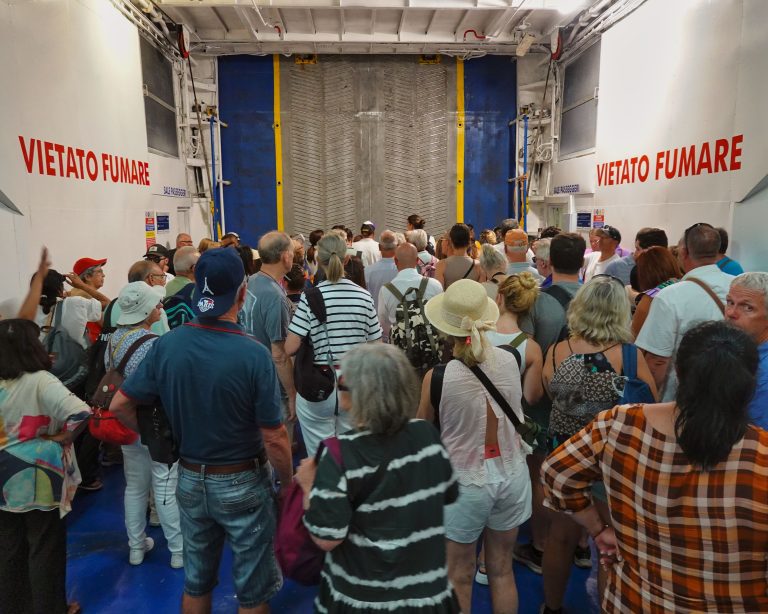
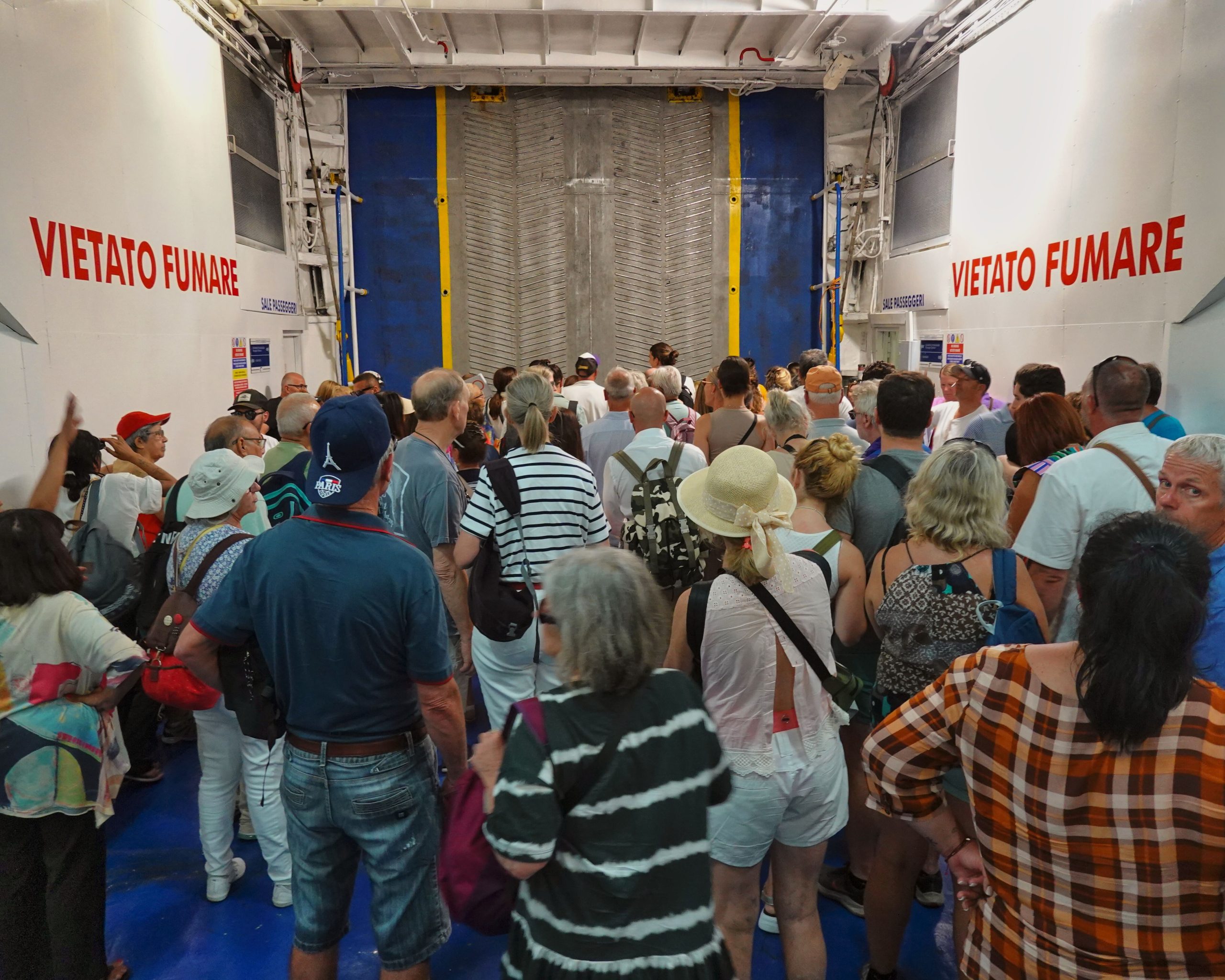
No Smoking. Precariously queuing for departure from the hydrofoil landing craft ferrying people from Capri to Naples, Italy, just in time I might add for the ongoing cruise.
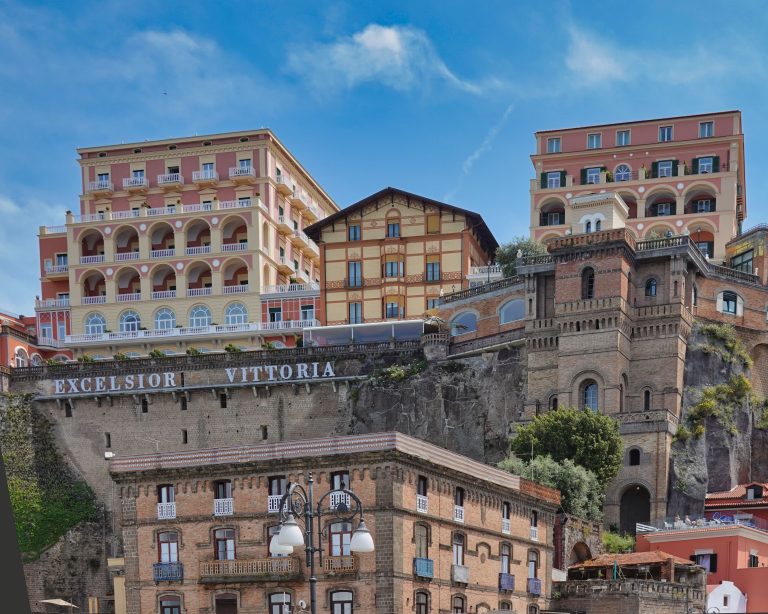
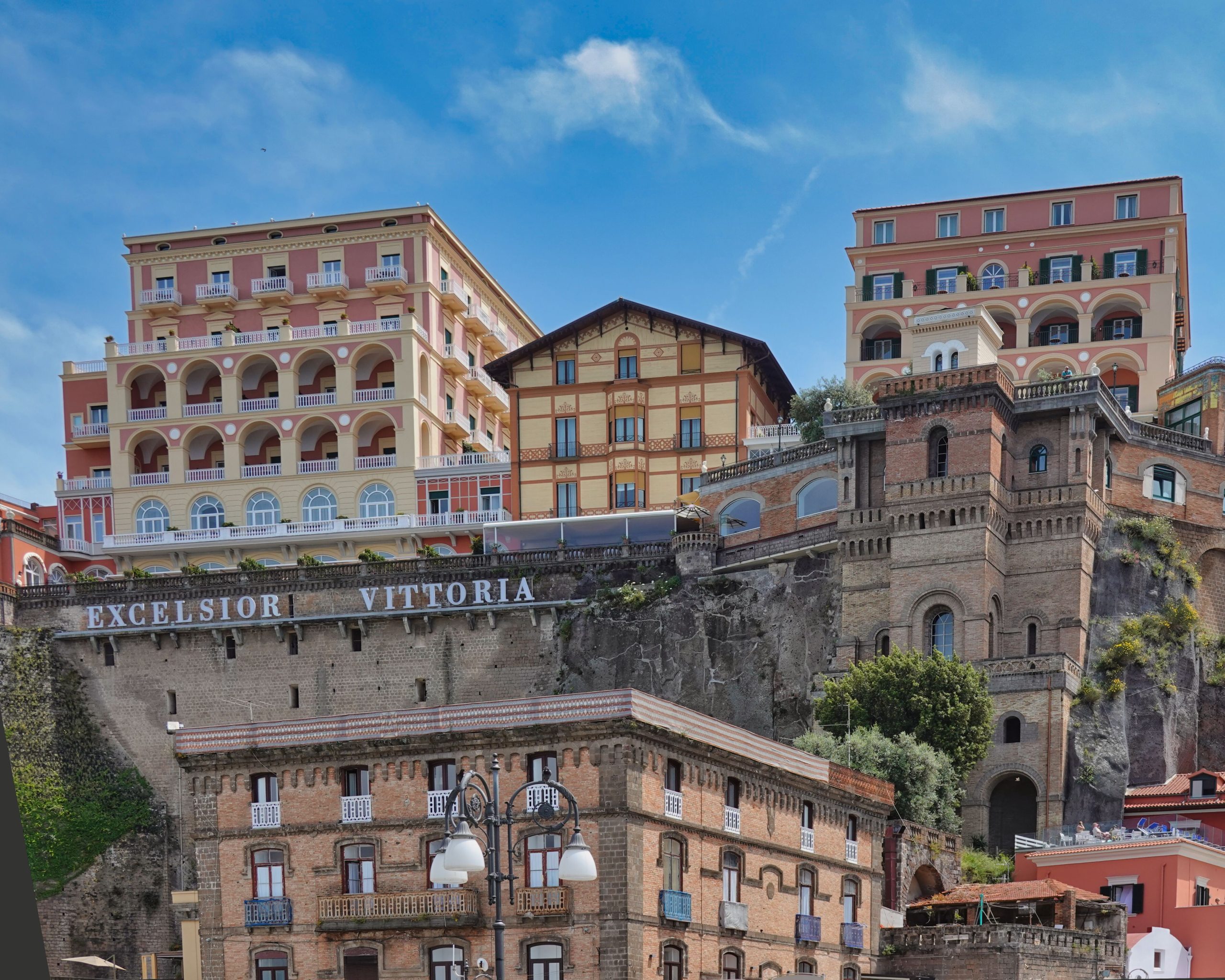
Excelsior Vittoria Hotel, Sorrento, Italy,
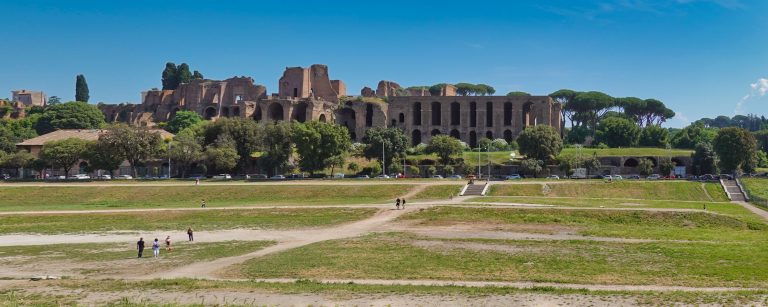
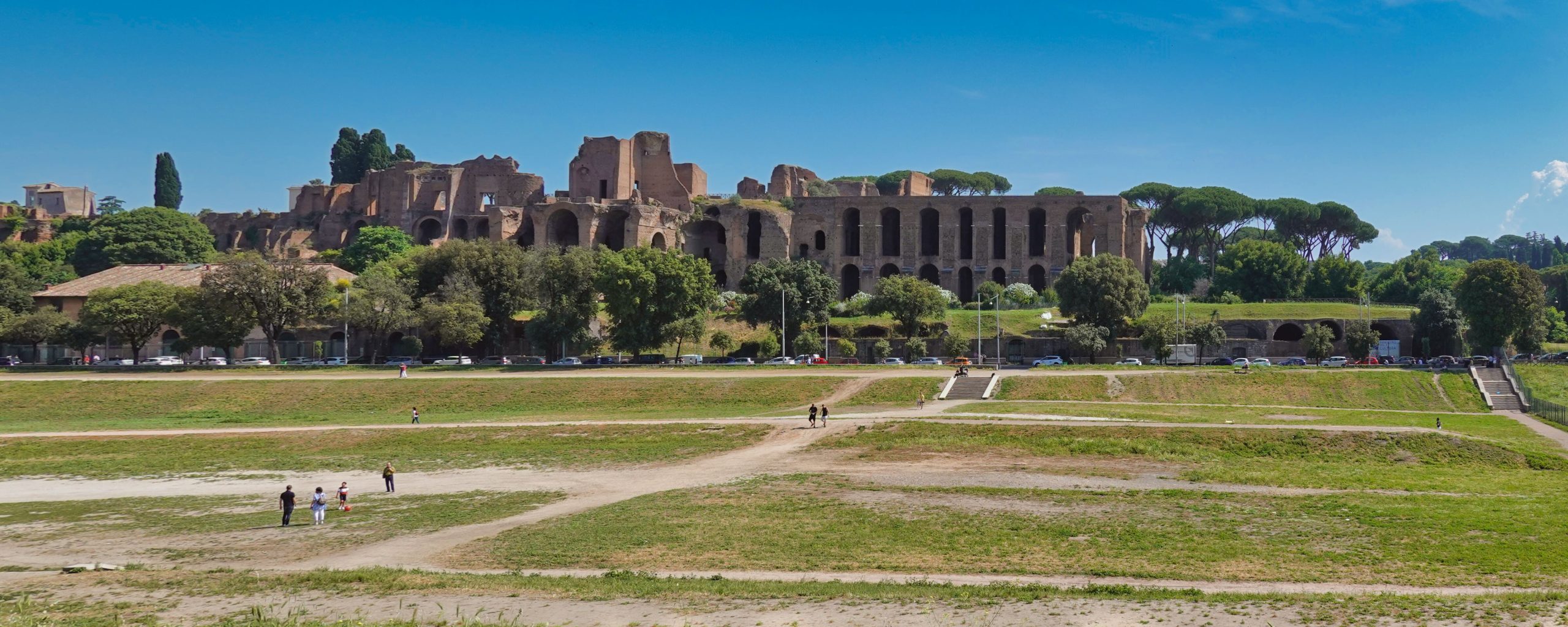
One of the seven hills of Rome, an ancient part of the city called "the first nucleus of the Roman Empire
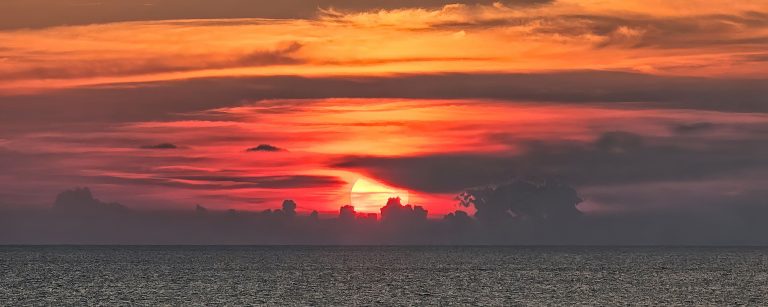
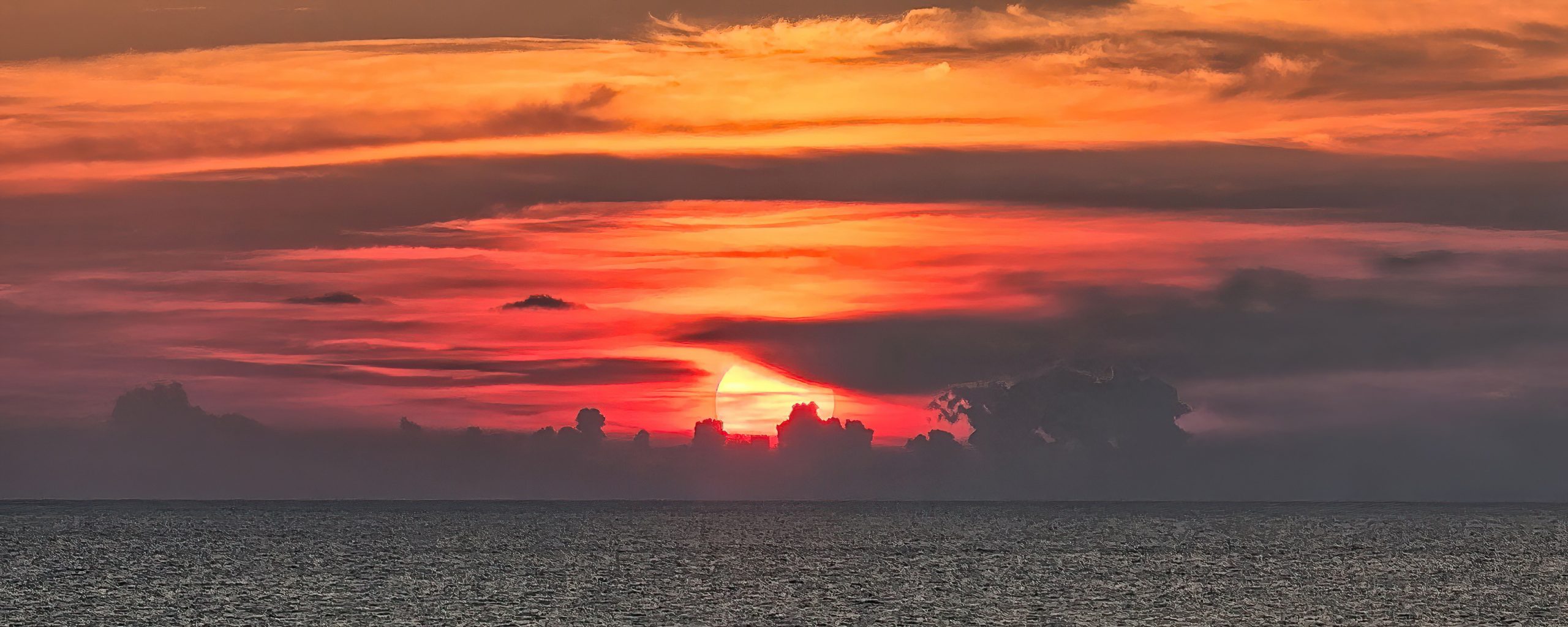
The obligatory Mediterranean cruise photo, a sunset at sea, with a cell phone no less, somewhere between Livorno and Rome.
Livorno (Tuscany). Wasn
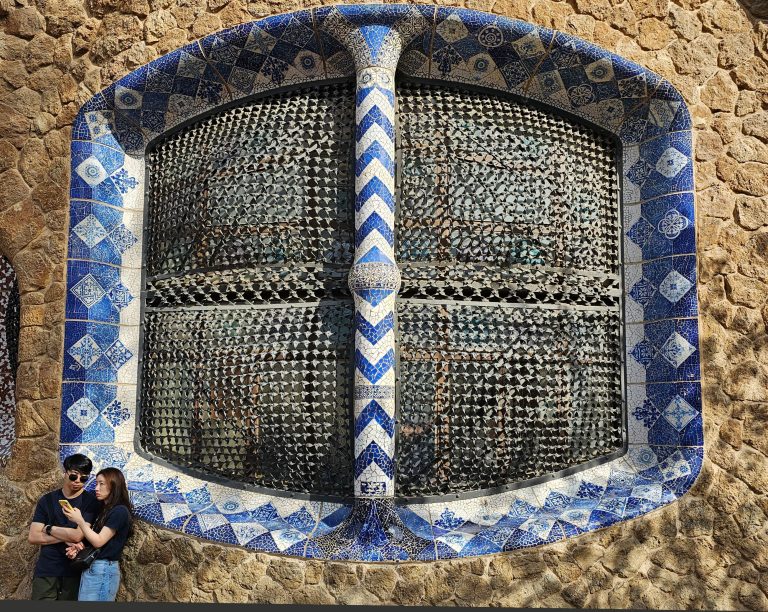
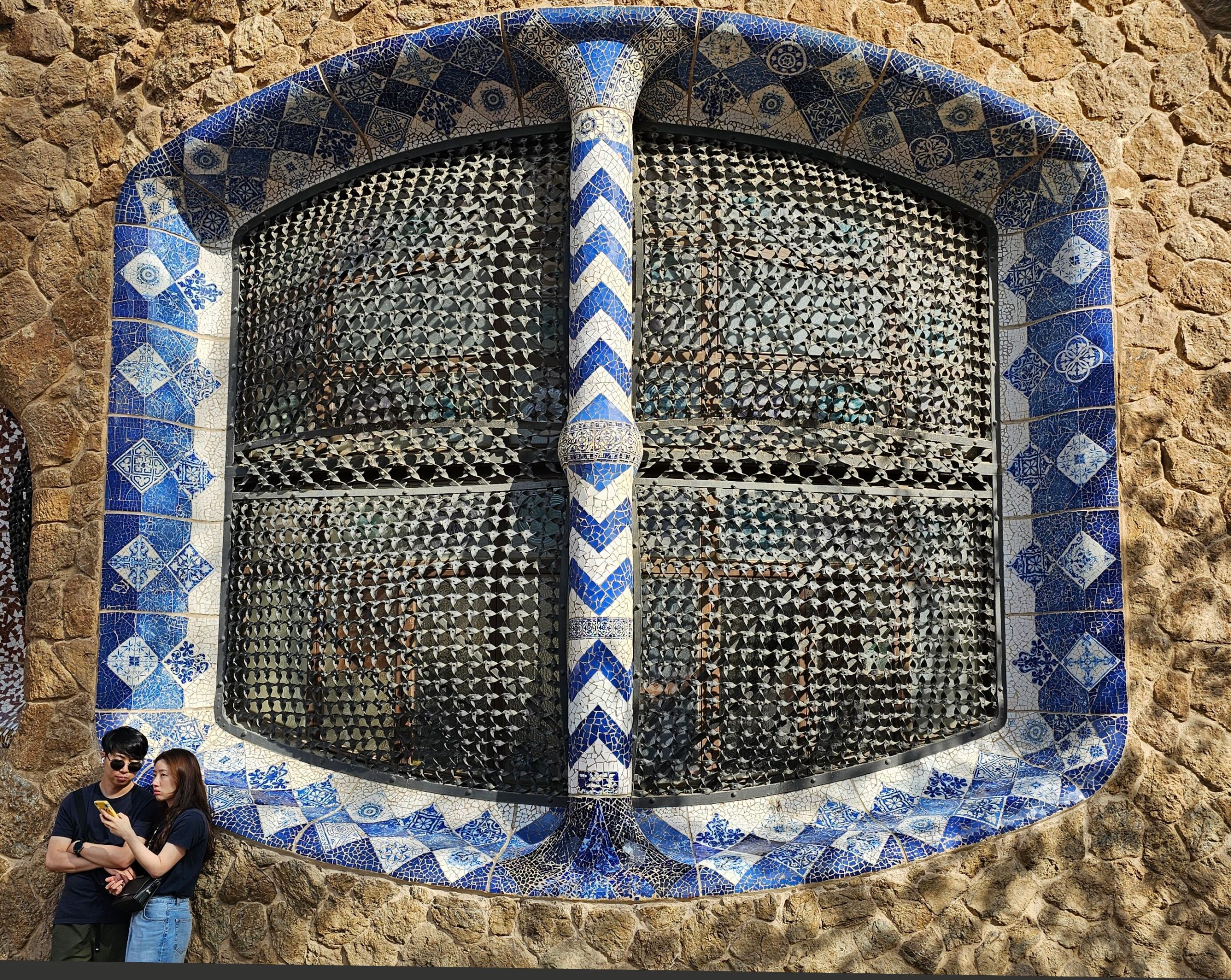
Image (not sure what it is, really, a window?, a vent?, an oven?) from the so-called
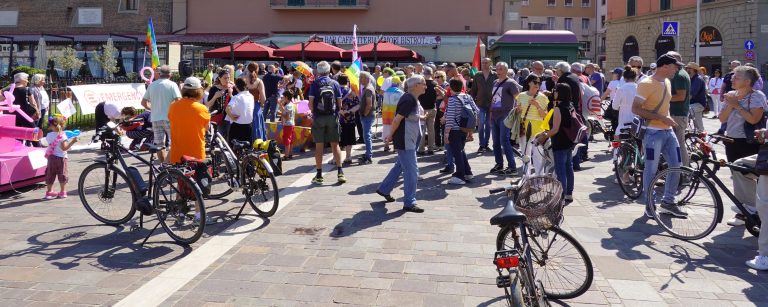
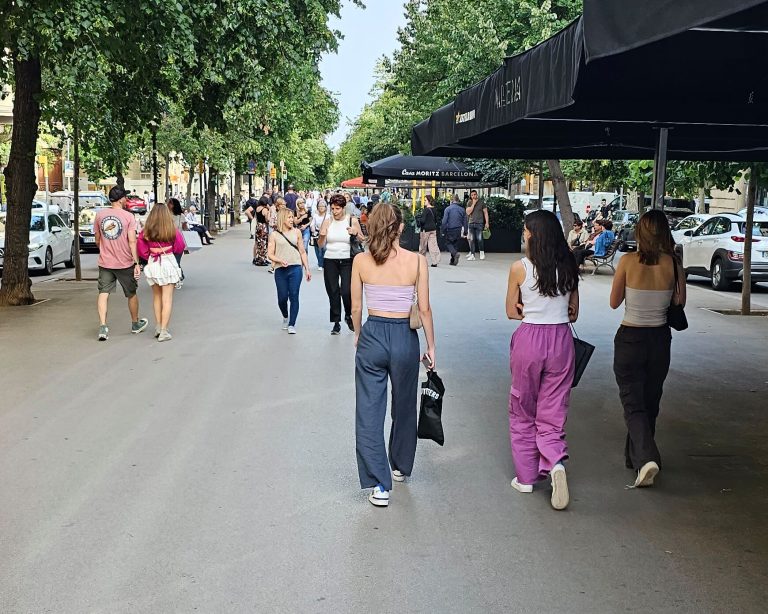
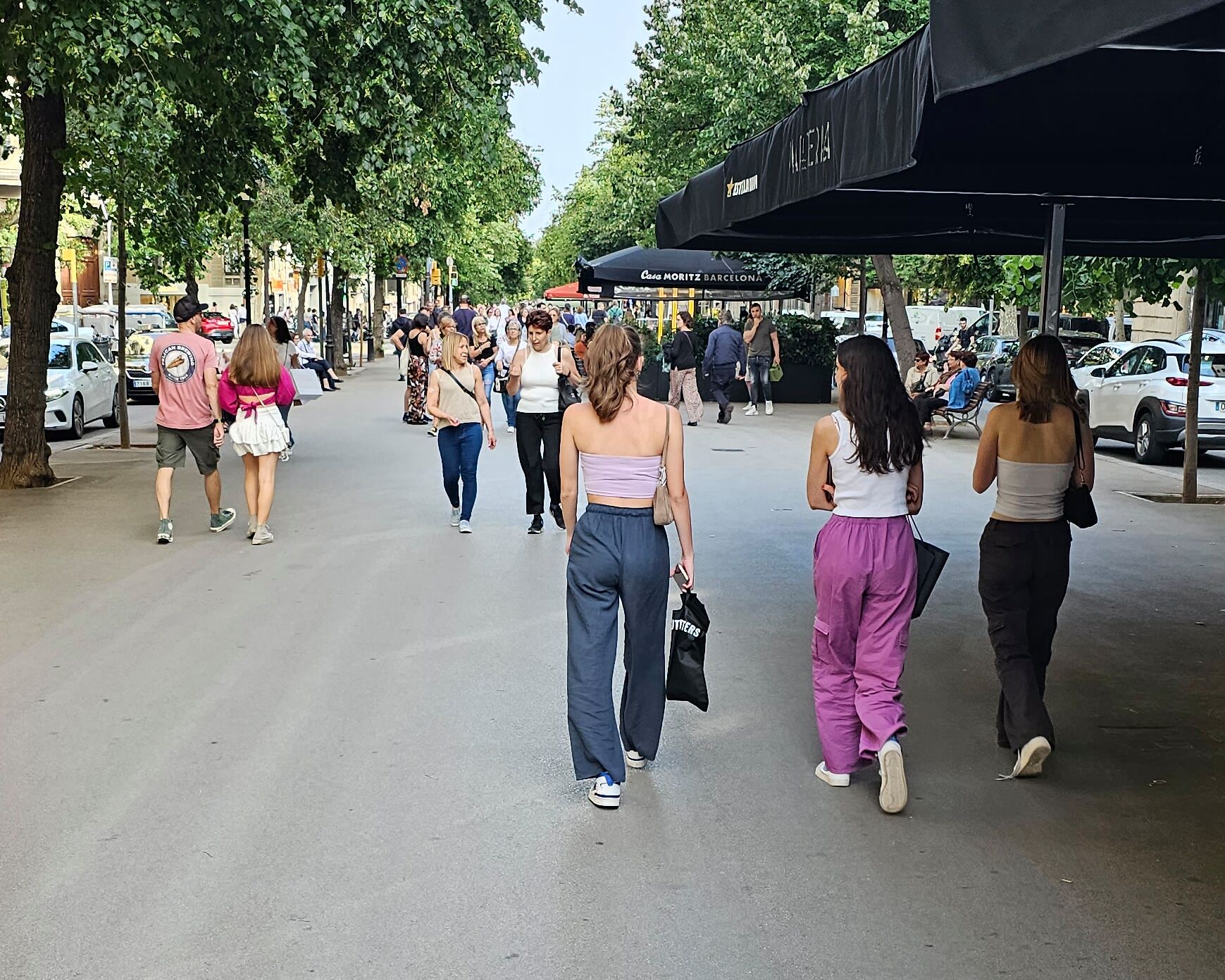
Pedestrian thoroughfare, Barcelona, Spain, not far from our AirBnB, returning after an early dinner of tapas (appetizers), and beer, of course, on our first day (of three) in the city.
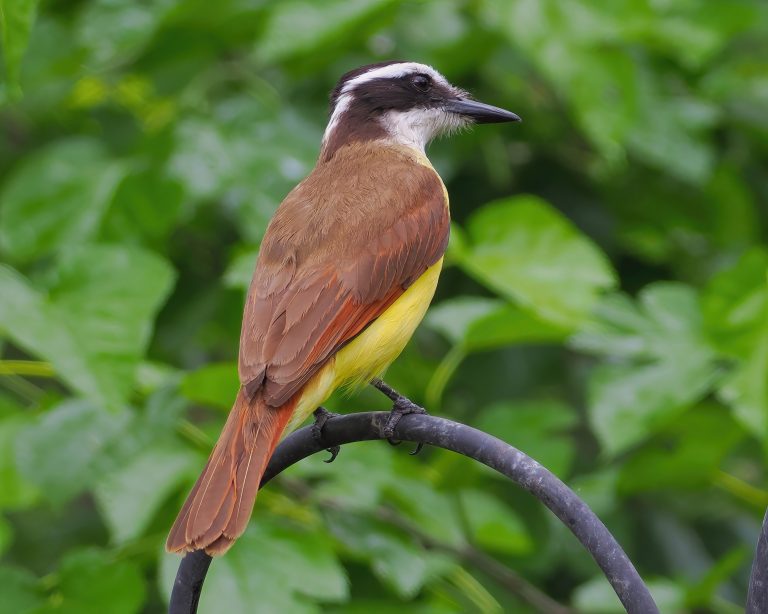
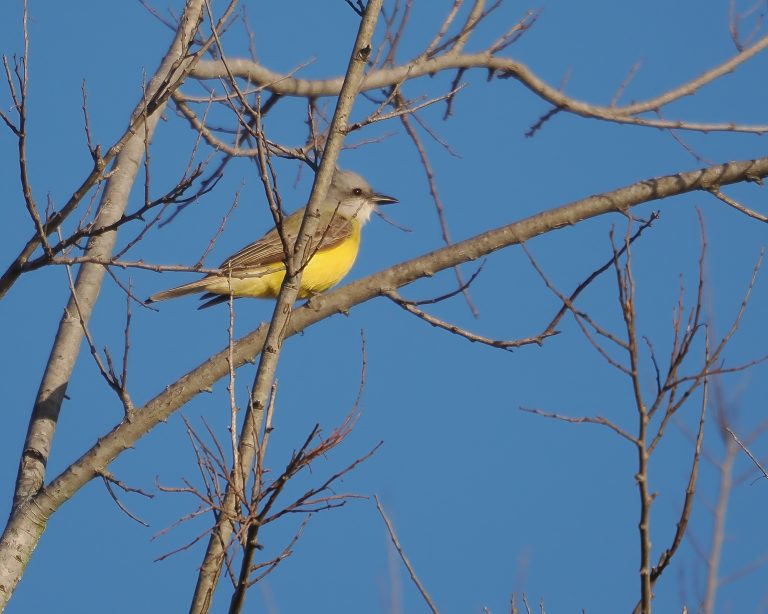
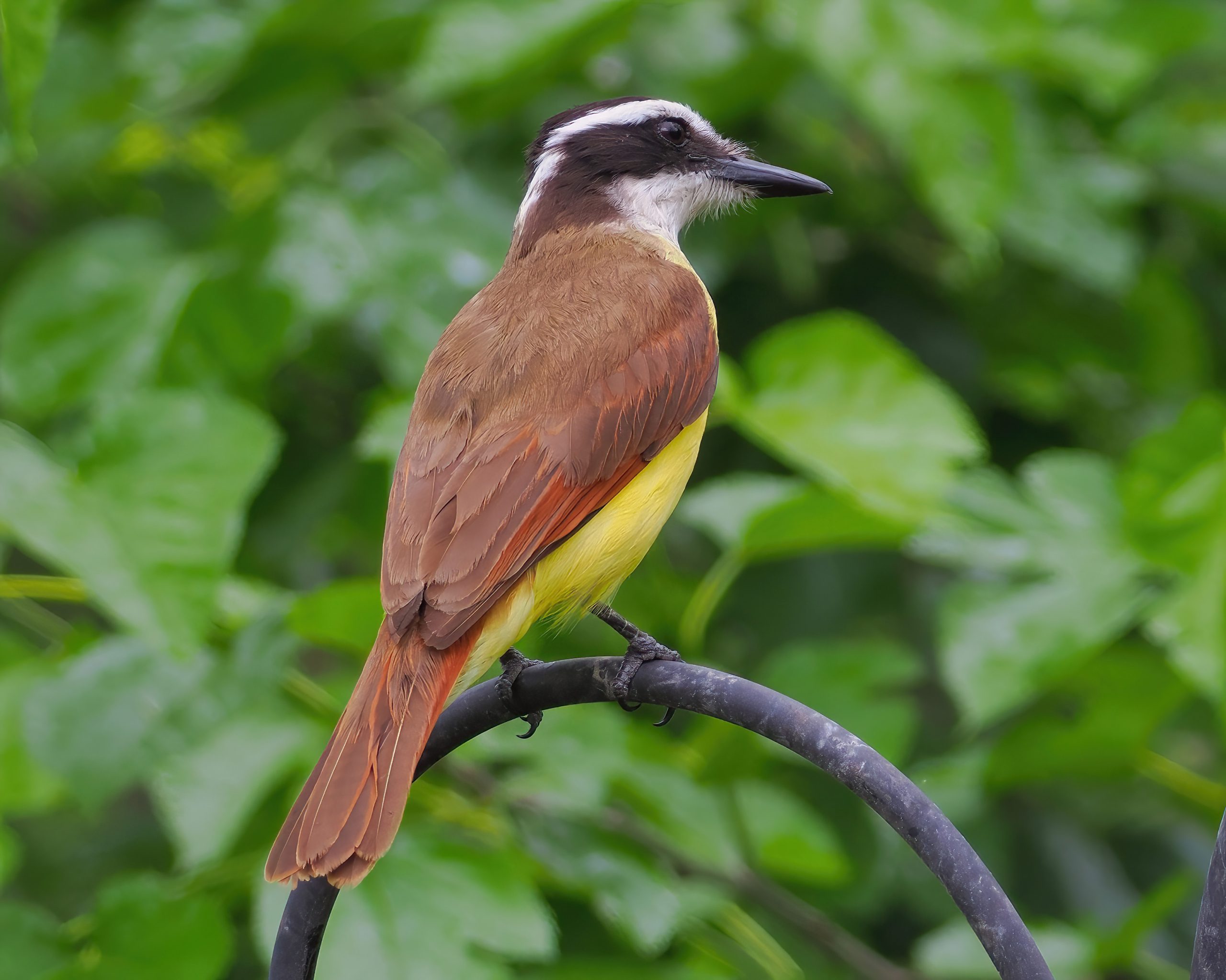
Pitangus sulphuratus. Native to the Rio Grande Valley in Texas to Northern Mexico and also in Belize, the Great Kiskadee is a flycatcher. Found at the National Butterfly Center, Mission, Texas.
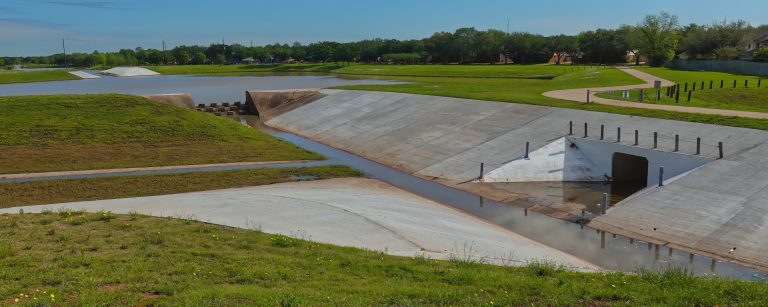
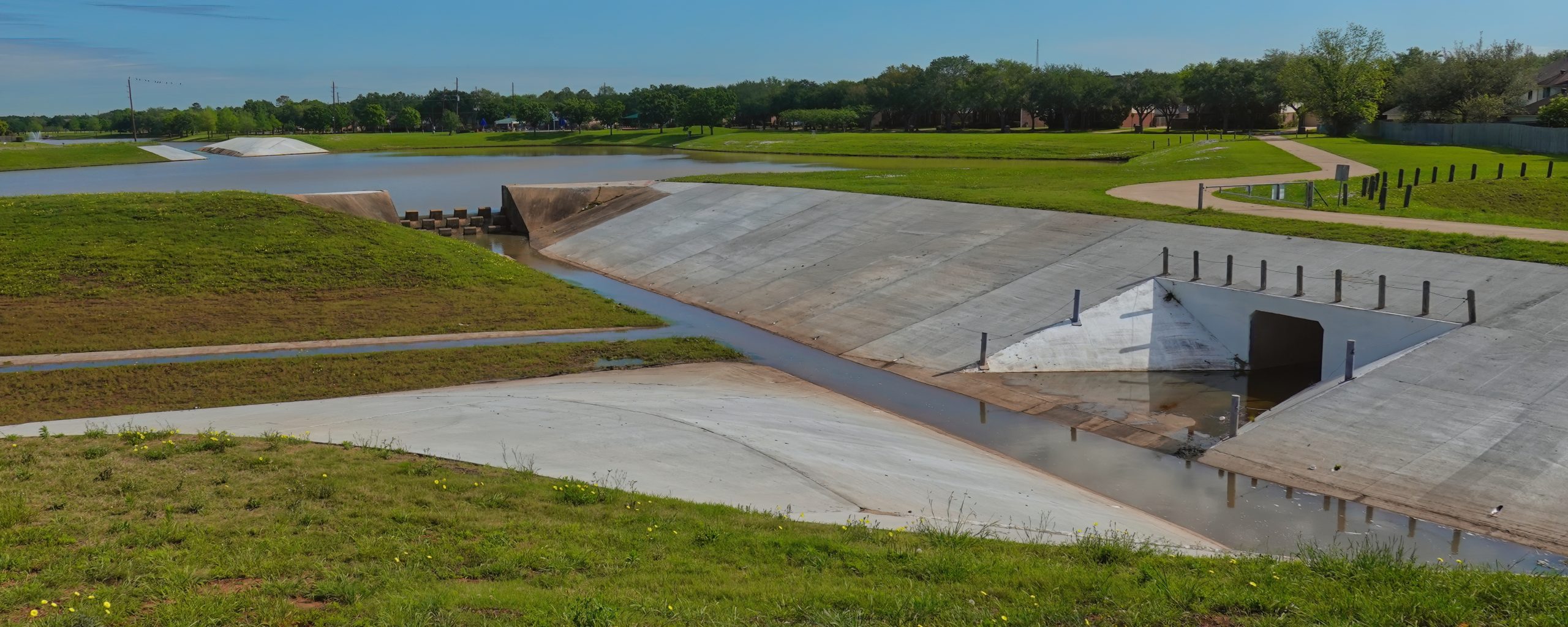
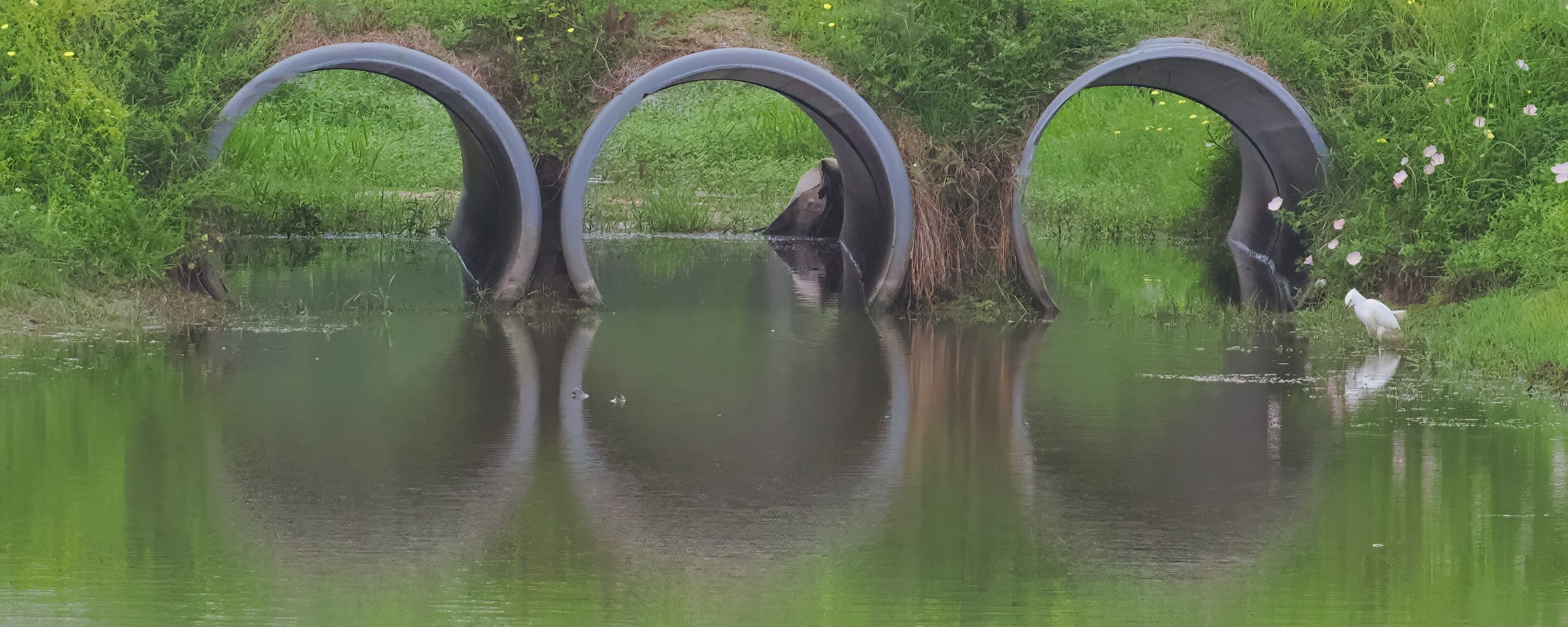
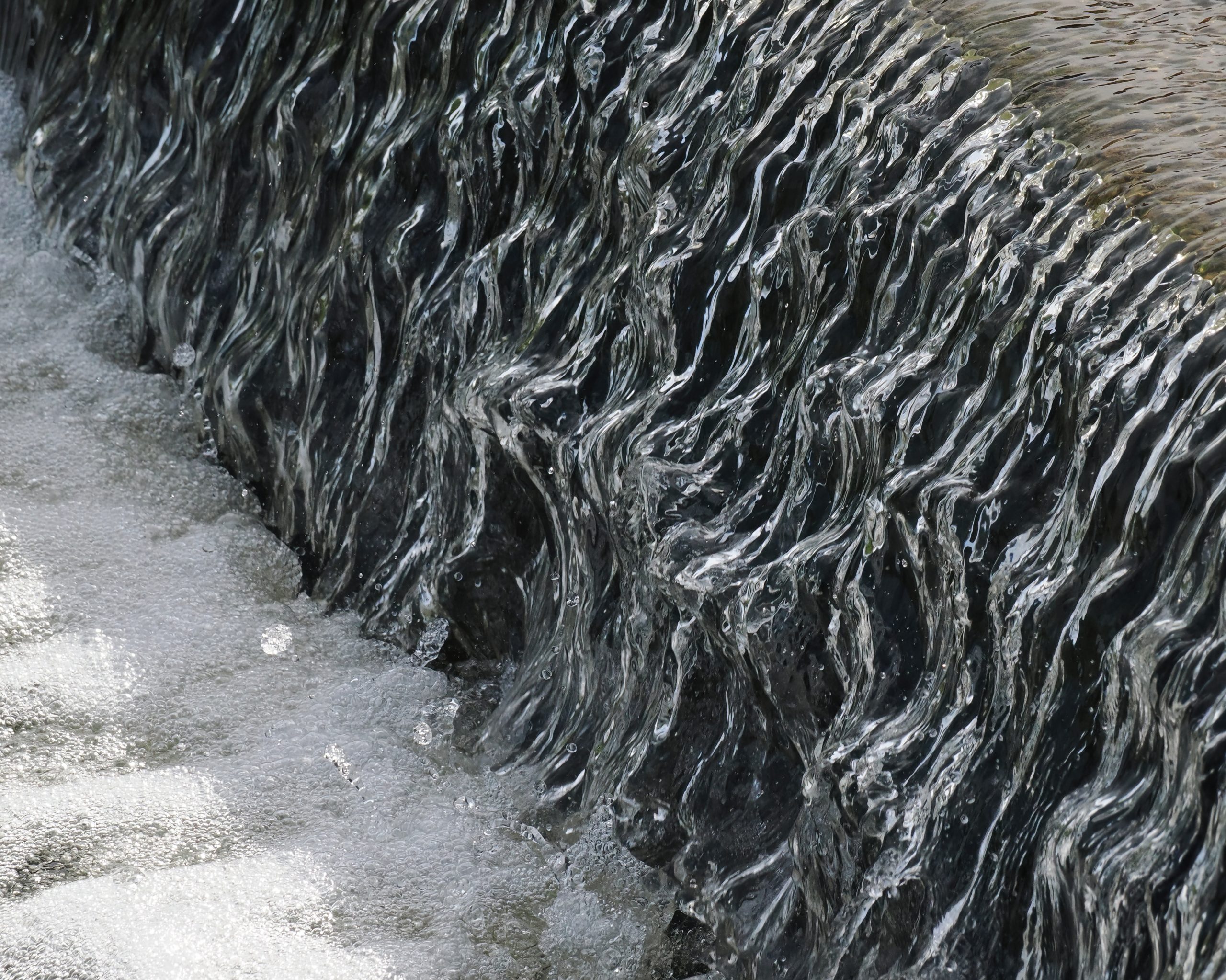
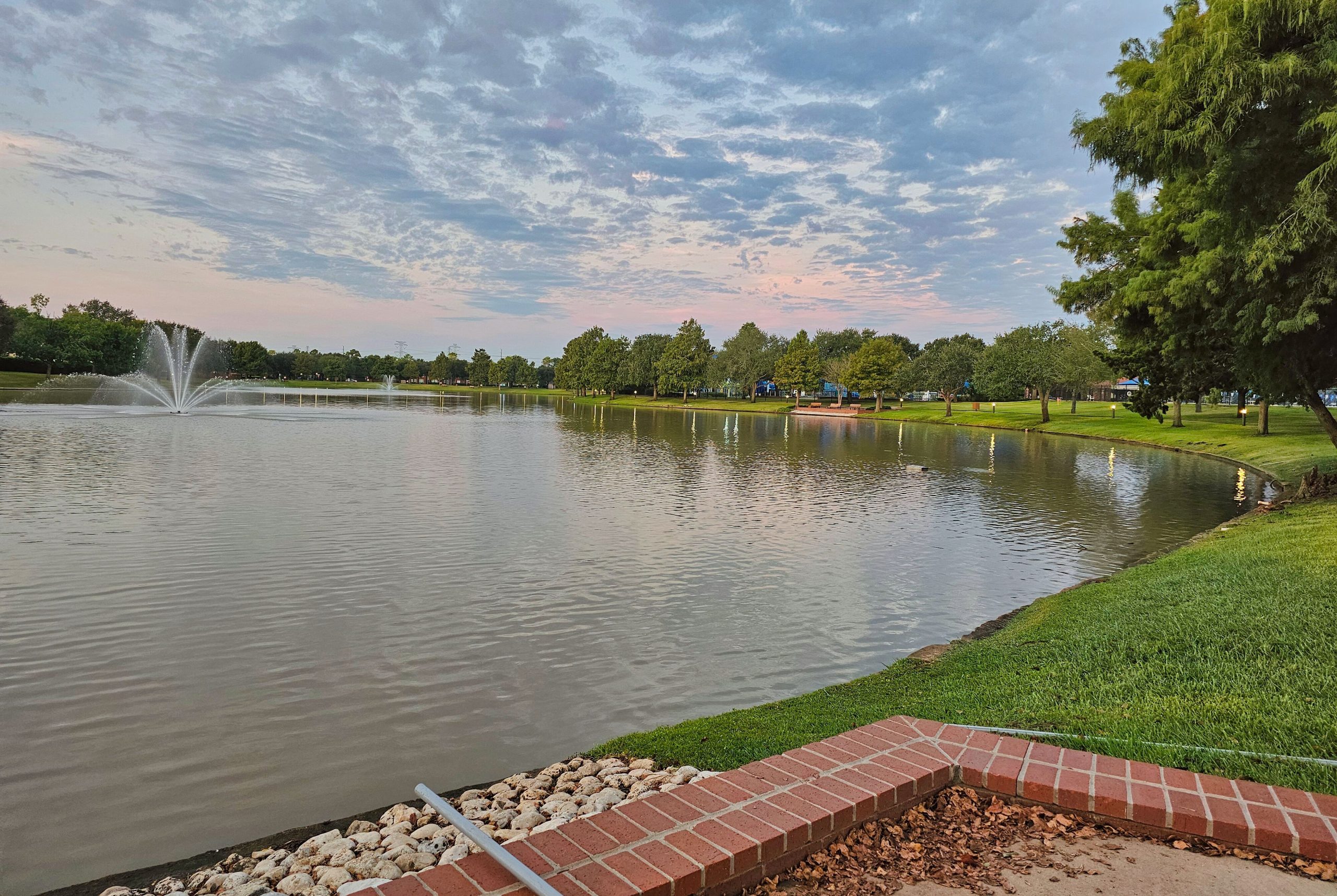
These are the Double Lake water works, a continual fascination for me because they protect my house from flooding in Texas hurricanes. Wading birds (herons, egrets) used to fish at the crenelated weir in the center left, but no more. Got to suspect the management of the two lakes. Rotenone maybe? Or just too manicured for wildlife (like so much of our planet). Sugar Land, Texas.
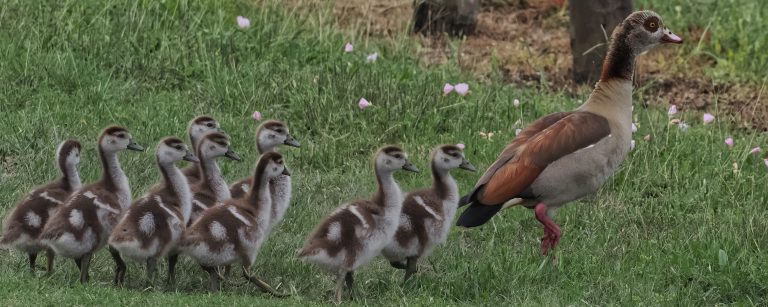
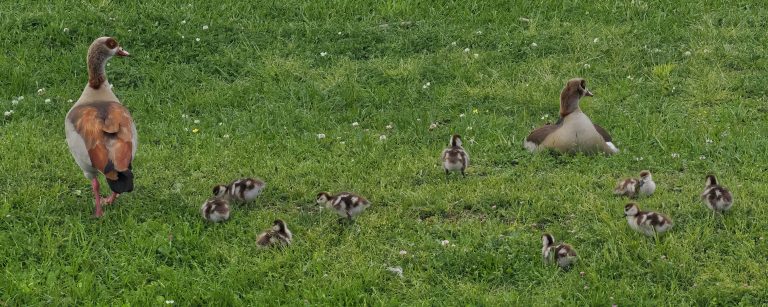
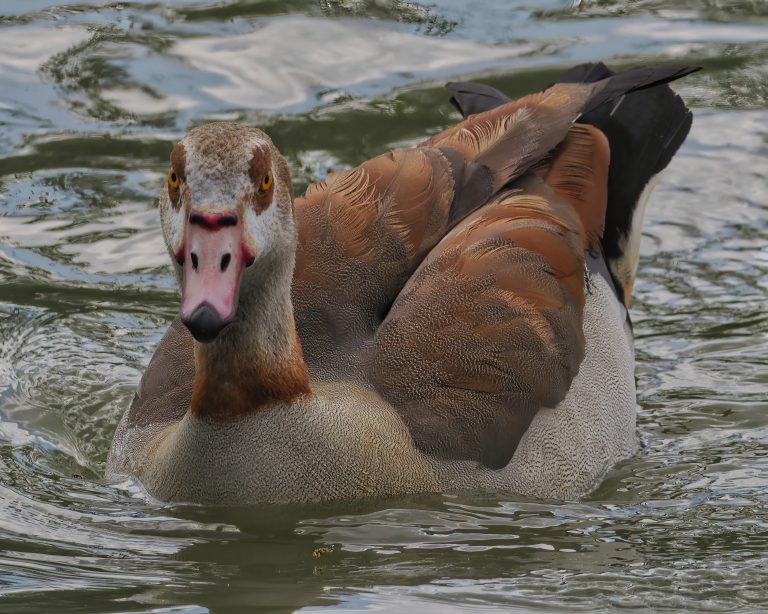
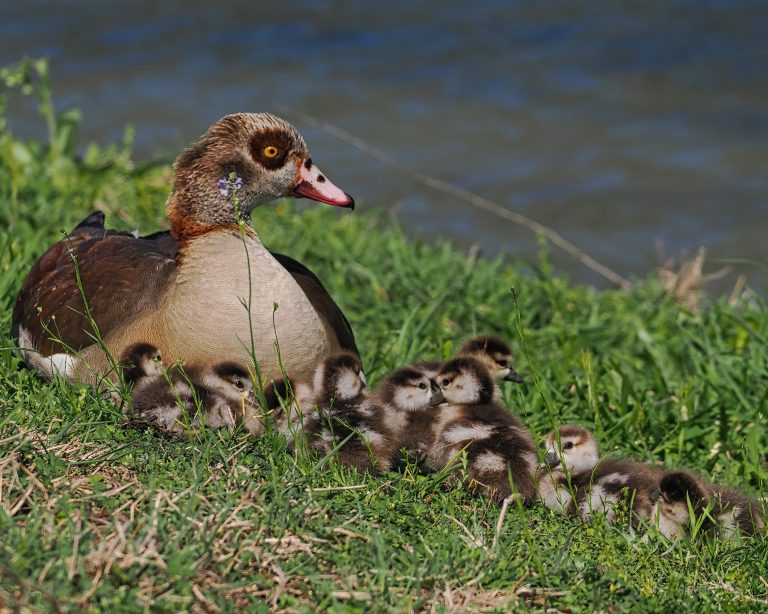
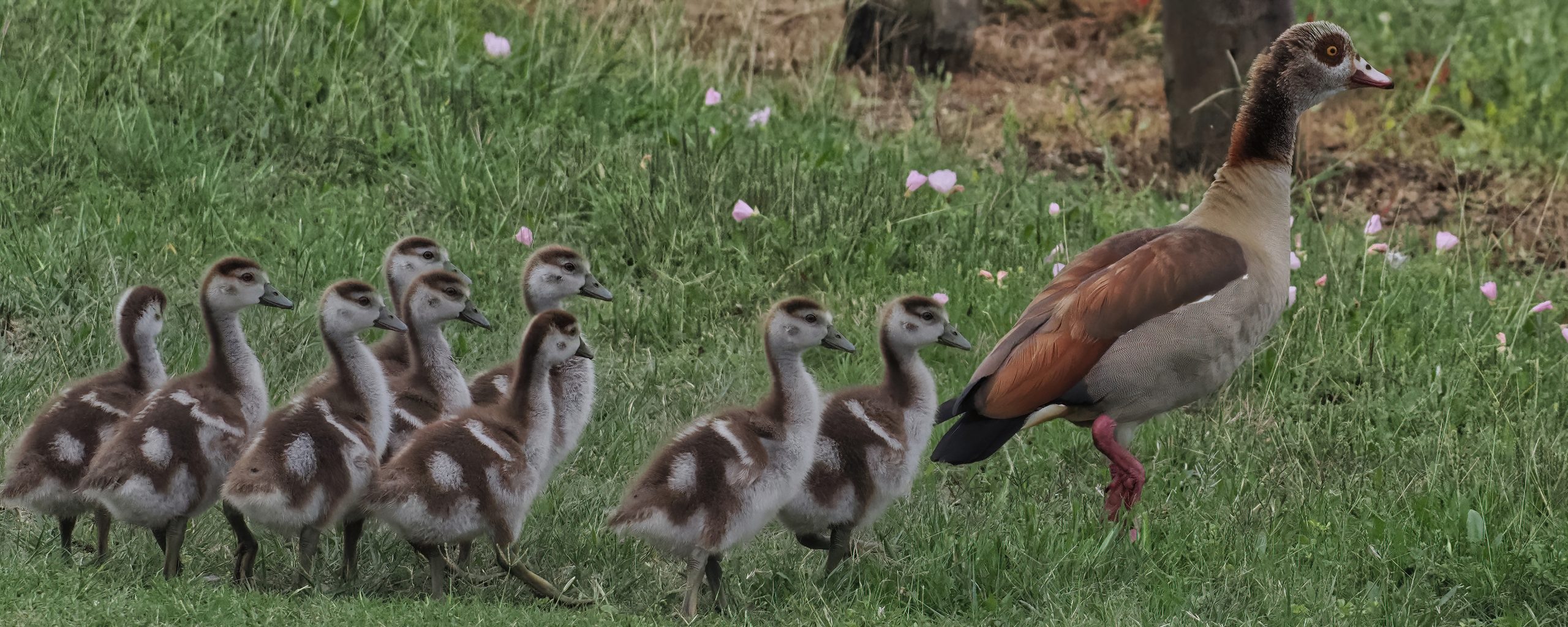
Egyptian goslings (still 9 of them) growing fast at Resoft County Park. See previous photos at 1 day old, 1 week old, 2 weeks old and 17 days old. Alvin, Texas.
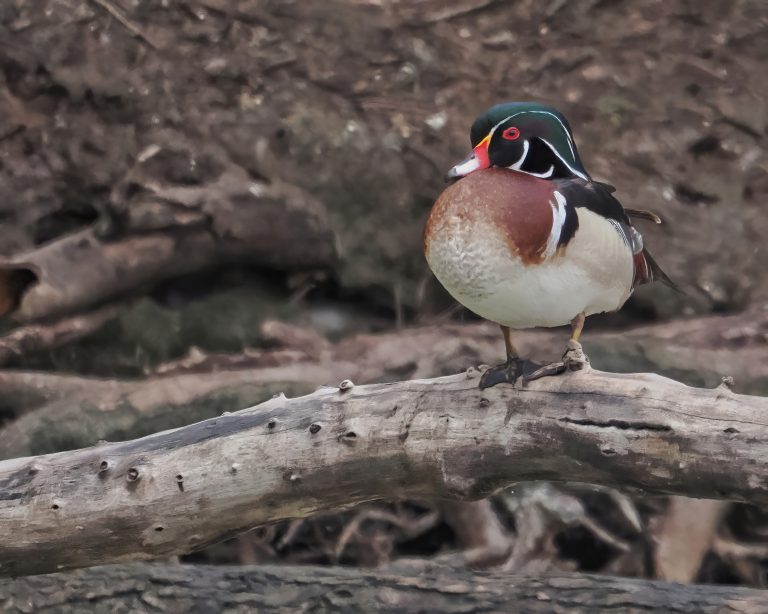
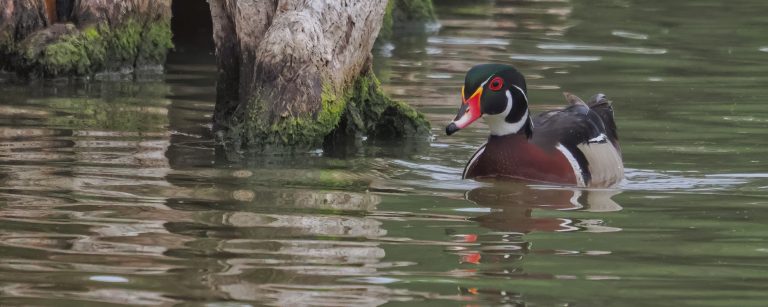
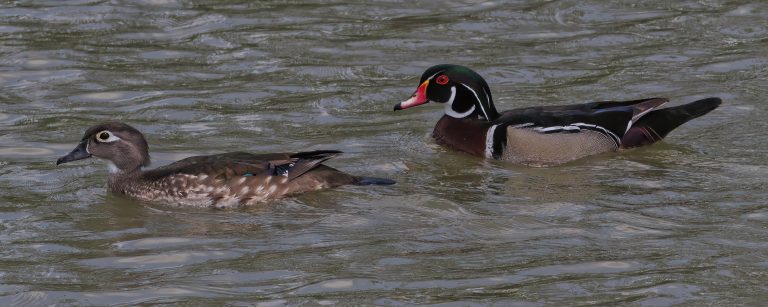
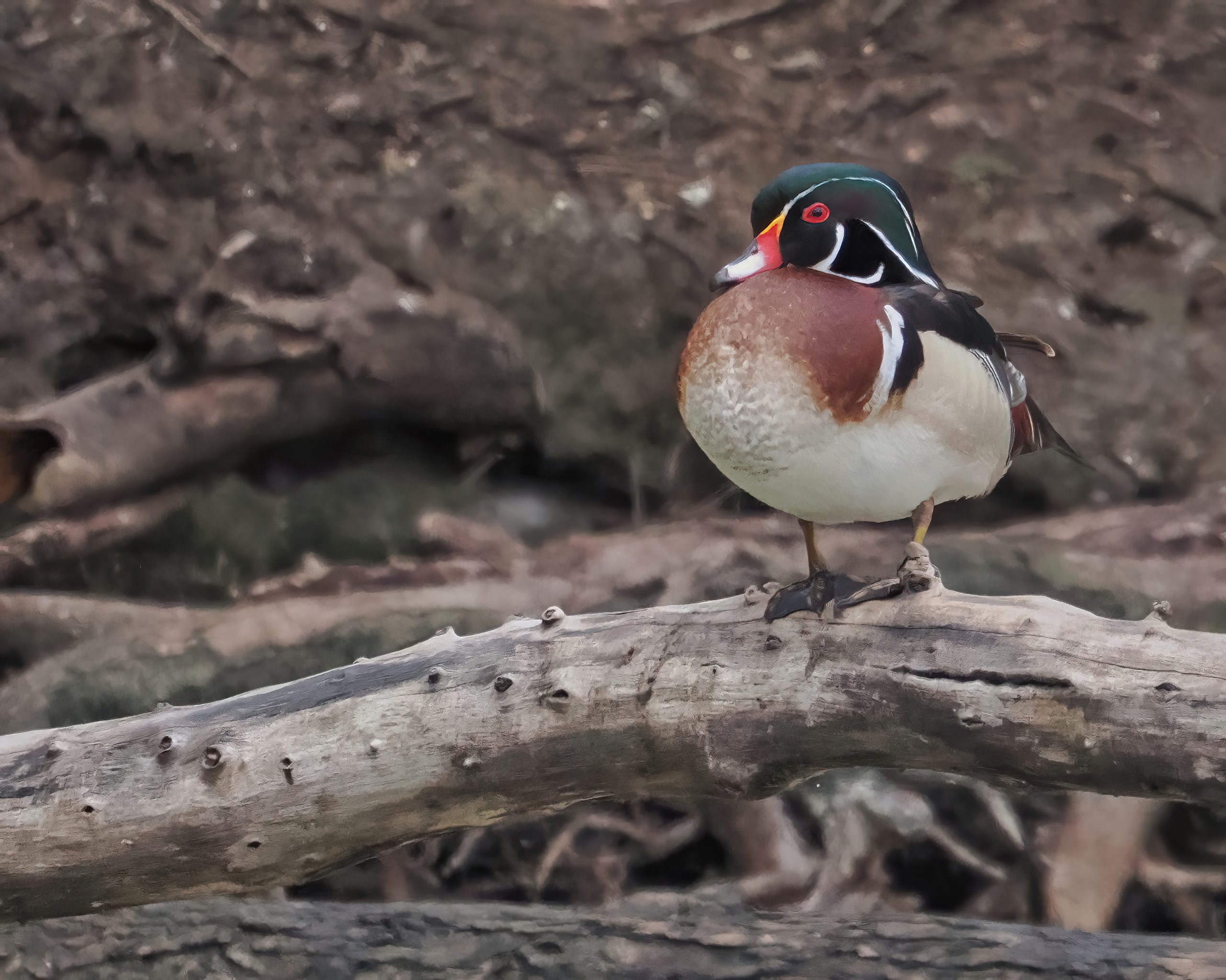
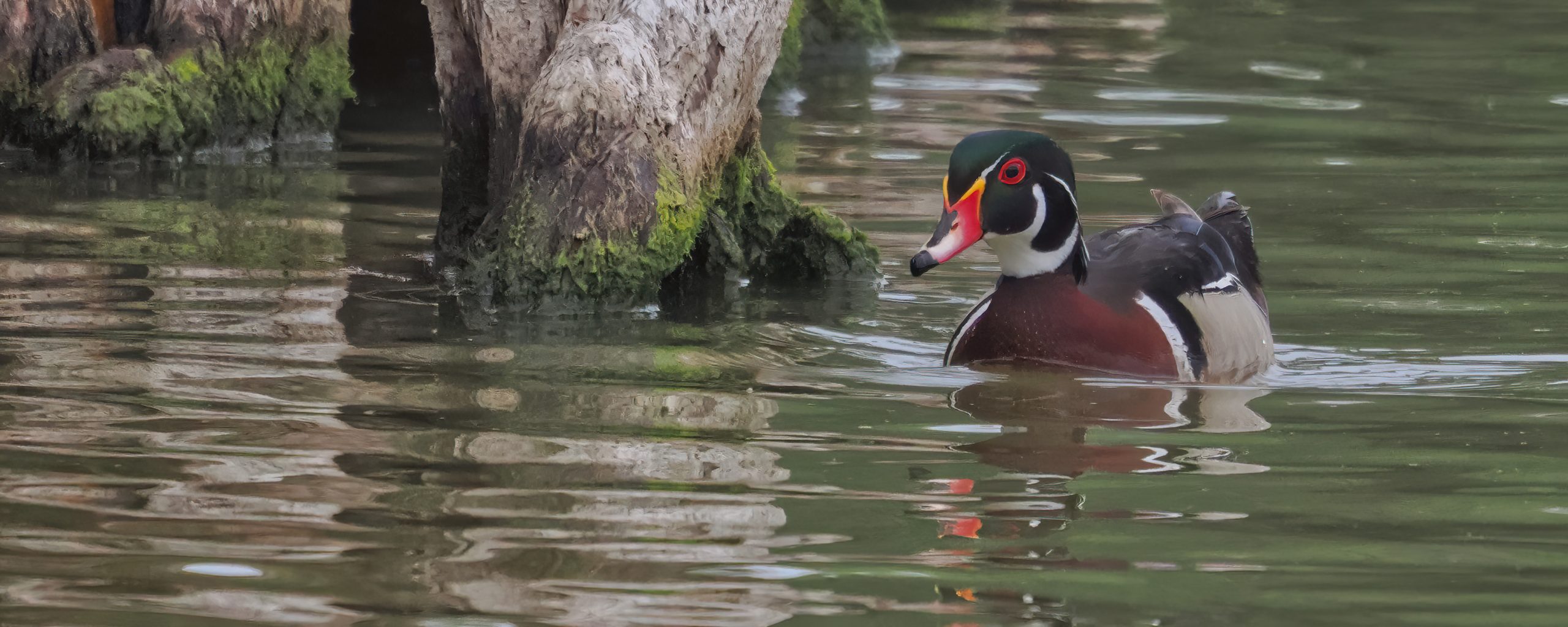
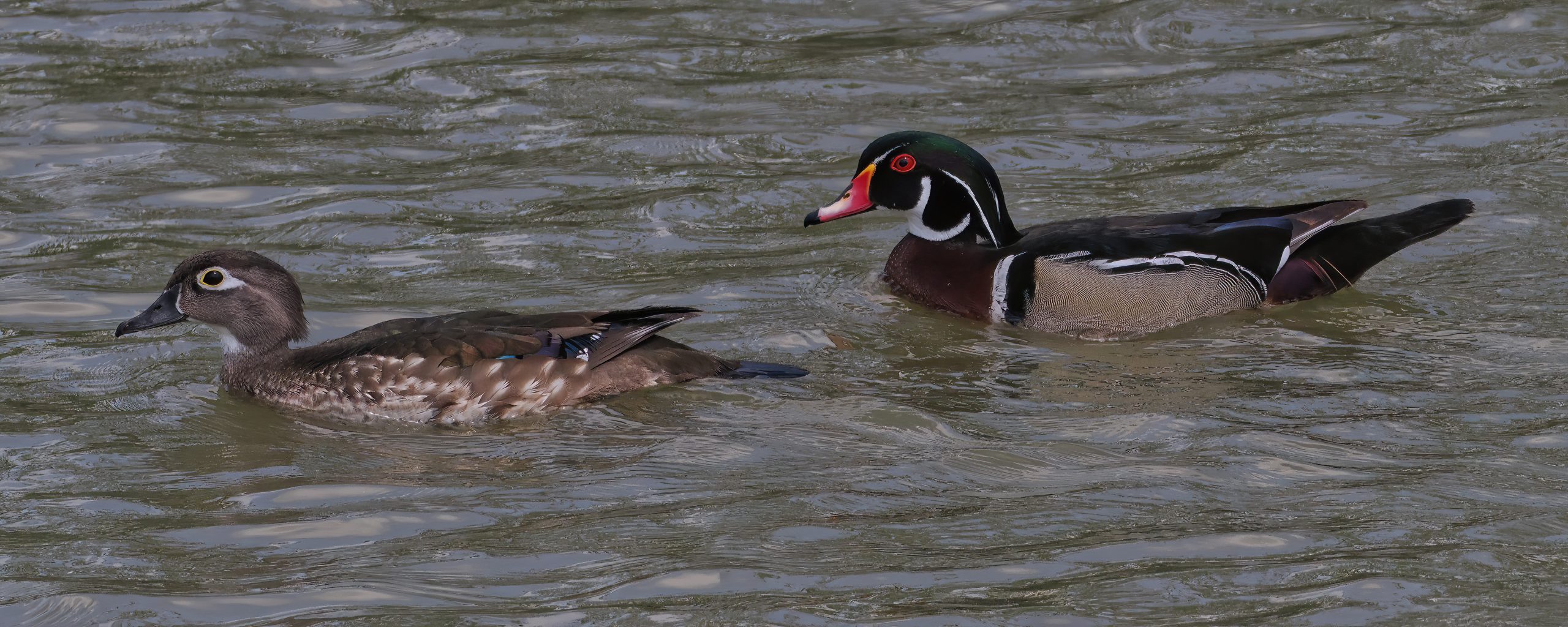
Male Wood Duck keeping dry on an island in Resoft County Park, Alvin, Texas.
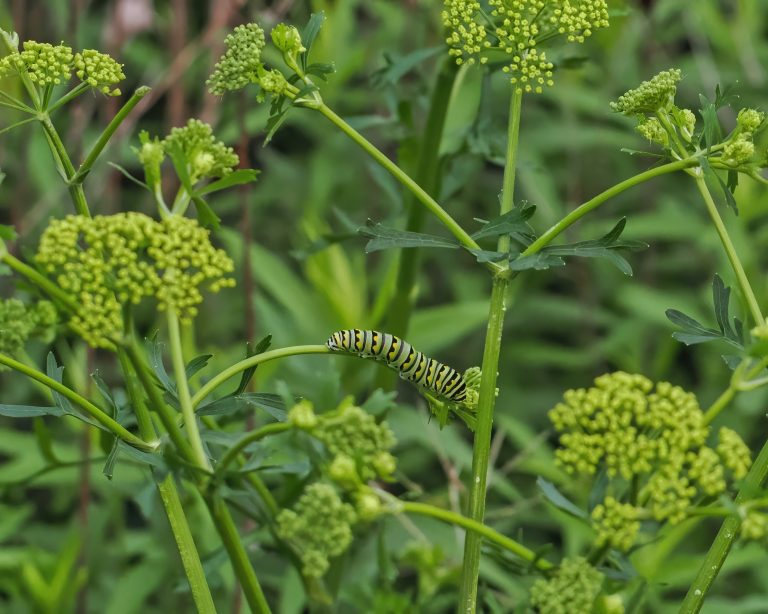
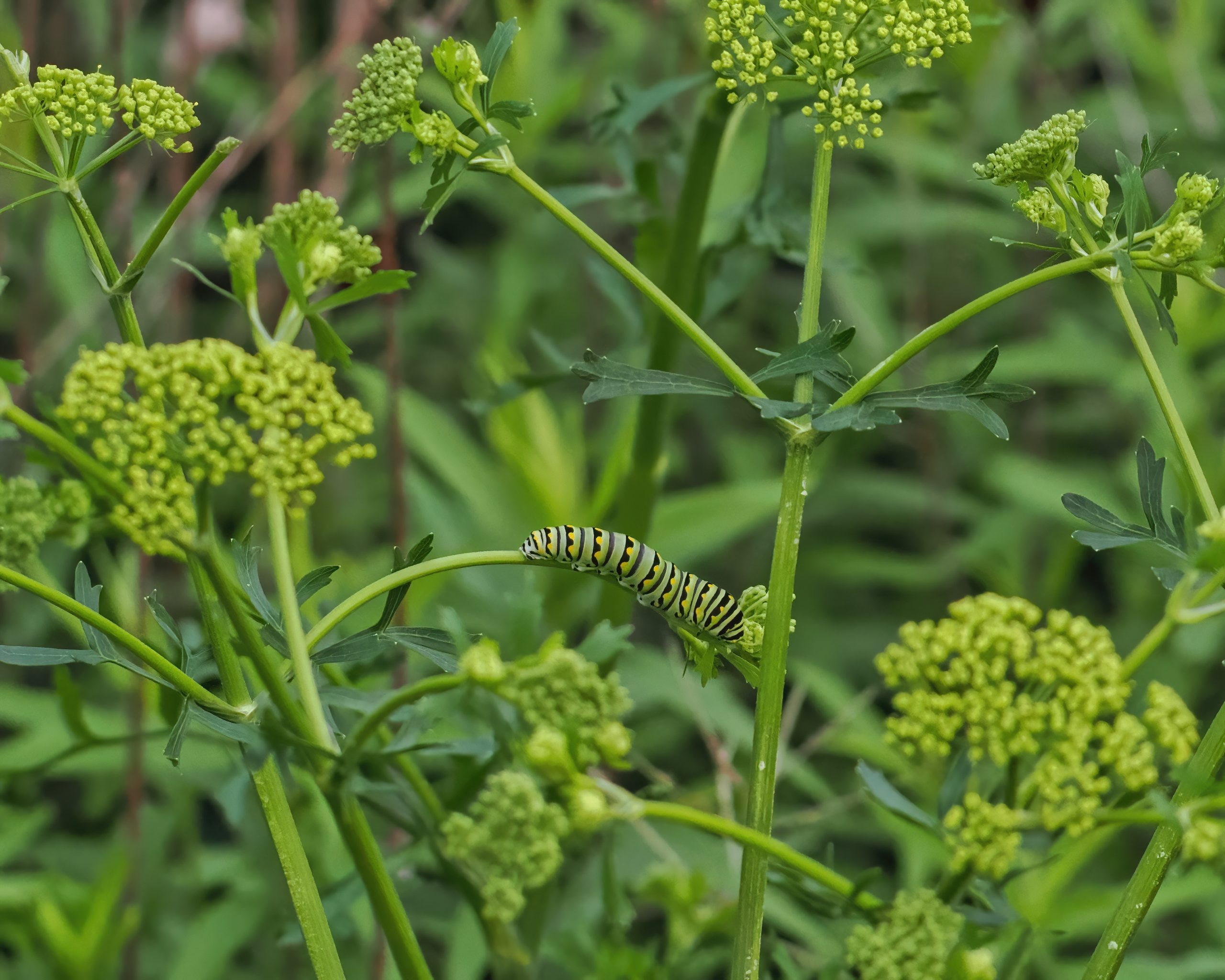
Papilio polyxenes. On Texas Prairie Parsley (Polytaenia texana), the host plant for Papilio polyxenes. Seabourne Creek Nature Park, Rosenberg, Texas.
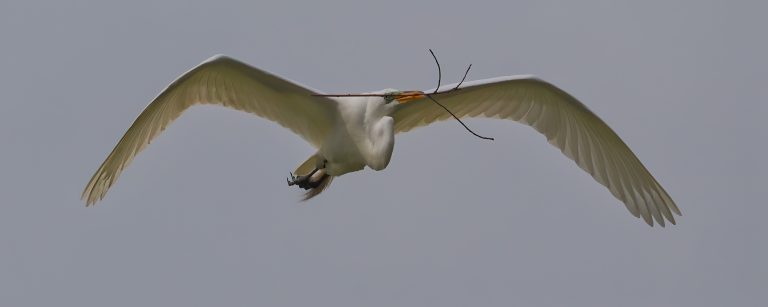
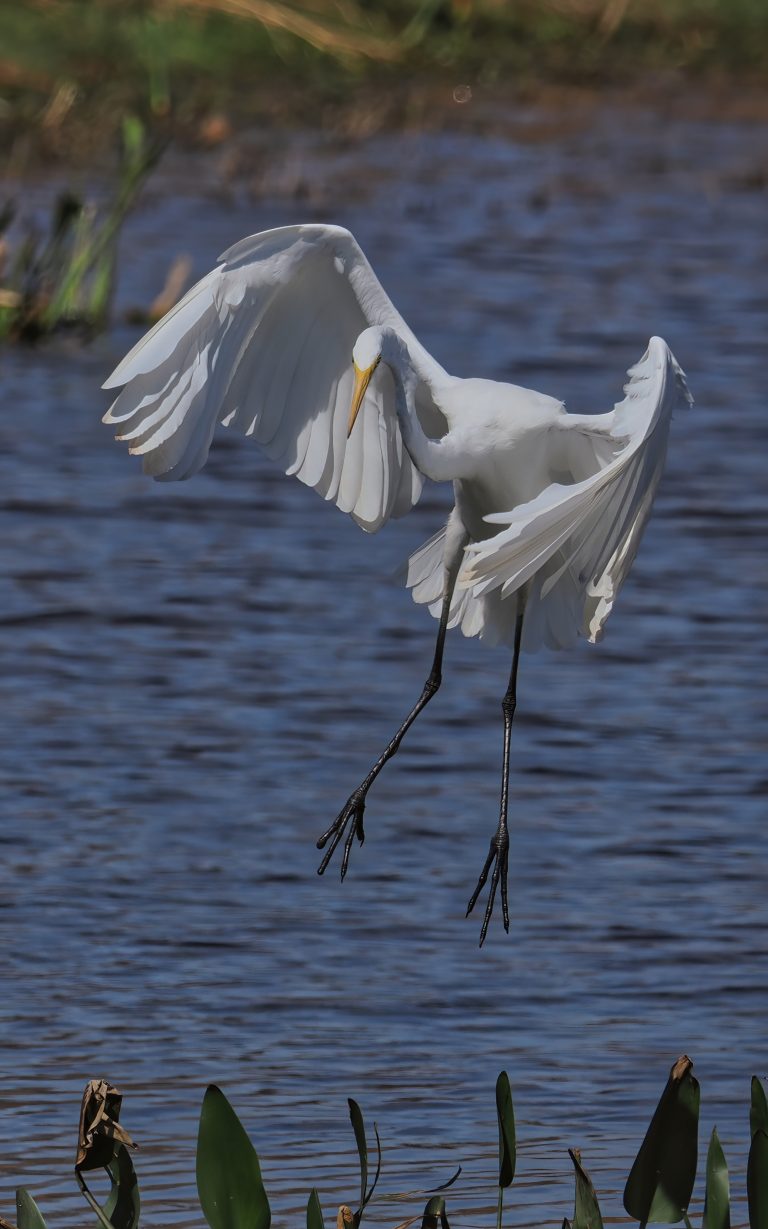
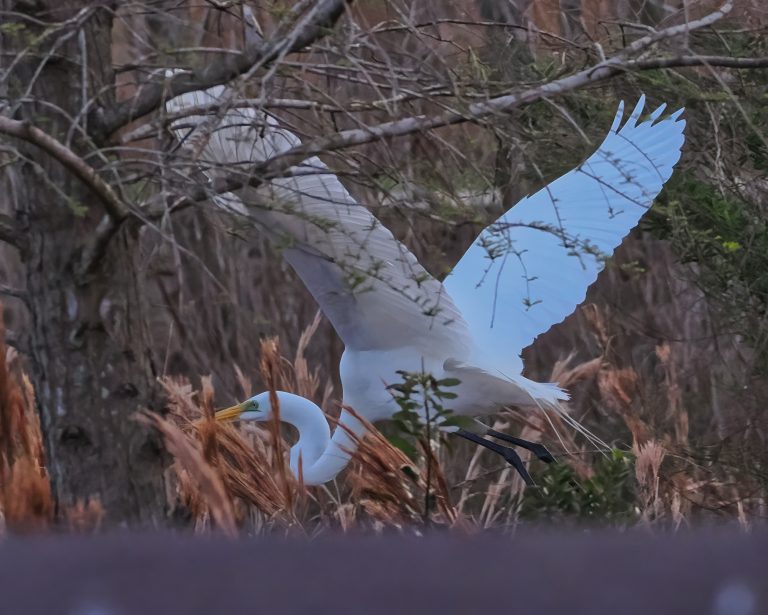
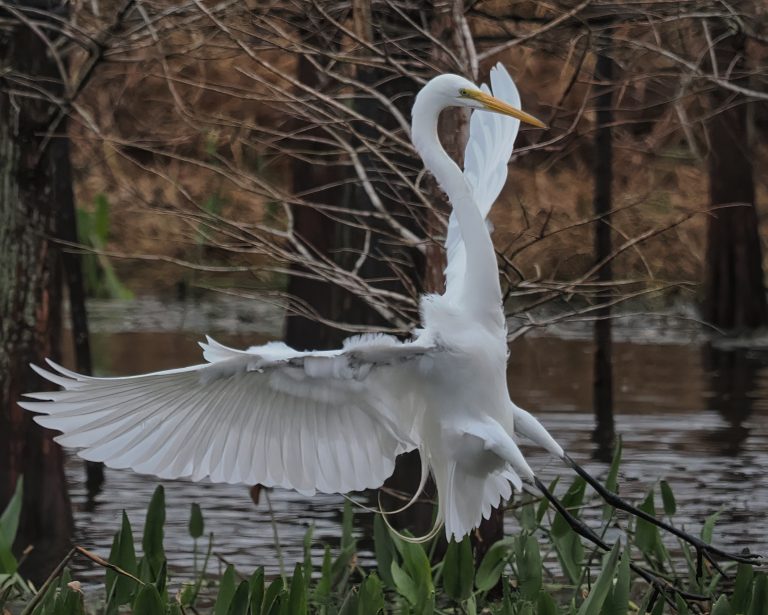
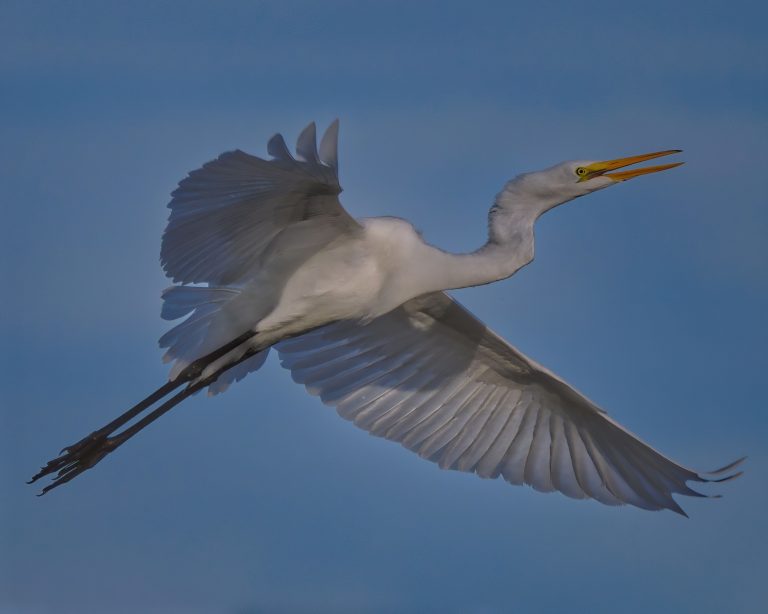
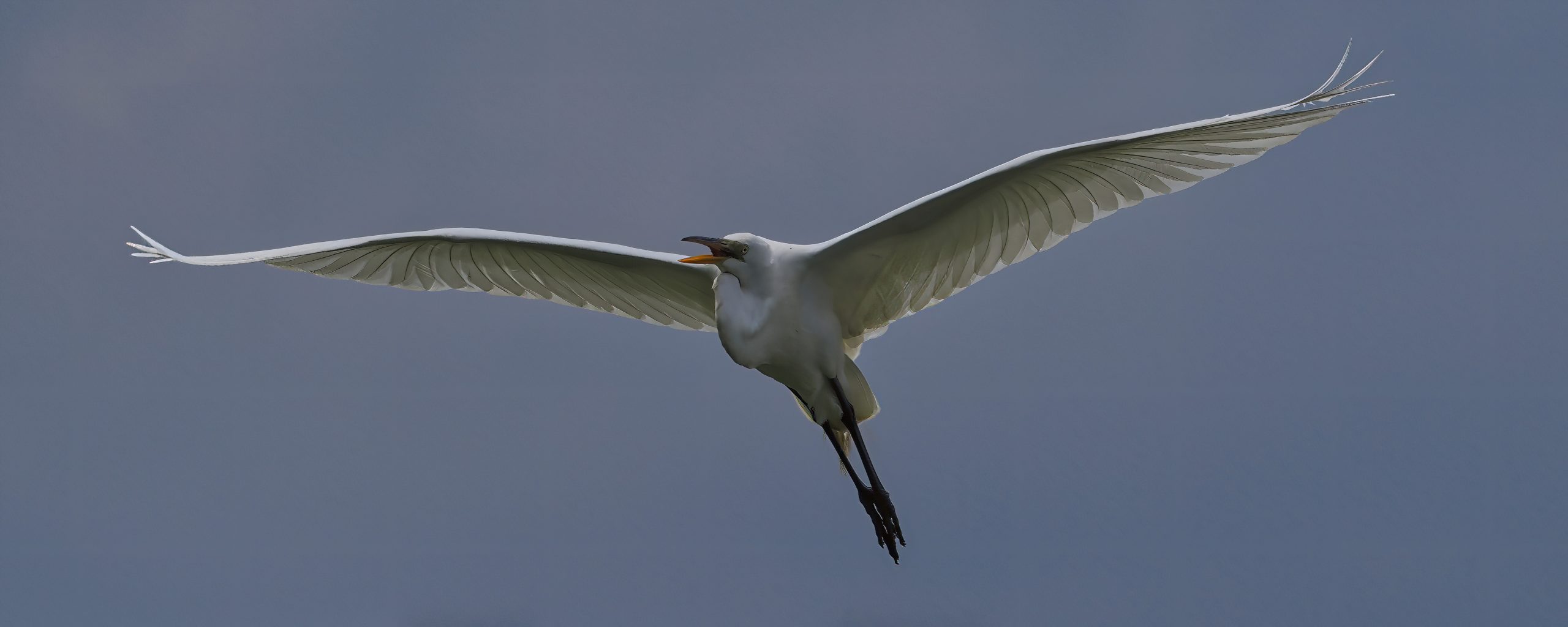
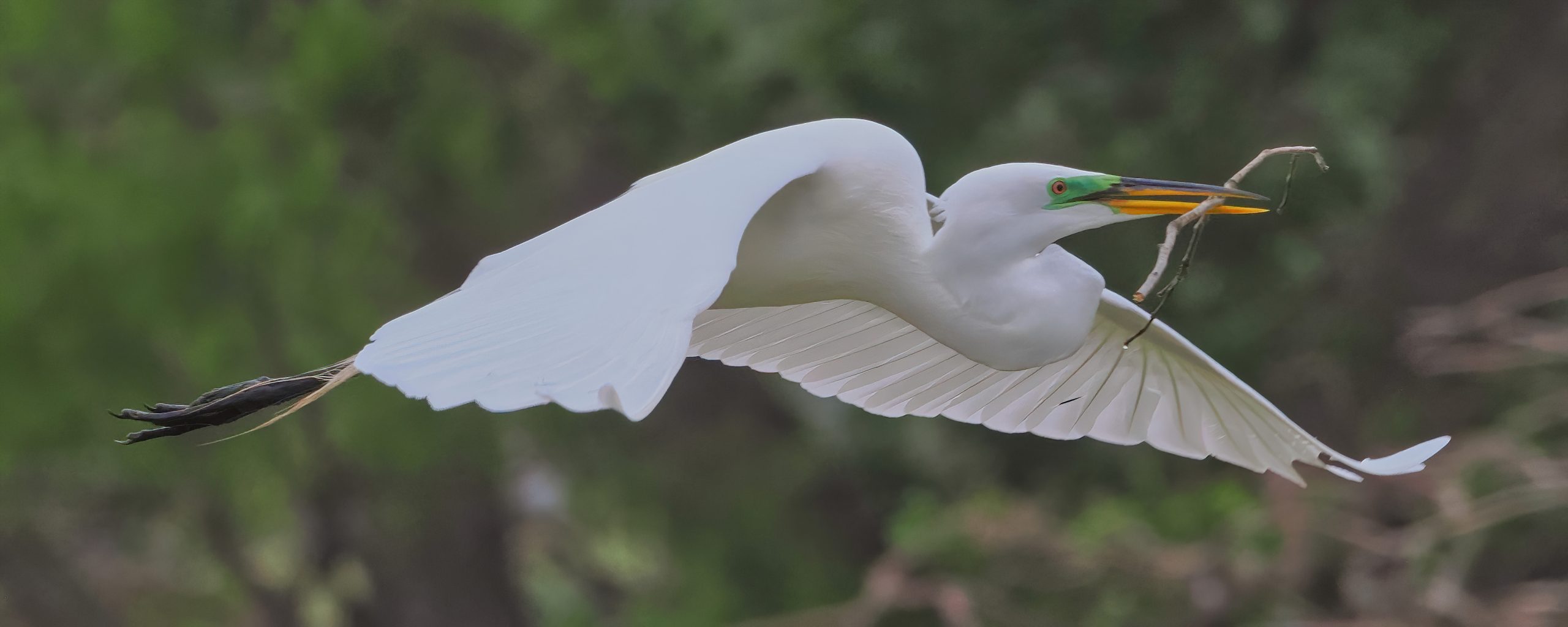
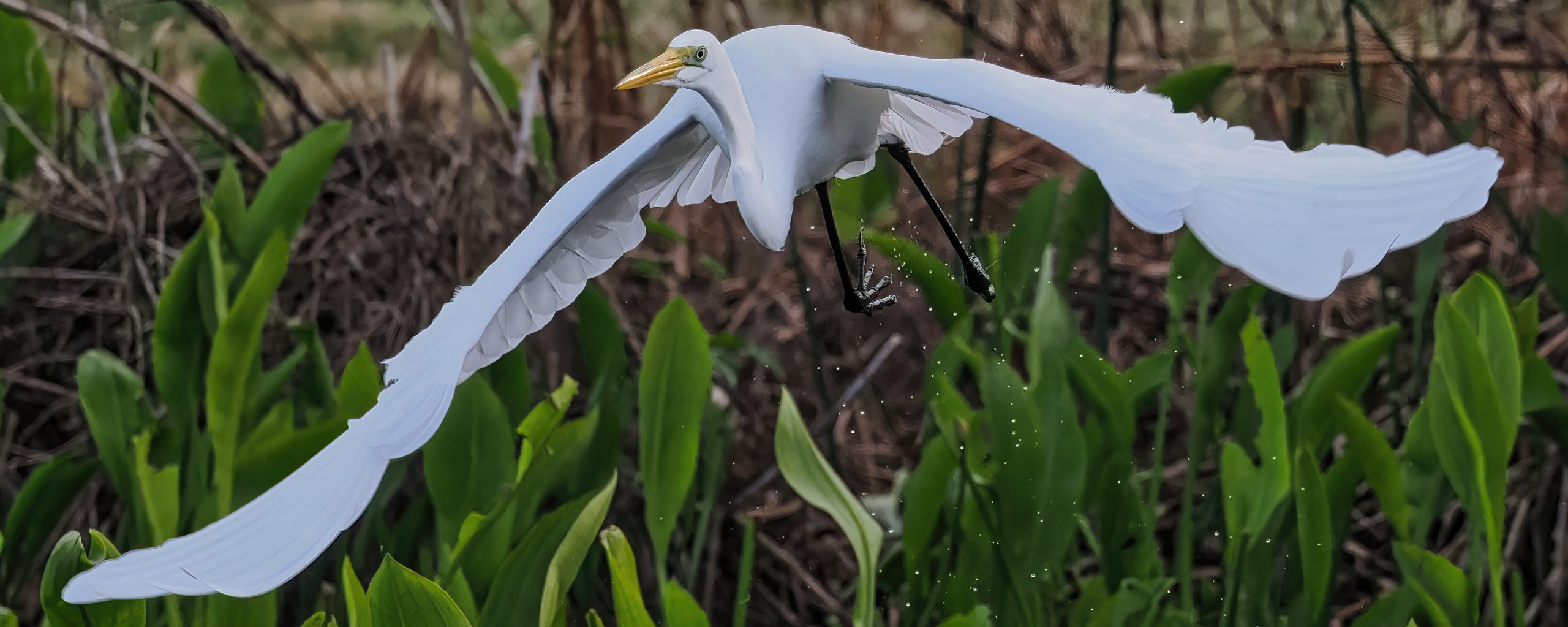
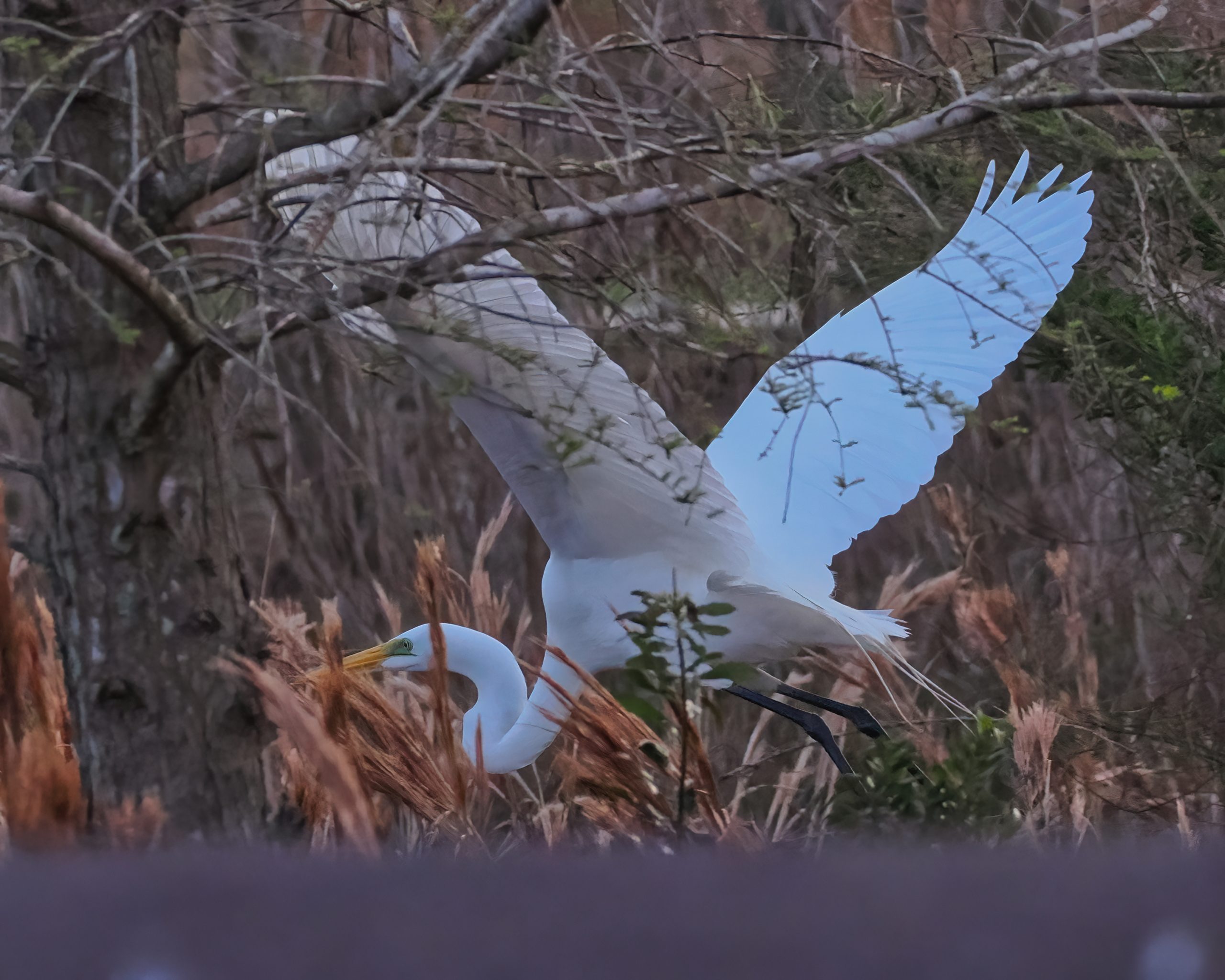
Just a Great Egret in flight. But more branches are coming up. It
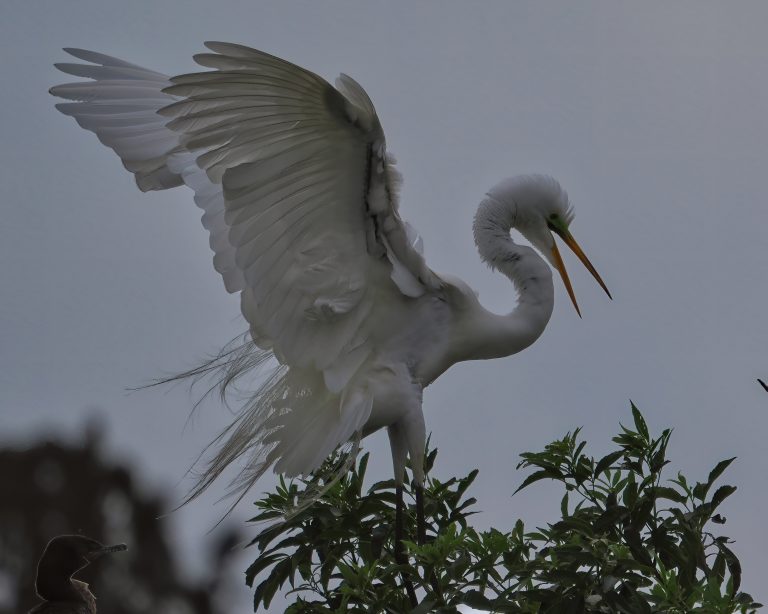
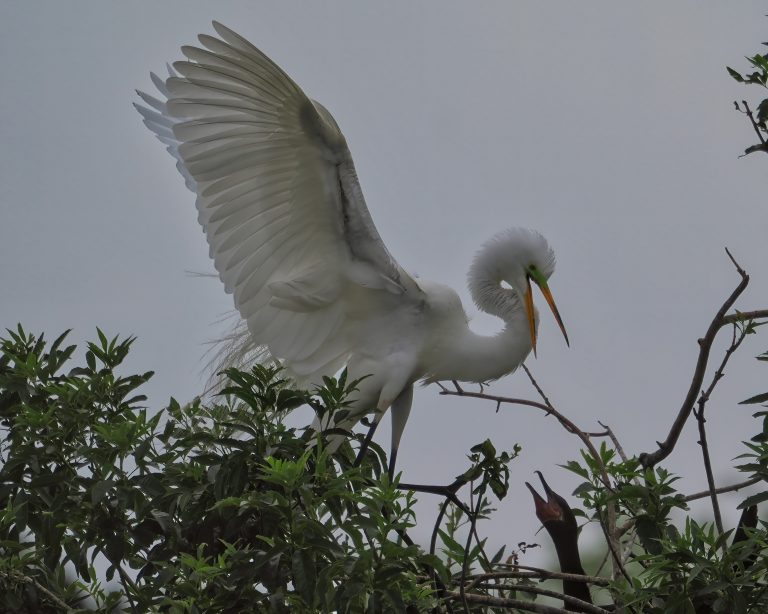
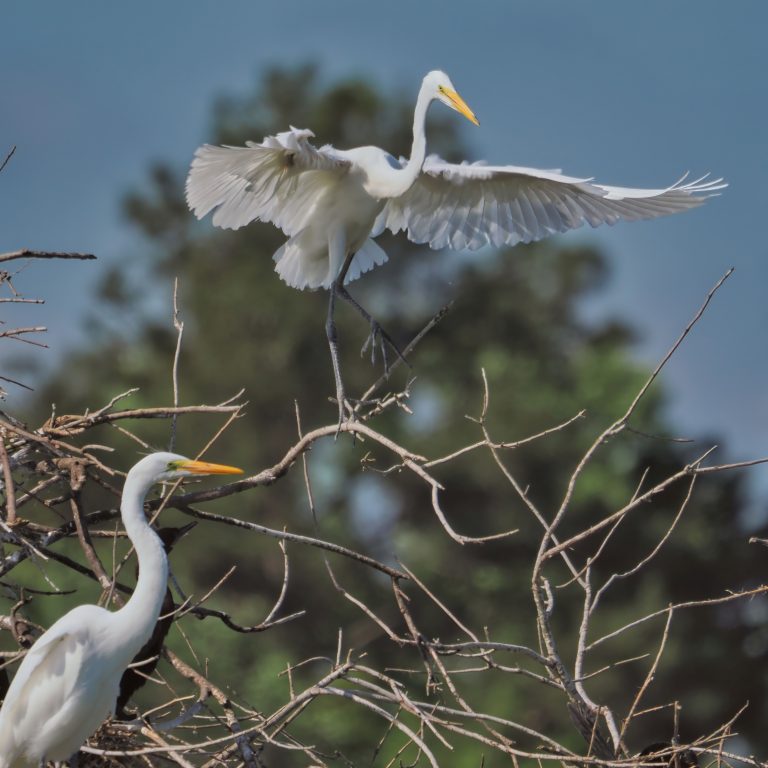
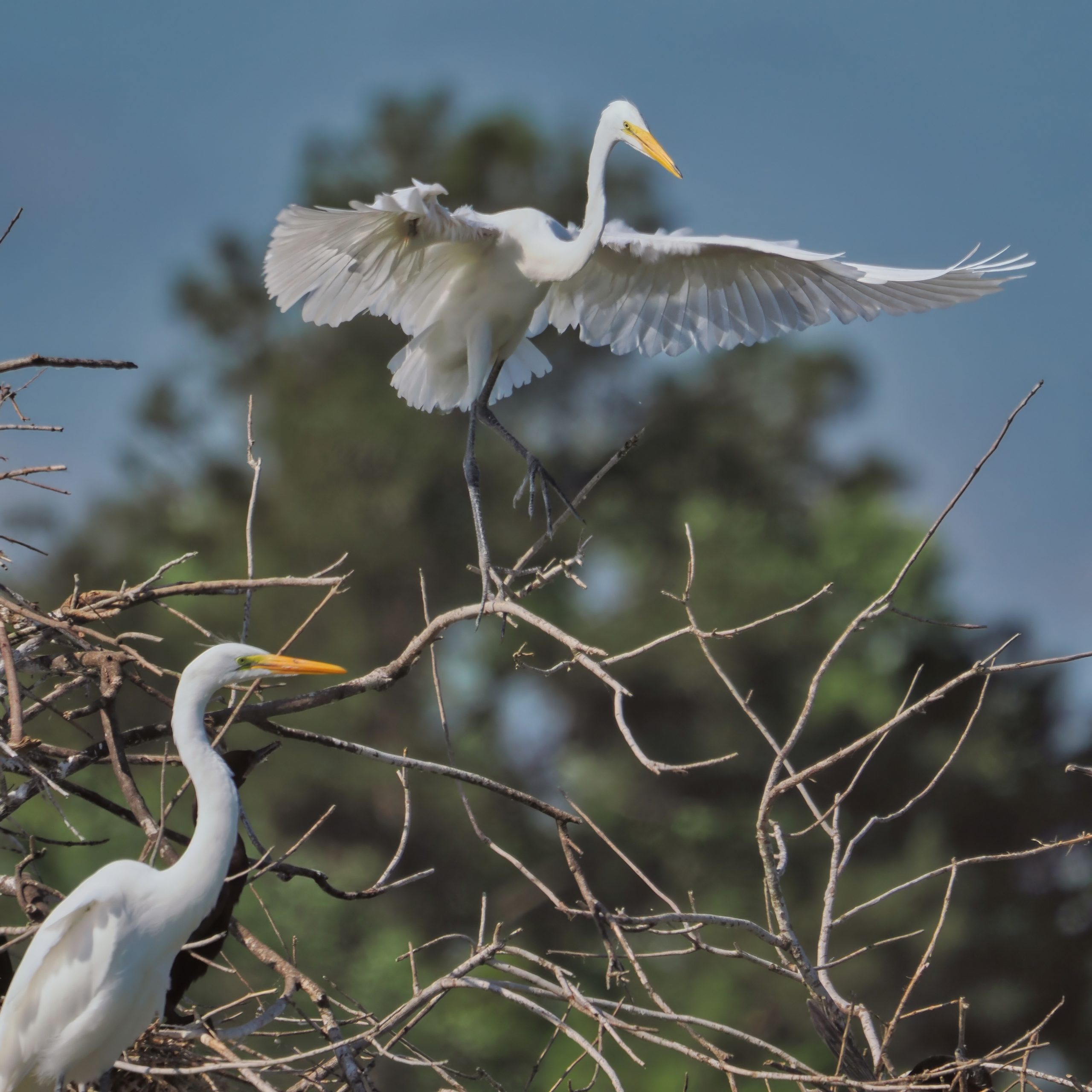
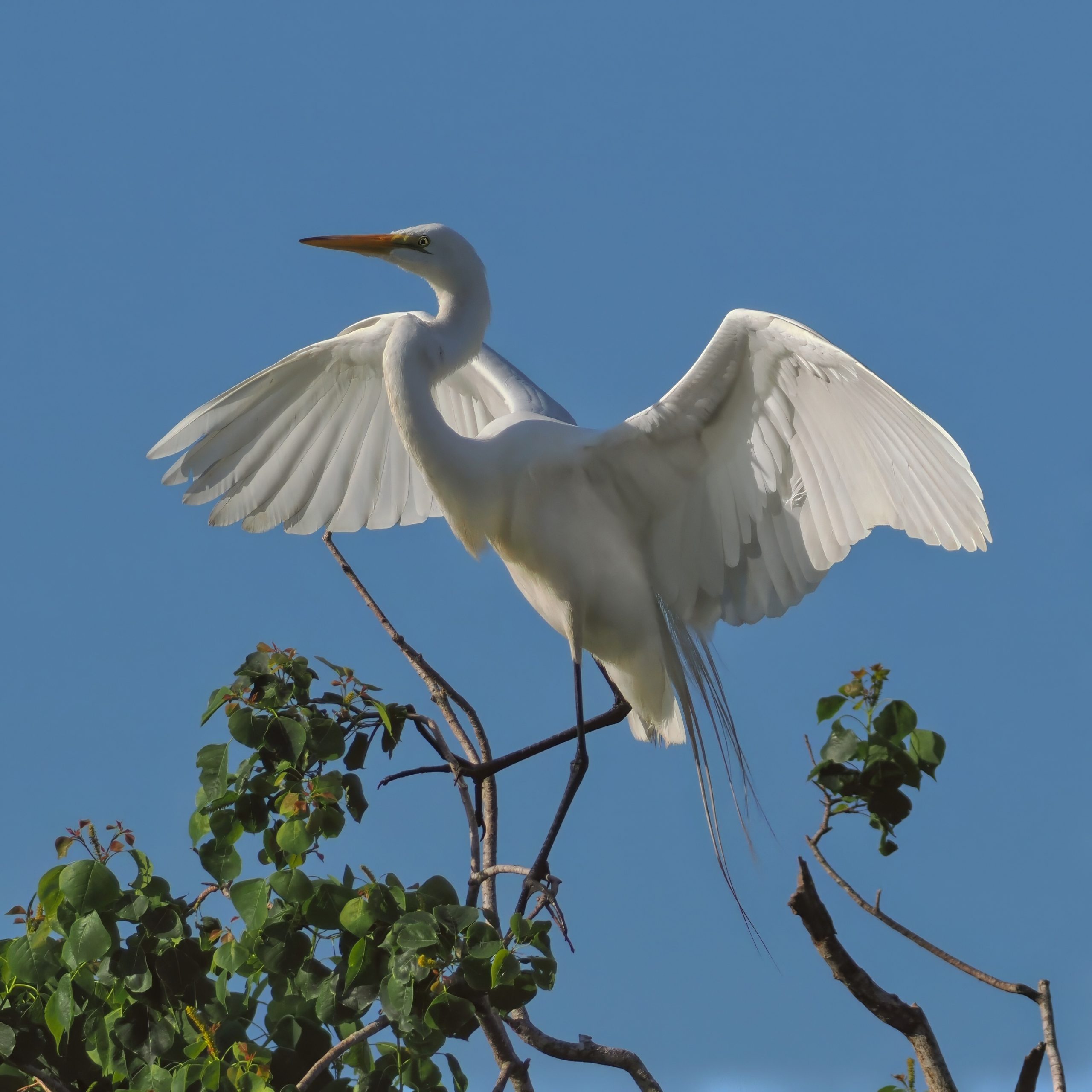
Great Egret finding a place in the rookery at Resoft County Park, Alvin, Texas.
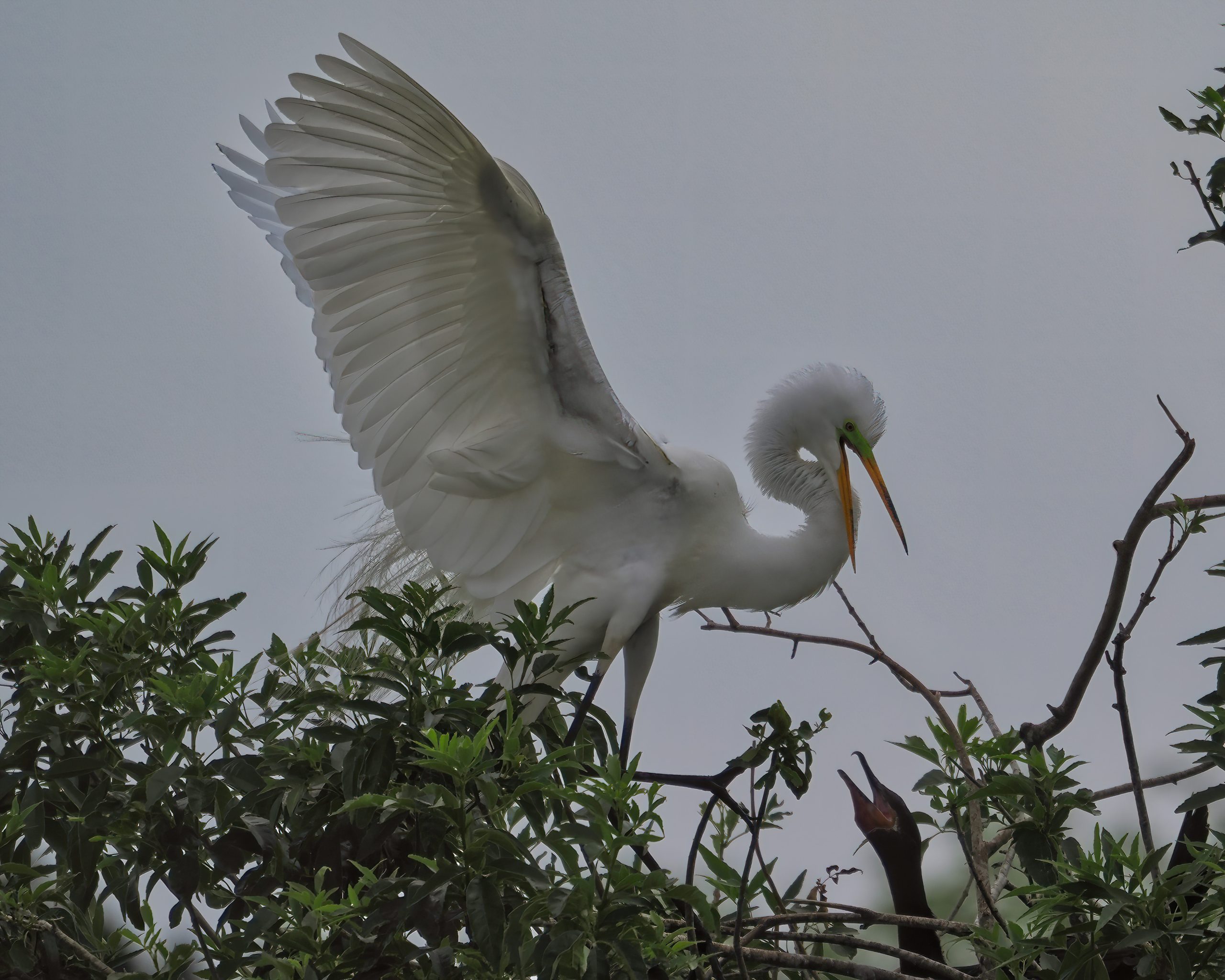
Great Egret in discussion with a Cormorant about the location of its nest. Delores Fenwick Nature Center, Pearland, Texas.
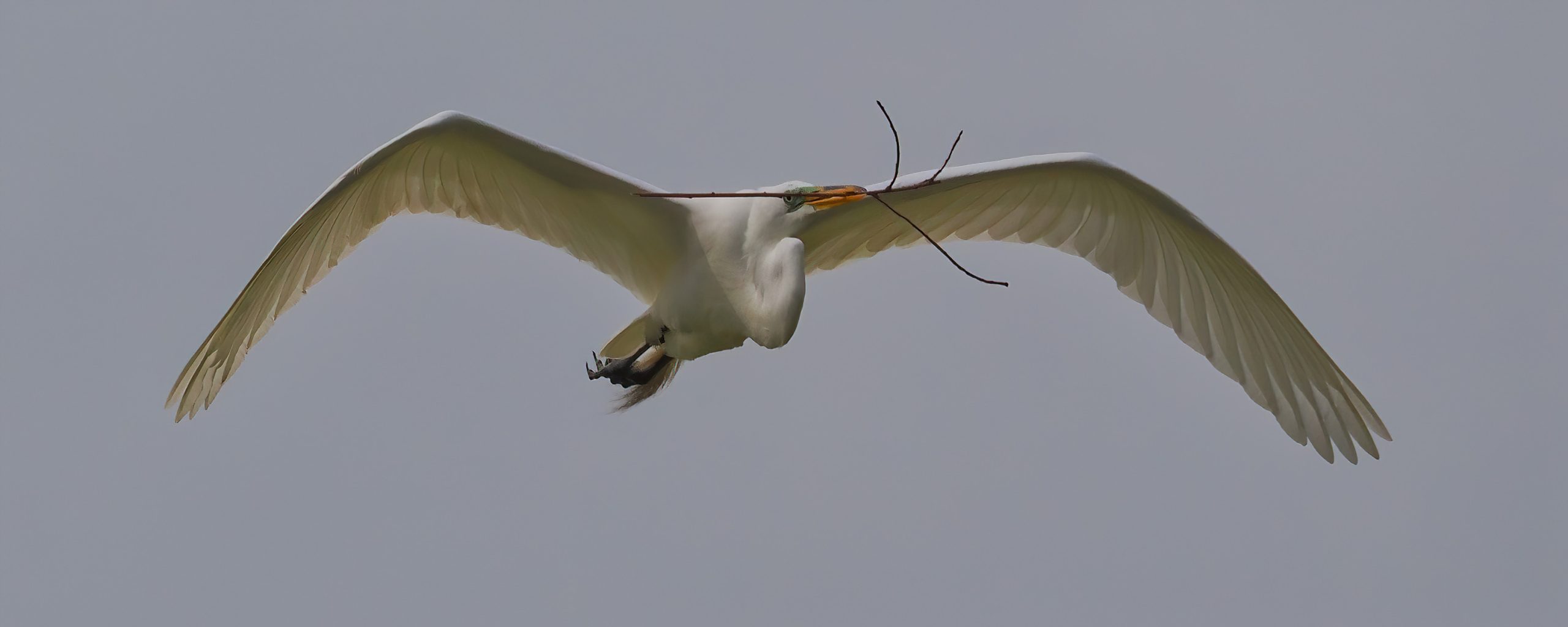
Later rejected. A bit much to carry to the nest, I guess. Delores Fenwick Nature Center, Pearland, Texas.
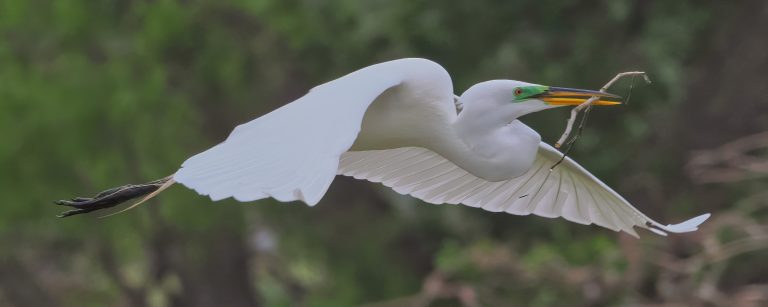
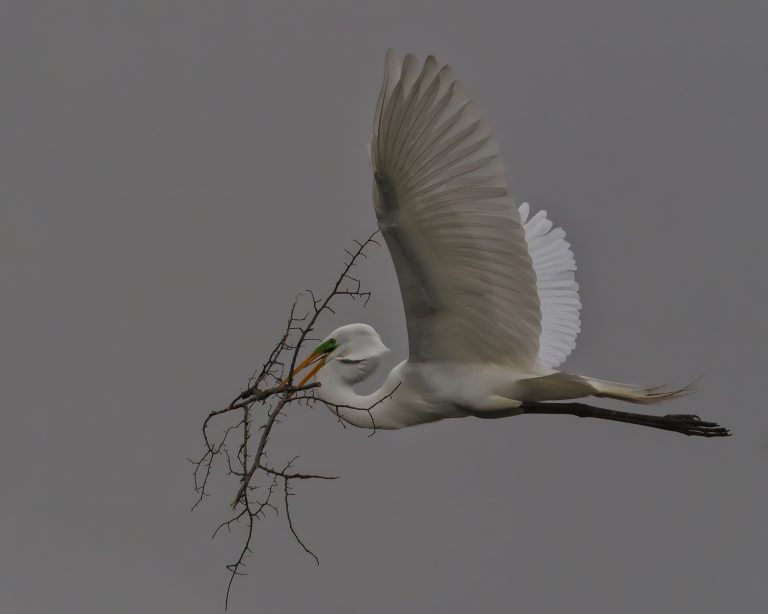
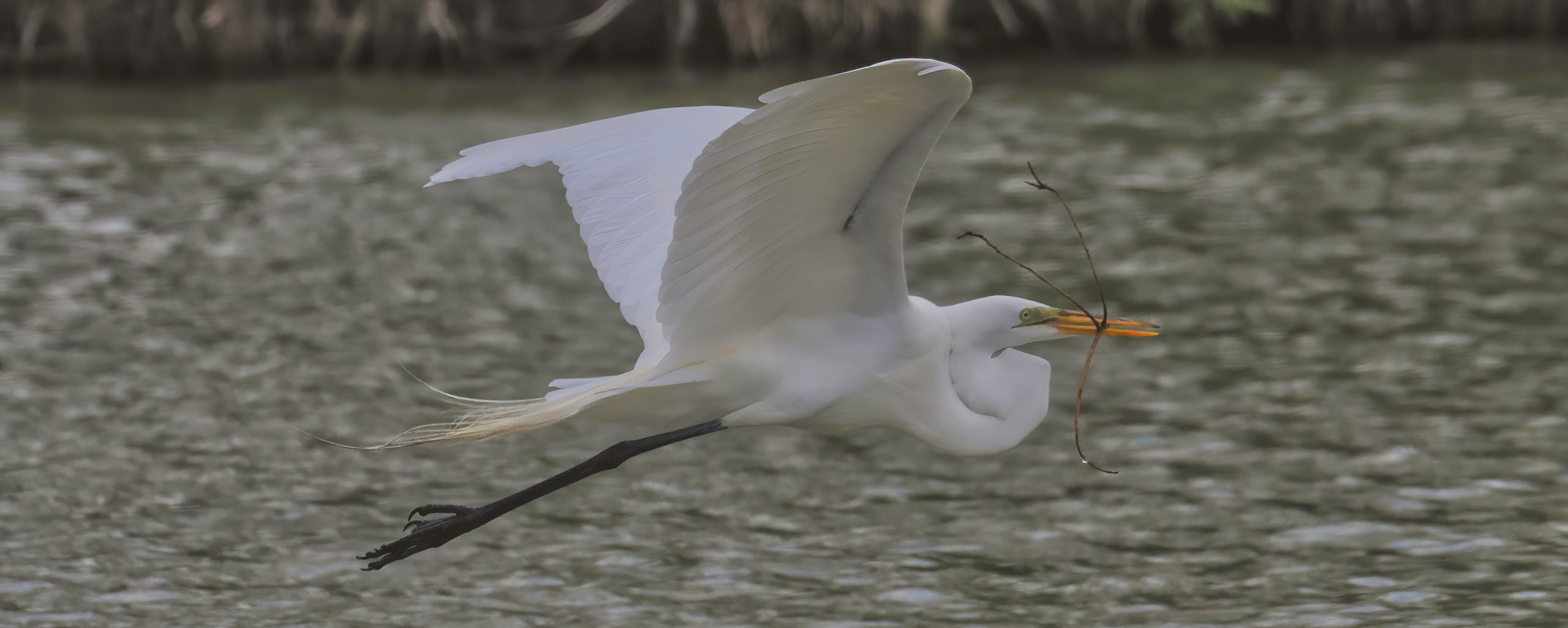
Great Egret fetching nest-building material at Resoft County Park, Alvin, Texas.
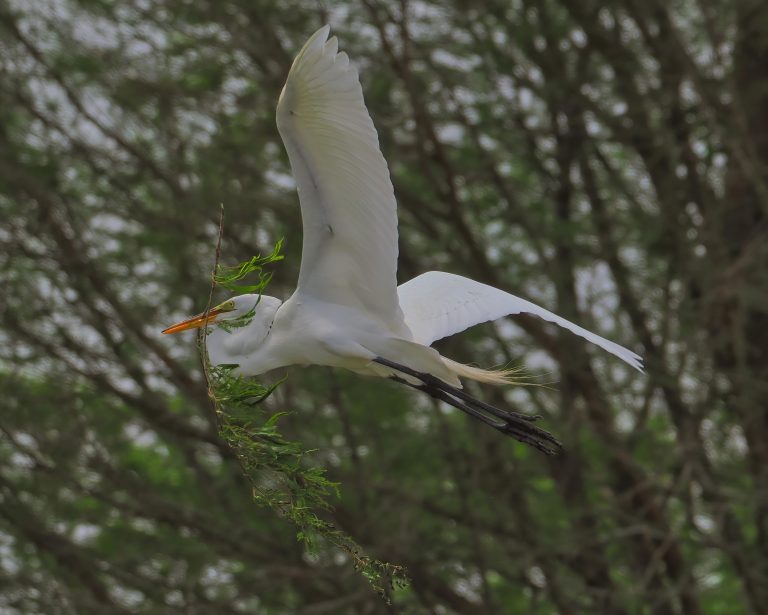
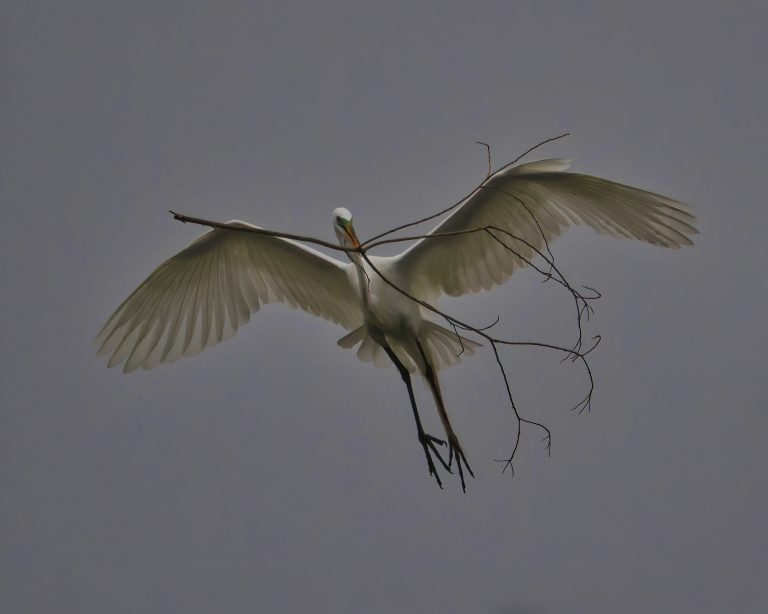
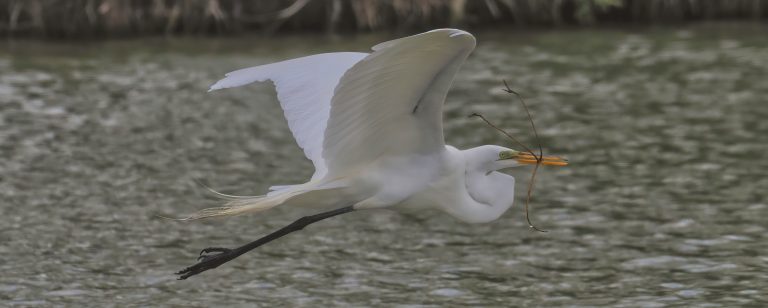
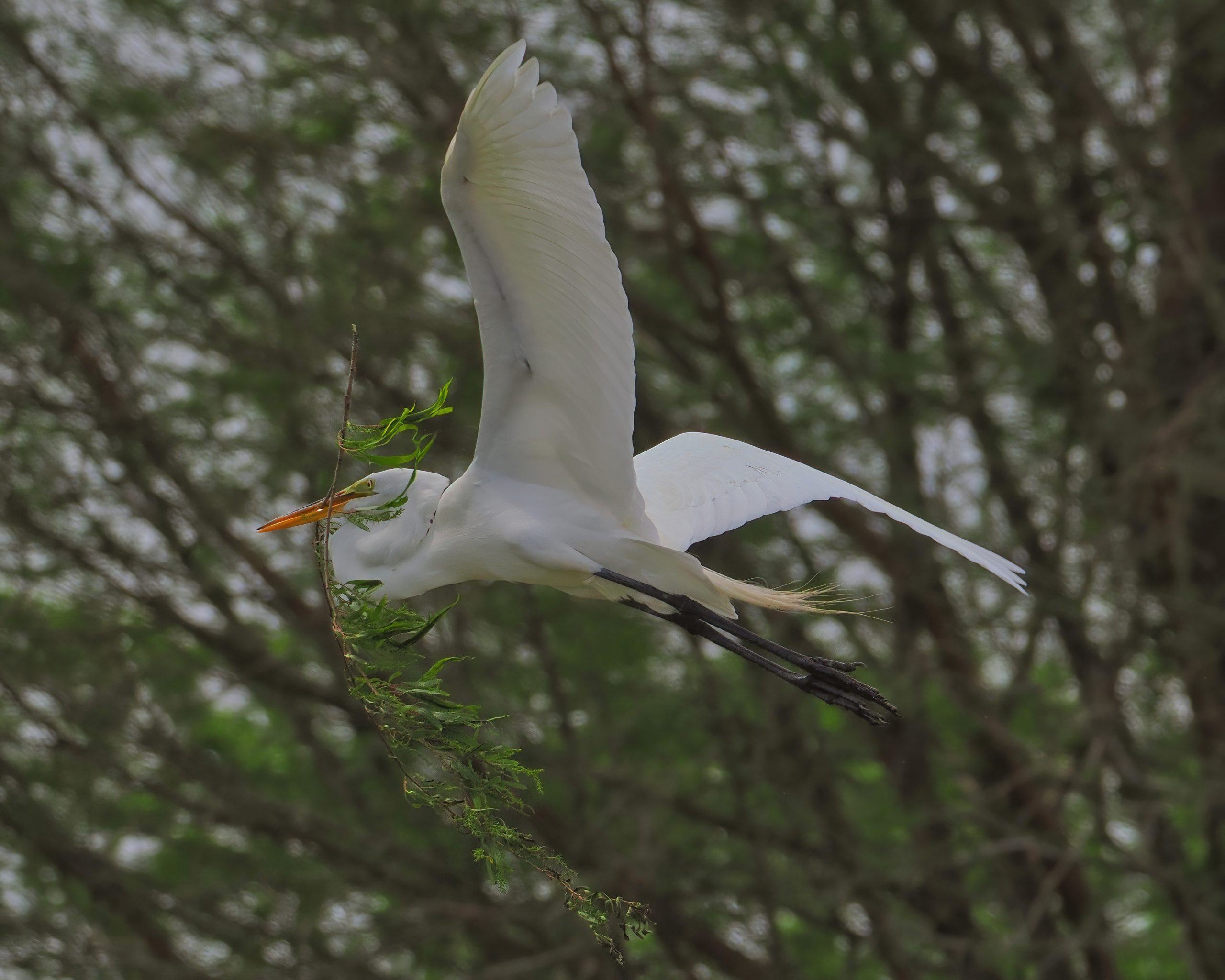
Great Egret carrying branch to a nest in progress. Resoft County Park, Alvin, Texas.
Nine Egyptian Goose goslings 17 days after hatching actually seem to be growing on whatever
Wood Duck (Aix sponsa) still hanging out in Resoft County Park, Alvin, Texas.
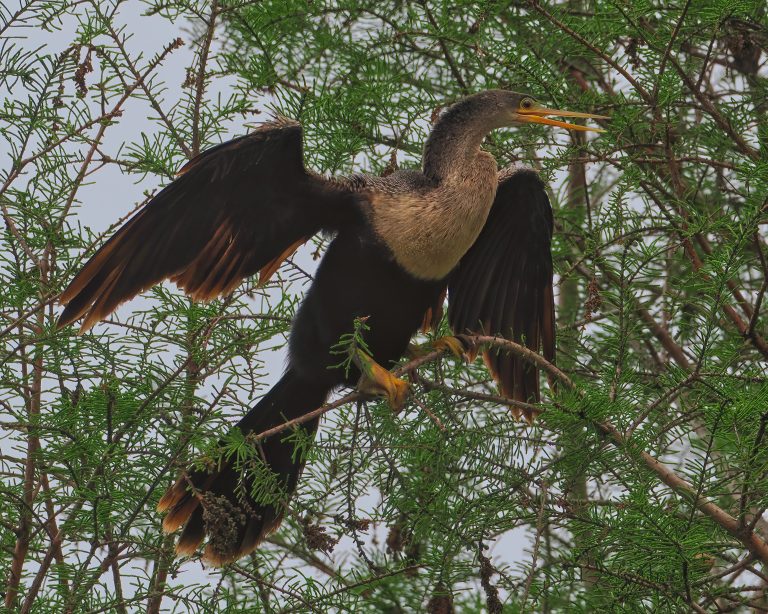
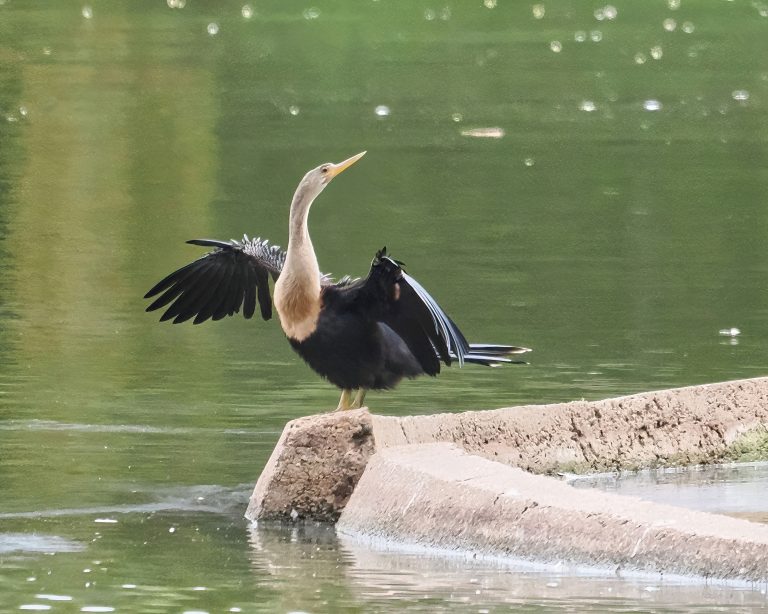
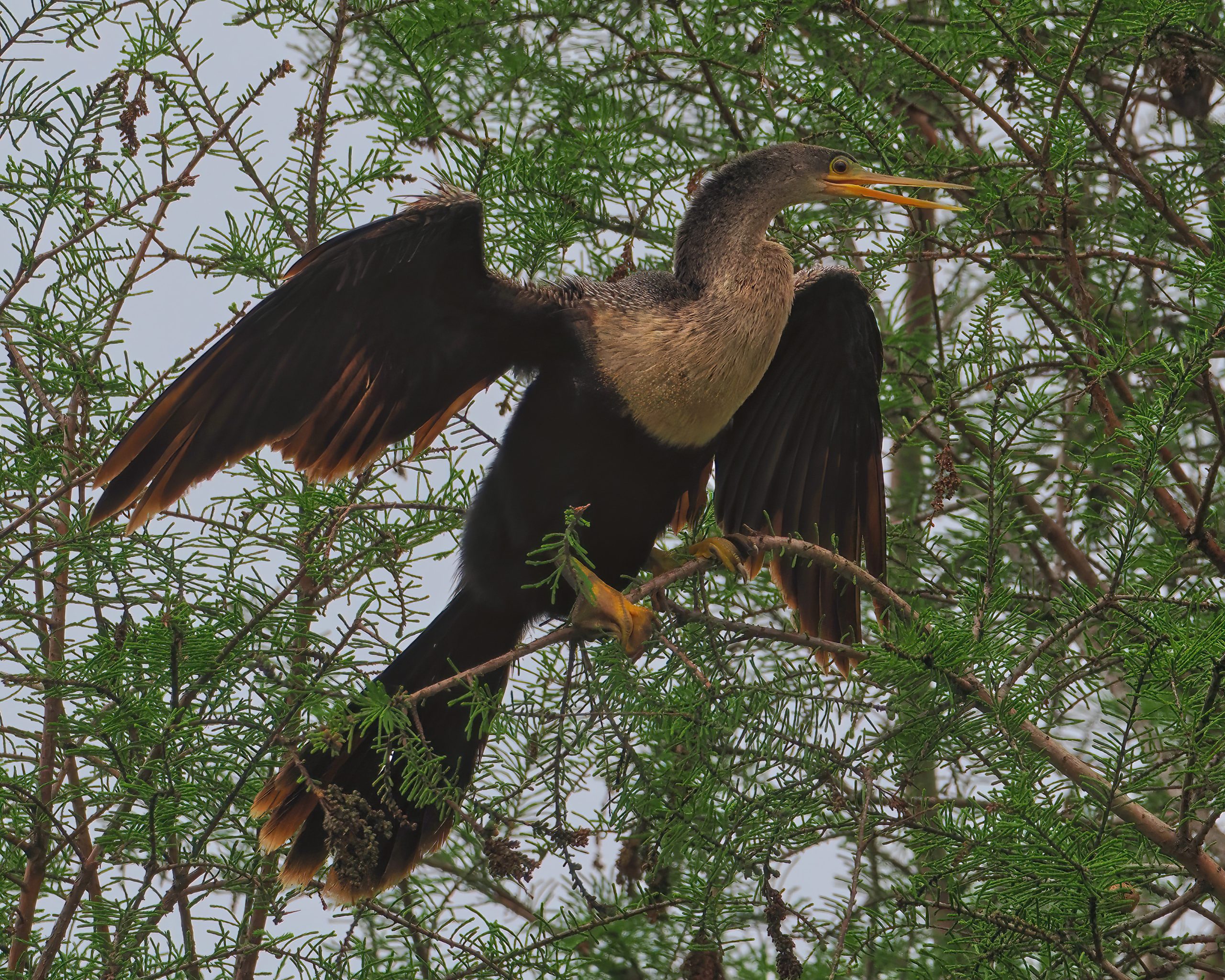
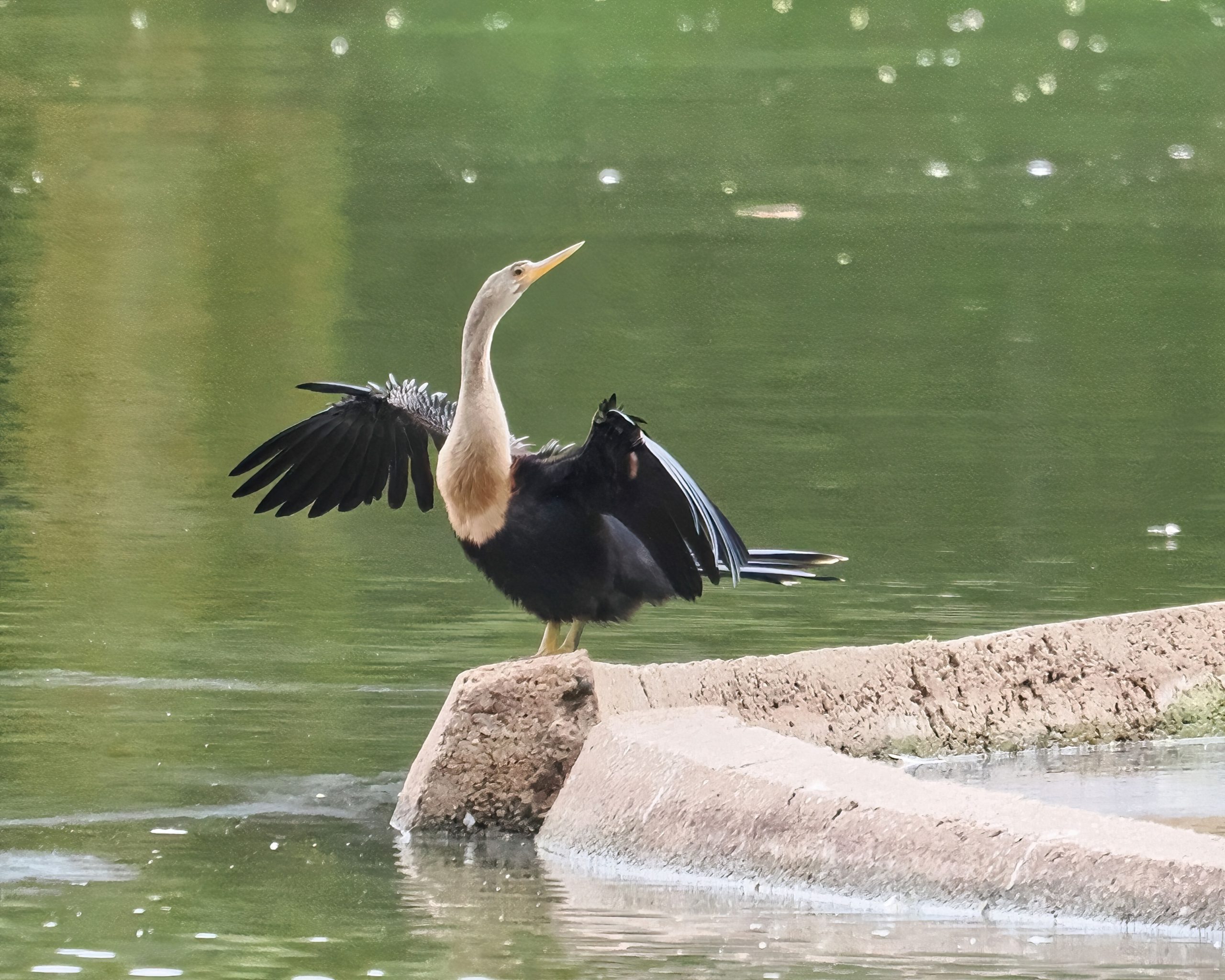
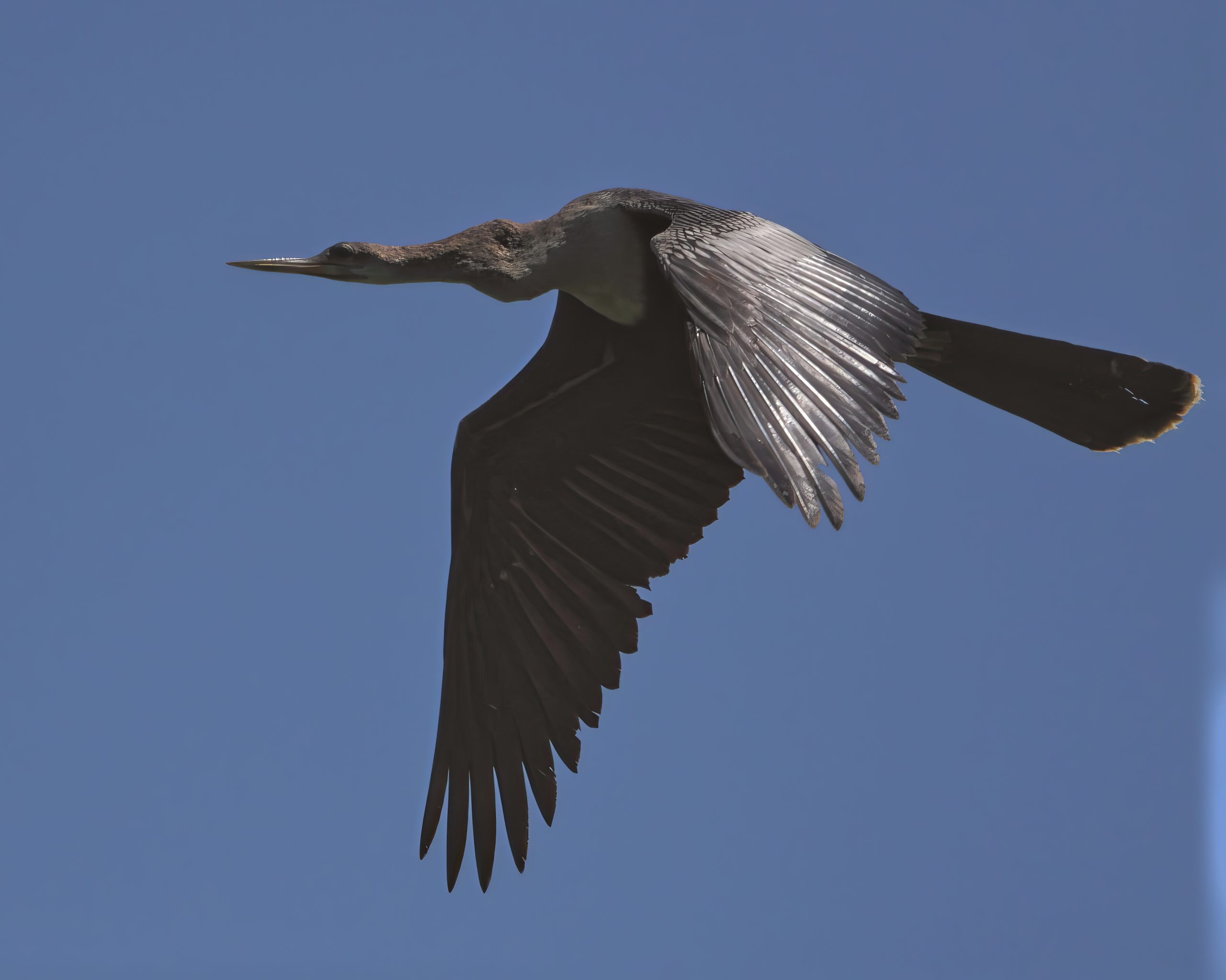
Anhinga anhinga. Resoft County Park, Alvin, Texas.
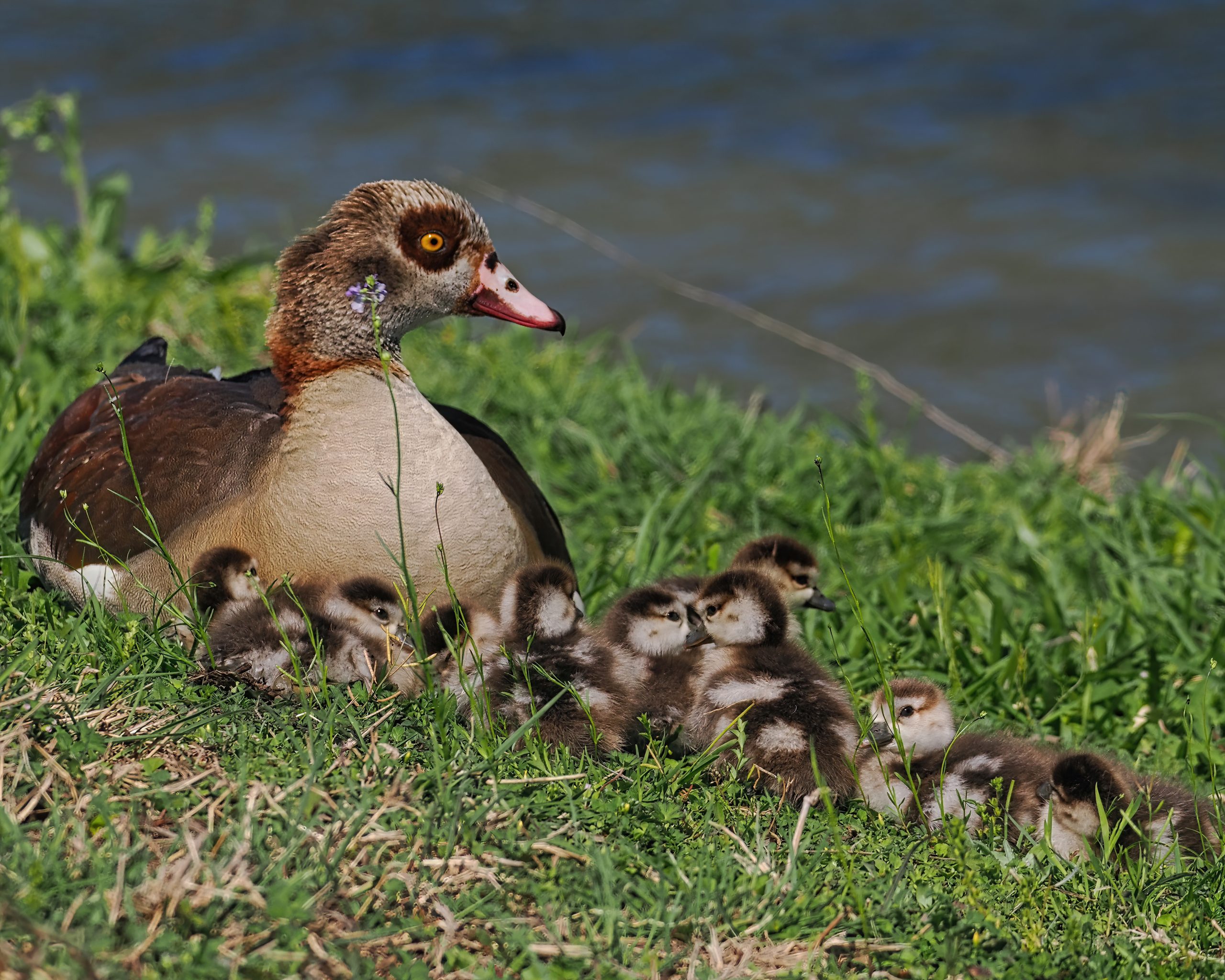
Egyptian Goose and her ten goslings. Don
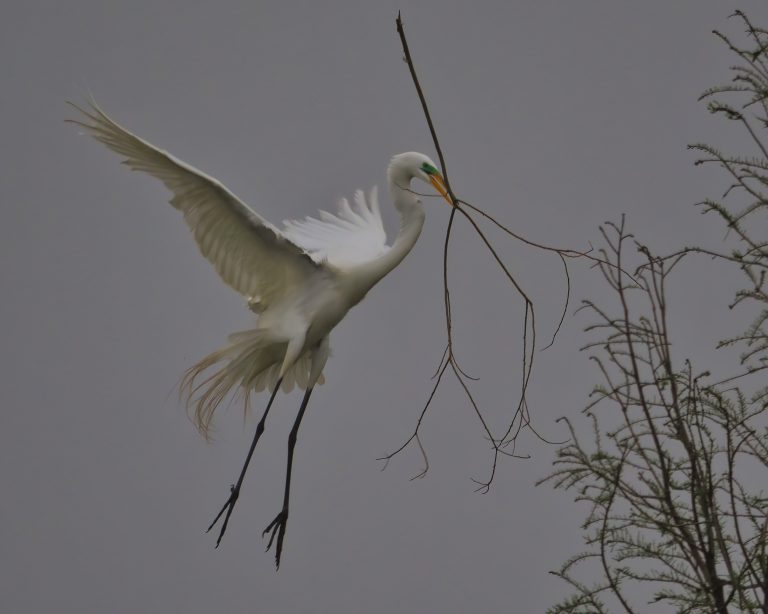
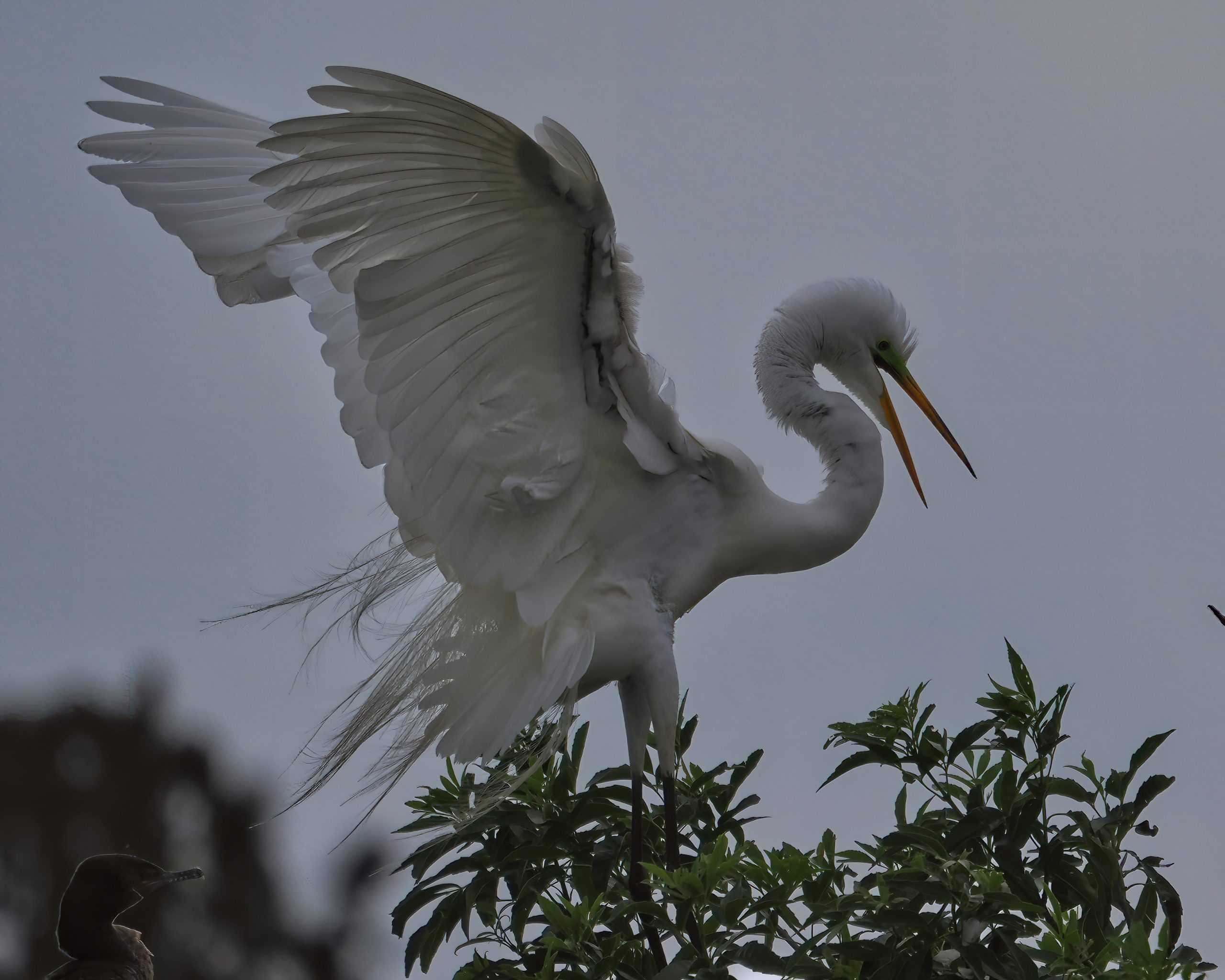
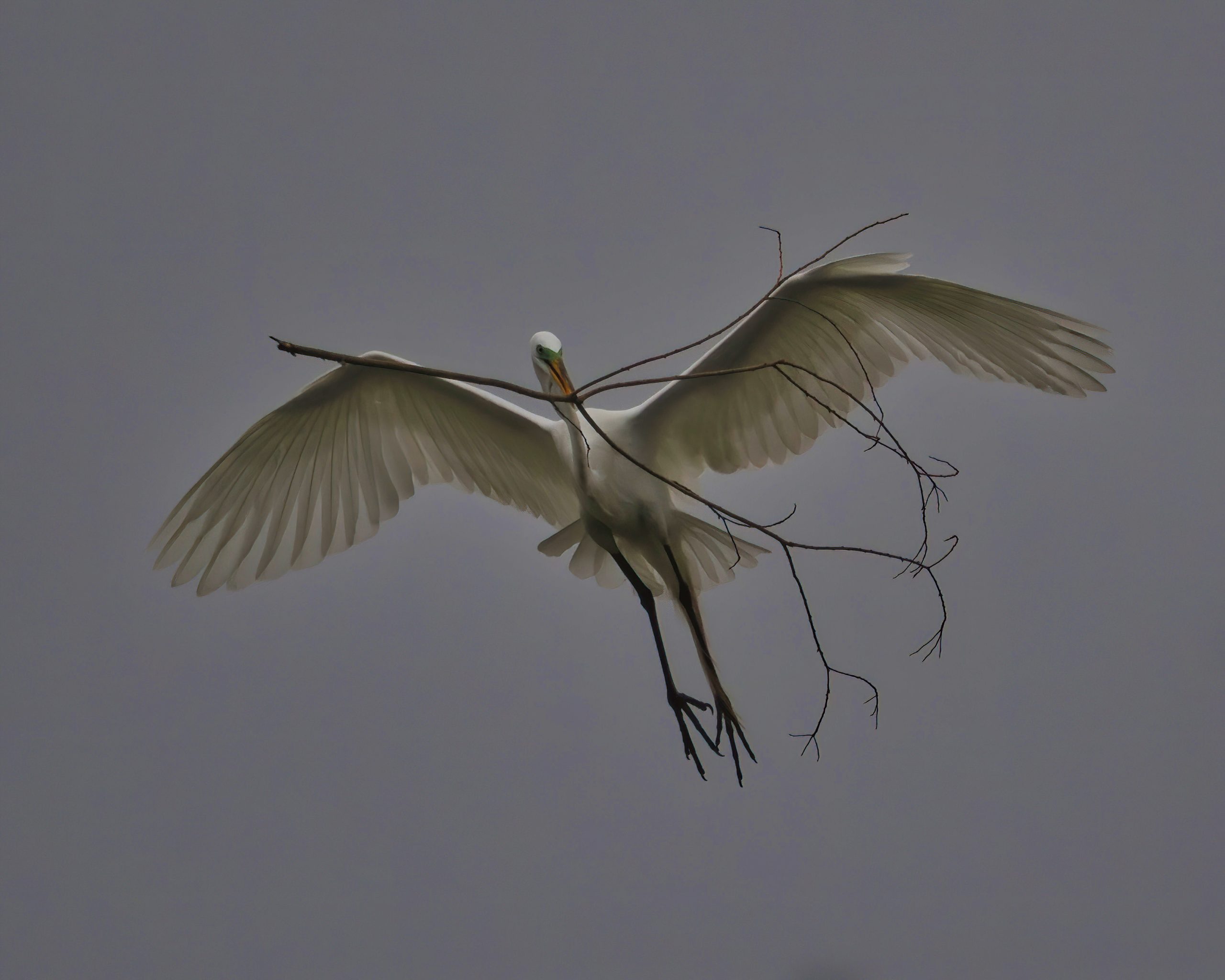
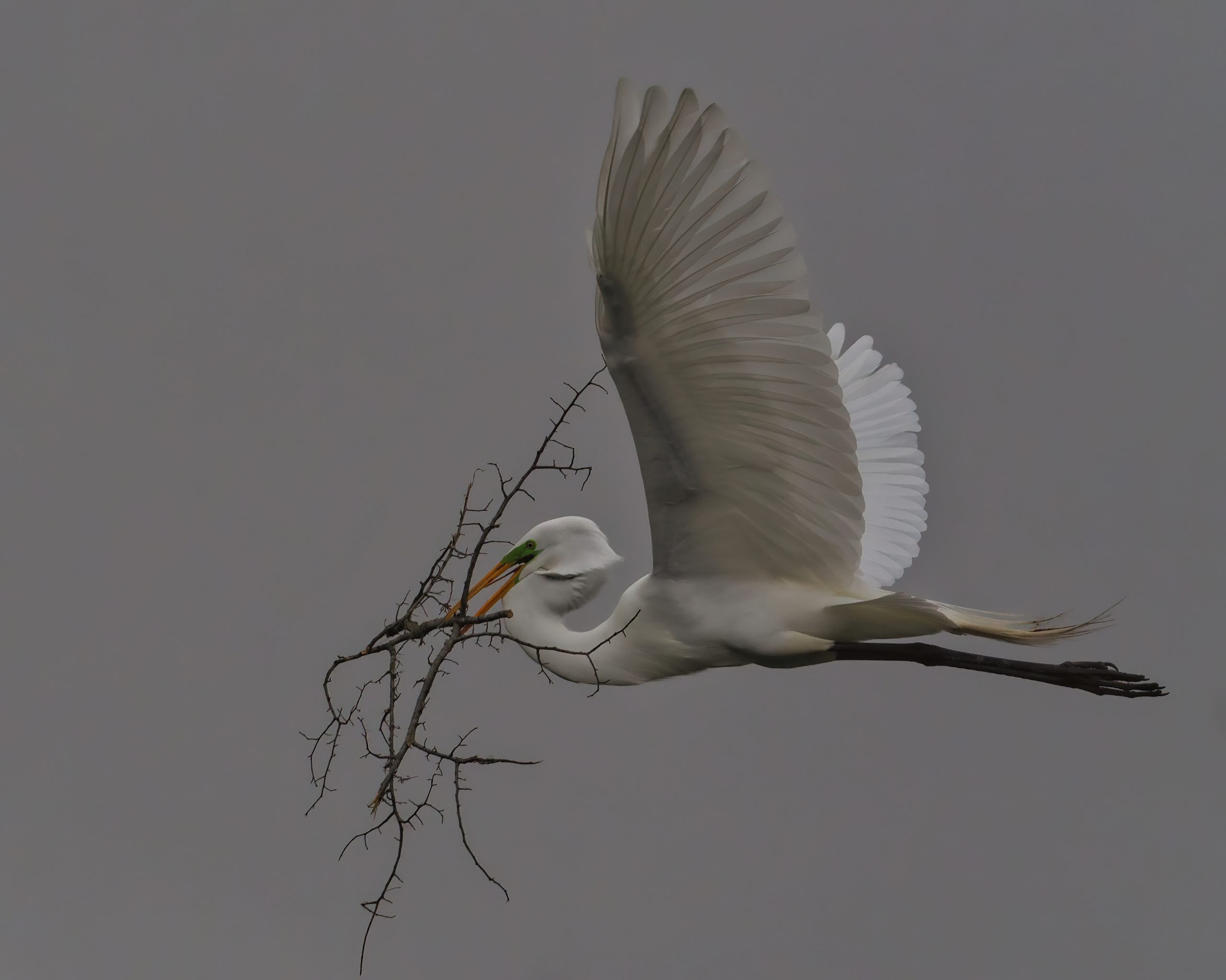
The lore is the area about the eyes. In a Great Egret the lore turns green during the mating season, as a signal perhaps. This nest-building, branch-gatherer is ready to raise a family! Resoft County Park, Alvin, Texas.
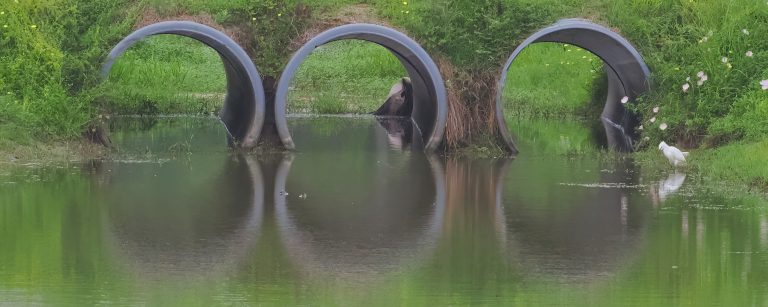
Culvert at one end of the ponds at Resoft County Park, Alvin, Texas. That
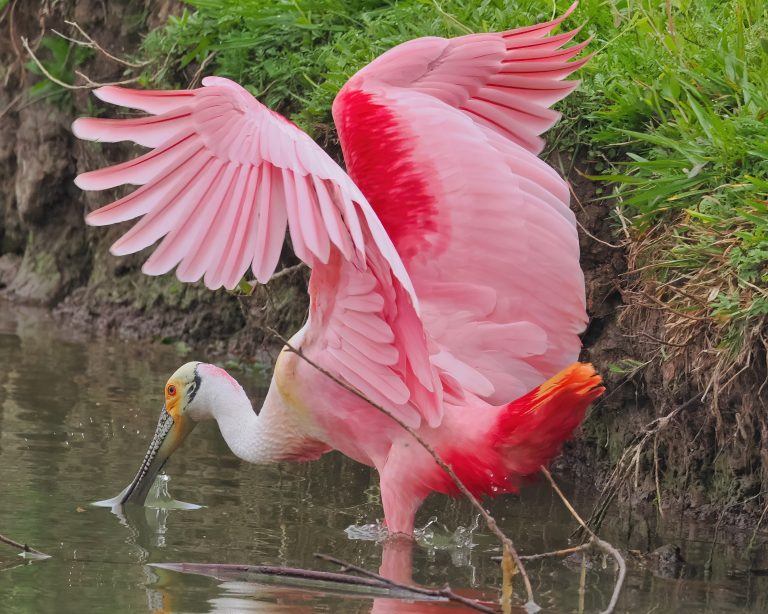
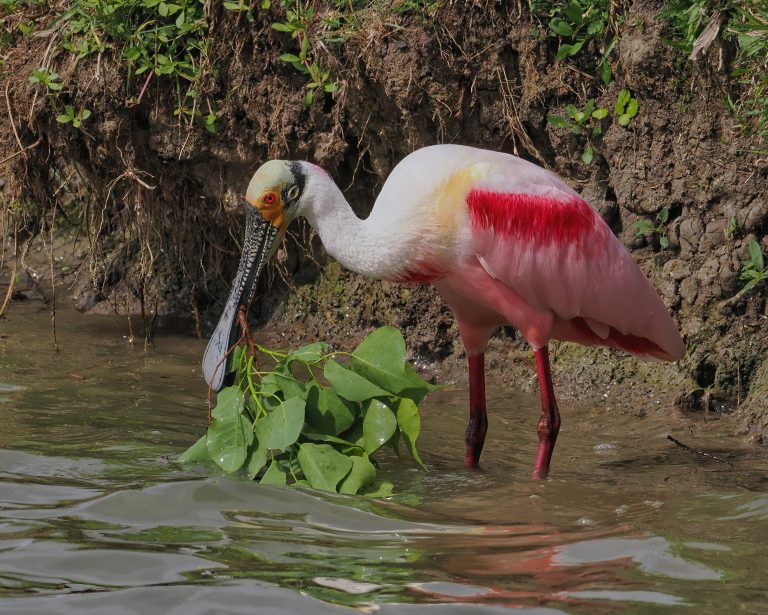
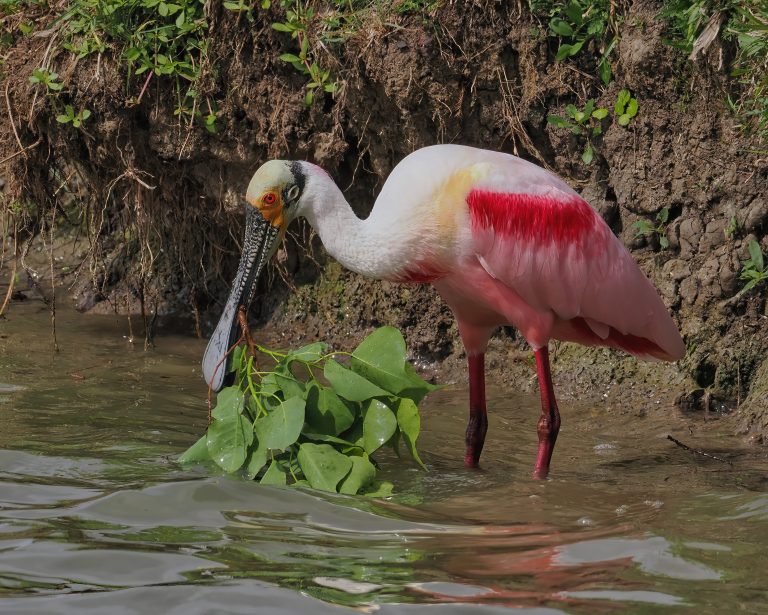
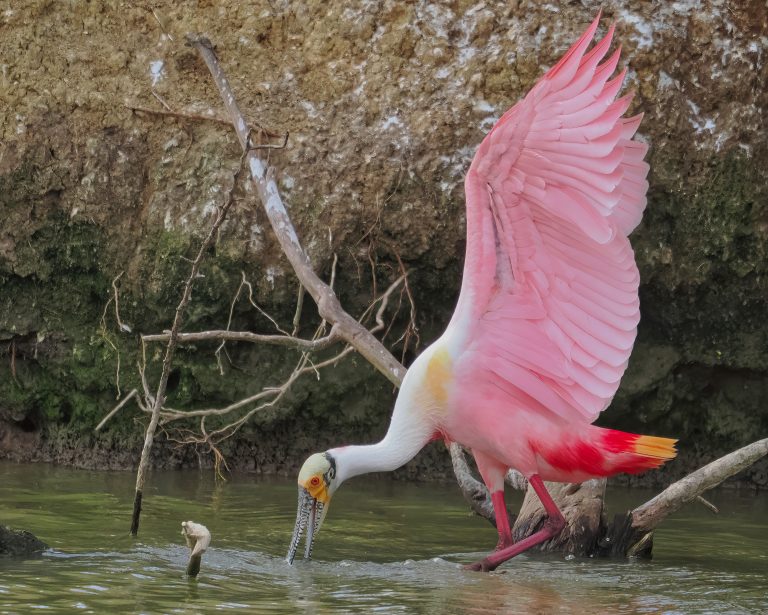
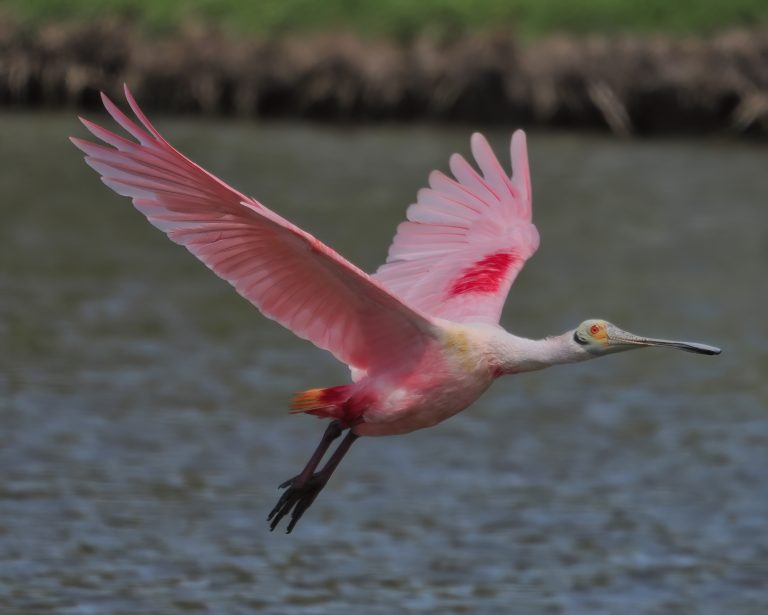
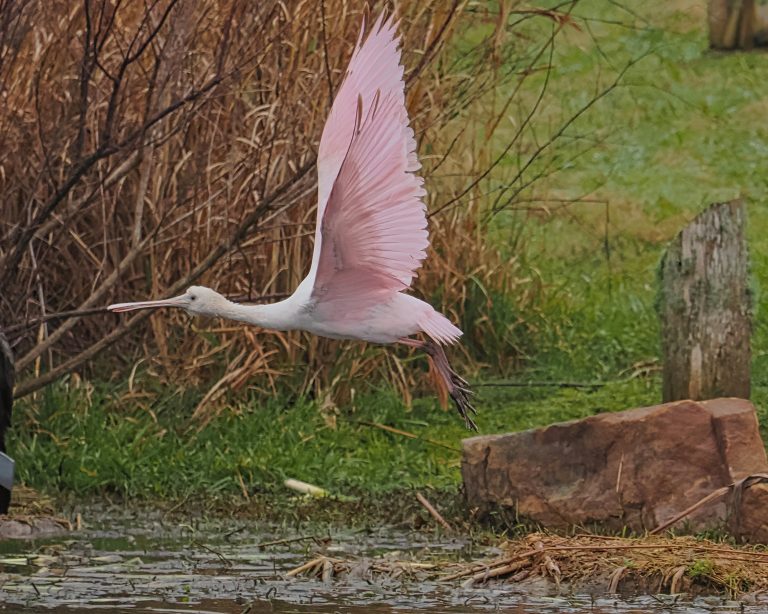
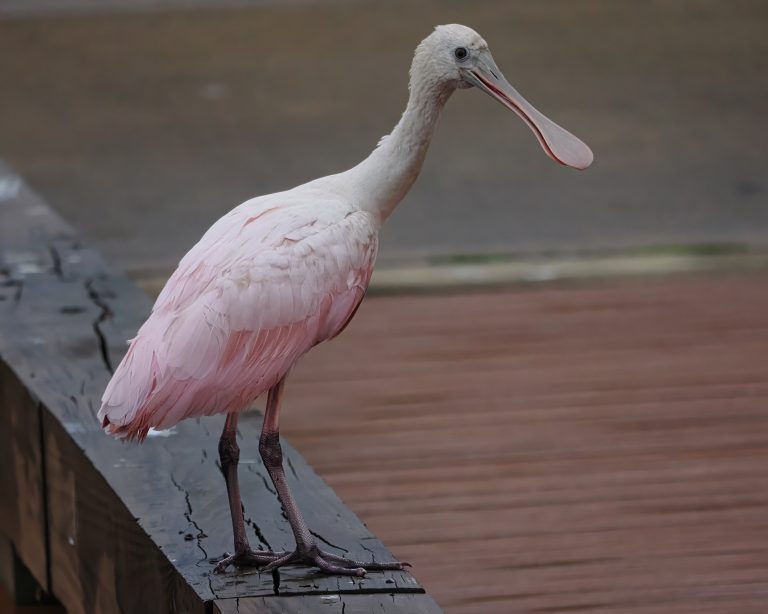
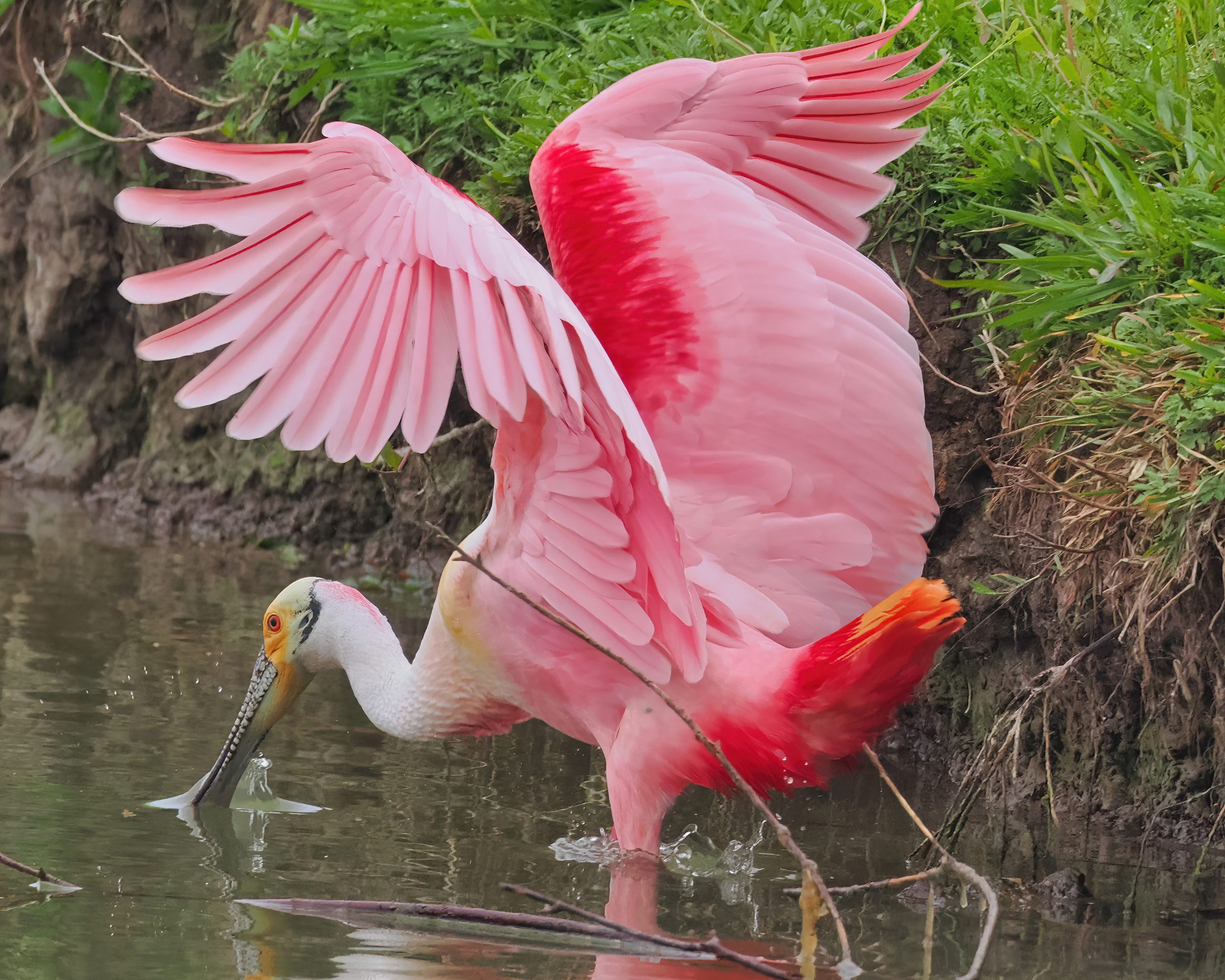
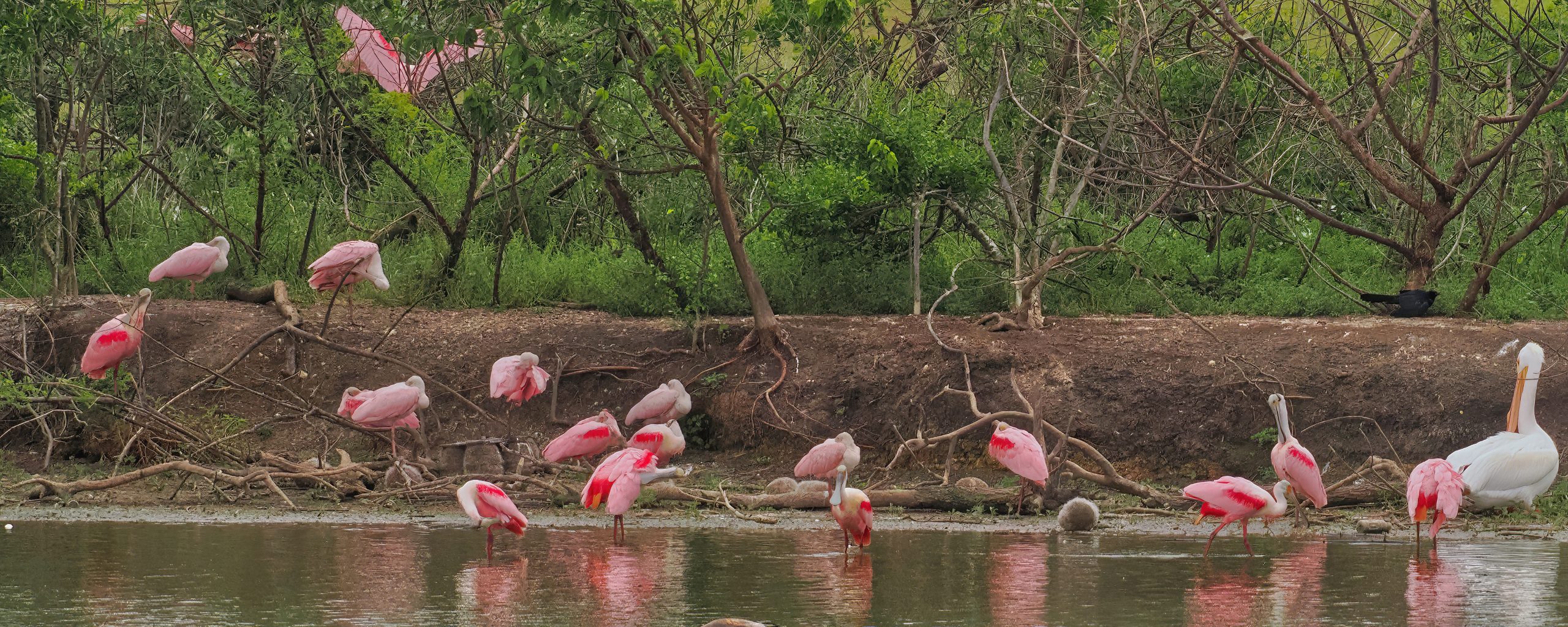
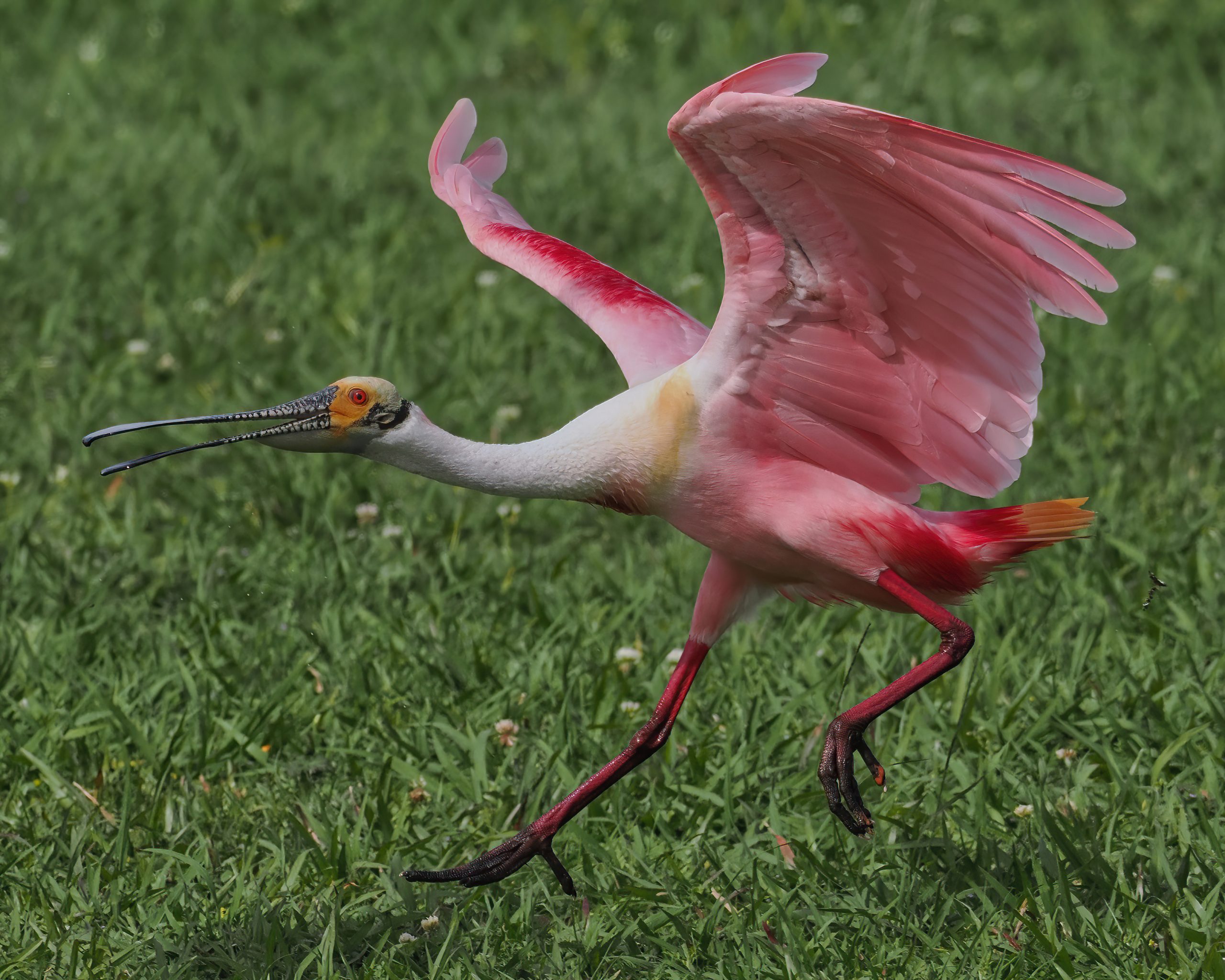
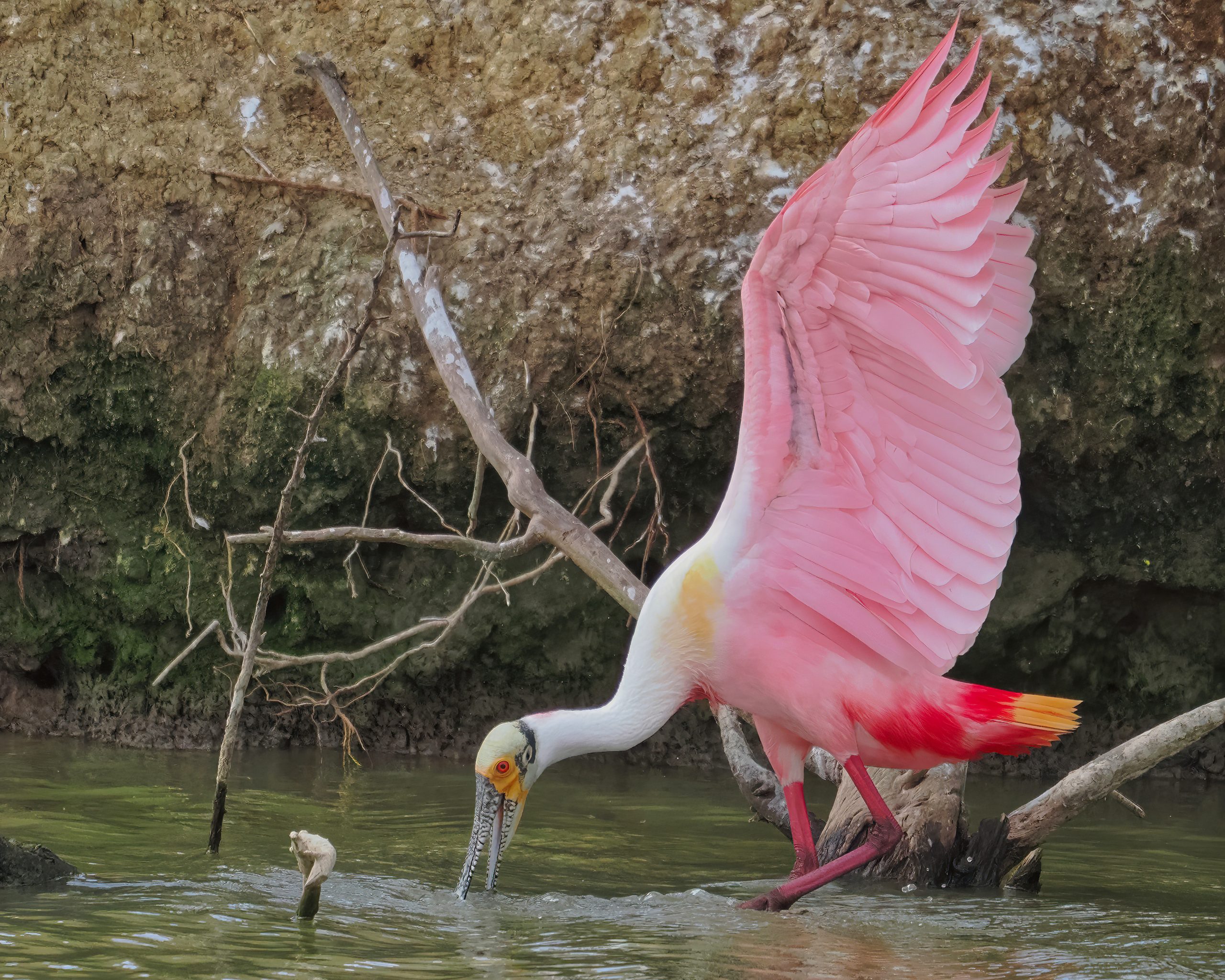
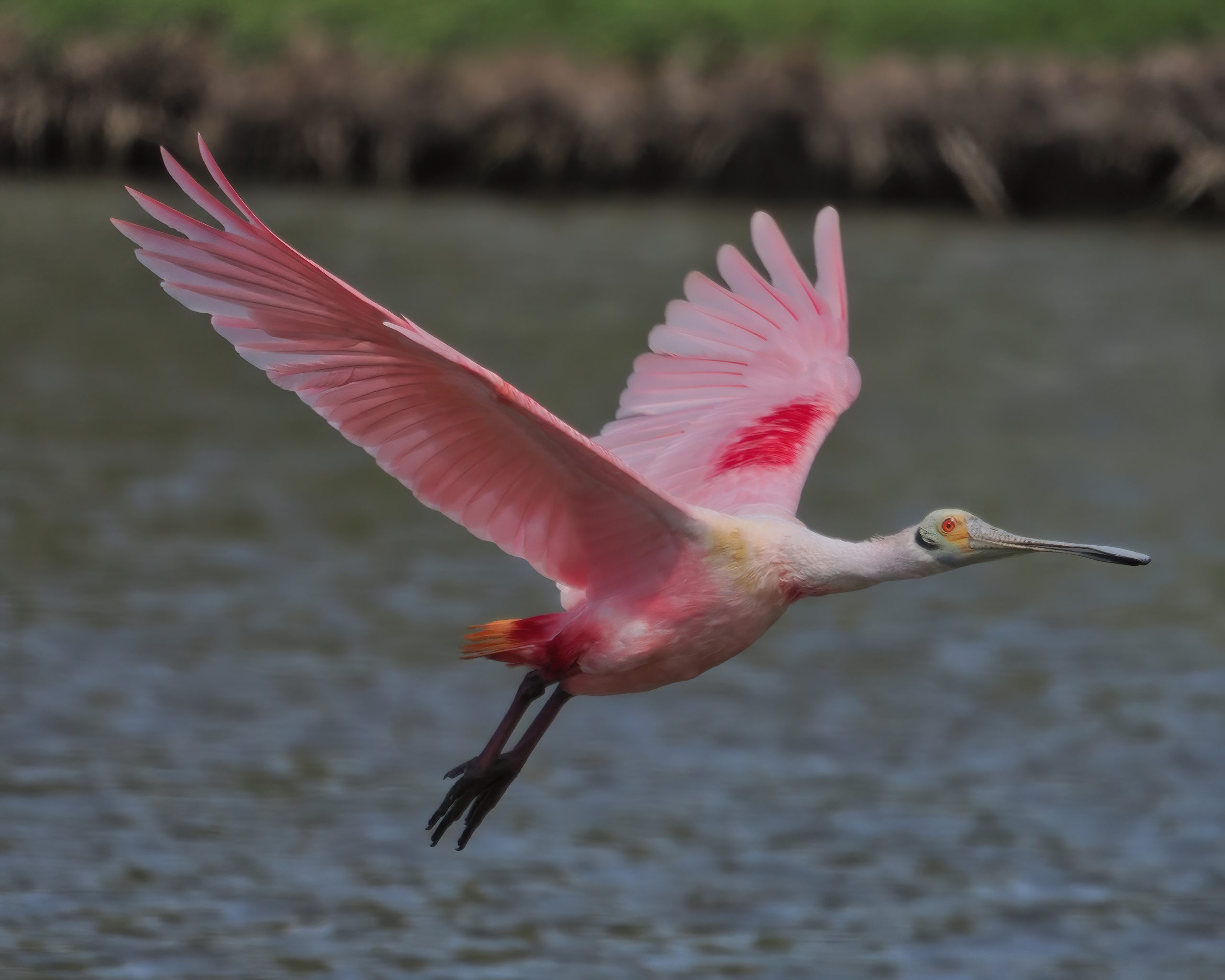
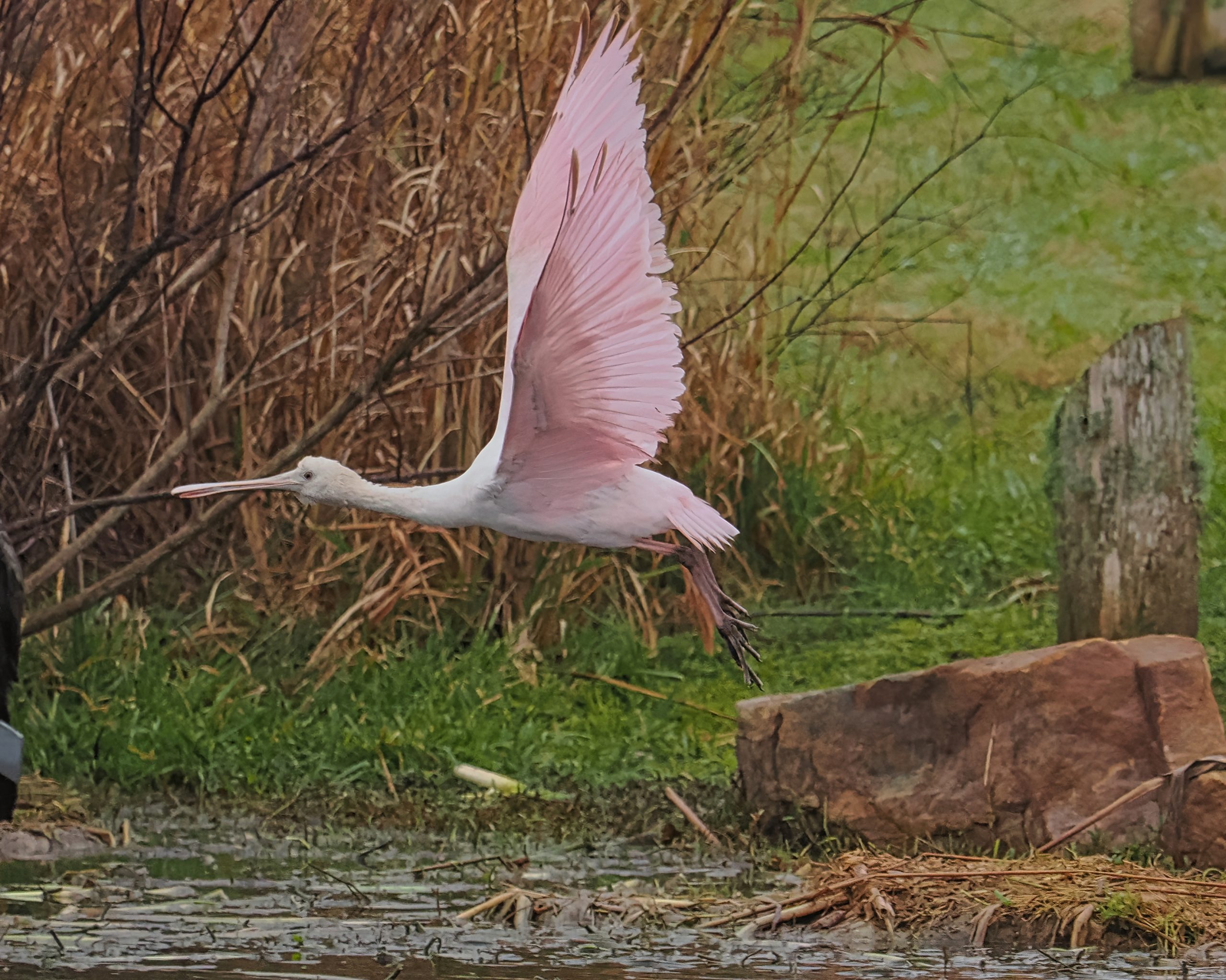
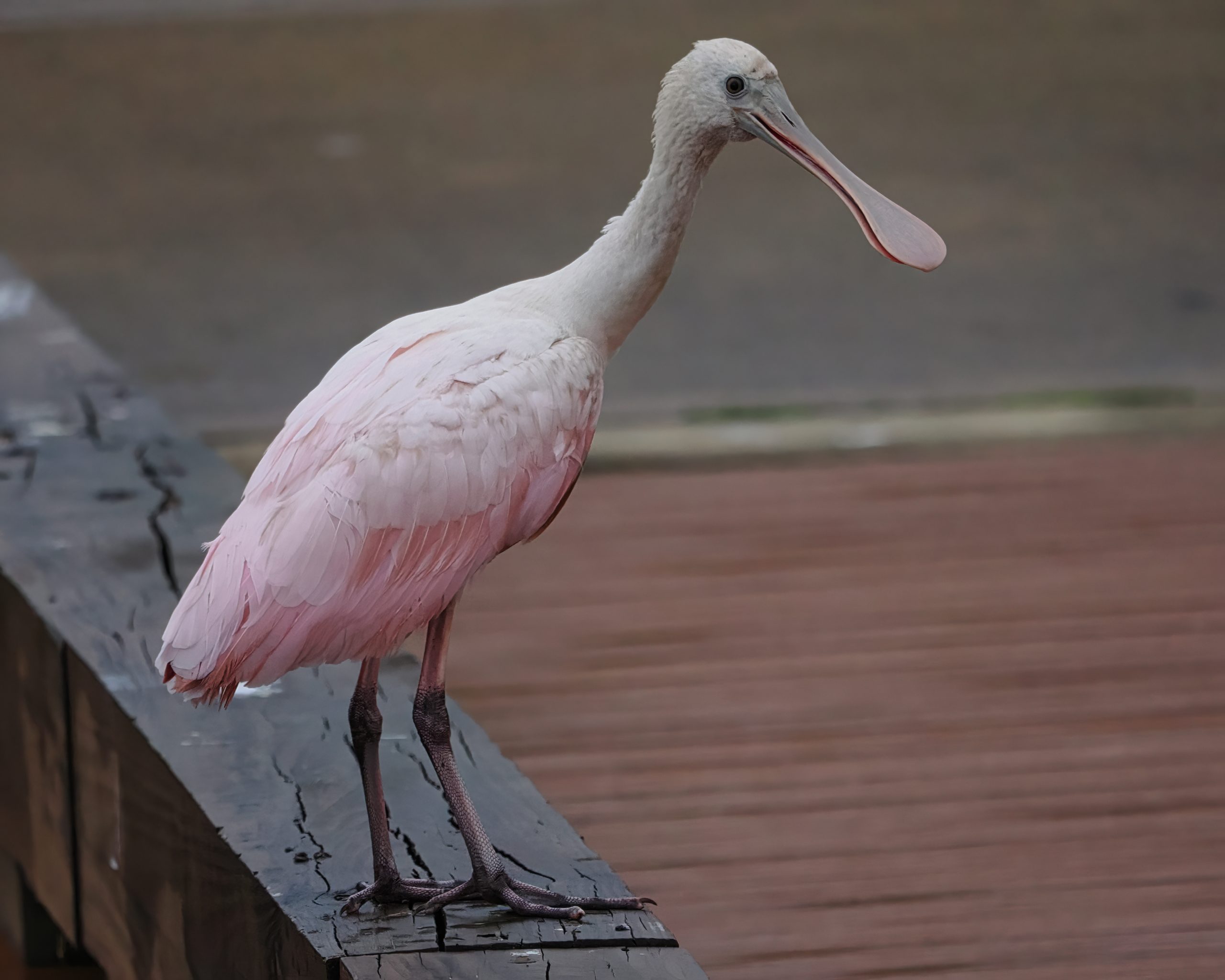
Beautiful Roseate Spoonbill in breeding colors at Resoft County Park, Alvin, Texas.
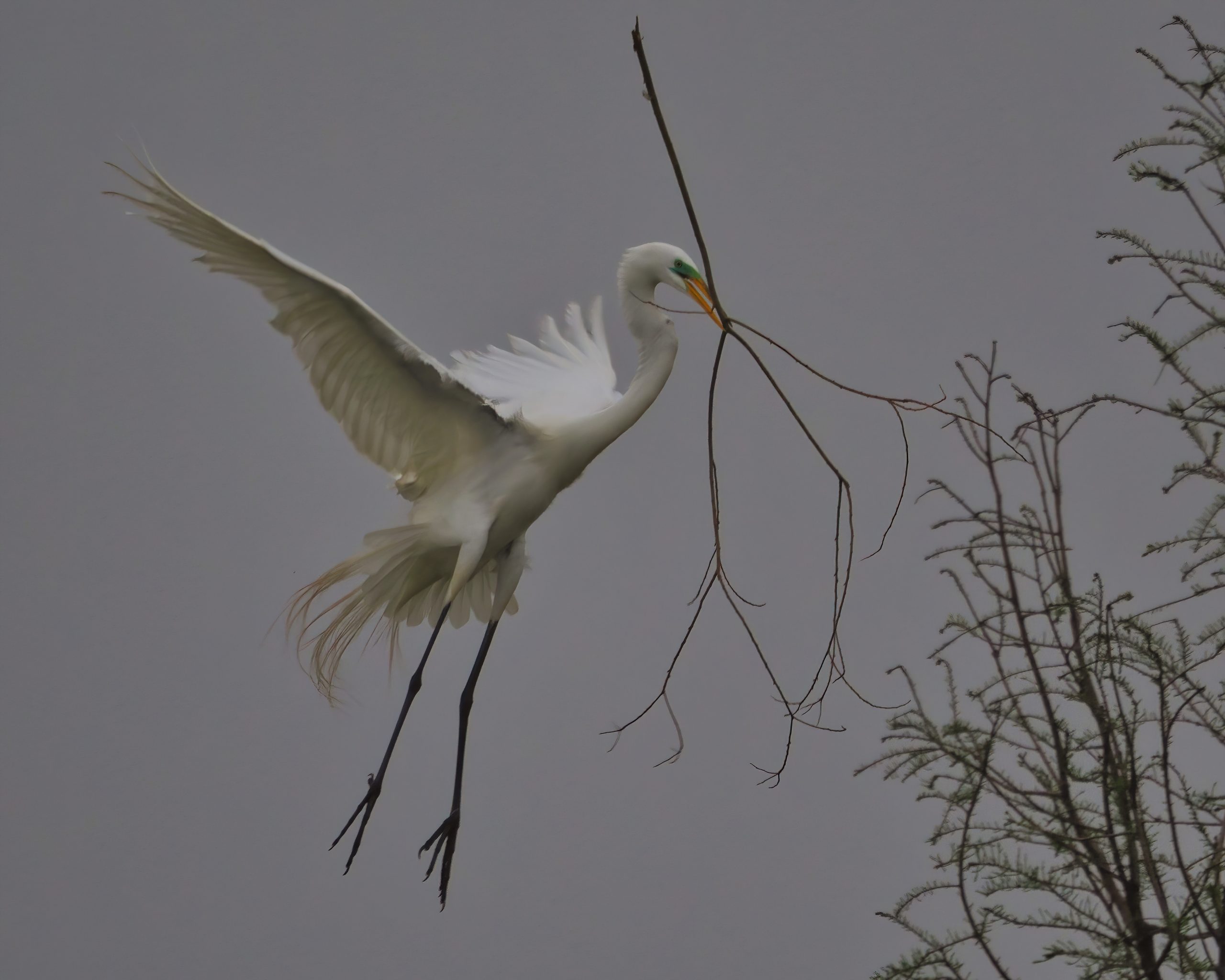
Different perspective, one second later. Great Egret building a nest on a dreary morning. Resoft County Park, Alvin, Texas.
Great Egret carrying a large branch for the rookery on a dreary morning. Resoft County Park, Alvin, Texas.
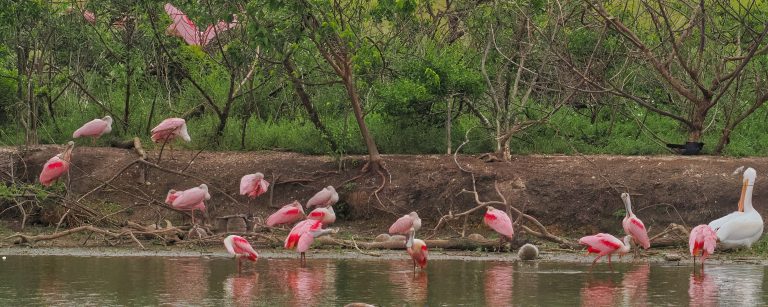
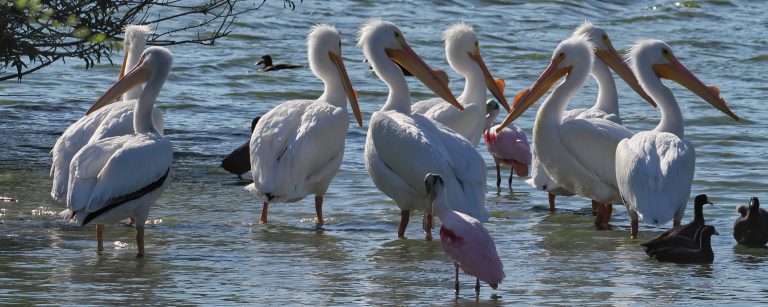
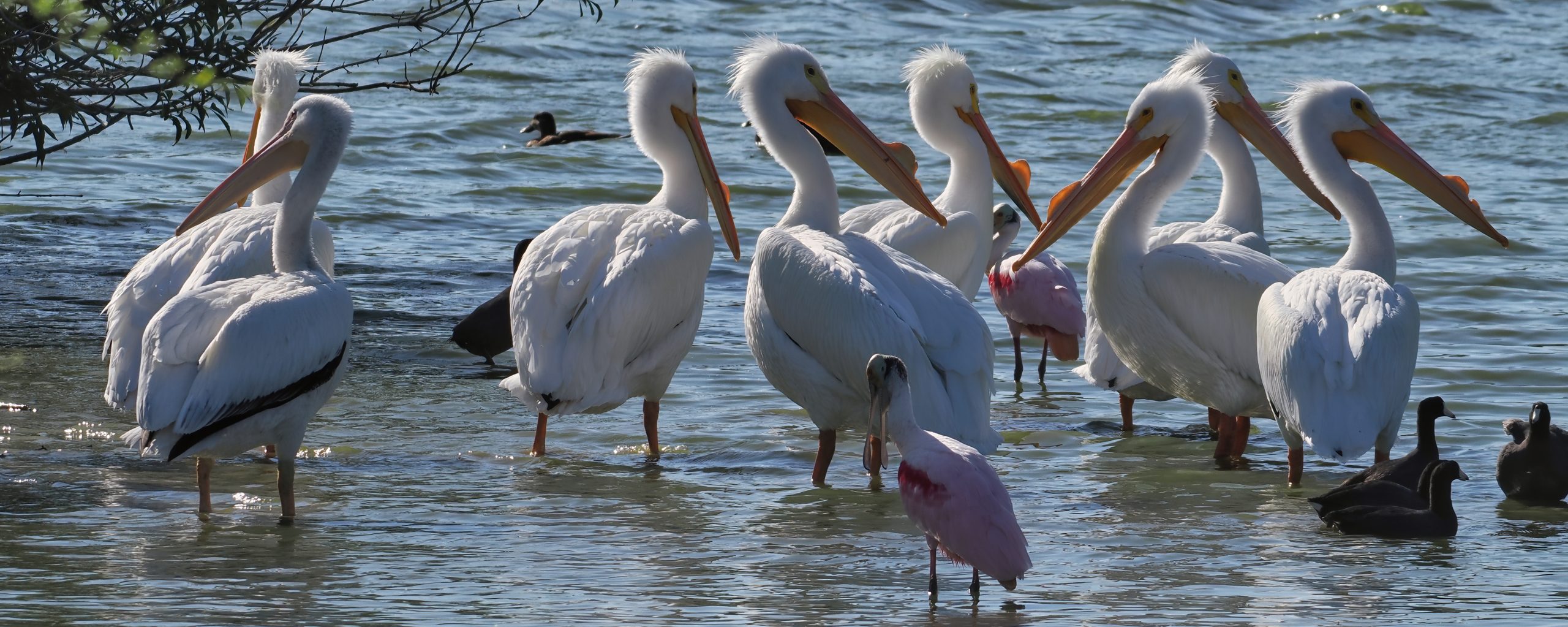
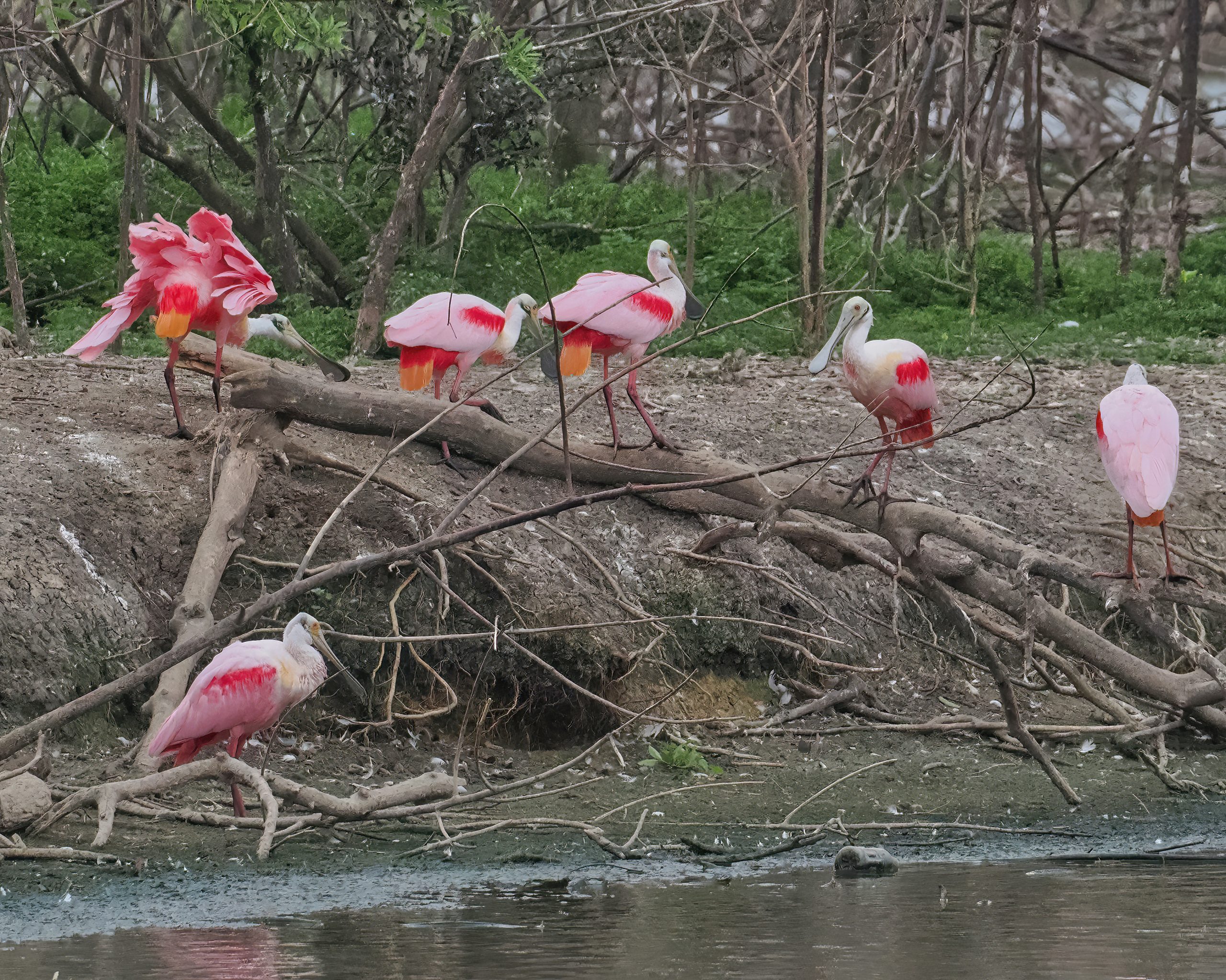
Inhabited by Roseate Spoonbills but also American White Pelicans, one seen here on the right. Delores Fenwick Nature Center, Pearland, Texas.
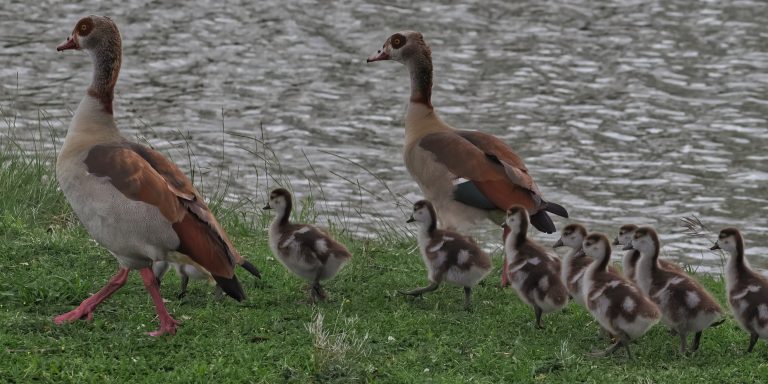
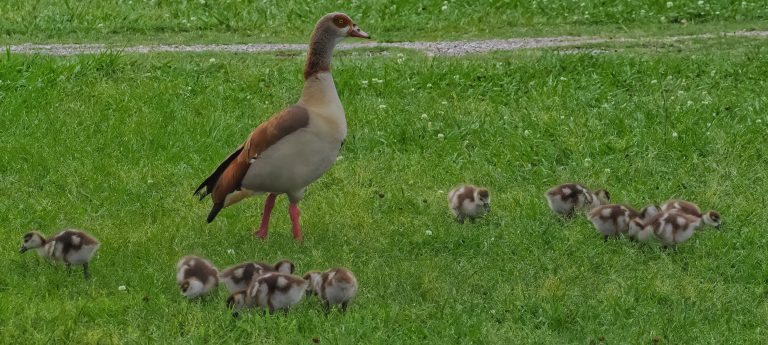
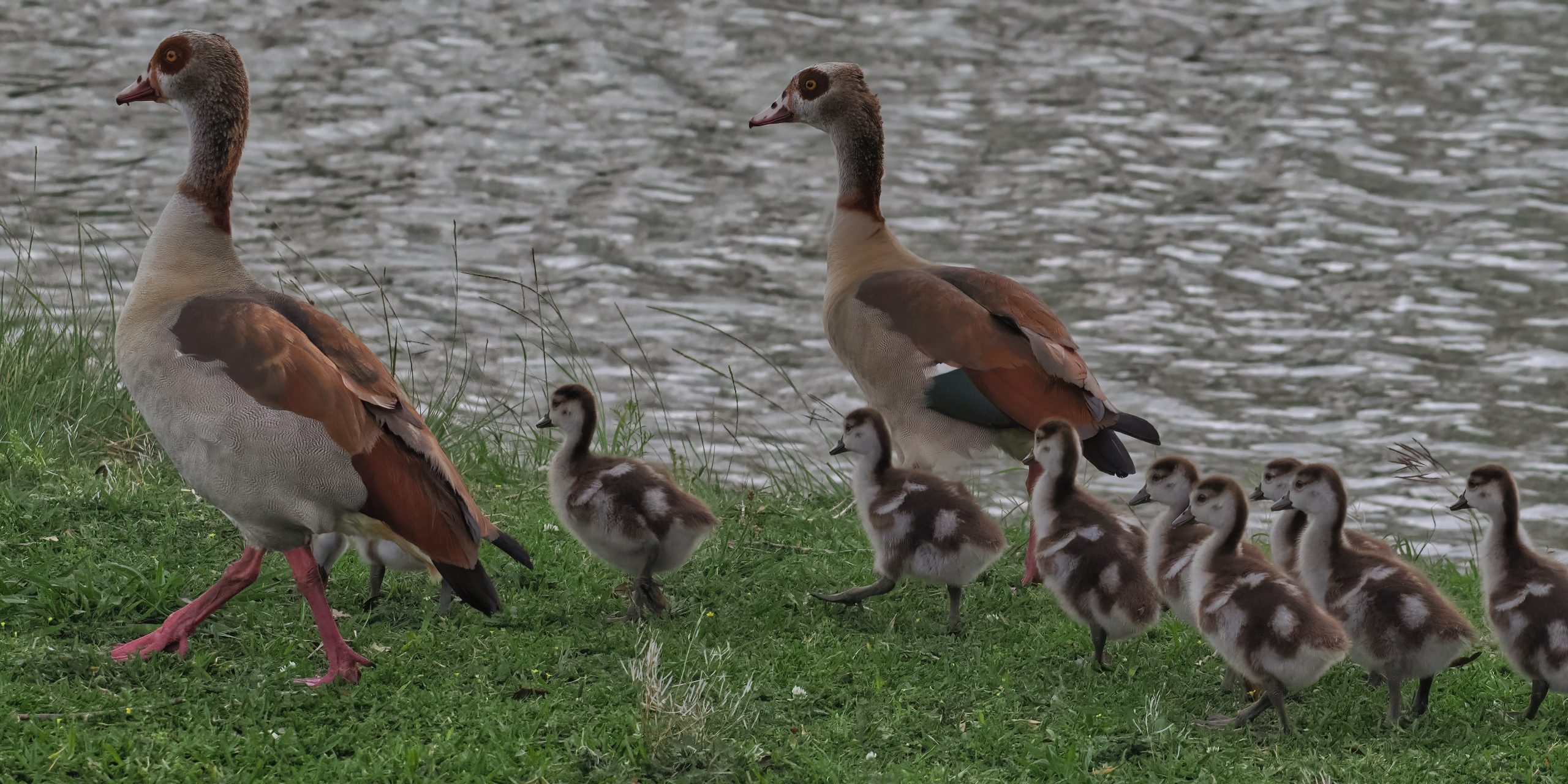
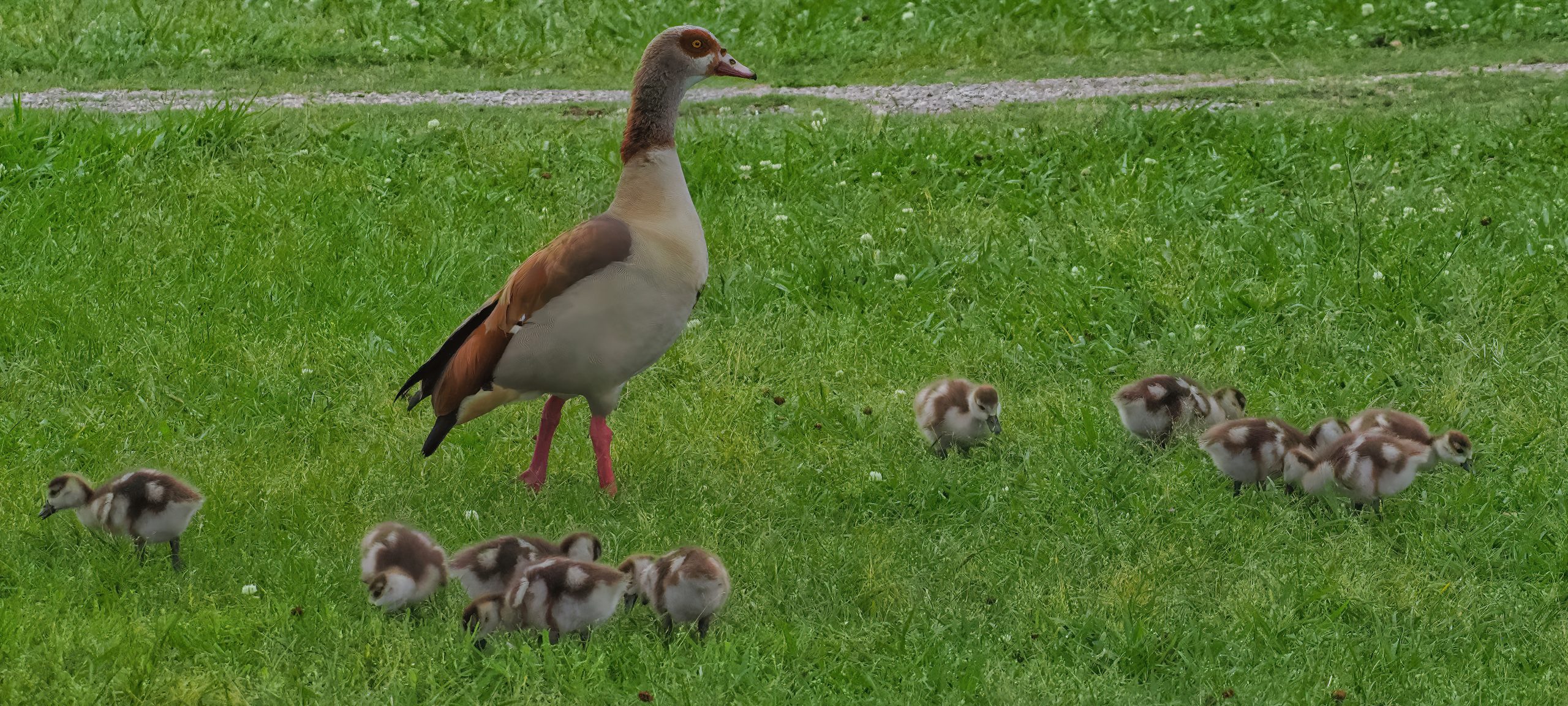
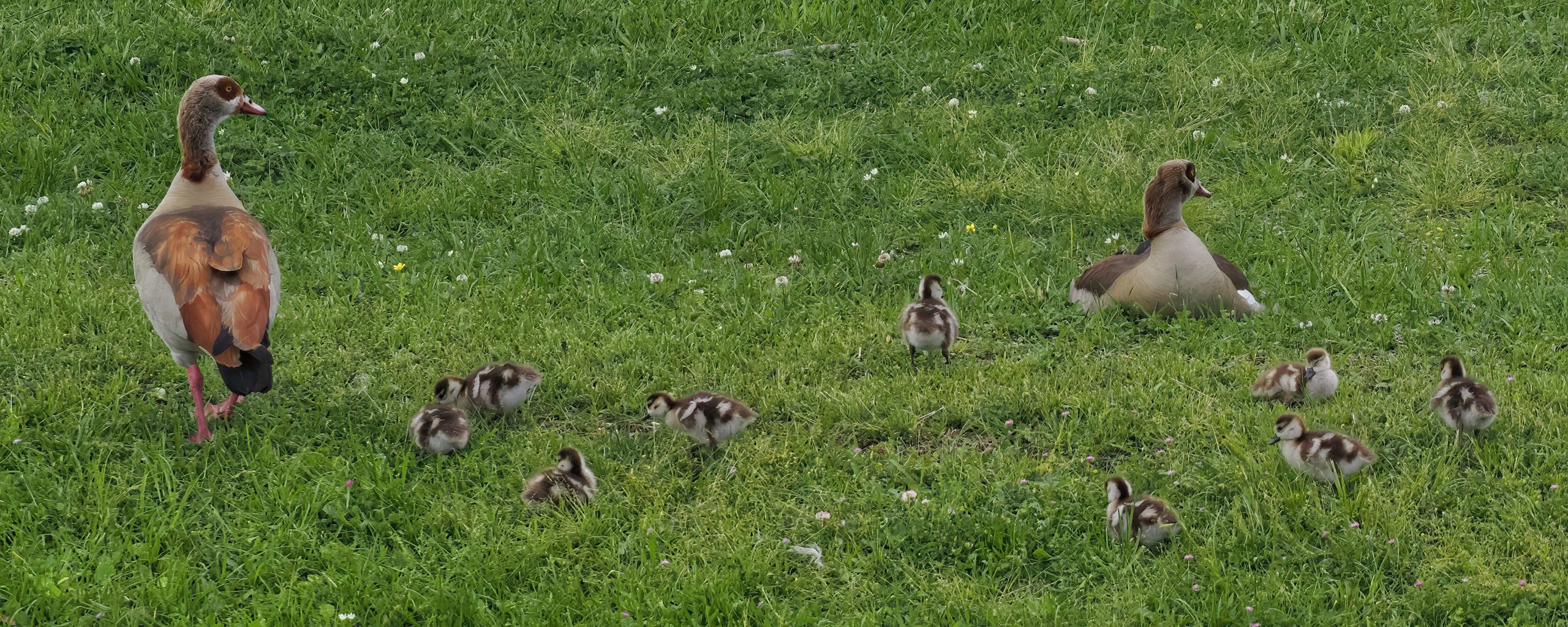
Mom and Dad Egyptian Geese and their nine (surviving) goslings, who seem to dine contentedly on whatever is in the grass. Resoft County Park, Alvin, Texas.
One day into the season of Spring this Great Egret is carrying sticks for a nest in the rookery at Resoft County Park, Alvin, Texas.
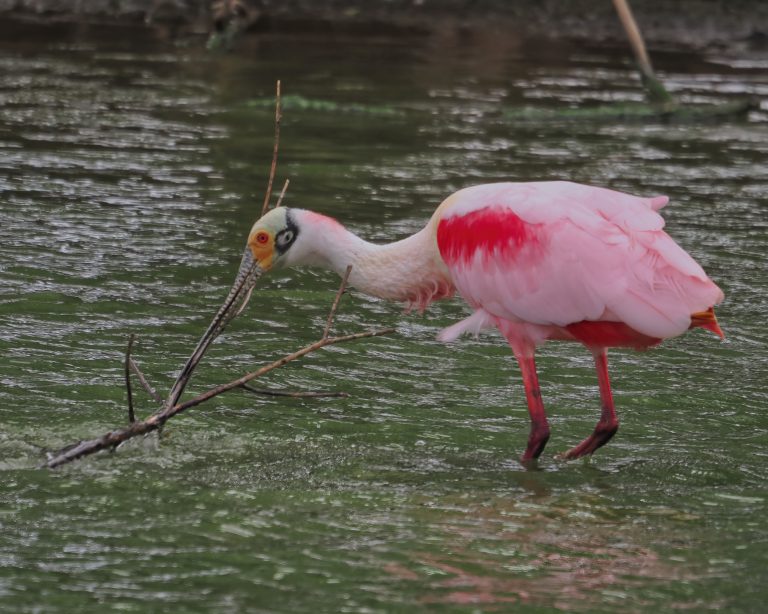
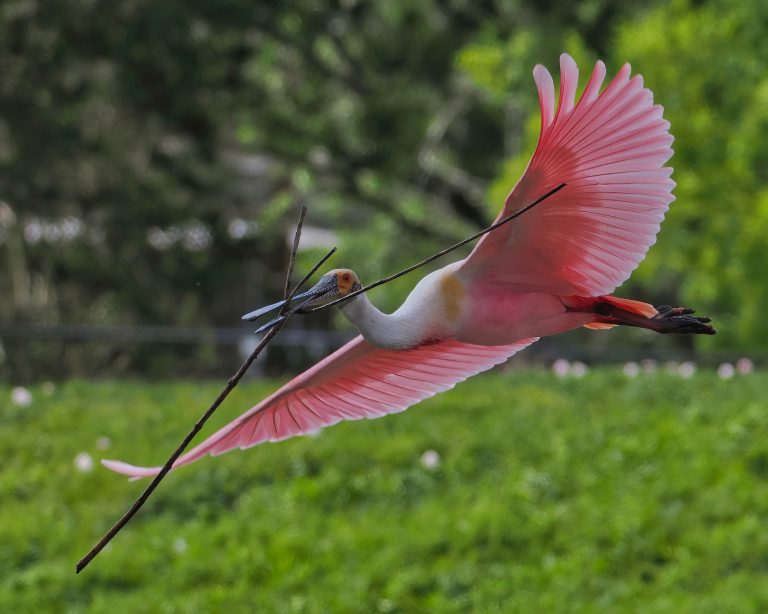
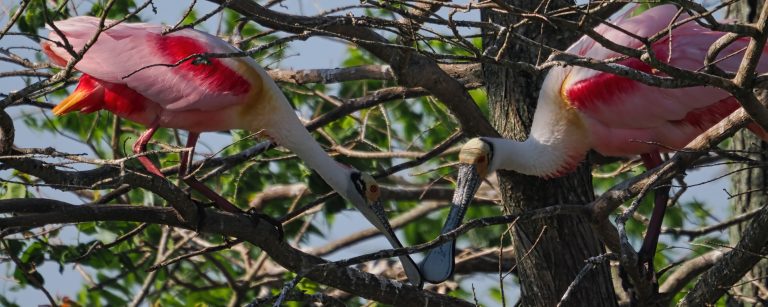
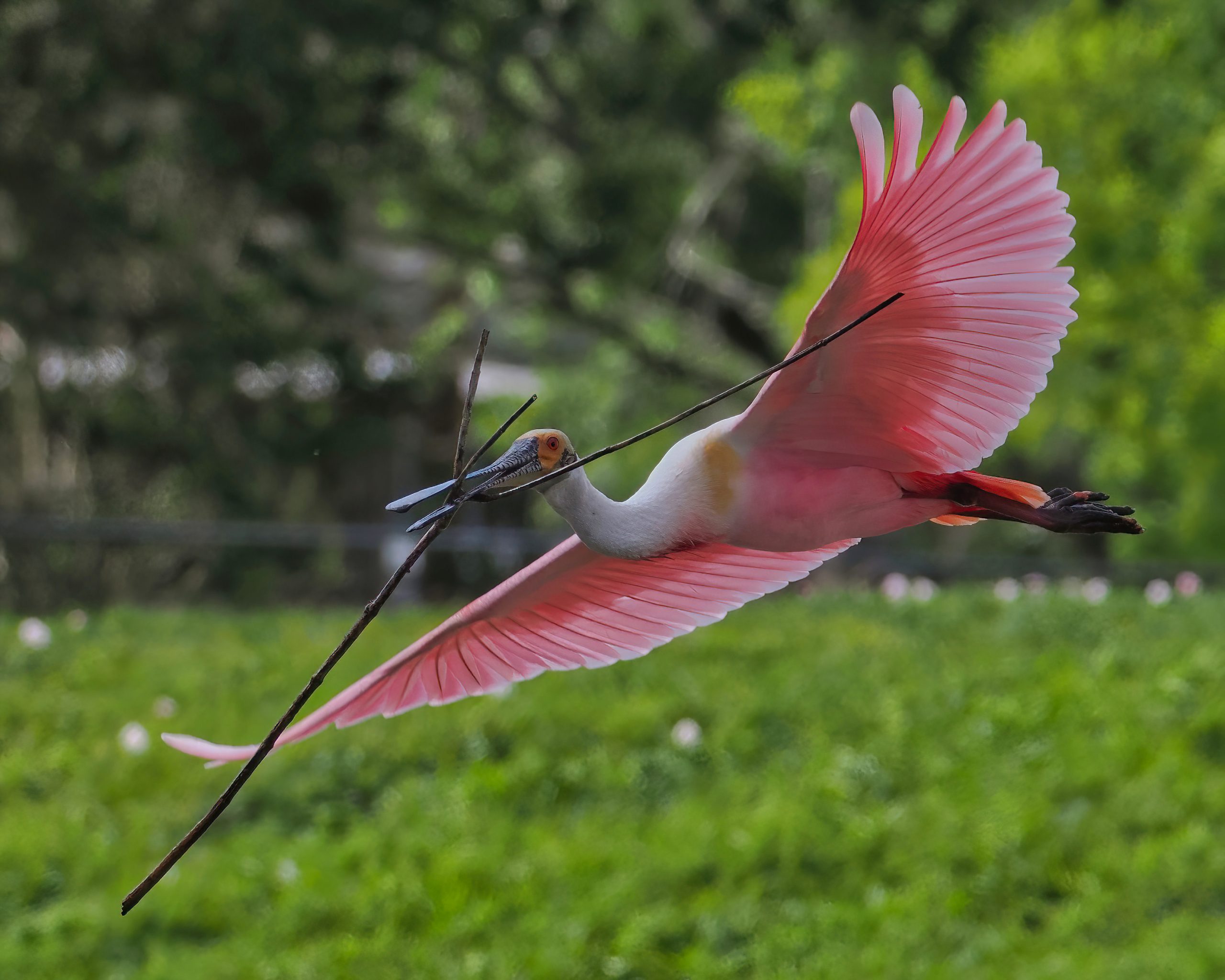
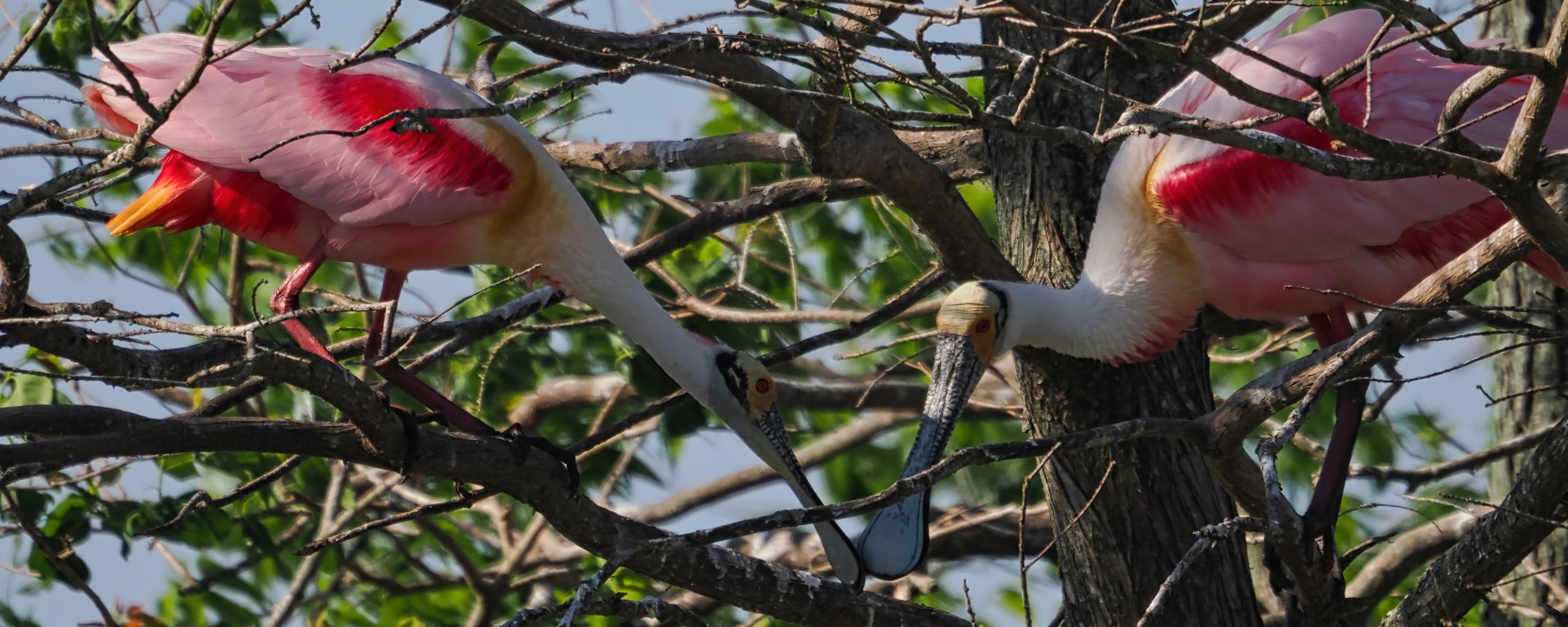
Roseate Spoonbill carrying sticks to the rookery at Resoft County Park, Alvin, Texas. Notice the filigree pattern on the bird
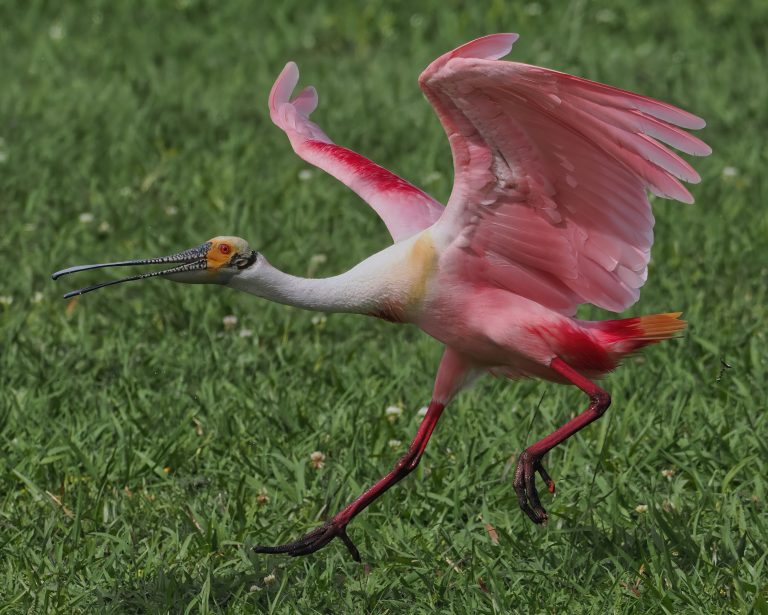
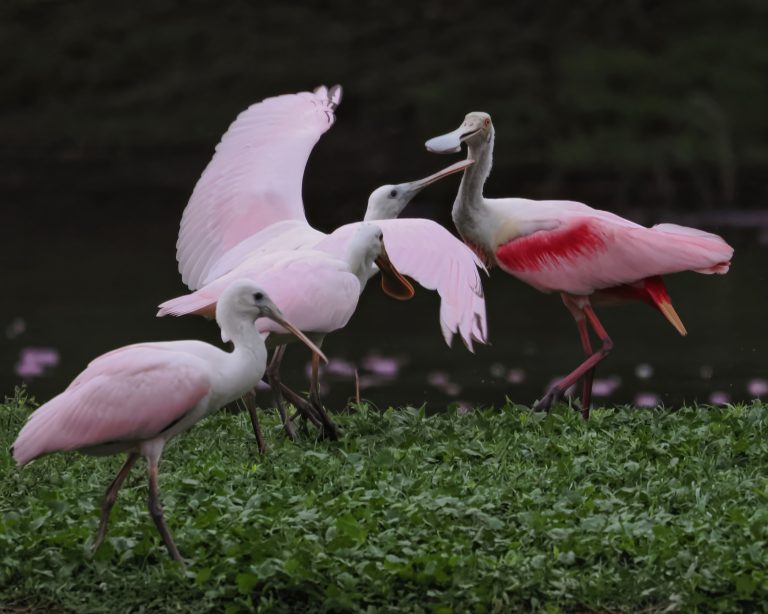
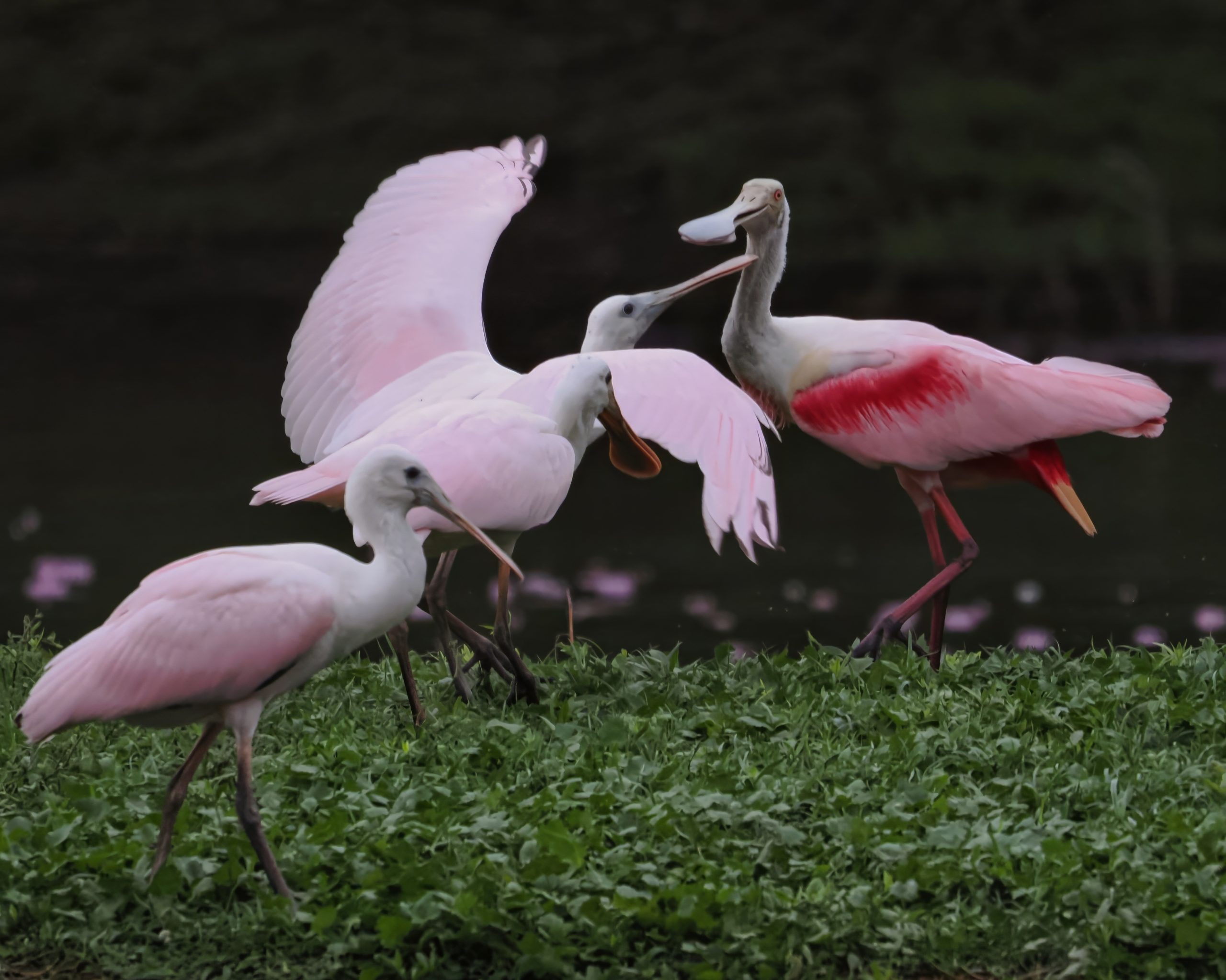
Roseate Spoonbill outraged at an interloper in his connubial territory. Resoft County Park, Alvin, Texas
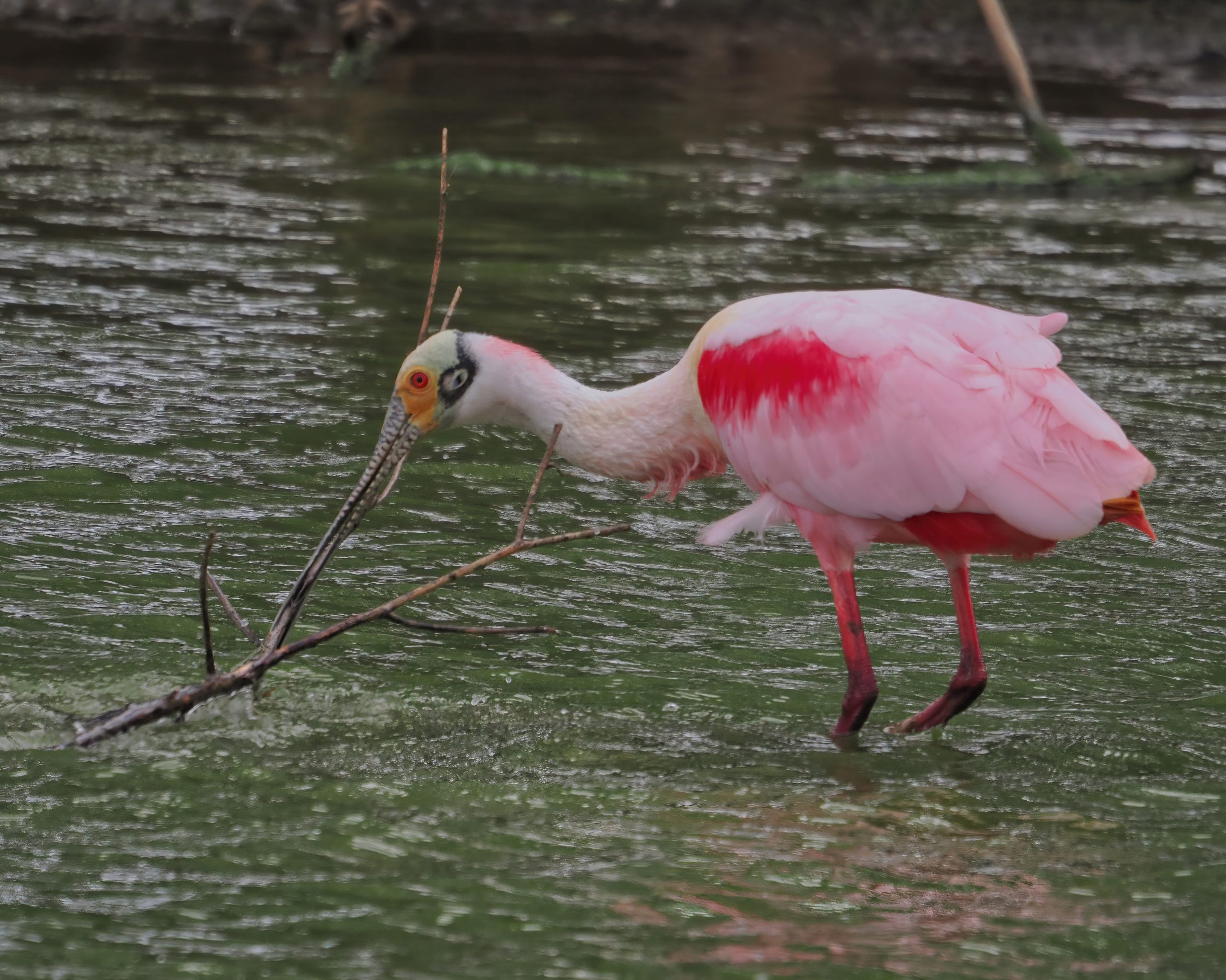
Roseate Spoonbill considering a branch for its nest, later rejected, too far to carry such a big branch, I guess. Notice the filigree pattern on the bird
Roseate Spoonbill considering a branch for its nest, later rejected, too far to carry such a big branch, I guess. Notice the filigree pattern on the bird
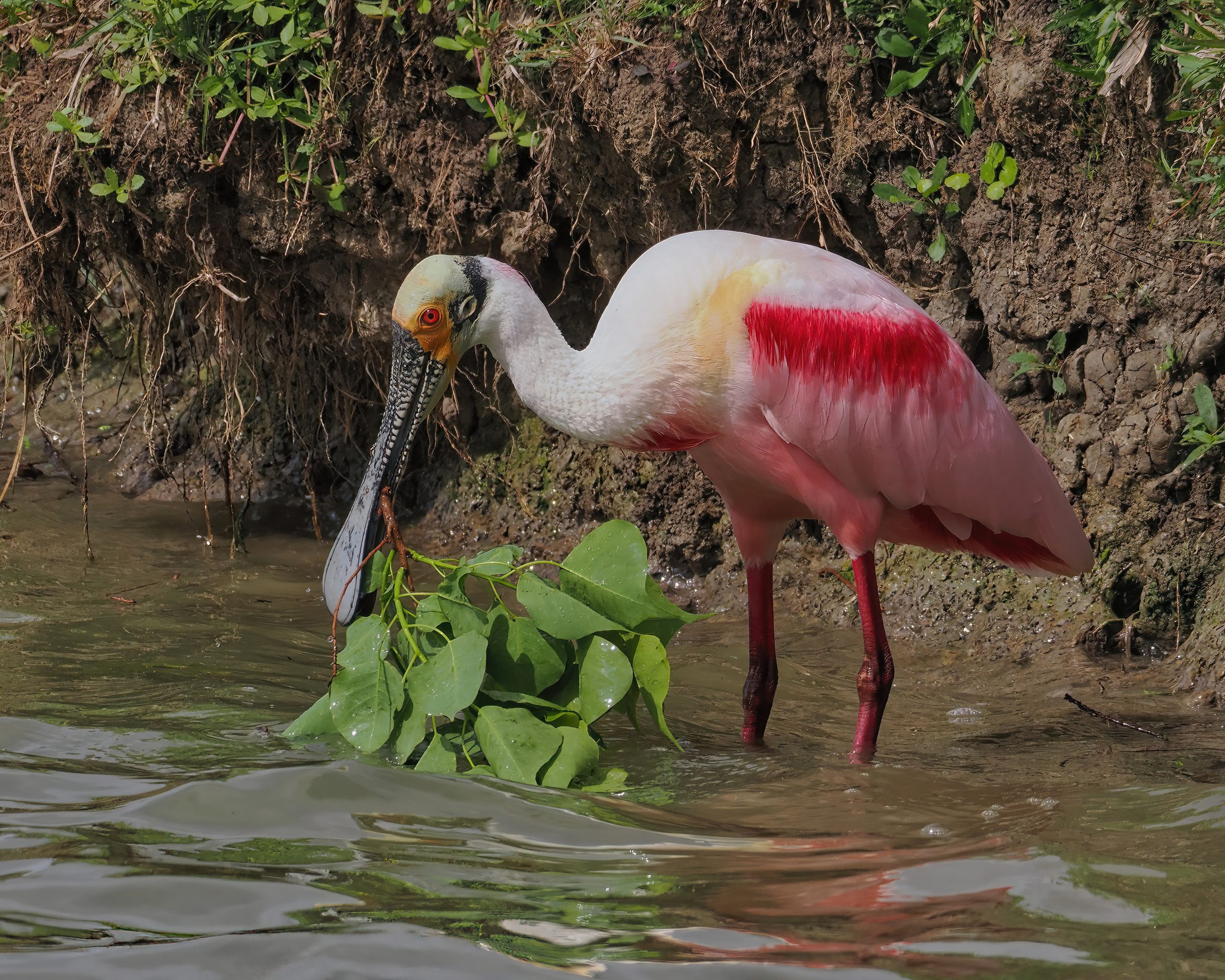
Roseate Spoonbill having a drink of H2O. Notice the filigree pattern on the bird
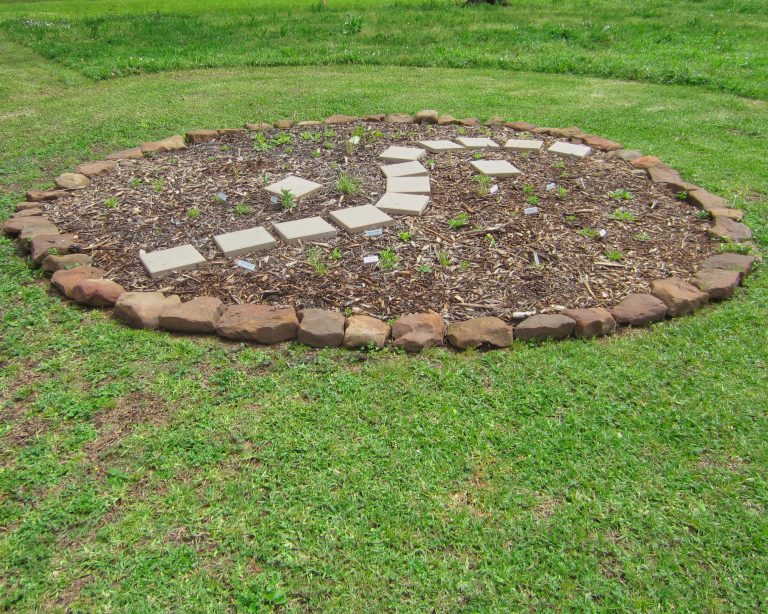
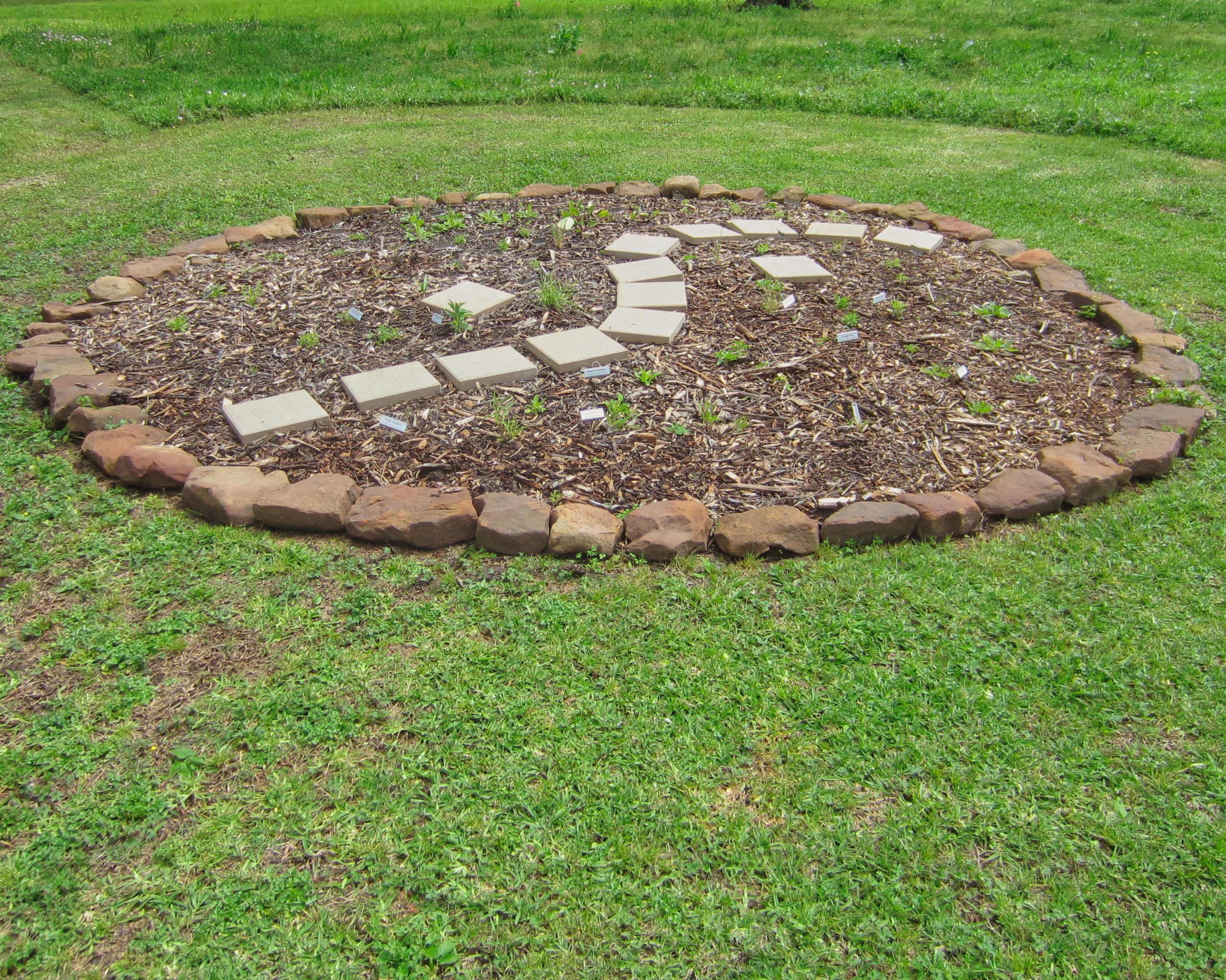
A pocket prairie is a small, pollinator-friendly planting or
Following the advice of a naturalist inspiration, we
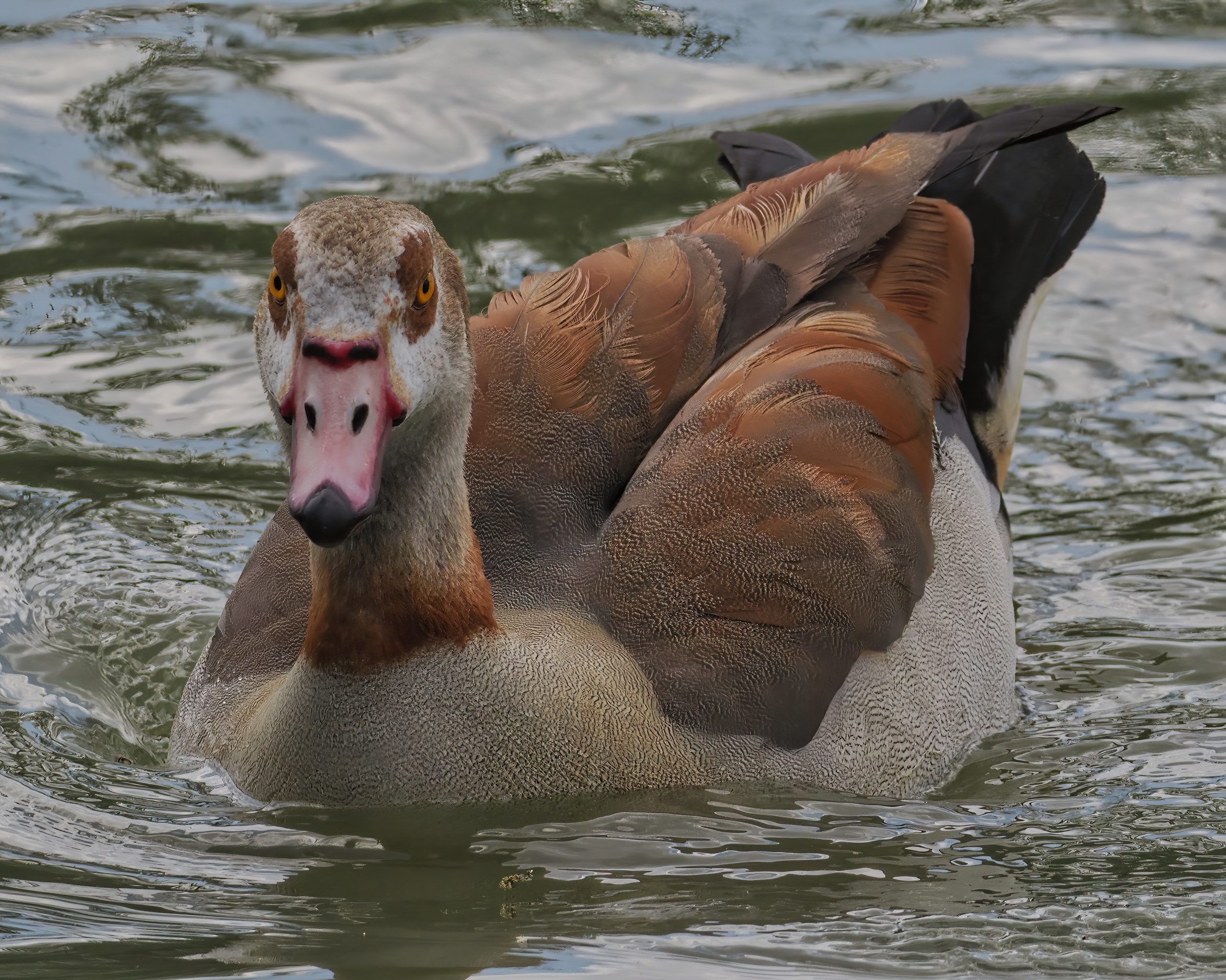
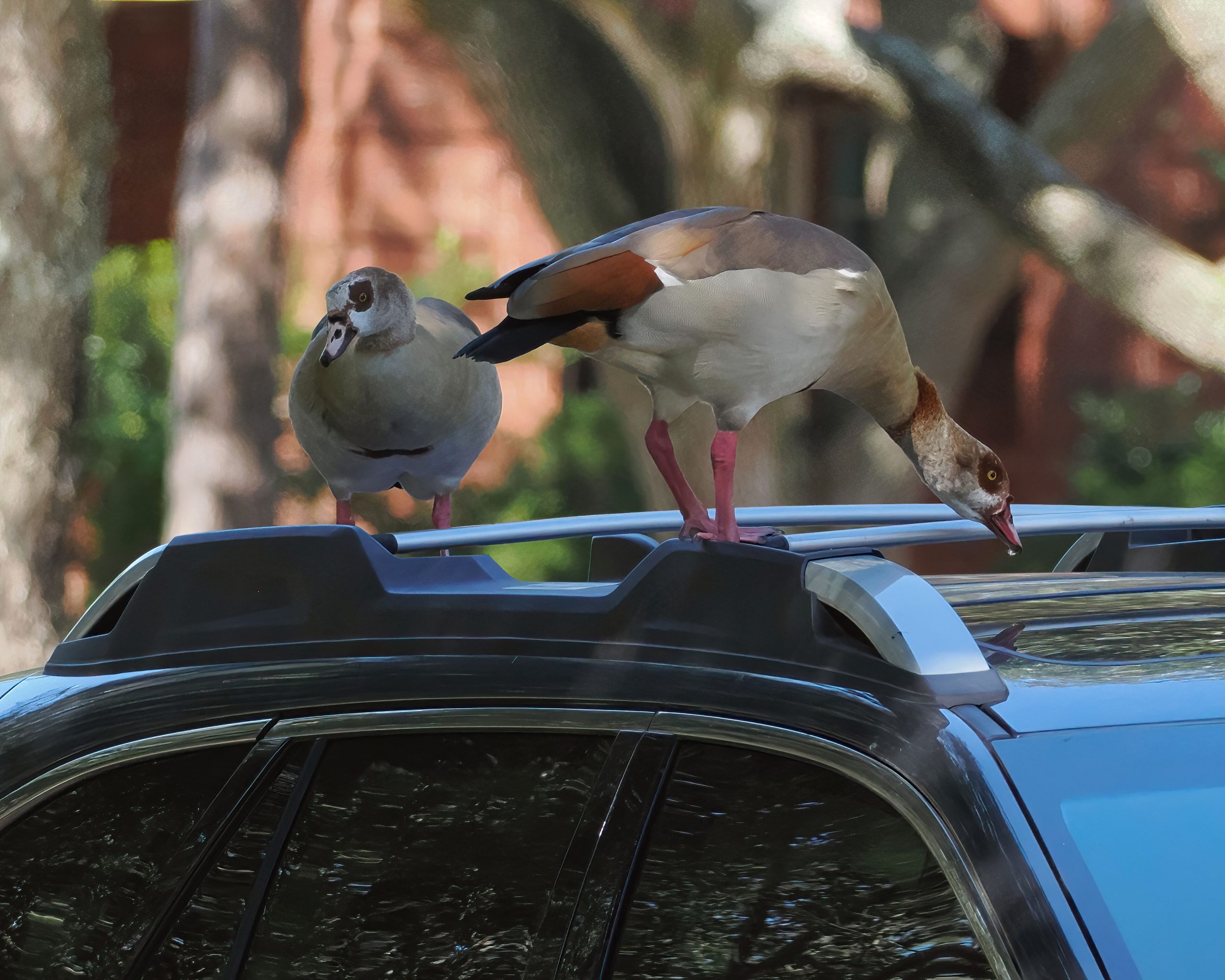
Egyptian Goose. Resoft County Park, Alvin, Texas.
Aix sponsa. Native to the States. (Some) Wood Ducks have begun laying eggs at Resoft County Park, Alvin, Texas.
Resoft County Park, Alvin, Texas.
Female Egyptian Goose and 9 of her 12 day-old goslings. Resoft County Park, Alvin, Texas.
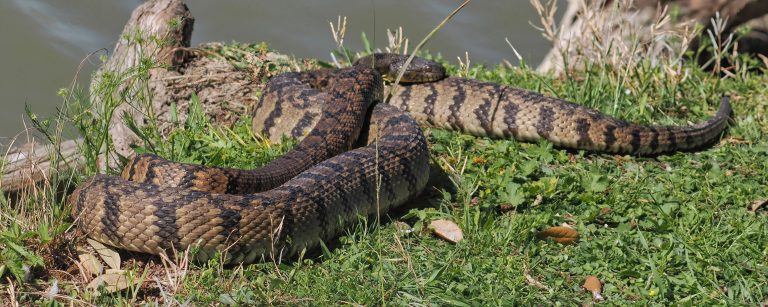
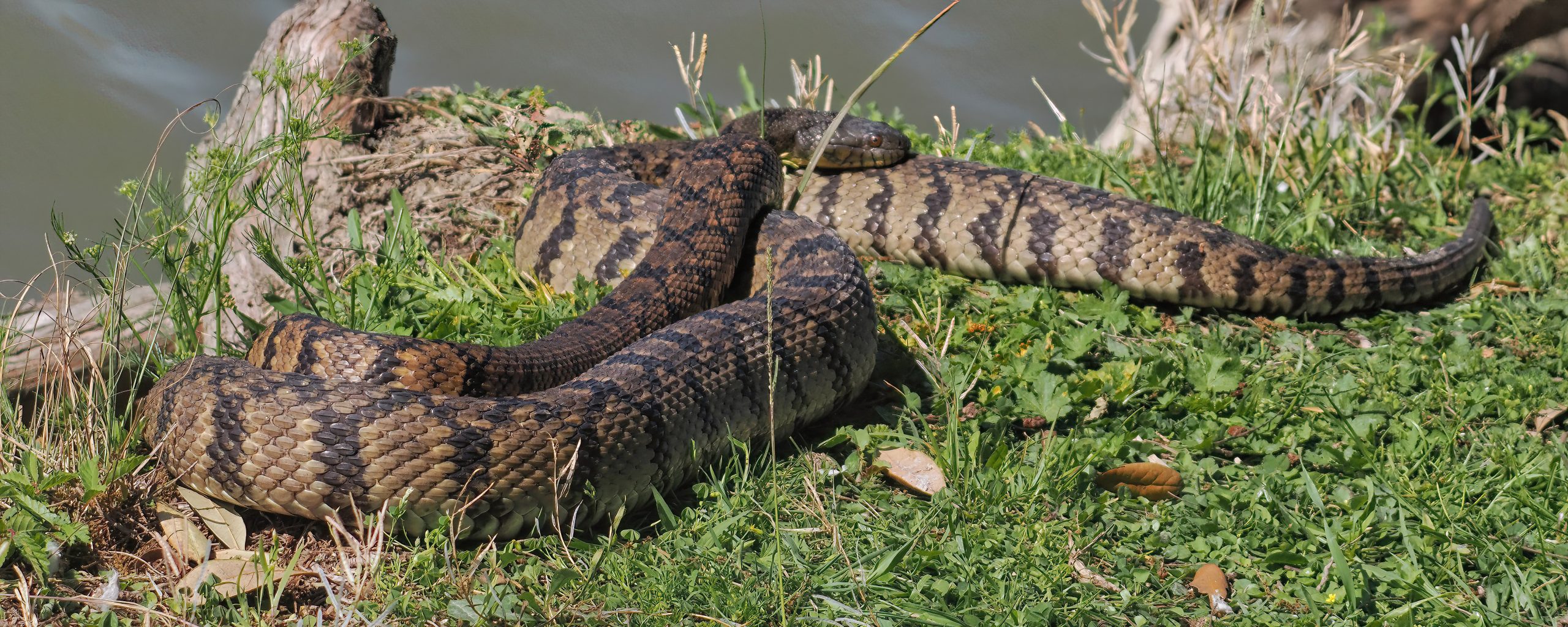
Nerodia rhombifer. Nonvenomous. Native to Texas. Eats venomous snakes, but also ducklings. Resoft County Park, Alvin, Texas.
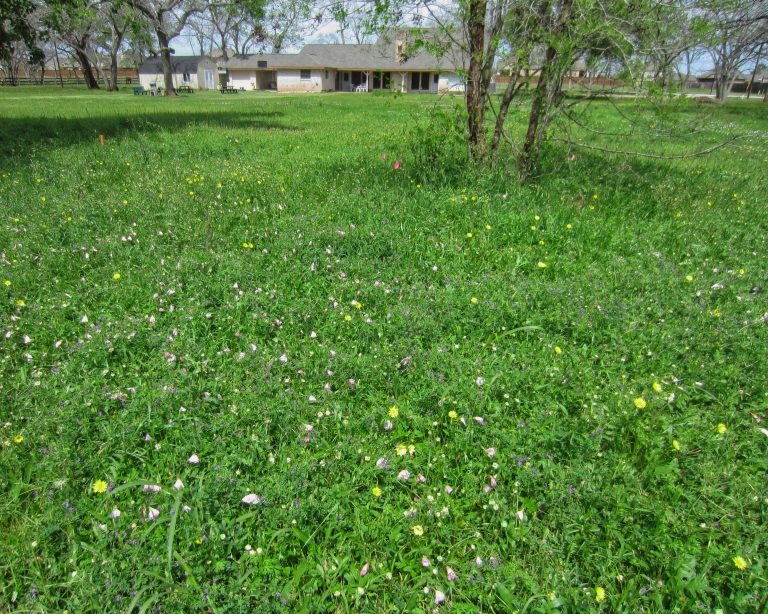
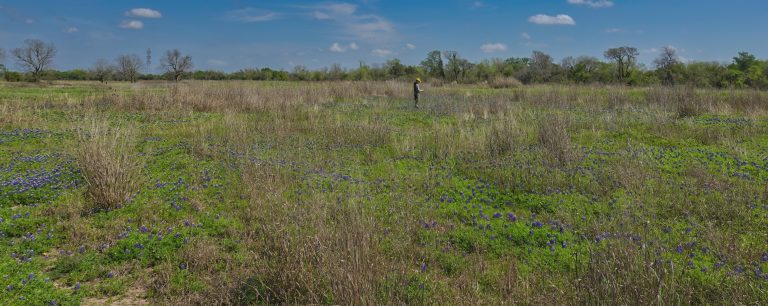
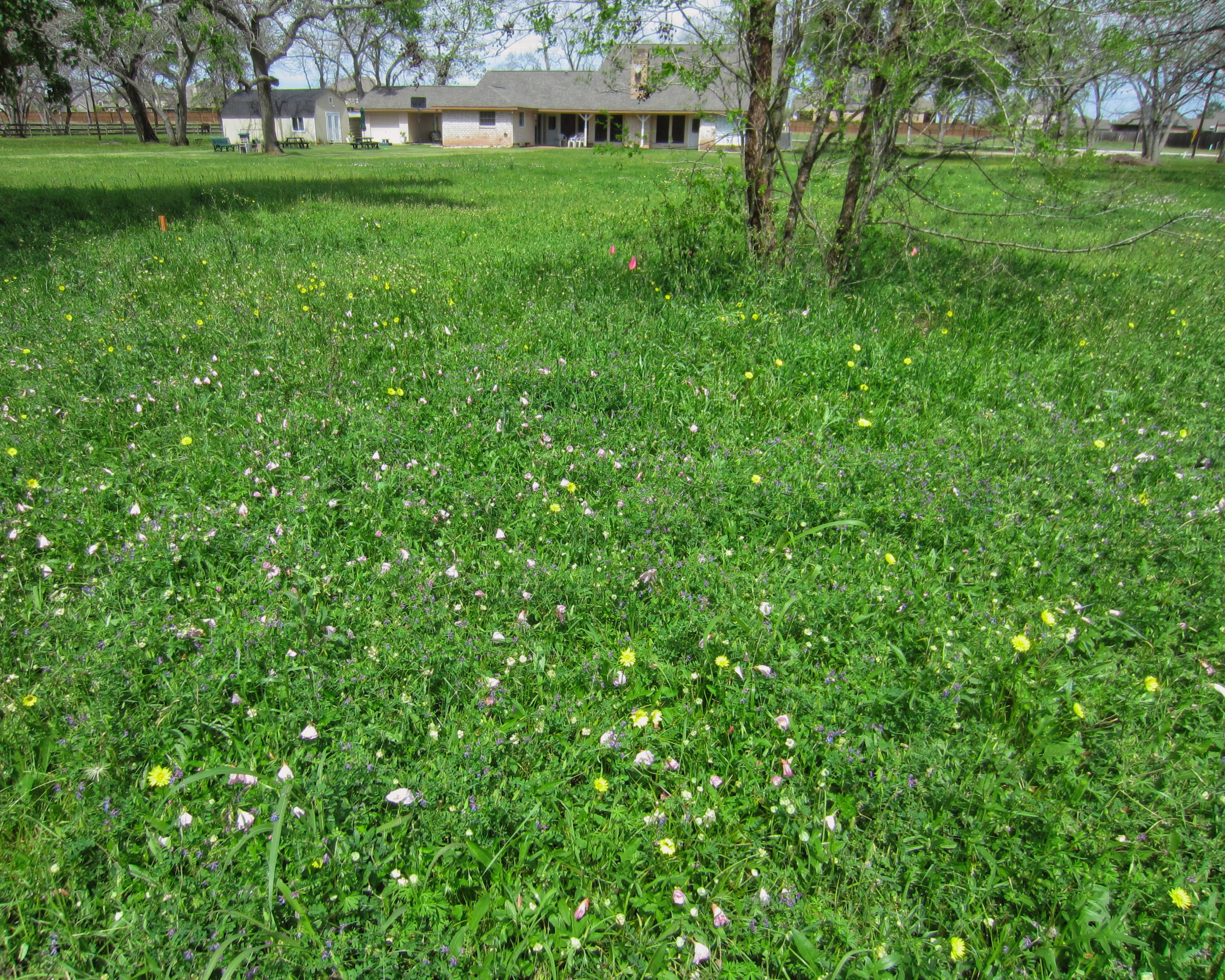
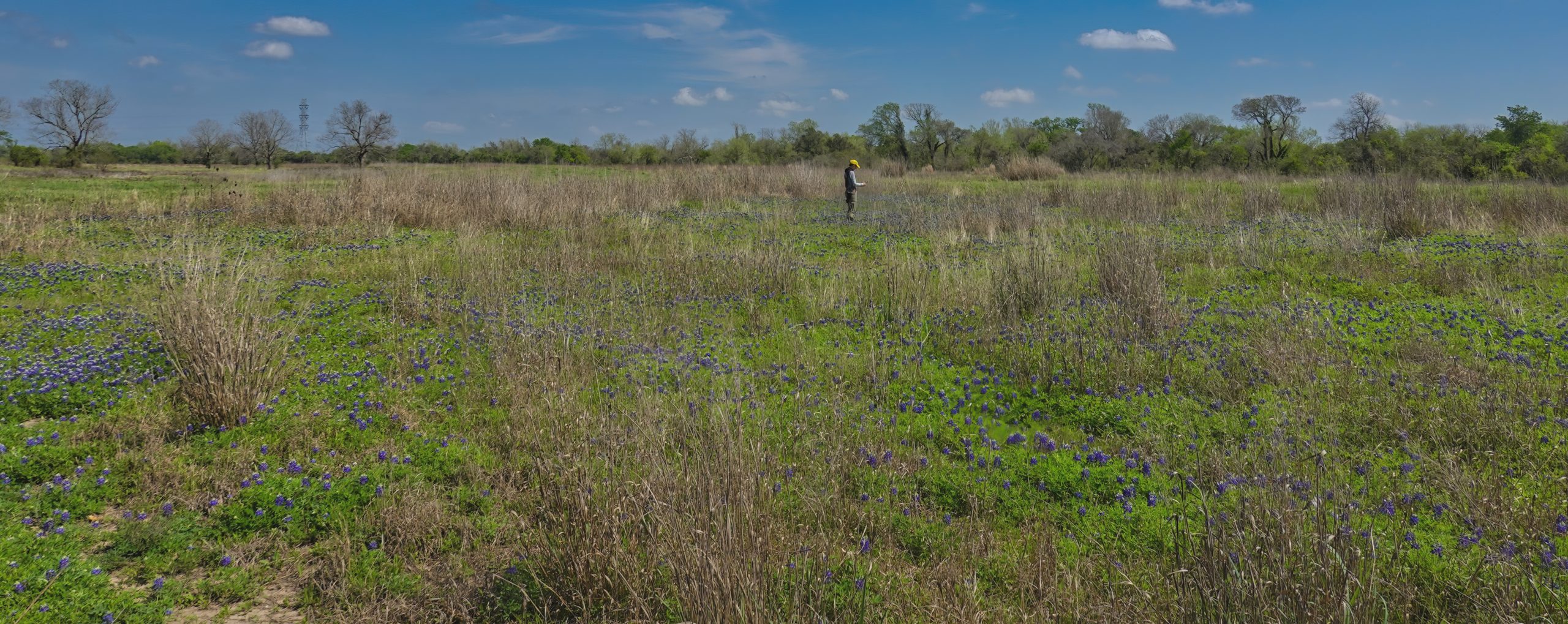
Texas Master Naturalist luxuriating in a field of Bluebonnets mixed with Switch Grass, an ideal, drought-resistent prairie plant with roots 12 feet deep, useful for preventing flooding, located 16 miles NW of Edna, Texas.
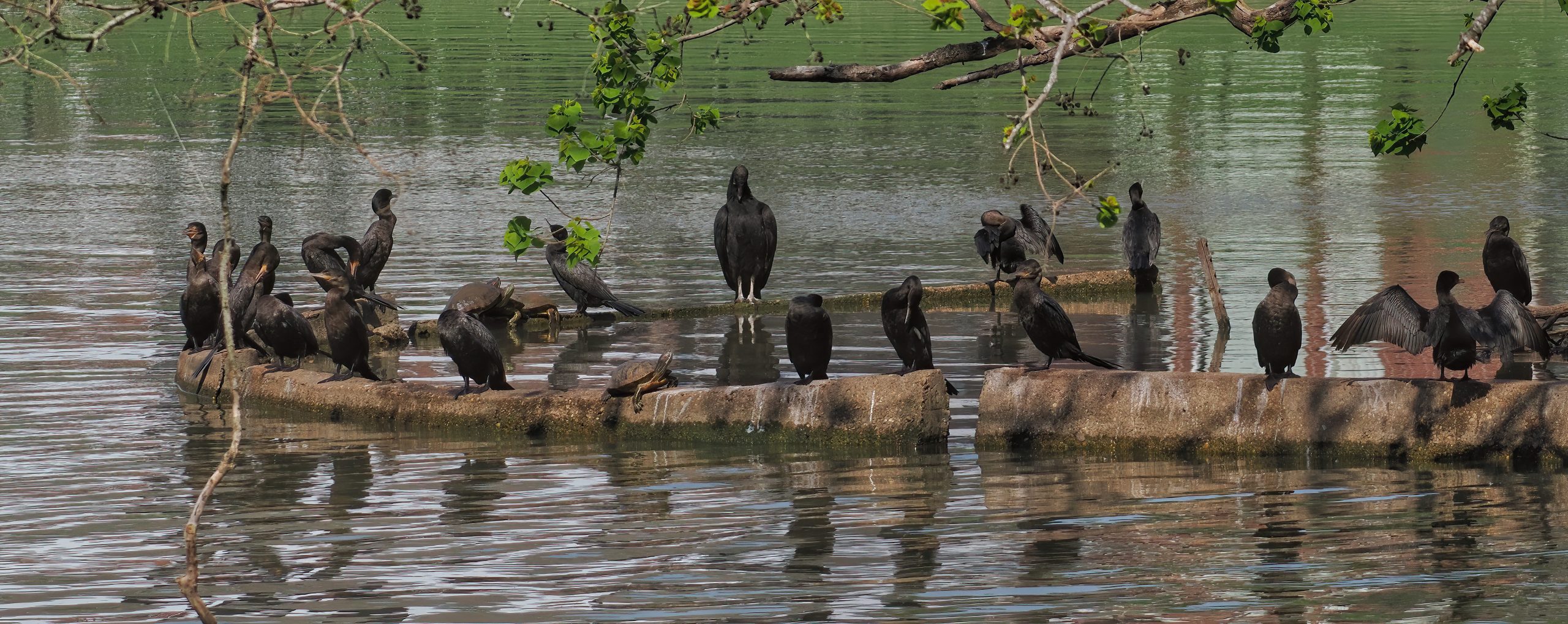
Two Red-eared Sliders (turtles) and one Black Vulture. A different island in Edgewater Lake, Sugar Land, Texas.
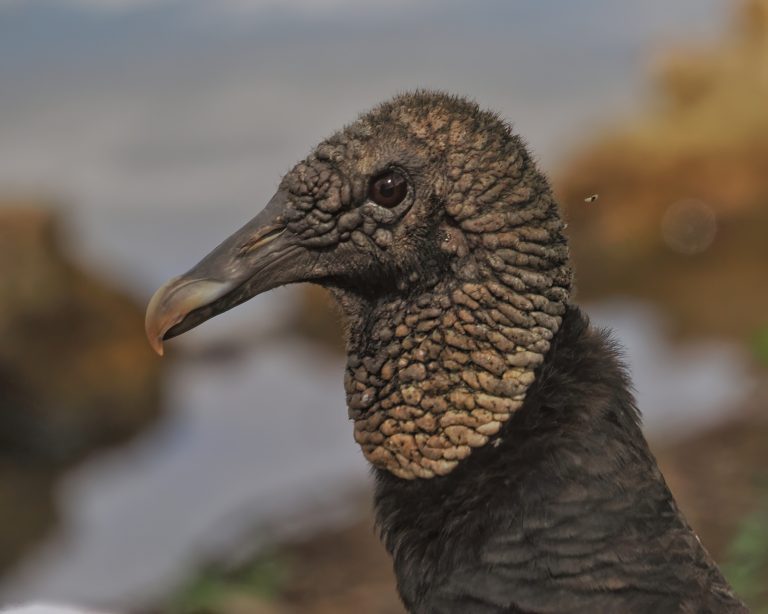
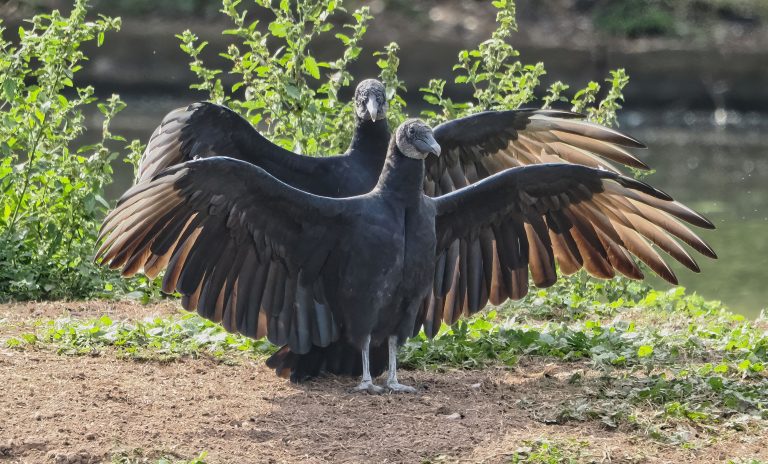
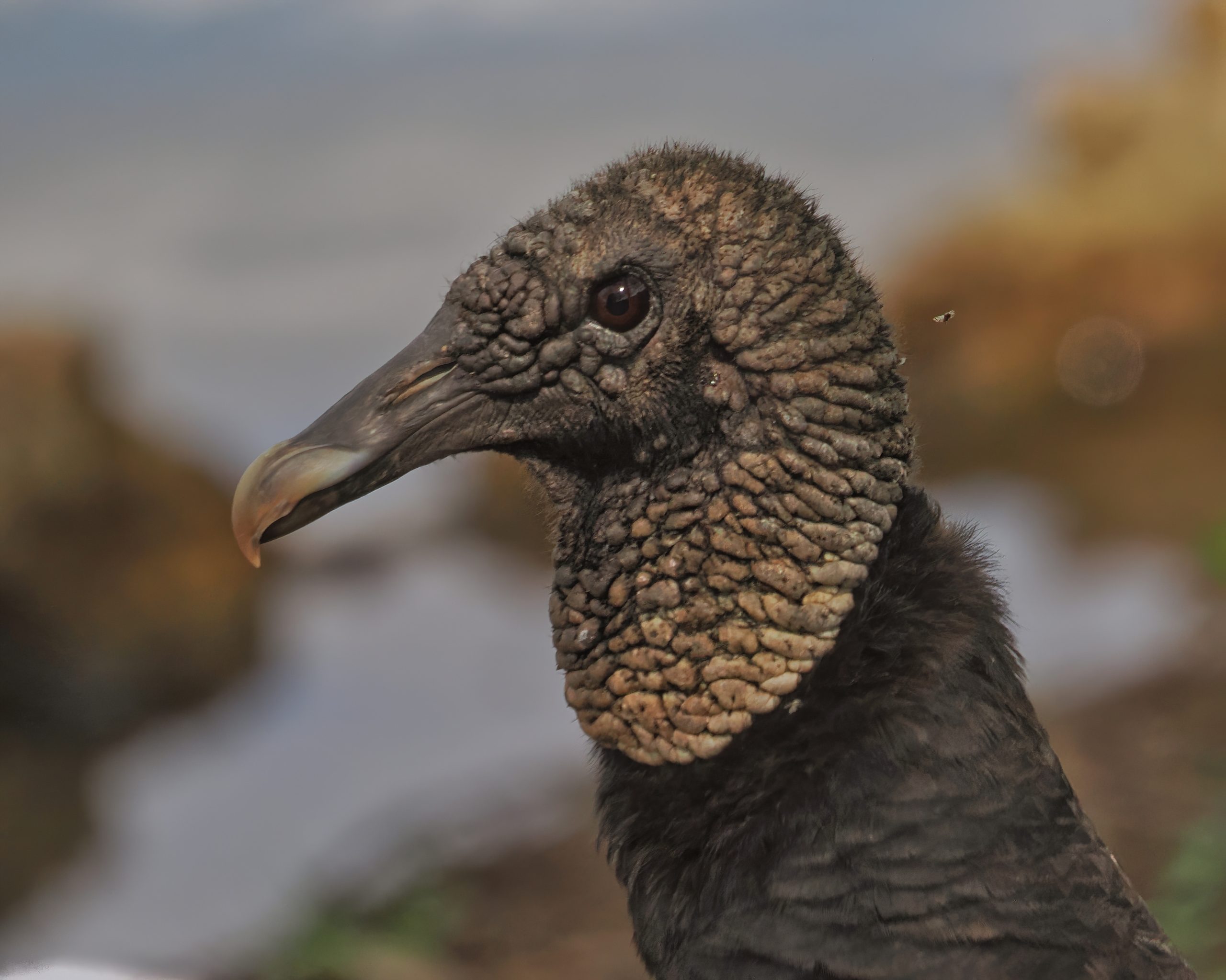
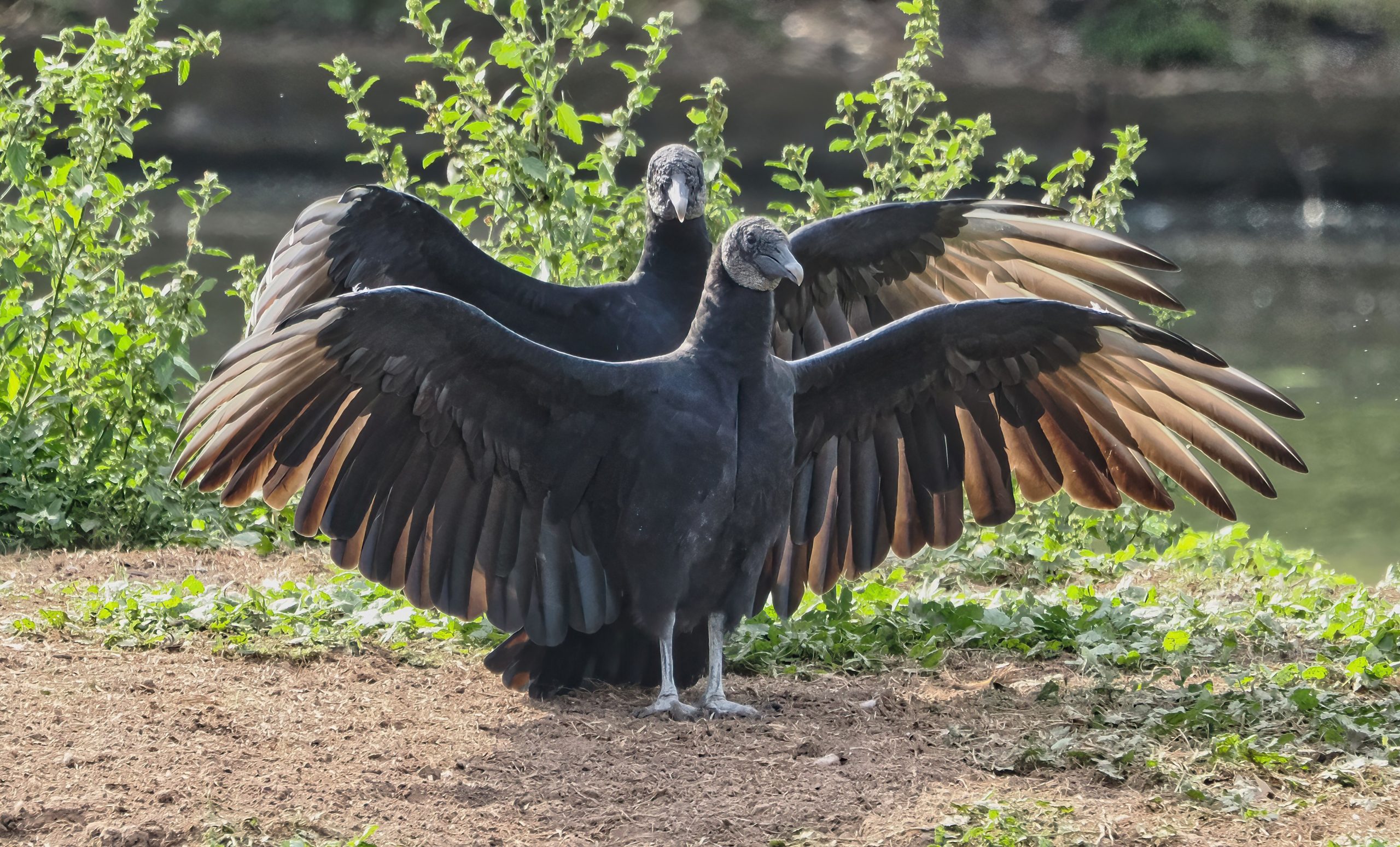
Black Vulture (Coragyps atratus). Edgewater Lake, Sugar Land, Texas.
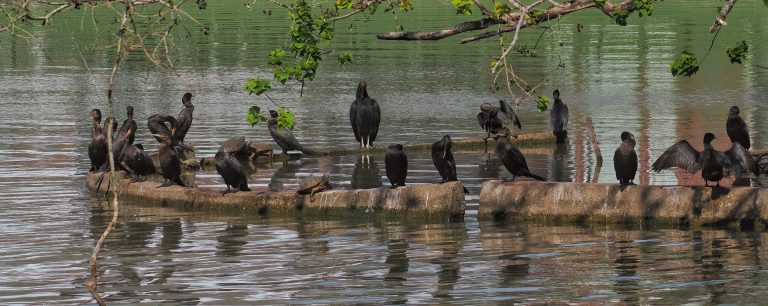
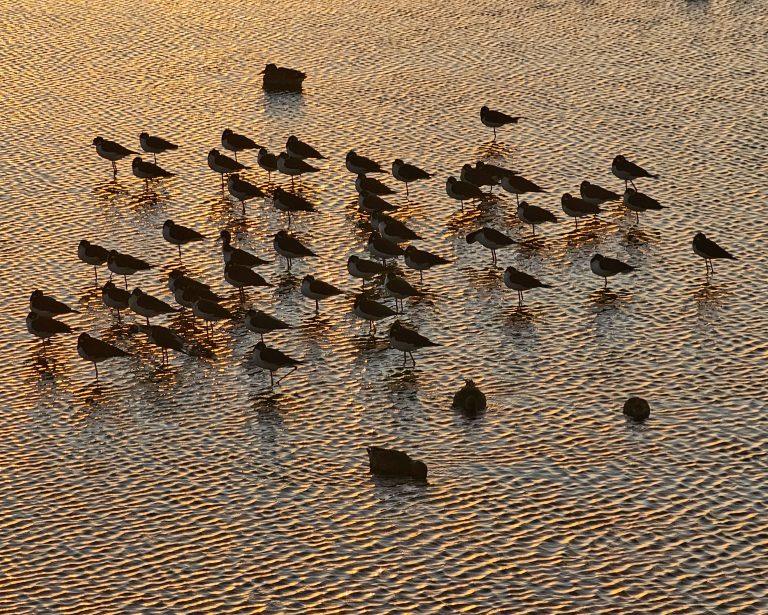
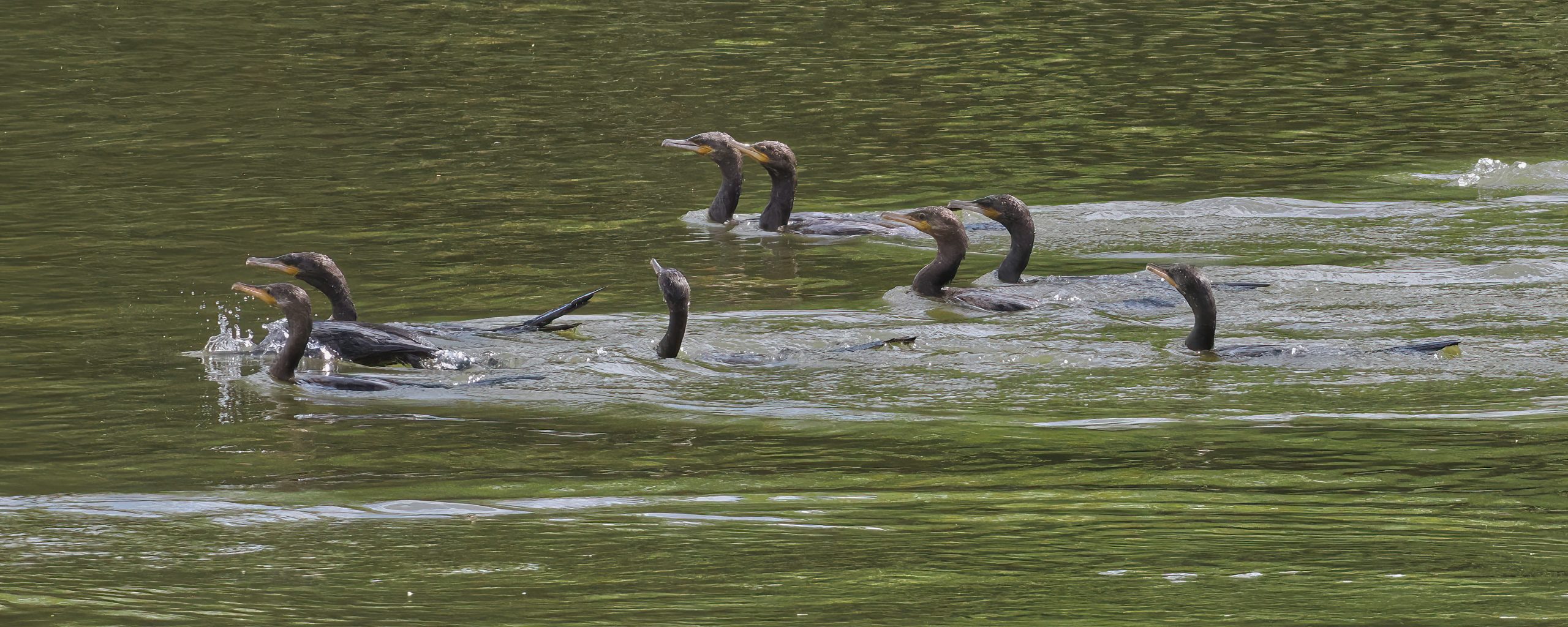
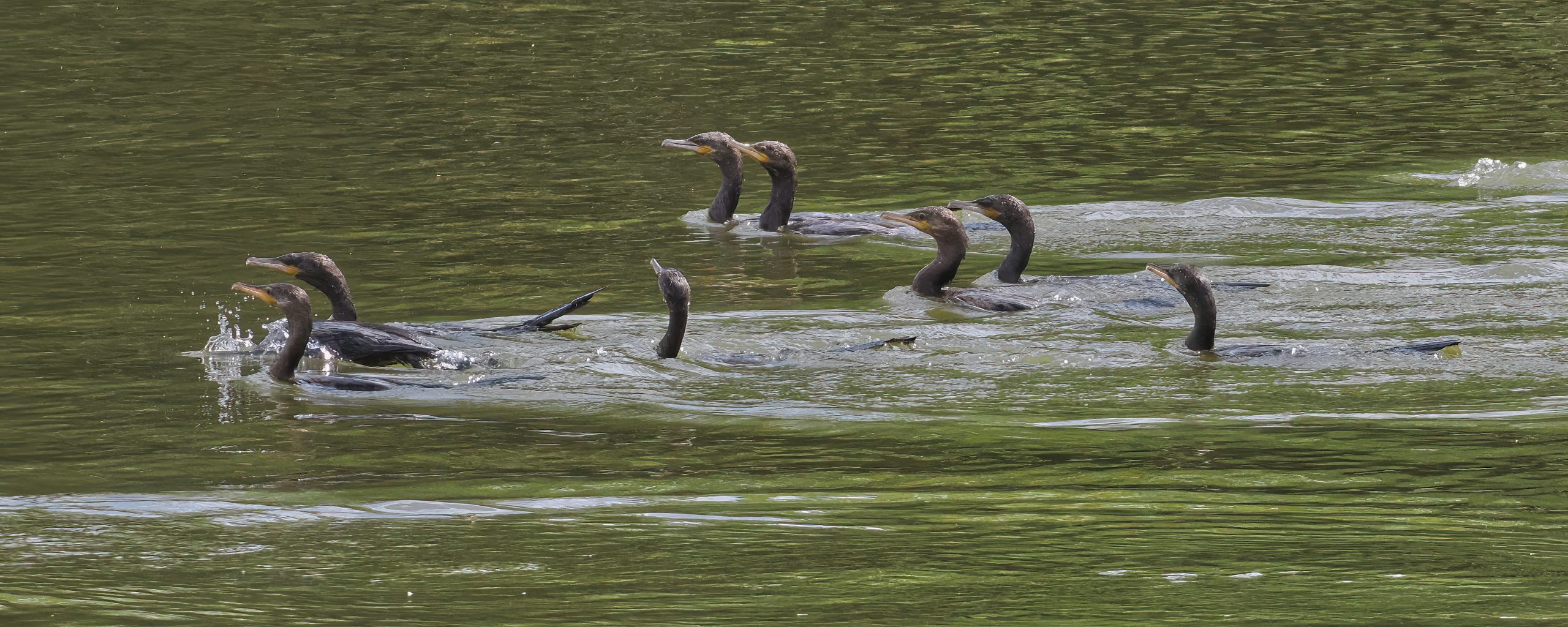
If this group of Cormorants (Double-crested?) were in the air, they
If this group of Cormorants (Double-crested?) were in the air, they
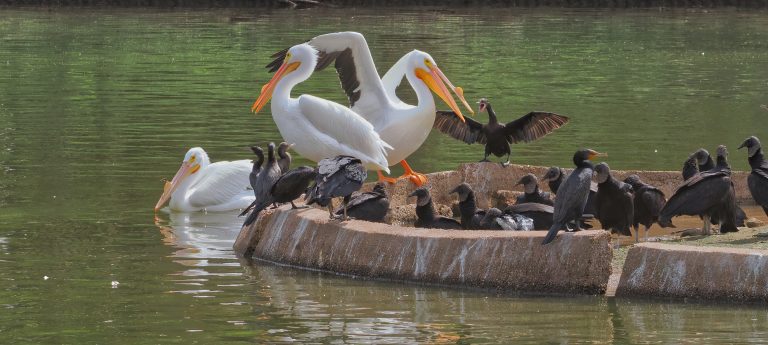
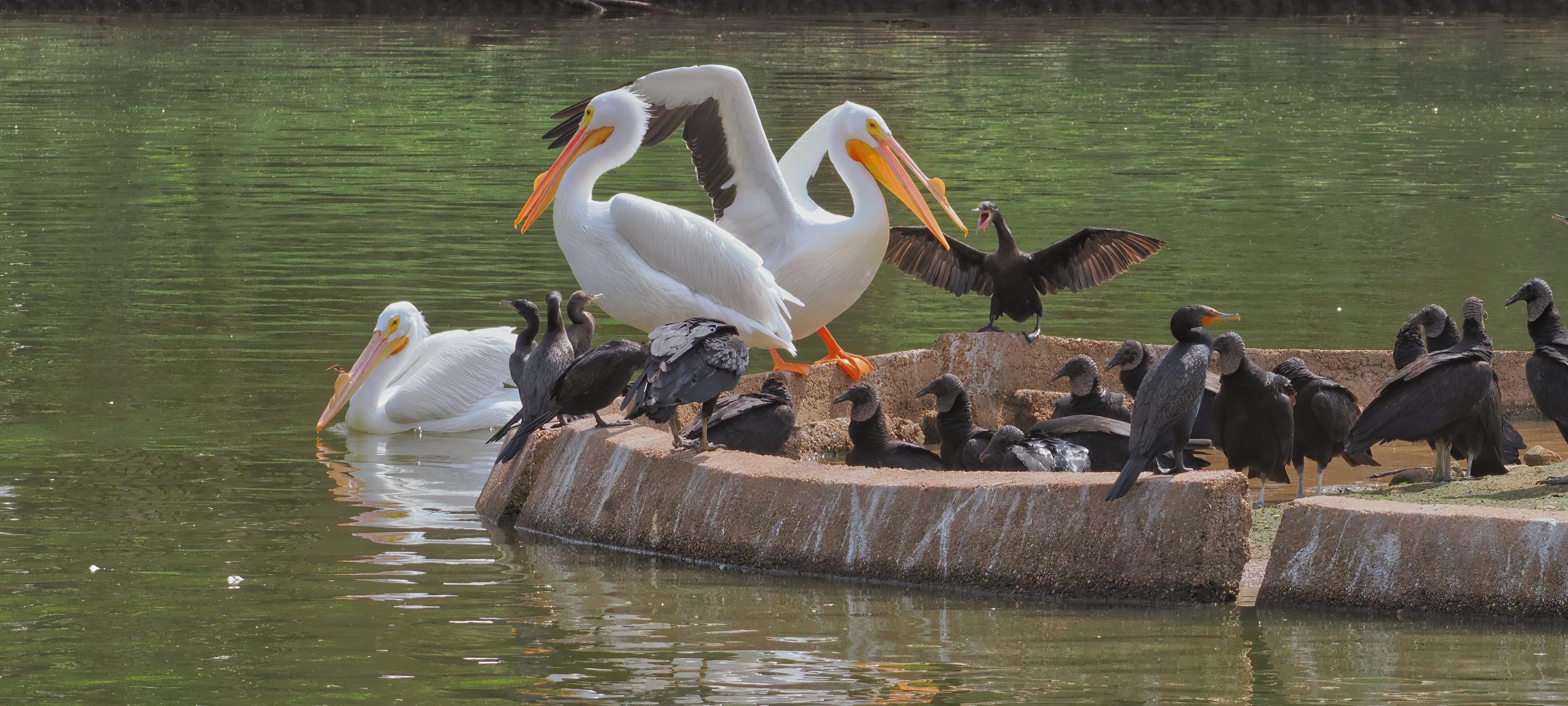
Three American White Pelicans, six (Double-crested?) Cormorants, and twelve Black Vultures all on the end of an island in Edgewater Lake, Sugar Land, Texas. Notice the breeding knobs on the bills of the pelicans.
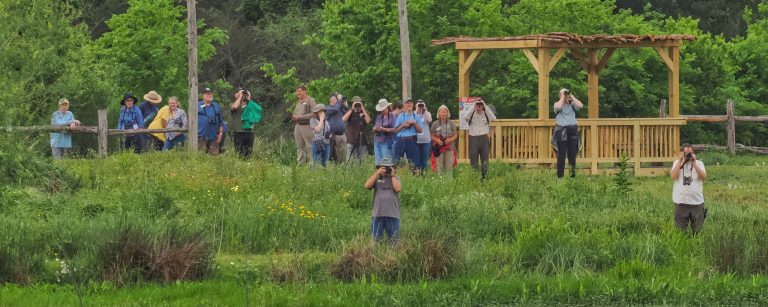
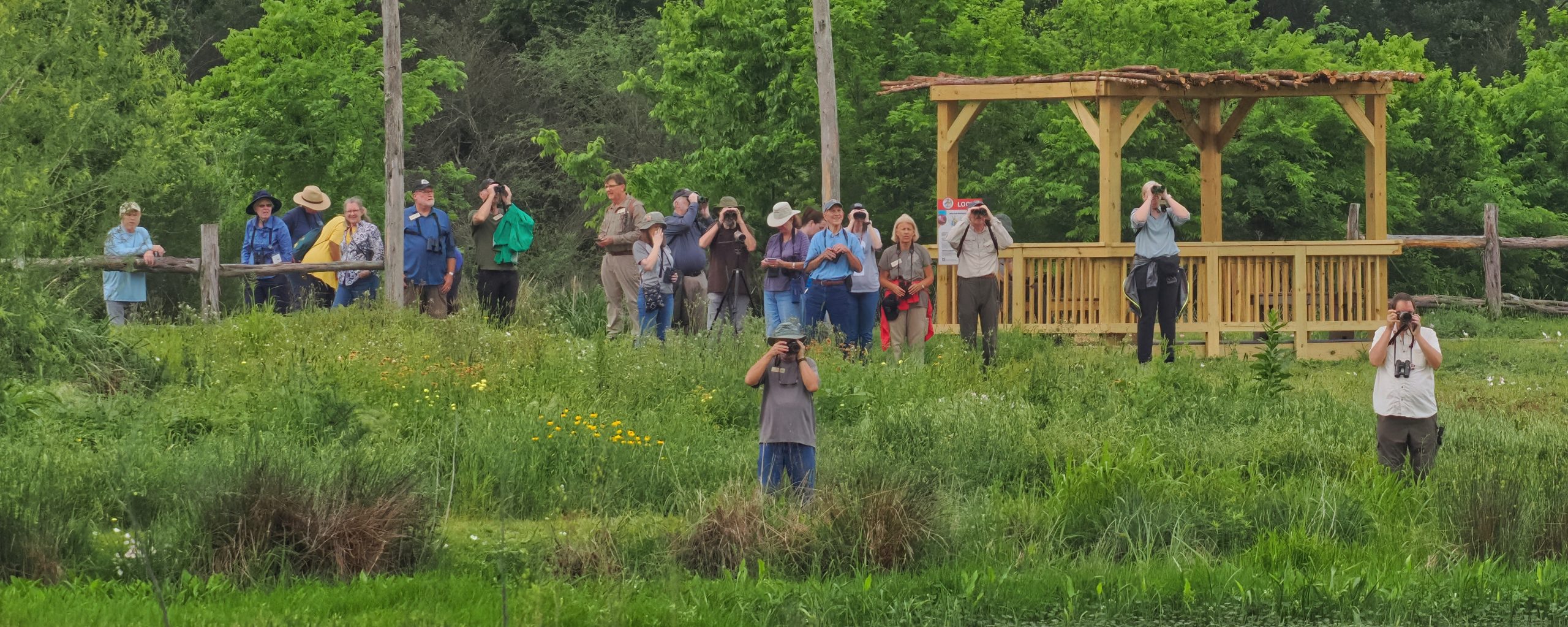
The bird survey at Seabourne Creek Nature Park starts at 08:00 on the first Wednesday of the month. Rosenberg, Texas.
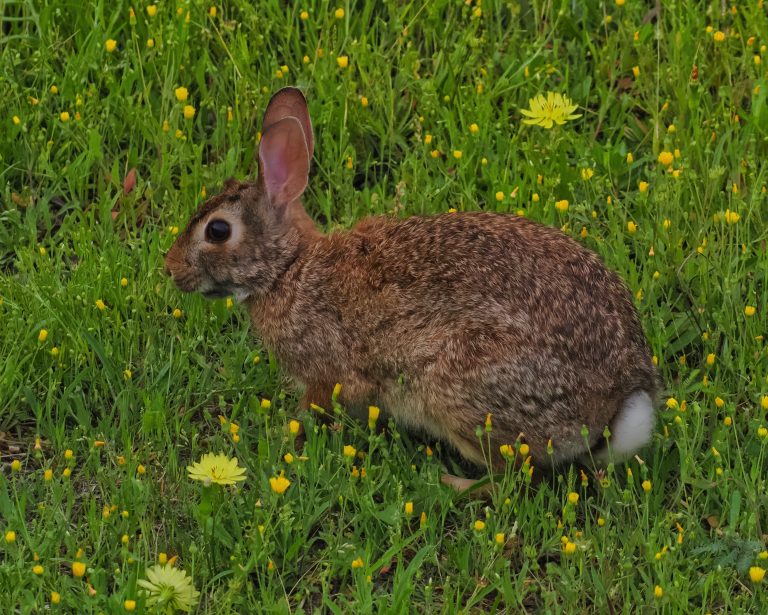
Native to the eastern and western States, not so much the central States, but also parts of Mexico. Riverstone Wetlands, Sugar Land, Texas.
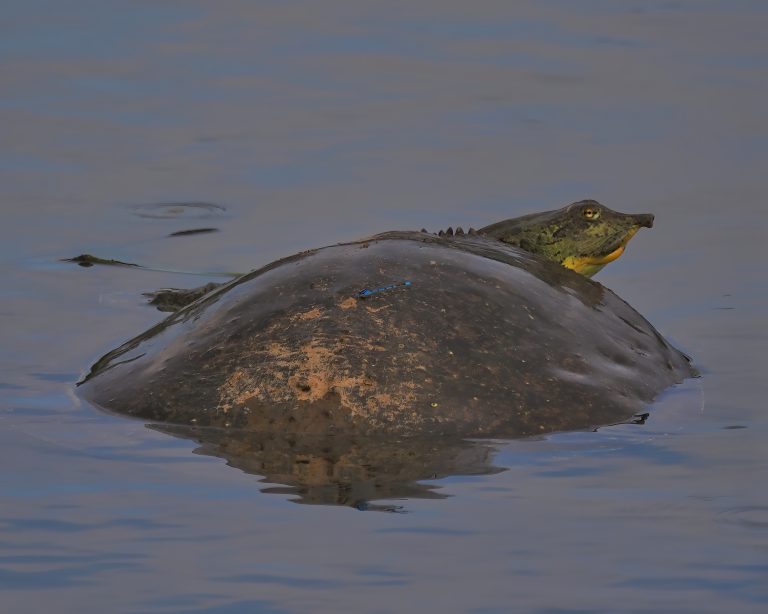
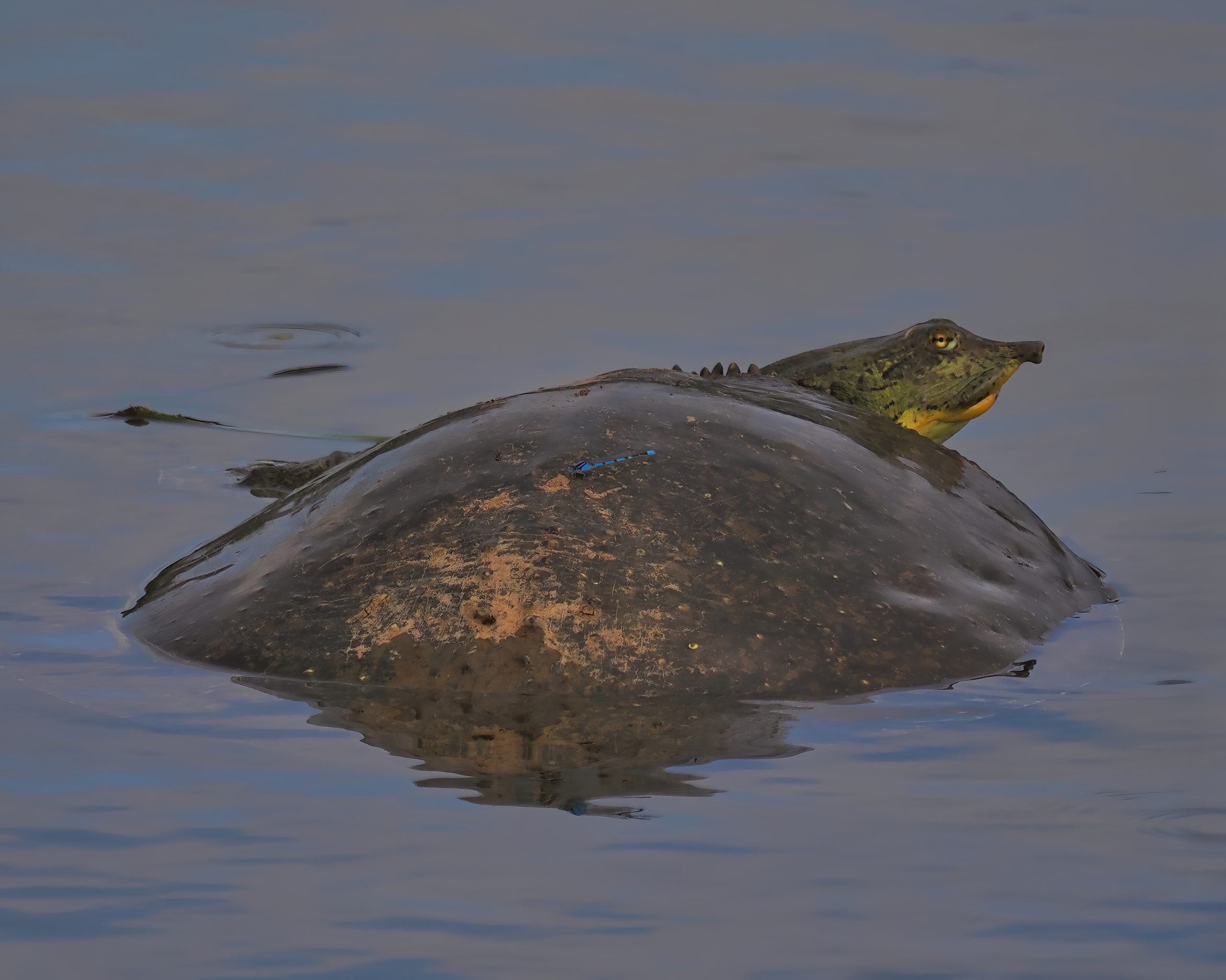
Notice the small Common Bluet (Enallagma cyathigerum), a blue damselfly, on the back of the Spiny Softshell (Apalone spinifera), one of the largest freshwater turtle species in North America. Just the second time I
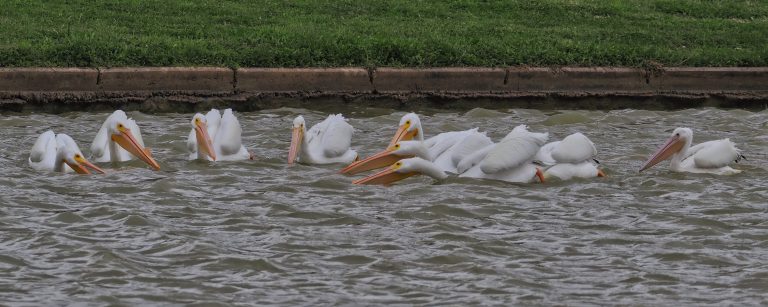
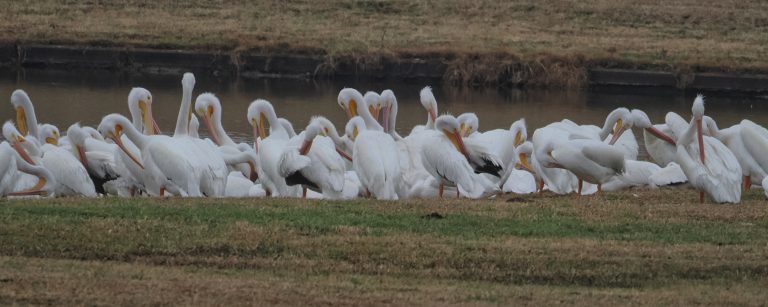
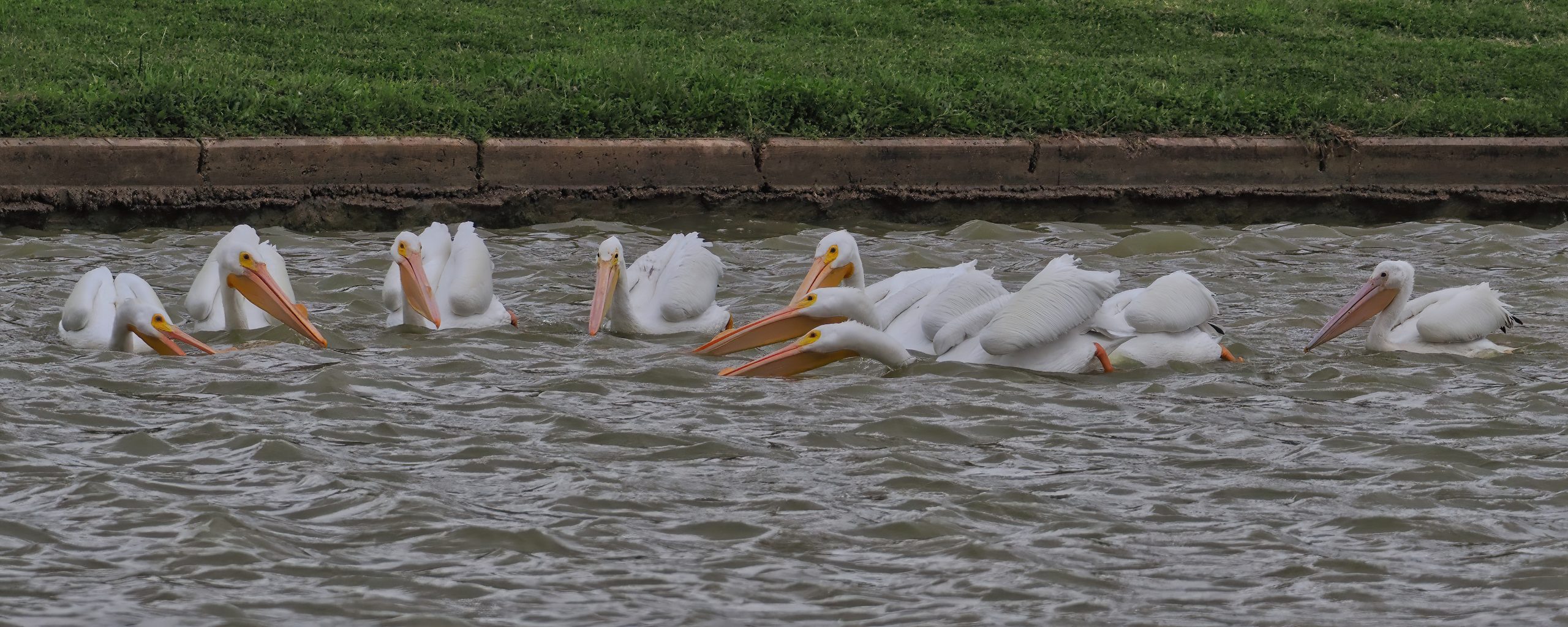
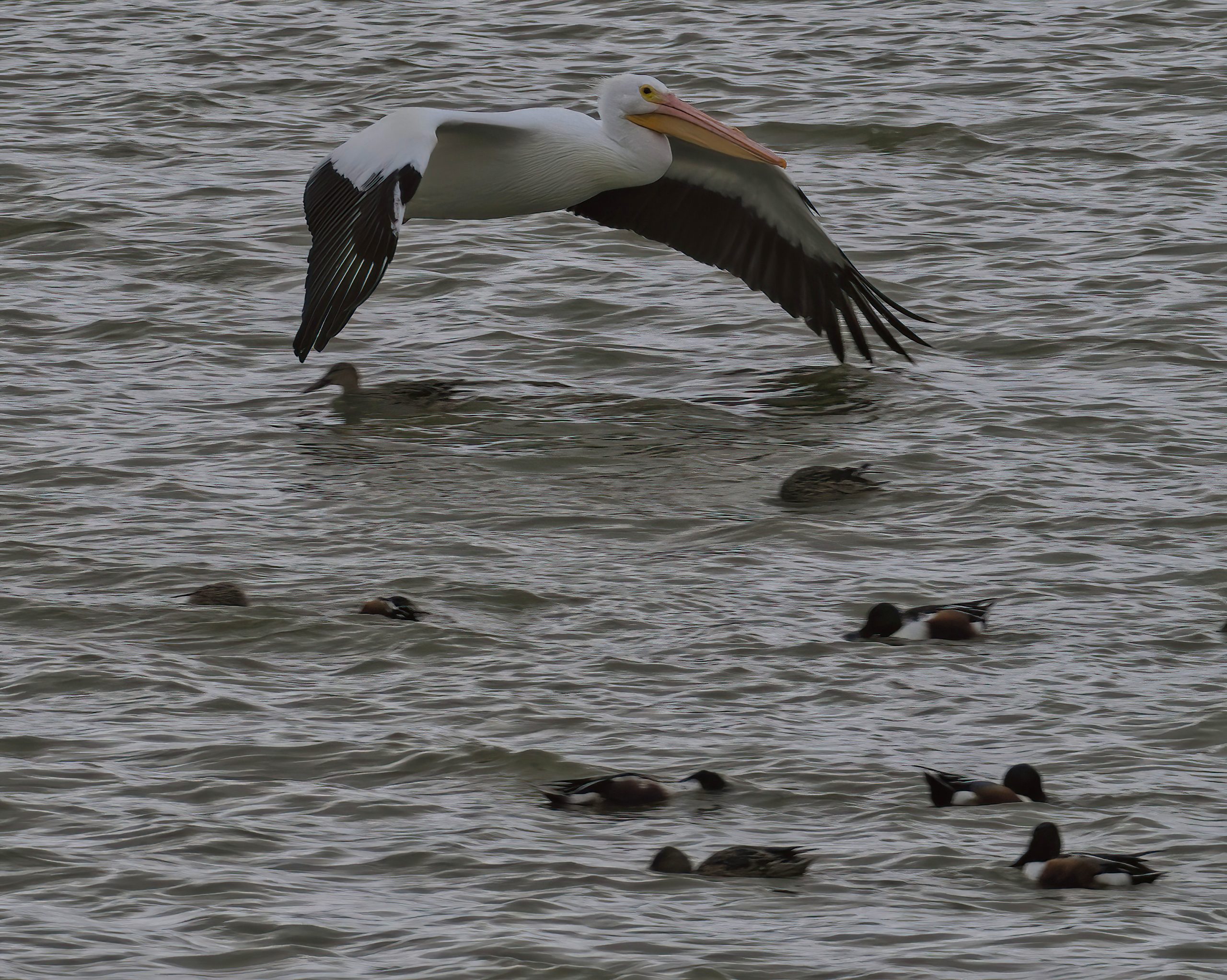
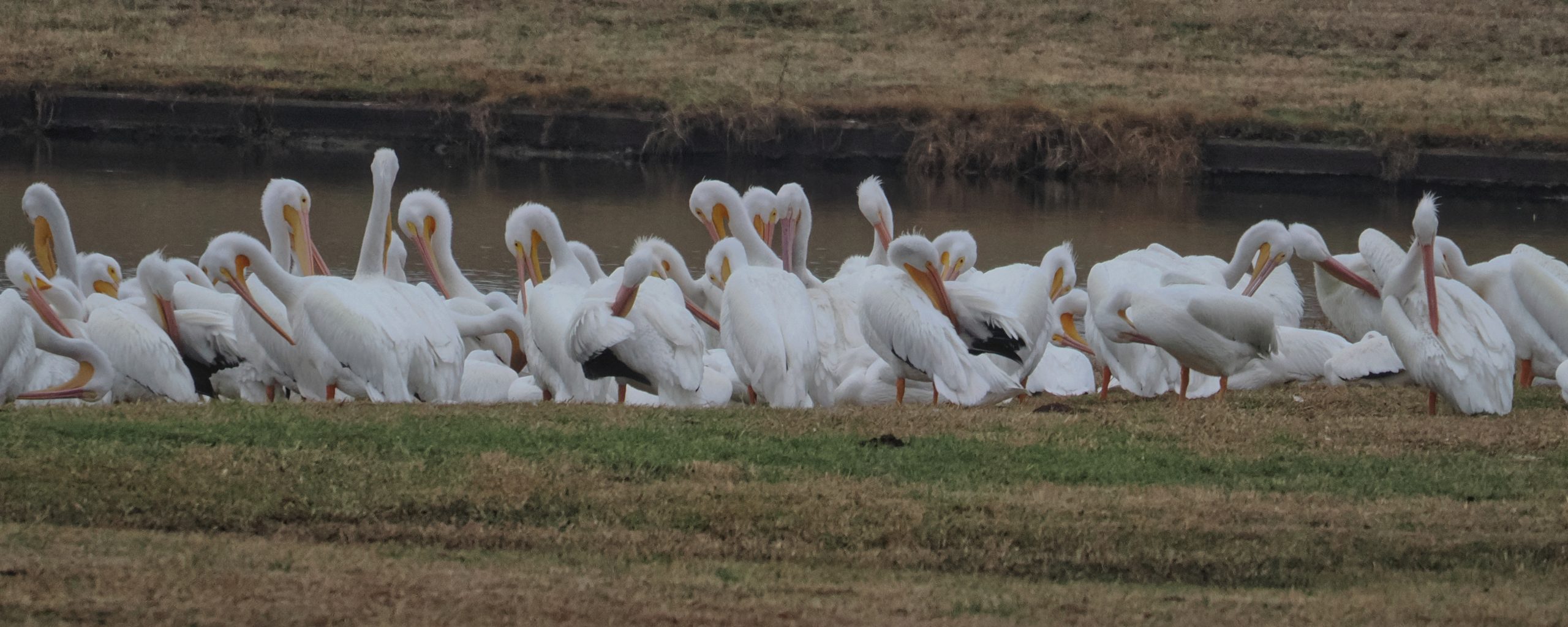
American White Pelicans are still over-wintering in Delores Fenwick Nature Center, Pearland, Texas, lots of them, and fishing in groups.
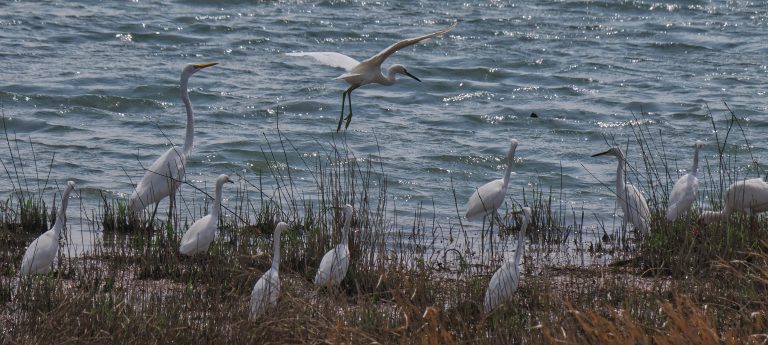
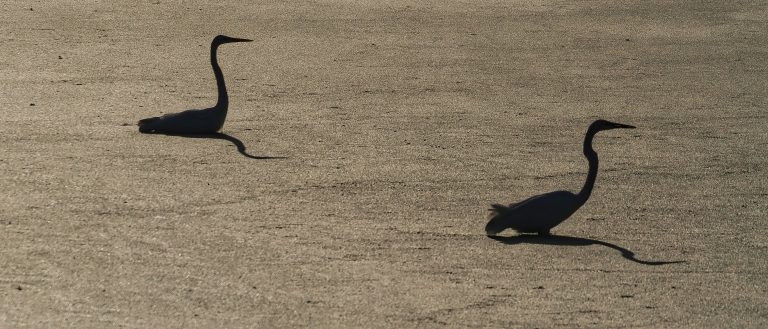
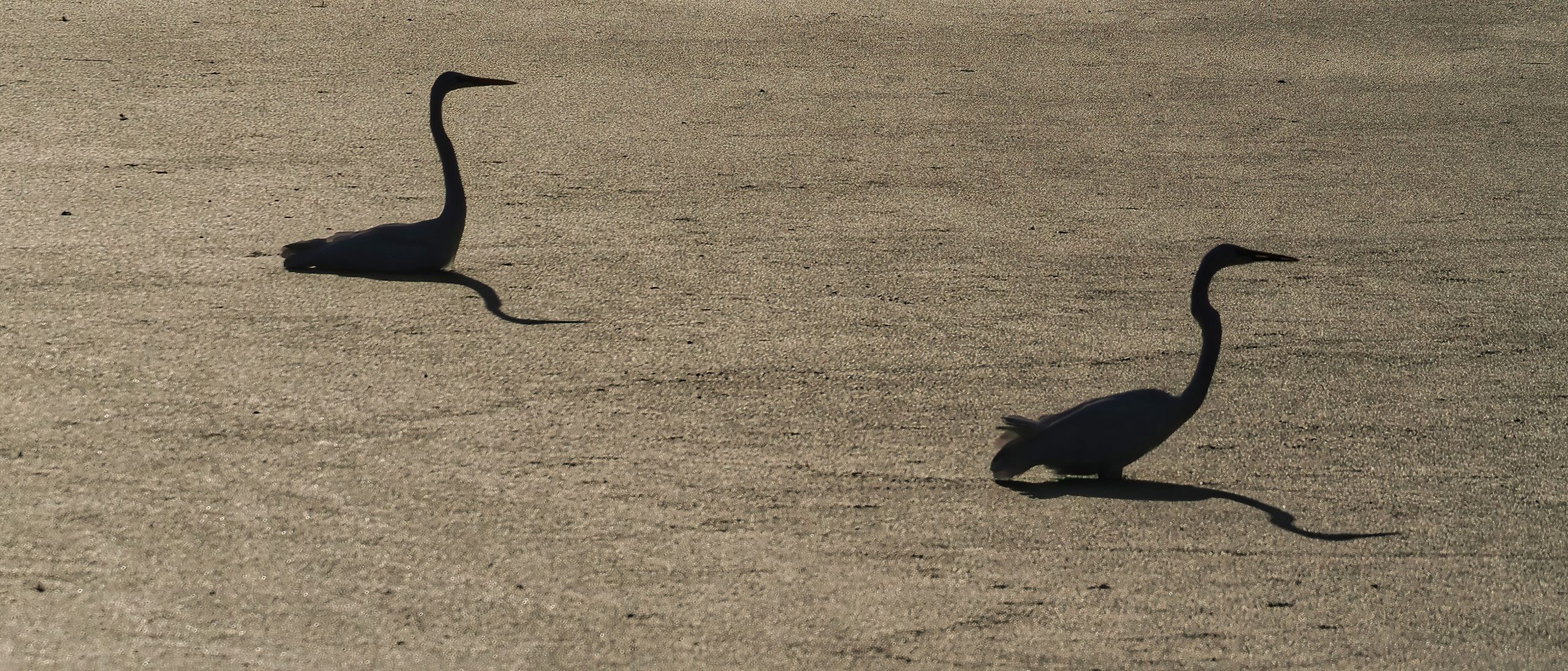
Two Great Egrets in silhouette shot into the low-hanging sun, standing in duckweed, normally green, but the
Black Vulture (Coragyps atratus). Edgewater Lake, Sugar Land, Texas.
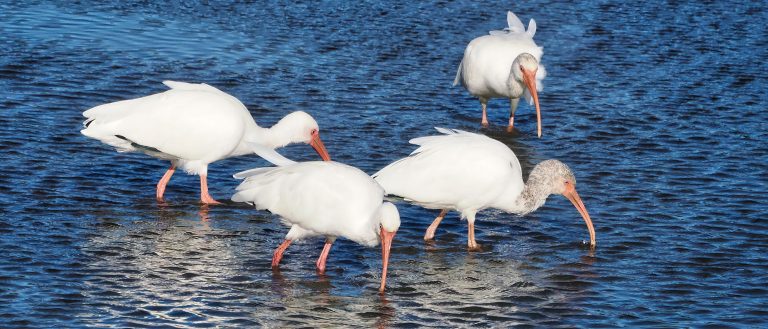
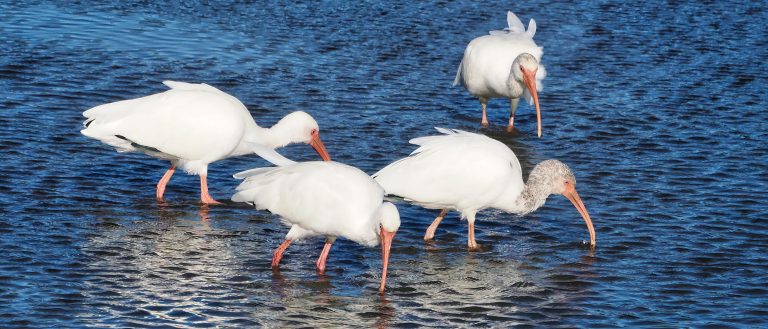
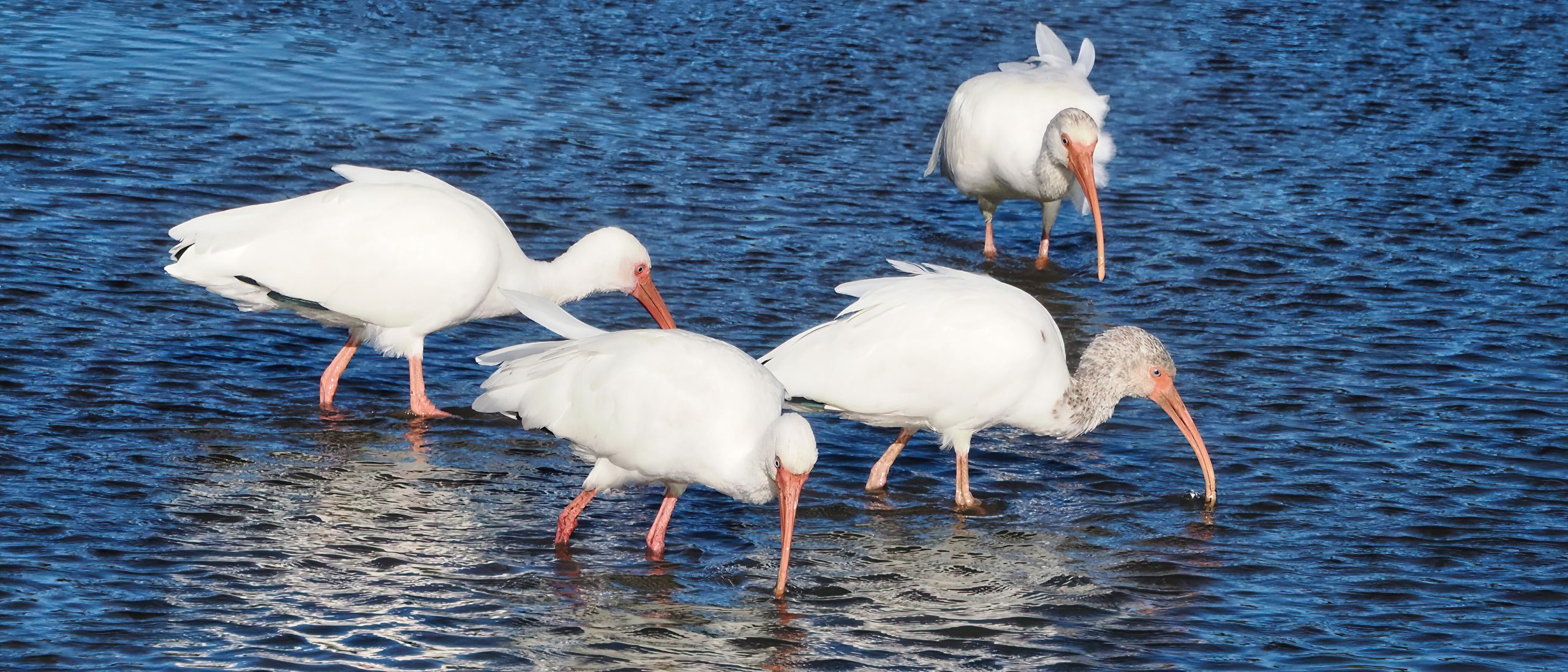
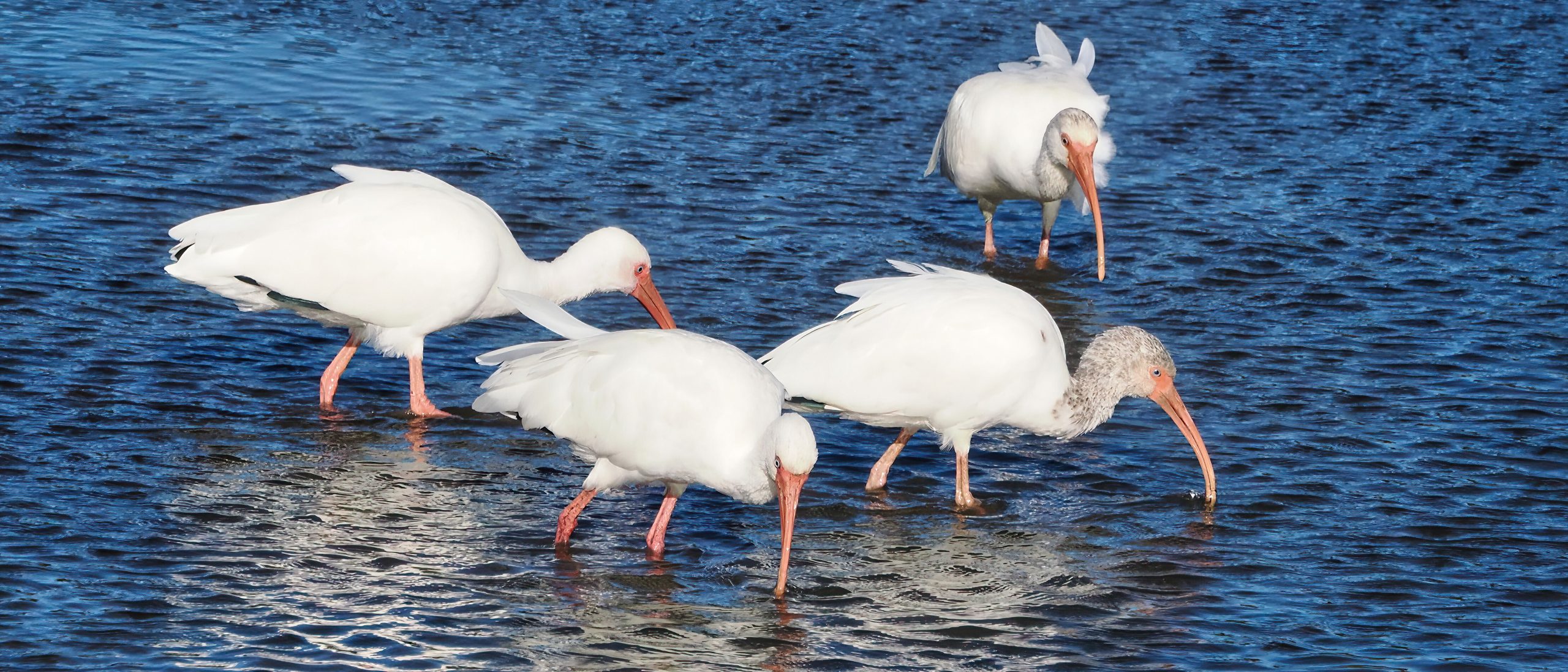
Ibis (Eudocimus albus) in White Lake, Cullinan Park, Sugar Land, Texas.
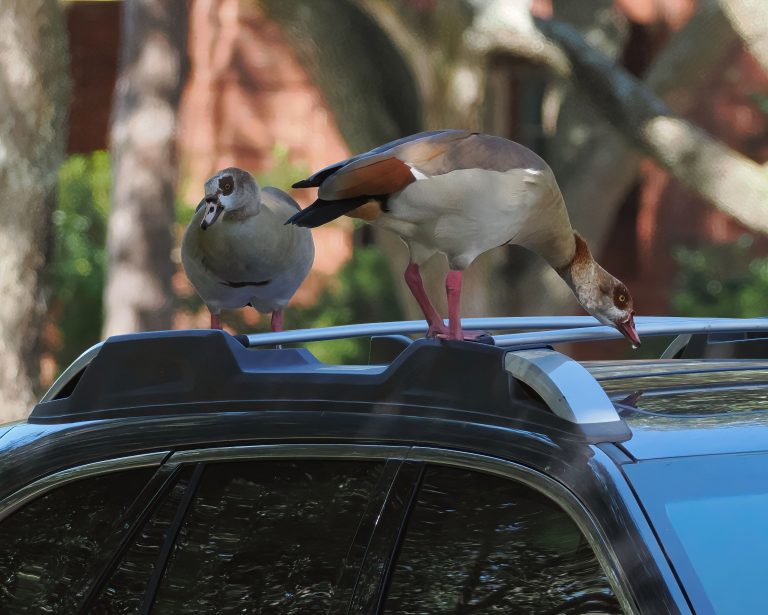
Egyptian Geese (Alopochen aegyptiaca). Edgewater Lake, Sugar Land, Texas.
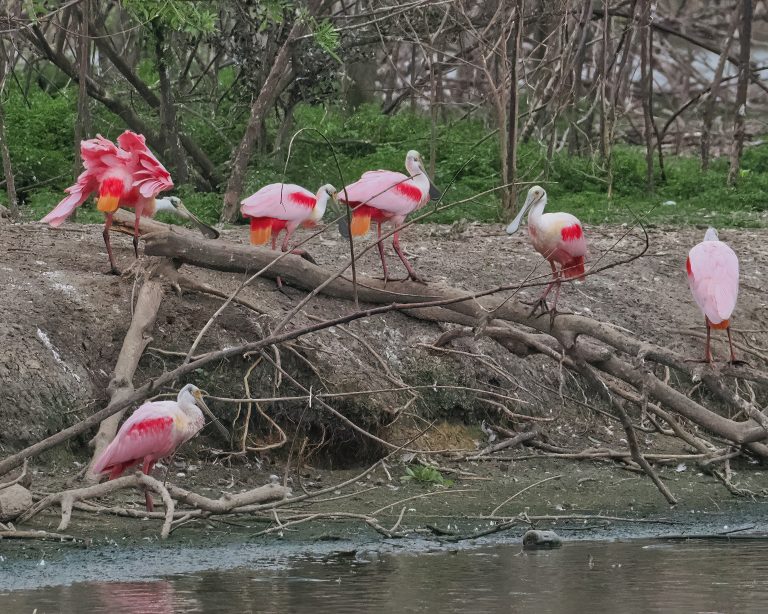
Roseate Spoonbills in bright pink at Delores Fenwick Nature Center, Pearland, Texas.
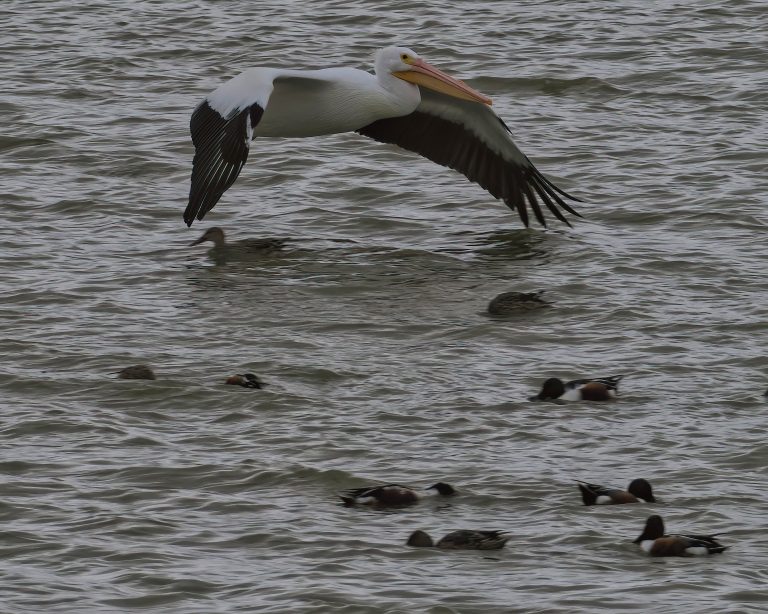
American White Pelicans still over-wintering in Delores Fenwick Nature Center, Pearland, Texas. Northern Shovelers in the pond.
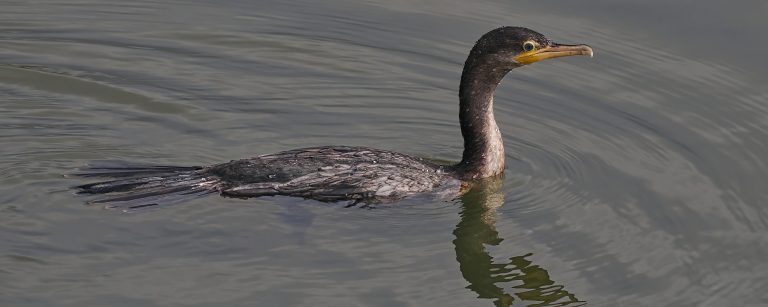
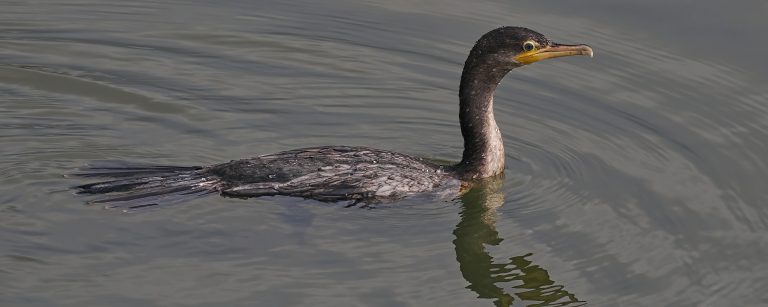
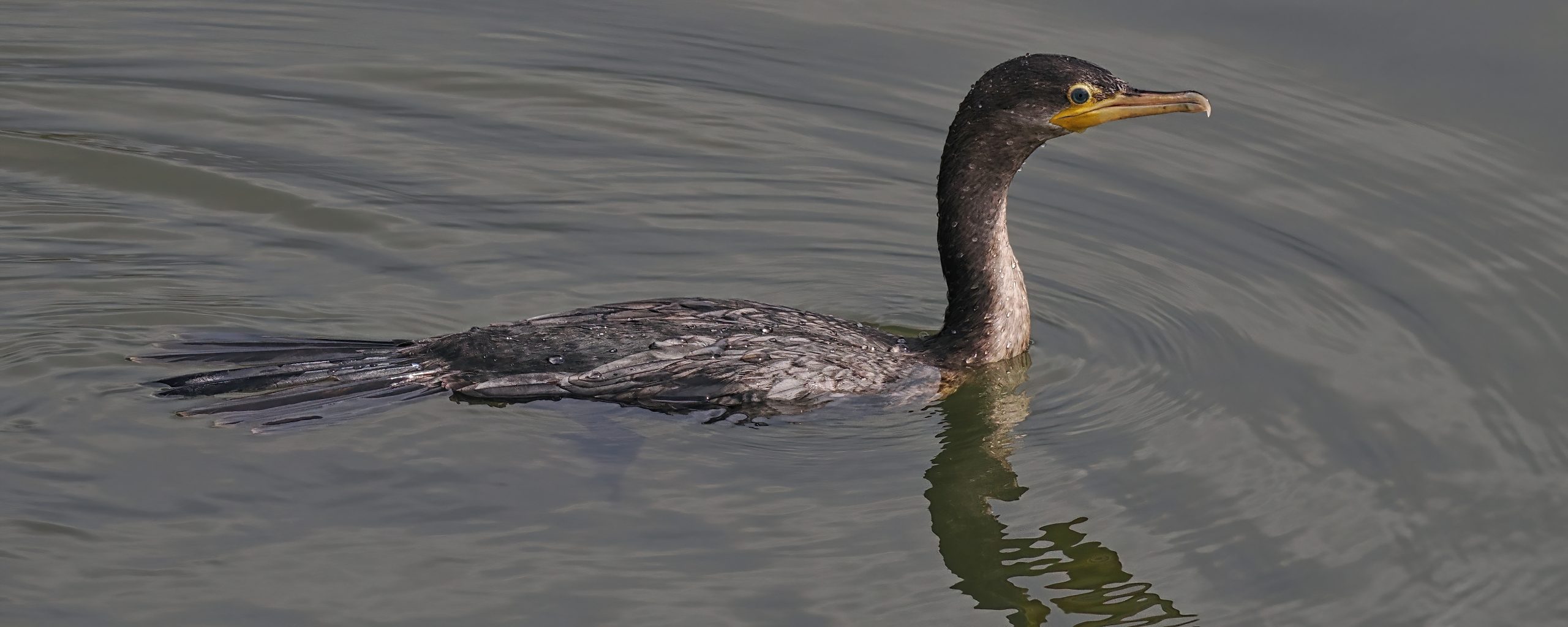
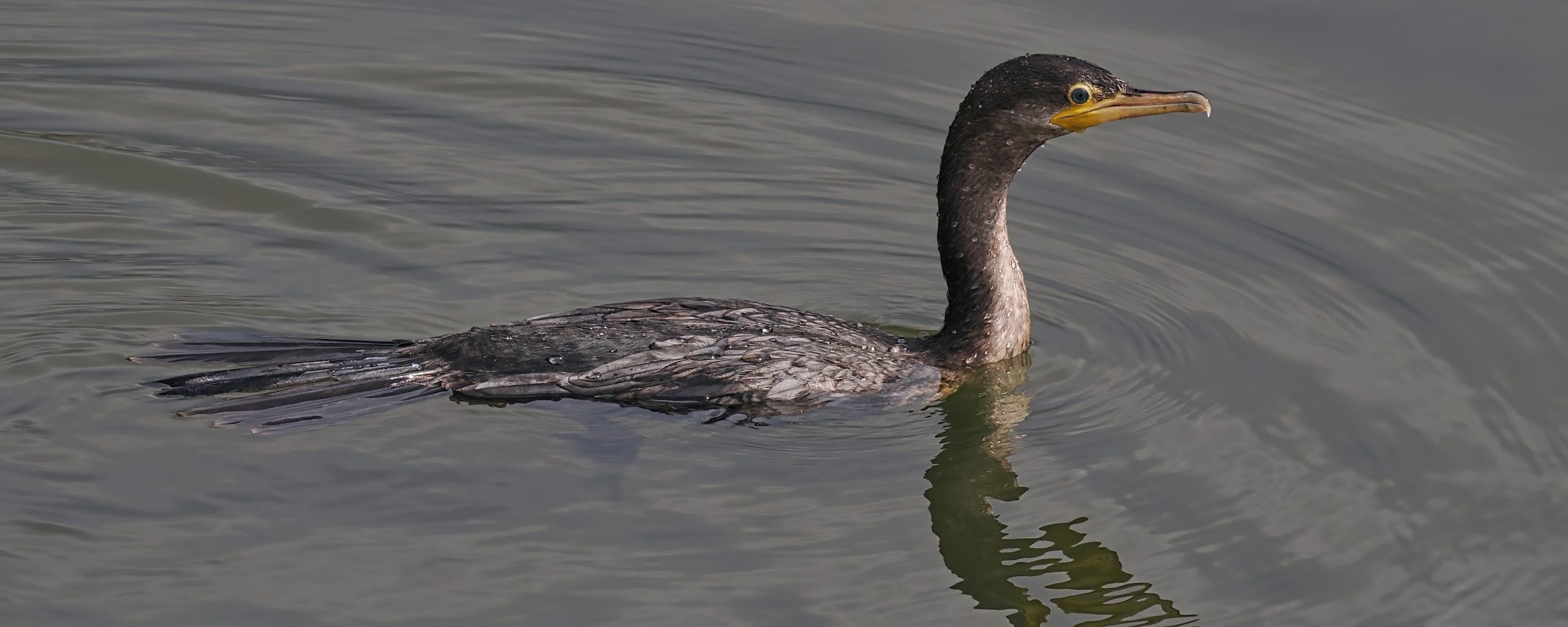
Always difficult for me to tell the difference between Neotroic and Double-crested Cormorants. There are Double-crested in the Riverstone Wetlands, but the orange coloring around the eyes (the lore) is more pronounced this time of year. I
Always difficult for me to tell the difference between Neotroic and Double-crested Cormorants. There are Double-crested in the Riverstone Wetlands, but the orange coloring around the eyes (the lore) is more pronounced this time of year. I
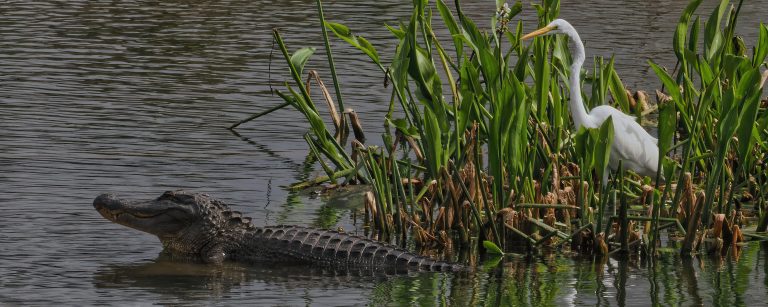
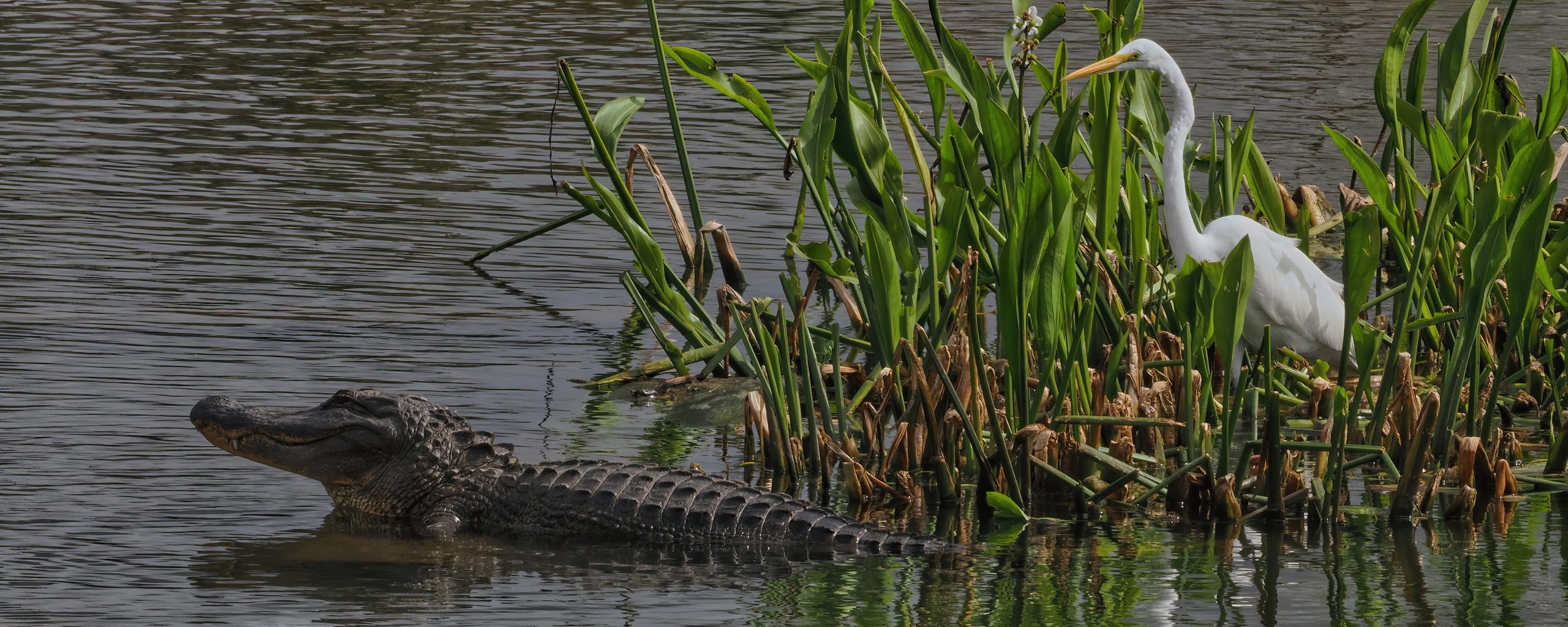
I waited patiently (10-15 minutes) for the Great Egret to walk / jump / fly onto the back of the American Alligator, but it didn
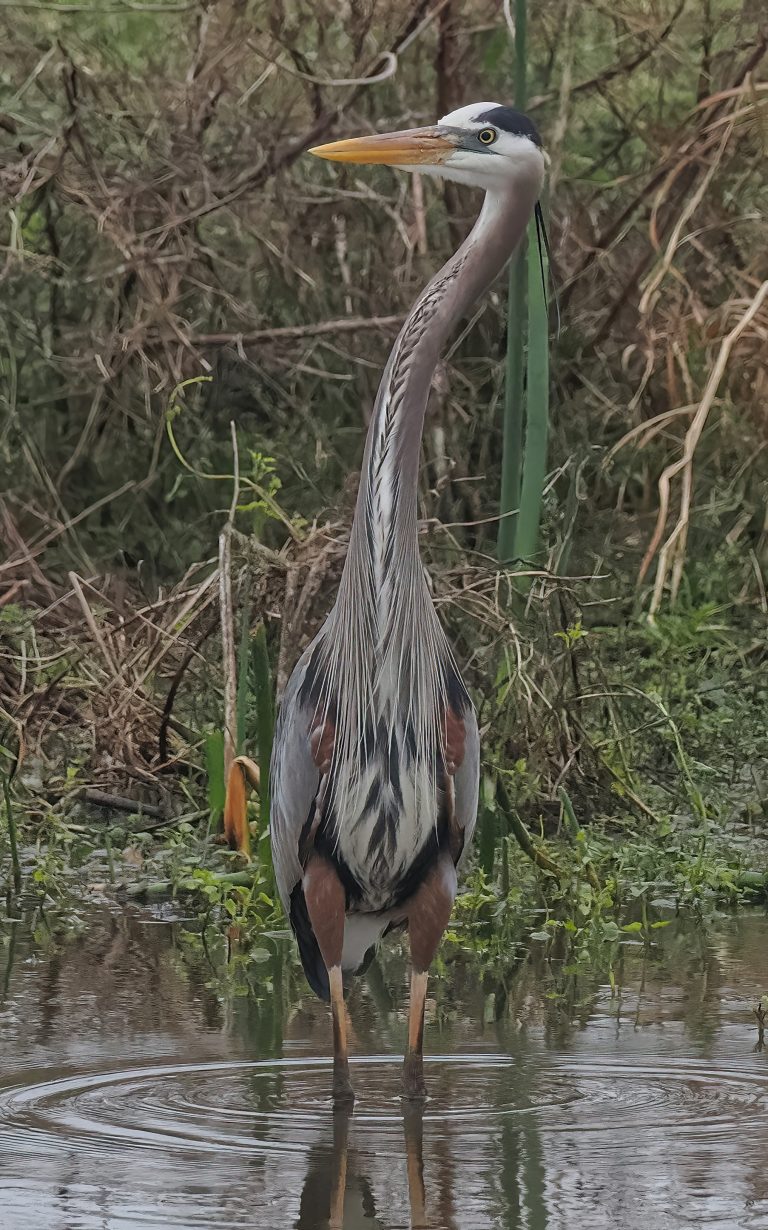
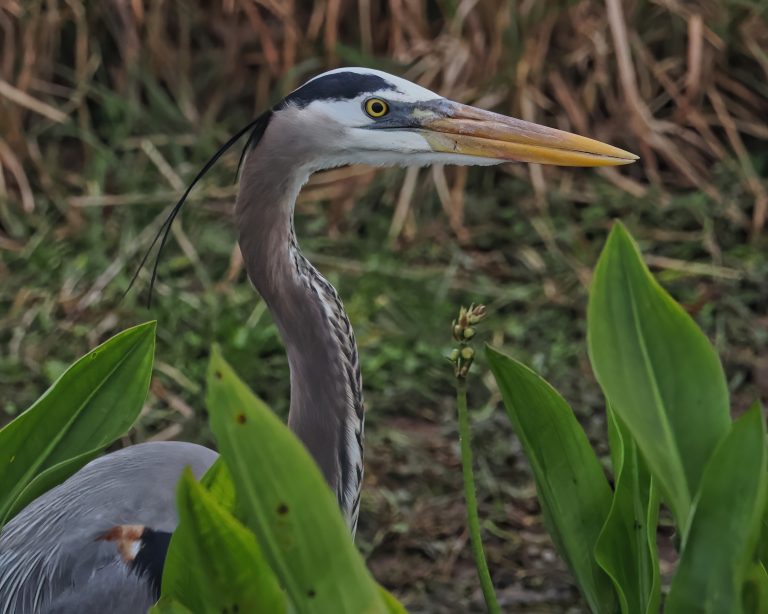
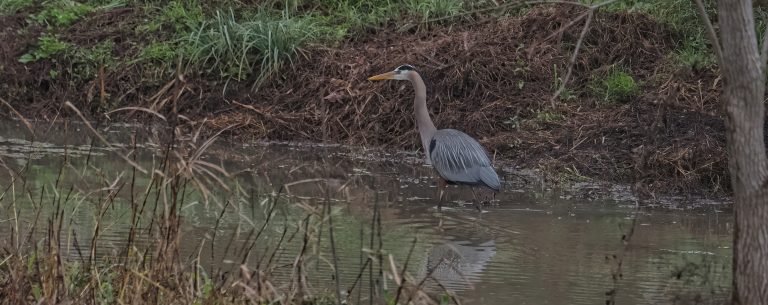
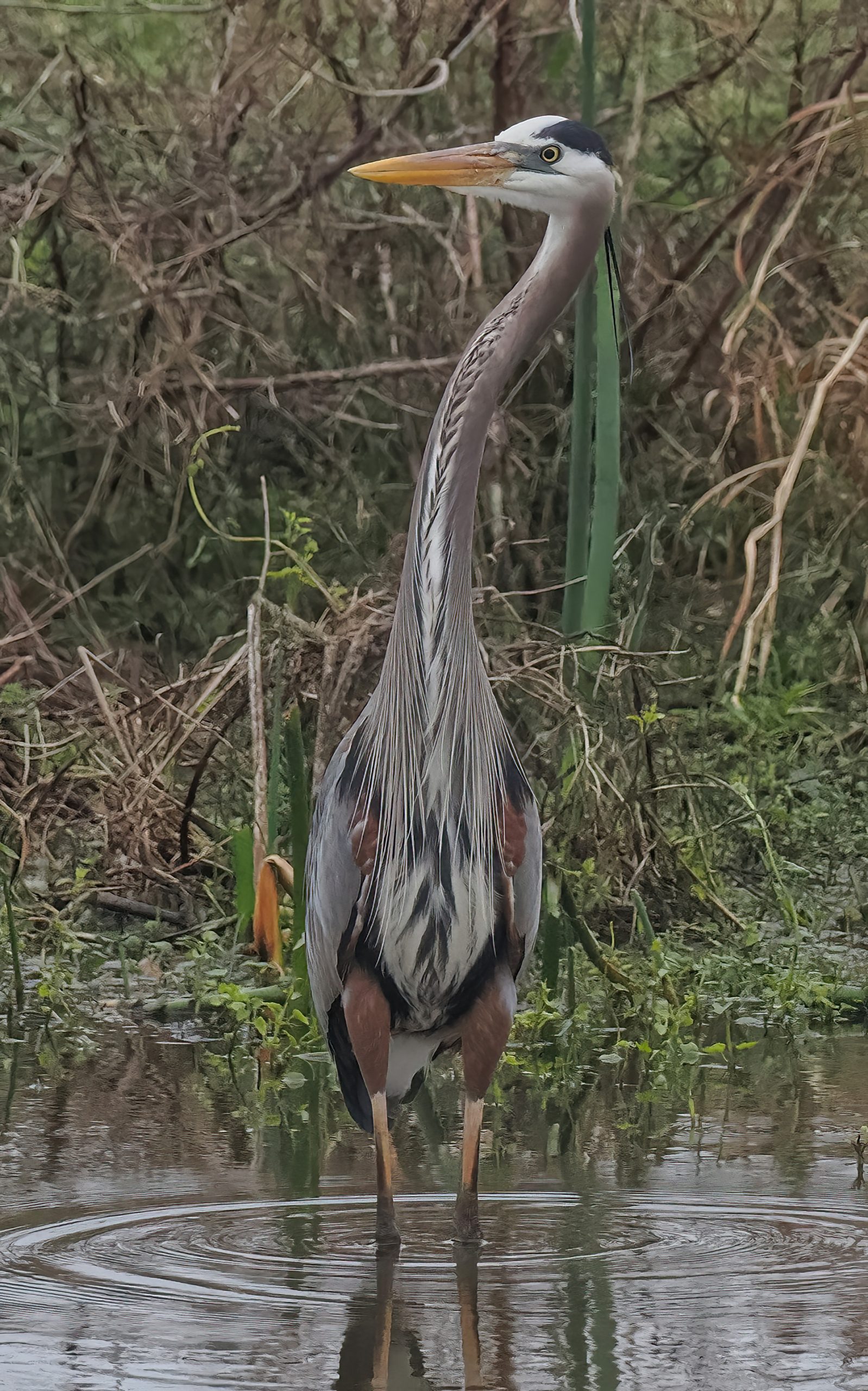
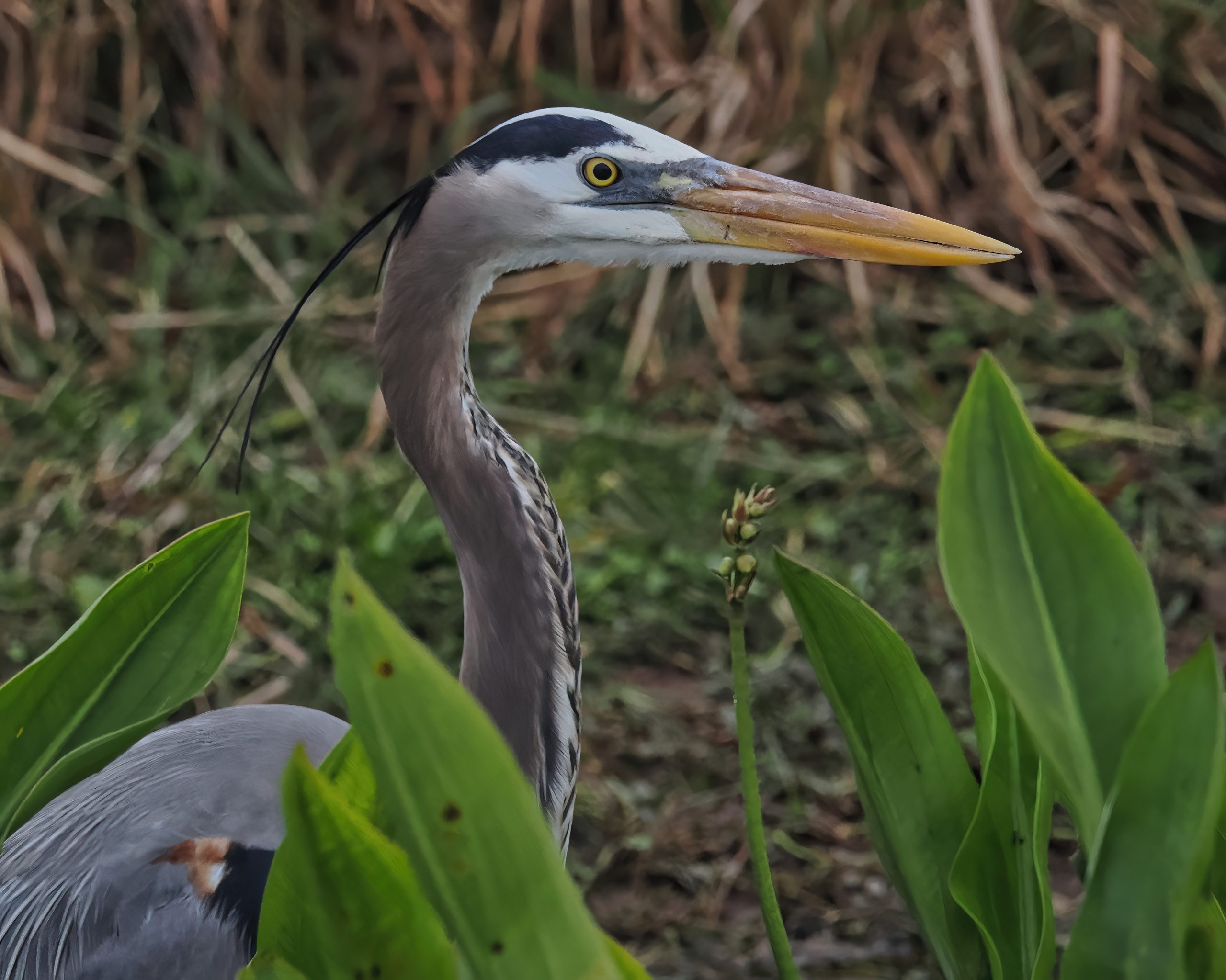
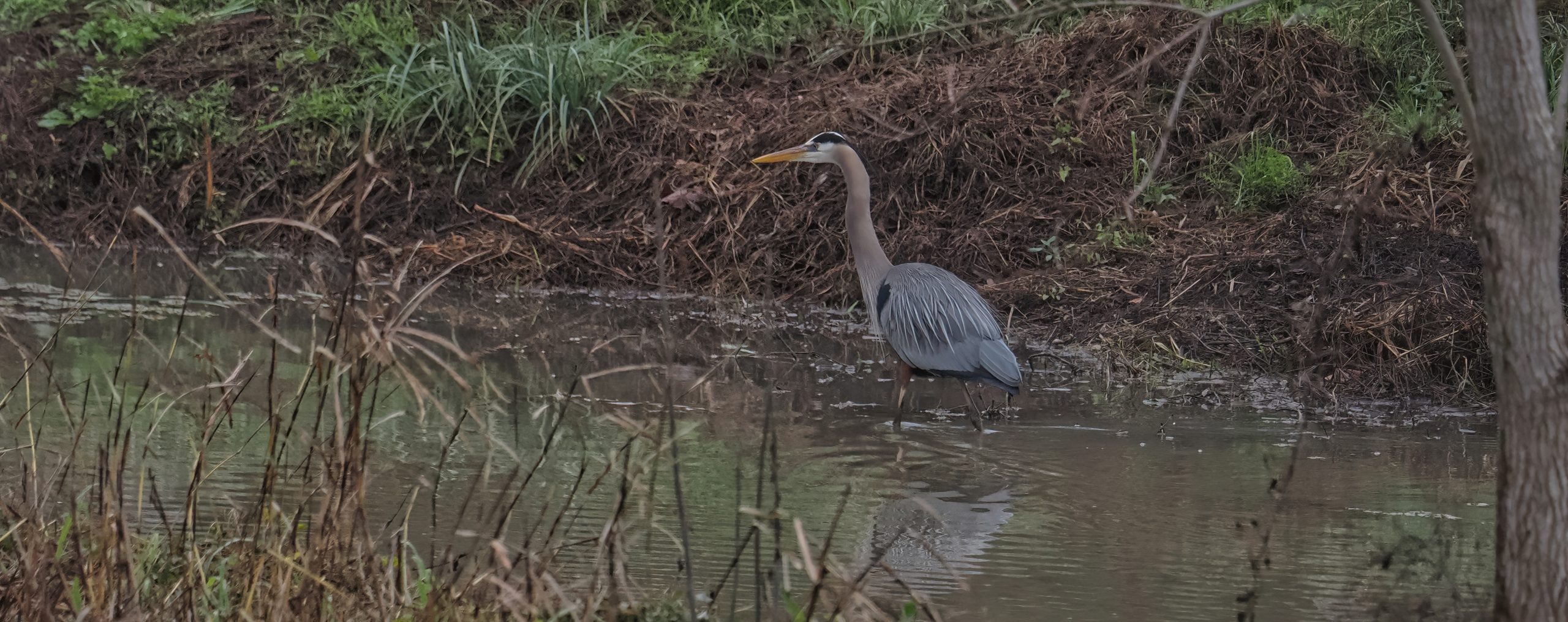
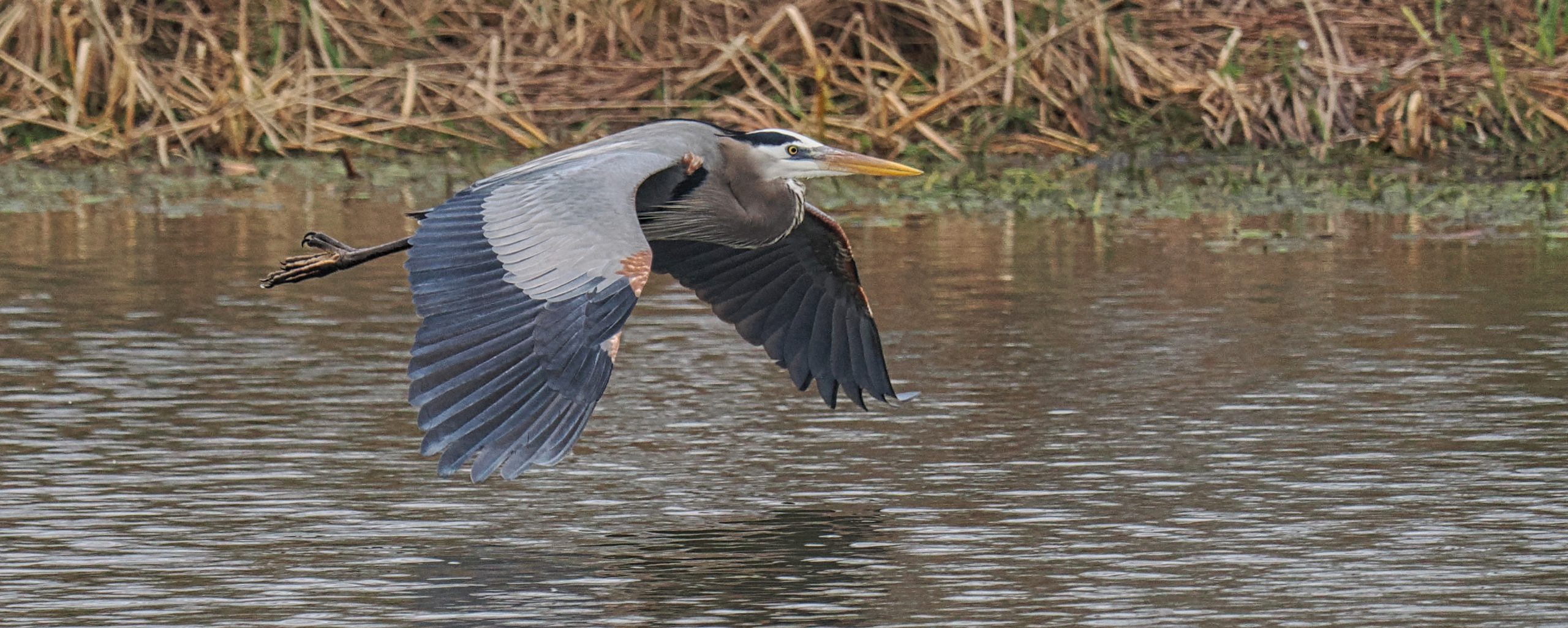
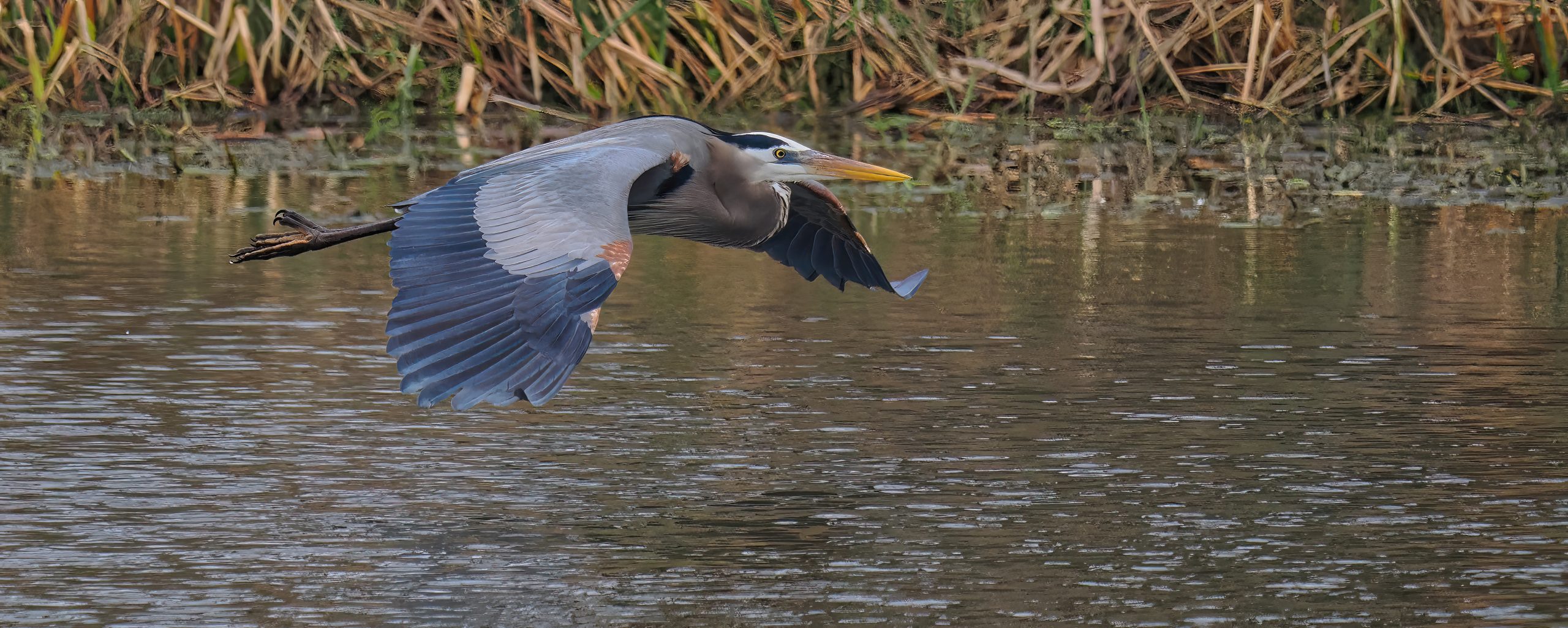
Resident Great Blue Heron of Riverstone Wetlands, Sugar Land, Texas.
Ardea herodias. Ubiquitous in North America. Riverstone Wetlands, Sugar Land, Texas.
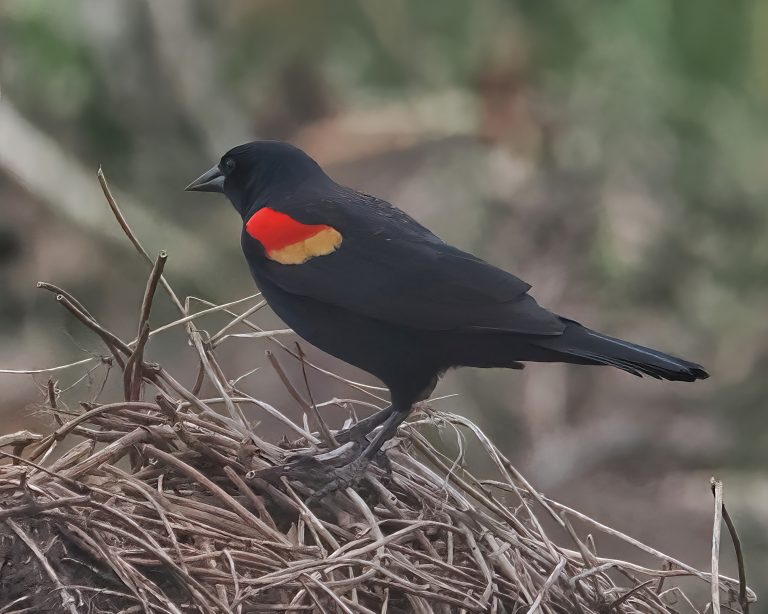
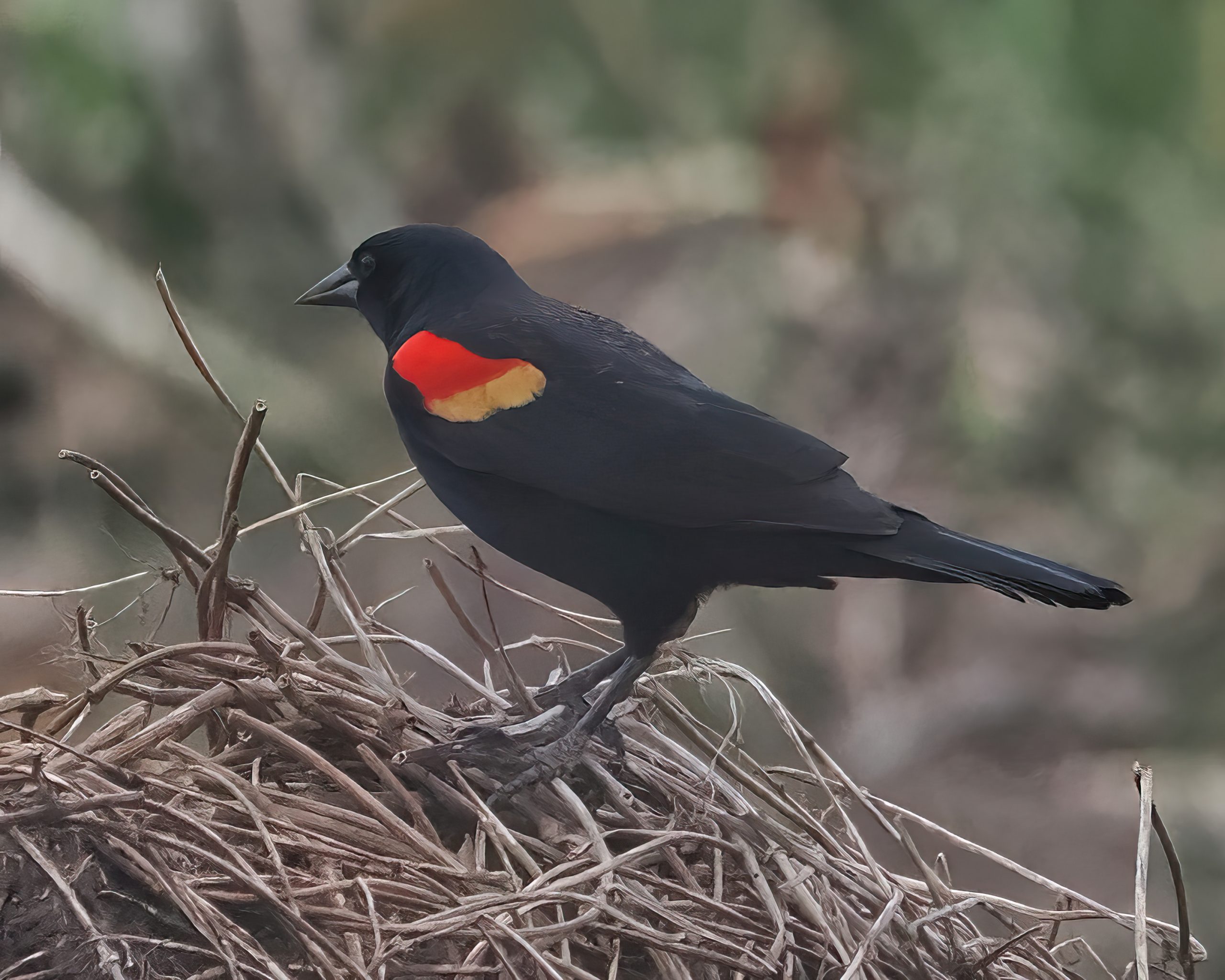
Agelaius phoeniceus. Ubiquitous in North America. Riverstone Wetlands, Sugar Land, Texas.
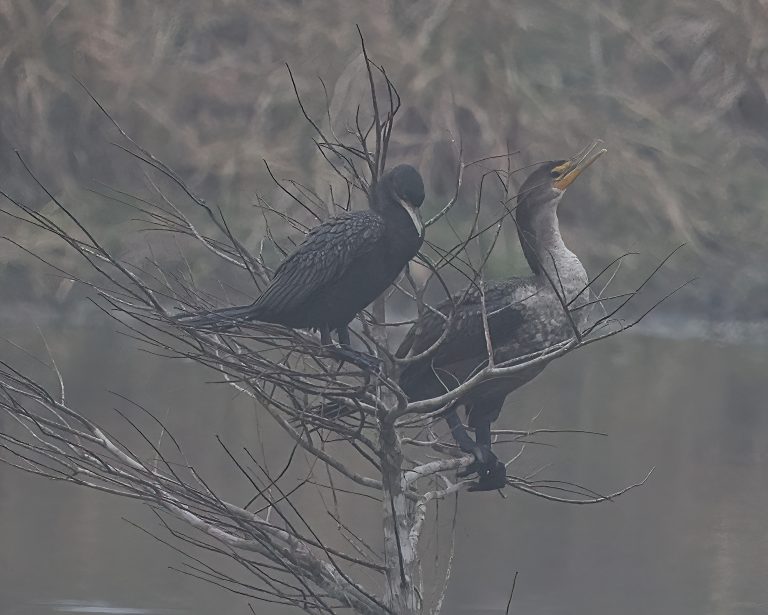
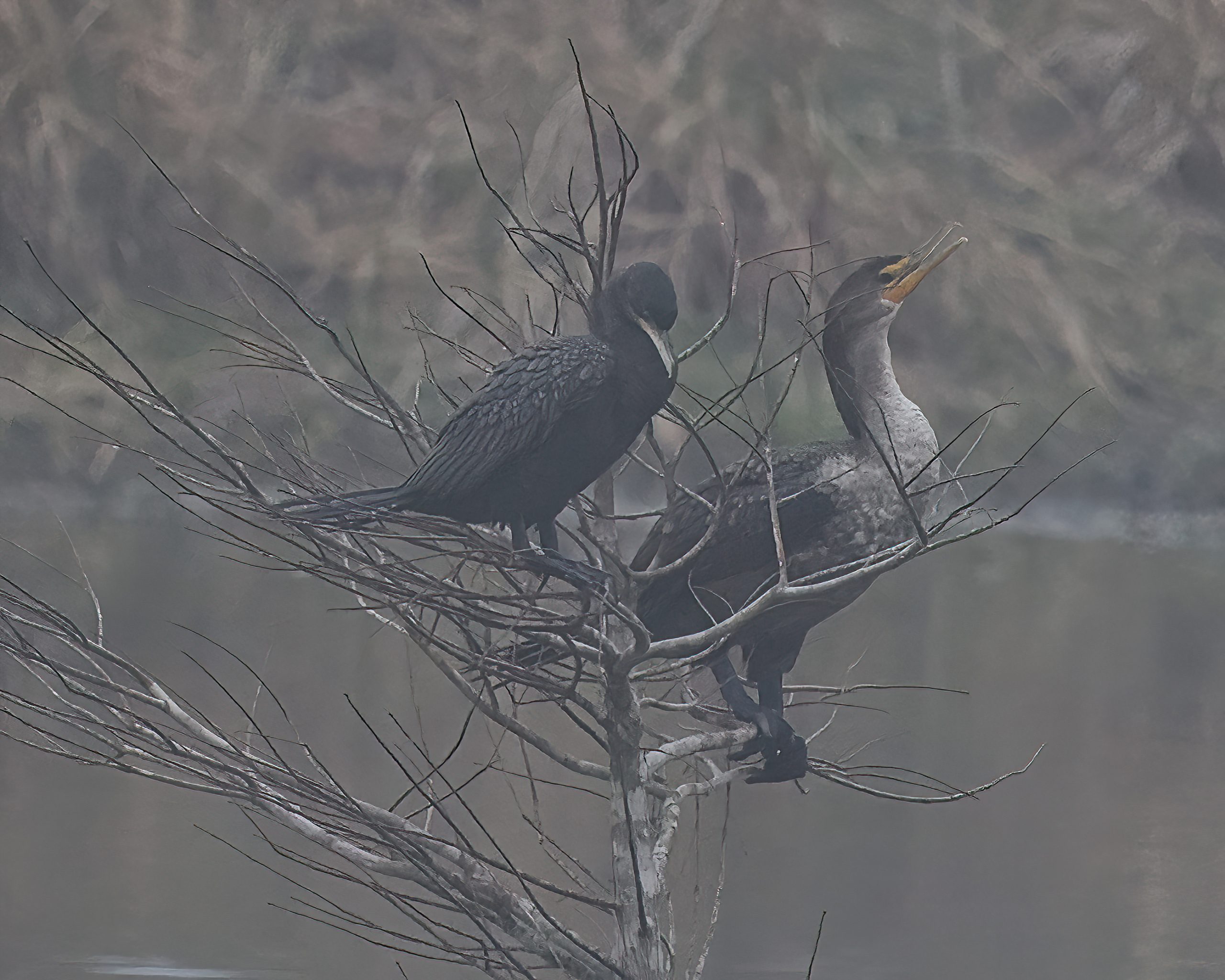
Two Cormorants in a Bald Cypress, Riverstone Wetlands, Sugar Land, Texas. One Double-crested, for sure, the other may be Neotropic. Strange.
Great Egret. Always activity in the Riverstone Wetlands, Sugar Land, Texas.
This is a mediocre photo (noise, focus or motion blur) that, having bought into the Topaz suite, I
Hermann Park, Houston Texas, on the monthly Audubon bird survey.
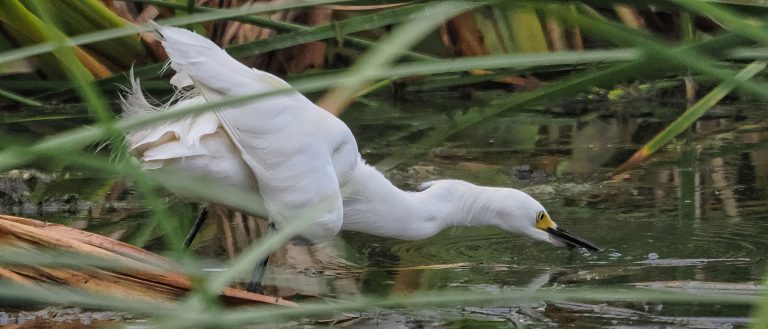
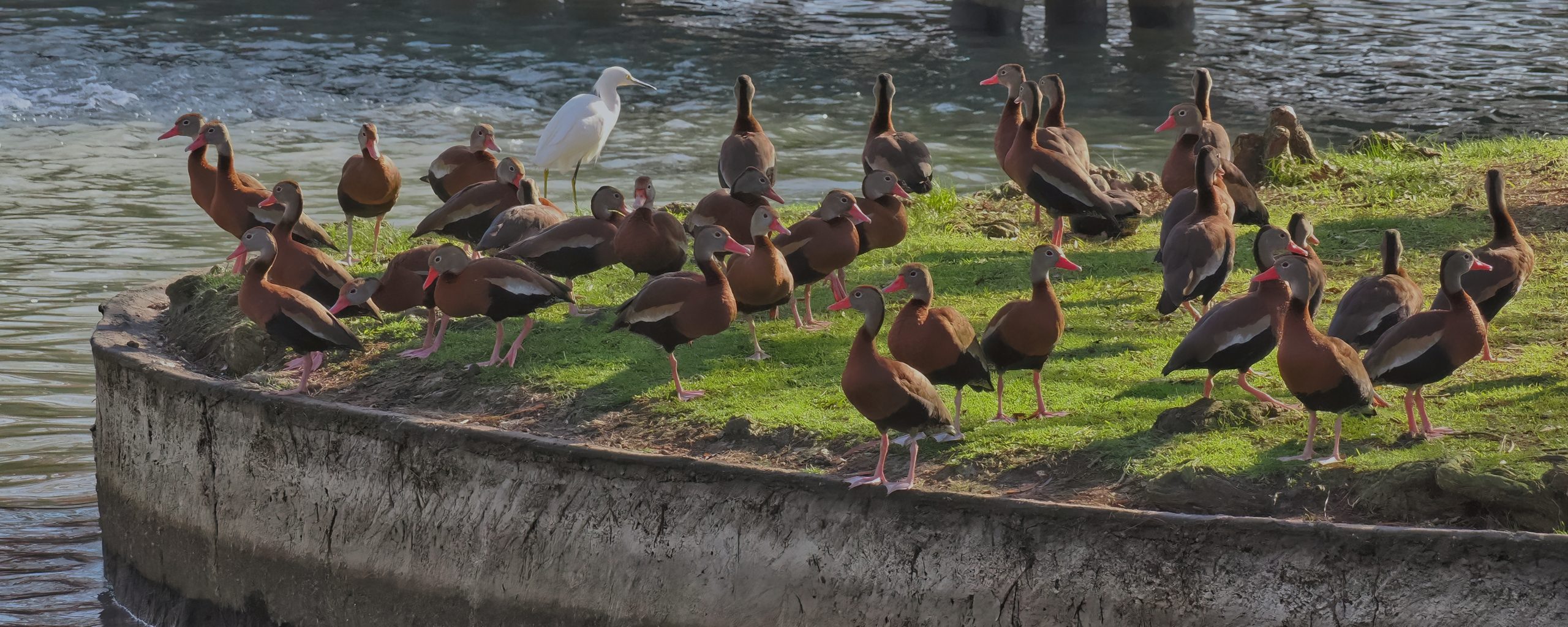
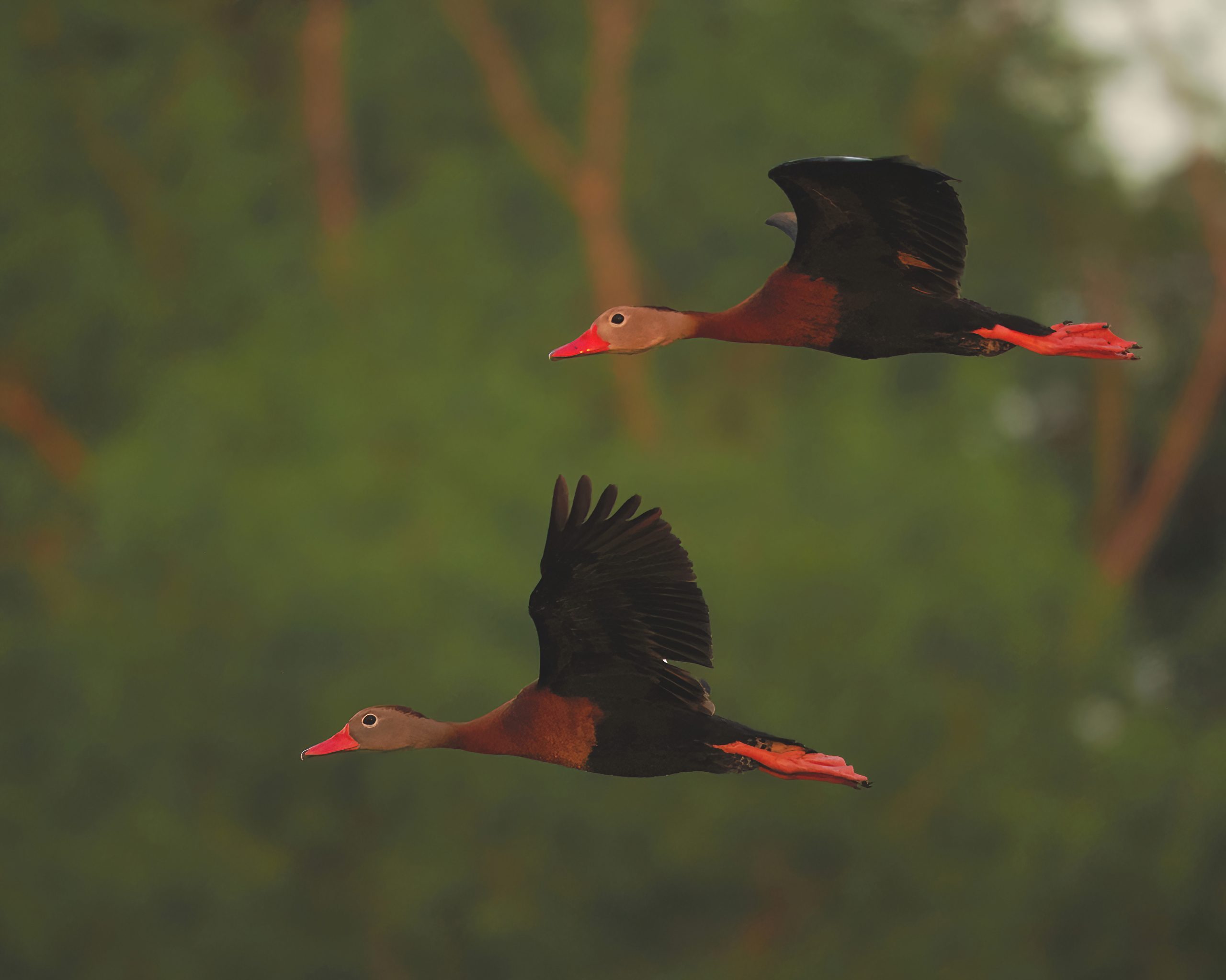
Thirty-five Black-bellied Whistling Ducks and one Snowy Egret. McGovern Lake, Hermann Park, Houston, Texas.
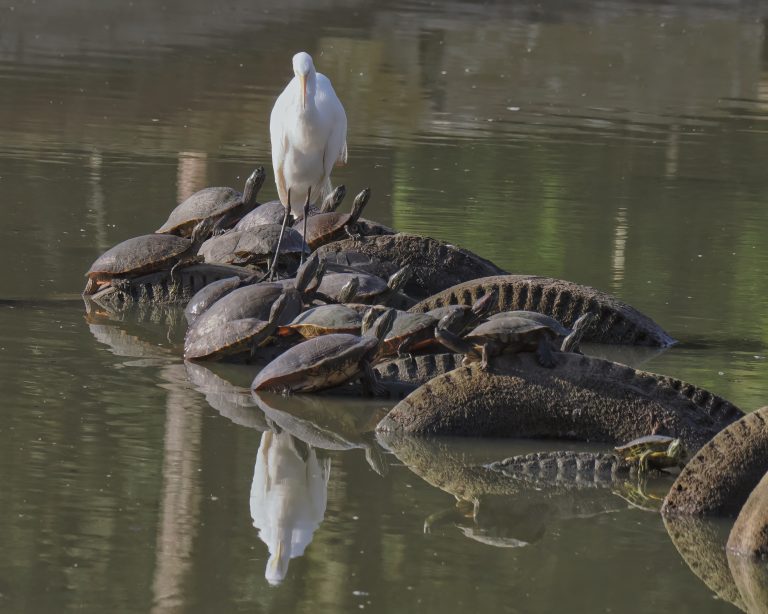
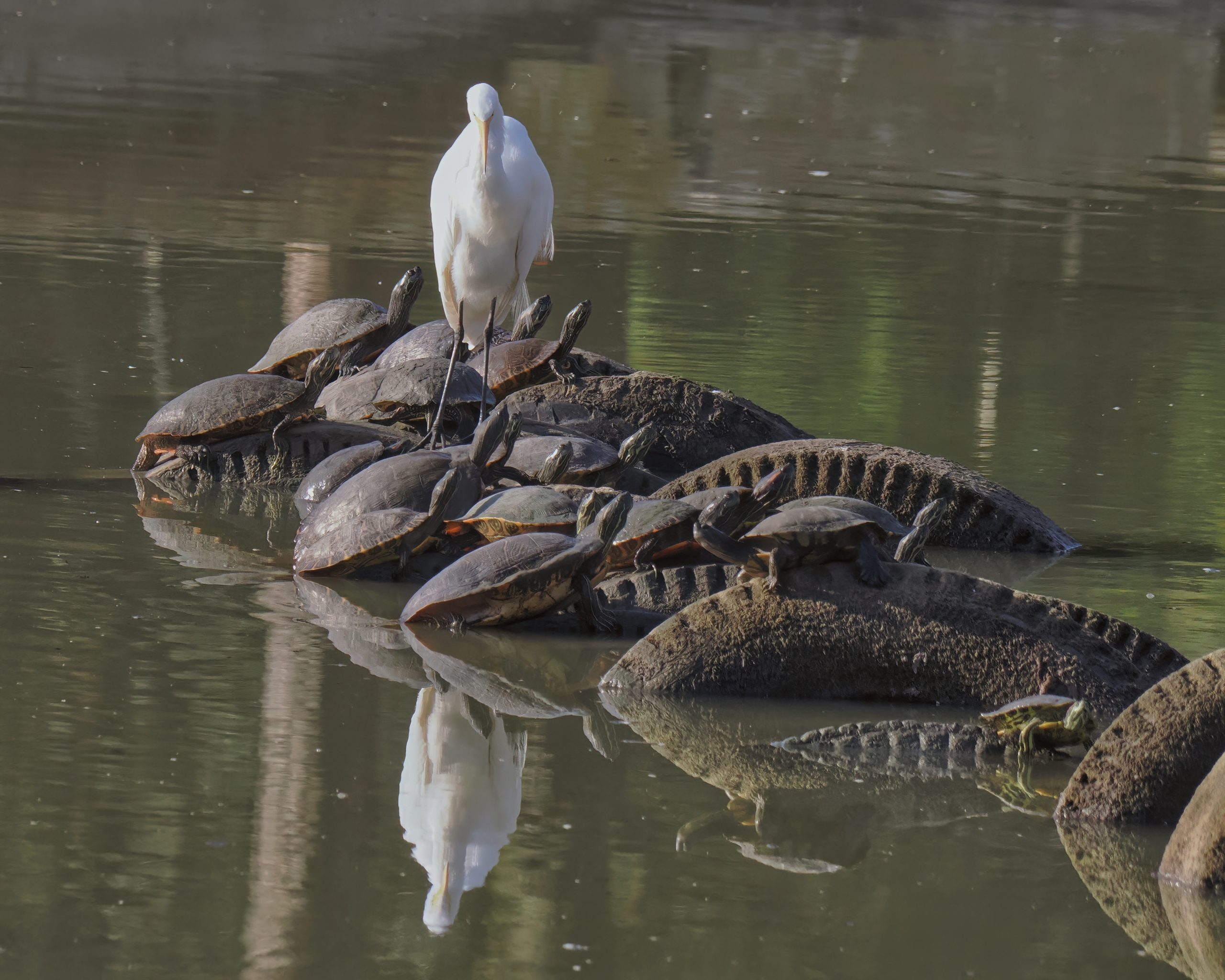
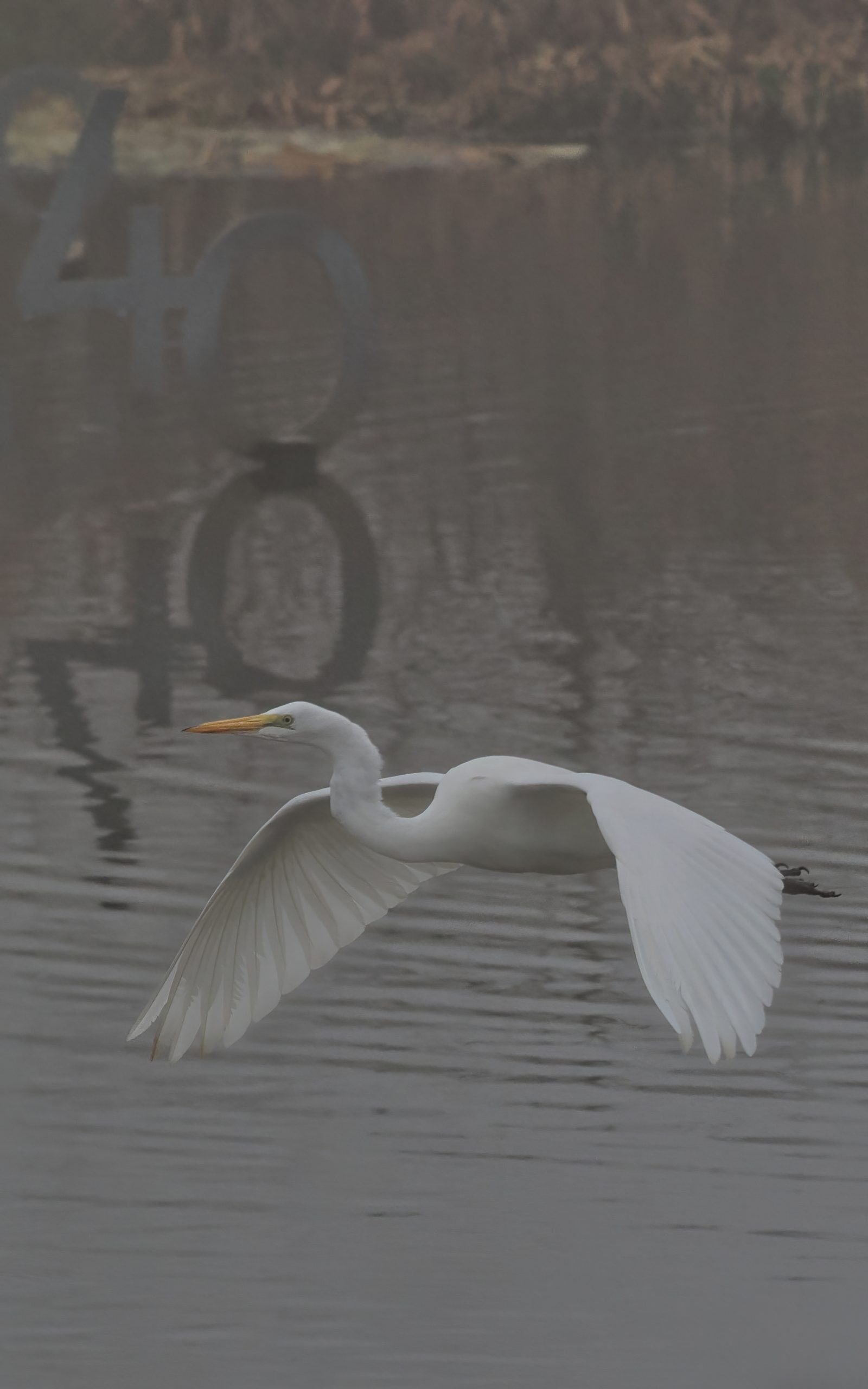
The construction of pilings for a new bridge over McGovern Lake in Hermann Park required the damming of part of the lake and pumping it (sort of) dry. This exposed a row of truck tires upon which turtles congregated. Then a Great Egret came along and this photo. Houston, Texas. No idea why the tires are there!
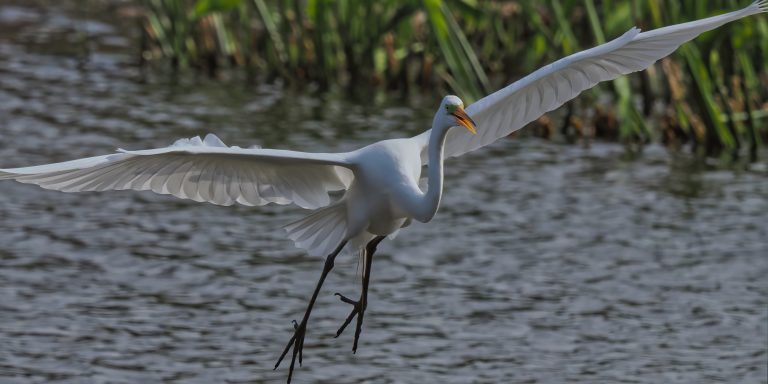
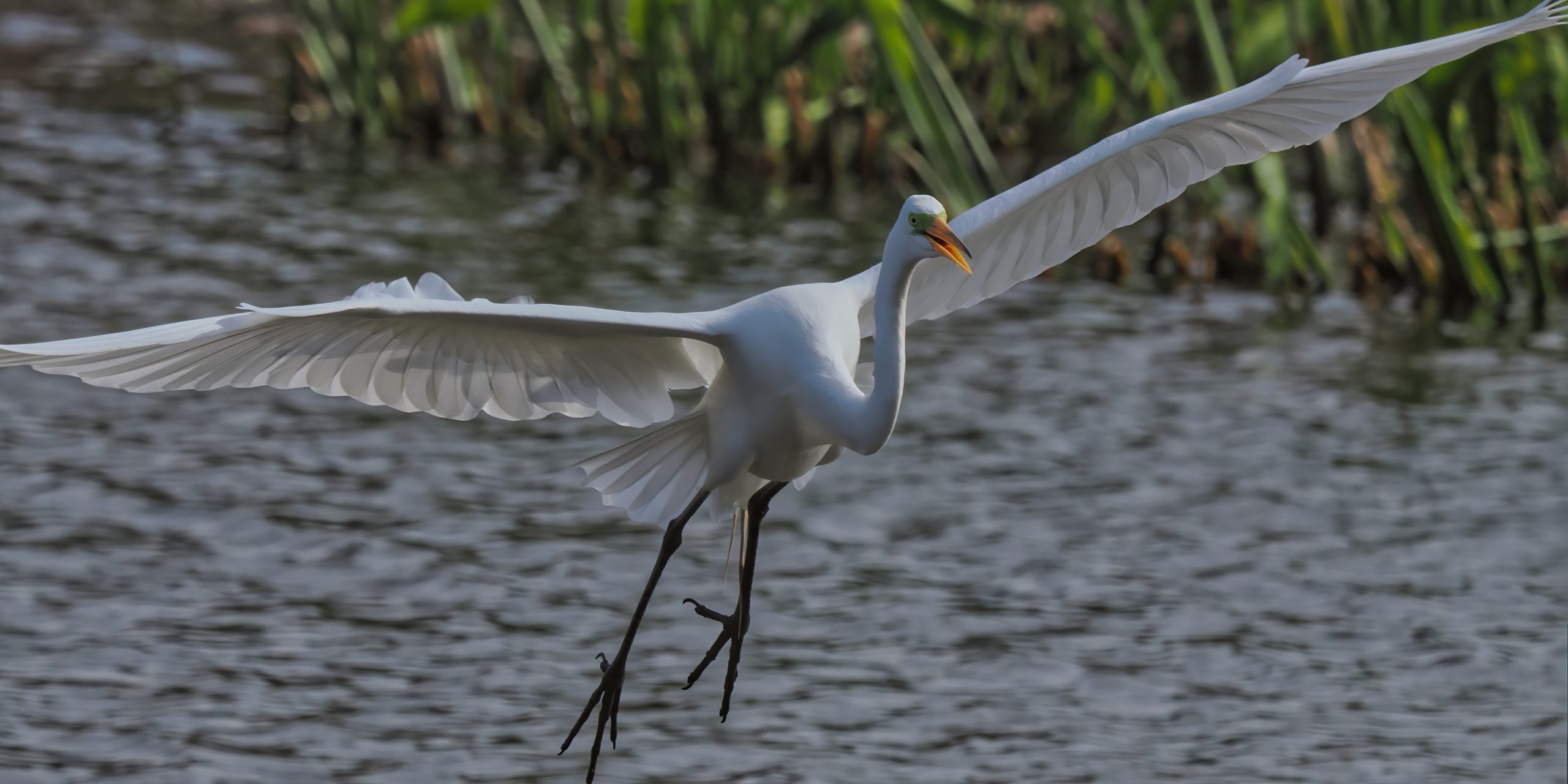
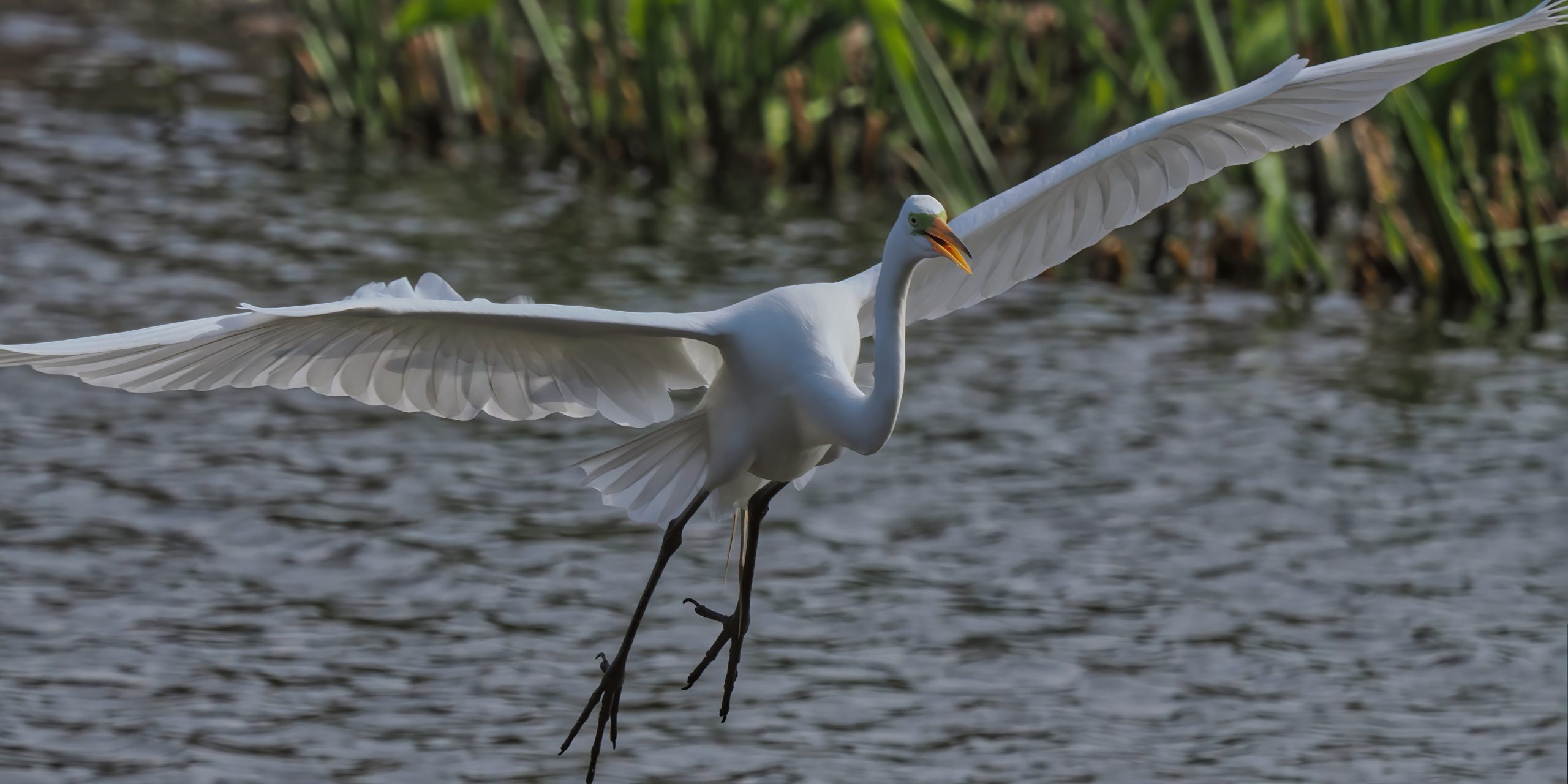
The dominant Great Egret of Riverstone Wetlands is flying to confront (and drive off) a competitor. Zoom into the green lore around the eye, evidence of his breeding status. Sugar Land, Texas.
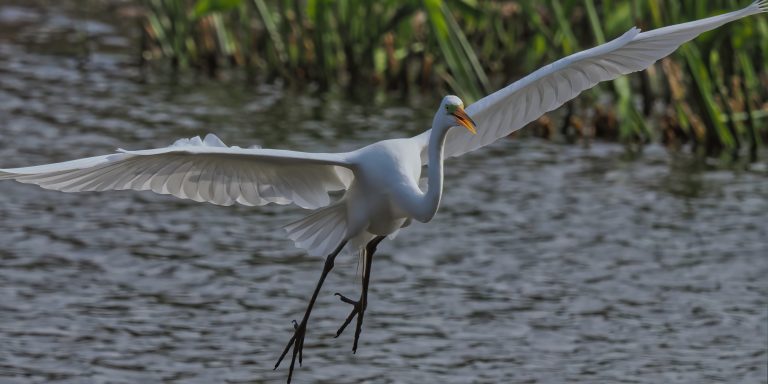
The dominant Great Egret of Riverstone Wetlands is flying to confront (and drive off) a competitor. Zoom into the green lore around the eye, evidence of his breeding status. Sugar Land, Texas.
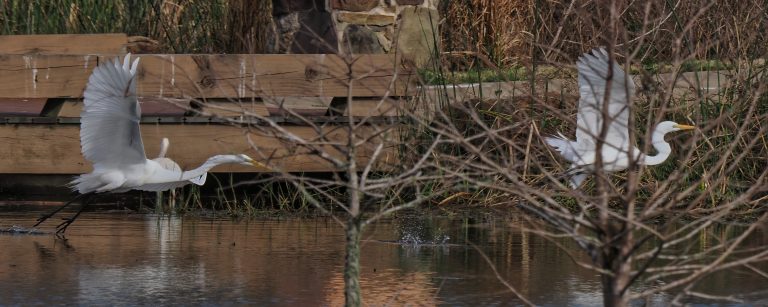
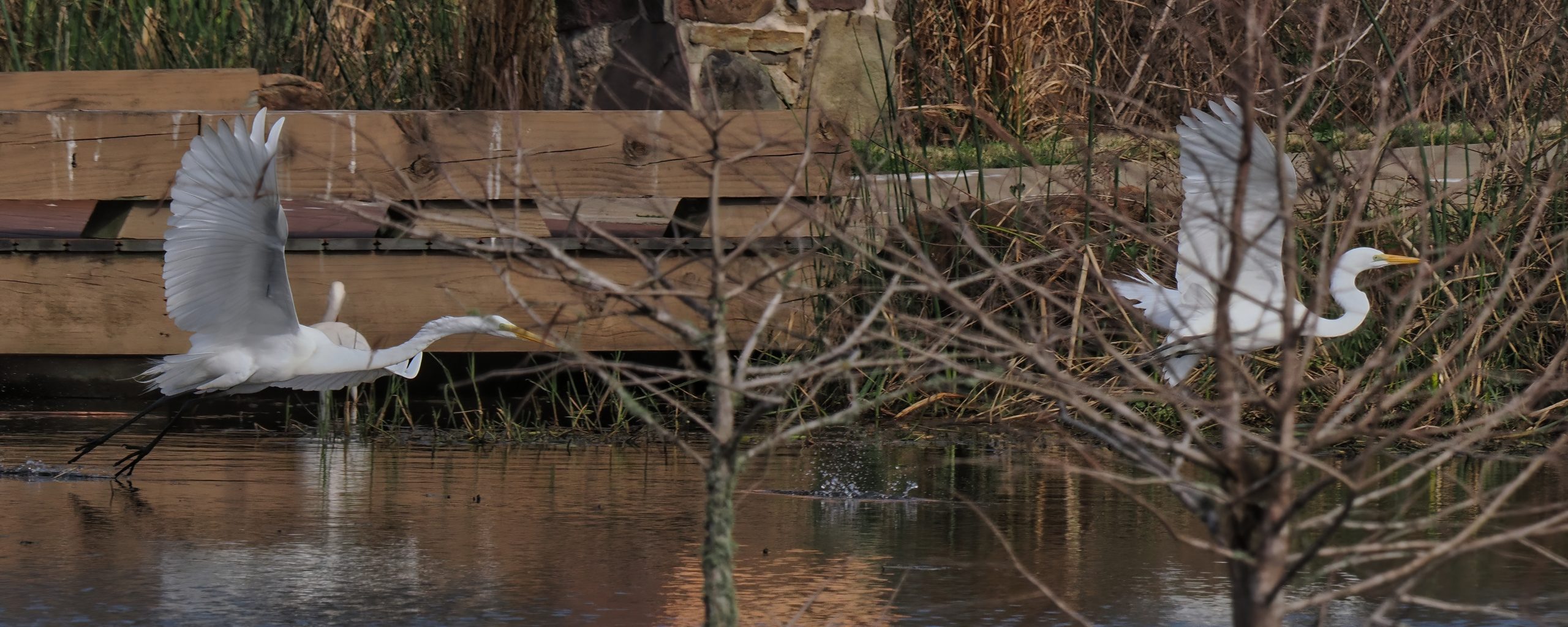
The dominant Great Egret of Riverstone Wetlands is chasing a competitor out of his territory. Sugar Land, Texas.
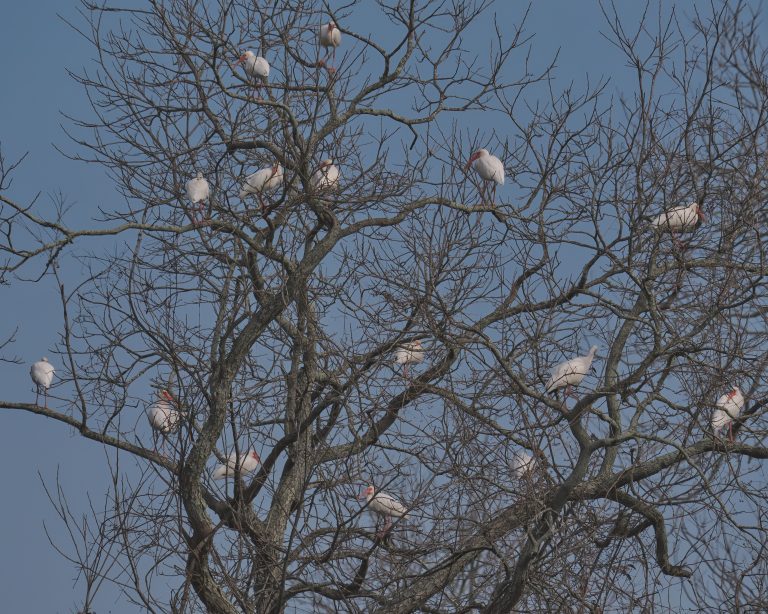
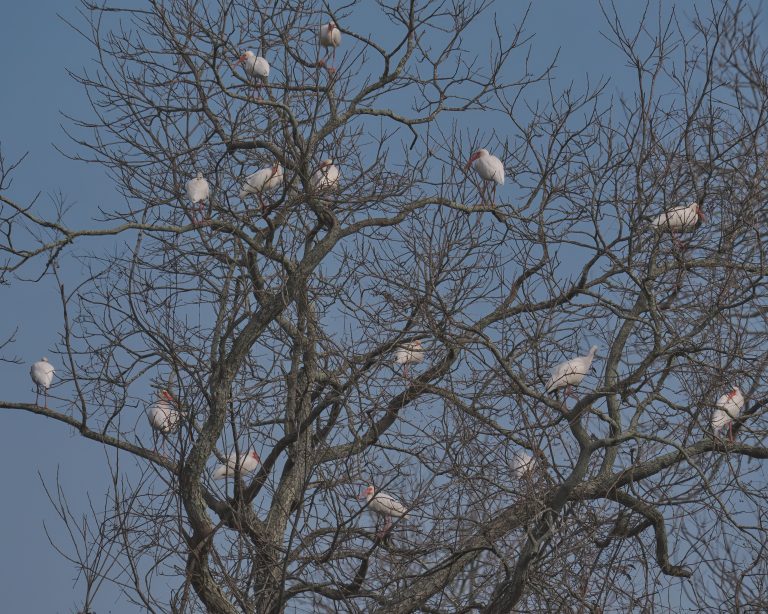
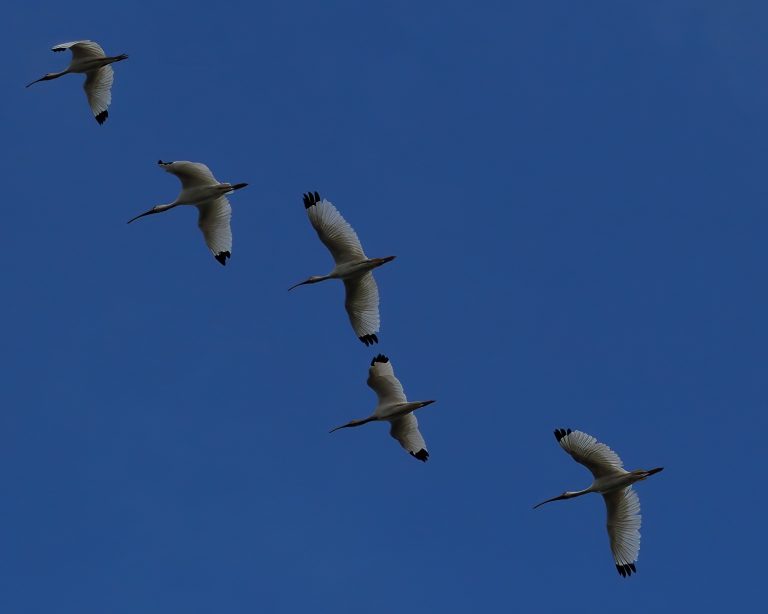
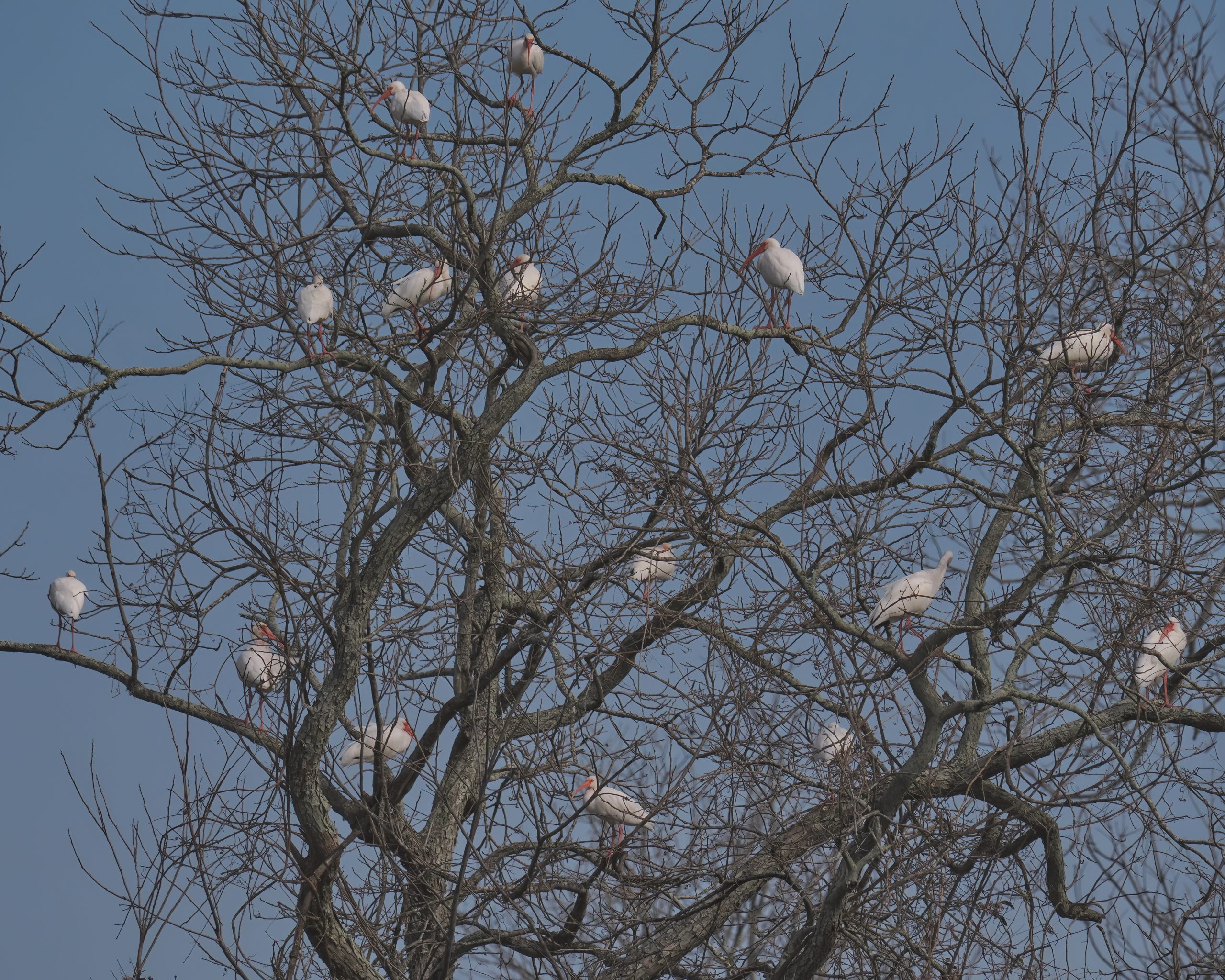
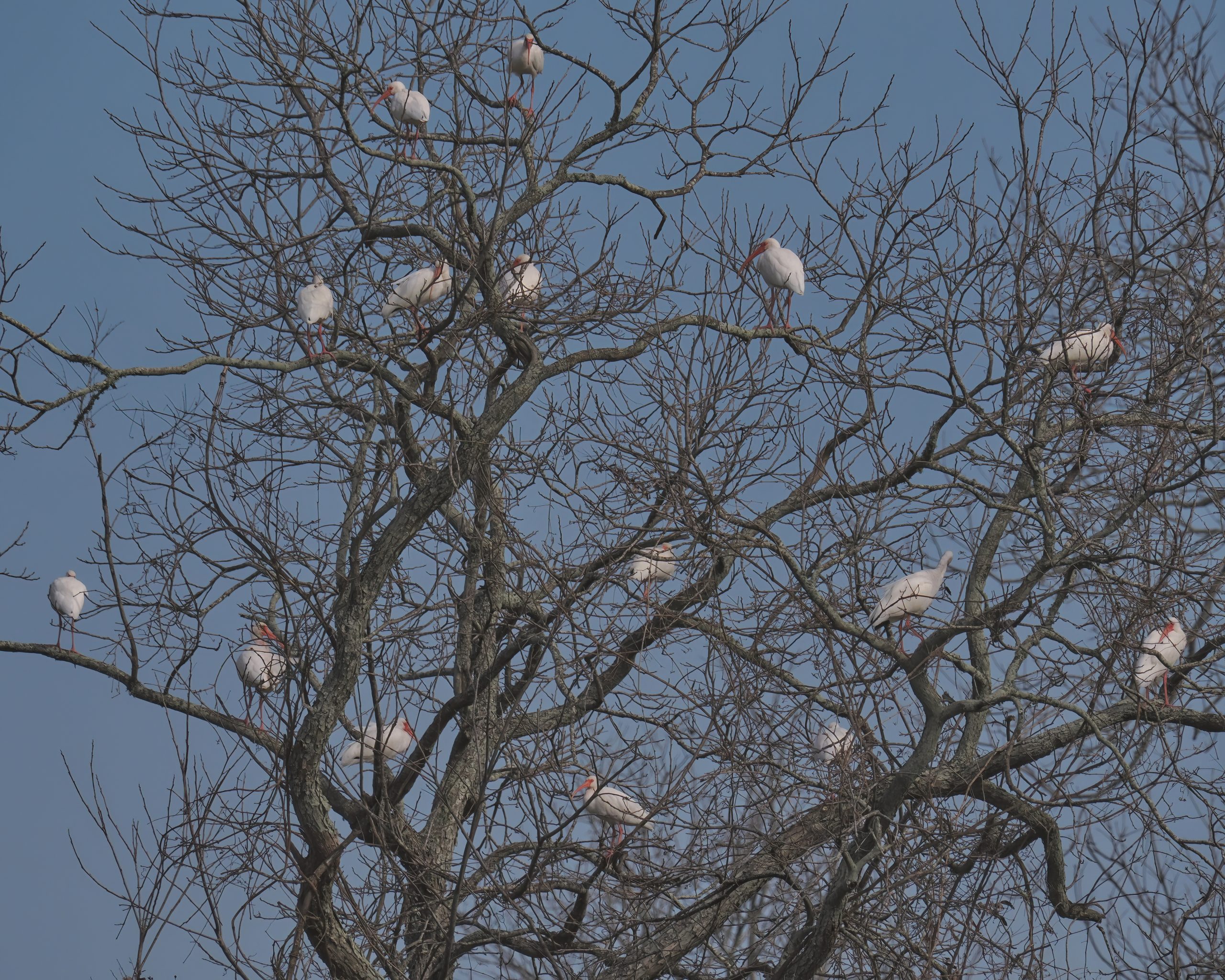
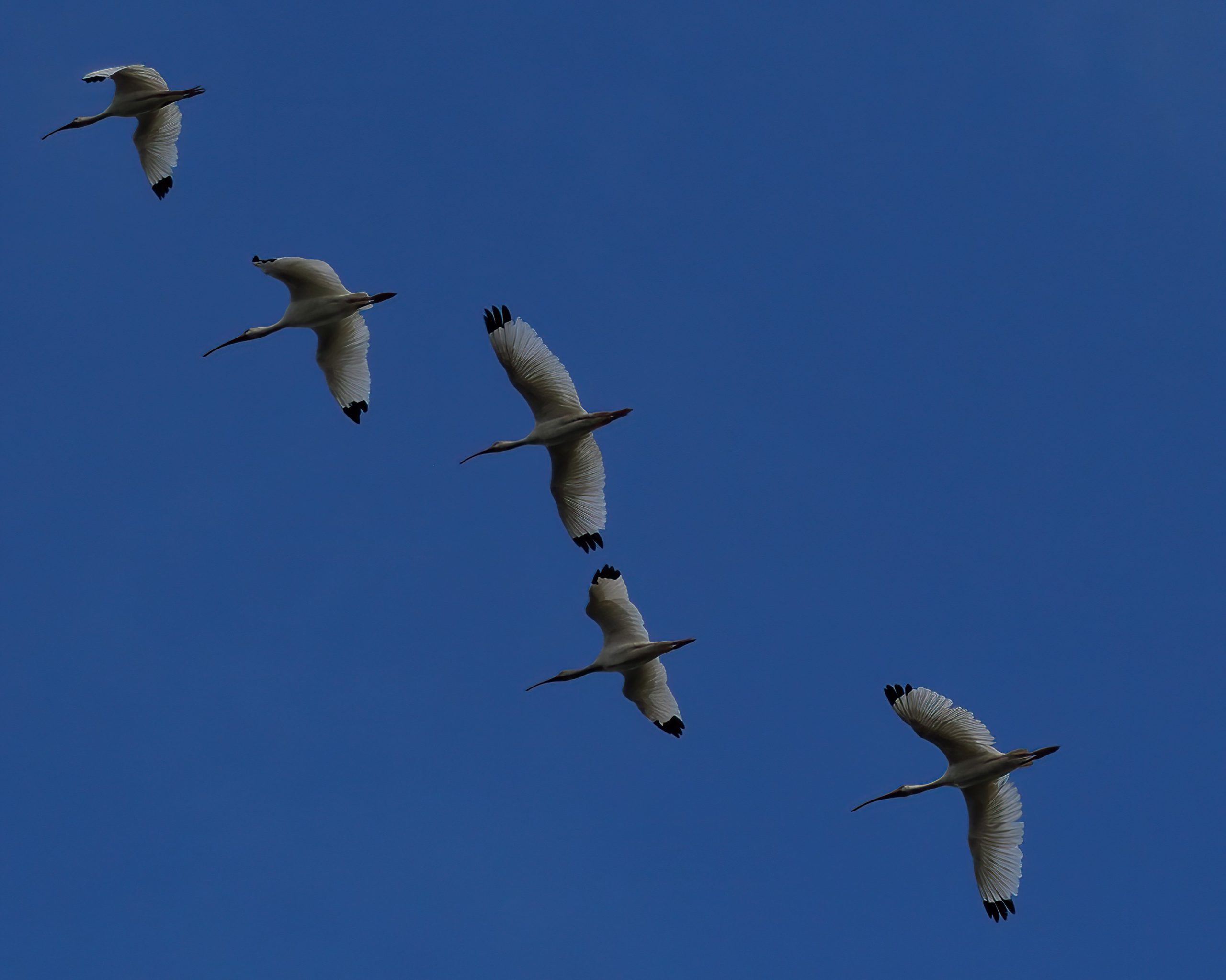
This day a flock of Ibis descended upon Riverstone Wetlands, Sugar Land, Texas.
This day a flock of Ibis descended upon Riverstone Wetlands, Sugar Land, Texas.
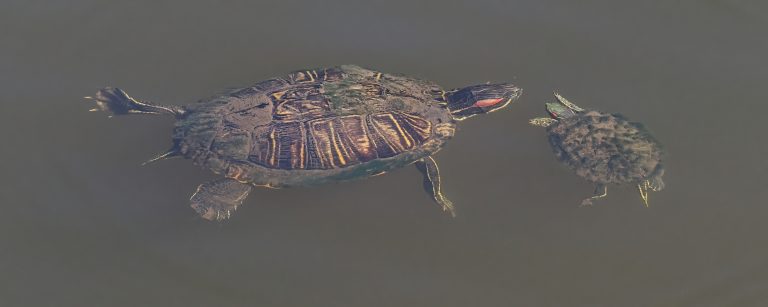
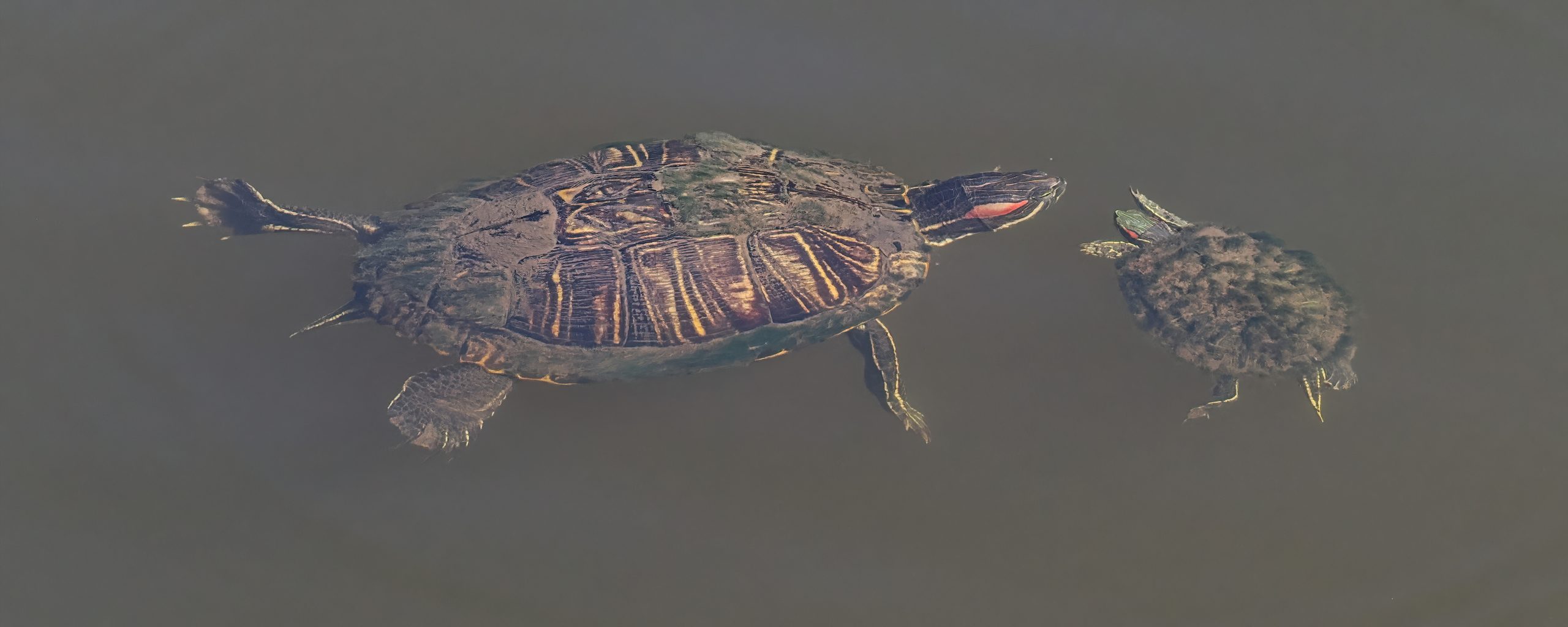
The small turtle (Red-eared Slider) is continually maneuvering to snuggle up face-to-face with the larger turtle. But the big turtle continually brushes off the little guy. Amazing to me that turtles have a social life! Riverstone Wetlands, Sugar Land, Texas.
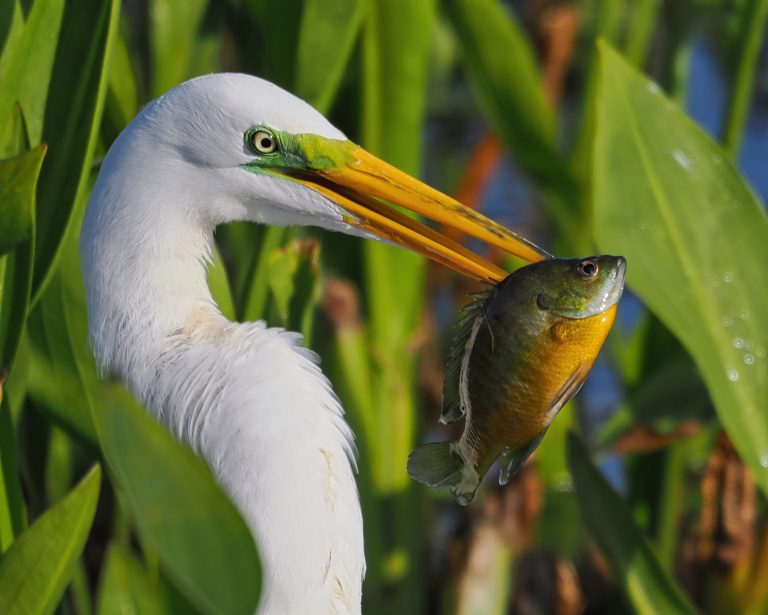
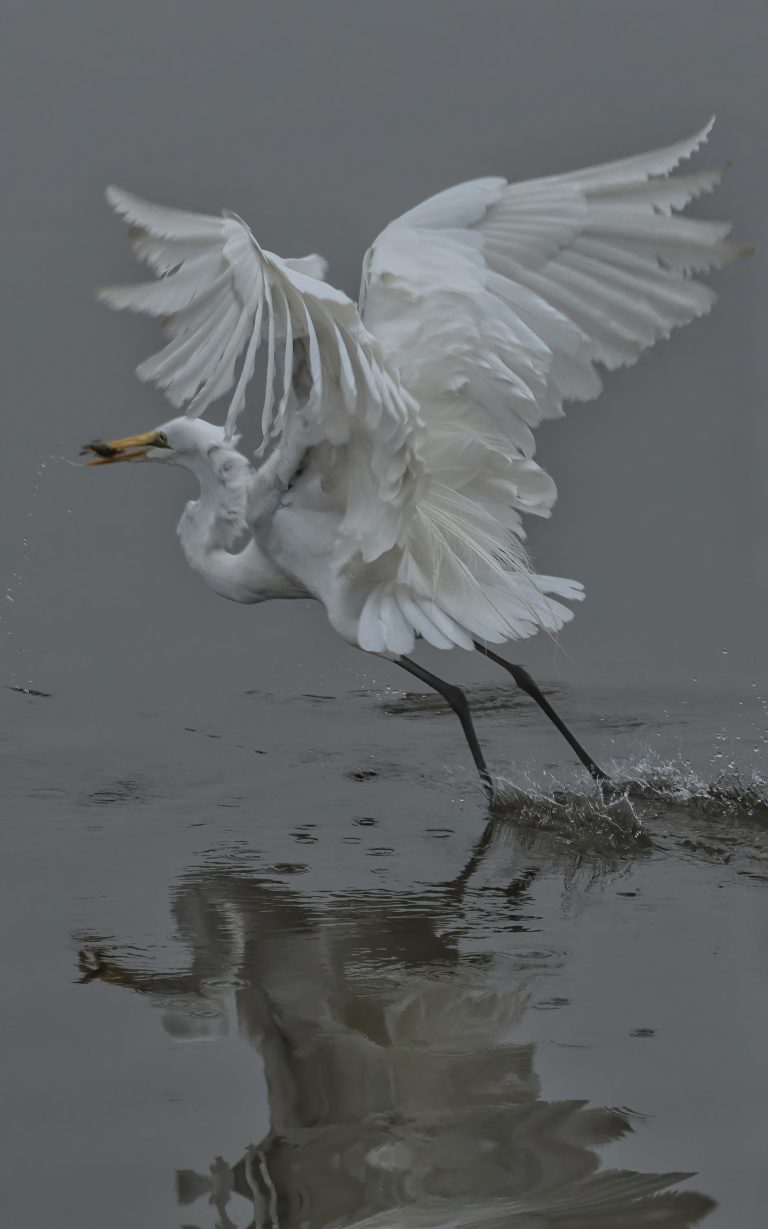
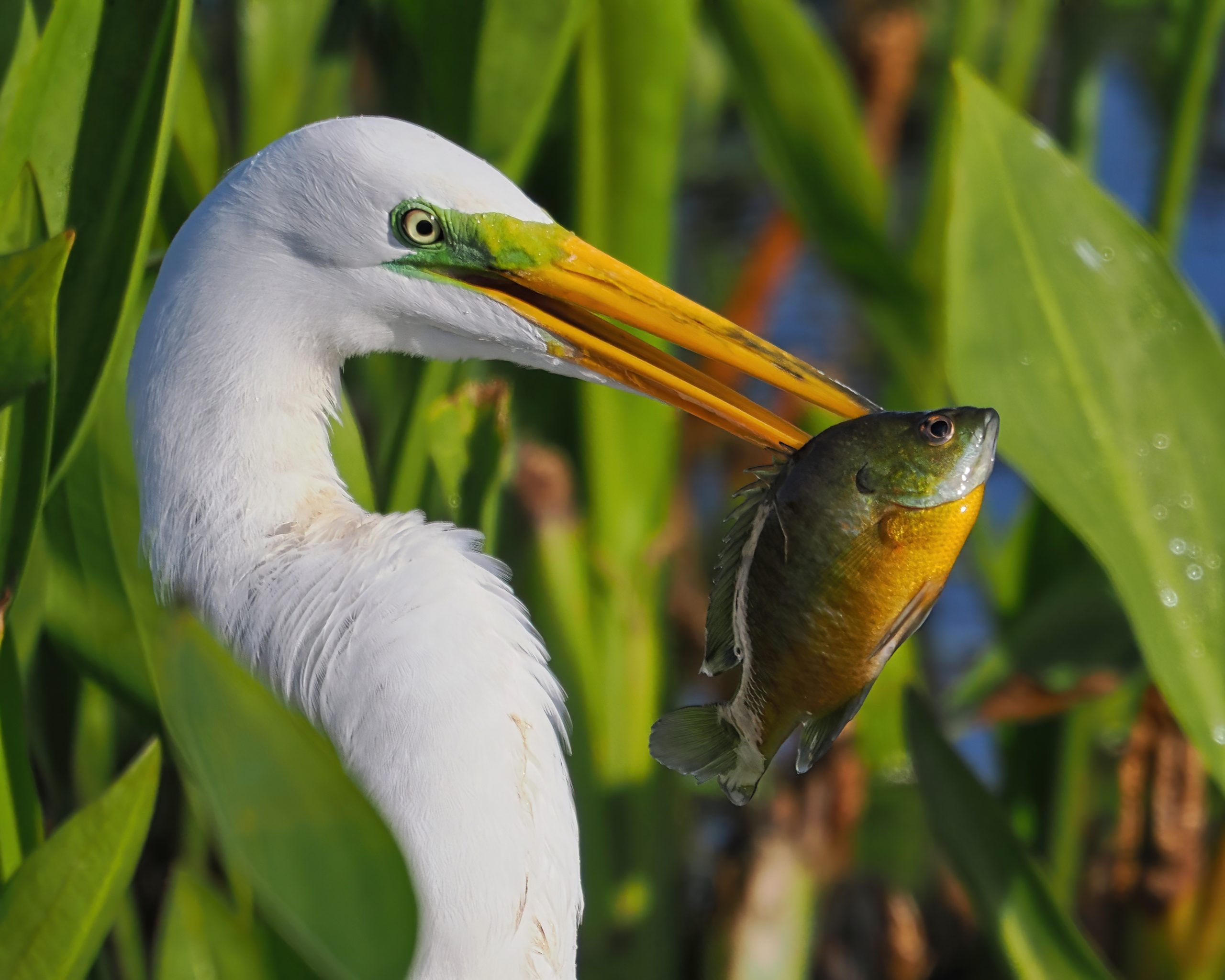
The dominant Great Egret of Riverstone Wetlands (note the increasingly green lore about the eye) uses his lower beak to impale a Bluegill (Lepomis macrochirus). He devoured it whole. Sugar Land, Texas.
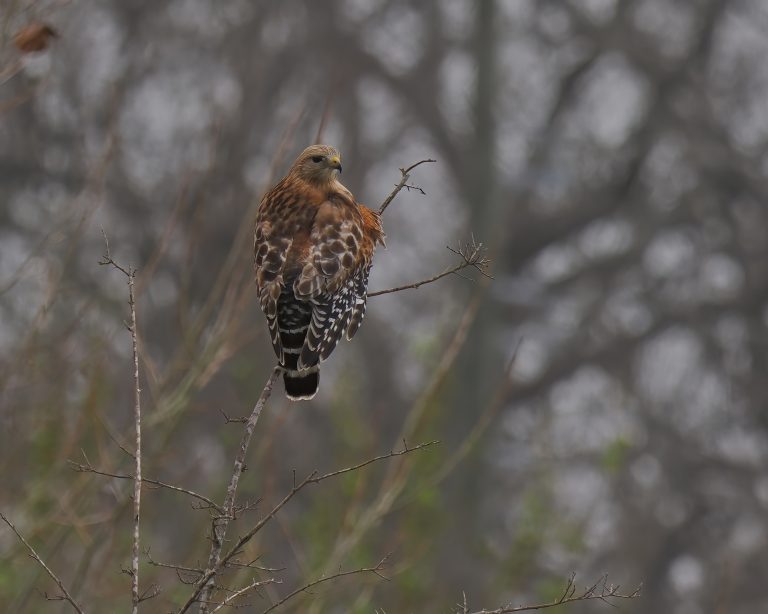
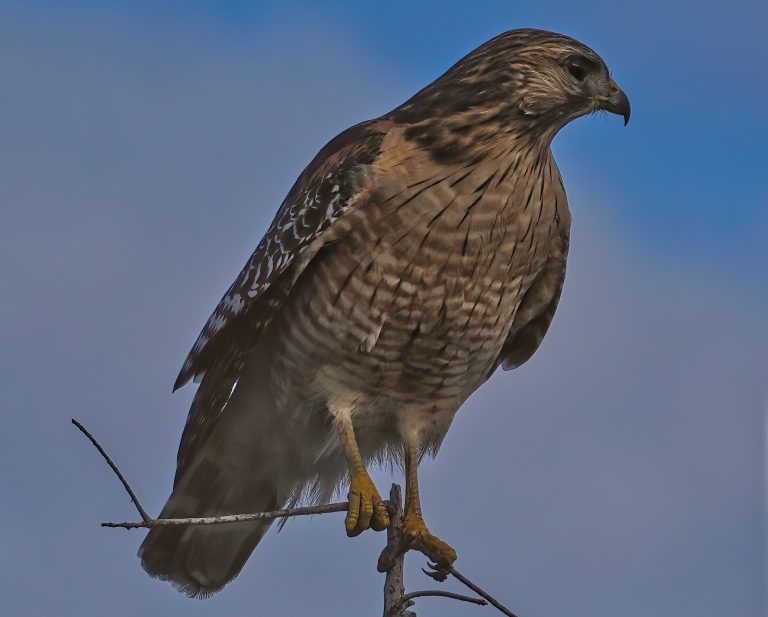
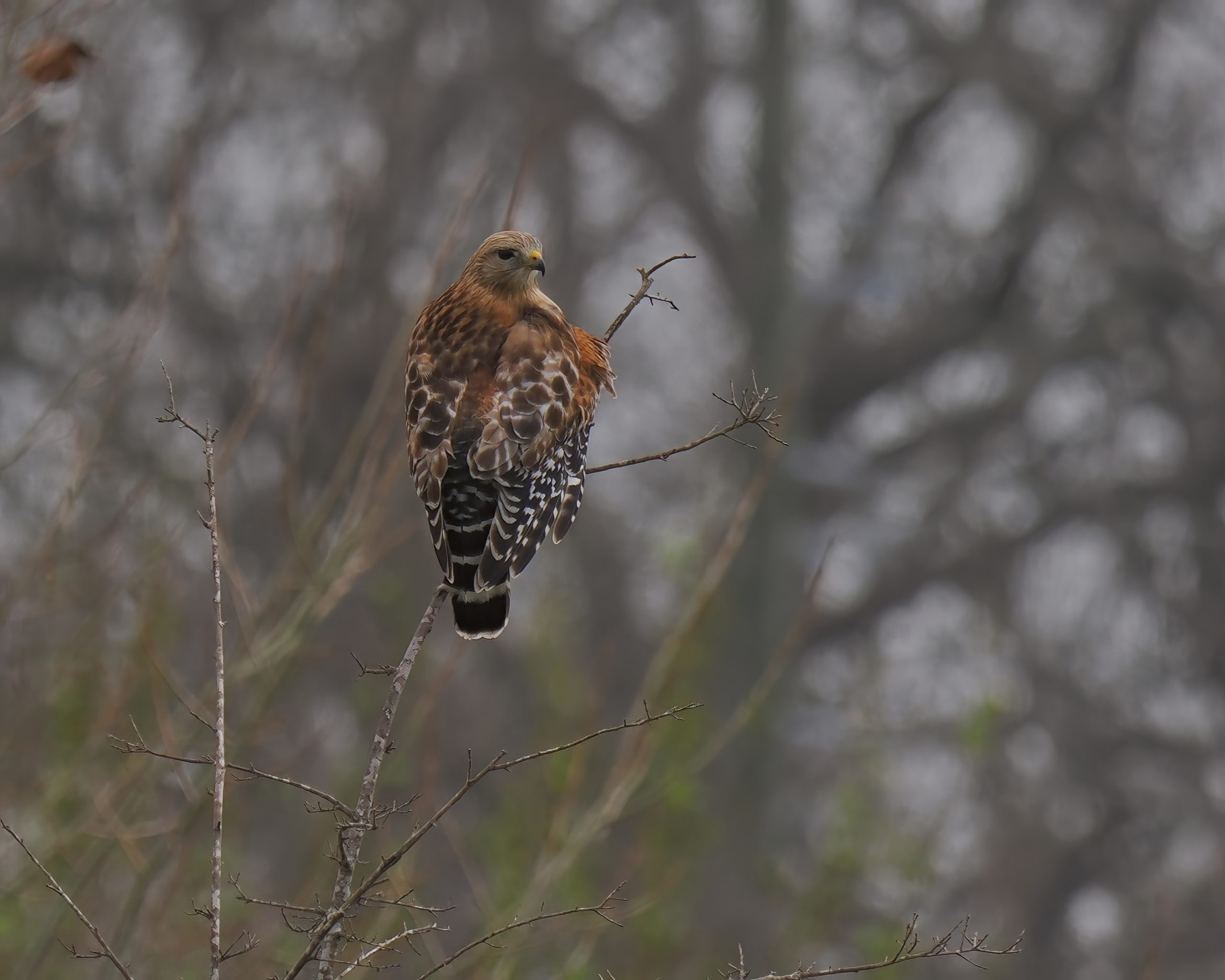
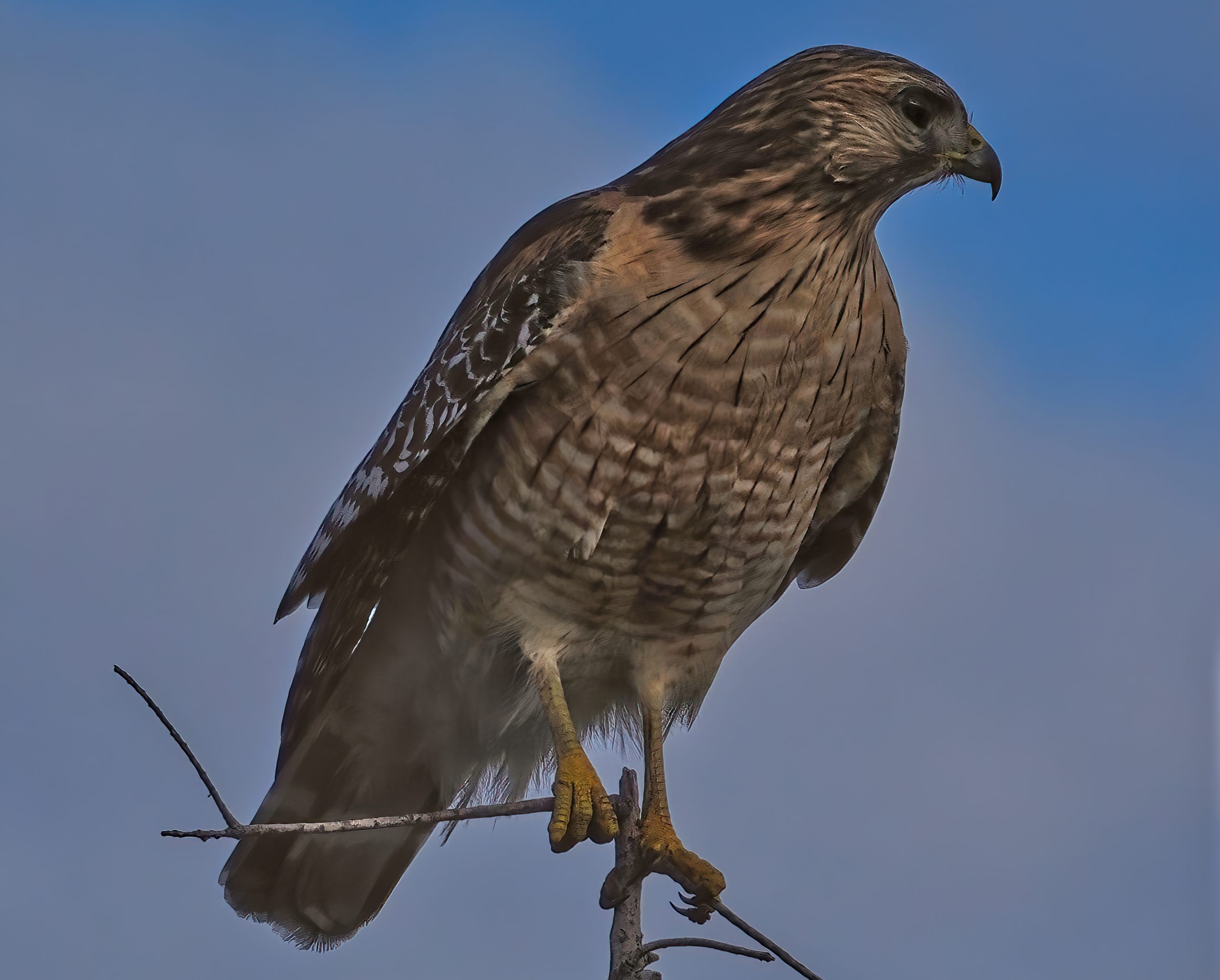
Red-shouldered Hawk (Buteo lineatus). Riverstone Wetlands, Sugar Land, Texas.
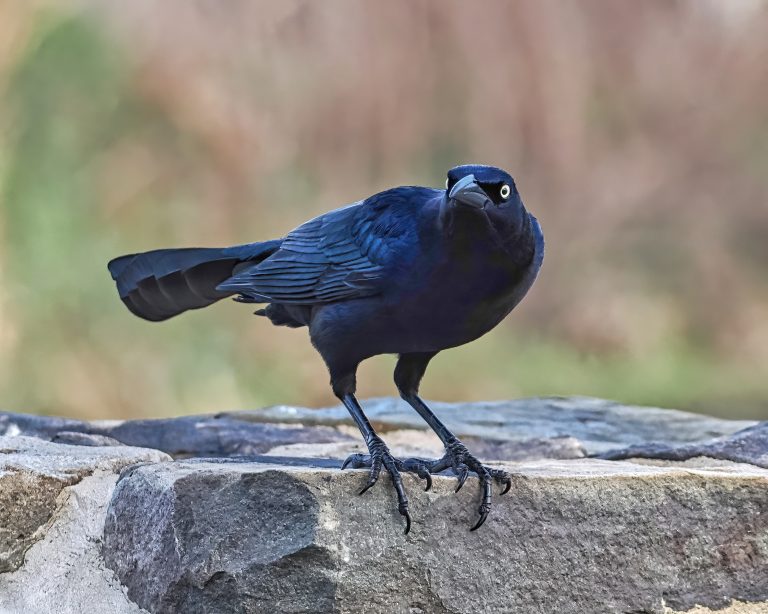
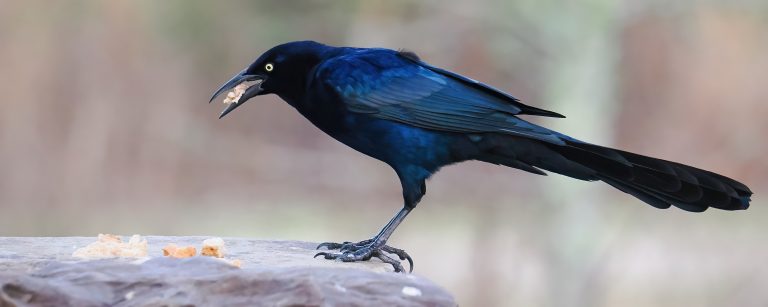
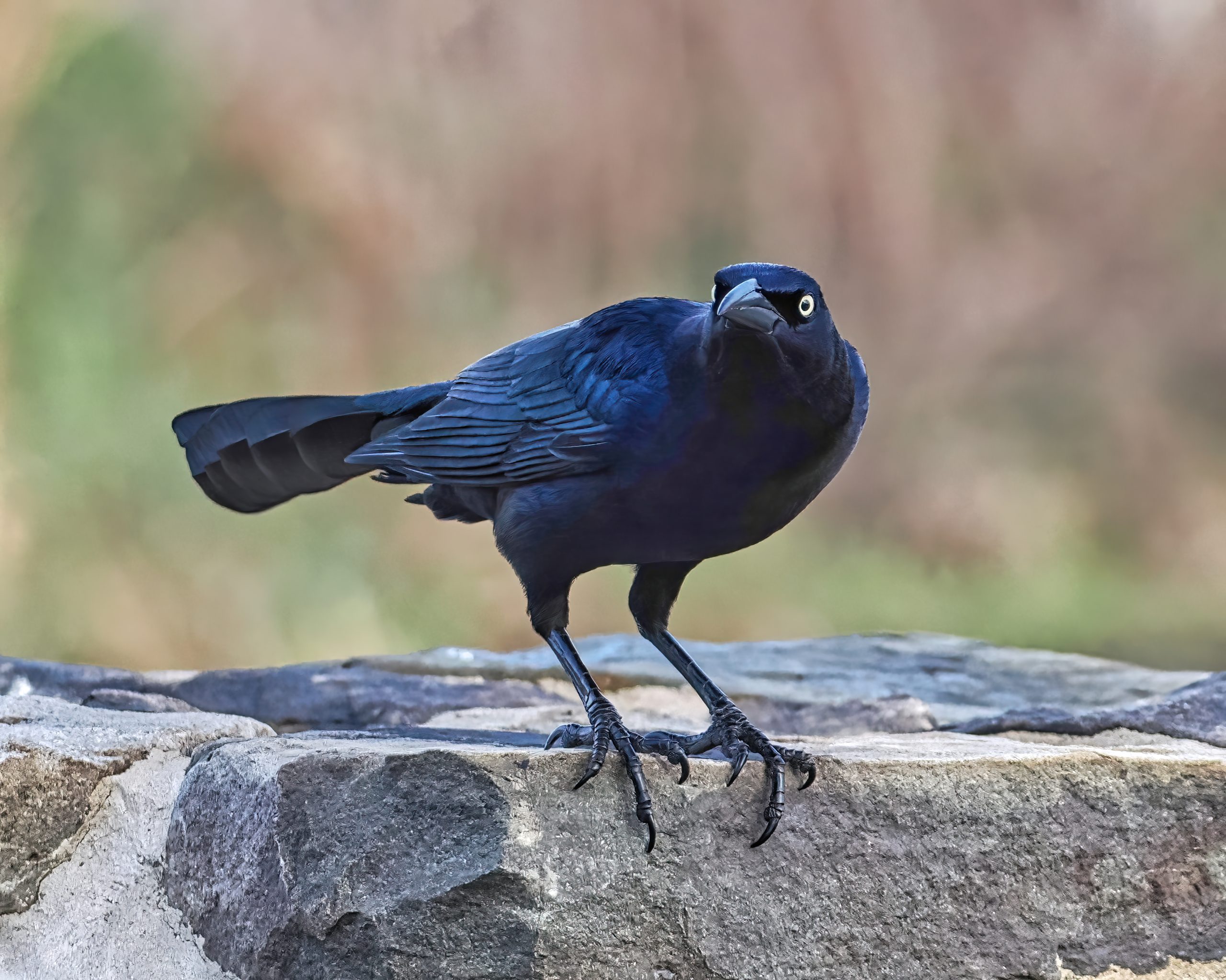
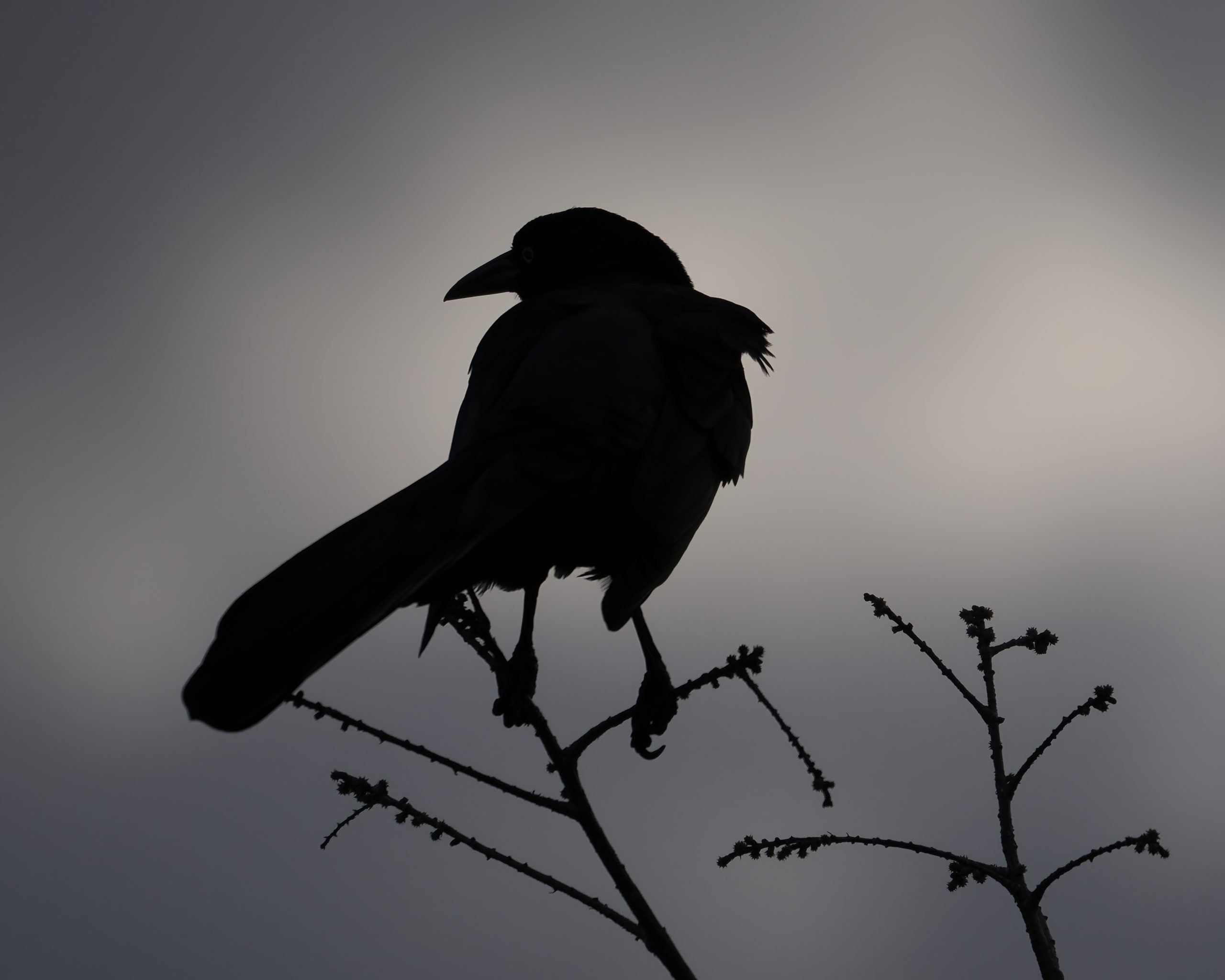
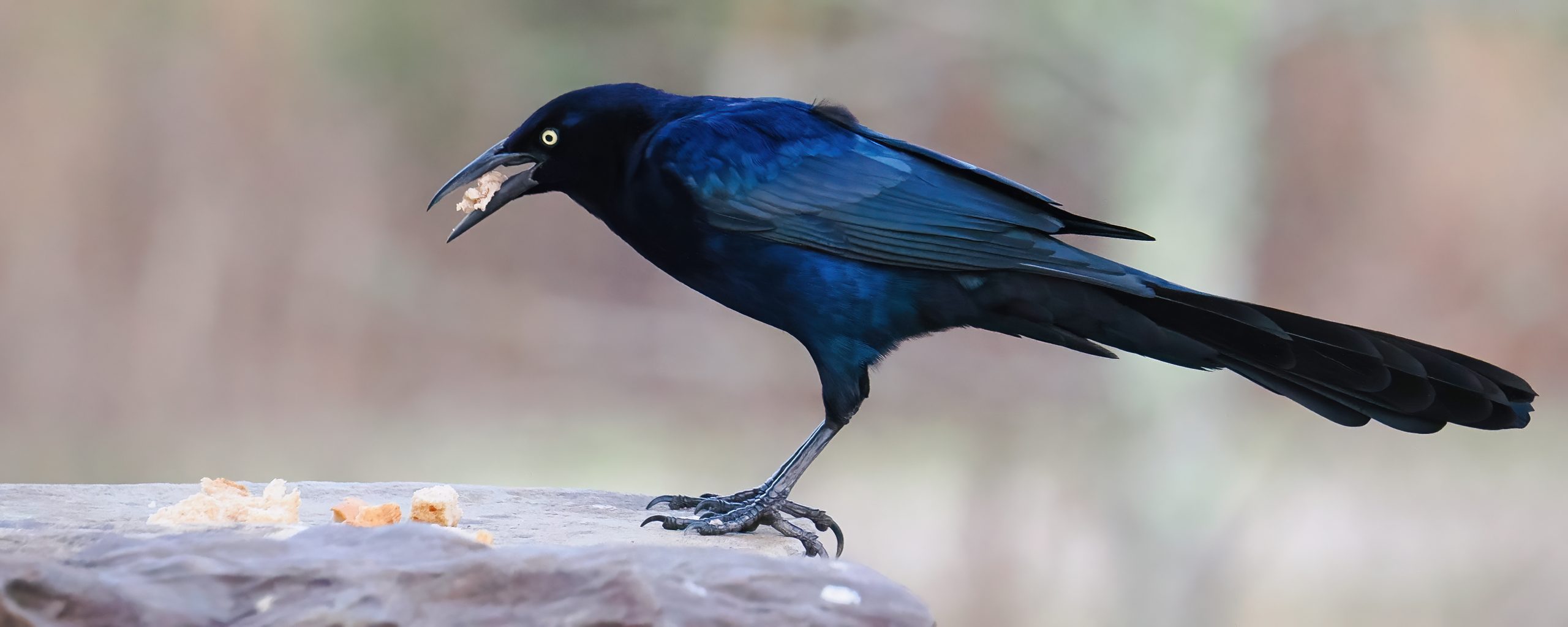
The yellow eyes identify this Great-tailed Grackle (Quiscalus mexicanus) as great-tailed and not boat-tailed. Native to the south-western States, Mexico and Central America. Riverstone Wetlands, Sugar land, Texas.
Great Egret in the Riverstone Wetlands, Sugar Land, Texas.
I
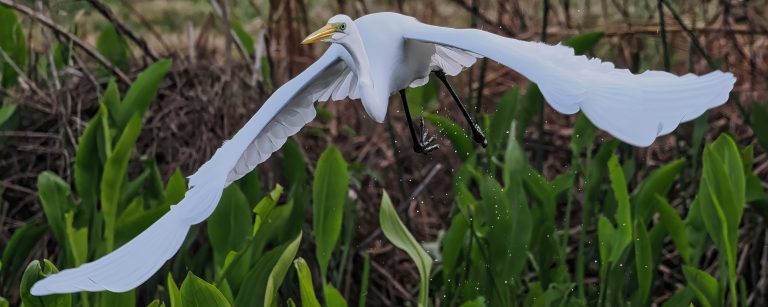
Great Egret flying through the bush at Riverstone Wetlands, Sugar Land, Texas.
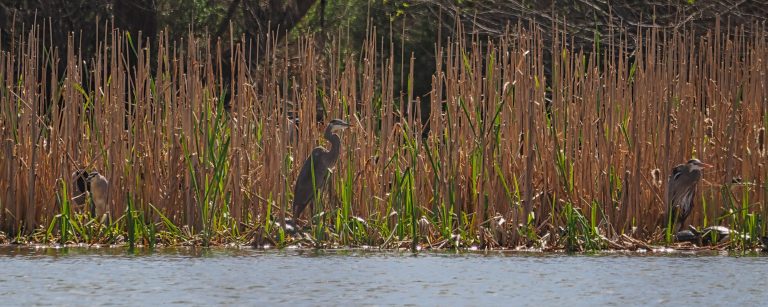
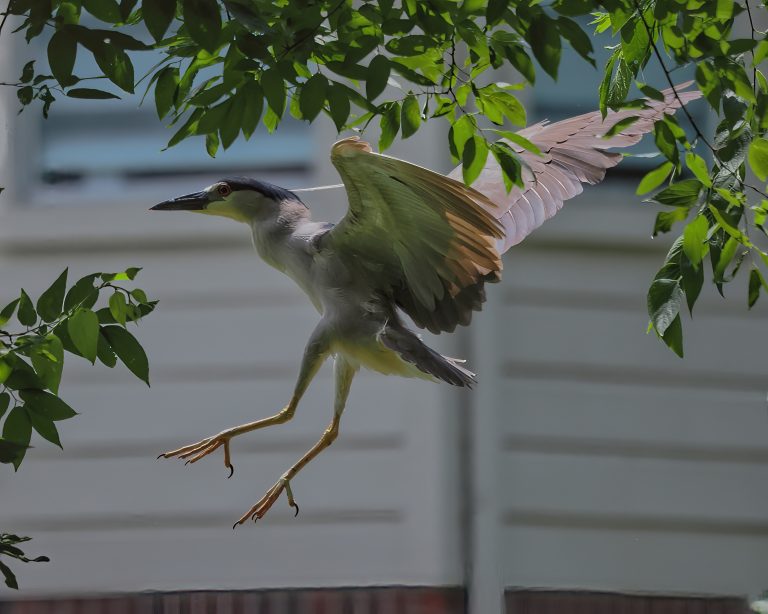
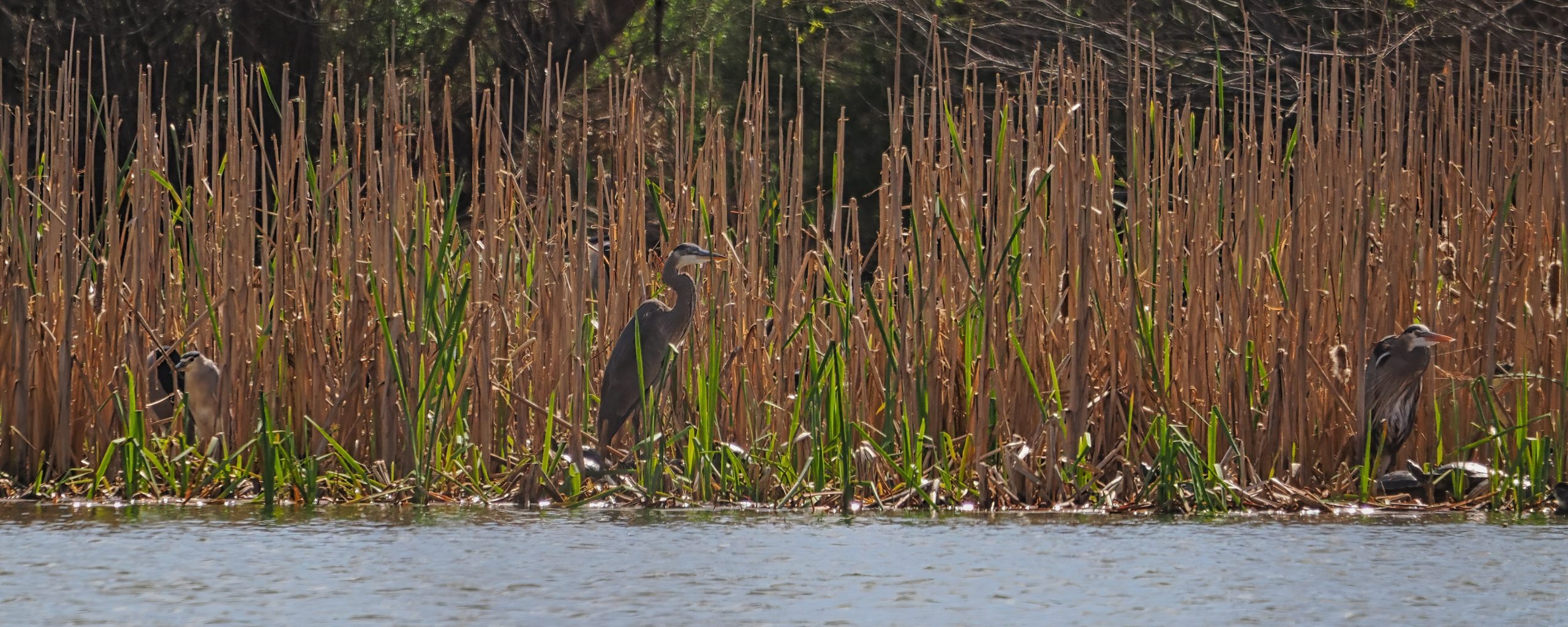
The polishing pond at Cross Creek Ranch in Fulshear, Texas, was once full of avian species, especially large water birds. But a new freeway nearby, new apartments nearby and new additions to the sewerage plant nearby have caused the birds to retreat to few reedy patches in greatly reduced numbers. Here they are, some of them, Black-drowned Night Herons, Great Blue Herons and a few turtles, too. Still, a nice photo.
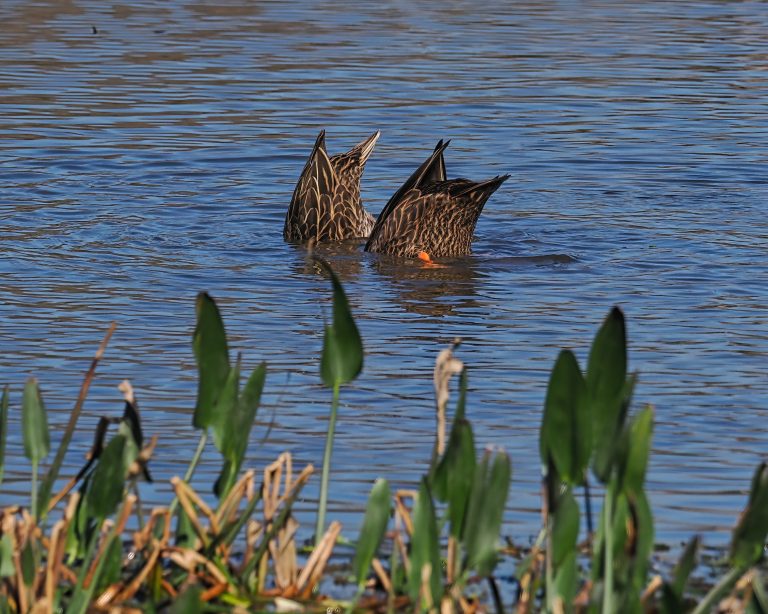
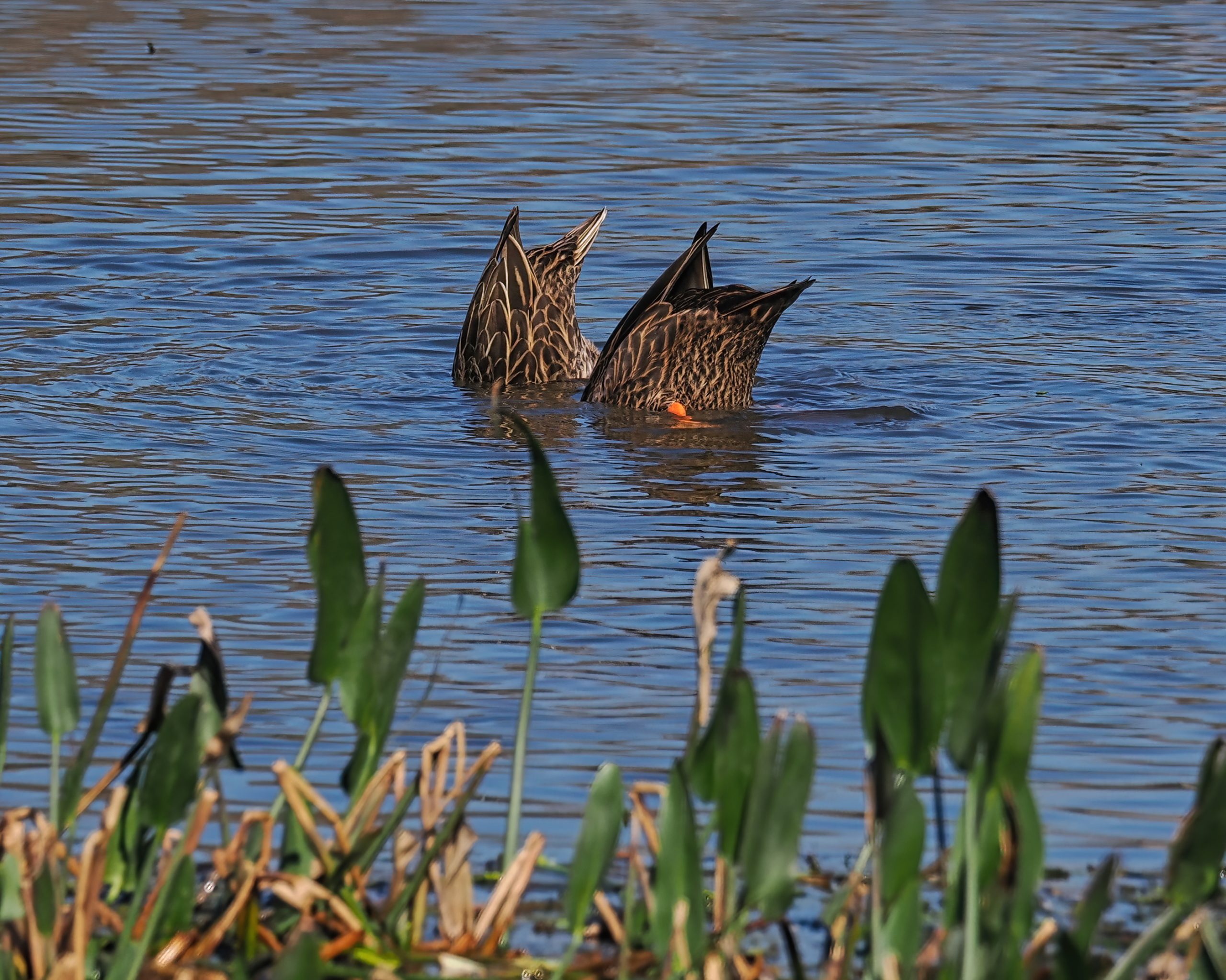
A pair of Mottled Ducks (Anas fulvigula) foraging in the Riverstone Wetlands, Sugar Land, Texas.
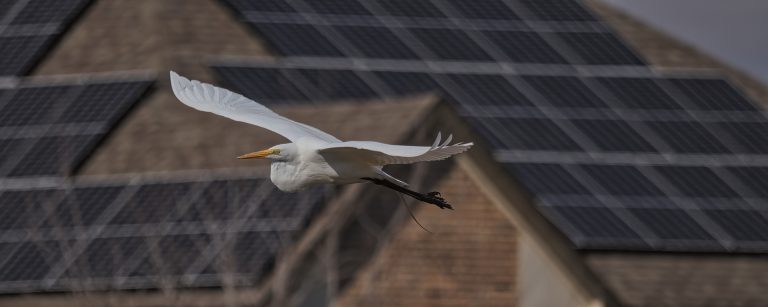
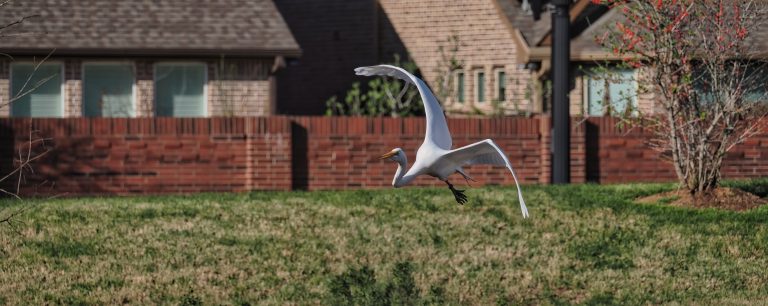
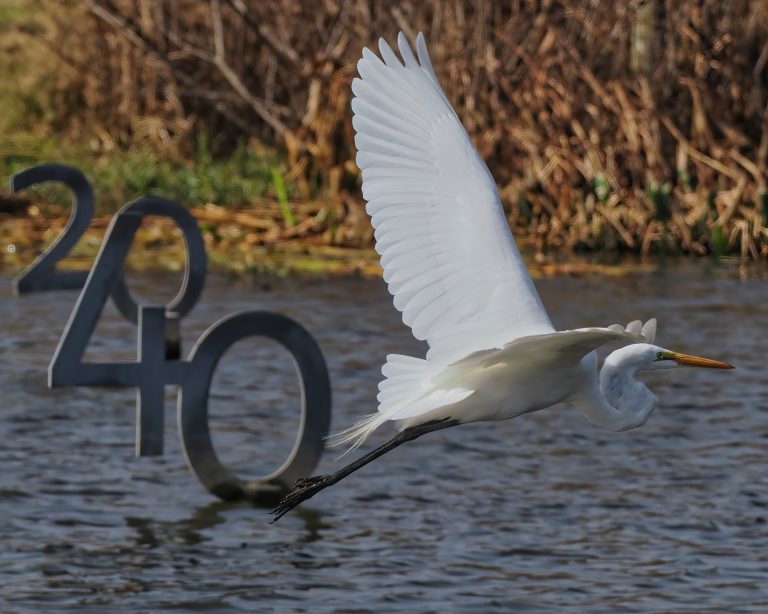
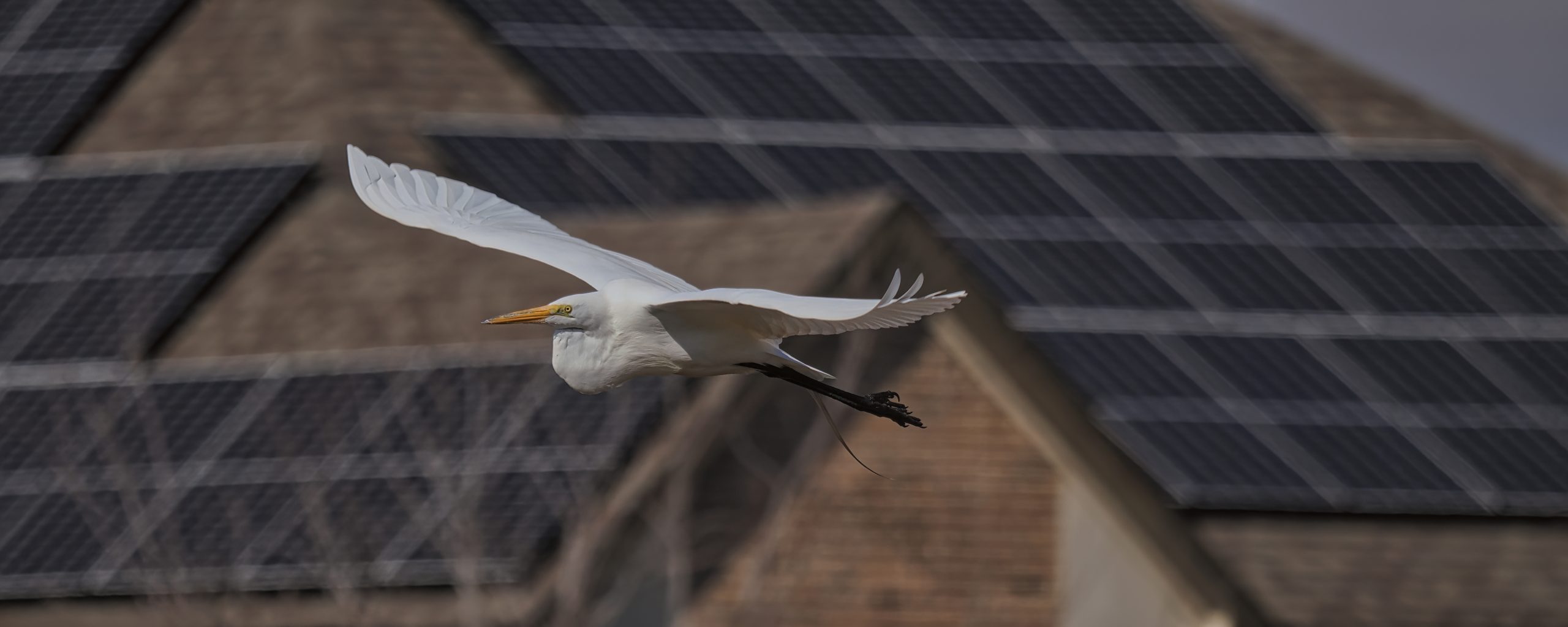
Great Egret flying through the neighborhood. Riverstone Wetlands, Sugar Land, Texas.
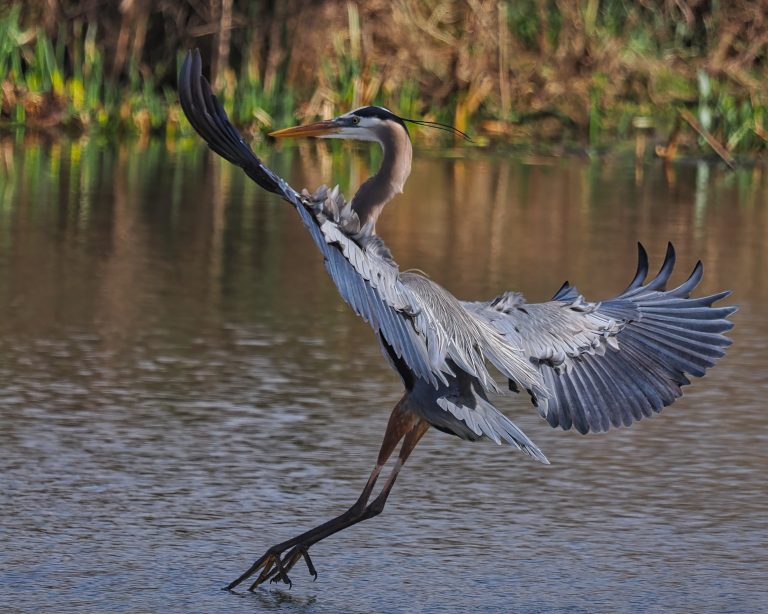
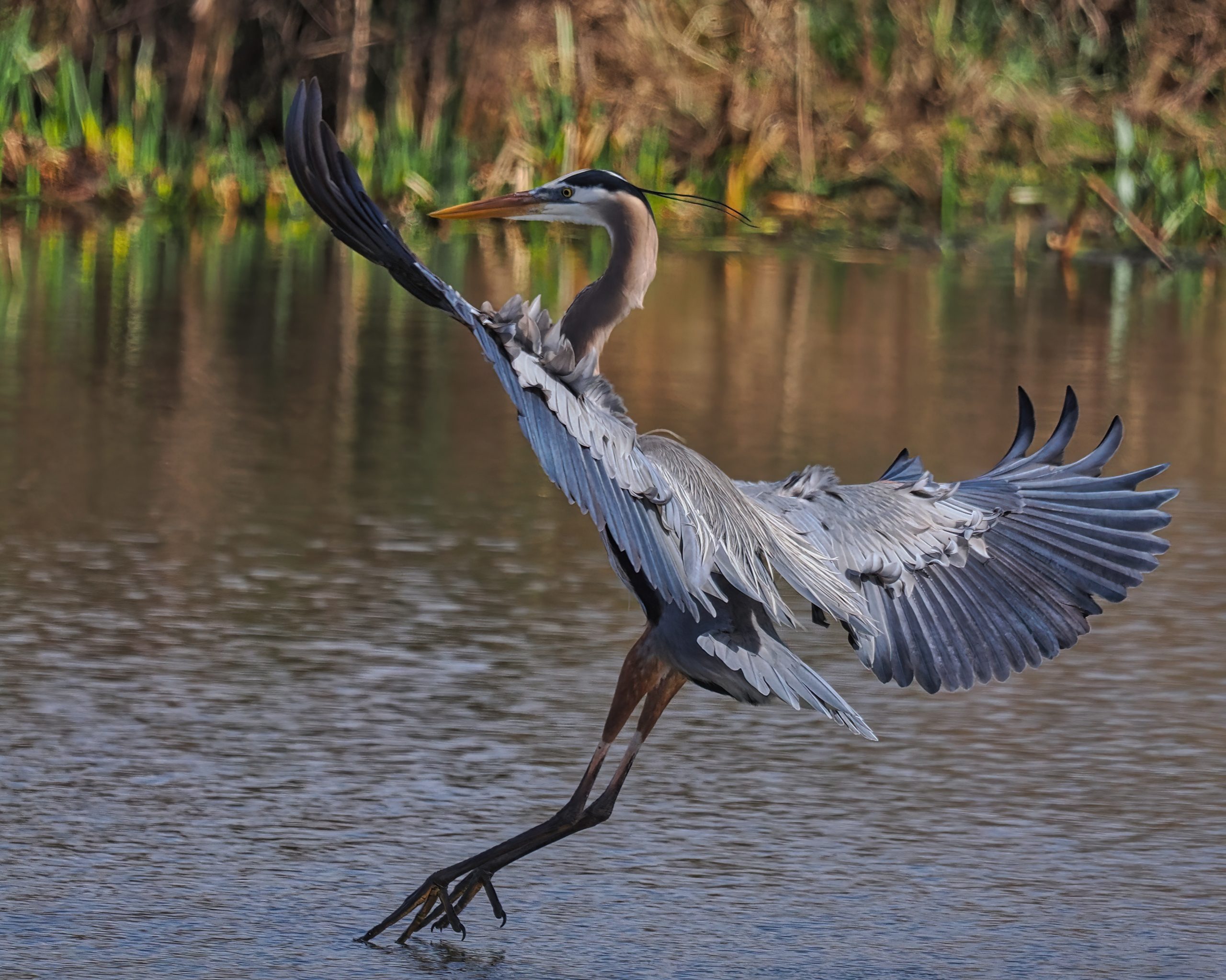
Great Blue Heron touching down in the Riverstone Wetlands, Sugar Land, Texas.
Ardea herodias. Riverstone Wetlands, Sugar Land, Texas.
The appropriately named Steep Bank Creek originates in Oyster Creek more than 3 miles north as the Great Blue Heron flies, wends it way west, then east, passing by my subdivision 1 mile to the north where it drains Double Lake during heavy rains. It then flows on to Riverstone Wetlands where this photo was taken, then south for 4 more miles as that Heron flies where it joins the Brazos River, which flows into the Gulf of Mexico. That
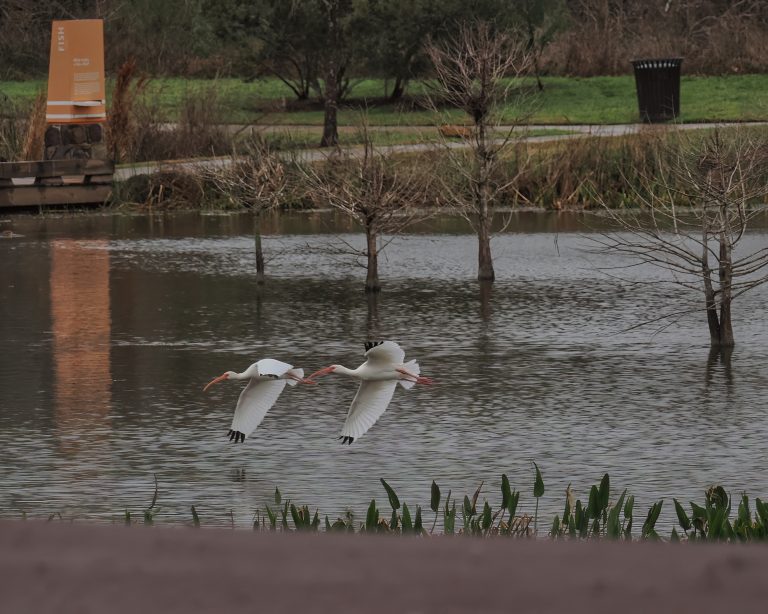
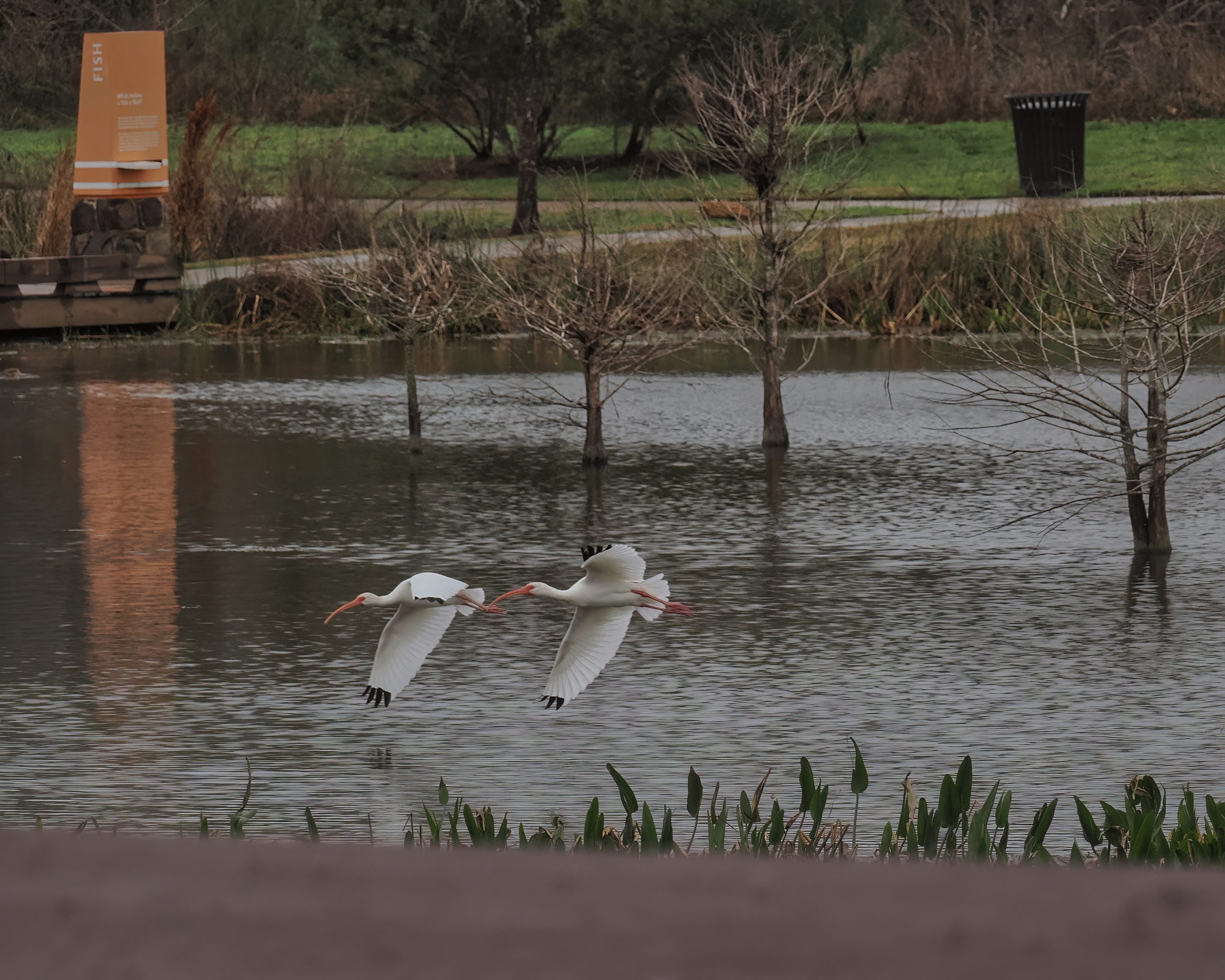
A view from the observation platform of Riverstone Wetlands, a pair of Ibis passing by. Sugar Land, Texas.
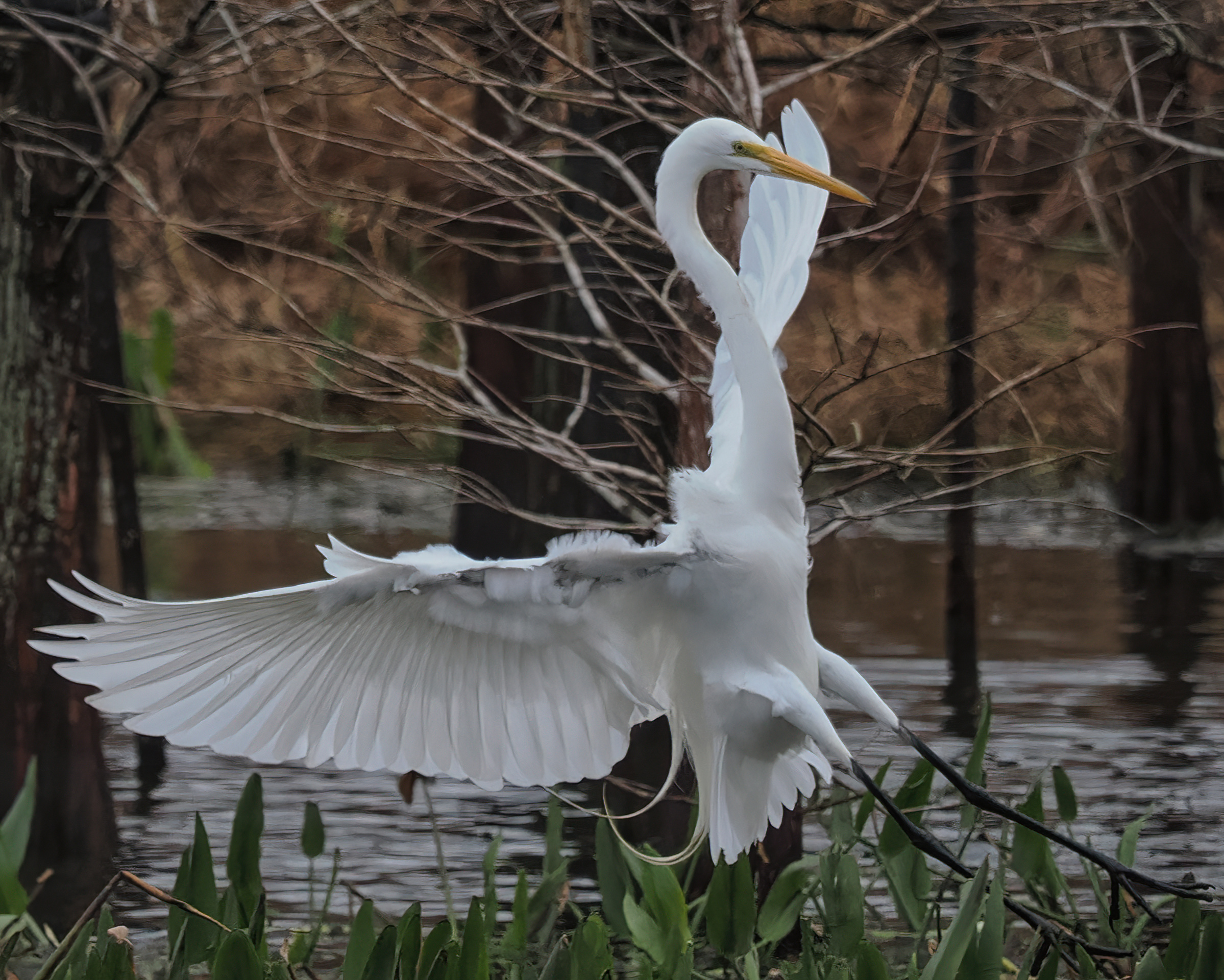
Great Egret screeching to a stop in the Riverstone Wetlands, Sugar Land, Texas.
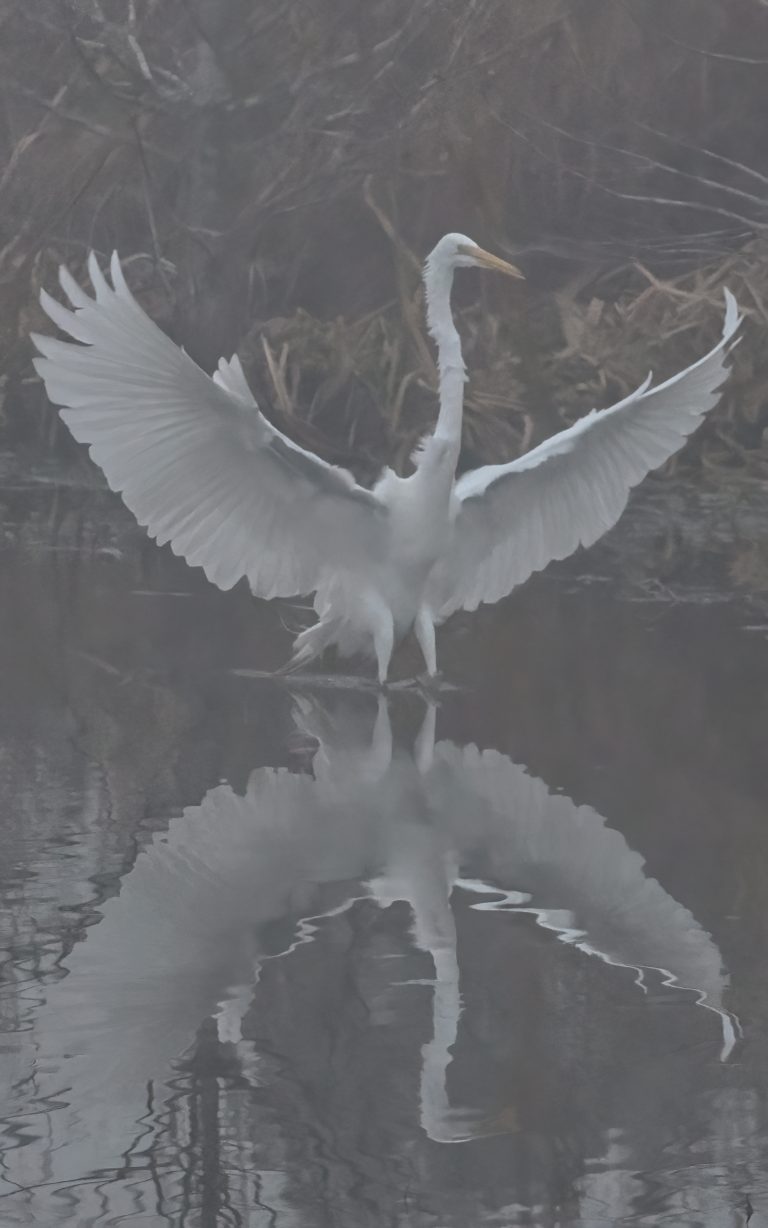
Dreary day but the Egrets were flying in the Riverstone Wetlands, Sugar Land, Texas.
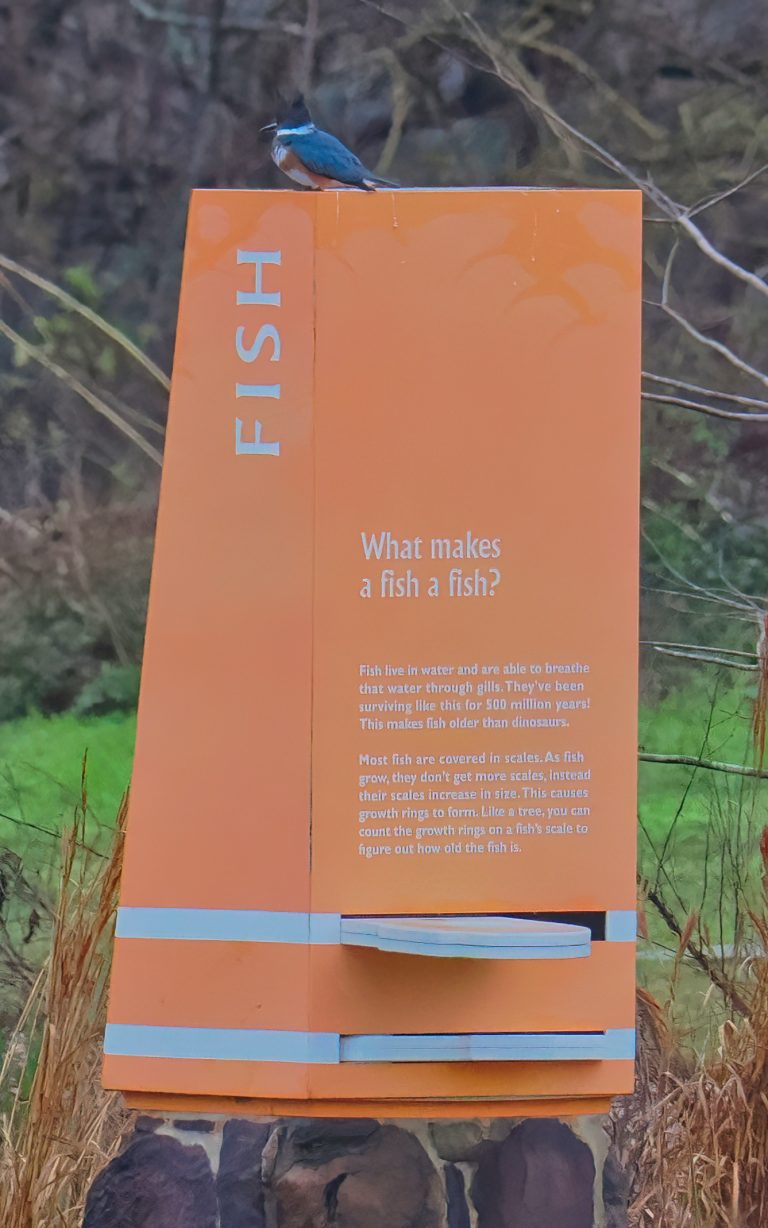
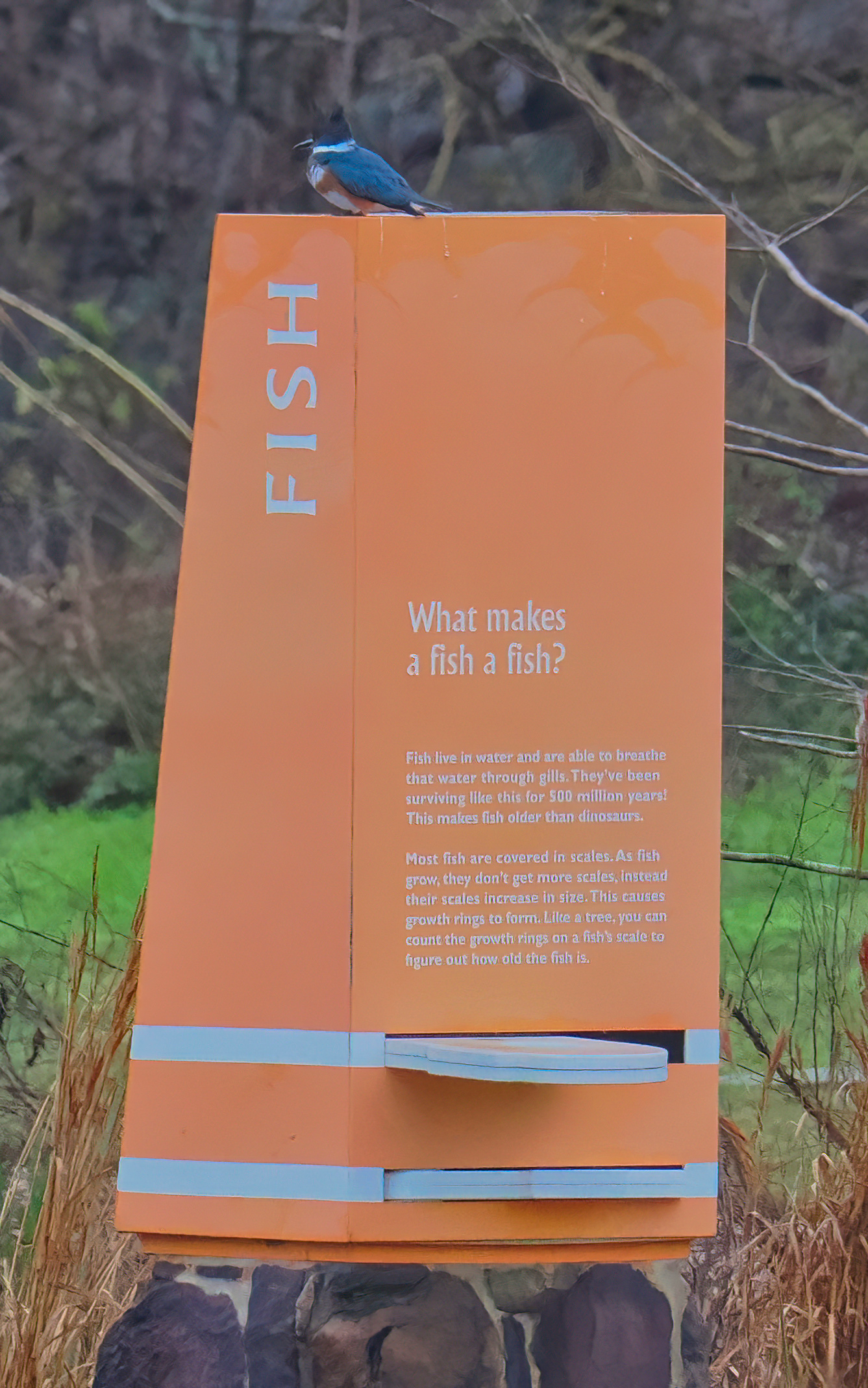
Megaceryle alcyon. Curious about
Getting around the Riverstone Wetlands. Roseate Spoonbill (Platalea ajaja). Sugar Land, Texas.
First Roseate Spoonbill (Platalea ajaja) seen (by me) in Riverstone Wetlands in 2023. Sugar Land, Texas.
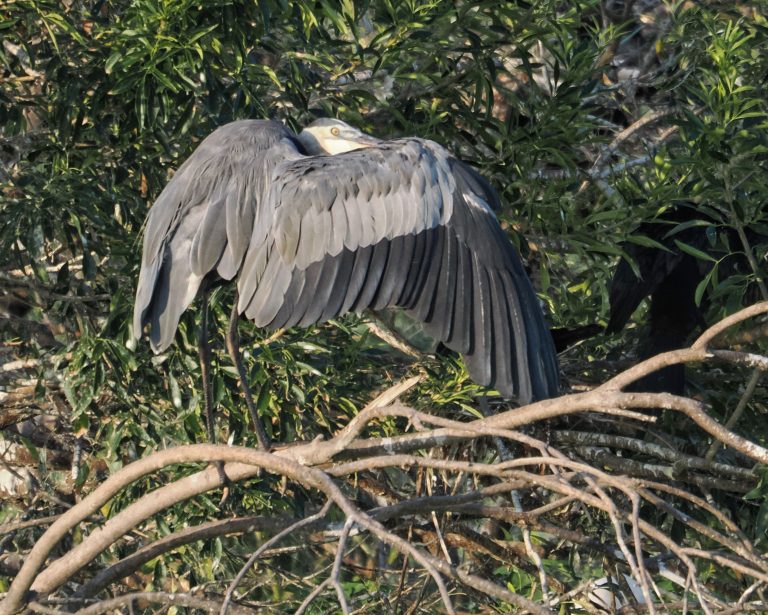
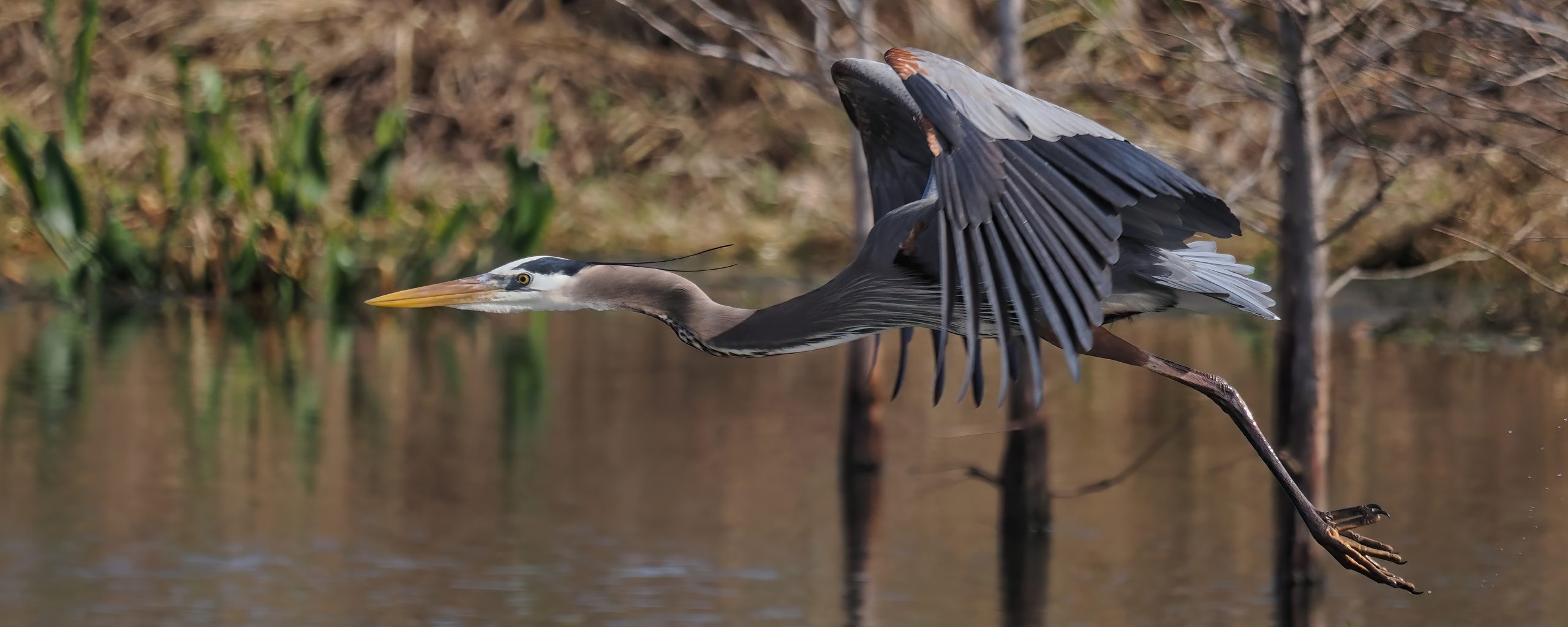
Great Blue Heron (Ardea herodias) relocating in the Riverstone Wetlands, Sugar Land, Texas.
Resident Great Blue Heron crossing the Riverstone Wetlands on a wintry day with reeds in the background. Sugar Land, Texas.
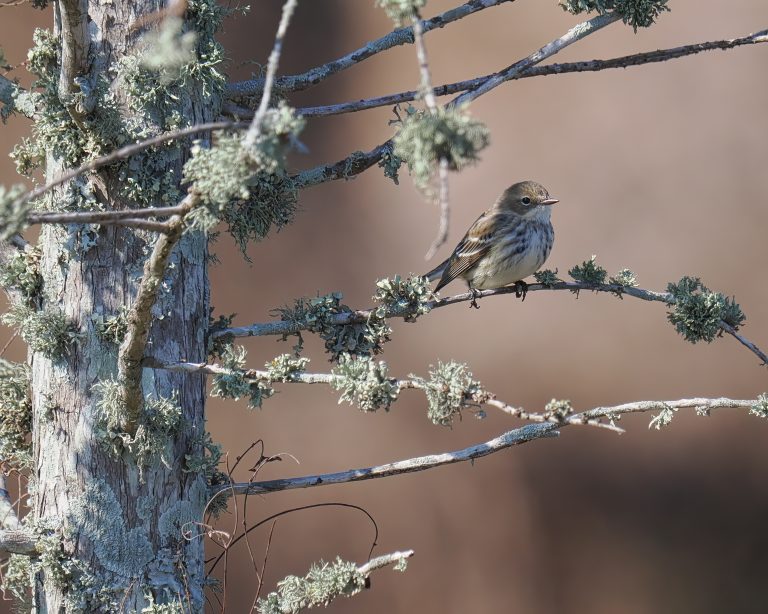
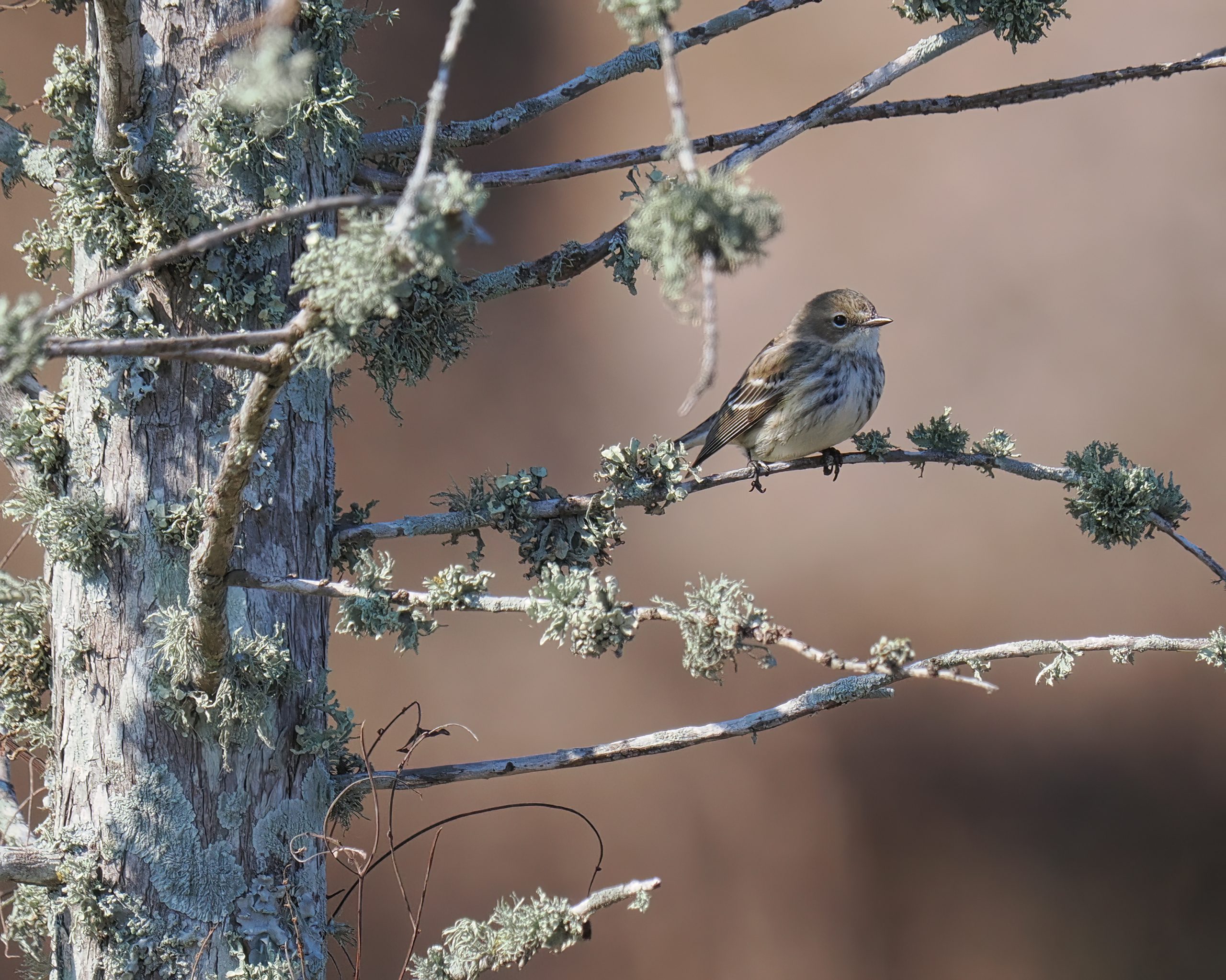
Setophaga coronata. Riverstone Wetlands is replete with Yellow-rumped Warblers. This M43 shot has the creamy bokeh favored by my FF friends, so, I thought I
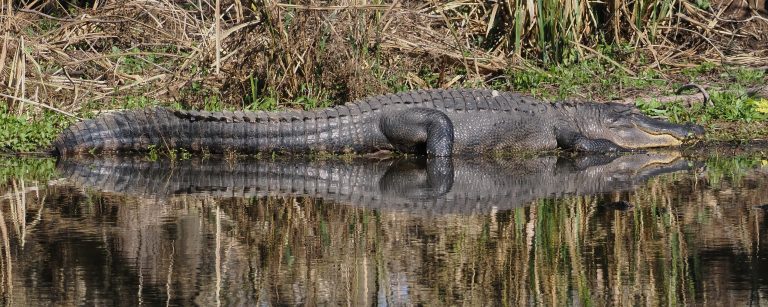
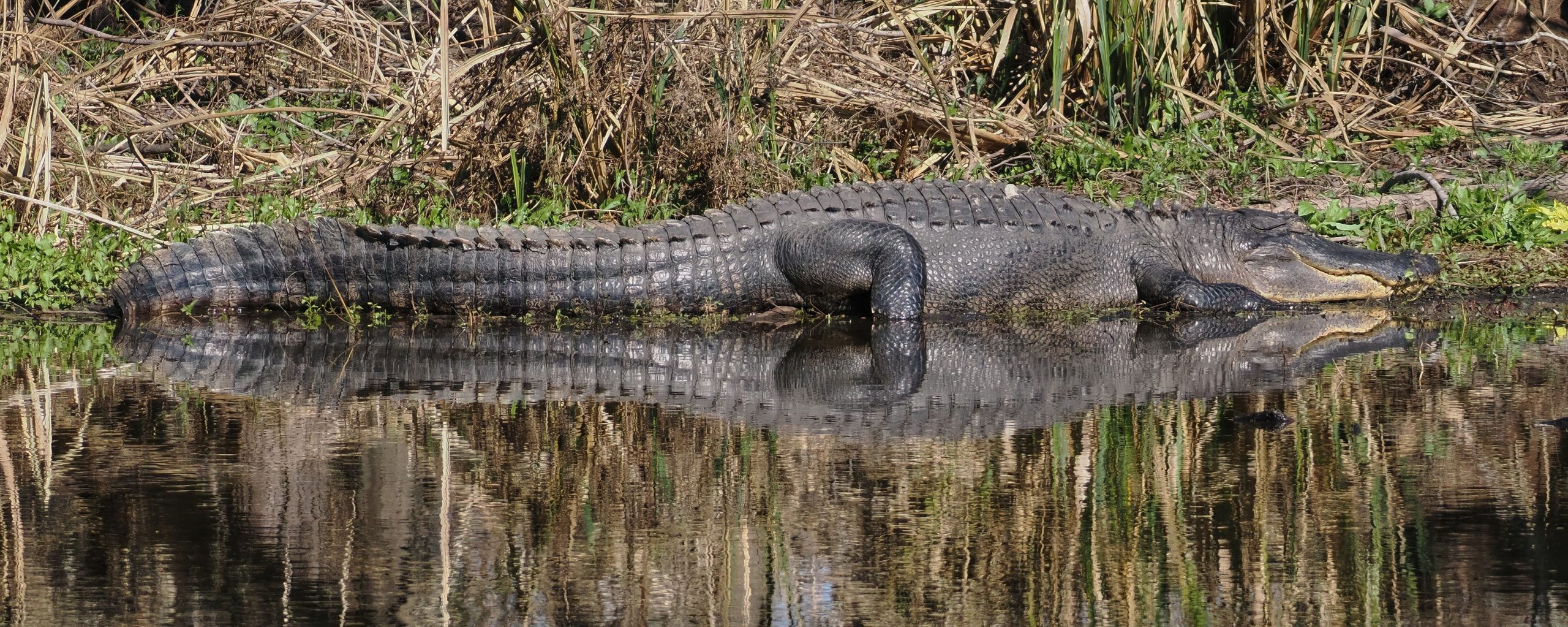
Alligators are an unavoidable feature of birding in the wetlands of SE Texas, like it or not (and some, especially kids, really like it). There
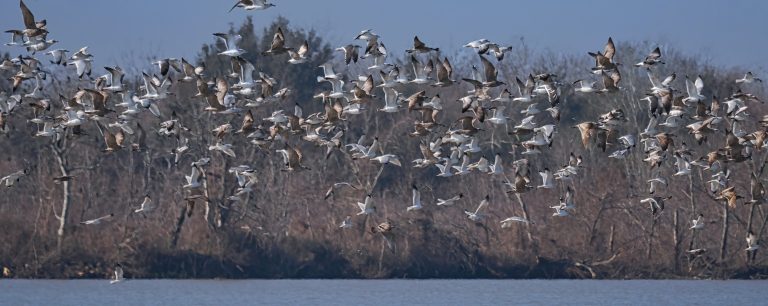
Many species. The pond near Davis Estates Road, Richmond, Texas.
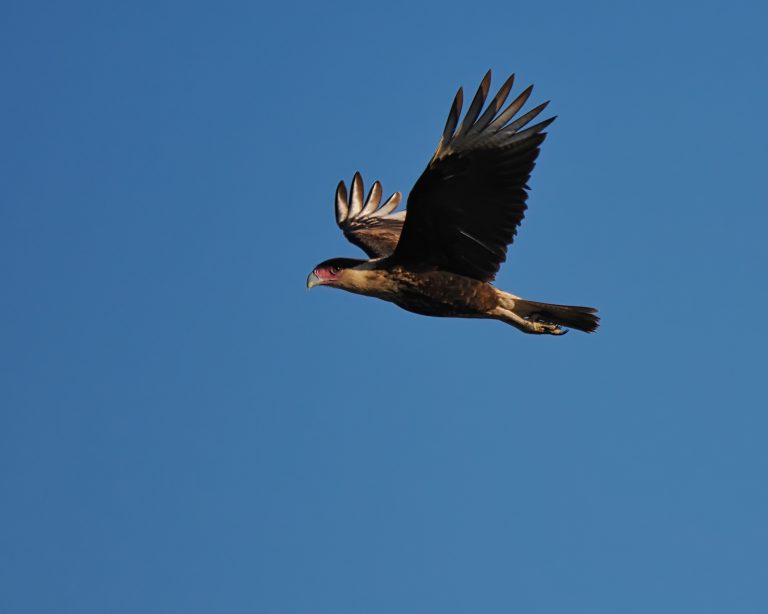
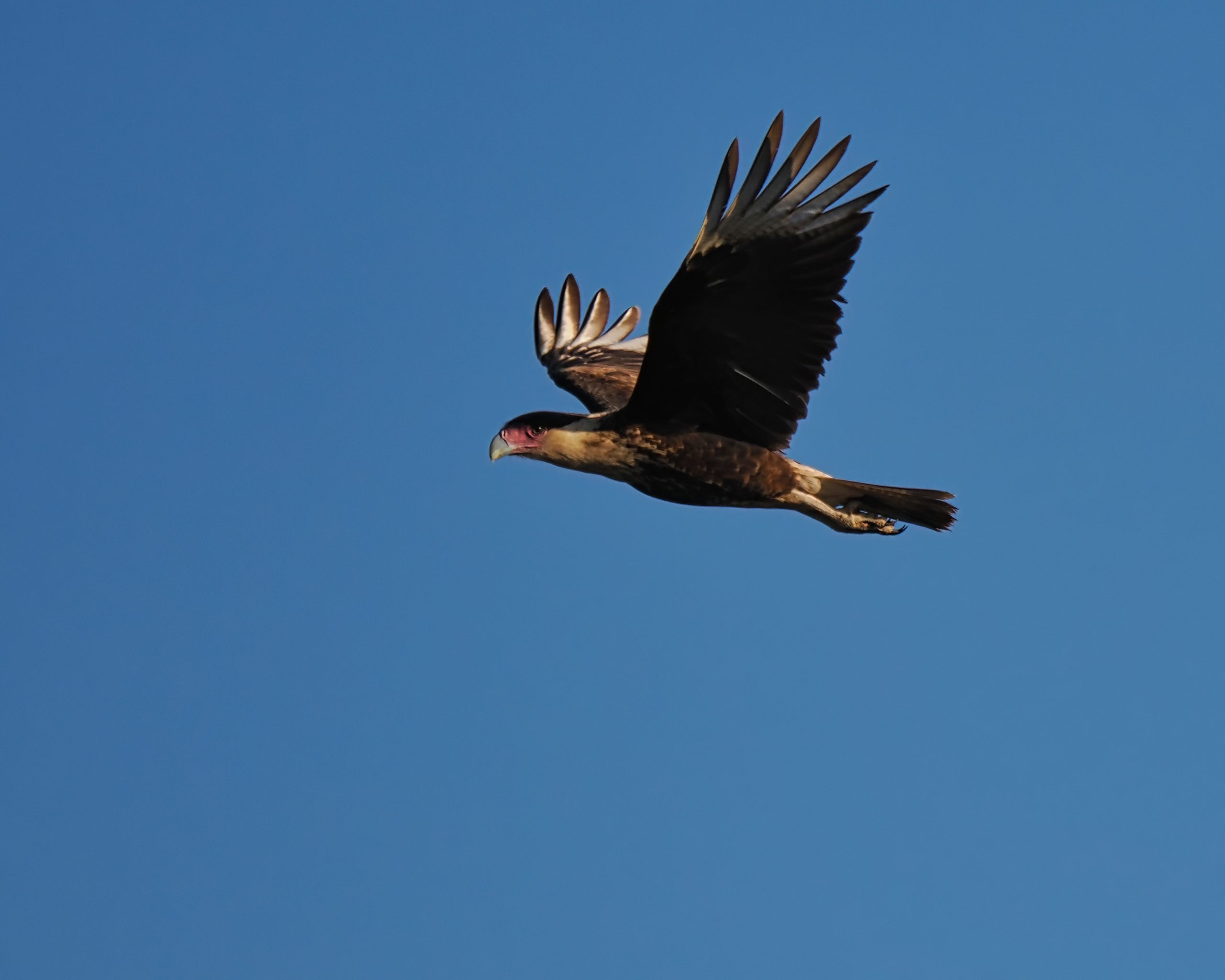
Caracara plancus. Native to South America and southern North America.
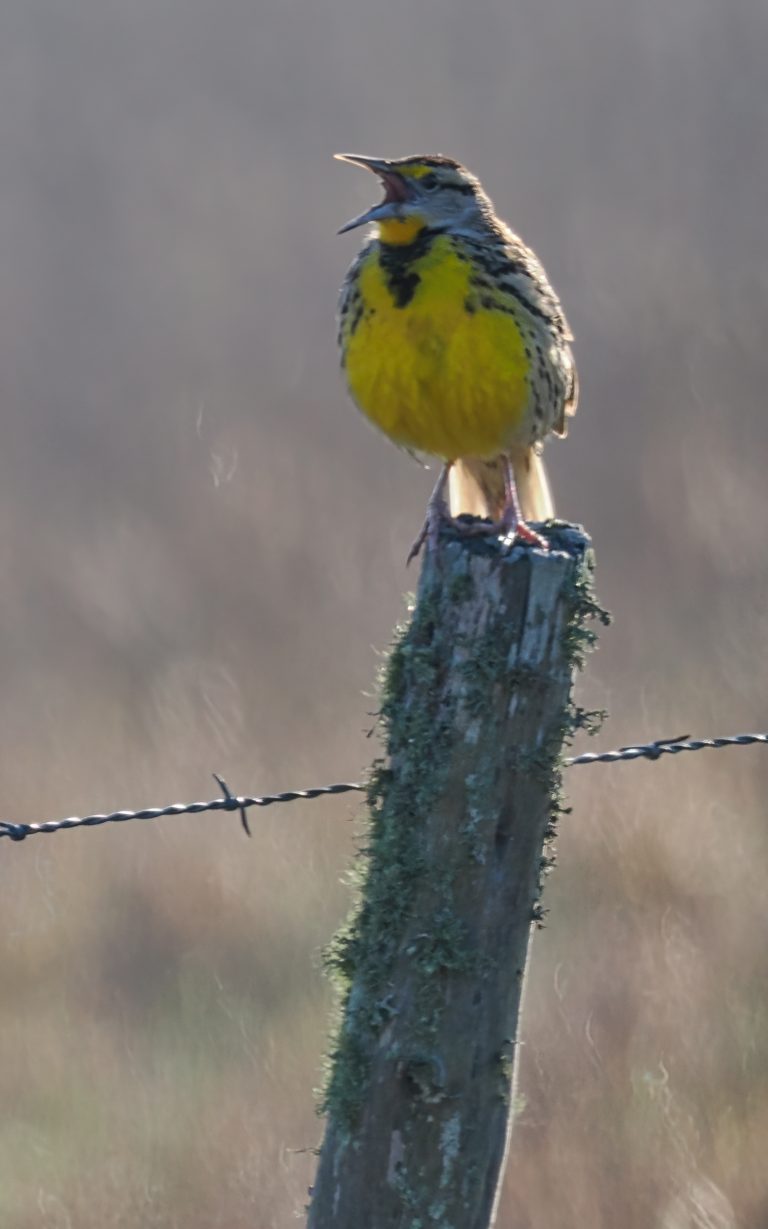
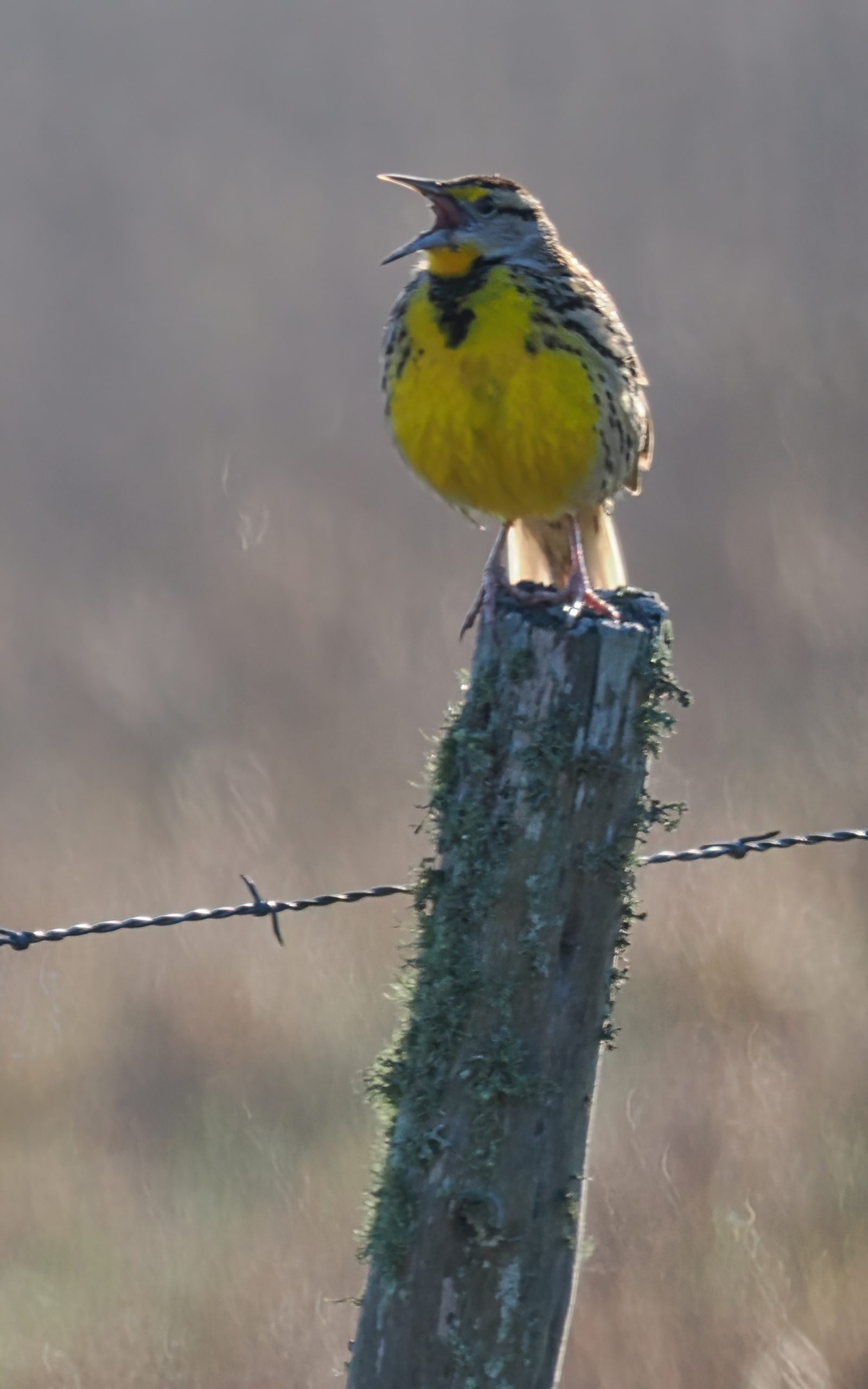
Sturnella magna.
This morning at Cullinan Park, Sugar Land, Texas.
New Year
New Year
New Year
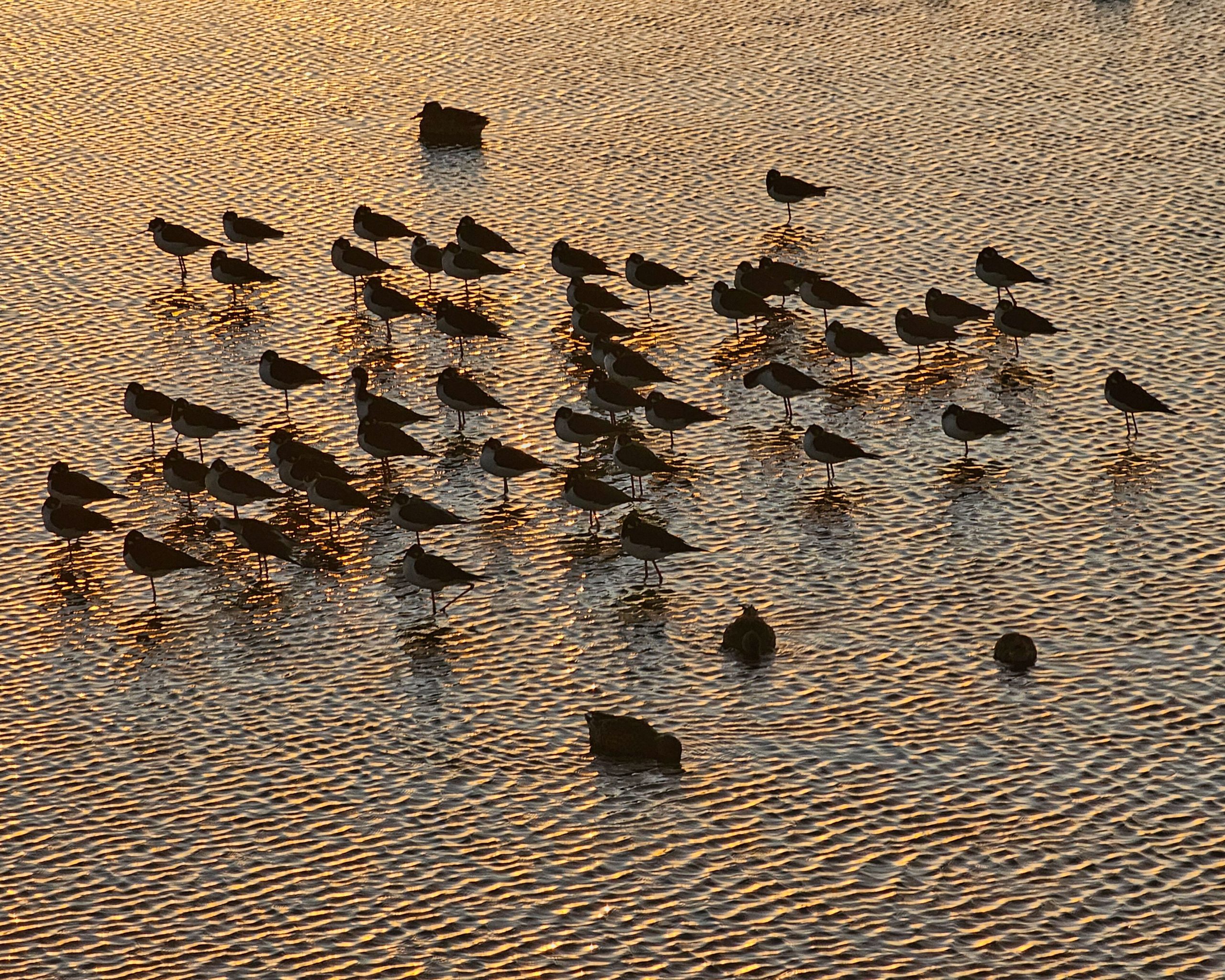
Great Egret collecting twigs for a nest in hopes of attracting a mate. Delores Fenwick Nature Center, Pearland, Texas. Dreary day. Himantopus mexicanus. Retiring at the Leonabelle Turnbull Birding Center in Port Aransas, Texas,
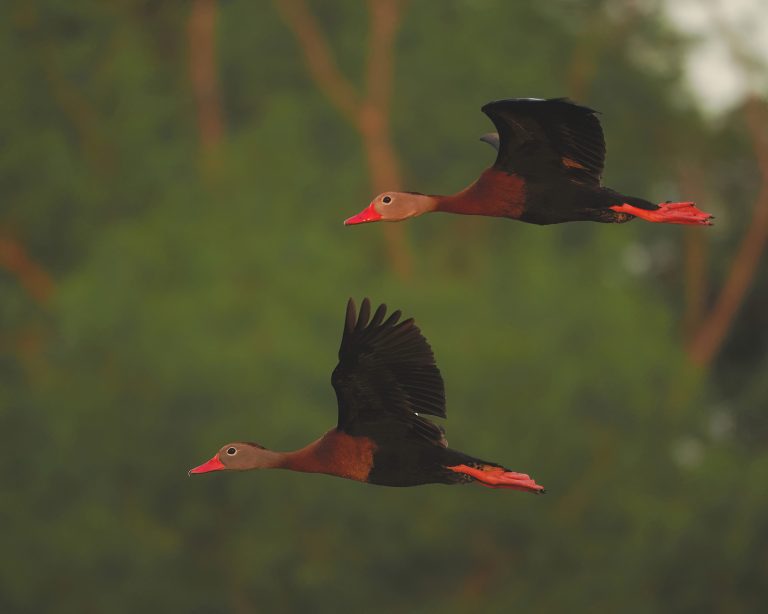
Black-bellied Whistling-Ducks Dendrocygna autumnalis in the morning light over White Lake, Cullinan Park, Sugar Land.
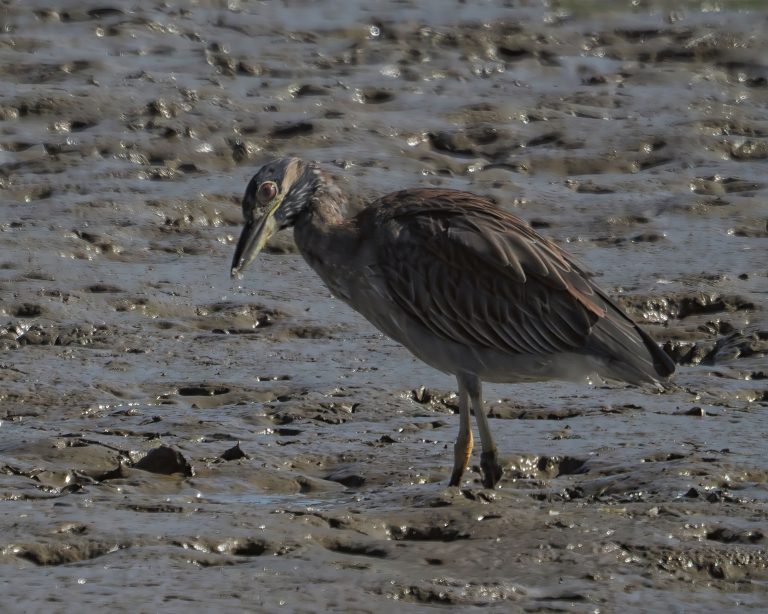
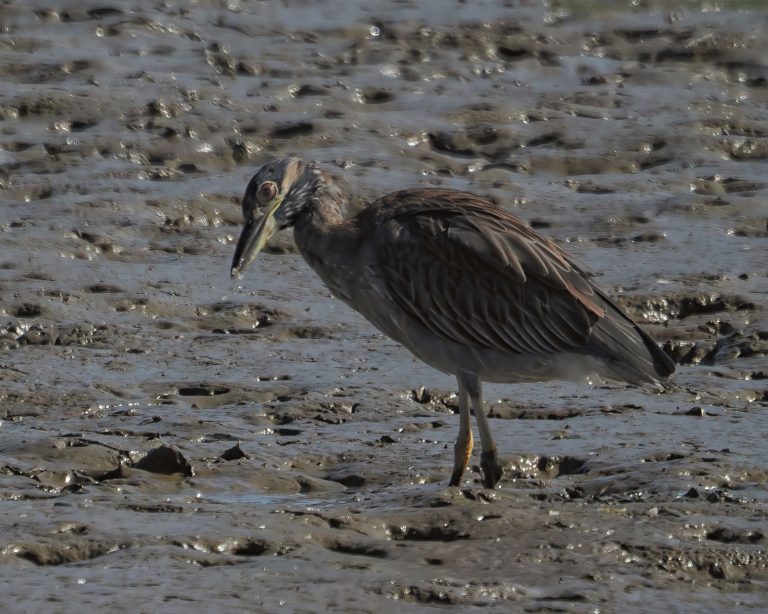
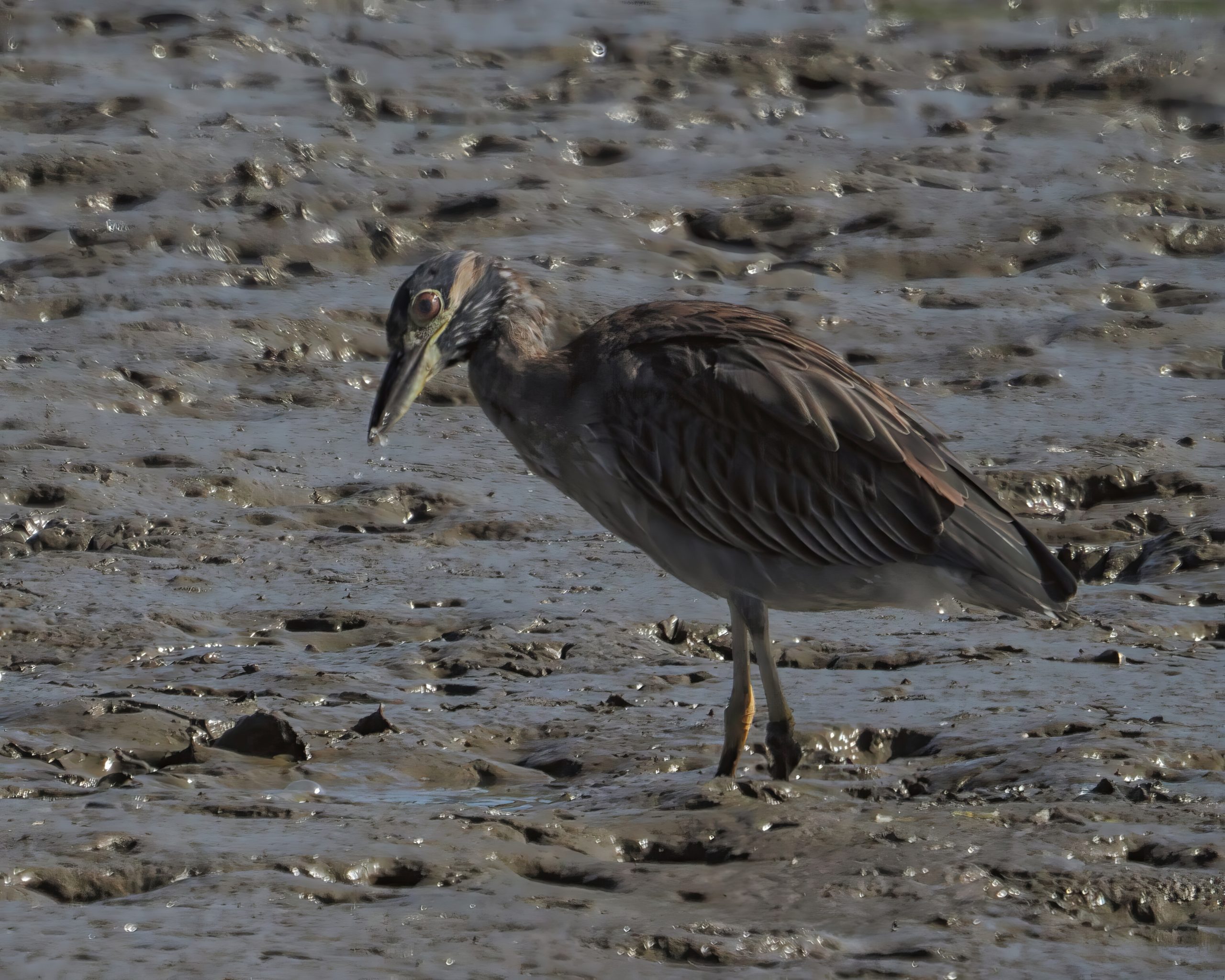
Yellow-crowned Night Heron (Nyctanassa violacea) at 17th Street jetty, Bolivar, Texas.
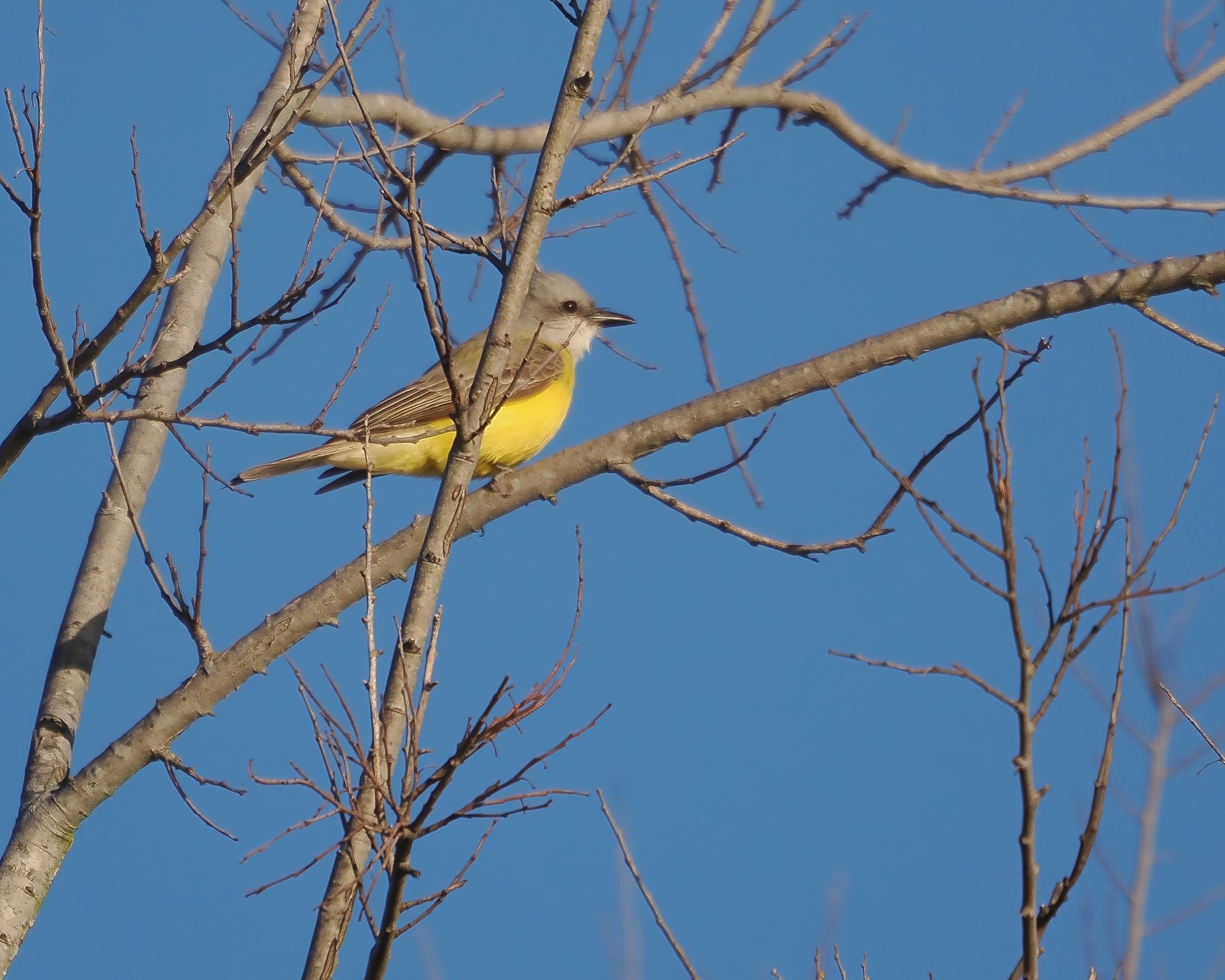
Tyrannus couchii.
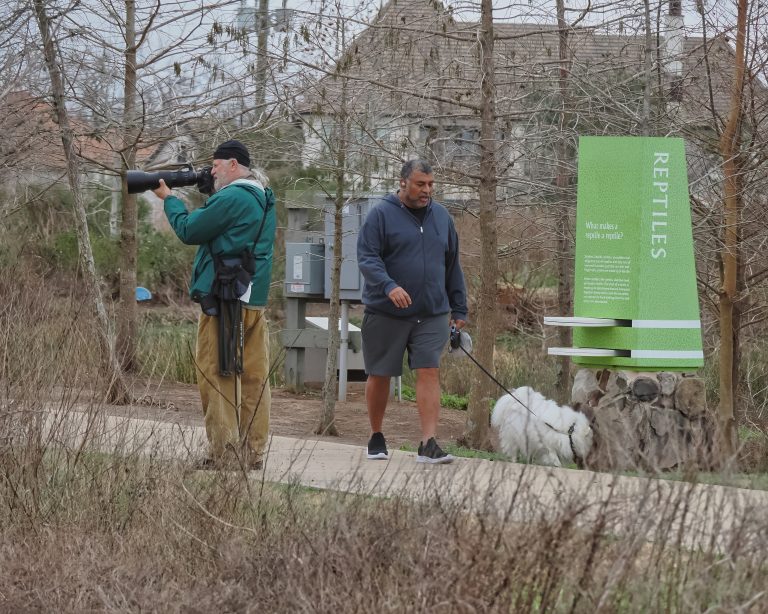
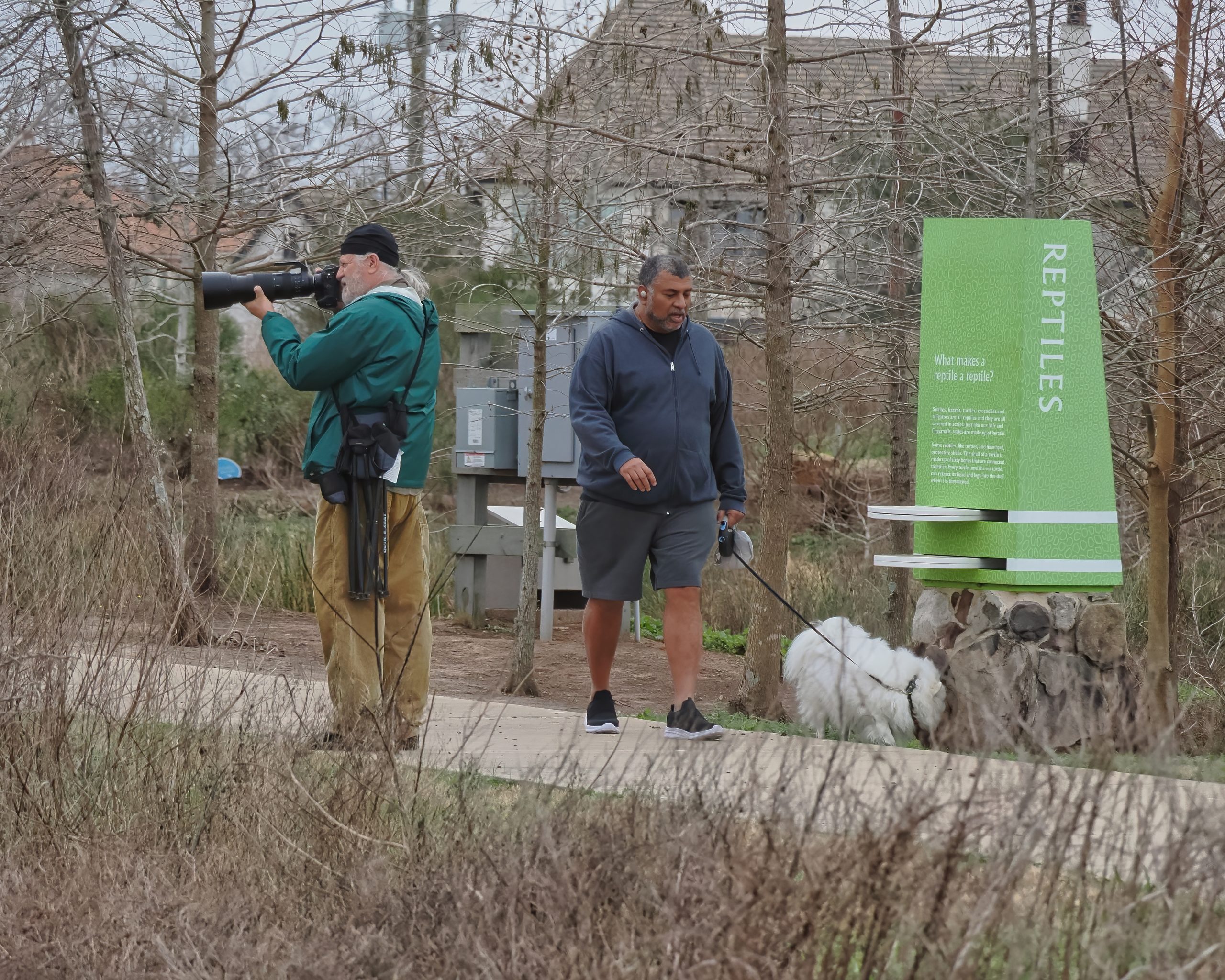
Been reading books and watching videos on street and travel photography in anticipation of cruising around Italy this summer where birds are likely to be scarce in the cities. This is as close as one can get to the street in Riverstone Wetlands, that is, another photographer and a guy talking on his cell phone while walking his dog. Notice the white plastic waste bag in the dog walker
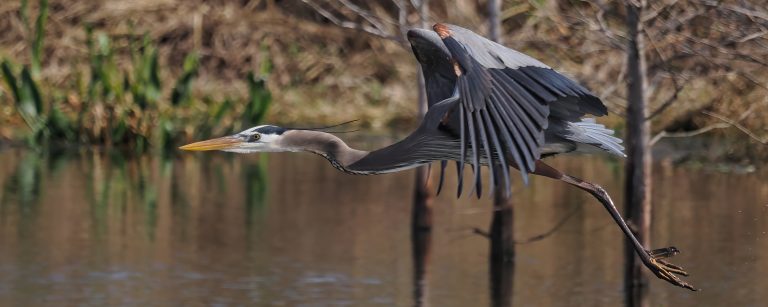
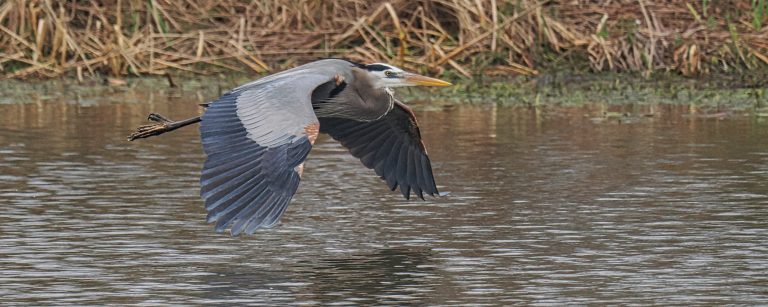
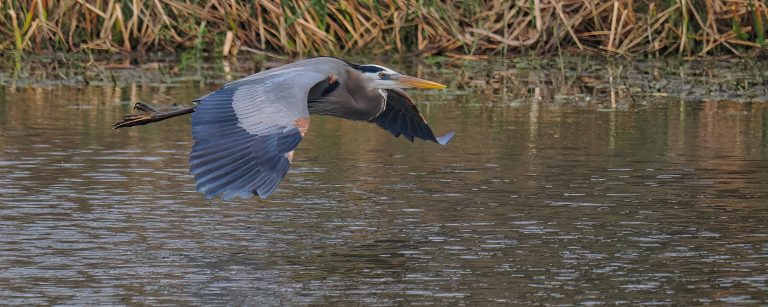
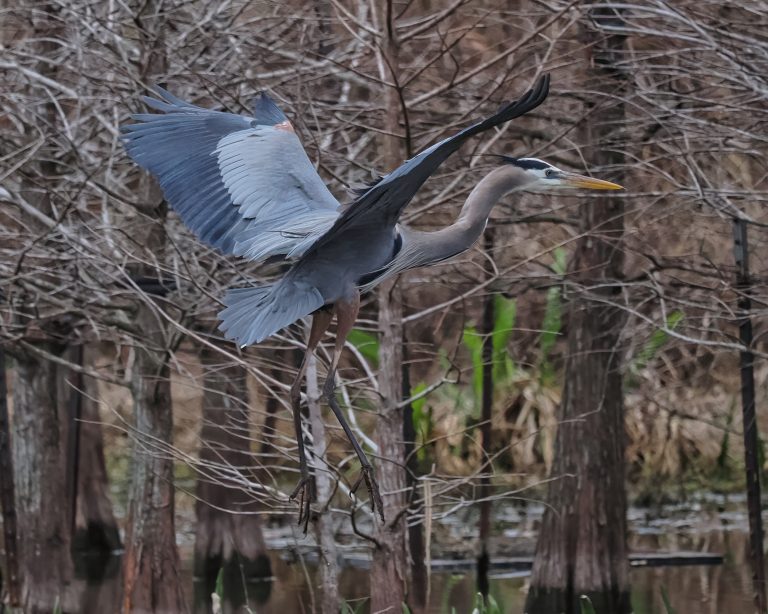
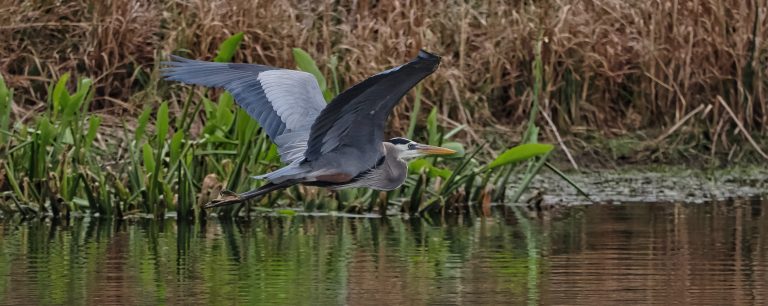
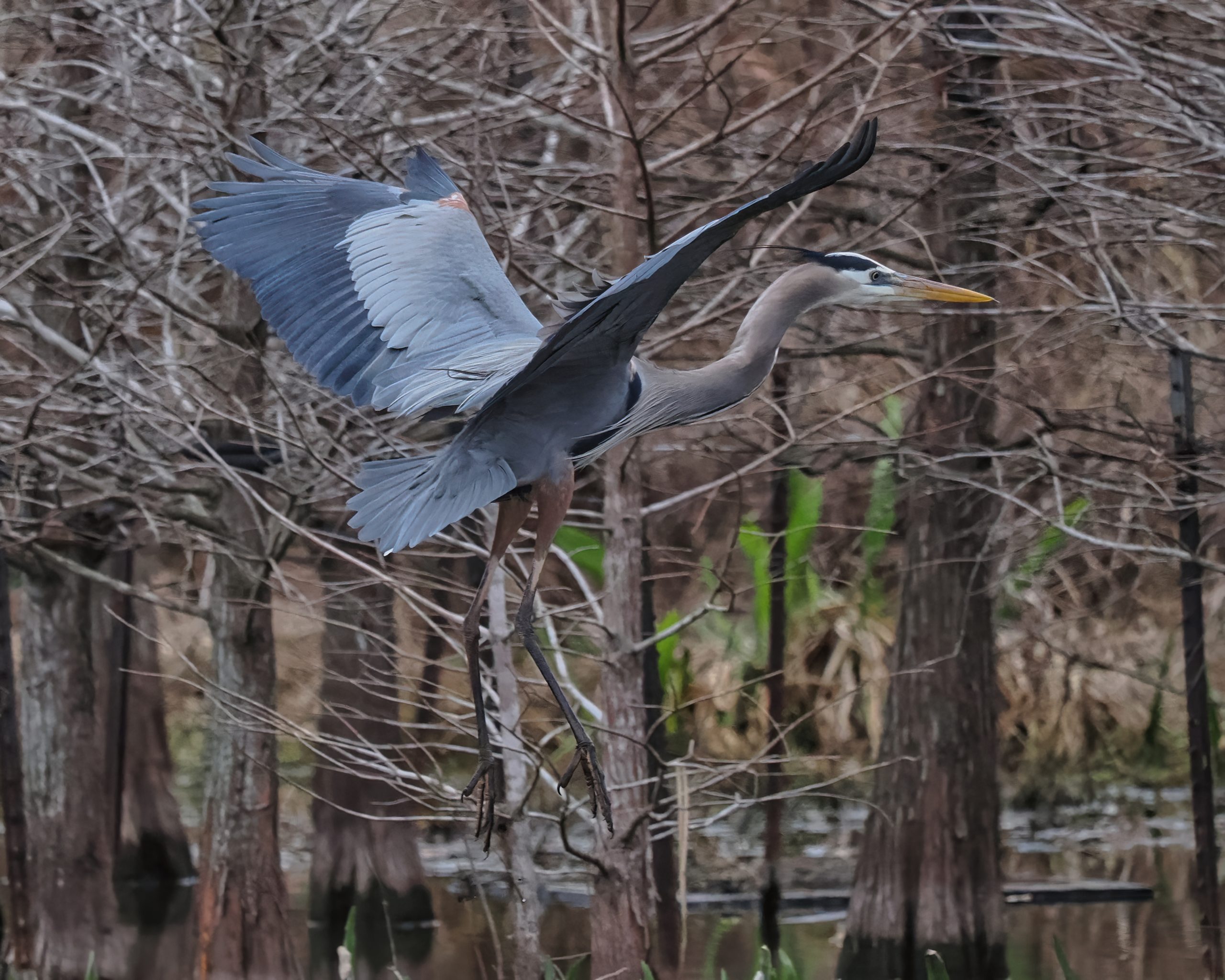
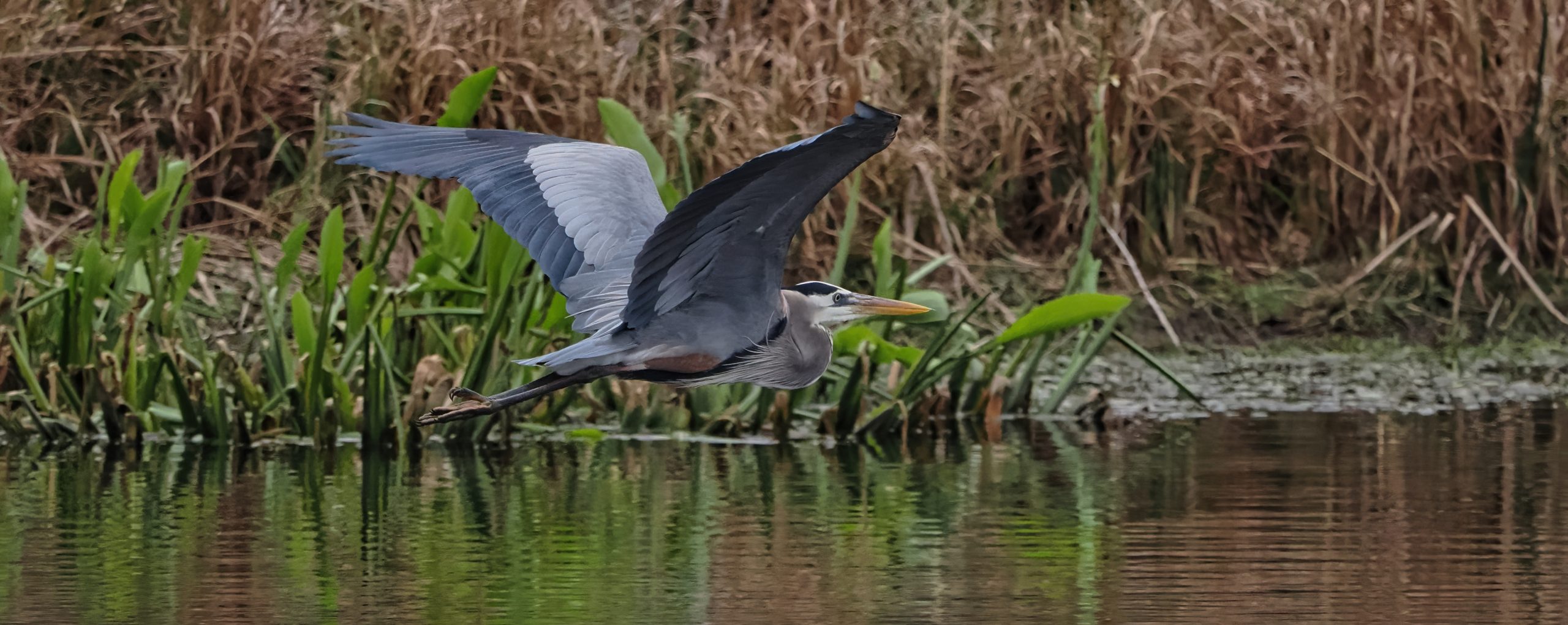
What one normally sees in the Riverstone Wetlands, in this case a Great Blue Heron in flight. Actually, the white waders are much more common that the blue waders. Lucky morning, but it was overcast, thus the high ISO. Sugar Land, Texas.
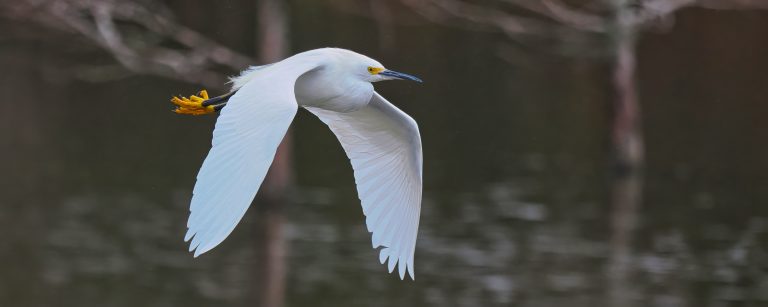
Not so common in the Riverstone Wetlands, Sugar Land, Texas.
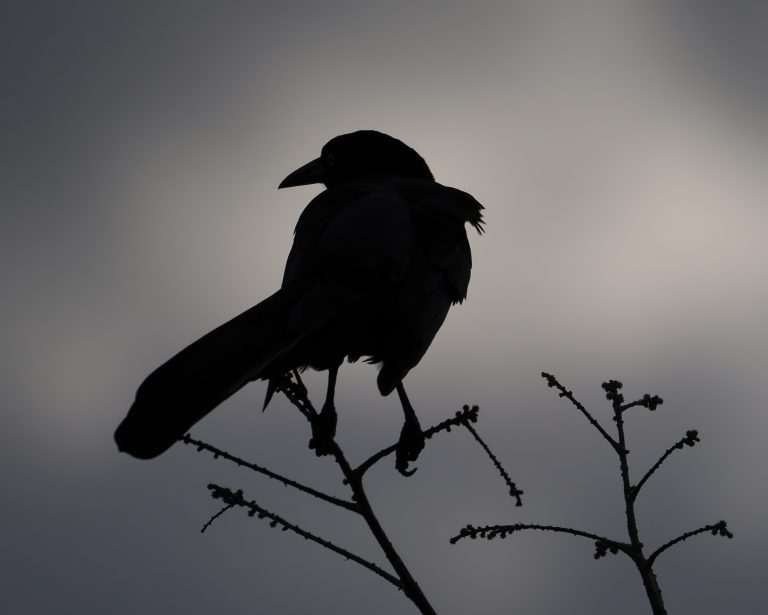
Great-tailed? Boat-tailed? Hard for me to tell. Riverstone Wetlands, Sugar Land, Texas.
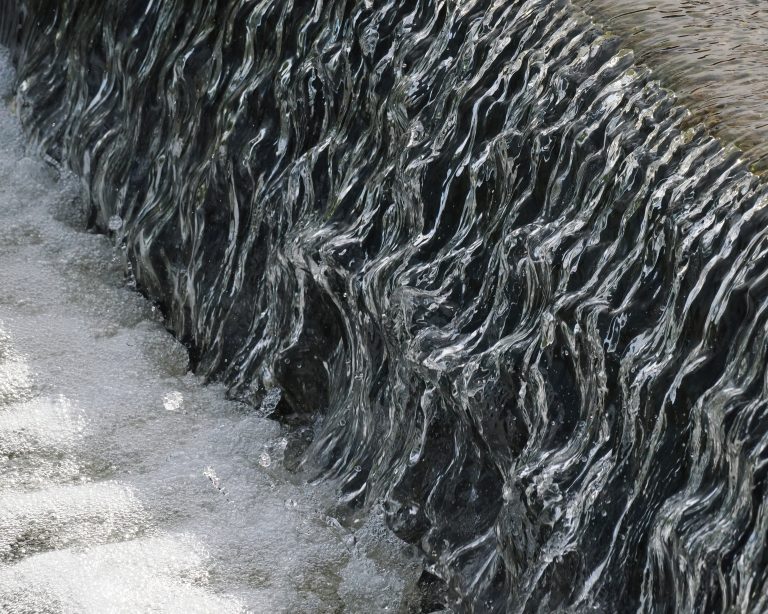
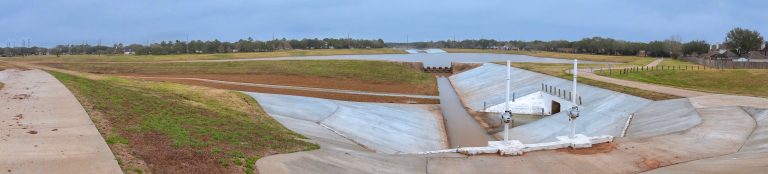
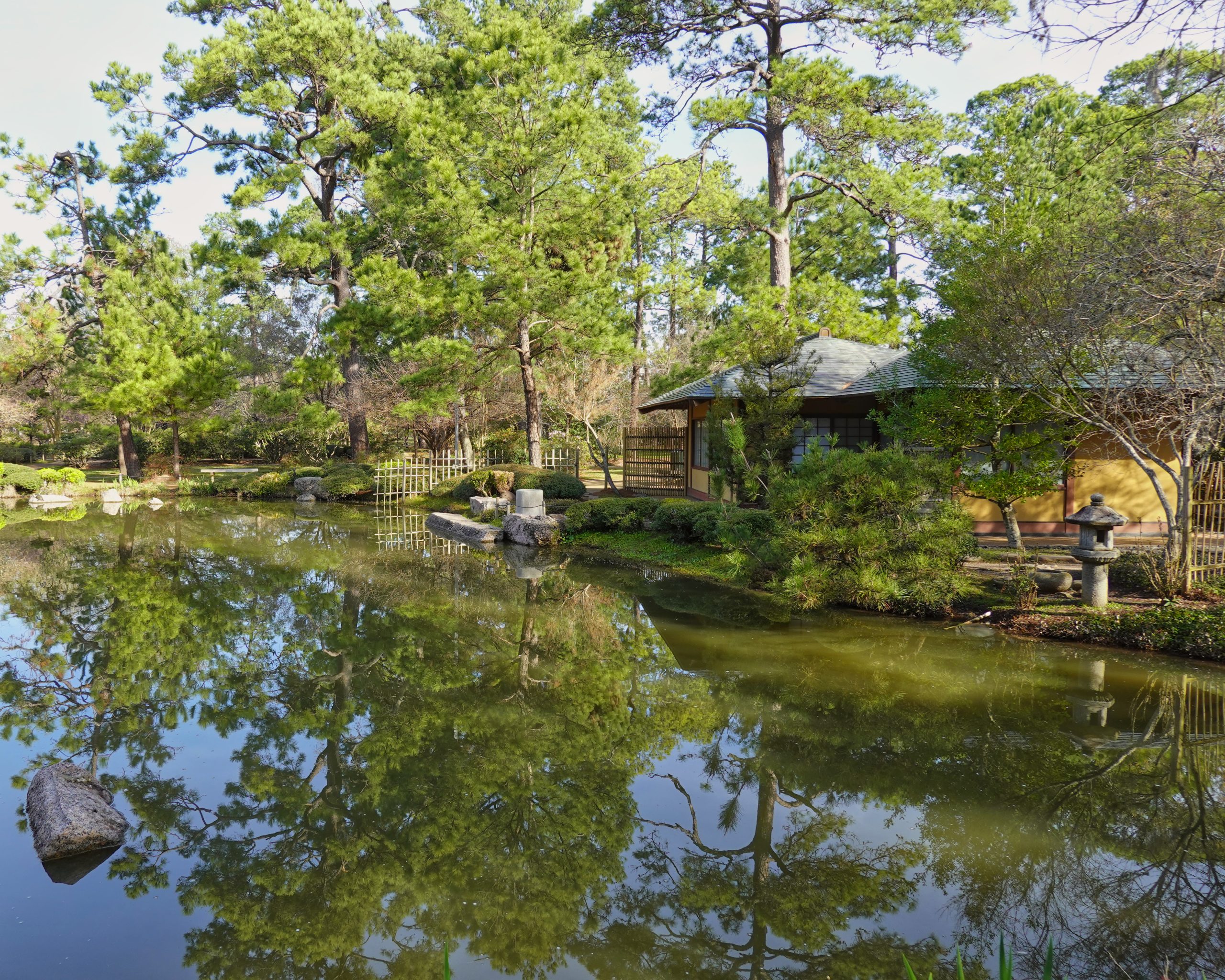
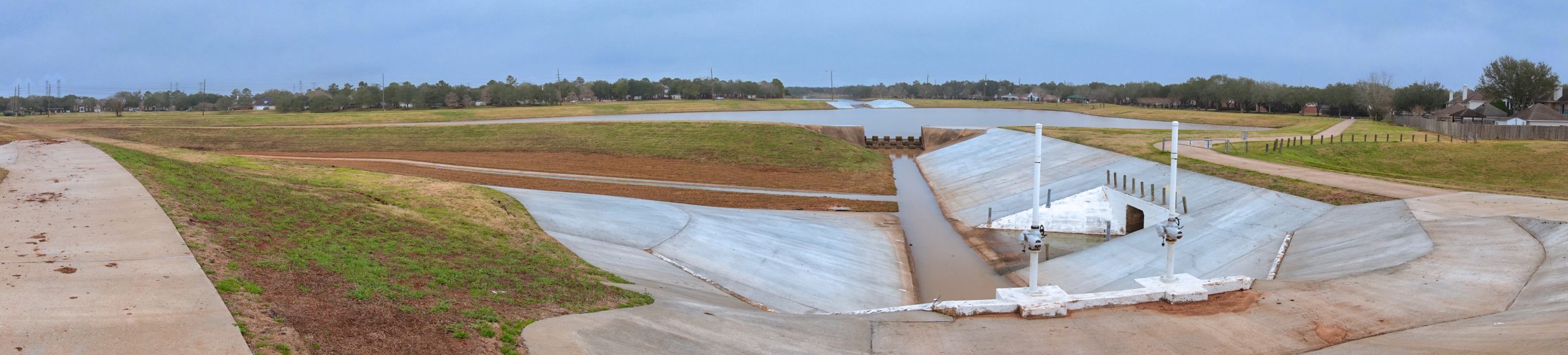
First panoramic photo with the RX100M7, the water works at Double Lake. Double Lake comprises two manicured retention ponds that are connected, managed during flood conditions and which flow into Steep Bank Creek. Steep Bank Creek flows south to the Brazos River passing by Riverstone Wetlands (my favorite birding spot) on the way. Though manicured, Double Lake does attract water birds. Here you see the connection between the two lakes in the distance and the crenelated weir that spills fish as well as water, being a favorite fishing spot for egrets and herons. Steep Bank Creek is immediately to the rear of the photographer standing on the recently-raised levee that protects homes from flood conditions (we hope). Sugar Land, Texas.
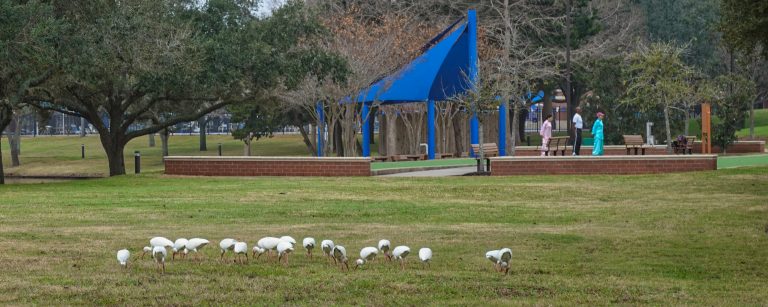
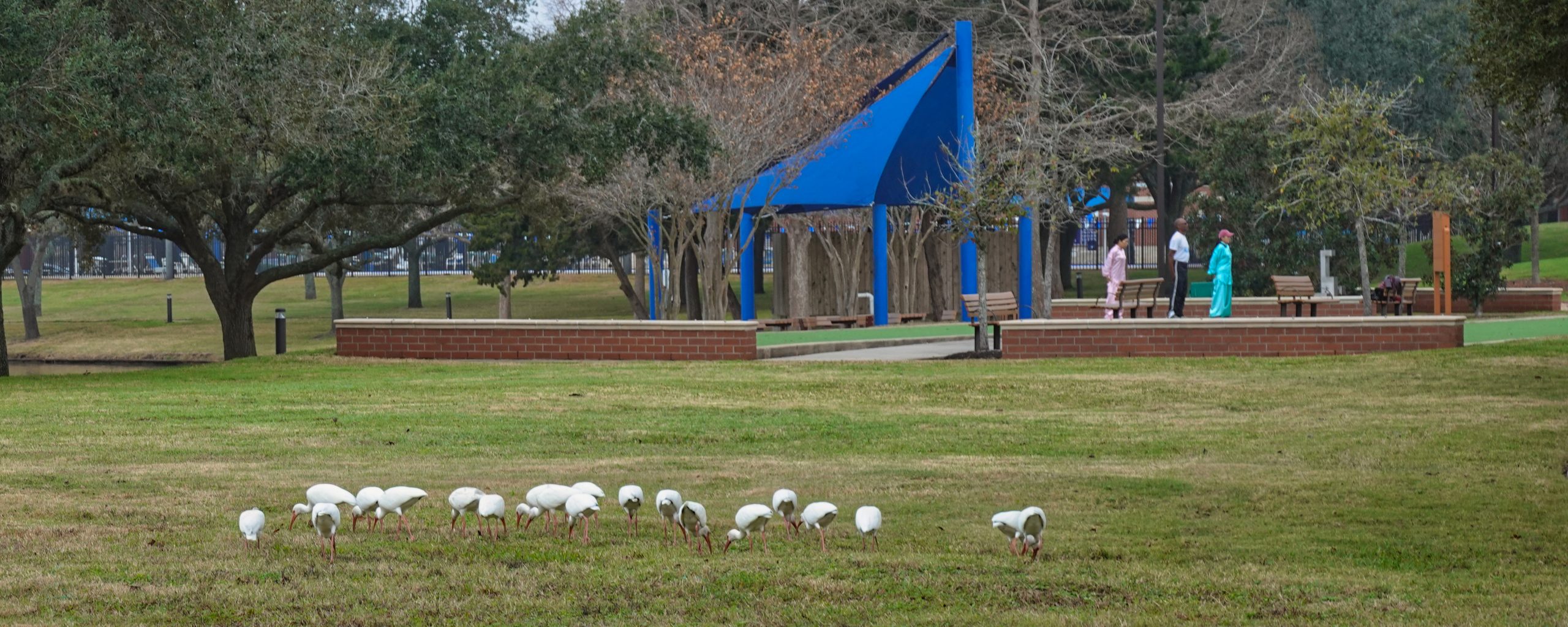
The bocce ball court in the background is used for some sort of physical training, stretching and limbering, I think. The blue sail is a sun and rain umbrella over some permanent tables and chairs set up for chess and checkers. White Ibis (Eudocimus albusare) are foraging in the foreground. Double Lake, Sugar Land, Texas, is to the left. Isn’t it great that a one-inch sensor brings it all into focus? Shallow depth of field is over-rated.
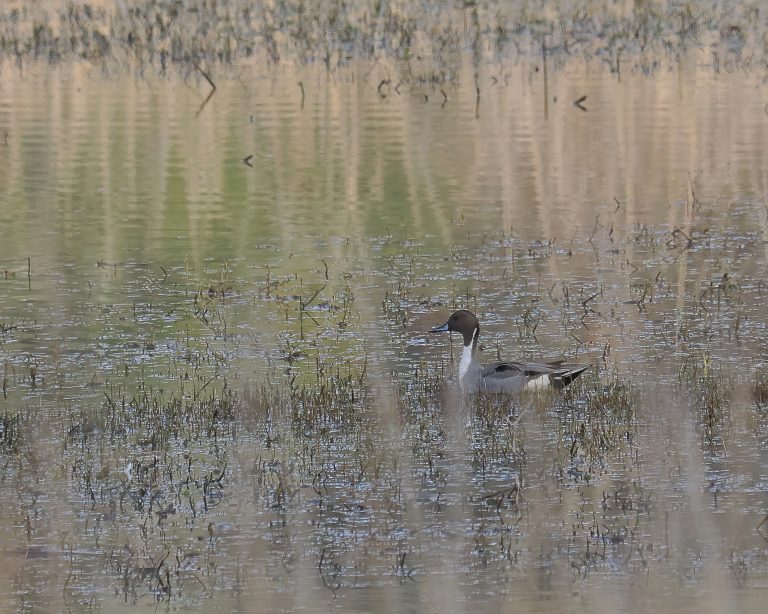
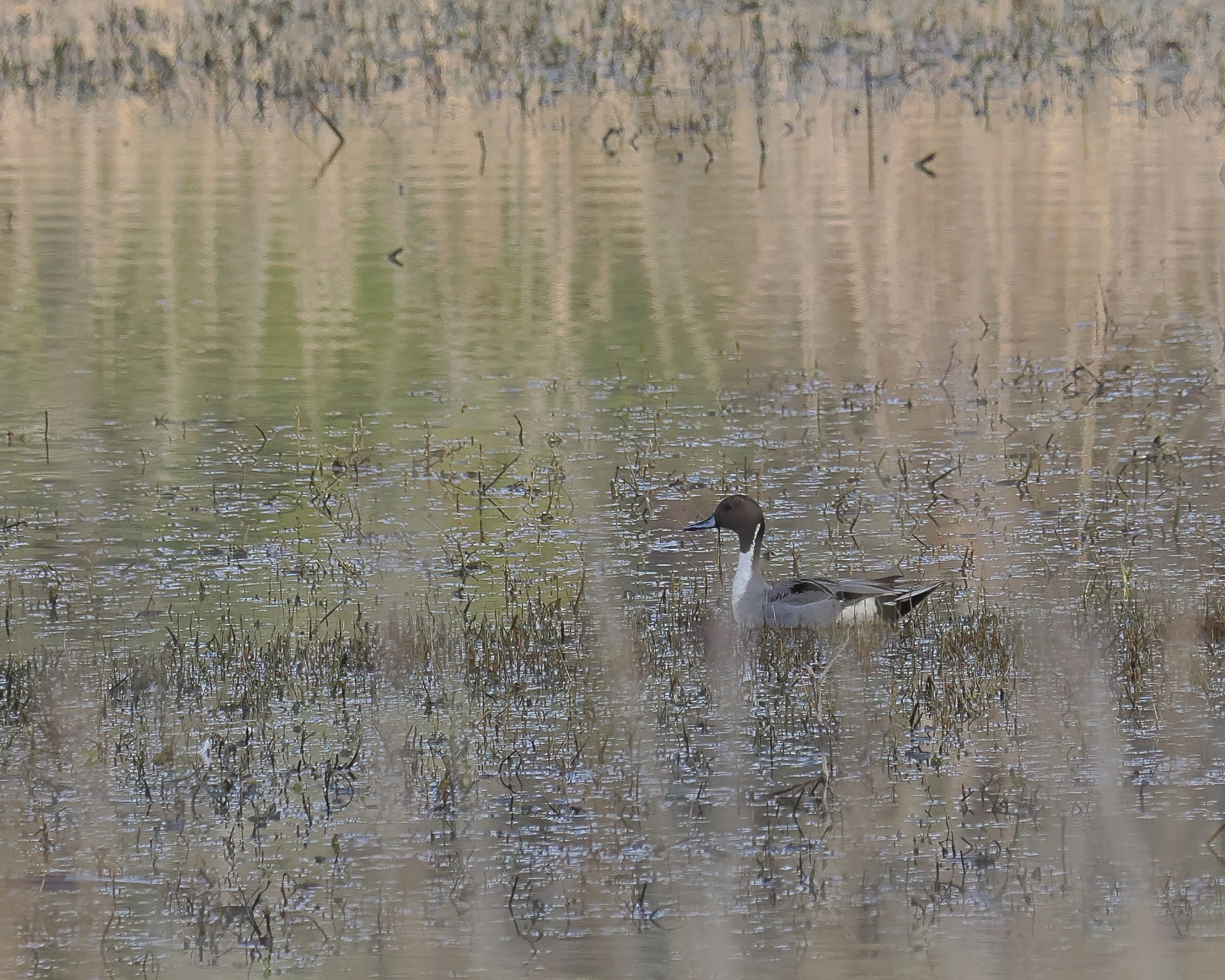
Anas acuta.
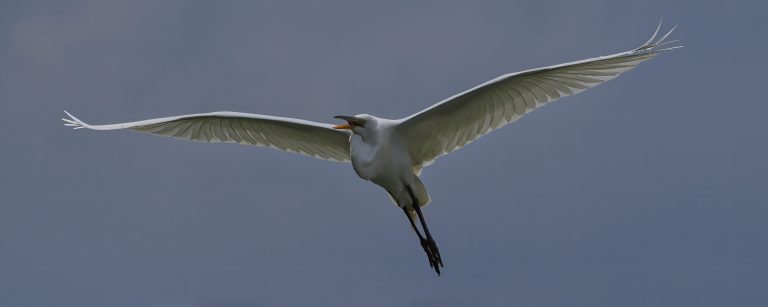
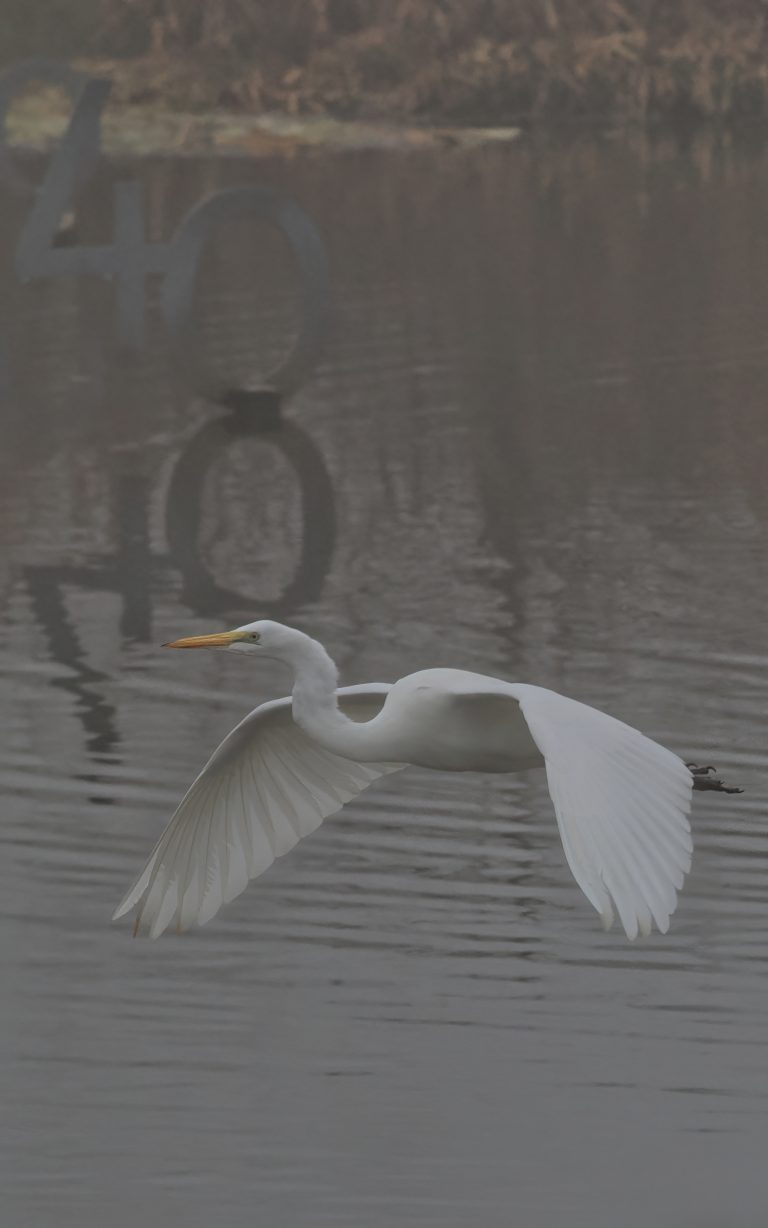
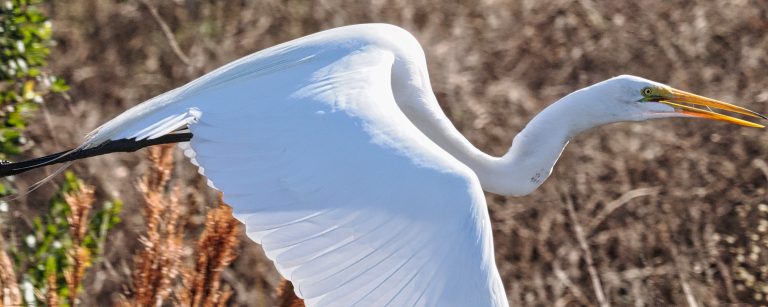
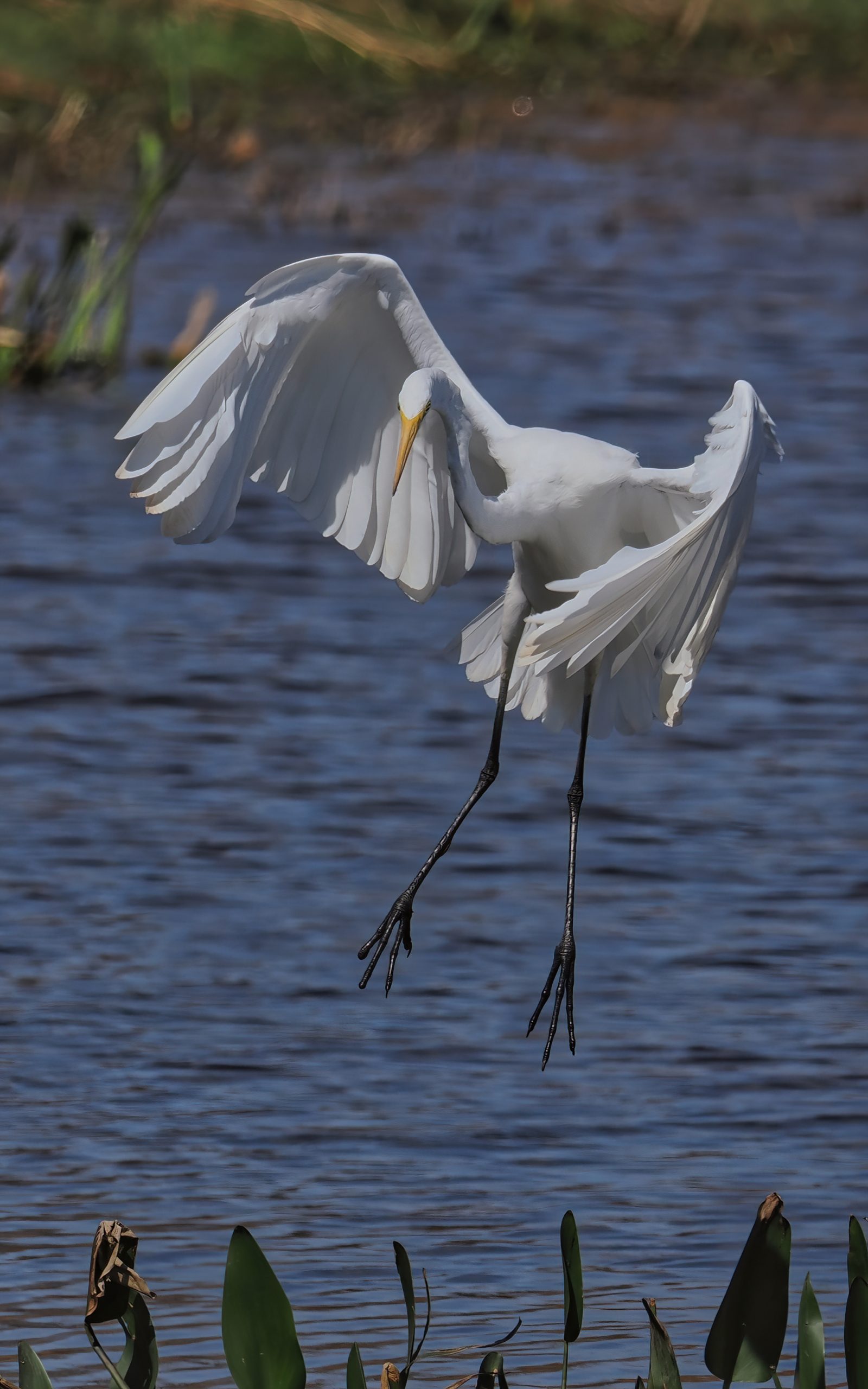
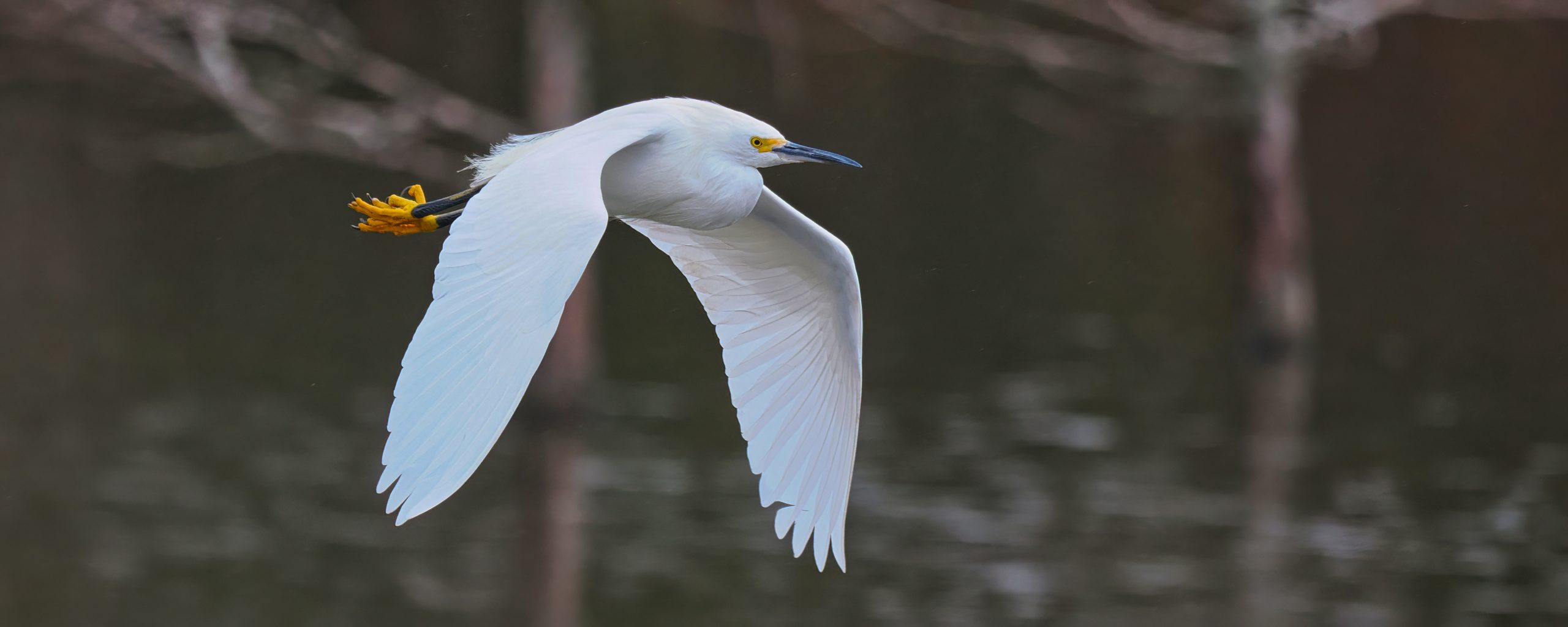
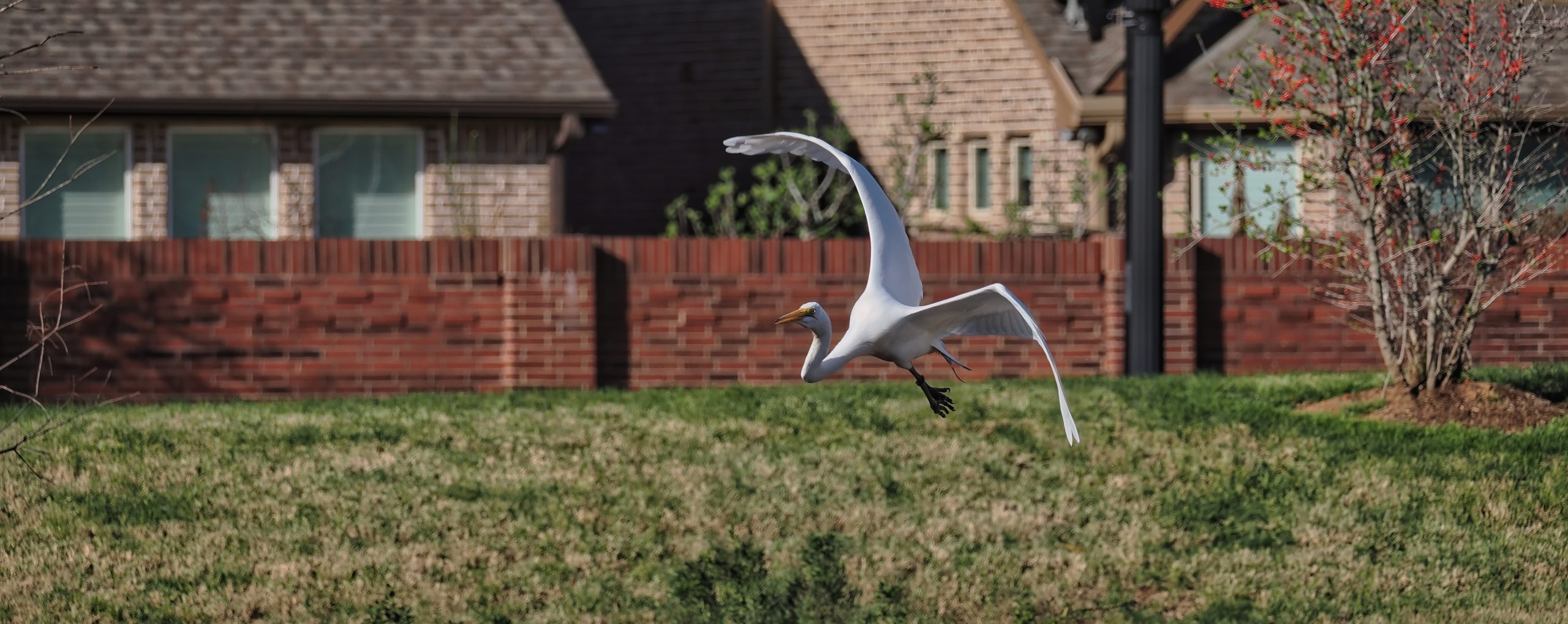
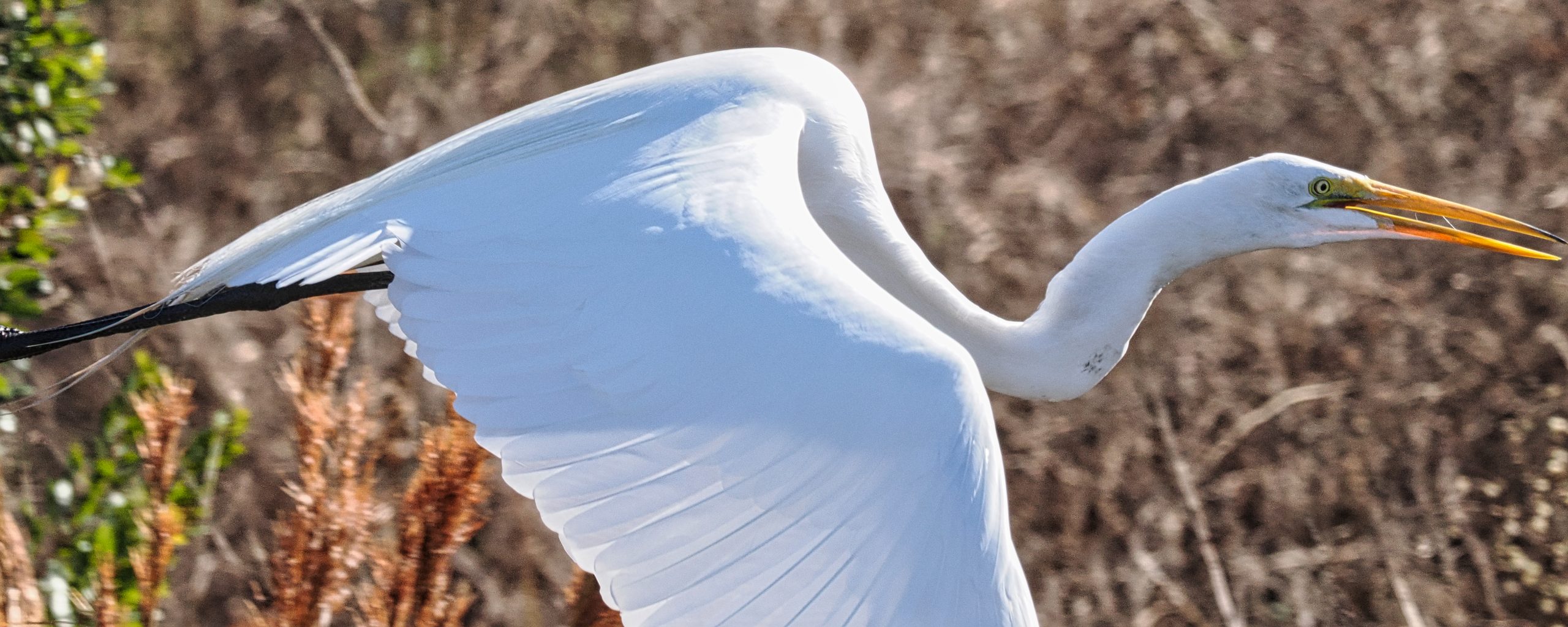
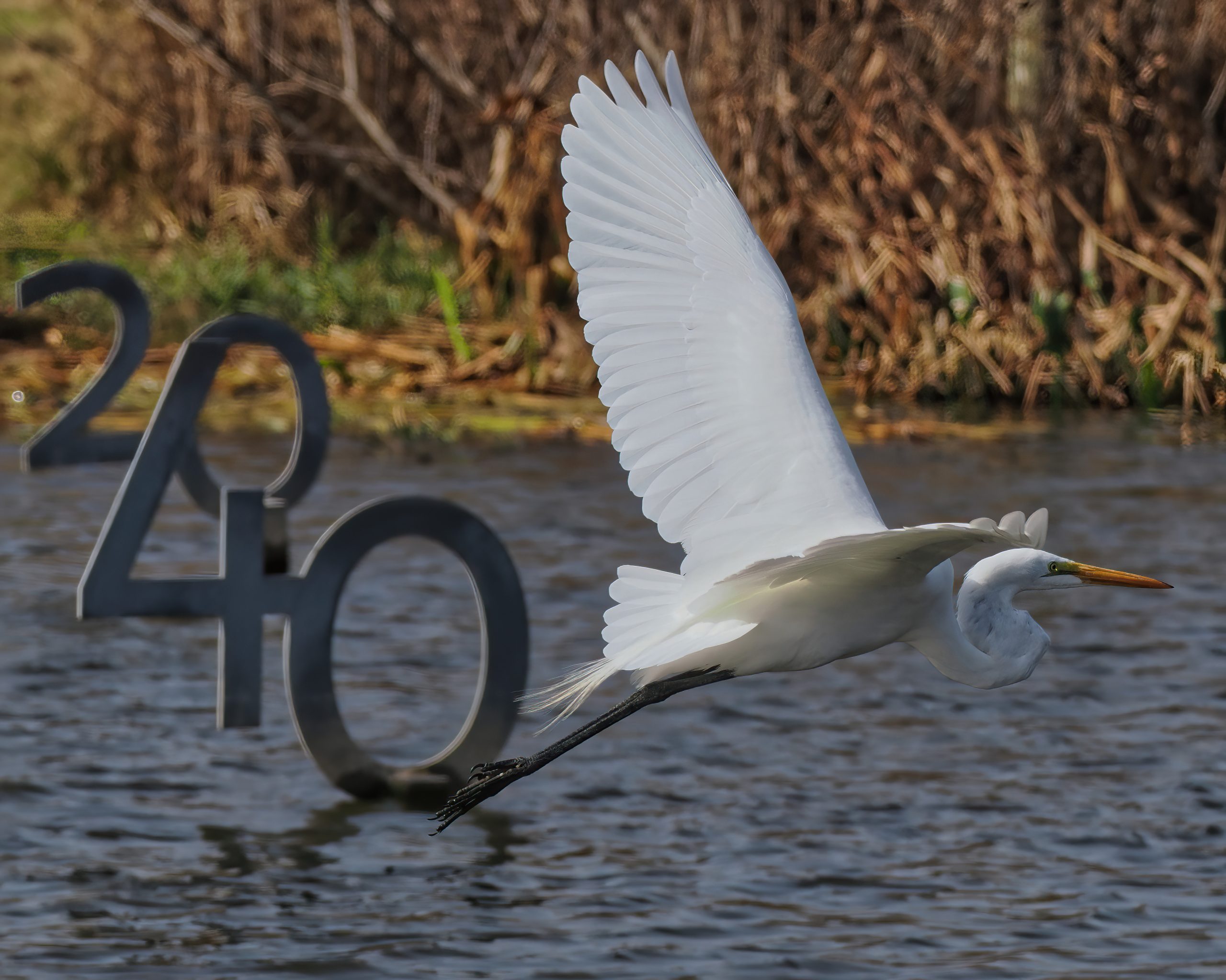
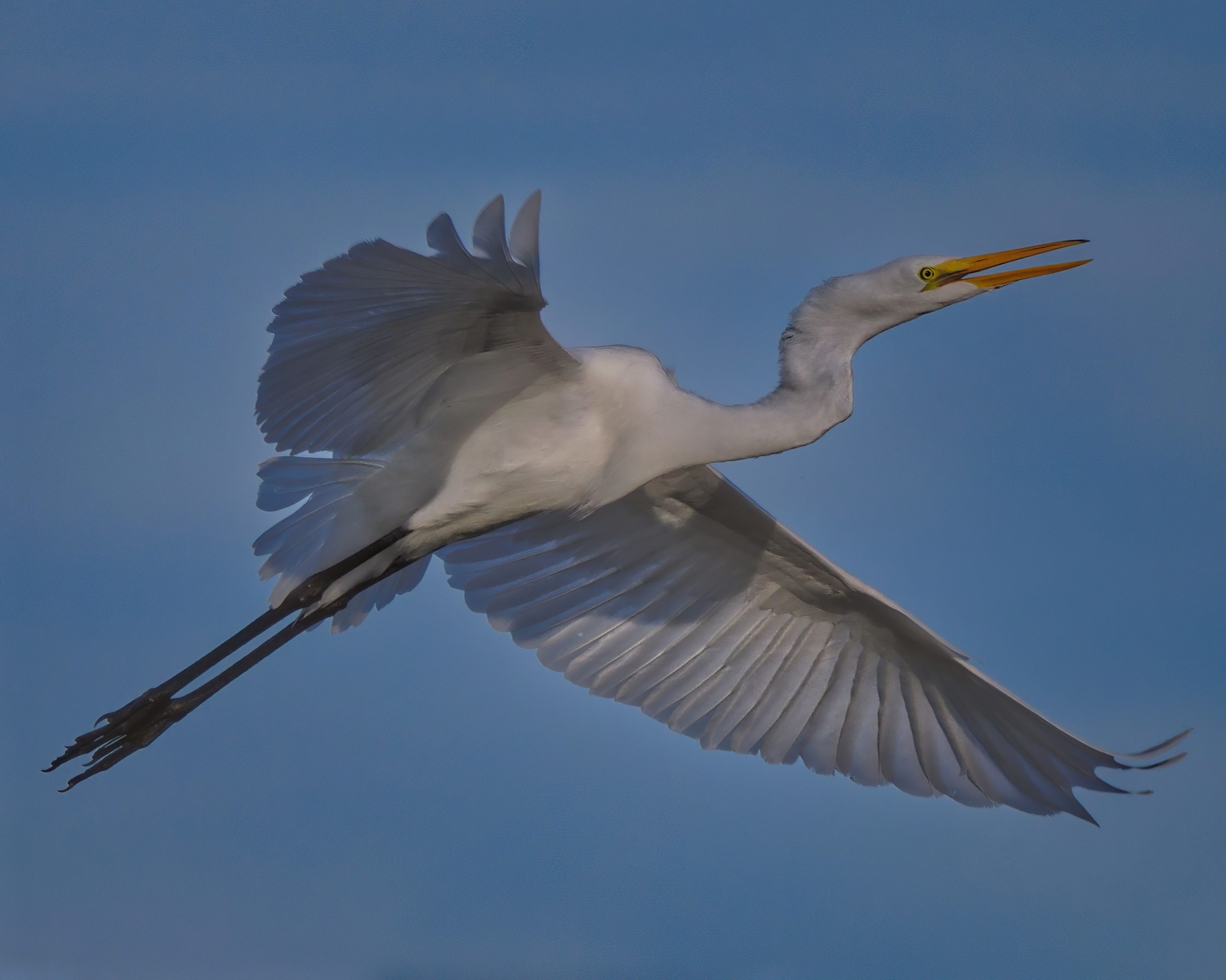
Great Egret in flight over Riverstone Wetlands, Sugar Land, Texas.
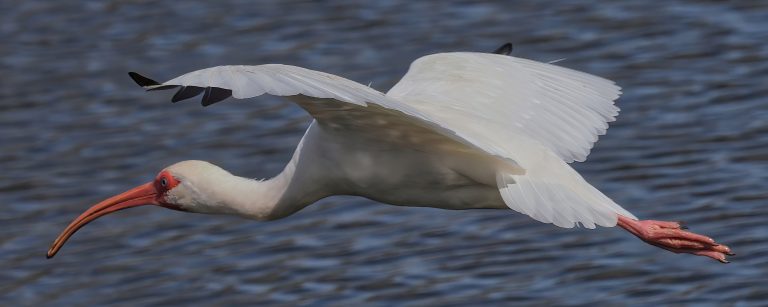
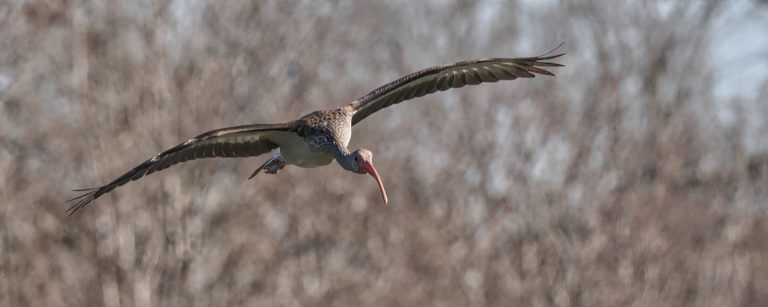
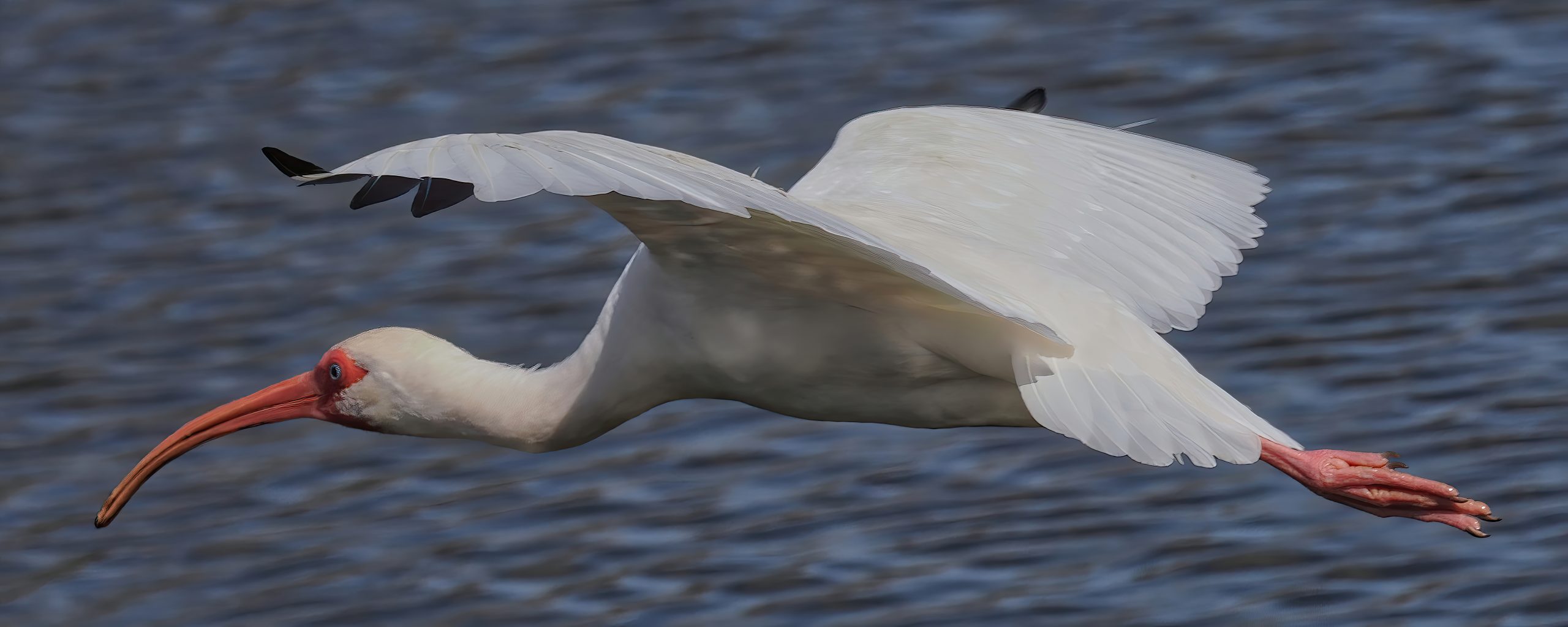
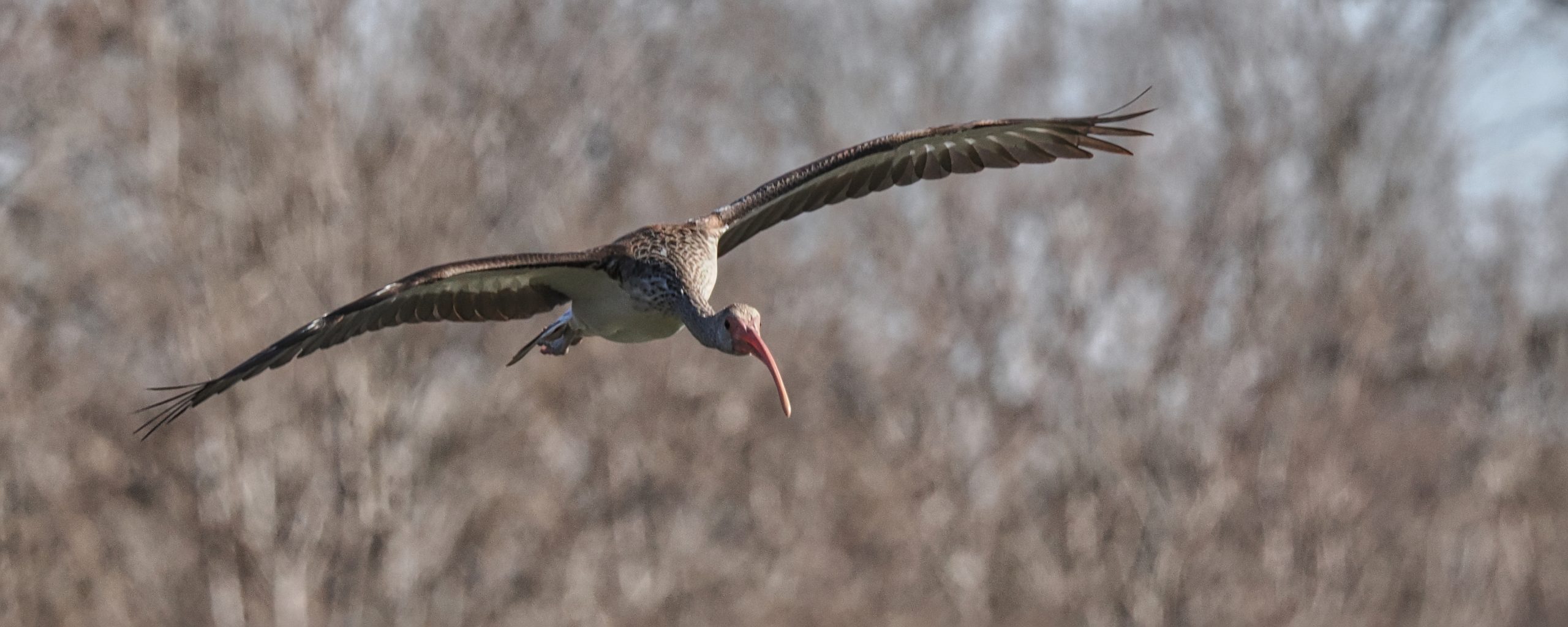
Juvenile White Ibis in flight, not yet in adult plumage. Riverstone Wetlands, Sugar Land, Texas.
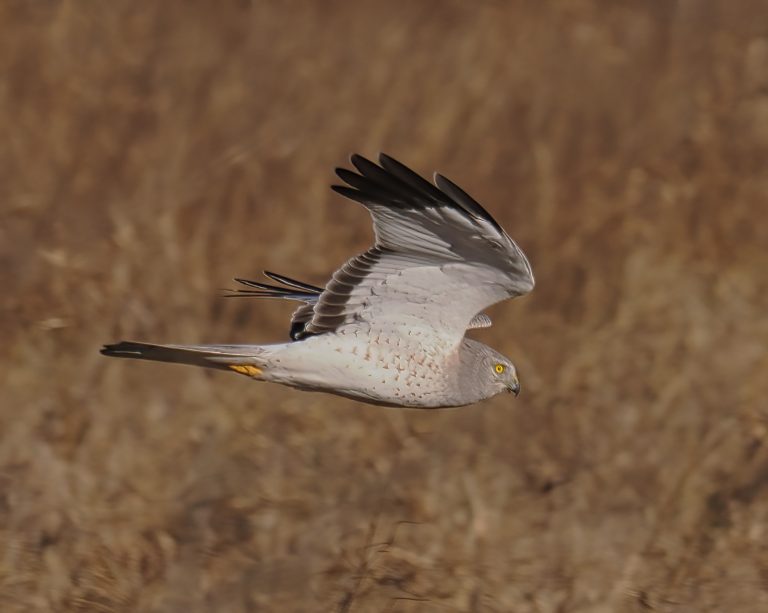
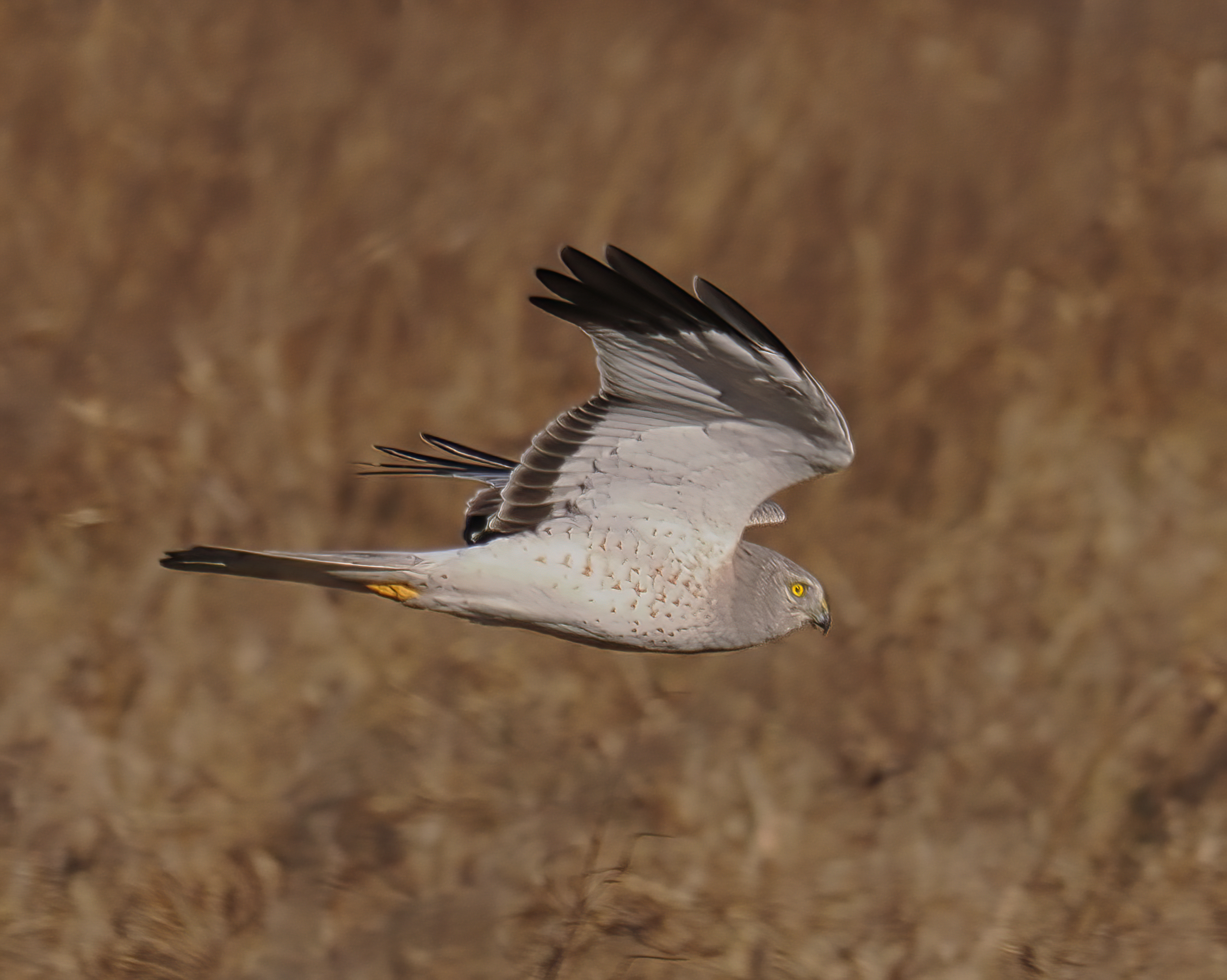
Circus hudsonius. All over North America.
Great Egret in the Riverstone Wetlands, Sugar Land, Texas.
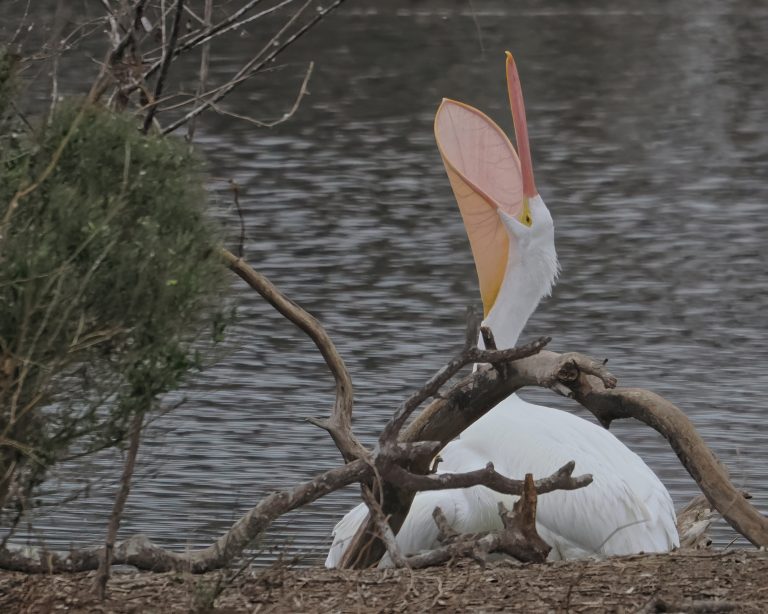
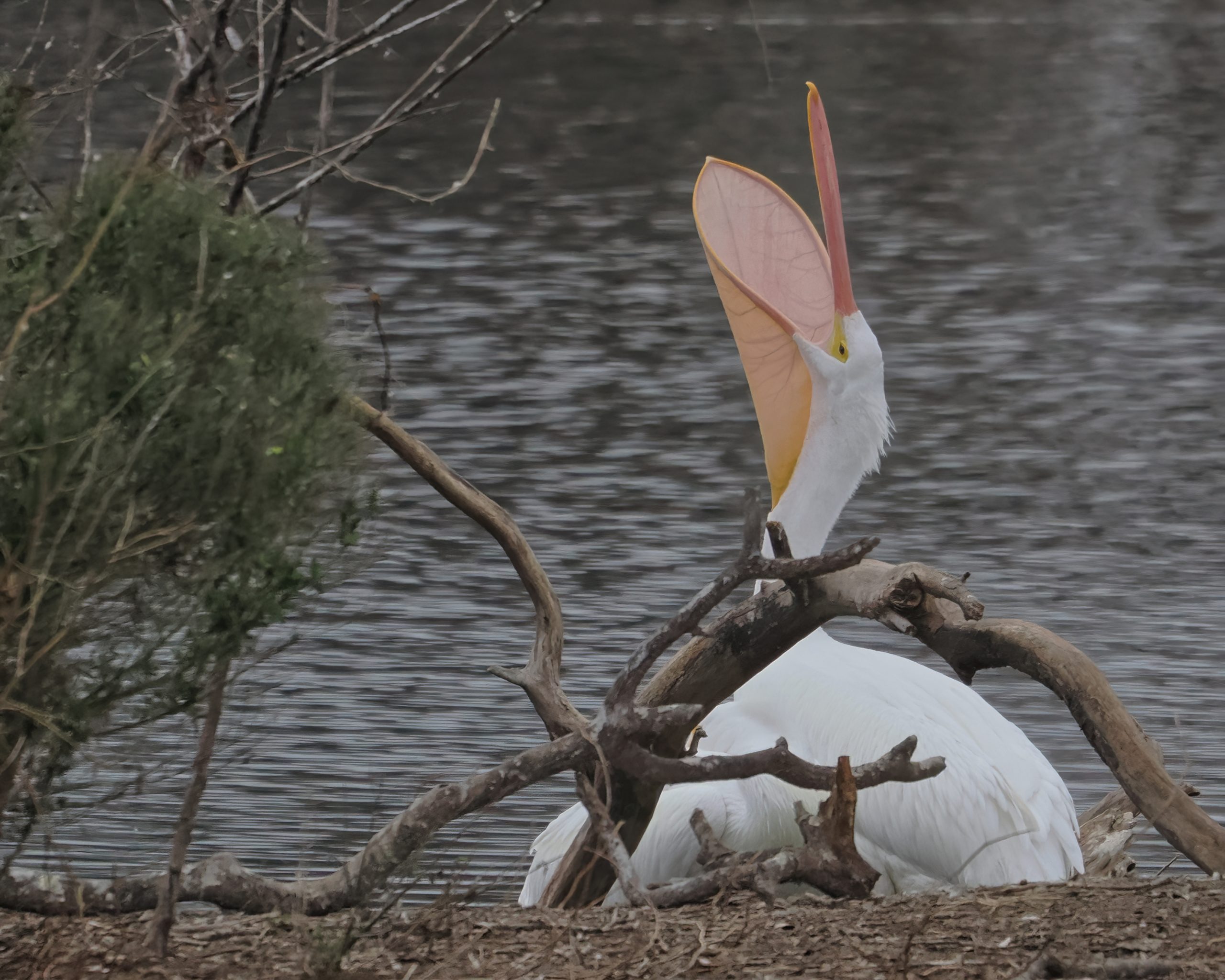
American White Pelican. Maybe yawning. Not observed this behavior before. Suggestions welcome. Delores Fenwick Nature Center, Pearland, Texas.
American White Pelicans off the island and on the shore of the Delores Fenwick Nature Center, Pearland, Texas.
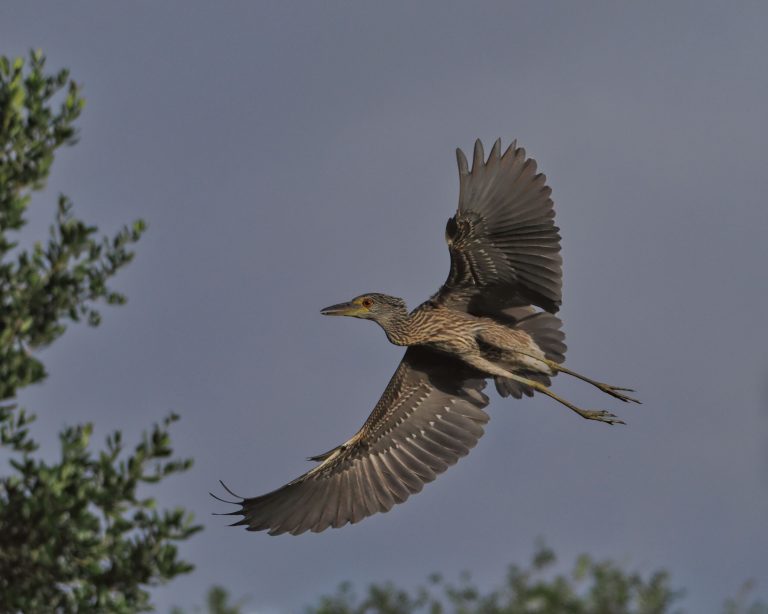
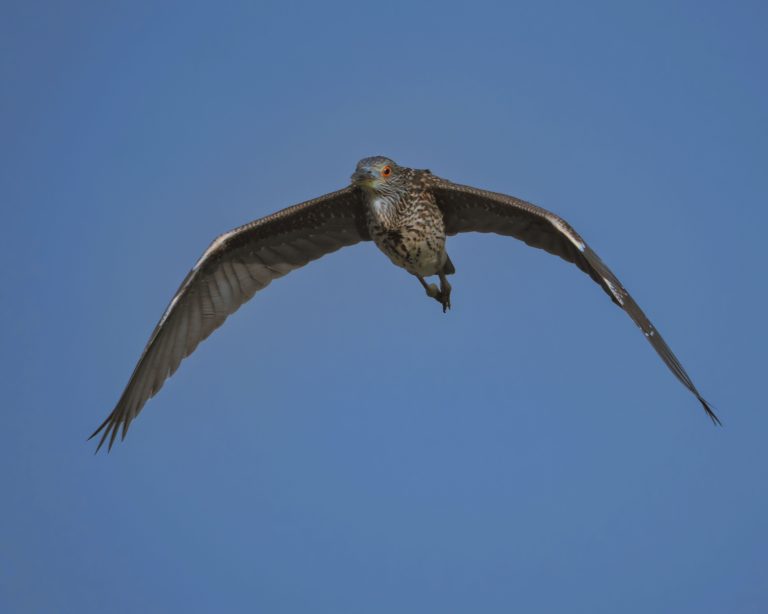
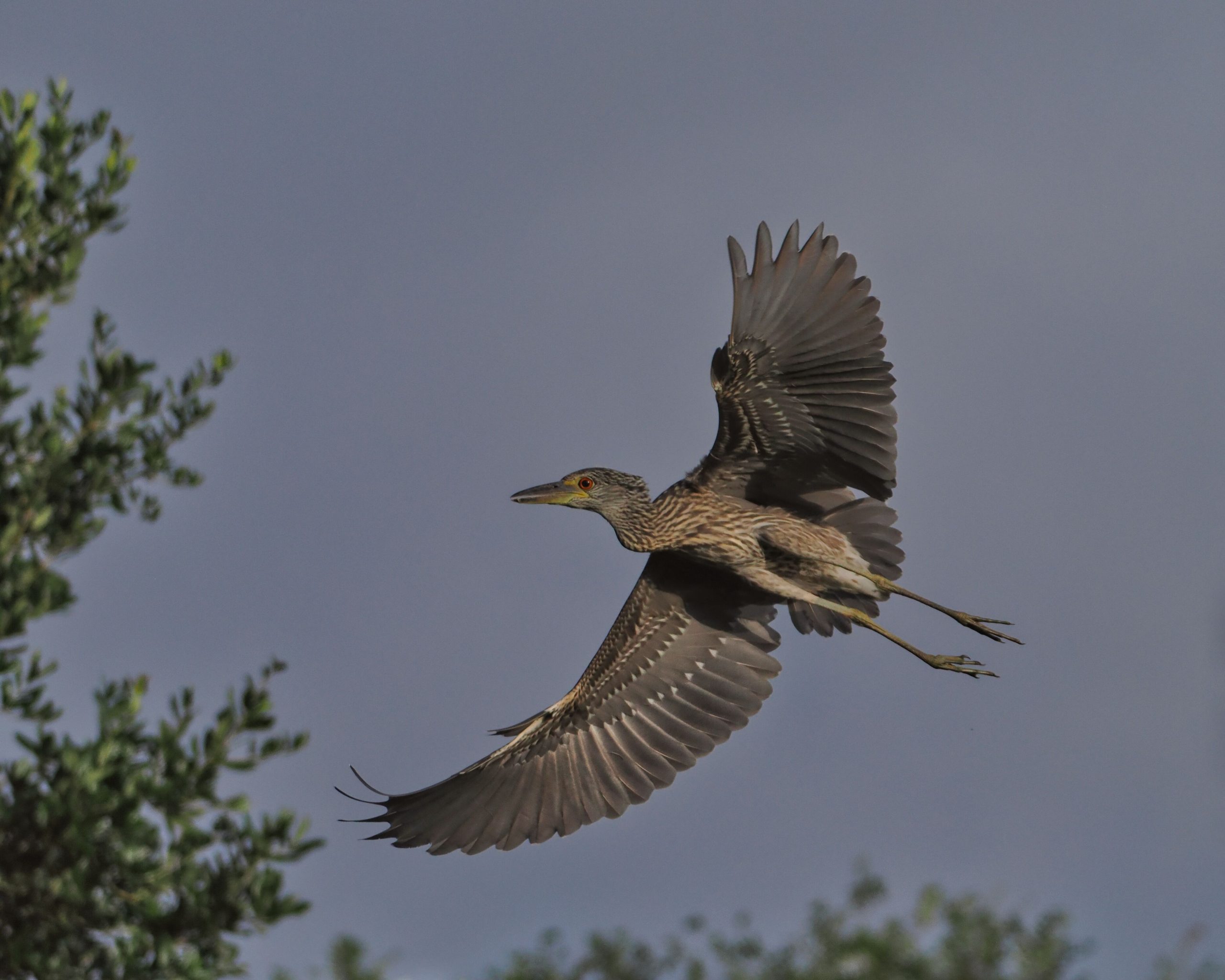
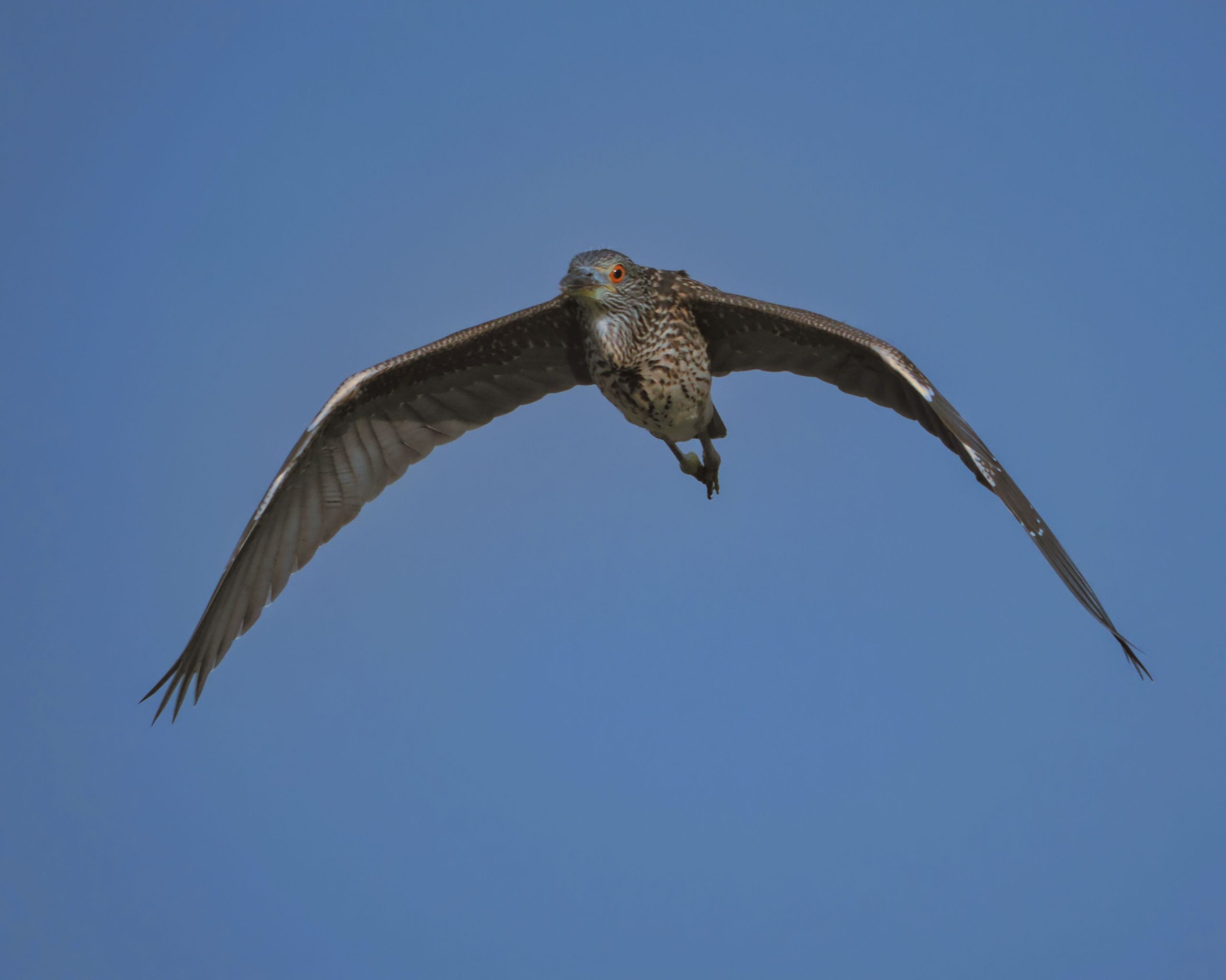
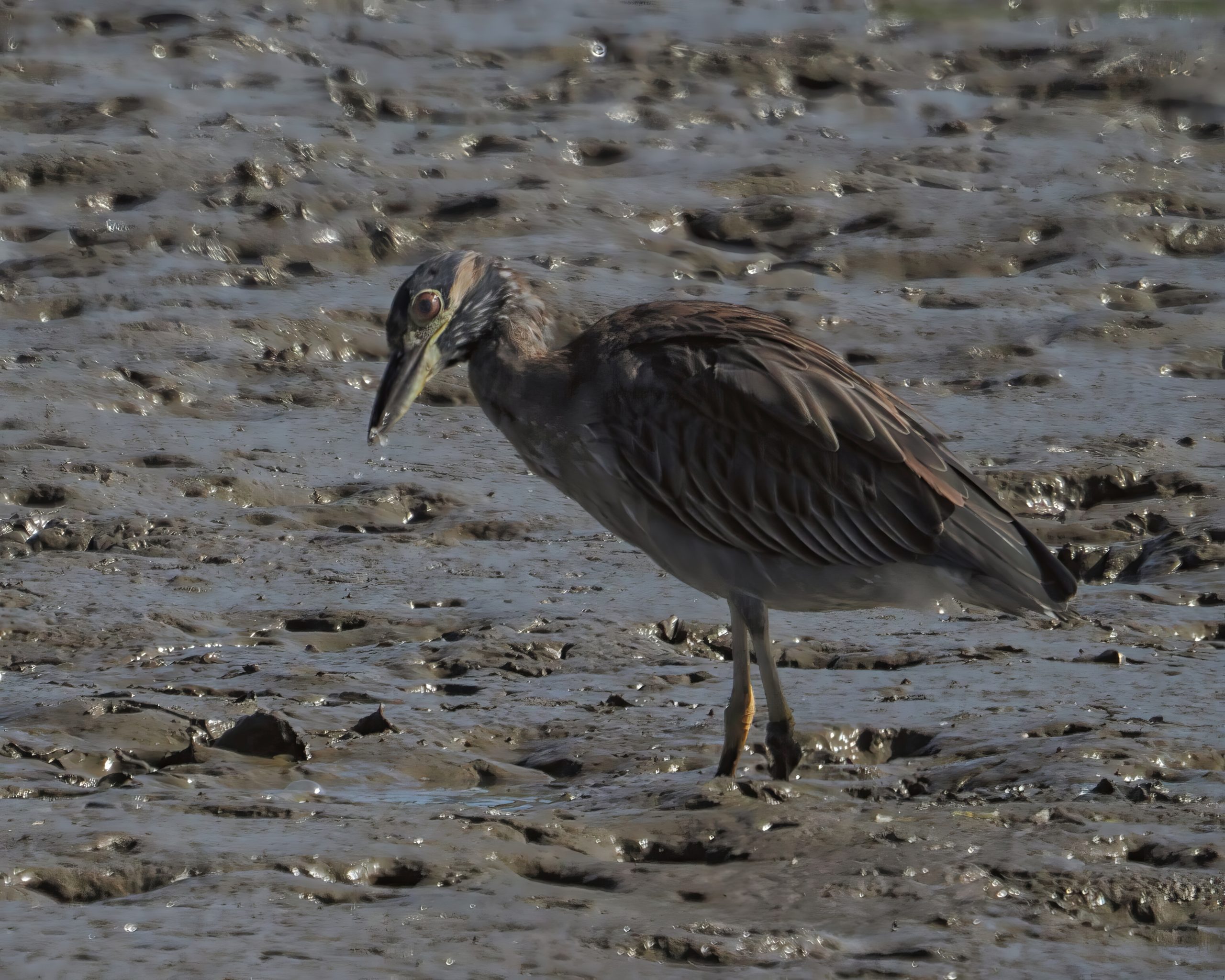
Not sure if this is Yellow-crowned or Black-crowned. Hard to tell at this age. Resoft County Park, Alvin, Texas.
Not sure if this is Yellow-crowned or Black-crowned. Hard to tell at this age. Resoft County Park, Alvin, Texas.
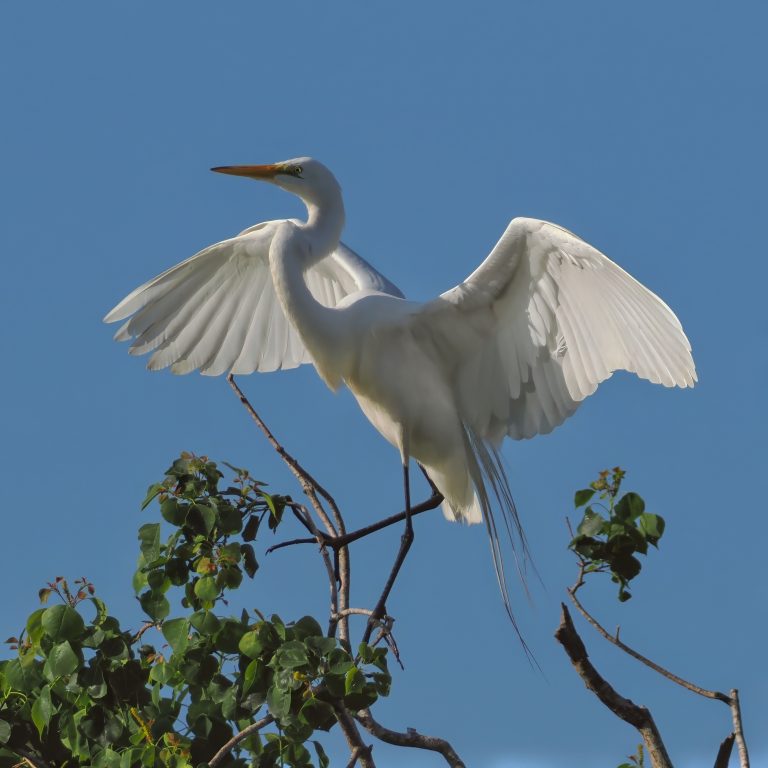
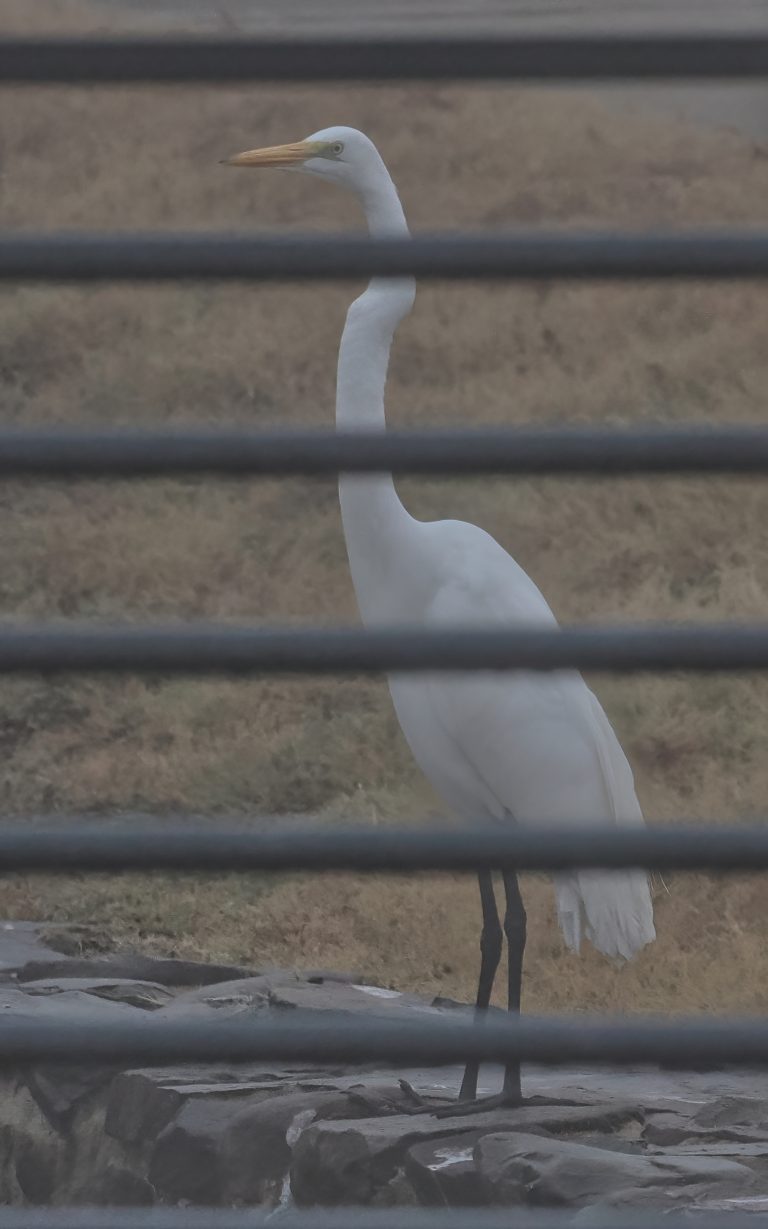
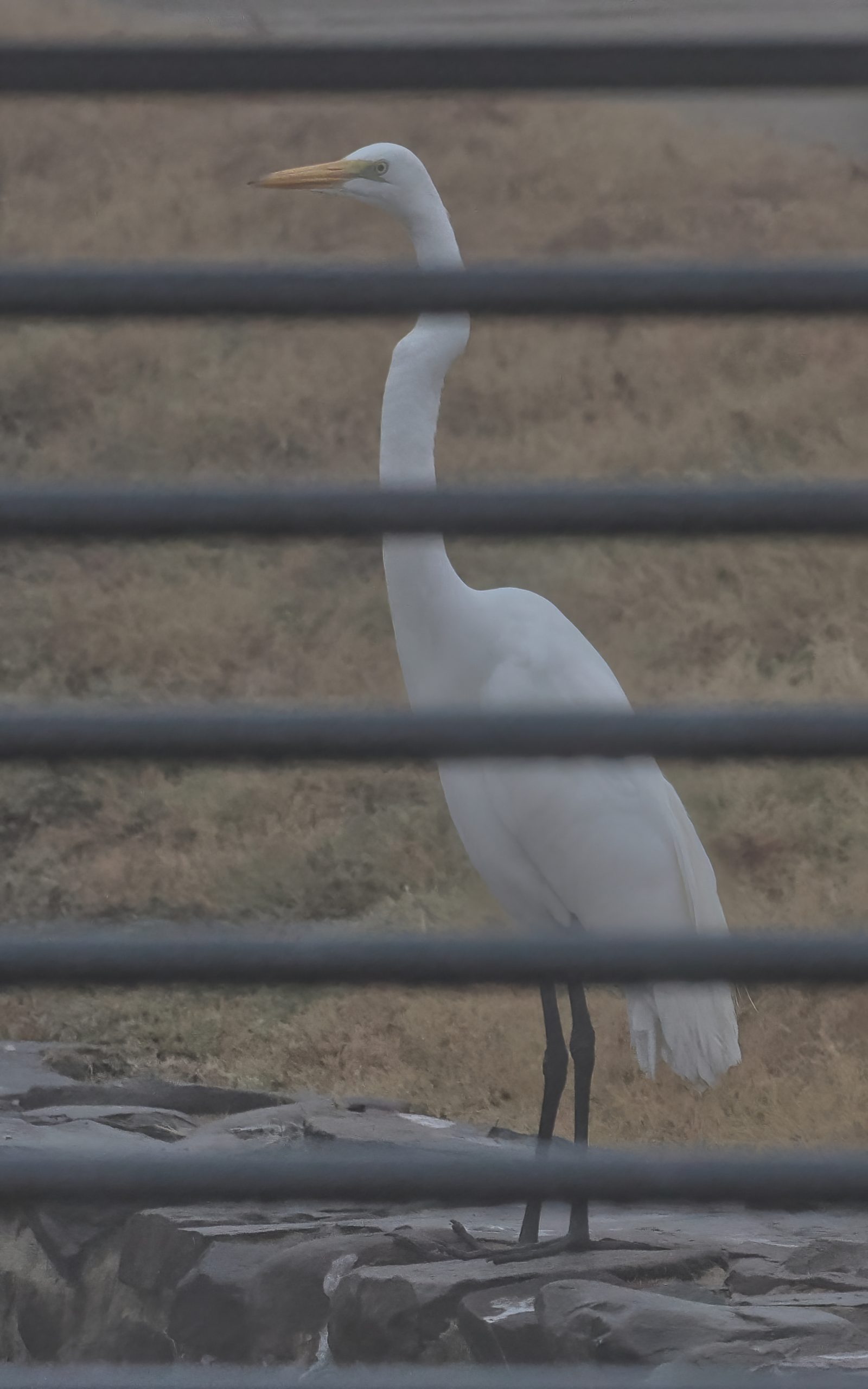
Great Egret (Ardea alba). Resoft County Park, Alvin, Texas.
Noel’s eight-year photographic journey begins in South Asia as a Peace Corps volunteer in 1967 growing rice in India and then in Nepal in 1969 trekking through the Himalayas to the base camp of Mount Everest. Then it moves to Southeast Asia. Arriving broke in Singapore in 1970 Noel found work as a navigator aboard a seismic vessel exploring in the Indian Ocean and the Bering Sea, then as the administrator of several geophysical land crews in Indonesia. He spent his off-time in Singapore where he met his future wife, Pauline, a Dutch national with the Netherlands embassy there. Noel and Pauline began a year of travel throughout Southeast Asia in 1974 with a three-month stay in Bali. Later travels included Indonesia (of course), Malaysia, Thailand, Cambodia, Laos and Burma, all photographically documented with insightful commentary, before returning to the States via North Africa in 1975. Find the book on Amazon.
Great Egret (Ardea alba). Resoft County Park, Alvin, Texas.
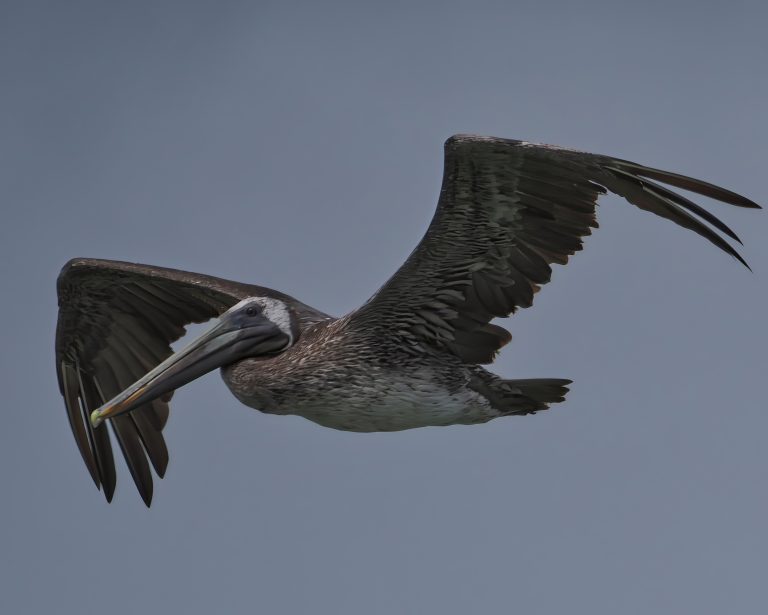
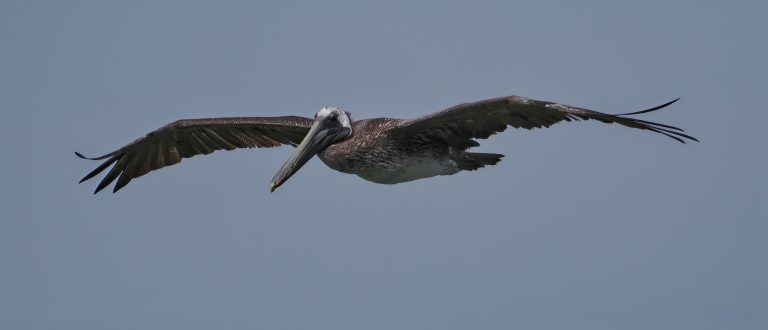
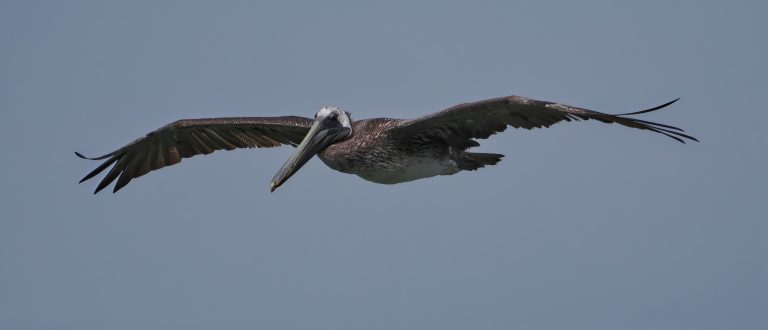
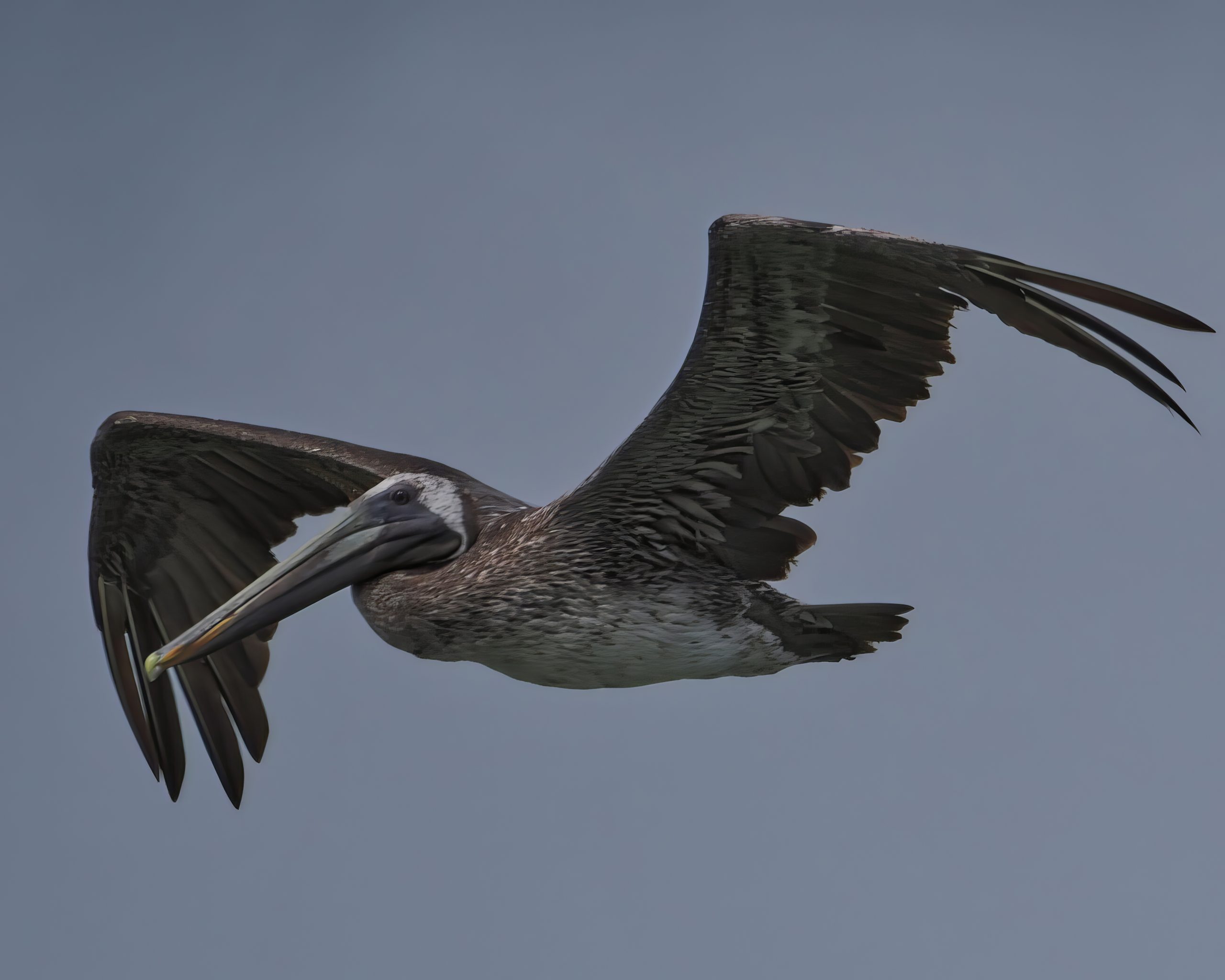
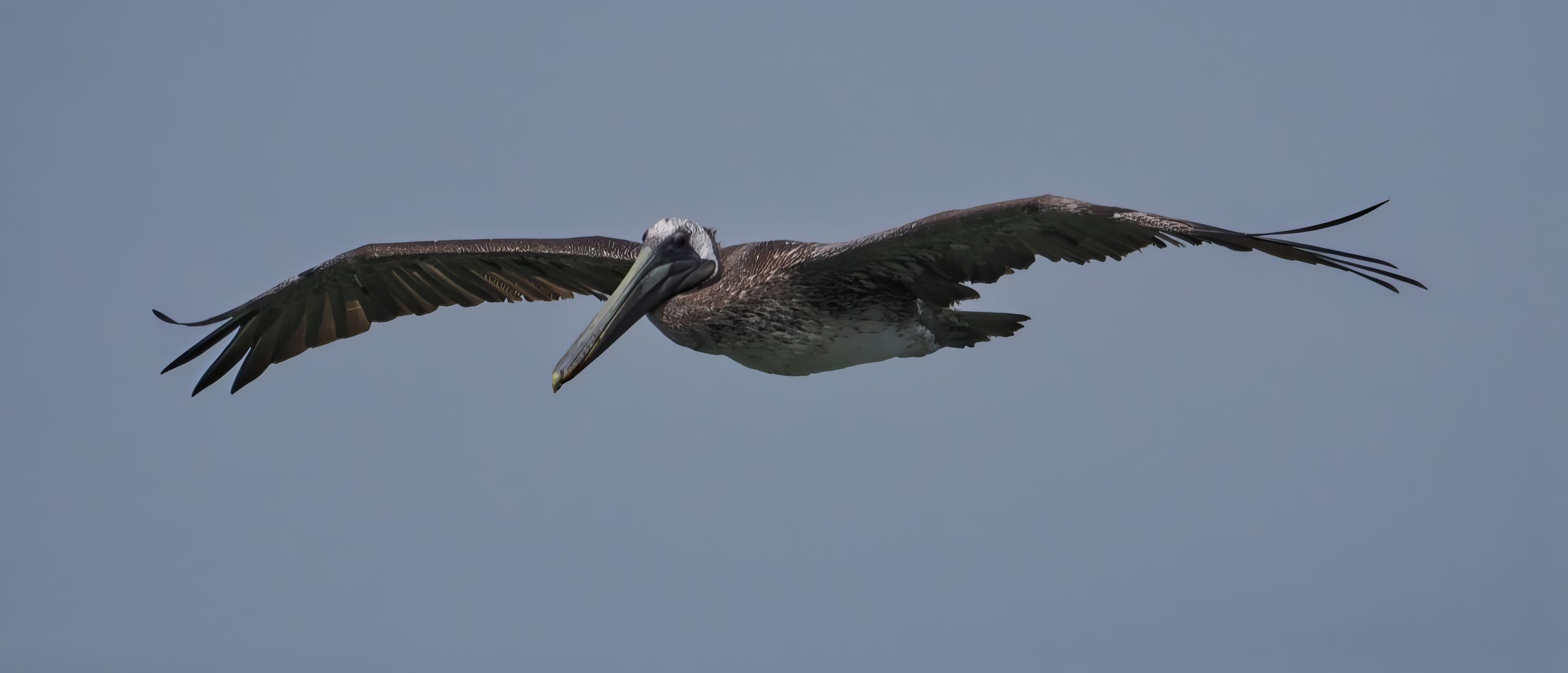
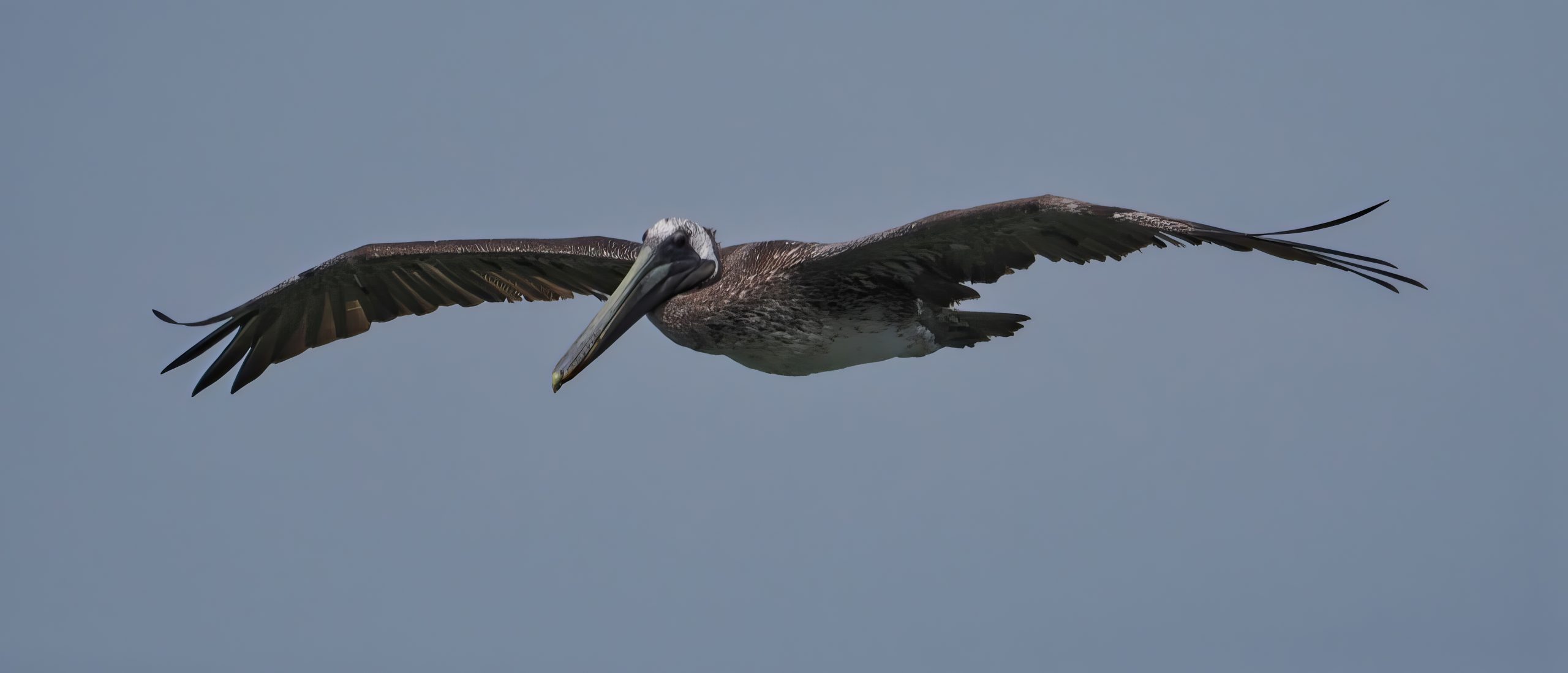
Brown Pelican (Pelecanus occidentalis) over The Packery Channel between the southern tip of Matagorda Island and the northern tip of Padre Island, near Corpus Christi, Texas.
Brown Pelican (Pelecanus occidentalis) over The Packery Channel between the southern tip of Matagorda Island and the northern tip of Padre Island, near Corpus Christi, Texas.
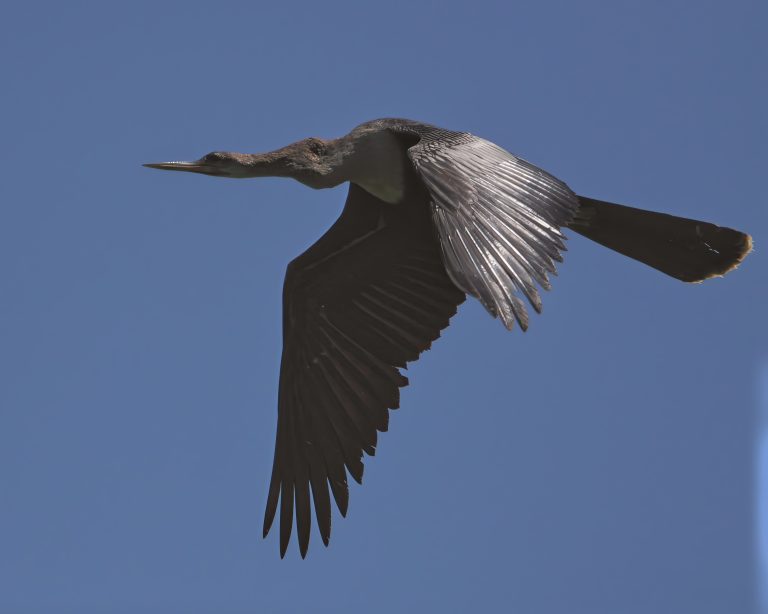
Brown Pelican (Pelecanus occidentalis) over The Packery Channel between the southern tip of Matagorda Island and the northern tip of Padre Island, near Corpus Christi, Texas. Anhinga anhinga. Smith Oaks Audubon sanctuary, High Island, Texas.
Ibis (Eudocimus albus) in White Lake, Cullinan Park, Sugar Land, Texas.
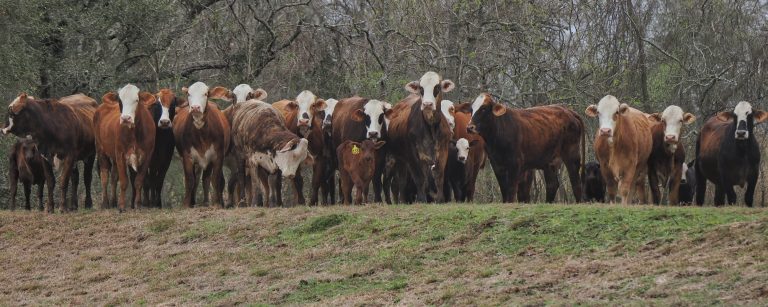
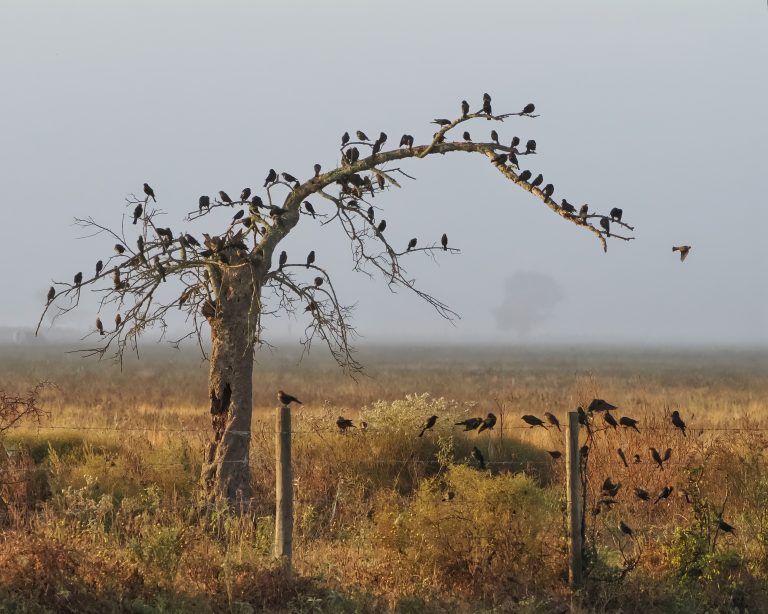
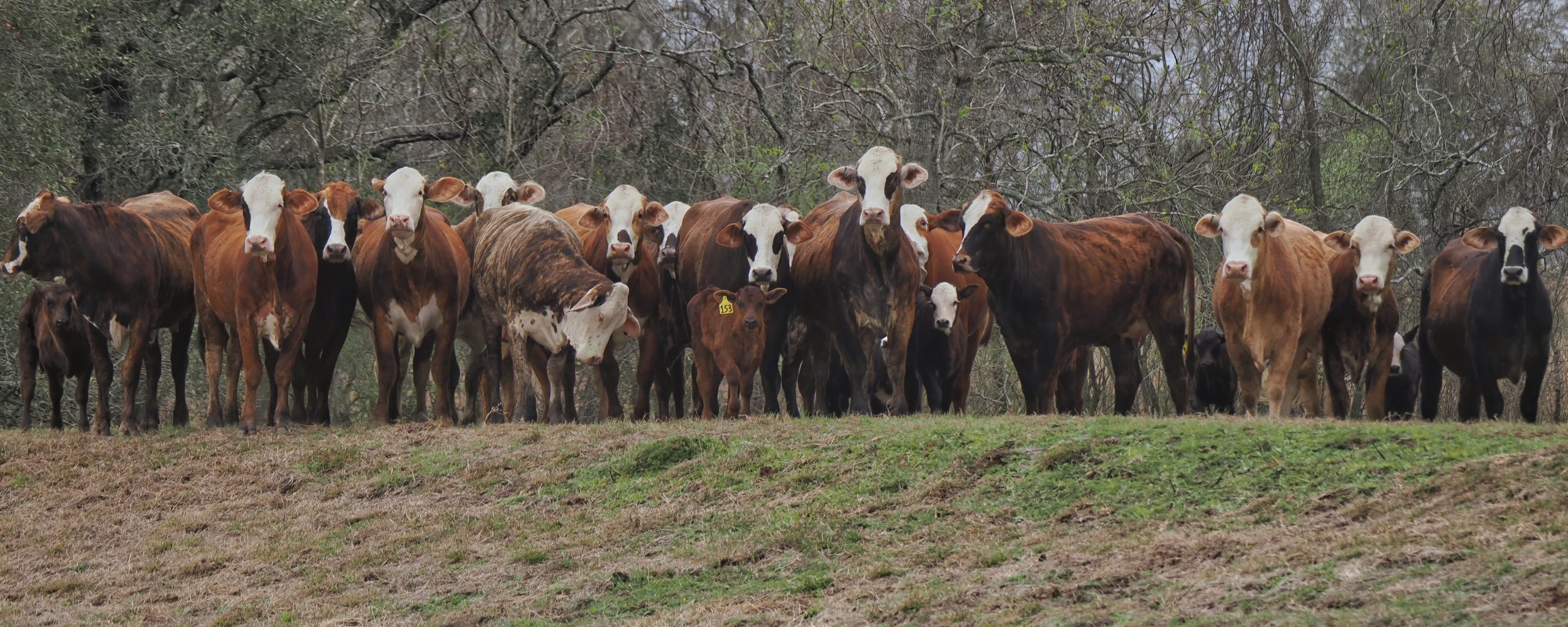
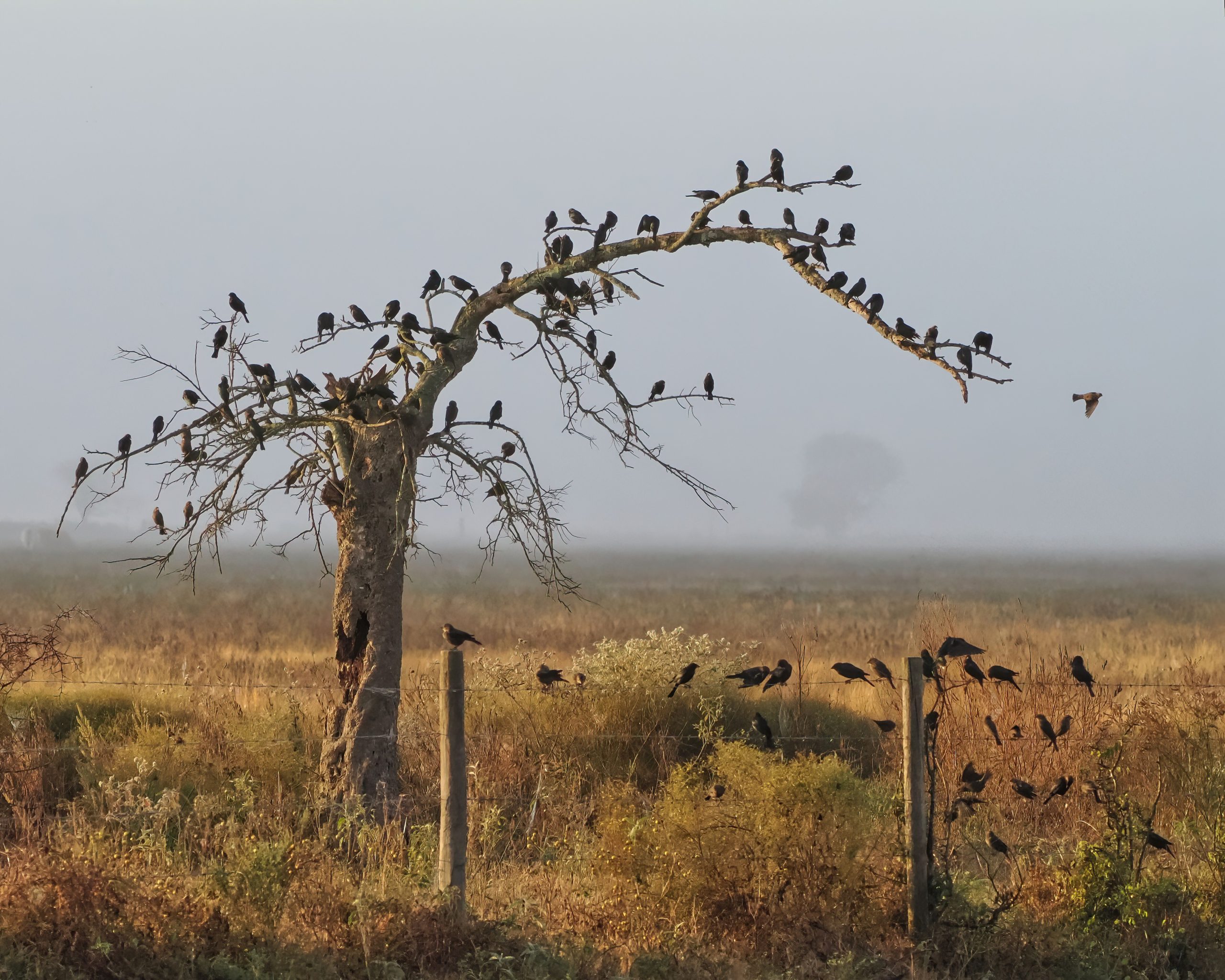
Cow birds are all over the place. Darst Road, Beasley, Texas.
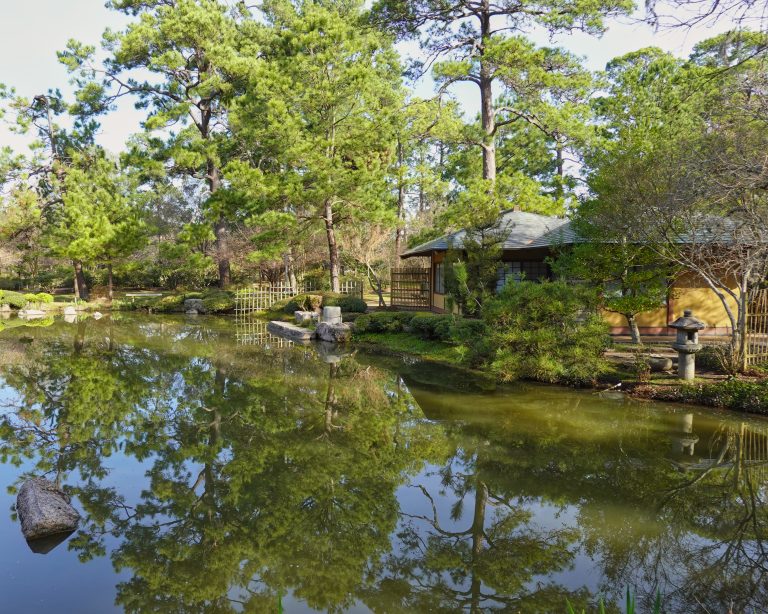
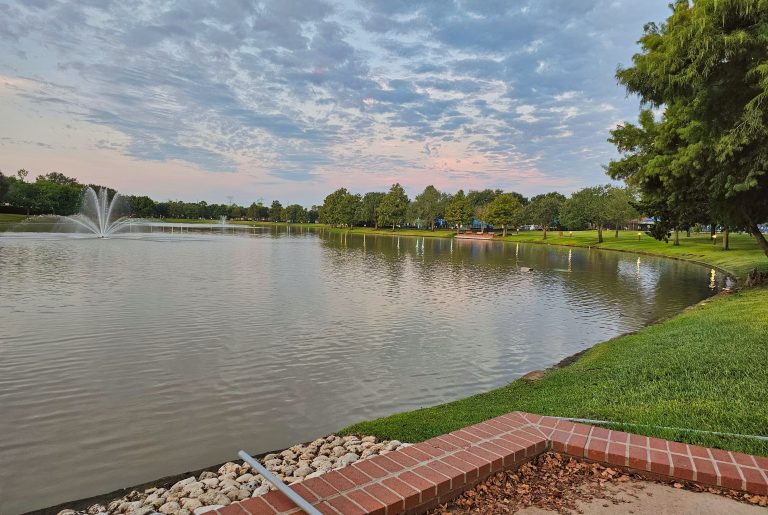
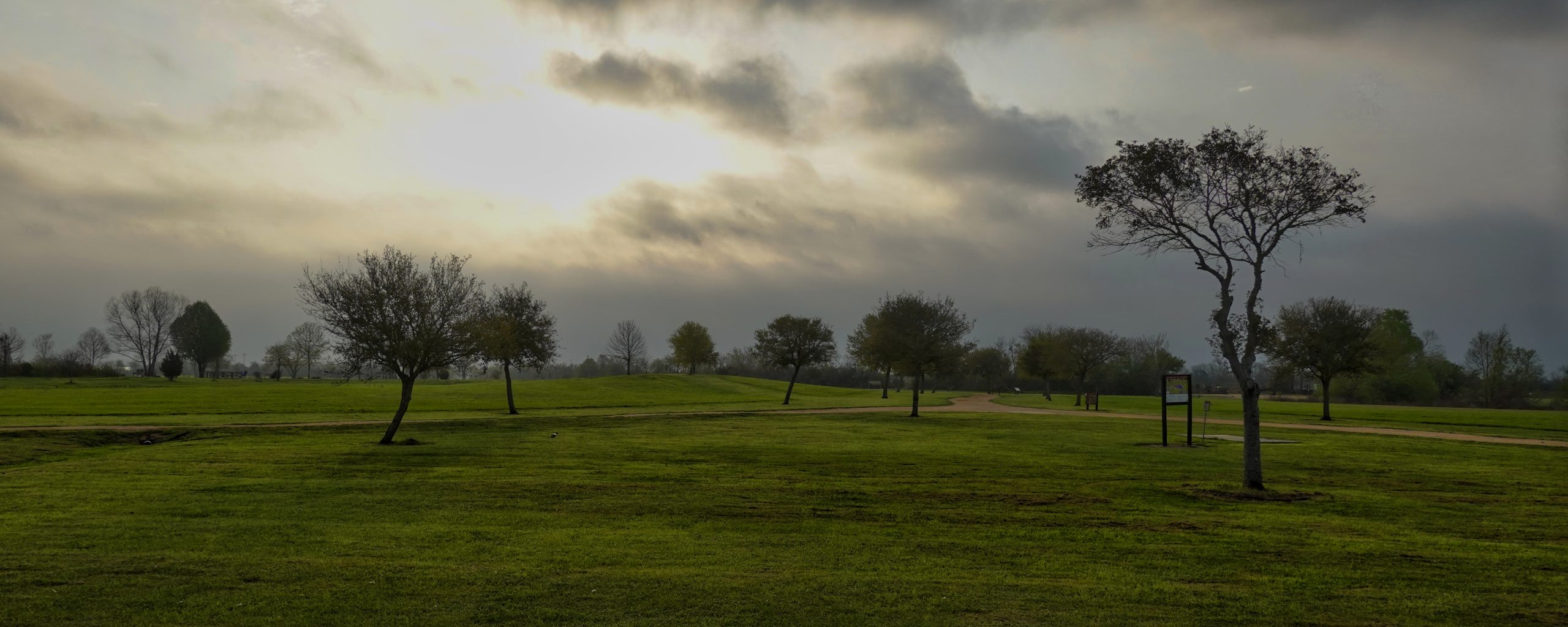
Double Lake Park, Sugar Land, Texas
Yellow-crowned Night Heron (Nyctanassa violacea) at 17th Street jetty, Bolivar, Texas. Ardea alba. Resoft County Park, Alvin, Texas
Smith Point is a peninsula projecting into Trinity and Galveston Bays. It
The retention pond a few steps away. Sugar Land, Texas.
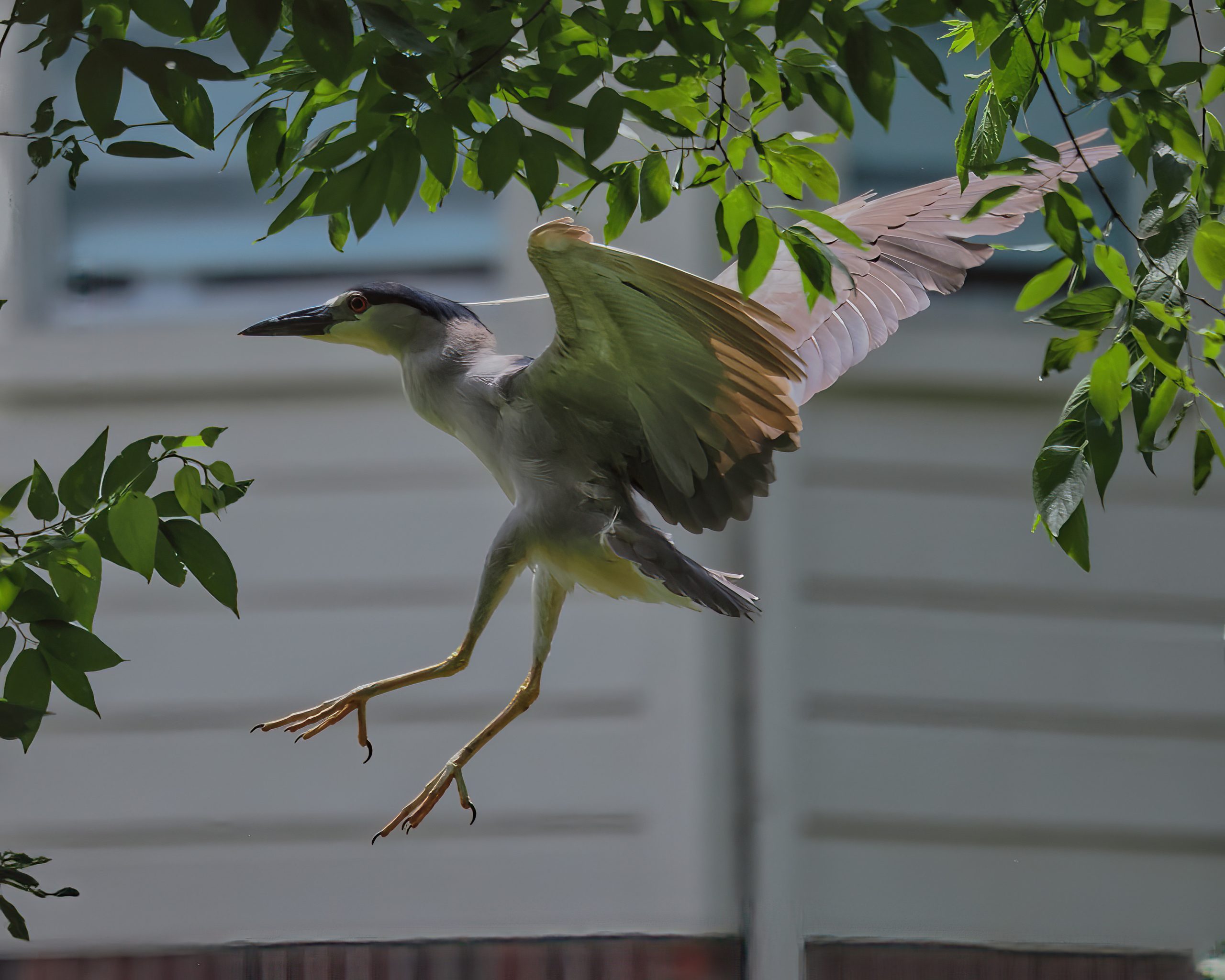
Black-crowned Night Heron flying into its nest on Edgewater Drive, Sugar Land, Texas. The island in Edgewater Lake opposite Waters Way Drive in the First Colony suburban development has always been populated with vultures and water birds, a photographer
Roseate Spoonbills. Platalea ajaja. Suburban Edgewater Lake, Sugar Land, Texas.
New Year Ardea alba. Polishing Pond, Fulshear, Texas.
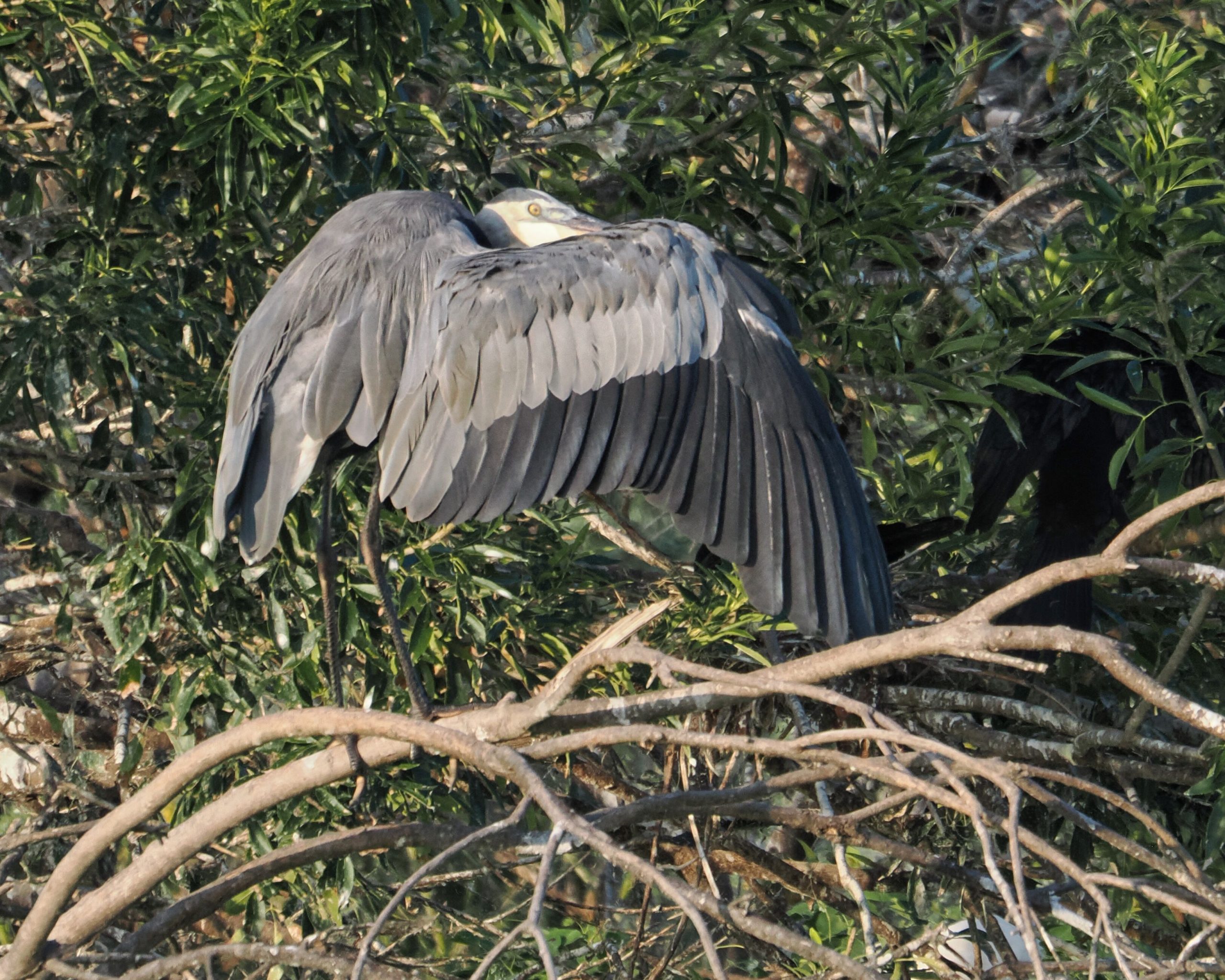
Great Blue Heron Ardea herodias. John Hargrove Environmental Complex (AKA Delores Fenwick Nature Center), Pearland, Texas.
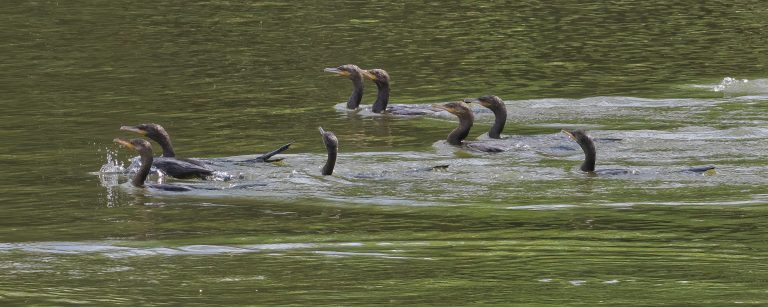
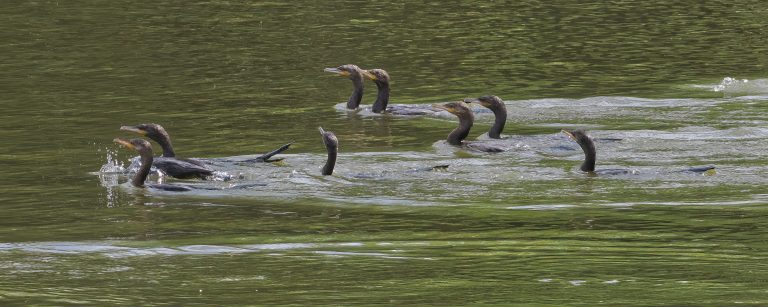
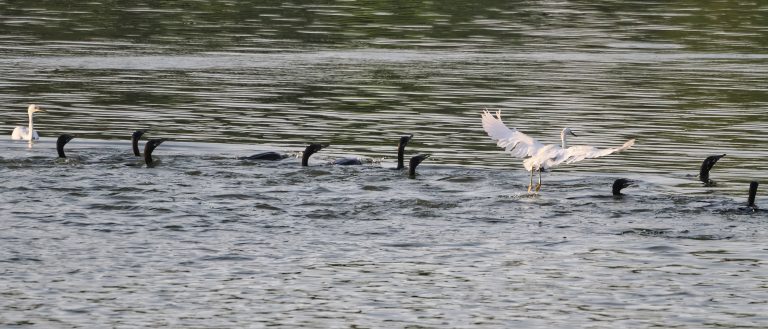
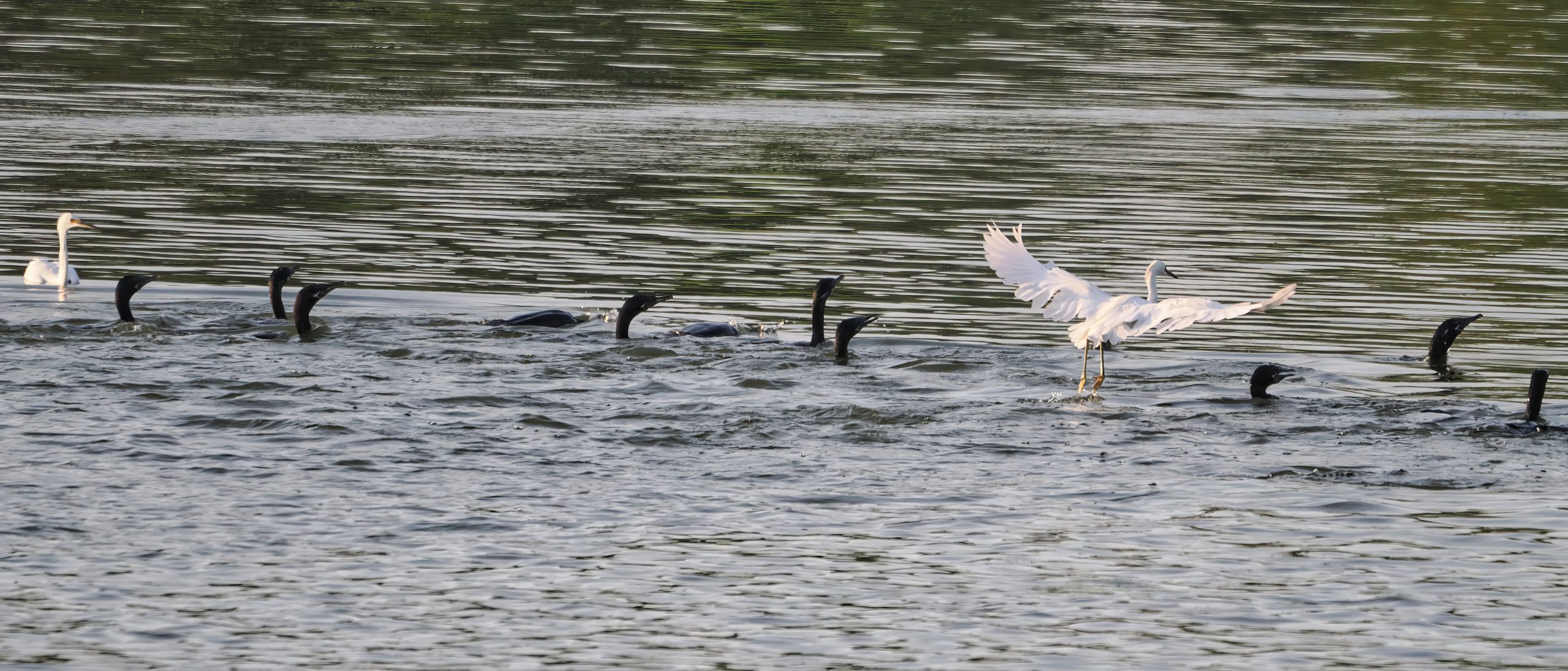
A gulp of Cormorants following a school of fish with a couple Egrets snagging a few, too. Notice a couple Cormorants head down in the water. John Hargrove Environmental Complex (AKA Delores Fenwick Nature Center), Pearland, Texas.
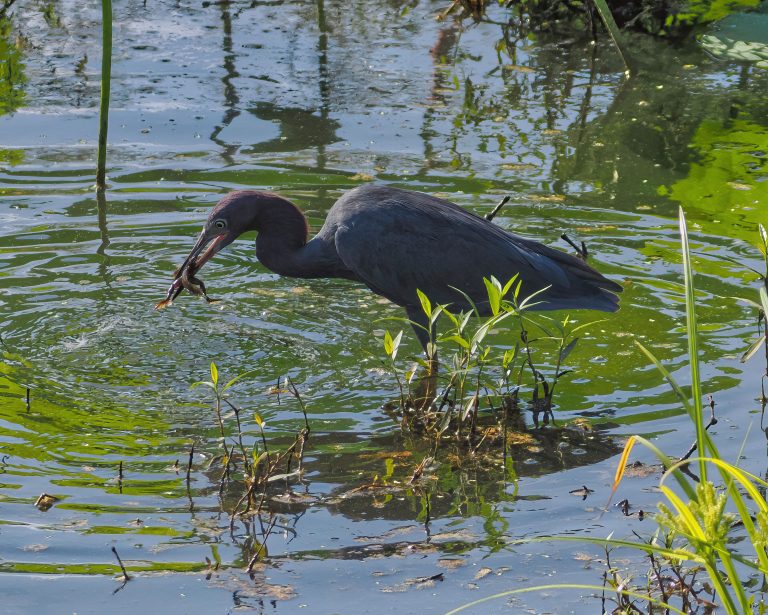
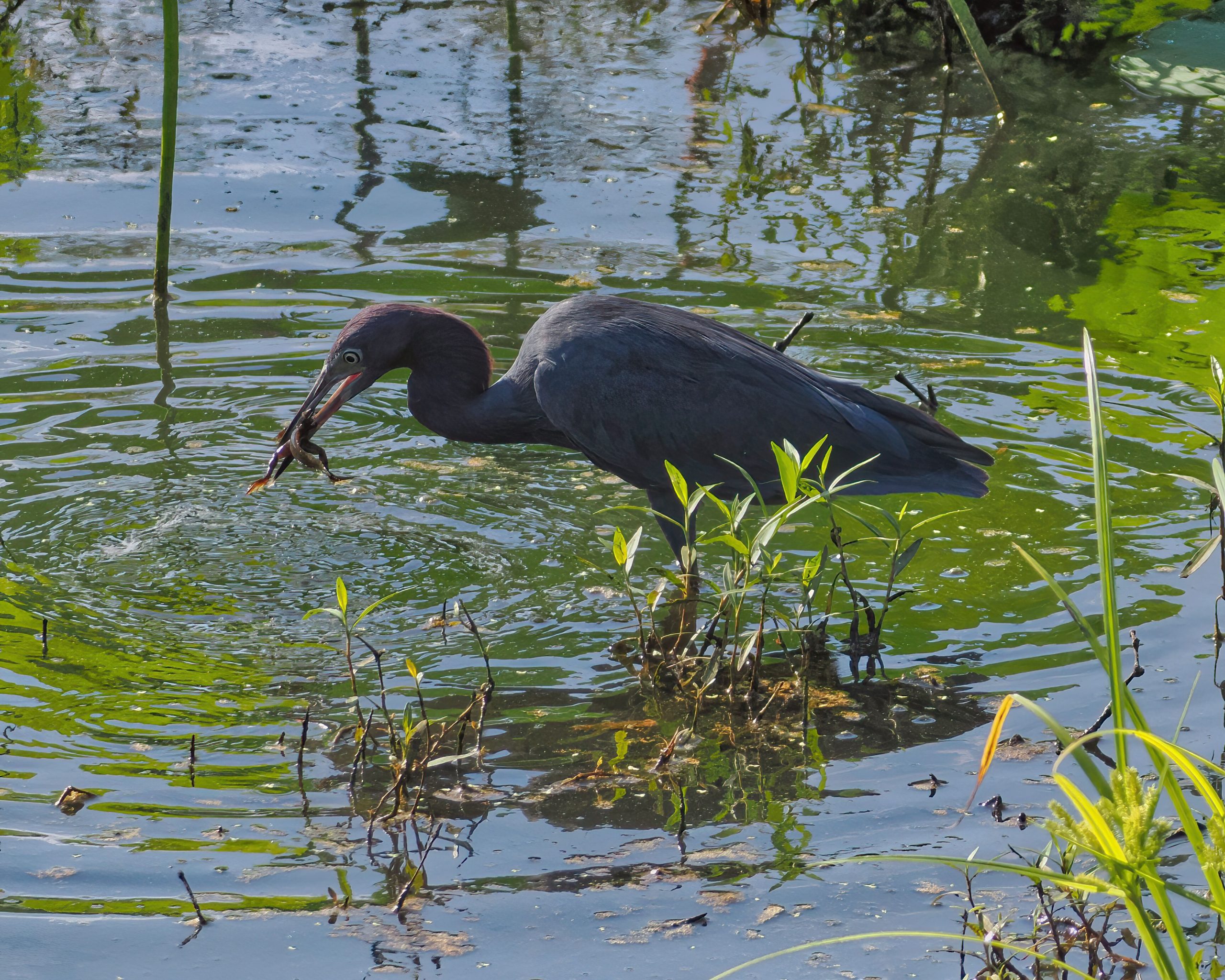
Little Blue Heron (Egretta caerulea) catching something. Fish, frog? Not sure. Cullinan Park, Sugar Land, Texas.
The Old Fortress of Corfu is a Venetian fortress in the city of Corfu. The fortress covers the promontory which initially contained the old town of Corfu that had emerged during Byzantine times. [Wikipedia]. Currently in Venice on this cruise after having visited three ports on the eastern Adriatic, I am amazed at the geographical influence of the Venetians several centuries ago.
Notice the snow on the peak high in the clouds. Mount Etna is one of the world’s most active volcanoes. It has been designated a Decade Volcano by the United Nations and a World Heritage Site by UNESCO. The peak is 3,357m. We drove up over 2,000m to view some secondary craters (along with many other tourists). Mount Etna most recently erupted on May 22, 2023, two weeks before our arrival. The town of Giardini Naxos (in Sicily) is in the foreground.
No Smoking. Precariously queuing for departure from the hydrofoil landing craft ferrying people from Capri to Naples, Italy, just in time I might add for the ongoing cruise.
Pedestrian thoroughfare, Barcelona, Spain, not far from our AirBnB, returning after an early dinner of tapas (appetizers), and beer, of course, on our first day (of three) in the city.
Pitangus sulphuratus. Native to the Rio Grande Valley in Texas to Northern Mexico and also in Belize, the Great Kiskadee is a flycatcher. Found at the National Butterfly Center, Mission, Texas.
These are the Double Lake water works, a continual fascination for me because they protect my house from flooding in Texas hurricanes. Wading birds (herons, egrets) used to fish at the crenelated weir in the center left, but no more. Got to suspect the management of the two lakes. Rotenone maybe? Or just too manicured for wildlife (like so much of our planet). Sugar Land, Texas.
Egyptian goslings (still 9 of them) growing fast at Resoft County Park. See previous photos at 1 day old, 1 week old, 2 weeks old and 17 days old. Alvin, Texas.
The lore is the area about the eyes. In a Great Egret the lore turns green during the mating season, as a signal perhaps. This nest-building, branch-gatherer is ready to raise a family! Resoft County Park, Alvin, Texas.
Mom and Dad Egyptian Geese and their nine (surviving) goslings, who seem to dine contentedly on whatever is in the grass. Resoft County Park, Alvin, Texas.
Roseate Spoonbill considering a branch for its nest, later rejected, too far to carry such a big branch, I guess. Notice the filigree pattern on the bird
Roseate Spoonbill considering a branch for its nest, later rejected, too far to carry such a big branch, I guess. Notice the filigree pattern on the bird
Texas Master Naturalist luxuriating in a field of Bluebonnets mixed with Switch Grass, an ideal, drought-resistent prairie plant with roots 12 feet deep, useful for preventing flooding, located 16 miles NW of Edna, Texas.
Three American White Pelicans, six (Double-crested?) Cormorants, and twelve Black Vultures all on the end of an island in Edgewater Lake, Sugar Land, Texas. Notice the breeding knobs on the bills of the pelicans.
Notice the small Common Bluet (Enallagma cyathigerum), a blue damselfly, on the back of the Spiny Softshell (Apalone spinifera), one of the largest freshwater turtle species in North America. Just the second time I
Always difficult for me to tell the difference between Neotroic and Double-crested Cormorants. There are Double-crested in the Riverstone Wetlands, but the orange coloring around the eyes (the lore) is more pronounced this time of year. I
Always difficult for me to tell the difference between Neotroic and Double-crested Cormorants. There are Double-crested in the Riverstone Wetlands, but the orange coloring around the eyes (the lore) is more pronounced this time of year. I
The construction of pilings for a new bridge over McGovern Lake in Hermann Park required the damming of part of the lake and pumping it (sort of) dry. This exposed a row of truck tires upon which turtles congregated. Then a Great Egret came along and this photo. Houston, Texas. No idea why the tires are there!
The dominant Great Egret of Riverstone Wetlands is flying to confront (and drive off) a competitor. Zoom into the green lore around the eye, evidence of his breeding status. Sugar Land, Texas.
The dominant Great Egret of Riverstone Wetlands is flying to confront (and drive off) a competitor. Zoom into the green lore around the eye, evidence of his breeding status. Sugar Land, Texas.
The small turtle (Red-eared Slider) is continually maneuvering to snuggle up face-to-face with the larger turtle. But the big turtle continually brushes off the little guy. Amazing to me that turtles have a social life! Riverstone Wetlands, Sugar Land, Texas.
The dominant Great Egret of Riverstone Wetlands (note the increasingly green lore about the eye) uses his lower beak to impale a Bluegill (Lepomis macrochirus). He devoured it whole. Sugar Land, Texas.
The yellow eyes identify this Great-tailed Grackle (Quiscalus mexicanus) as great-tailed and not boat-tailed. Native to the south-western States, Mexico and Central America. Riverstone Wetlands, Sugar land, Texas.
The polishing pond at Cross Creek Ranch in Fulshear, Texas, was once full of avian species, especially large water birds. But a new freeway nearby, new apartments nearby and new additions to the sewerage plant nearby have caused the birds to retreat to few reedy patches in greatly reduced numbers. Here they are, some of them, Black-drowned Night Herons, Great Blue Herons and a few turtles, too. Still, a nice photo.
The appropriately named Steep Bank Creek originates in Oyster Creek more than 3 miles north as the Great Blue Heron flies, wends it way west, then east, passing by my subdivision 1 mile to the north where it drains Double Lake during heavy rains. It then flows on to Riverstone Wetlands where this photo was taken, then south for 4 more miles as that Heron flies where it joins the Brazos River, which flows into the Gulf of Mexico. That
Setophaga coronata. Riverstone Wetlands is replete with Yellow-rumped Warblers. This M43 shot has the creamy bokeh favored by my FF friends, so, I thought I
Been reading books and watching videos on street and travel photography in anticipation of cruising around Italy this summer where birds are likely to be scarce in the cities. This is as close as one can get to the street in Riverstone Wetlands, that is, another photographer and a guy talking on his cell phone while walking his dog. Notice the white plastic waste bag in the dog walker
What one normally sees in the Riverstone Wetlands, in this case a Great Blue Heron in flight. Actually, the white waders are much more common that the blue waders. Lucky morning, but it was overcast, thus the high ISO. Sugar Land, Texas.
First panoramic photo with the RX100M7, the water works at Double Lake. Double Lake comprises two manicured retention ponds that are connected, managed during flood conditions and which flow into Steep Bank Creek. Steep Bank Creek flows south to the Brazos River passing by Riverstone Wetlands (my favorite birding spot) on the way. Though manicured, Double Lake does attract water birds. Here you see the connection between the two lakes in the distance and the crenelated weir that spills fish as well as water, being a favorite fishing spot for egrets and herons. Steep Bank Creek is immediately to the rear of the photographer standing on the recently-raised levee that protects homes from flood conditions (we hope). Sugar Land, Texas.
The bocce ball court in the background is used for some sort of physical training, stretching and limbering, I think. The blue sail is a sun and rain umbrella over some permanent tables and chairs set up for chess and checkers. White Ibis (Eudocimus albusare) are foraging in the foreground. Double Lake, Sugar Land, Texas, is to the left. Isn’t it great that a one-inch sensor brings it all into focus? Shallow depth of field is over-rated.
Noel’s eight-year photographic journey begins in South Asia as a Peace Corps volunteer in 1967 growing rice in India and then in Nepal in 1969 trekking through the Himalayas to the base camp of Mount Everest. Then it moves to Southeast Asia. Arriving broke in Singapore in 1970 Noel found work as a navigator aboard a seismic vessel exploring in the Indian Ocean and the Bering Sea, then as the administrator of several geophysical land crews in Indonesia. He spent his off-time in Singapore where he met his future wife, Pauline, a Dutch national with the Netherlands embassy there. Noel and Pauline began a year of travel throughout Southeast Asia in 1974 with a three-month stay in Bali. Later travels included Indonesia (of course), Malaysia, Thailand, Cambodia, Laos and Burma, all photographically documented with insightful commentary, before returning to the States via North Africa in 1975. Find the book on Amazon.
Brown Pelican (Pelecanus occidentalis) over The Packery Channel between the southern tip of Matagorda Island and the northern tip of Padre Island, near Corpus Christi, Texas.
Brown Pelican (Pelecanus occidentalis) over The Packery Channel between the southern tip of Matagorda Island and the northern tip of Padre Island, near Corpus Christi, Texas.
Brown Pelican (Pelecanus occidentalis) over The Packery Channel between the southern tip of Matagorda Island and the northern tip of Padre Island, near Corpus Christi, Texas.
Black-crowned Night Heron flying into its nest on Edgewater Drive, Sugar Land, Texas. The island in Edgewater Lake opposite Waters Way Drive in the First Colony suburban development has always been populated with vultures and water birds, a photographer
A gulp of Cormorants following a school of fish with a couple Egrets snagging a few, too. Notice a couple Cormorants head down in the water. John Hargrove Environmental Complex (AKA Delores Fenwick Nature Center), Pearland, Texas.